In Moriah, a wedding procession will wind its way through the streets as in days of old. In Les Coteaux, tales of mysterious creatures will take center stage once again. In Pembroke, the traditional meal will become a means of passing on traditions. From July 16 to August 1, the 2026 Tobago Heritage Festival will transform the island’s communities into chapters of a shared history.
For its 39th edition, the festival has adopted a theme that feels as much like an invitation as it does a responsibility: “Let’s Tell the Whole Story”, or in other words, “Let’s Tell the Whole Story.” For 17 days, folk music, theater, cooking, oral storytelling, and historical reenactments will showcase a heritage that isn’t preserved solely in museums. It’s still practiced in everyday life.

Tobago Heritage Festival 2026: Each Village Tells Its Story
The 2026 Tobago Heritage Festival will kick off on July 16 with a gala at the Shaw Park Complex. Starting the very next day, the Ole Time Heritage Fair will take place on the Scarborough Esplanade, followed by events in Golden Lane and Mt. Cullane Courtship Codes, a production exploring traditional ways of meeting, courting, and forming a couple. This transition from one community to another is one of the festival’s strengths. Tobago does not present a uniform vision of its identity. Instead, each village chooses a tradition, a story, or a practice that is unique to it.
On July 18, Moriah will host the famous Tobago Ole Time Wedding. The villagers reenact a traditional wedding, complete with period costumes, a wedding procession, and social customs. The bride and groom walk through the village surrounded by participants in traditional attire. Much more than just a performance, this reenactment shows how a community portrays the family and social relationships of a bygone era.


A story acted out rather than told
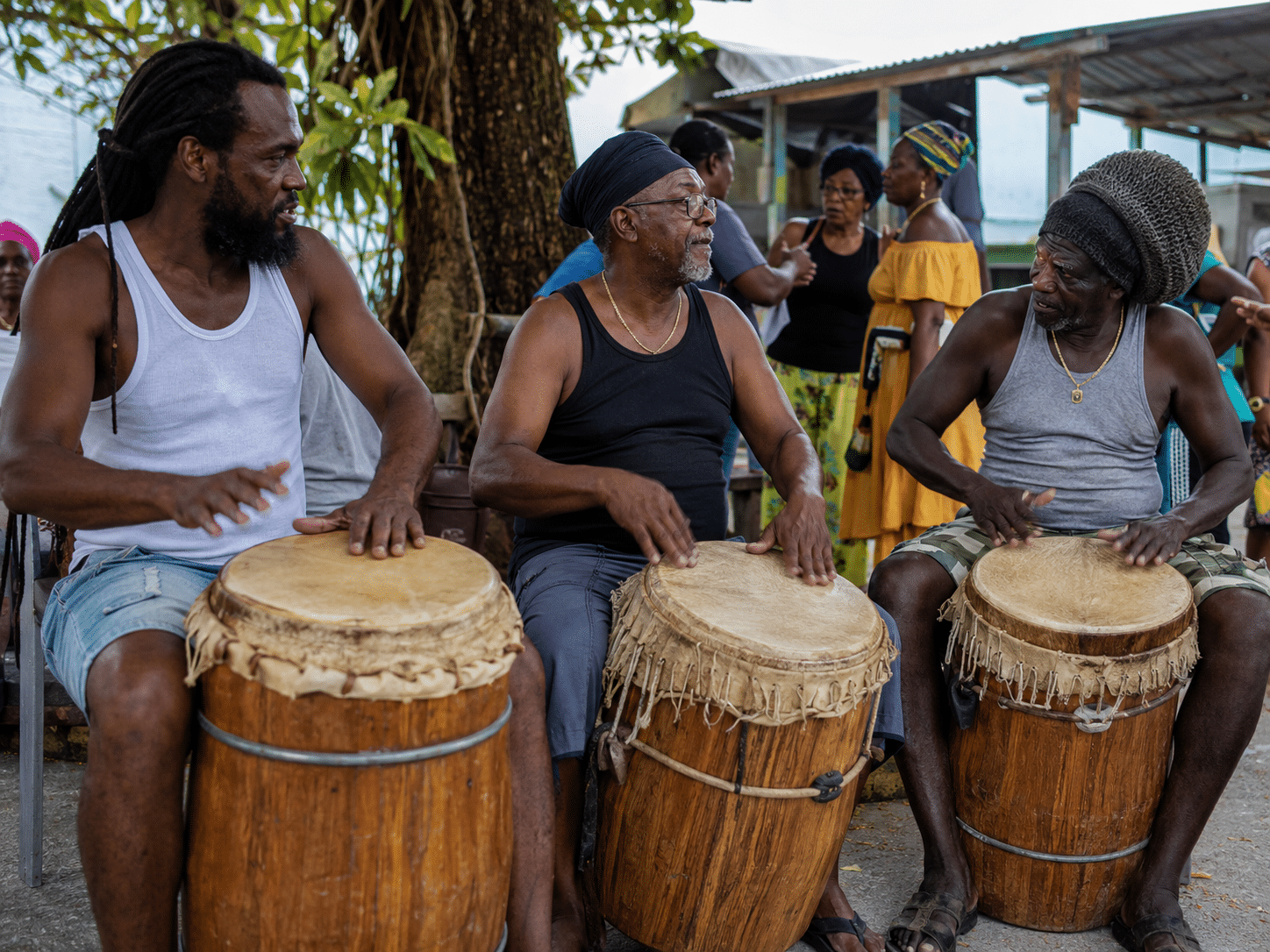
The schedule for the 2026 Tobago Heritage Festival is based on a simple idea: cultural heritage becomes easier to understand when it comes to life. In Charlotteville, Natural Treasures Day on July 20 will feature local culture, a parade, folk songs, tambou bambou, and traditional cuisine. Visitors will be able to observe certain stages of the cocoa processing and sample dishes such as cassava pone and coconut tart.
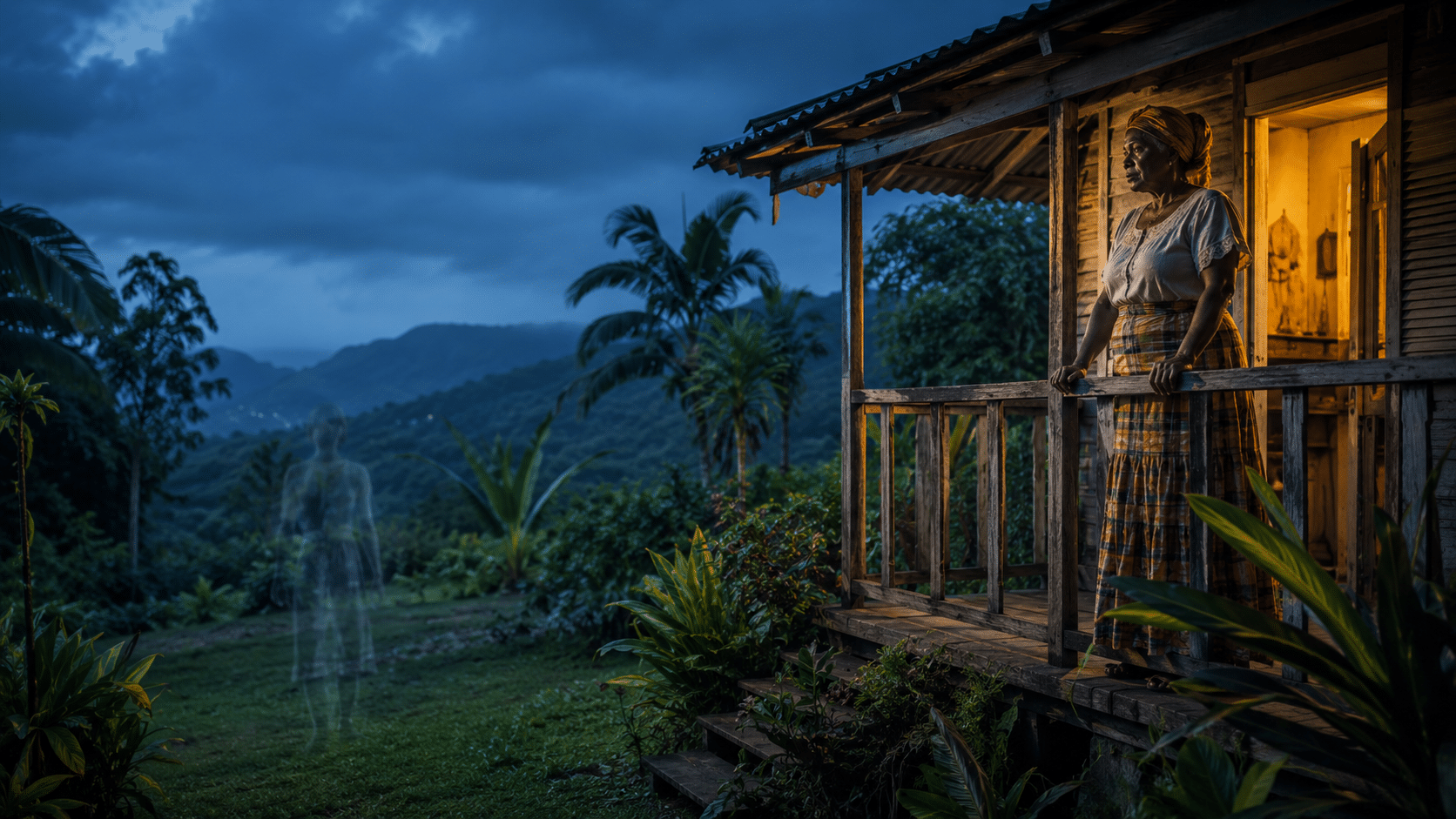
Three days later, Les Coteaux will present its *Folk Tales and Superstitions*. These stories, passed down orally from generation to generation, draw notably on West African and French Creole influences. They tell of creatures, fears, beliefs, and social norms that have long helped families make sense of the world around them. The festival, therefore, does not merely ask the audience to observe; it invites them to listen to the voices, accents, and imaginations that have shaped Tobago.

From Moriah to Pembroke: A Memory in Many Forms
The program will continue on July 25 in Plymouth with a J’ouvert inspired by the carnivals of yesteryear, followed by Cocoa in the Sun and the Heritage Calypso Monarch. On July 27, Roxborough will revisit the Belmanna Riots. Goodwood will then dedicate a day to yams, followed by the Salaka Feast in Pembroke on July 29. Through these events, the Tobago Heritage Festival 2026 shows that an island’s history isn’t limited to official dates. It can also be found in a recipe, a song, a procession, a musical instrument, or a story told at dusk.
This diversity explains the choice of the 2026 theme. “Telling the whole story” means accepting that Tobago’s heritage cannot be summed up by a single image. The traditions inherited from African, European, and Creole populations have intersected, evolved, and taken root in different ways depending on the community.

A festival that also paves the way for the next generation
Since its first editions in the late 1980s, the festival has sought to preserve Tobago’s unique cultural traditions. Official sources place particular emphasis on the languages, dances, music, cuisine, and oral traditions passed down in the villages. But preservation does not mean mechanically replicating the past. The 2026 Tobago Heritage Festival also poses a fundamental question to young people: what do they wish to retain, reinterpret, and pass on in turn?
On August 1, the program will culminate with Emancipation Day commemorations, including a parade in Scarborough. This finale will serve as a reminder that the cultural practices showcased during the festival also tell stories of resistance, adaptation, and reconstruction. For 17 days, Tobago will do more than simply celebrate its heritage. The island will empower its communities to tell their own stories. And when the final procession leaves Scarborough, one question will remain: What stories still need to be heard so that Tobago can truly tell its full story?
The 2026 Tobago Heritage Festival is a major cultural event taking place from July 16 to August 1 in Tobago. Over the course of 17 days, various communities on the island will showcase their traditions through performances, storytelling, historical reenactments, music, dance, and culinary demonstrations.
The program includes the Ole Time Heritage Fair, the Tobago Ole Time Wedding in Moriah, the stories and superstitions of Les Coteaux, the culinary traditions of Pembroke, and a J’ouvert inspired by the carnival of yesteryear in Plymouth. Each village highlights a unique aspect of Tobago’s heritage.
The 2026 Tobago Heritage Festival enables communities to share their own history, traditions, and knowledge. The festival demonstrates that Tobago’s heritage is not limited to archives or museums: it remains alive in villages, songs, recipes, processions, and stories passed down from one generation to the next.