“Van Lévé,” the mini-yole that invites you to take the helm

Van Lévé

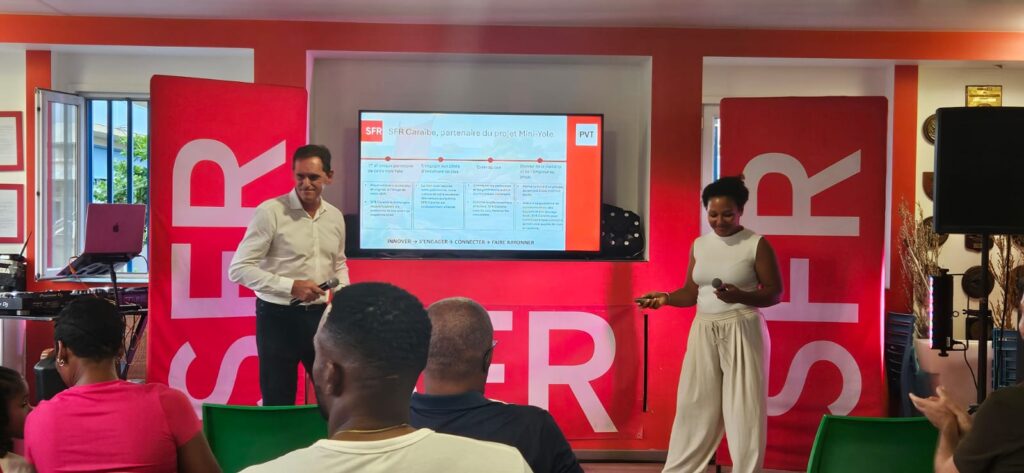
Unveiled on September 10, 2026, at the Fort-de-France Yacht Club in Martinique, “Van Lévé” is a 4.10-meter mini-yole designed to introduce young people and beginners to traditional sailing. Led by Passion Voile Traditionnelle with support from SFR Caraïbe, the project will now move beyond its unveiling to reach out to the public throughout Martinique.

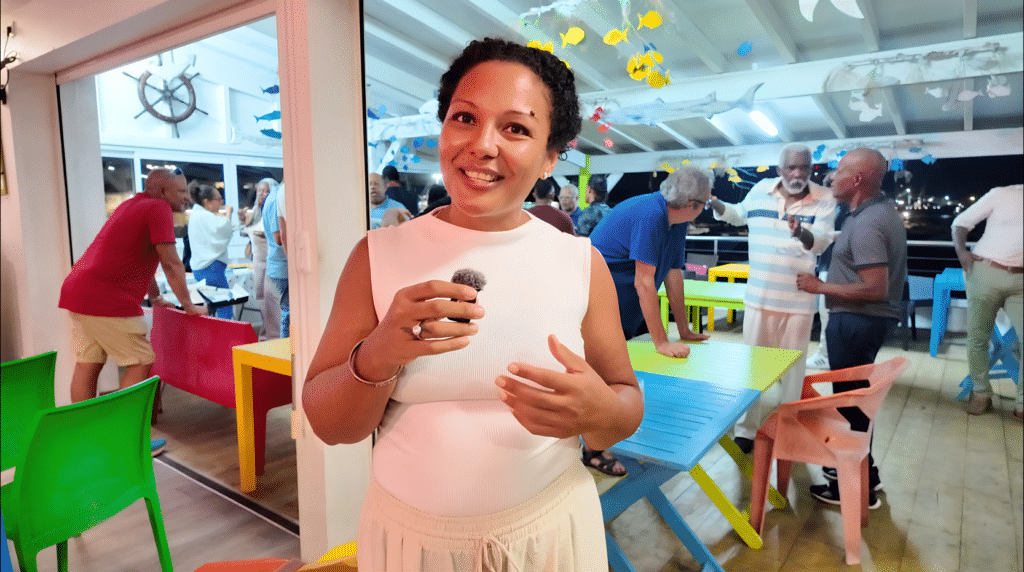
On Thursday, September 10, 2026, at the Fort-de-France Yacht Club in Martinique, the evening began even though the mini-yole didn’t yet have a name. Aude Pitavy, president and founder of Passion Voile Traditionnelle, first presented the project, its origins, and her vision for it. Speeches followed one after another, and then it was time to vote. Six names were proposed to the audience. Small ballots and pens were passed around. The guests made their choice before heading downstairs to see the boat. A few minutes later, the mini-yole had a name: “Van Lévé”.

This vote already captures part of the spirit of the project. Passion Voile Traditionnelle doesn’t just want to showcase a boat to the public. The association wants to get people involved, inspire them to give it a try, and build a connection between those who are already familiar with the yole and those who have never sailed before.

Van Lévé
Van Lévé

An idea that came to me while listening to former rowers

Aude Pitavy explains that the mini-yole project took shape through interviews with former yole sailors in Martinique. Some of them recounted their sailing experiences in mini-yoles, particularly in Le Marin and Le Robert, in Martinique. One memory keeps coming up in their accounts: with fewer people on board, each person had to learn several roles and gain a better understanding of the boat.

These stories particularly resonate with Aude Pitavy. The mini-yole is no longer seen merely as a small boat. It can also serve as a learning tool, a way to spend more time on the water and improve one’s skills before—for those who wish—moving on to other traditional sailing vessels.

“The idea is to truly inspire young people to give it a try and discover the world of traditional sailing,” explains Aude Pitavy in an interview conducted in connection with the presentation of “Van Lévé.”

Van Lévé

The approach is designed to be simple. A first experience on the water can spark curiosity. That curiosity can then lead to a sailing school, a club, or more regular sailing. Passion Voile Traditionnelle thus envisions the mini-yole as a first step into the world of sailing, especially for young people and those who are new to this world.

"Van Lévé" must go where the young people are

“Van Lévé”, which is 4.10 meters long and 1.20 meters wide, is not meant to remain on display in one place. Passion Voile Traditionnelle hopes to take the mini-yole on a tour of Martinique and create more opportunities for people to discover it.

The program, unveiled on September 10, 2026, in Fort-de-France, Martinique, includes introductory sessions in partnership with sailing schools and organizations. Passion Voile Traditionnelle also hopes to reach elementary, middle, and high schools. A tour of local communities is among the proposed initiatives, as is participating in trade shows, fairs, and other events attended by the general public.

Van Lévé
Van Lévé

Aude Pitavy envisions children discovering the mini-yole from an early age. During discussions with the public, the president of Passion Voile Traditionnelle mentions an age of around 7, while noting that the sport isn’t just for children. Adults, too, can discover the mini-yole. The project, therefore, aims less at waiting for future participants than at creating opportunities for people to discover the sport. “ Van Lévé” should be able to visit a town, a sailing school, or an event and inspire people to ask questions, take a closer look, and eventually get on board.

Van Lévé
Van Lévé

Philippe Attely has chosen to let the wood speak for itself

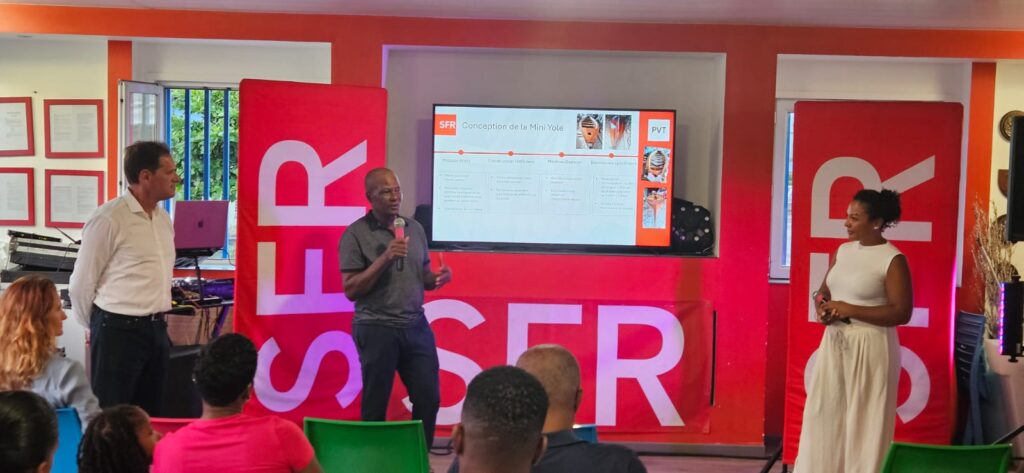
Philippe Attely, the builder of “Van Lévé,” brings another dimension to the project. The mini-yole isn’t just a way to talk about sailing; its construction also showcases craftsmanship. Philippe Attely has been building boats since the 2000s. In an interview about the project, the boatbuilder explains that he works primarily on rubber dinghies, baby yoles, and now mini-yoles. For “Van Lévé, the choice of a wooden construction goes hand in hand with a decision that’s visible at first glance: not to hide the craftsmanship beneath a coat of paint.

Philippe Attely also explains that he wanted to avoid composite materials and fiberglass. As a result, the planks, the structure, and the joints remain visible. Viewers can look at the mini-yole and understand that before there is sailing, there is first and foremost the material, the craftsmanship, and the builder.

“Since I love working with wood, I’m on board with anything I’m offered that’s meant to sail,” sums up Philippe Attely.

Van Lévé

Passion Voile Traditionnelle hopes to expand on this aspect through workshops focused on shipbuilding. “Van Lévé” could therefore serve not only to teach participants about what happens on the water, but also to introduce them to what happens before the boat is launched.

SFR Caraïbe supports a handover—not just a boat

Frédéric Hayot, CEO of SFR Caraïbe, explains that the project presented by Aude Pitavy stood out for its originality. The idea of building a mini-yole, bringing it to Martinique, and, above all, reaching out to young people caught the company’s attention.

“We really liked the idea of building a mini-yole and bringing it to people all around Martinique—and especially reaching out to young people,” explains Frédéric Hayot.

Van Lévé

SFR Caraïbe funded the construction of “Van Lévé.” Frédéric Hayot also links the project to values he believes are important to convey, including performance, pushing one’s limits, and “humility in the face of the elements.” SFR Caraïbe’s support is set to continue beyond the construction phase. Frédéric Hayot notes that the company will also make its communication resources available to Passion Voile Traditionnelle to raise awareness of the initiatives surrounding the mini-yole.

"Van Lévé" might not stay single for long

Aude Pitavy does not present “ Van Lévé as the culmination of the project. During discussions held on September 10, 2026, in Fort-de-France, Martinique, the president of Passion Voile Traditionnelle already mentioned the possibility of seeing several mini-yoles sailing together. Aude Pitavy also points out that other mini-yoles exist in Martinique and that some could be repaired and returned to the water. The project, therefore, is not solely about building a new boat; it can also help bring existing ones back into use.

The Fort-de-France Yacht Club’s evening thus comes to a close aboard a boat that has just been christened. “Van Lévé” has only a short history so far, but its mission is already clear. The mini-yole is meant to sail, travel, and pioneer new experiences. For a child or teenager who knows the yole only from a distance, learning about its heritage may not begin with a long lecture. It may simply begin with stepping aboard “Van Lévé,” a first time out on the water, and the desire to do it again.

Van Lévé

“Van Lévé” is a 4.10-meter mini-yole operated by Passion Voile Traditionnelle in Martinique. It was designed to make it easier for people to learn about and pass on the tradition of sailing.

Passion Voile Traditionnelle created “Van Lévé” to reach out to young people and beginners. The mini-yole is intended for introductory lessons, activities with sailing schools, and events organized in various towns across Martinique.

The “Van Lévé” mini-yole was built by Philippe Attely. The wood and structural elements were left exposed to highlight the craftsmanship involved in building the boat.

Leave a Reply

Your email address will not be published. Required fields are marked *

More articles from RK

Van Lévé
MARITIME
Tolotra

“Van Lévé,” the mini-yole that invites you to take the helm

Unveiled on September 10, 2026, at the Fort-de-France Yacht Club in Martinique, “Van Lévé” is a 4.10-meter mini-yole designed to introduce young people and beginners to traditional sailing. Led by Passion Voile Traditionnelle with support from SFR Caraïbe, the project will now move beyond its unveiling to reach out to the public throughout Martinique. On Thursday, September 10, 2026, at the Fort-de-France Yacht Club in Martinique, the evening began even though the mini-yole didn’t yet have a name. Aude Pitavy, president and founder of Passion Voile Traditionnelle, first presented the project, its origins, and her vision for it. Speeches followed one after another, and then it was time to vote. Six names were proposed to the audience. Small ballots and pens were passed around. The guests made their choice before heading downstairs to see the boat. A few minutes later, the mini-yole had a name: “Van Lévé”. This vote already

Read More »
Quill Crater
TOURISM
Tolotra

Sint Eustatius: The Quill Crater Hides a 300-meter Forest

On Sint Eustatius, a Dutch-speaking island in the Caribbean, the Quill crater is 760 meters in diameter and plunges to a depth of more than 300 meters. This volcano, which has been dormant for about 1,600 years, is large enough to harbor an entire tropical forest at its base, invisible from the sea. The main trail on the Quill, maintained by the STENAPA Foundation (St. Eustatius National Parks Foundation), climbs for 1.6 kilometers before reaching the crater’s rim. The round-trip takes between one and two hours, depending on the route you choose. In this southeastern part of the island of Sint Eustatius, the vegetation changes in just a few meters. The dry scrub that covers most of the island gives way to a volcanic cliff face and then, at the summit, to the entrance of a rainforest found nowhere else on the island. The Quill crater rises to an elevation

Read More »
Caribbean cinema
FILM & VIDEO
Tolotra

S2/10 – Stories of Caribbean Cinema: Revolts, Slavery, and Caribbean Self-Assertion. Texts by Guillaume Robillard. Ciclic, 2026.

The Series Stories of Caribbean Cinema continues its journey through several decades of filmmaking in the region. Following a first episode that began in the 1960s—from Cuba to the emergence of Jamaican cinema with *The Harder They Come*—this second installment takes us to Trinidad and Tobago, Cuba, and then Guadeloupe. Amid social conflicts, the legacy of slavery, and political demands, three films demonstrate how Caribbean cinema took on history and power dynamics from the very beginning. This article is the second installment in a series of ten. The first installment is already available on Richès Karayib, and eight more episodes will continue this chronology through 2025. 1974: TRINIDAD AND TOBAGO – BIM, BY HUGH A. ROBERTSON Hugh A. Robertson has had an unconventional career path among Caribbean filmmakers. A New Yorker born to Jamaican parents, he got his start in the film industry at a very young age and held

Read More »

conTACT RK

we'd love to have your feedback on your experience so far

Join The List

Join our Richès Karayib community!  Sign up for our newsletter.

Want To Maximize Your Business Presence On Riches Karayib?

Complete the form to start the application