


For 53 years, Arecibo, in Puerto Rico, was home to the world’s largest single-dish telescope, with a mirror 305 meters in diameter. Its platform collapsed on December 1, 2020, without causing any injuries. The Arecibo site now houses an educational center open to the public by ticket. On December 1, 2020, at approximately 7:55 a.m. (Puerto Rico time), the Arecibo telescope platform collapsed into the crater above it, where it had stood since 1963. No one was injured. The director of the National Science Foundation (NSF), Sethuraman Panchanathan, expressed sadness over the situation but was grateful that no one had been harmed. In Arecibo, in northern Puerto Rico, this collapse brings to a close a story that began in 1960. That year, teams entered a natural depression in the karst region to install a giant mirror there. A single number sums it all up: 305 meters. The Arecibo Observatory, a
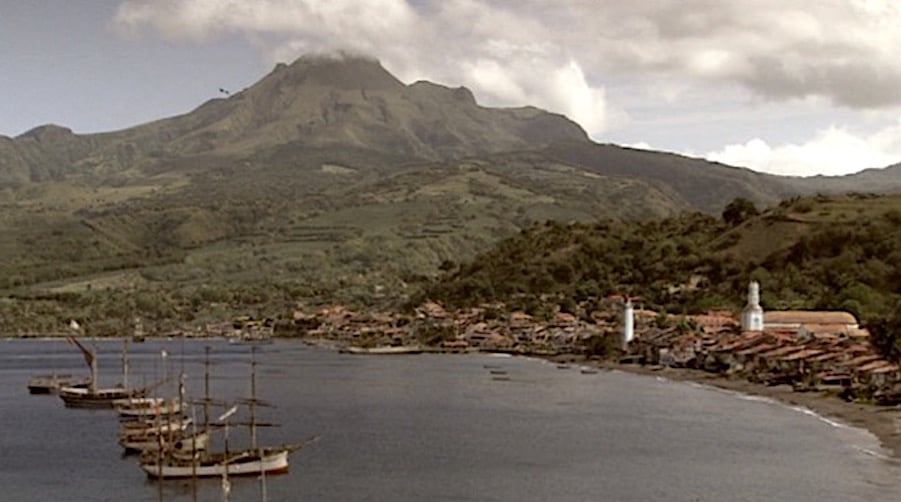
After Cuba, Jamaica, Trinidad and Tobago, Haiti, Guadeloupe, and Martinique, our serieson the history of Caribbean cinema continues its exploration of Caribbean cinema in the early 21st century. This seventh episode takes us from Antigua and Barbuda to Martinique. On one hand, Howard and Mitzi Allen are helping to build a local movie theater in a small island nation. On the other, Guy Deslauriers and Patrick Chamoiseau are depicting the origins of the biguine in 19th-century Saint-Pierre. You are watching the seventh episode of ten. Six episodes are already available on Richès Karayib, and three more will follow. 2001: ANTIGUA AND BARBUDA – “THE SWEETEST MANGO, THE SKIN” BY HOWARD ALLEN The Skin is the second feature film by the Allen couple—Howard directing and Mitzi producing. In 2001, they directed *The Sweetest Mango* (2001) so that their country would have its first “local” feature film to mark the dawn of
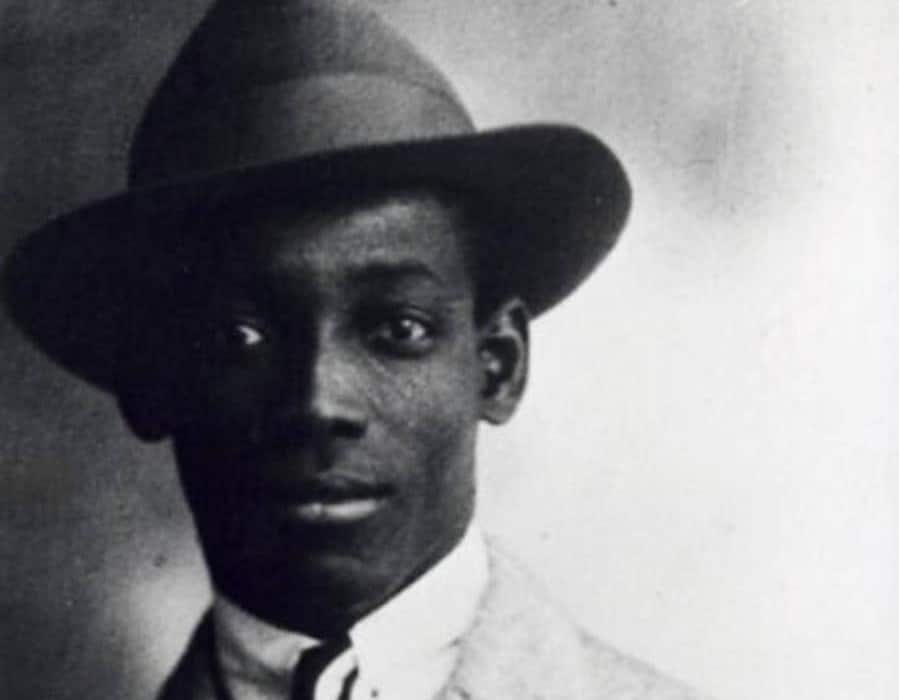
Anton de Kom, born in Paramaribo (Suriname) on February 22, 1898, and died at the Sandbostel camp (Germany) on April 24, 1945, is the author of We, the Slaves of Suriname, published in 1934. This book is described as the first history of Suriname written by a Surinamese author. He wrote it in the Netherlands after his expulsion from Paramaribo in 1933. On February 7, 1933, a crowd gathered in front of the prison in Paramaribo, Suriname—then a Dutch colony—to demand the release of Anton de Kom. Shots were fired. Two protesters were killed and many others were wounded, according to the Canon Netherlands. Arrested six days earlier, the man would never stand trial. The colonial authorities deported him to the Netherlands, and he would never see his country again. Anton de Kom, the son of a slave born in Paramaribo Anton de Kom was born in Paramaribo on February
