Colonel Wallace Sterling, leader of the Maroons of Moore Town, notes that a Christmas celebration has come to an end in his village. The surrounding Blue and John Crow Mountains, however, hold memories that go back much further. Designated by UNESCO as a World Heritage Site covering more than 26,000 hectares, they now need to be restored.
In Moore Town, a Maroon village in eastern Jamaica, the Jonkunnu belongs to the past. Colonel Wallace Sterling told The Gleaner as much in December 2025. In his view, this Christmas masquerade is “a thing of the past.” Young people prefer other activities. Around the village, however, the Blue and John Crow Mountains keep another history standing, that of the women and men who fled slavery.
Blue and John Crow Mountains, Jamaica's First UNESCO Site
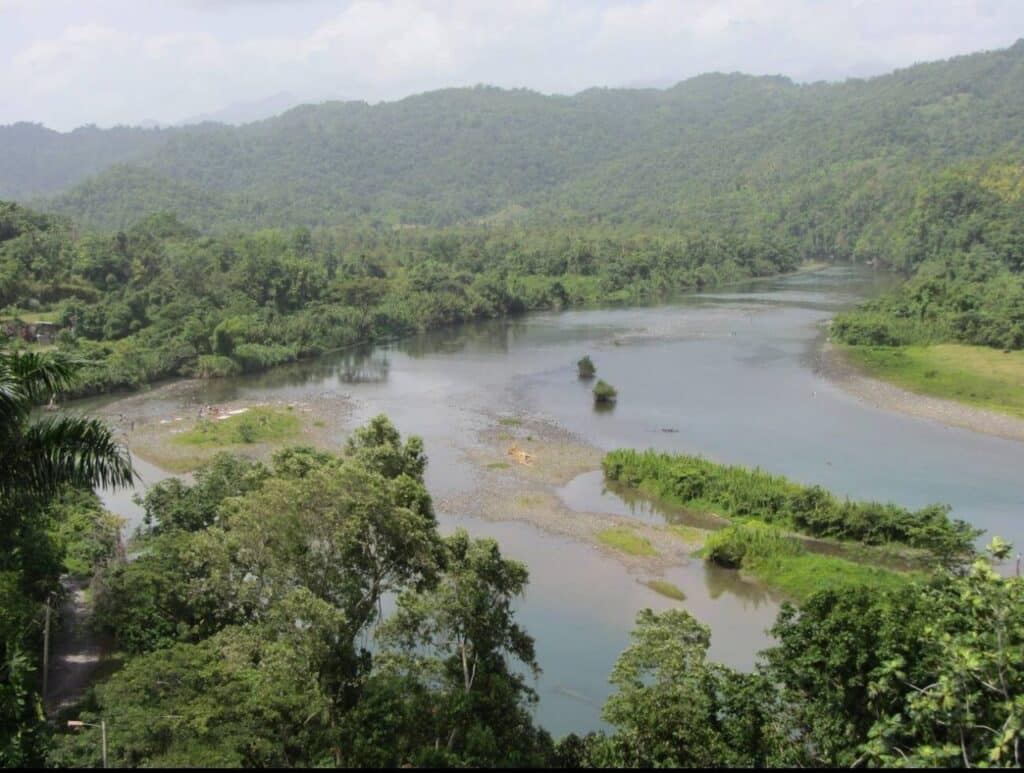
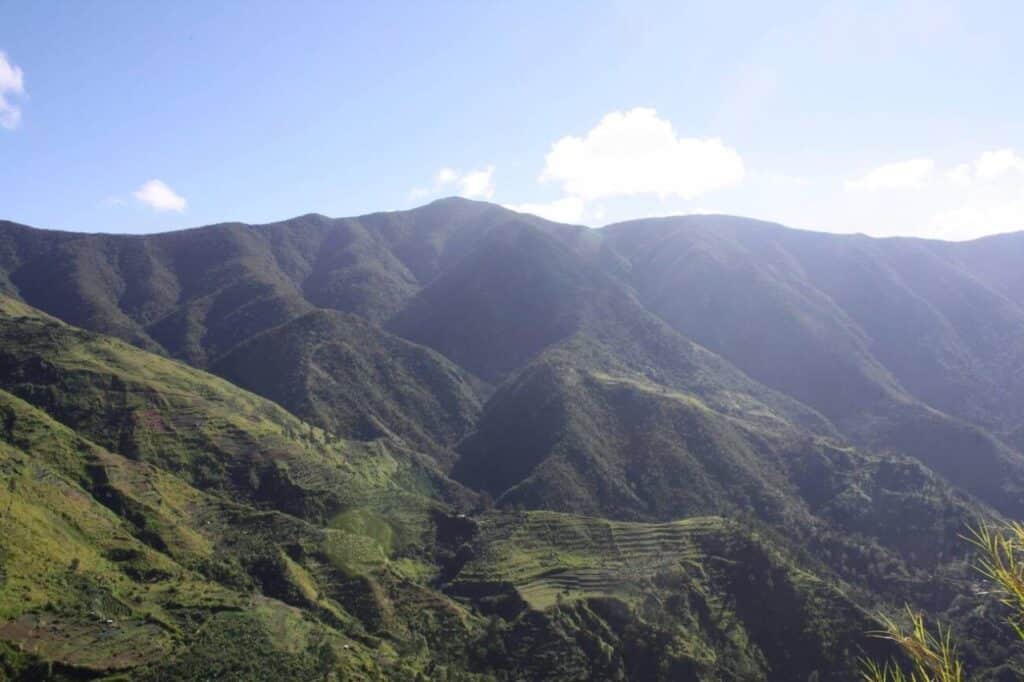
Inscribed in 2015, the property is Jamaica’s first World Heritage Site. It is a mixed site, encompassing both cultural and natural elements. UNESCO cites three criteria: (iii), (vi), and (x). The core zone covers 26,251.6 hectares and ranges in elevation from 850 to 2,256 meters. A buffer zone of 28,494 hectares surrounds it.
The national park’s website, managed by the Jamaica Conservation and Development Trust (JCDT), lists an area of 41,198 hectares. This is not the same area. The park extends beyond the inscribed property. The Blue and John Crow Mountains form a forested range in southeastern Jamaica, where Blue Mountain Peak rises to 2,256 meters.
A Mountain to Vanish Into, the Memory of the Windward Maroons
The Maroons were former slaves who had fled the plantations. In Jamaica, two groups formed. The Leeward Maroons lived in Cockpit Country. The Windward Maroons found refuge in the Blue and John Crow Mountains. According to ICOMOS, they chose guerrilla warfare over open combat. The treaties of 1739 ended the war. The British granted them land, civil autonomy, and the right to roam the forests. The Windward Maroons still manage part of this land.

Nanny Town, in the heart of the Blue and John Crow Mountains
Located about 32 kilometers northeast of Kingston, at an elevation of about 600 meters, Nanny Town was their main village. Excavations in the 1970s revealed three layers of occupation there. The first is Taíno. The second is Maroon, dating from approximately 1655 to 1734. The third is British, from 1734 to 1735. Three peoples occupied the same land.
A network of trails connects these sites. It is the Nanny Town Heritage Route. Some of the trails are known. Others remain secret for cultural reasons, and few sites have been mapped. ICOMOS describes it as the spiritual memorial and sovereign center of the Windward Maroons.
What Still Lives Around Moore Town
This history is not set in stone. Moore Town’s Maroon heritage has been on UNESCO’s Representative List of the Intangible Cultural Heritage of Humanity since 2008. It includes the Kromanti Play, a healing ritual in which the abeng, a cow horn, and the kromanti drum are played. Two languages survive, a ceremonial Creole and Kromanti, a liturgical language influenced by Twi. The ceremonies also include dances, songs, and rare medicinal preparations. Local councils, known as kamiti, continue to govern the villages.
In November 2014, the Windward Maroons signed a memorandum of understanding with the Jamaica National Heritage Trust. They serve on the site’s advisory and co-management committees. The Blue and John Crow Mountains are home to a biodiversity hotspot. At elevations above 900 to 1,000 meters, about half of the flowering plants are endemic.


After Melissa, the Blue and John Crow Mountains demand repair
Hurricane Melissa struck Jamaica on October 28, 2025. With sustained winds of 185 miles per hour, it was, according to NASA, the most powerful storm ever recorded to hit Jamaica. It struck the western part of the country, far from the mountains in the east. Yet UNESCO has listed them, along with Port Royal, as two of the World Heritage sites of greatest concern.
On July 28, 2026, the World Heritage Fund approved US$61,000 in emergency aid. The contract was signed in Kingston on September 30 with the Ministry of Culture and the JCDT, according to the Jamaican press. The money is to be used to restore infrastructure, assess ecosystems, rehabilitate a nursery, and replant. Limited repairs are planned at Holywell and Portland Gap.
The sum remains modest in the face of the threats. UNESCO’s periodic report cites invasive species, human-caused fires, agriculture, including coffee, and mining exploration licenses outside the site. It concludes that the site’s outstanding universal value is maintained. It also judges the management budget inadequate for basic needs.
Who will guard the secret paths tomorrow?
The same report raises a specific concern. Young people are drifting away from their heritage, and their employment remains a major concern. The question goes beyond the trails, and the Blue and John Crow Mountains cannot be repaired with dollars alone. Who, twenty years from now, will know where they run, and will know how to keep silent about them?
FAQ: Blue and John Crow Mountains
They are located in southeastern Jamaica. Blue Mountain Peak, their highest point, rises to 2,256 meters. Moore Town, a village of the Windward Maroons, lies in the site’s buffer zone.
They have been listed since 2015 as a mixed site, under criteria (iii), (vi), and (x). They served as a refuge for the Taíno and then the Maroons, and are home to biodiversity with a high rate of endemism.
The UNESCO World Heritage Fund approved US$61,000 in emergency aid on July 28, 2026. The money is to fund infrastructure repairs, reforestation, and ecological assessments.