Busta Rhymes will be honored at Caribbean Music Awards 2025 with prestigious Elite Icon Award

Busta Rhymes

A Brooklyn-born legend with Jamaican roots

Busta Rhymes, real name Trevor George Smith Jr..was born into a Jamaican family in Brooklyn on May 20, 1972. His parents, Geraldine Green and Trevor Smith Sr. instilled in him an early love of Caribbean music and rhythms. Growing up in New York, in a neighborhood where reggae and hip-hop intersected, helped him to build a unique universe. This cultural mix was to become the very essence of his artistic identity.

From promising beginnings to worldwide acclaim

Before becoming an international star, Busta Rhymes made his mark as a member of Leaders of the New School. This collective gave him his first recognition and helped shape his style. In 1996, he went solo with “The Coming” and its iconic single “Woo Hah! Got You All in Check”, which catapulted him to international stardom. His albums “When Disaster Strikes (1997)” and “Extinction Level Event (1998)” confirmed his status as an extraordinary artist. With his dazzling flow and stage energy, he became a key figure in hip-hop.

Busta Rhymes
@thebiggerpicturebuda

A unique style rooted in the Caribbean

What sets him apart is the way he links his Jamaican roots to the American hip-hop universe. His language blends incisive punchlines, Jamaican patois and spectacular visual staging. His dreadlocks, long worn, have become a signature of his cultural identity.

Each album incorporates dancehall and reggae sounds, like a bridge between Kingston and New York. In 2023, he released “Blockbusta”, an album reminiscent of his intact creativity, followed in 2025 by an EP entitled “Dragon Season”… The Awakening, proof that he is still an innovator.

The Elite Icon Award: an exceptional tribute

In August 2025, Busta Rhymes will receive the prestigious Elite Icon Award at the Caribbean Music Awards at the Kings Theatre in Brooklyn. The award, presented by the Caribbean Elite Group, honors artists who are making their mark on Caribbean culture and influencing the global scene. For him, this distinction not only recognizes his decades-long career, but also his role as a role model and his inexhaustible energy, which inspires new generations.

Busta Rhymes
©Busta Rhymes @nnow1

A major Caribbean ceremony. Caribbean Music Awards

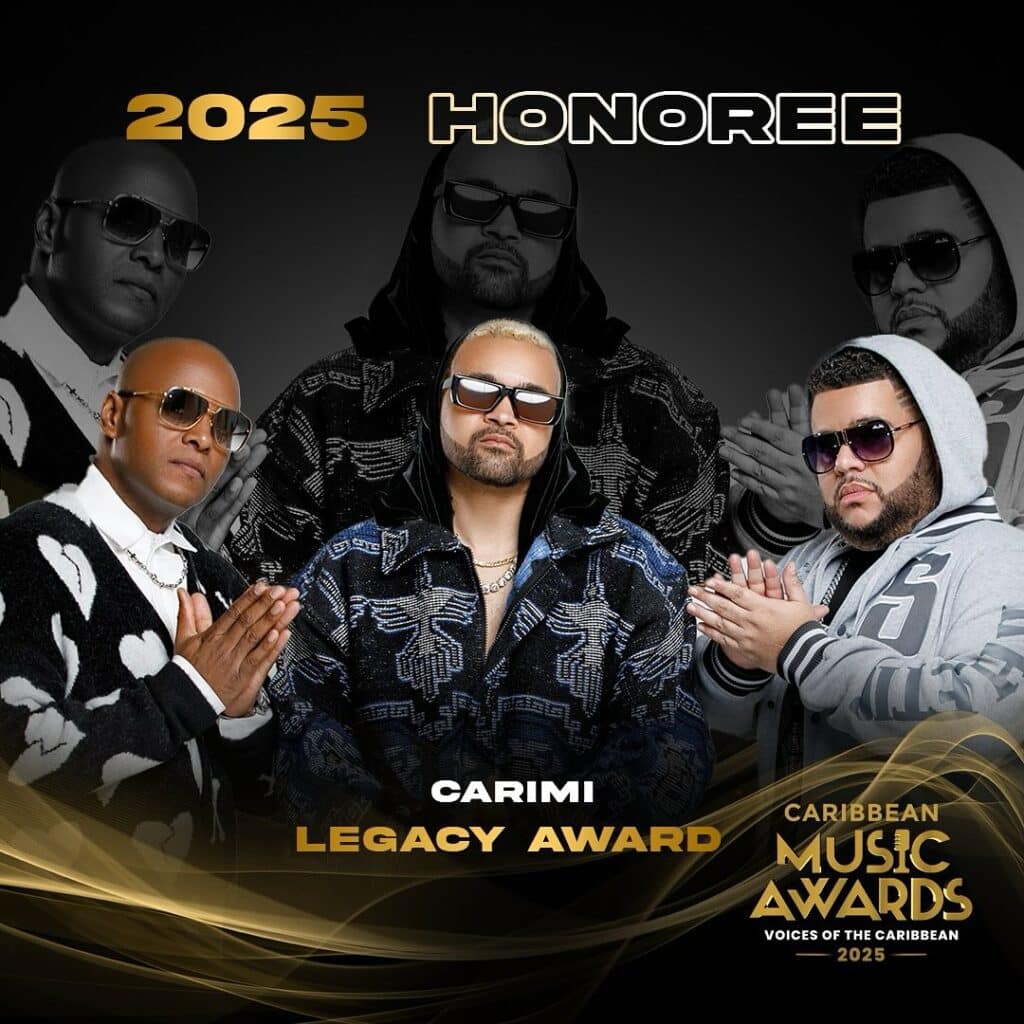
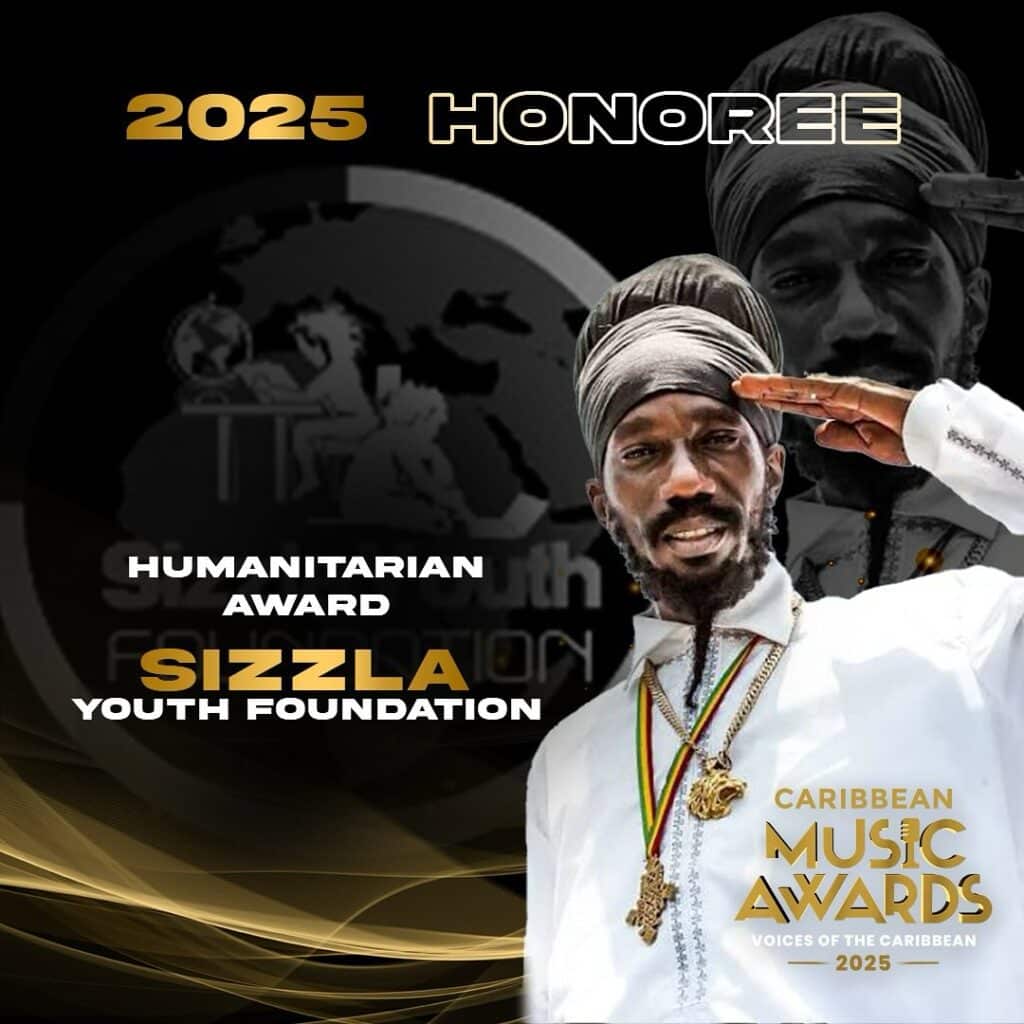
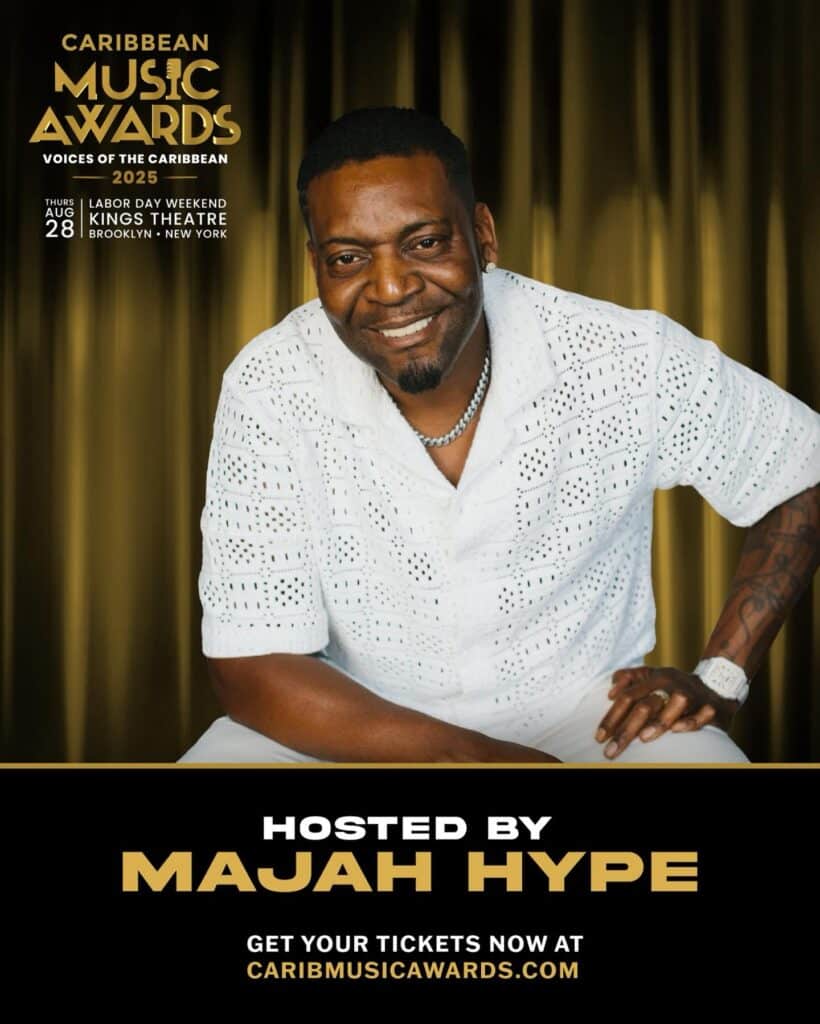
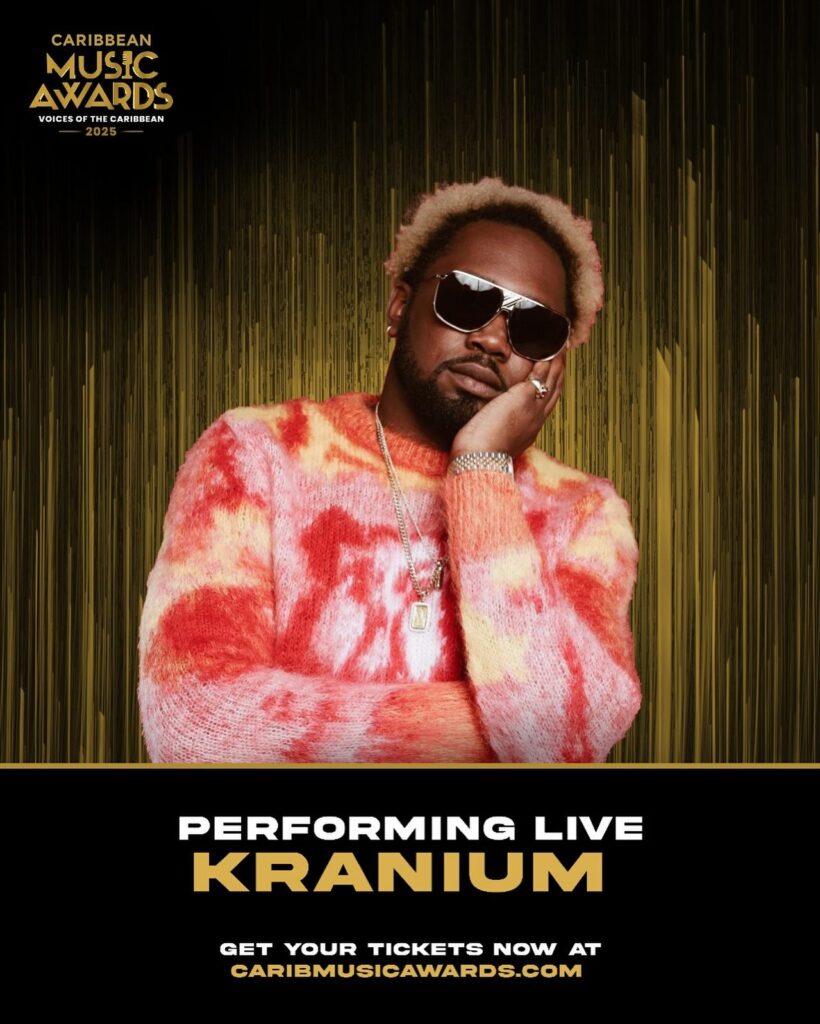
The Caribbean Music Awards 2025 will feature over 200 artists and 40 categories. Among the featured artists: Carimi (Legacy Award), Sizzla Kalonji (Humanitarian Award), Shirleyann Cyril-Mayers (Gospel Honours), Super Blue (Calypso Honours) and Bounty Killer (Lifetime Achievement Award). Performances by Lila Iké, Skinny Fabulous, Kranium, Romain Virgo and Ding Dong will electrify the evening. Hosted by comedian Majah Hype, the event will be an ode to the cultural richness of the Caribbean, whose strength and universality Busta Rhymes perfectly embodies.

Busta Rhymes
Busta Rhymes
Busta Rhymes
Busta Rhymes
Busta Rhymes
Busta Rhymes
Busta Rhymes

The global influence of Busta Rhymes

Awards aside, Busta Rhymes’ impact remains immense. Collaborating with Missy Elliott, Dr. Dre, Wu-Tang Clan and Method Man, he has imposed his style from Los Angeles to Paris, via Kingston. His career is marked by 12 Grammy Award nominations, a symbol of international recognition despite the absence of a trophy. More than just an artist, he is a cultural ferryman who continues to prove that it is possible to remain true to one’s roots while shining on the world stage.

Busta Rhymes
@thebiggerpicturebuda
Busta Rhymes
@thebiggerpicturebuda
Busta Rhymes
@thebiggerpicturebuda

A model for the new generation

Today, he is not only a celebrated artist, but also a source of inspiration. He supports the emerging scene, encourages young talent and conveys the message that authenticity and pride in one’s origins are keys to success. His legacy goes far beyond music: he embodies a vision, a state of mind and a strong Caribbean identity.

With this award, Busta Rhymes definitively enters the legend of Caribbean culture. The Caribbean Music Awards 2025 become the stage for this consecration, honoring an artist who has crossed eras and genres, while carrying the voice of the Caribbean high. His career, punctuated by daring and innovation, continues to inspire and prove that music is a universal language.

Leave a Reply

Your email address will not be published. Required fields are marked *

More articles from RK

Doubles, plat de rue de Trinité-et-Tobago composé de deux baras frits et de pois chiches au curry
CULINARY ART
Tolotra

Doubles: The Story of Emamool Deen Behind Trinidad’s Street Food Dish

In Princes Town, in southern Trinidad and Tobago, the “doubles” were born in 1936 from a simple gesture: a customer asking for a second piece of bread. At the time, Emamool Deen and his wife Rasulan were selling curry chickpeas on a single piece of fried bread, unaware that they were inventing the country’s most iconic street food. Nearly a century later, doubles still tell the story of Indo-Trinidadian heritage through this chickpea sandwich, which has become a national symbol. A Morning in Princes Town, 1936 At 4:00 a.m., in a courtyard in Princes Town, in the southern part of Trinidad and Tobago, Rasulan Deen lights the fire that will heat the coconut oil. Her husband, Emamool Deen, is boiling the chickpeas that the couple was able to buy by selling a goat, the only possession they had. The year is 1936, and according to oral tradition preserved by several

Read More »
María Elena Llorente recevant un hommage floral, Ballet Nacional de Cuba
DANCE
Tolotra

María Elena Llorente: 50 Years of Ballet in the Service of Cuba

In May 1977, a Cuban dancer took the stage in New York with the Alvin Ailey Dance Theater. In the audience that evening, actor Harry Belafonte watched the performance and would later describe the evening as a significant historical event. This dancer’s name was María Elena Llorente, prima ballerina and ballet mistress of the Ballet Nacional de Cuba. Her career spans fifty years of dance, spent almost entirely with a single company—the one founded by Alicia Alonso in Havana—on an island where, over the decades, classical ballet has become as much a source of national pride as it is an art form. María Elena Llorente, of the Sociedad Pro-Arte at the National Academy It all began at the Sociedad Pro-Arte Musical, a school in Havana where young Cuban women learned the basics of classical ballet even before the official founding of the national ballet company. María Elena Llorente then continued

Read More »
Two men greeting each other with "Asere, qué bolá" in Havana
HISTORY & HERITAGE
Tolotra

“Asere, ¿qué bolá?”, the street greeting Obama dared to use in Cuba

“Asere, ¿qué bolá?”, this Cuban street greeting, was already in common use in Havana’s working-class neighborhoods long before a U.S. president adopted it as well. On Saturday, March 19, 2016, on the eve of the first presidential trip to the island in nearly nine decades, Barack Obama appeared in a Cuban TV sketch alongside Pánfilo, a comedic character well known to viewers on the island, and delivered a “qué bolá” that no one expected to hear from a U.S. head of state. The next day, upon setting foot in Havana, he did it again on Twitter: “¿Que bolá Cuba? Just touched down here.” In just a few hours, two words of Havana slang had bridged the gap between the street and the world of diplomacy. What does “Asere, ¿qué bolá?” mean? Taken literally, “asere” doesn’t really translate, and “qué bolá”—which comes from “bola,” meaning “ball”—doesn’t convey anything more literal than

Read More »

conTACT RK

we'd love to have your feedback on your experience so far

Join The List

Join our Richès Karayib community!  Sign up for our newsletter.

Want To Maximize Your Business Presence On Riches Karayib?

Complete the form to start the application