While the energy transition is often discussed from an economic perspective, it also raises major challenges for Caribbean territories, their natural heritage, and the future of their appeal to tourists.
Caribbean Energy Week 2026 marks a major turning point for the Caribbean economy. Long perceived as a region essentially dependent on tourism and services, the Caribbean is now establishing itself as a strategic territory in the global energy sector. The event, scheduled from March 30 to April 1, 2026 in Paramaribo, Suriname, brings together governments, investors, energy companies and financial institutions around a common goal: to transform the region’s energy potential into a sustainable economic driver.
This new edition takes place against a backdrop of profound transformation. Oil discoveries in Guyana and Suriname, the consolidation of Trinidad and Tobago’s energy role and the boom in renewable energy projects on several islands are repositioning the Caribbean on the global economic map. Caribbean Energy Week 2026 is thus a strategic platform for understanding how energy is redefining regional economic balances.
A regional platform for energy investments
Caribbean Energy Week 2026 is more than just an industry conference. The event is positioned as a genuine platform for investment and economic cooperation. Held at the Royal Torarica Hotel in Paramaribo, it will bring together heads of state, ministers, international investors, development banks and energy companies around concrete projects aimed at accelerating the region’s energy transformation.
The objective is clear: to connect Caribbean projects with international capital. The organizers hope to facilitate partnerships between states and investors, accelerate the implementation of energy infrastructures, and present projects deemed “bankable” and likely to attract international financing. This economic dimension makes Caribbean Energy Week 2026 a pivotal event for the region’s financial future.
Beyond technical discussions, the event aims to transform exchanges into real agreements and investments. Round tables will bring together governments and investors to identify concrete development opportunities, while networking sessions will help forge long-term strategic partnerships.

A new economic geography for the Caribbean
Caribbean Energy Week 2026 comes at a time when the economic geography of the Caribbean is being redrawn. Oil discoveries in Guyana and Suriname have already begun to transform financial flows and investment priorities in the region. Guyana, which has become one of the world’s fastest-growing countries thanks to offshore oil, is now attracting capital, business and skilled labor. Suriname, host of the 2026 edition, is preparing to follow a similar trajectory.
This trend is not limited to hydrocarbon-producing countries. It is influencing the entire region. Caribbean states are seeking to diversify their economies, strengthen their infrastructures and develop local skills in order to reap the economic benefits of this energy boom. Caribbean Energy Week 2026 provides an ideal opportunity to coordinate these regional strategies.
The Caribbean is no longer just a tourist destination. It is gradually asserting itself as an energy and industrial investment zone, capable of attracting international capital and developing regional value chains. This economic transformation is at the heart of the discussions scheduled for the event.
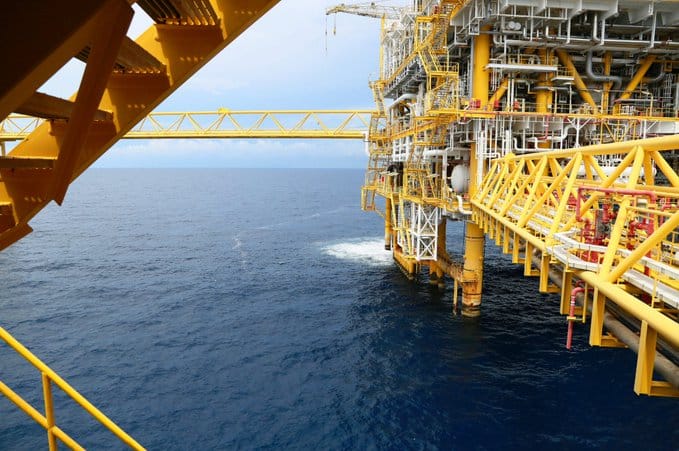
Energy diversity and economic opportunities
The official theme of Caribbean Energy Week 2026, “Leveraging Energy Diversity Across the Caribbean”, highlights the diversity of the region’s energy resources. The Caribbean boasts a range of energy sources, from offshore oil to renewable energies, natural gas and carbon credits. This diversity represents a strategic lever for regional economic growth.
Hydrocarbons remain an important pillar. Oil and gas continue to attract massive investment, notably in Guyana, Suriname and Trinidad & Tobago. However, the event also focuses on renewable energies, such as solar, wind and geothermal power. Several island territories are seeking to reduce their dependence on imported fuels by developing local energy infrastructures.
Caribbean Energy Week 2026 will also address carbon markets, energy storage and the critical minerals needed for the global energy transition. These sectors represent new economic opportunities for Caribbean countries, which can position themselves as resource suppliers or energy innovation hubs.


Impact on employment and training
One of the major consequences of regional energy transformation concerns employment. Energy projects require specialized skills in engineering, logistics, maintenance and project management. Caribbean Energy Week 2026 will highlight the need to strengthen training and local skills development to enable Caribbean populations to benefit directly from these new opportunities.
Several sessions will be devoted to local capacity building and workforce training. The aim is to reduce dependence on foreign labor and promote the integration of Caribbean talent into energy projects. This social and economic dimension is essential to ensure that energy growth truly benefits local populations.
The rise of the energy sector could also stimulate other sectors, including construction, financial services, logistics and digital technologies. Caribbean Energy Week 2026 will highlight these multiplier effects on the regional economy.
Infrastructure and regional connectivity
Energy development also entails investment in infrastructure. Ports, power grids, pipelines and storage facilities are among the projects planned in several countries. These infrastructures are essential to support economic growth and improve regional connectivity.
Caribbean Energy Week 2026 will showcase a number of infrastructure projects aimed at strengthening the region’s energy integration. Cooperation between Caribbean states is seen as a key factor in optimizing resources and reducing costs. Discussions will focus on electricity interconnections, natural gas transport and the creation of regional logistics hubs.
These investments could transform the mobility of goods and services in the Caribbean, facilitating trade and strengthening regional competitiveness. Energy thus becomes a vector for economic integration.


International attractiveness and financial flows
One of the major challenges facing Caribbean Energy Week 2026 is its ability to attract international capital. The region is seeking to position itself as a reliable and stable investment destination. Development banks, investment funds and international financial institutions will be present to assess the opportunities offered by the Caribbean’s energy transformation.
The participation of international players strengthens the credibility of regional projects and facilitates access to financing. Caribbean Energy Week 2026 will serve as a showcase to present investment opportunities and demonstrate the economic viability of Caribbean energy projects. This international visibility is essential to attract the capital needed for infrastructure development.
The influx of financing could also help to diversify Caribbean economies and reduce their dependence on certain traditional sectors. Energy is becoming a lever for economic stability and long-term growth.
A transition to a more diversified economy
Caribbean Energy Week 2026 illustrates a broader transition towards a diversified Caribbean economy. While tourism remains an important pillar, energy is opening up new prospects. Countries in the region are looking to develop complementary industries, strengthen their technological capabilities and improve their economic resilience.
This diversification is essential to cope with external shocks, whether economic or climatic. By investing in energy and infrastructure, the Caribbean can reduce its vulnerability and strengthen its economic sovereignty. Caribbean Energy Week 2026 is part of this structural transformation process.

A new era for the Caribbean economy
Caribbean Energy Week 2026 is more than just a gathering of experts and decision-makers. It symbolizes the Caribbean’s entry into a new economic era. The region, long dependent on traditional sectors, is now positioning itself as a strategic player in the global energy landscape.
The discussions and partnerships that emerge from this event could have a lasting impact on Caribbean economies. Investment, jobs, infrastructure and regional cooperation are at the heart of this transformation. Caribbean Energy Week 2026 thus offers a concrete vision of the region’s economic future.
At a time when the Caribbean is redefining itself on the international stage, this event appears to be a pivotal moment. It enables us to anticipate future economic developments and measure the scale of the transformations underway. For the region’s decision-makers, investors and populations, Caribbean Energy Week 2026 represents much more than a conference: it marks the emergence of a new Caribbean economic dynamic.
It will be held from March 30 to April 1, 2026 in Paramaribo, Suriname, bringing together public and private players in the energy sector.
This event brings together governments, investors and businesses to accelerate energy projects, attract international capital and strengthen the regional economy.
It covers oil, gas, renewables, power infrastructure, carbon credits and critical minerals linked to the energy transition.