Caribbean Film Days: an online festival for a new way of looking at the Caribbean

Caribbean Film Days

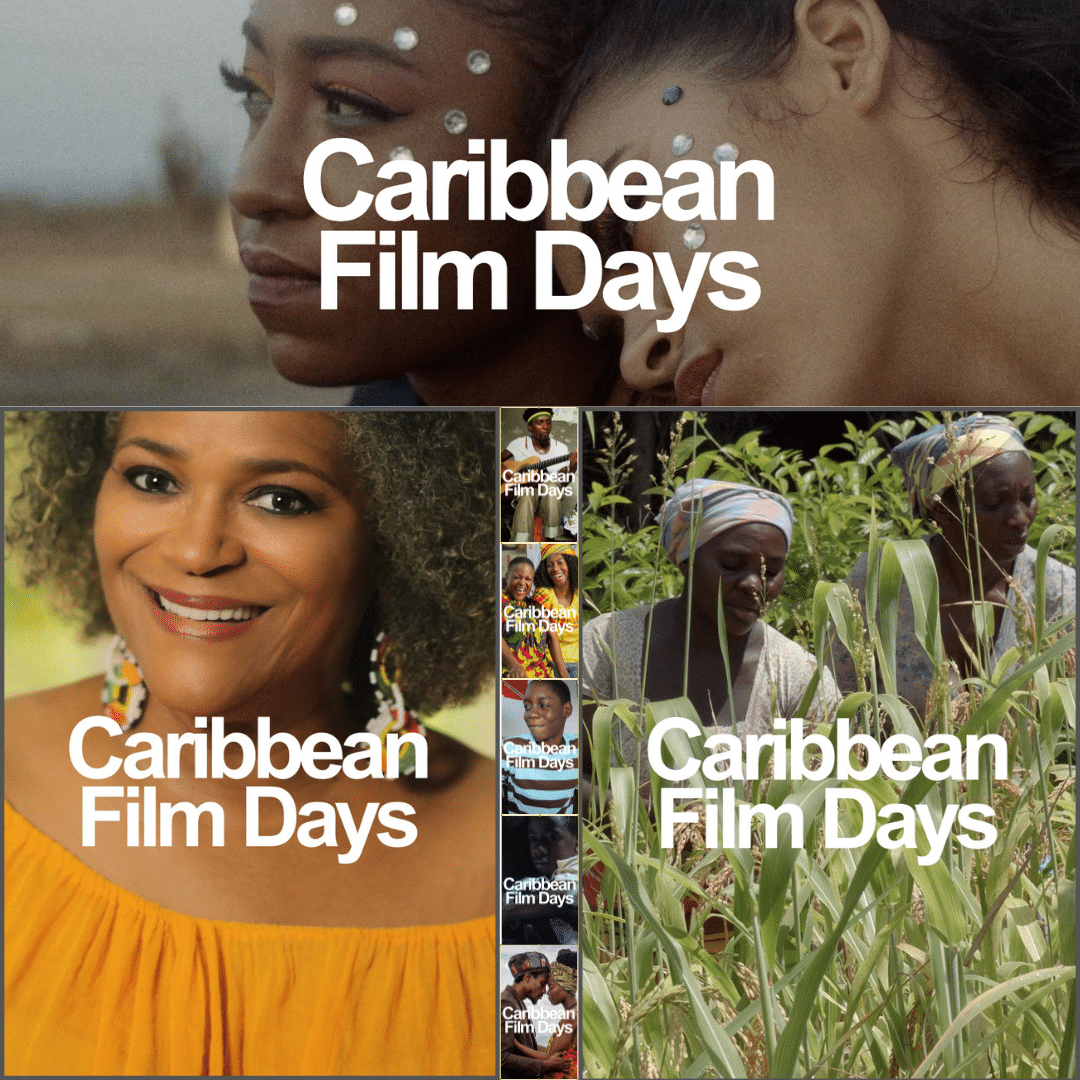
From November 22 to November 30, 2025, the Caribbean Film Days festival is underway online. For the first time, a space entirely dedicated to Caribbean cinema brings together more than forty works accessible anywhere in the world, at any time. The event, the result of a collaboration between Caribbean Creativity and the Caribbean Chamber of Commerce in Europe, transforms the month of November into a time of cultural sharing and solidarity, in aid of the populations affected by Hurricane Melissa.

Caribbean Film Days doesn’t just show films: it builds bridges. A link between the islands, between the diaspora and the territories of origin, between art and social reality, between memory and the future. For a public often far removed from traditional cinemas or deprived of access to Caribbean films, it’s a rare, almost unique opportunity to enter into stories that tell the region from the inside.

A festival designed to be seen everywhere

Unlike physical festivals, Caribbean Film Days requires no travel, no reservations and no set times.

How to watch movies?

  • – visit the YardVibes platform,
  • – browse the catalog,
  • – choose a film,
  • – rent it via Vimeo on Demand,
  • – and watch it streaming, at any time of day.

No geographical constraints: Europe, the Americas, the Caribbean, Oceania: everyone can take part.

Caribbean Film Days
©Caribbean Creativity
Caribbean Film Days
©Caribbean Creativity

A cinema that tells the story of the islands as they live

To appreciate a festival, you have to understand what it shows. Caribbean Film Days isn’t just a list of titles: it’s a mosaic of Caribbean realities, from its music to its struggles, from its creativity to its contradictions.

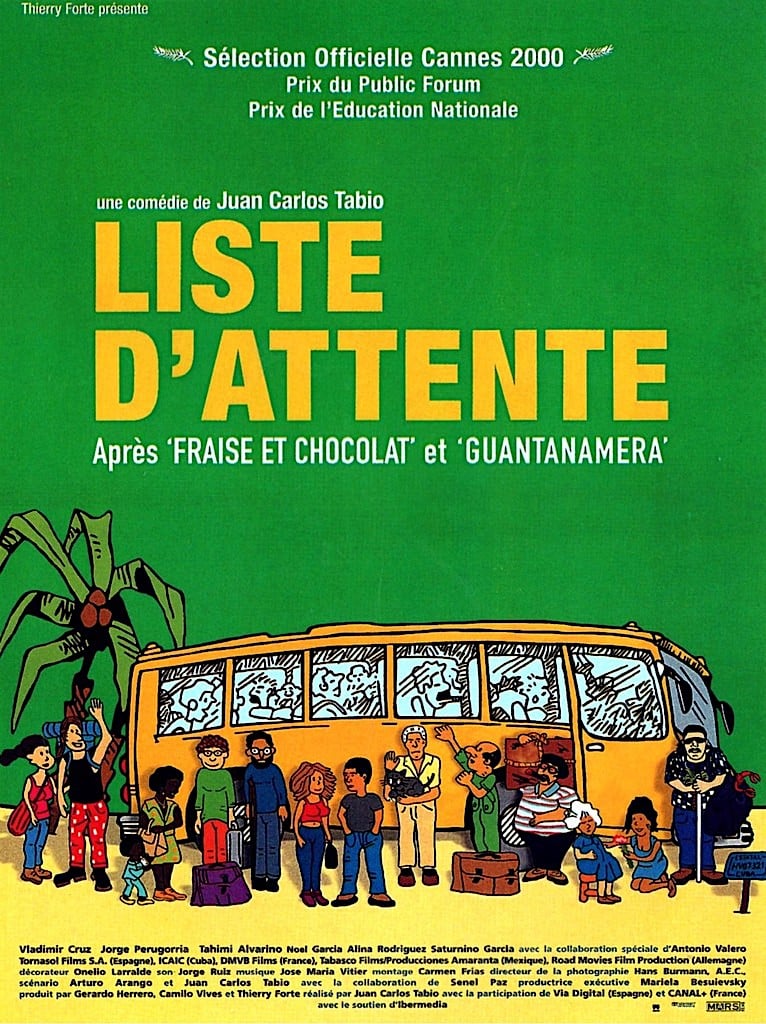
Here are just a few examples of the works on offer at Caribbean Film Days:

  • “Kanaval” (Haiti – Dominican Republic): a powerful feature film about identity, migration and memory.
  • “Jocelyne Béroard, At Heart”: a sensitive portrait of the zouk icon and her influence in the Caribbean.
  • “Joseph” (Barbados – Jamaica – Ghana): a quest for origins linking the Americas to Africa.
  • “Stones Have Laws” (Suriname): an immersion in Maroon traditions and their relationship with the land.
  • “Heart of Haiti”: a journey to the heart of Haitian artistic creation.
  • “Why Do Jamaicans Run So Fast?” an intimate look at Jamaican athletes and their heritage.

Documentaries, fiction, archives, independent projects, artistic experiments: this is a complete panorama of Caribbean cinema, too often absent from international platforms. The aim of this program is clear: to show a Caribbean that is not just beaches or tourist clichés, but one that expresses itself through voices, faces, struggles and dreams.

Caribbean Film Days
©Caribbean Creativity
Caribbean Film Days
©Caribbean Creativity
Caribbean Film Days
©Caribbean Creativity

A festival in support of the islands affected by Hurricane Melissa

Caribbean Film Days

This first edition of Caribbean Film Days would not have the same scope without the context in which it takes place.

Hurricane Melissa left a devastating mark on the region, particularly in Jamaica, Cuba, Haiti and the Dominican Republic.

The rains, destruction and loss of life have left a deep mark on communities.

Caribbean Film Days has chosen to act on its own scale. Each film rental generates a donation, which goes entirely to reconstruction and support initiatives.
Watching a film means :

  • – support affected families,
  • – contribute to infrastructure rehabilitation,
  • – a gesture of solidarity that goes beyond words.

It’s an ethical stance: the Caribbean, while contributing very little to global emissions, is exposed to the most violent consequences of climate change.

This festival reminds us of this injustice by giving a central role to culture.

Caribbean Film Days
©Caribbean Creativity
Caribbean Film Days
©Caribbean Creativity

A rendezvous for the diaspora and fans of Caribbean culture

For many, watching “a film from home” means reconnecting with a language, an accent, a landscape, a way of telling a story. The Caribbean diaspora in Europe and North America will find in the festival a way to reconnect with universes that are similar to their own. For non-Caribbean audiences, it’s an essential discovery: the Caribbean isn’t just a vacation zone, it’s a region with social, political and artistic dynamics that deserve to be understood.

The online format also makes it possible to engage a younger audience, often accustomed to streaming platforms, but with little exposure to Caribbean cinema.

Why does this festival matter today?

Caribbean Film Days
©Caribbean Creativity

Caribbean Film Days fills a void. A gap in access, a gap in distribution infrastructure, a gap in international recognition.

They show that :

– the Caribbean has a solid, diverse and meaningful film production;

– solidarity can take the form of a cultural gesture;

– a film can link territories that sometimes don’t intersect;

– the stories told by Caribbean people have their place in global digital spaces.

Caribbean Film Days
©Caribbean Creativity
Caribbean Film Days
©Caribbean Creativity
Caribbean Film Days
©Caribbean Creativity
Caribbean Film Days

How to get involved

  • ▶️ Go to YardVibes (official platform).
  • ▶️ Choose one of the films below.
  • ▶️ Rent it via Vimeo on Demand.
  • ▶️ Watch, share, recommend.
  • ▶️ Every viewing contributes to Melissa’s post-hurricane relief efforts.

FAQ

Simply visit YardVibes, choose a film and rent it via Vimeo on Demand. Viewing is available 24/7.

Over forty works from Caribbean cinema: documentaries, fiction, portraits, historical accounts and musical films.

Yes, all proceeds from film rentals during Caribbean Film Days are donated to Hurricane Melissa relief and reconstruction initiatives in Jamaica, Cuba, Haiti and the Dominican Republic.

Leave a Reply

Your email address will not be published. Required fields are marked *

More articles from RK

Doh study it
HISTORY & HERITAGE
Tolotra

“Doh study it”: When Trinidad Learns to Let Go

A comment keeps running through your mind. A coworker spoke too hastily, a loved one criticized your decision, or a minor annoyance suddenly feels like a big deal. In Trinidad, the response might be as simple as: “Doh, study it”. Depending on the situation, it means “don’t worry,” “don’t pay any attention to it,” or “don’t let it get to you.” “Doh study it” is part of Trinidad English Creole, an English-based creole language used in informal communication in Trinidad. The Atlas of Pidgin and Creole Language Structures notes that it plays an important role in everyday communication and national identity, while coexisting with official English. Trinidadian Creole also differs from the Creole spoken in Tobago, even though the two islands form a single country. What does “Doh study it” really mean? In standard English, the verb to study First and foremost, it refers to the act of studying, examining,

Read More »
Bonaire
TOURISM
Tolotra

Bonaire: Three markets account for 85.5% of visitors

Bonaire welcomed 13,387 overnight visitors in June 2026, according to preliminary data from the Tourism Corporation Bonaire. Visitor numbers declined slightly by 1.6% year-over-year. The most revealing information, however, lies in the travelers’ countries of origin: the Netherlands, the United States, and Curaçao together accounted for 85.5% of arrivals. Bonaire’s visitor numbers remain close to 2025 levels In June 2026, the island welcomed 13,387 visitors, compared with 13,606 a year earlier. The difference amounts to 219 fewer arrivals. This variation remains limited, especially when viewed over a longer period: by June 2025, attendance had increased by 12,2 % compared to June 2024. The 2026 figure therefore reflects more of a stabilization following the sharp increase recorded the previous year. The 1.6% decline provides a useful point of comparison, while trends in the major markets offer a more accurate picture of visitor numbers. Three markets bring 11,445 visitors to Bonaire The

Read More »
Brimstone Hill Fortress
TOURISM
Tolotra

Brimstone Hill Fortress: Two Centuries of History at the Summit of Saint Kitts

To the northwest of Saint Kitts, the walls of Brimstone Hill Fortress overlook the coast from a volcanic hill nearly 240 meters high. Behind the panoramic view lies a more complex history: that of a fortress designed by the British, built and maintained by enslaved Africans, and designated aUNESCO World Heritage Site in 1999. Brimstone Hill Fortress, a citadel perched atop a volcano As you climb Brimstone Hill, the sea comes into view between the steep slopes and the dark stone ramparts. From this natural vantage point, soldiers could observe the western coast of Saint Kitts and keep watch for the possible arrival of enemy ships. The location was far from insignificant. This volcanic hill, nearly 800 feet high, had steep, hard-to-access slopes. It thus offered a prime vantage point and a defensive refuge in the event of a naval attack. Nevertheless, the builders had to adapt their techniques to

Read More »

conTACT RK

we'd love to have your feedback on your experience so far

Join The List

Join our Richès Karayib community!  Sign up for our newsletter.

Want To Maximize Your Business Presence On Riches Karayib?

Complete the form to start the application