




On October 20, 2026, the Senate passed the bill to repeal the Code Noir without amendment, by a vote of 320 in favor and none against. Parliament has thus completed its review of a bill sponsored by Guadeloupe Representative Max Mathiasin, 341 years after the edict of March 1685. All that remains is for the law to be enacted. “Code Noir”: A Vote with No Opposing Votes in the Senate On Tuesday, October 20, 2026, senators voted on the bill as adopted by the National Assembly on May 28. The vote resulted in 320 votes in favor, none against, and 18 abstentions, all from the Kanaky Communist, Republican, Citizen, and Ecologist Group. With no amendments, the bill is definitively adopted. Five amendments put to a public vote, introduced by the Socialist and Communist caucuses, were rejected. The text therefore remains identical to that of the Chamber of Deputies. The Senate
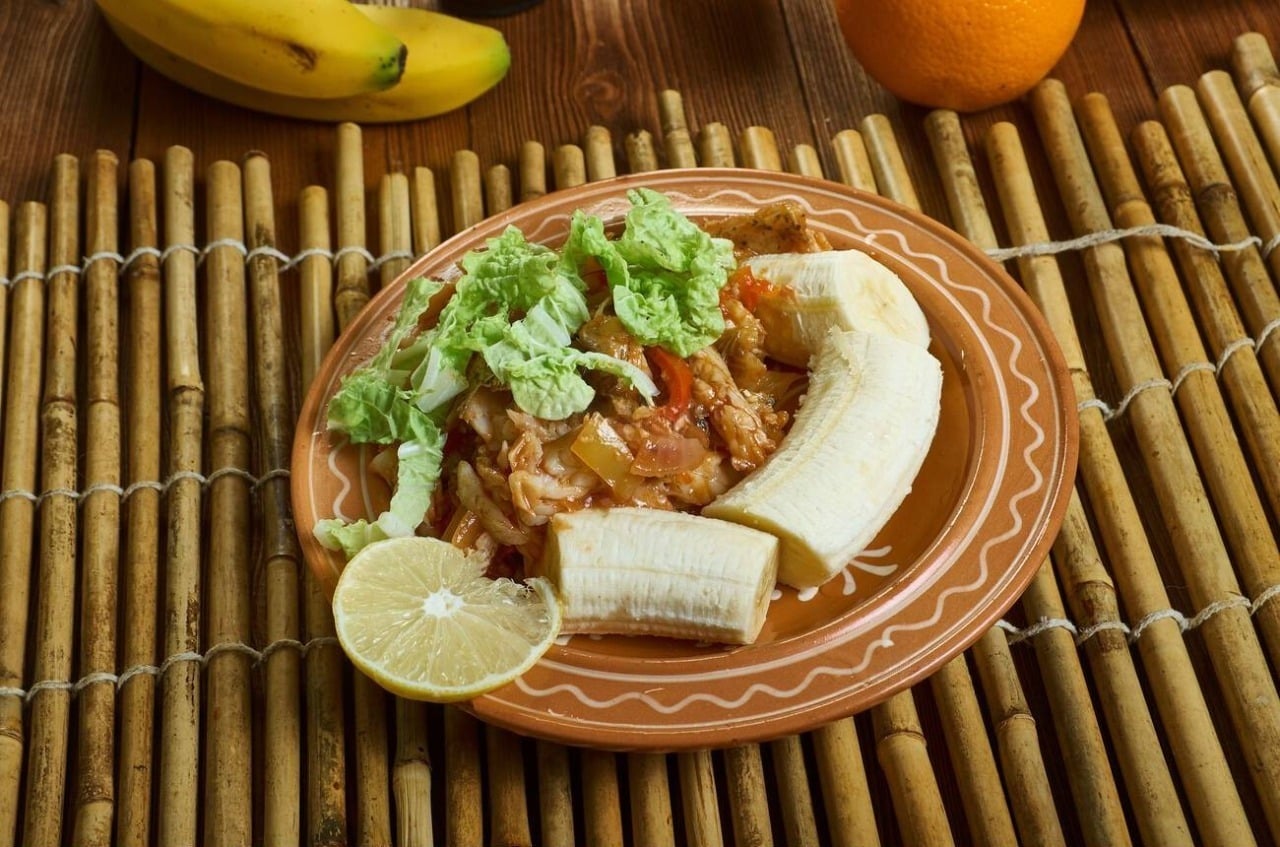
In Saint Lucia, the “fig” is a green banana. Cooked with salt cod, it becomes green fig and saltfish, the island’s national dish, where two histories meet: that of salt from the north and that of the export banana. At the end of a muddy track, in the village of Desrameaux, the villagers gather in a large clearing. It is Jounen Kwéyòl, the Creole festival. Women take turns showing how cassava flour is prepared using traditional methods. On the tables are crayfish, green figs with dumplings in a red bean broth, salt cod with cucumber, and soups served in calabashes. A report published in 2008 describes this scene. It already says the essential about Saint Lucia: a cuisine of roots, bananas and salted fish. A fig that isn’t a fig On the island, bananas are called “figs.” “Green figs” are green bananas, picked before they ripen: firm, delicate and unsweetened.
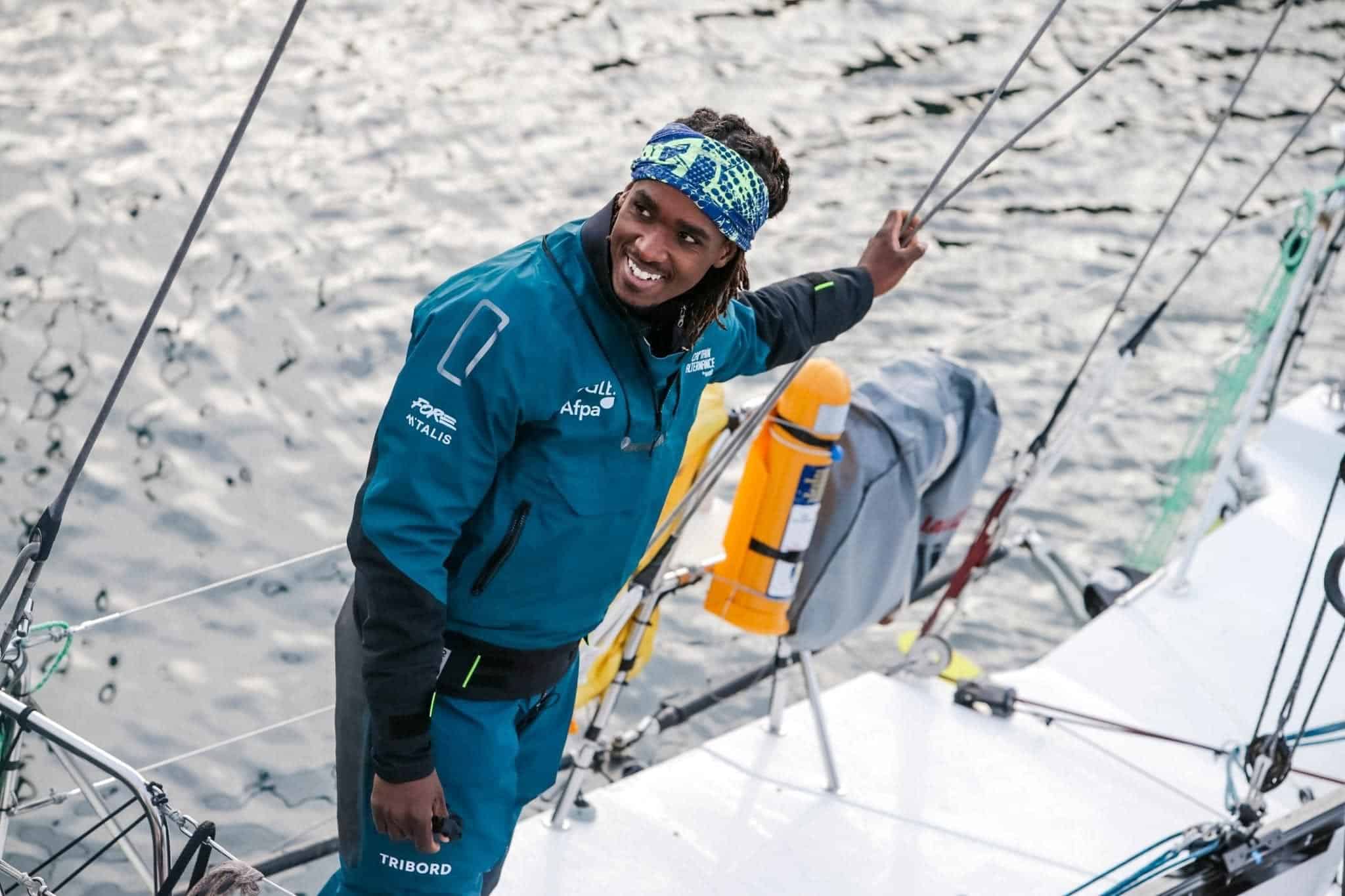
With just a few days to go before the 2026 Route du Rhum, Kéni Piperol is preparing for his second solo Atlantic crossing. Four years after his first attempt, which was marred by mechanical trouble, the Guadeloupean sailor is now aiming for a Top 15 finish in the Class40 category. With DrépaVoile, his ambition extends beyond the rankings, as he is combining this new adventure with the fight against sickle cell disease, outreach to young people, and artistic creation. On Friday, October 16, at 10:30 p.m. according to his crew, Kéni Piperol set sail from La Trinité-sur-Mer aboard his Class40, DrépaVoile. The start of the voyage to Saint-Malo was eventful. In rough seas, with gusts reaching 23 knots, the sailboat quickly found its rhythm and maintained a reported average speed of 12 knots throughout the night. At daybreak, conditions eased along the Breton coast. This voyage will take the boat
