Some days are like no other. Days when an entire island holds its breath, opens its arms, and lets in the entire Caribbean Sea. On Friday, April 3, 2026, the Georges-Gratiant stadium in Le Lamentin was one of those days, as the opening ceremony of the Carifta Aquatics Championships 2026.
The 39th edition of the Carifta Aquatics Championships 2026 opened under a Martinique sky. Ten years after its last stopover on the island, this major Caribbean swimming competition returned to Martinique. Five hundred young swimmers from twenty-four nations trod the same turf, dreamed the same dreams and sang the same songs. And for a few hours, before the starting-blocks of the Carifta Aquatics Championships 2026 lit up and the pools went wild, sport gave way to something even greater: the culture, pride and shared identity of an archipelago that all too often looks at itself from afar.
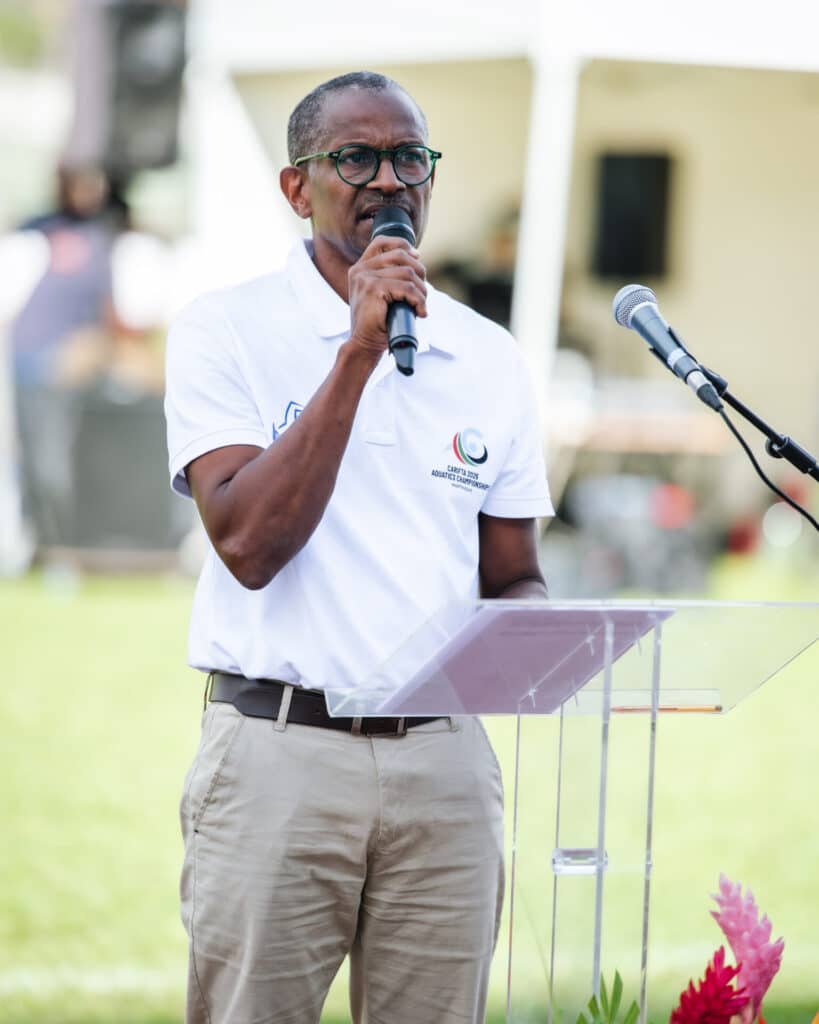
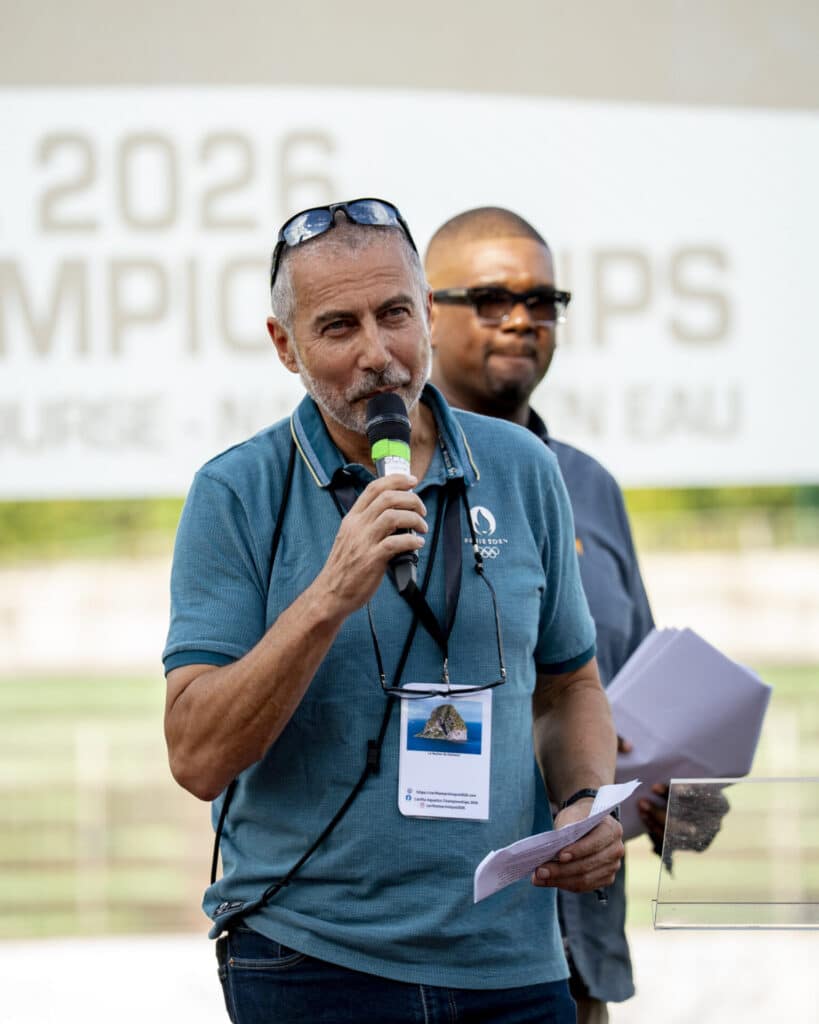
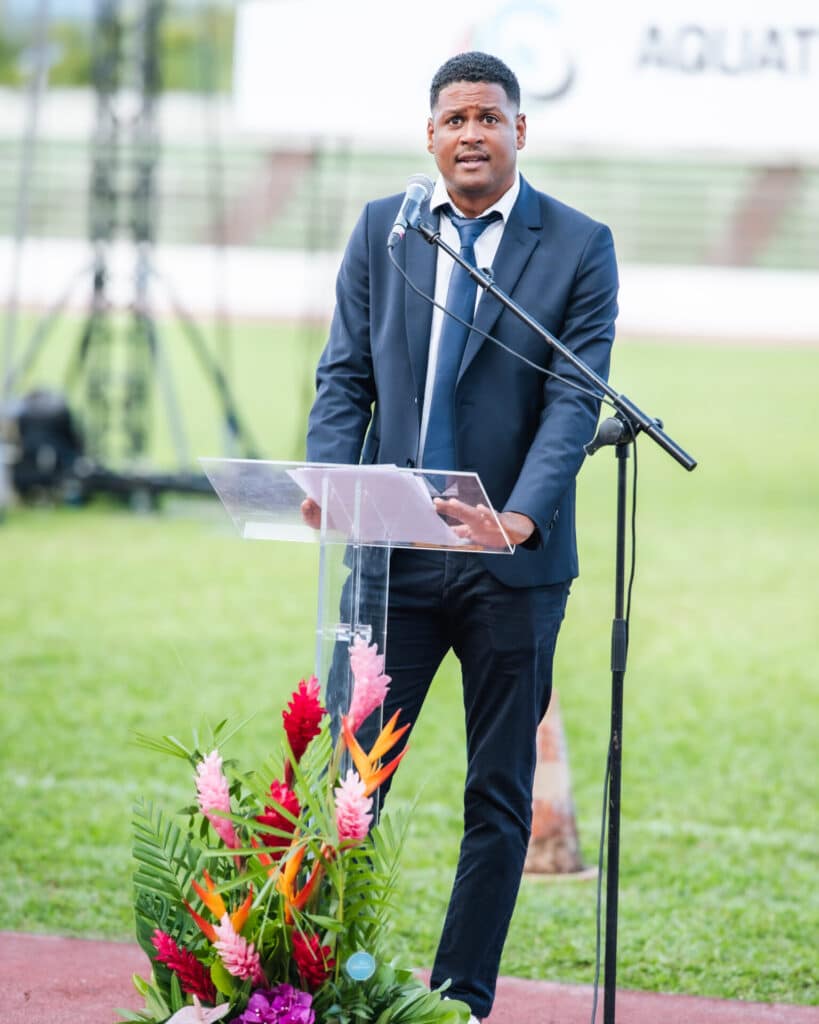
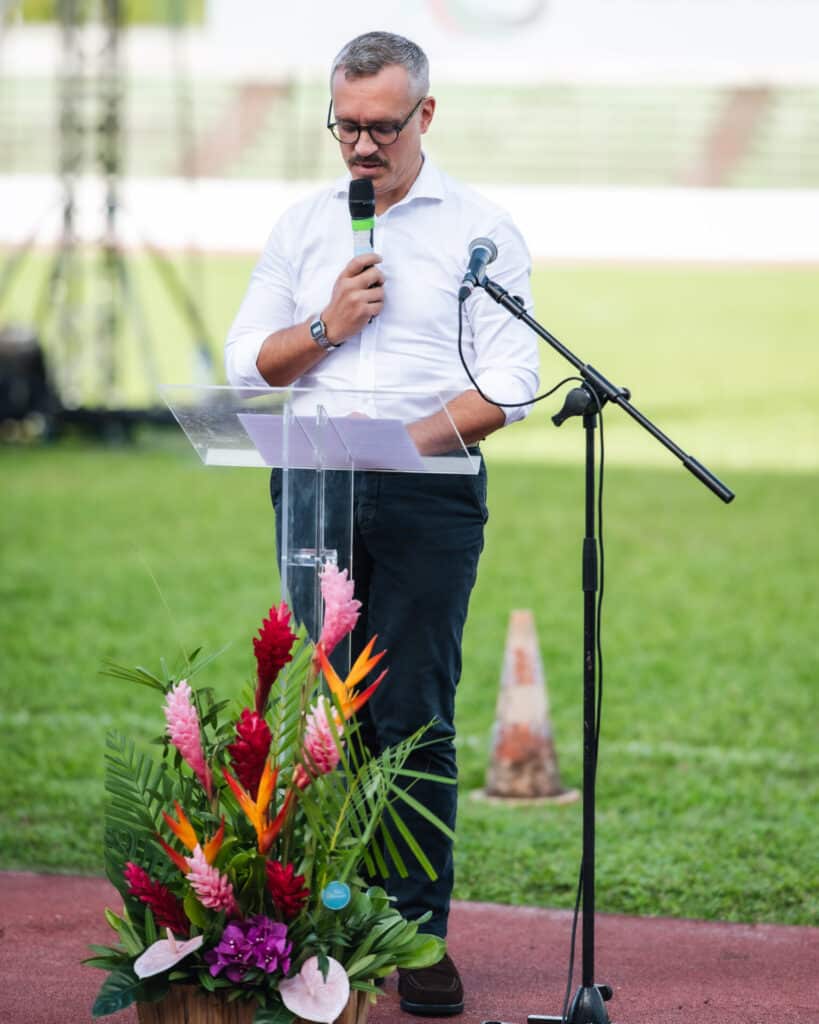
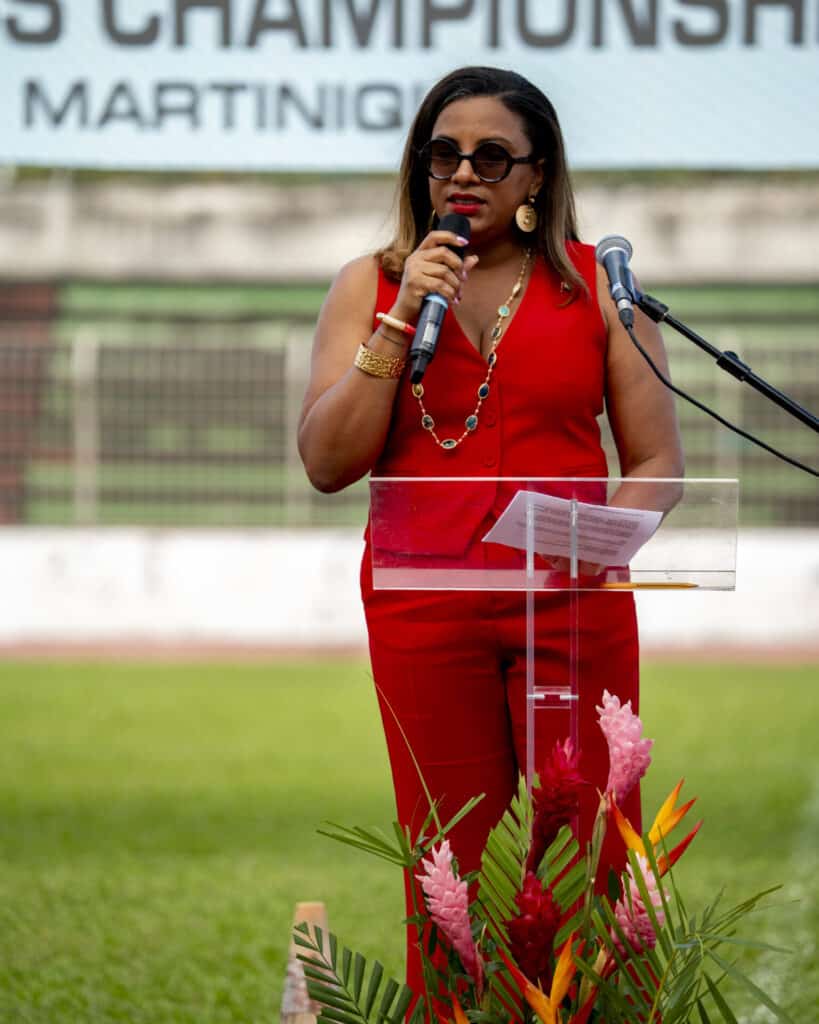
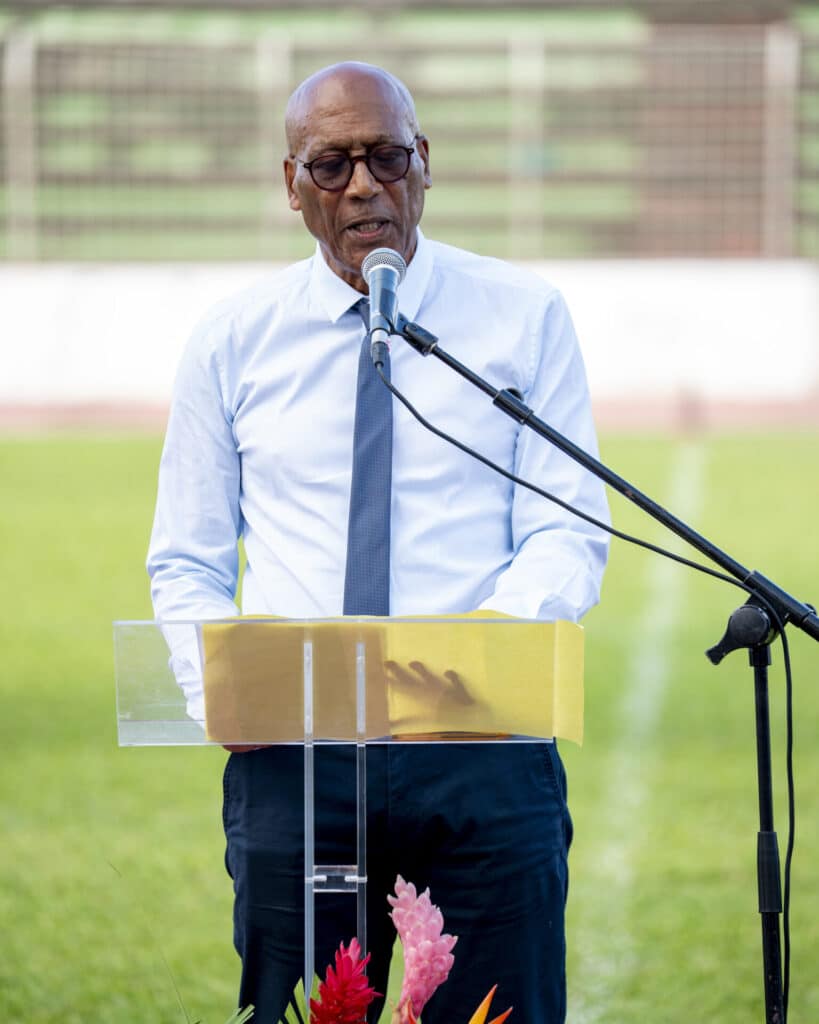
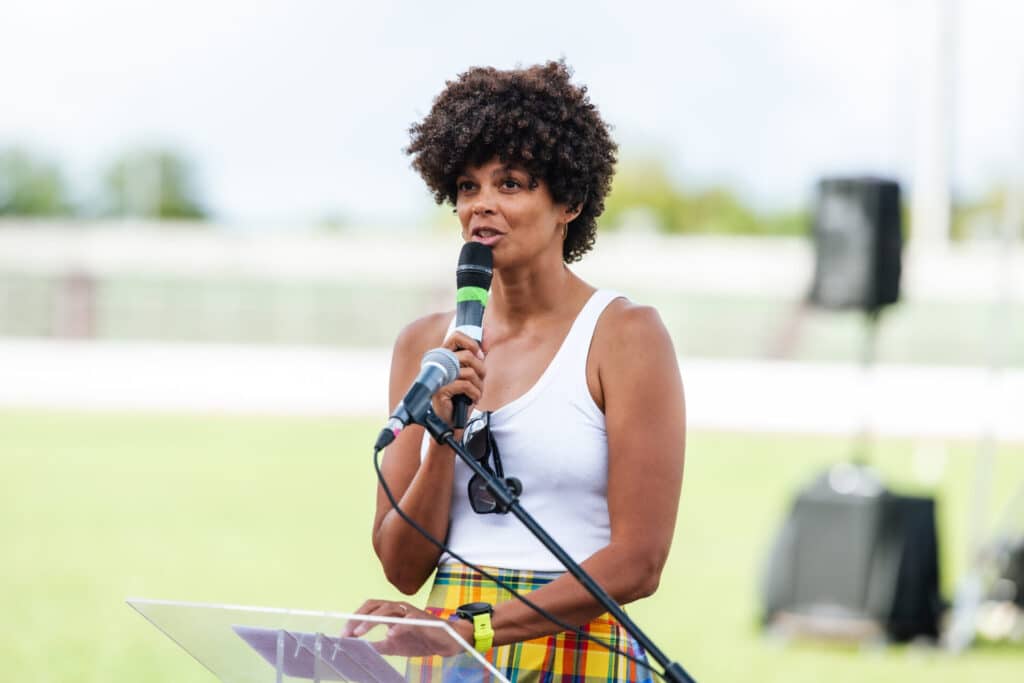
The opening ceremony of the Carifta Aquatics Championships 2026 got off to a fitting start, led by the master of ceremonies, with the official speeches. The mayor of Le Lamentin, the prefect and the president of the Collectivité territoriale de Martinique were all represented, a sign that the event was a success. Carifta Aquatics Championships called for more than just sporting protocol. The speeches alternated French and English with a welcome fluidity: it’s as much a political gesture as a human one to speak the other’s language, and Martinique did so naturally. In a Caribbean where colonial legacies have sometimes erected walls where geography has created bridges, hearing the two languages respond on the same stage is already a sign of reconciliation.
Carifta Aquatics Championships 2026: when culture takes the lead
It was when the music took over that something changed in the air.
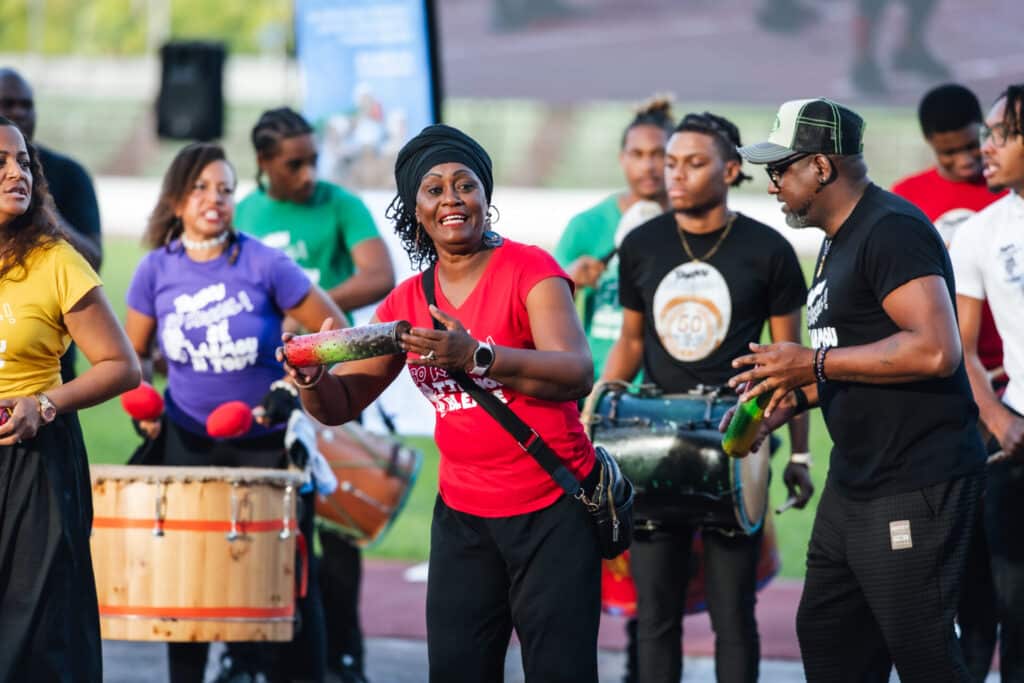
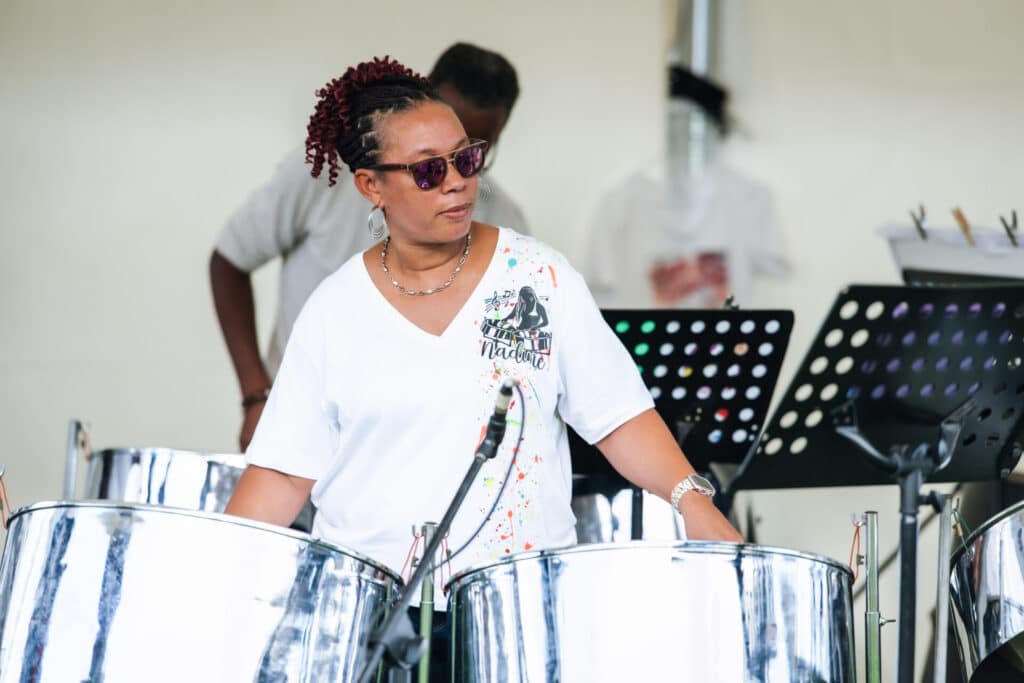
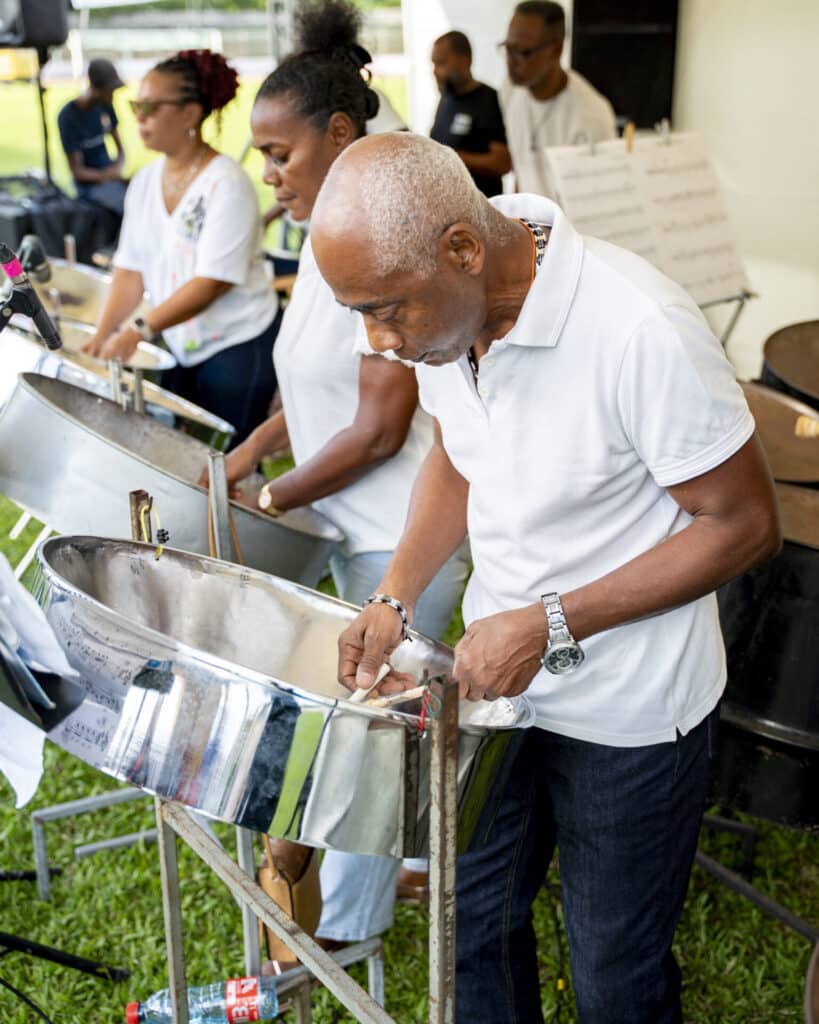
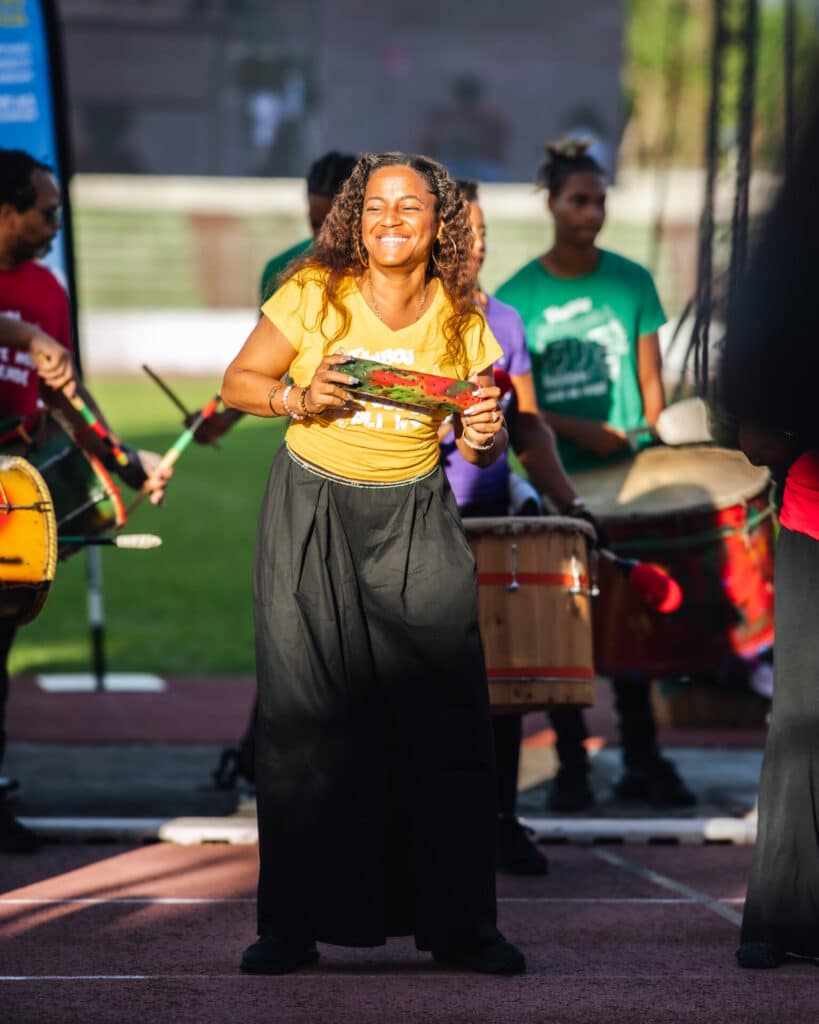
A steel pan band got the ball rolling, and not just any old way. These singing steel blades, an instrument born in the back alleys of Trinidad and now a symbol of the entire Caribbean, resonated here, tinged with local Martinican rhythms. A gentle, bold way of saying: we’re different, and that’s precisely what unites us. Tambou Bô Kanal Junior Then came the drums, the voices of Martinique that have been beating since ancient times, since the maroons, since the resistance. The traditional music of the island invaded the stadium, and the young Caribbean athletes discovered, perhaps for the first time, the deep heart of the island that welcomed them.
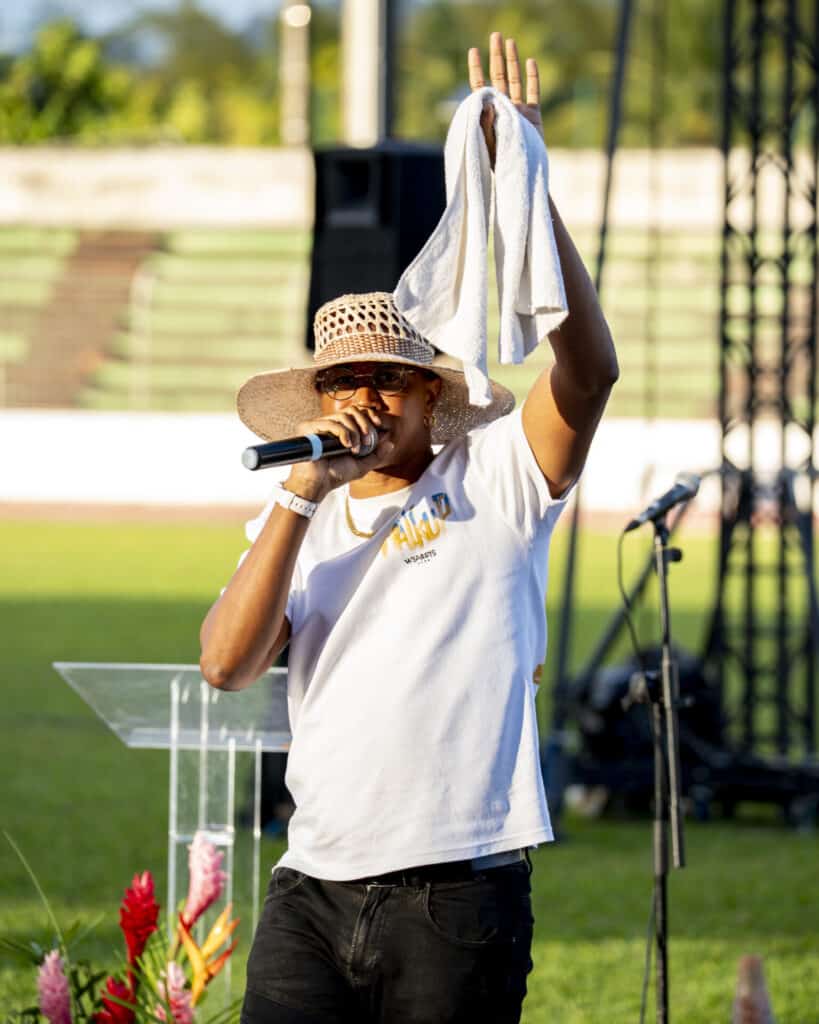
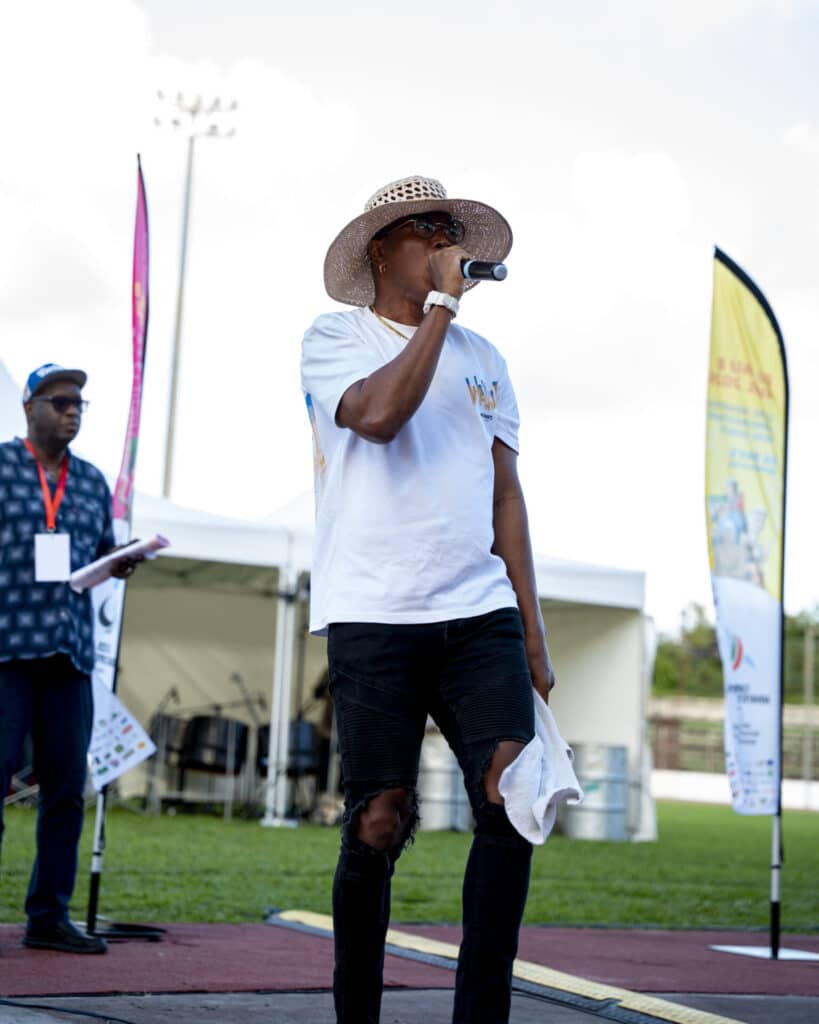
And then there was Paille. The artist from Martinique set the place alight – that’s the only word for it. Wandering through Caribbean musical genres as one crosses the sea from island to island, he took the audience from Jamaica to Trinidad, from reggae to soca, re-adapting the great hits of the region with infectious generosity. Alternating between French and English, with the help of a friendly interpreter, he watched hundreds of young athletes from all over the Caribbean, making them dance, laugh and share. This moment was not to be found in any ranking or list of records. Yet it was the most precious moment of the day.
Twenty-four flags, one horizon
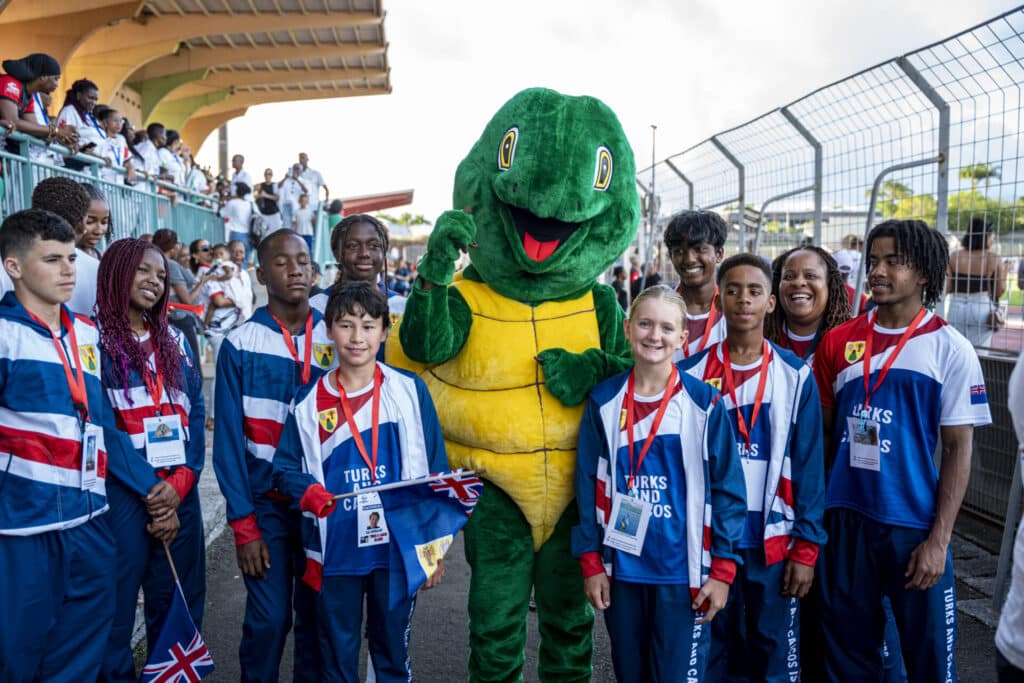
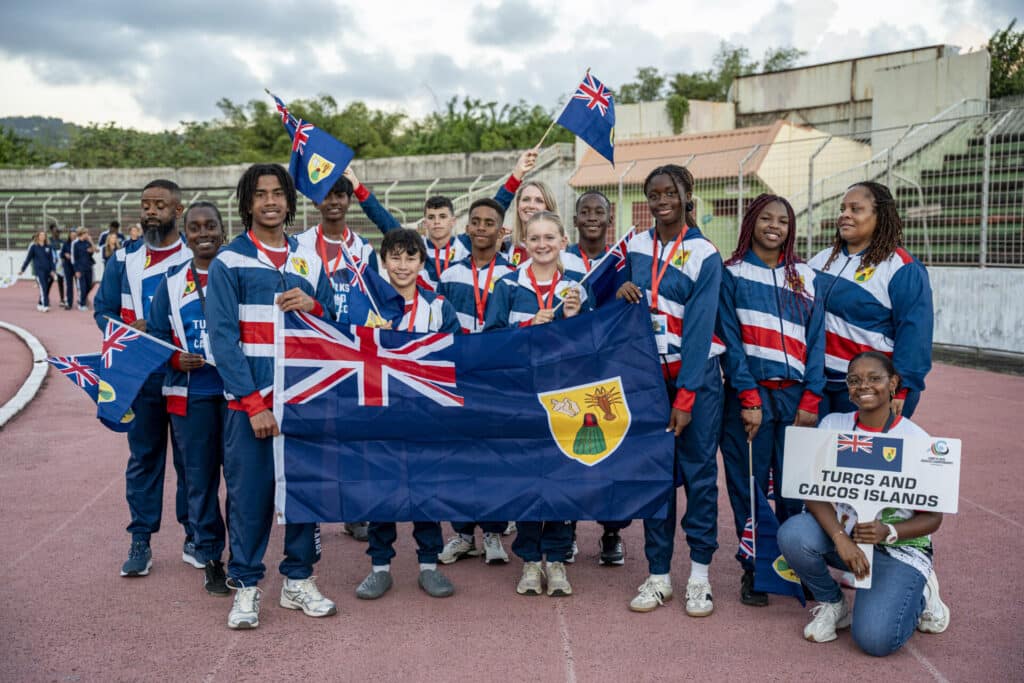
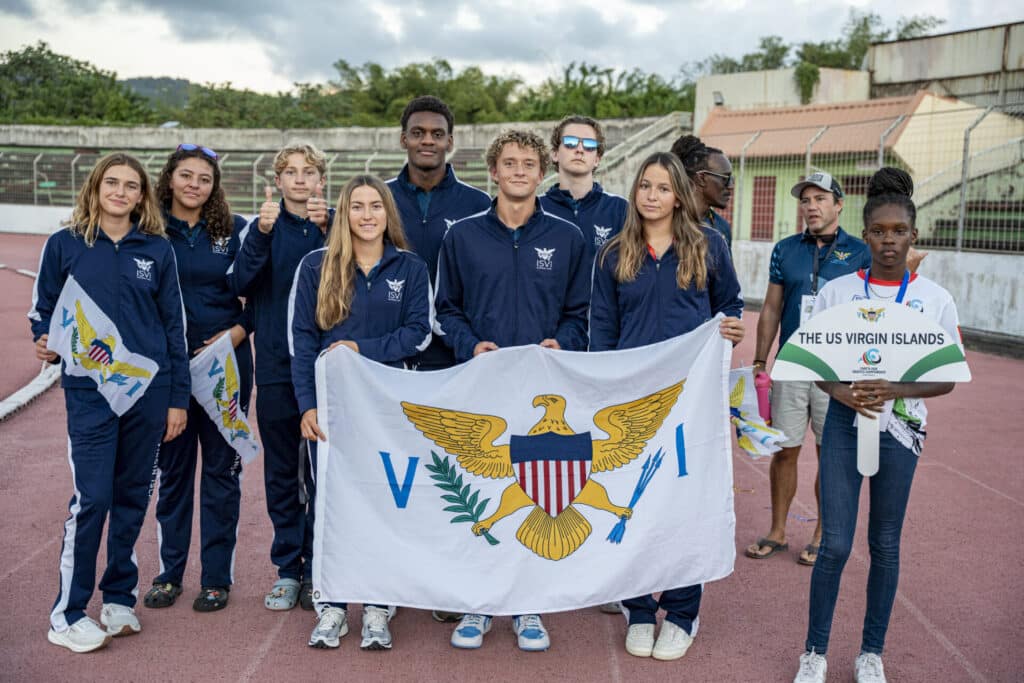
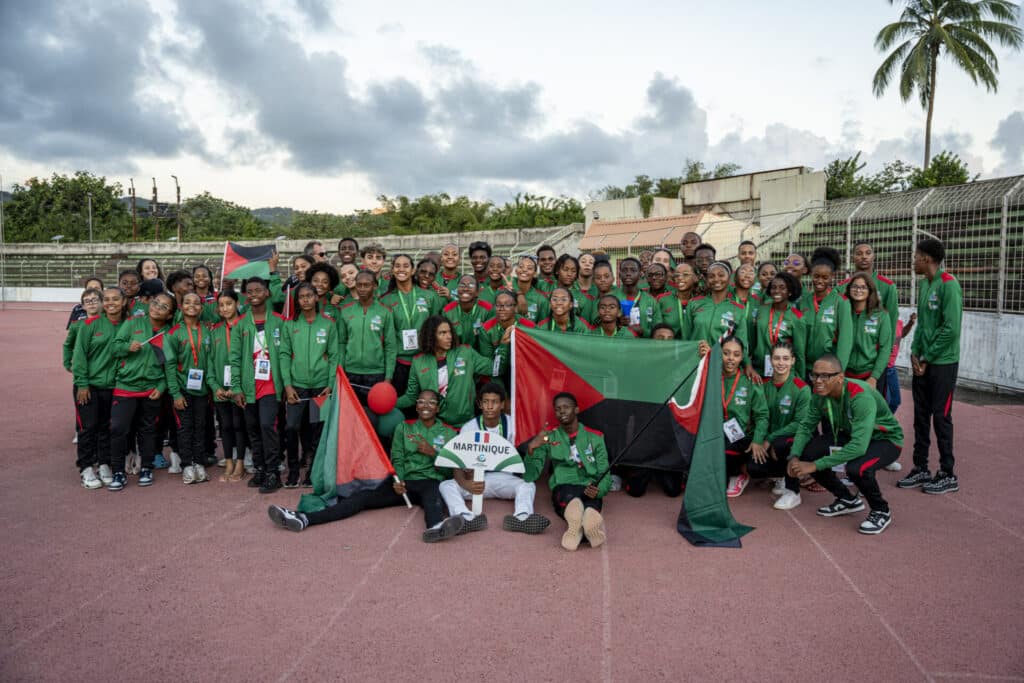
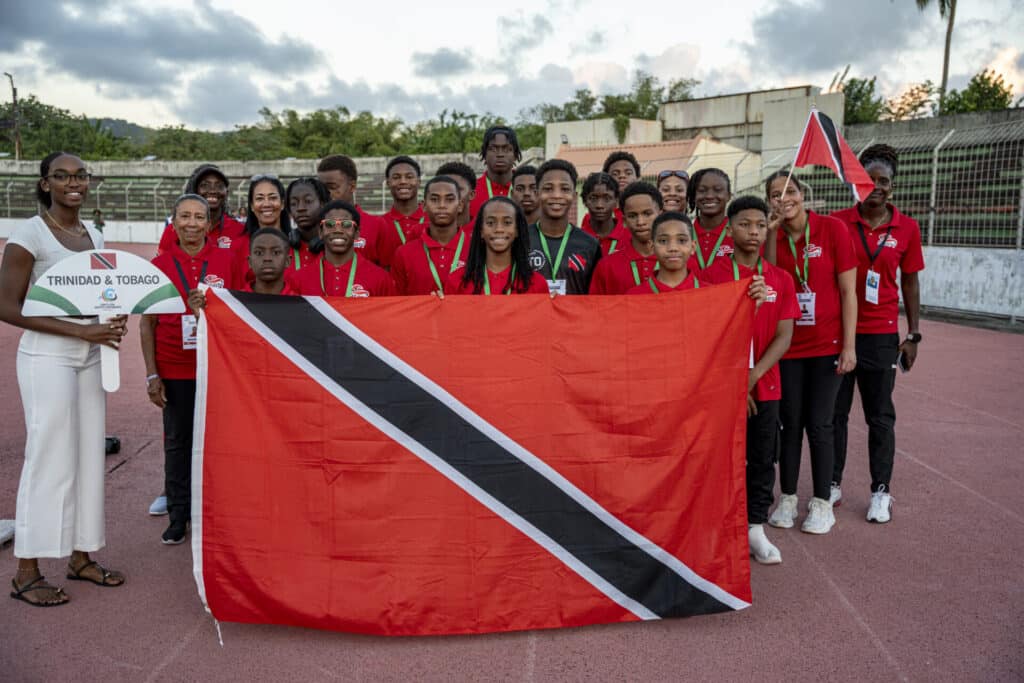
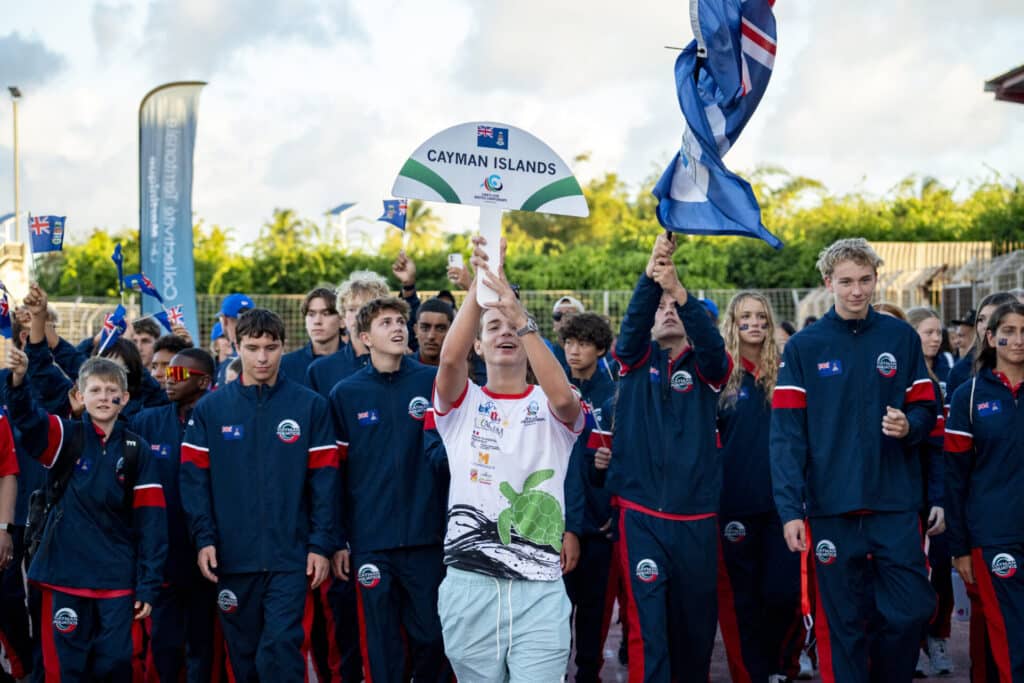
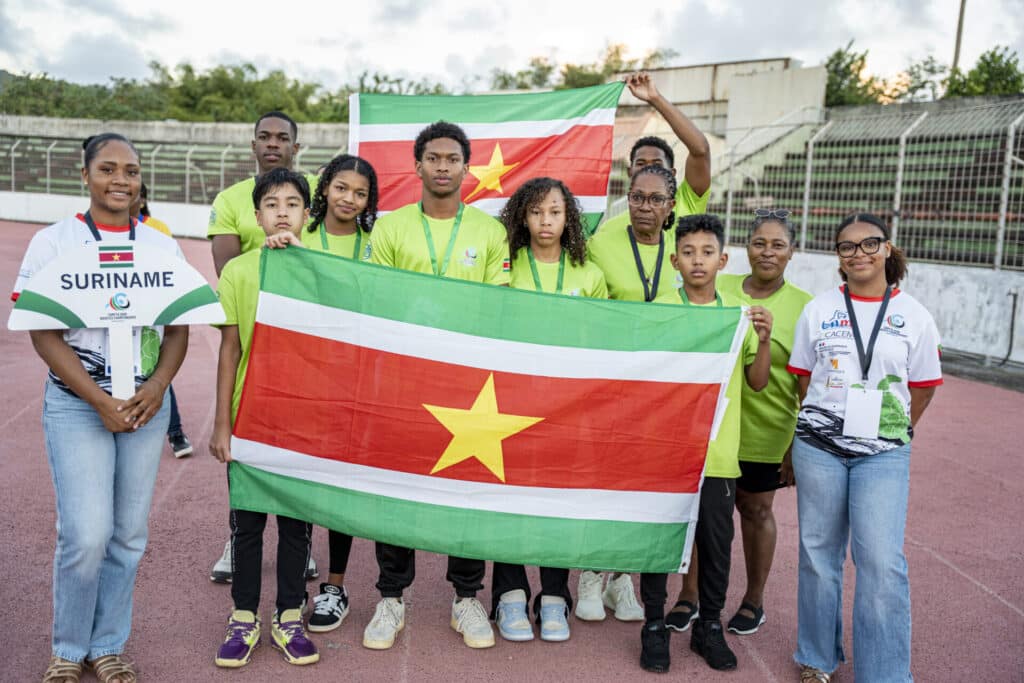
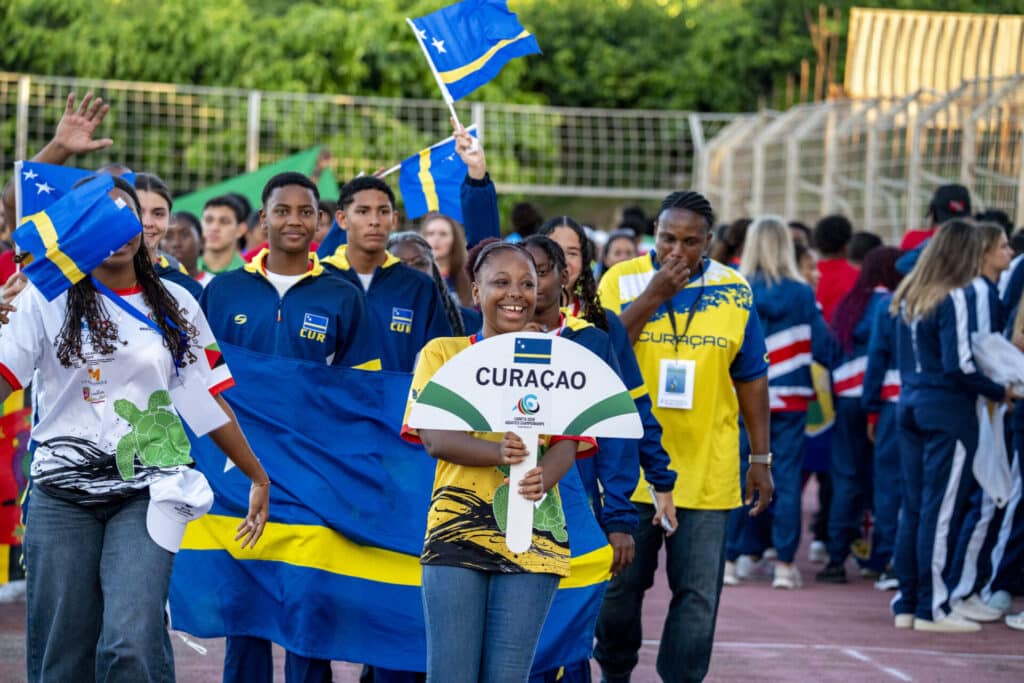
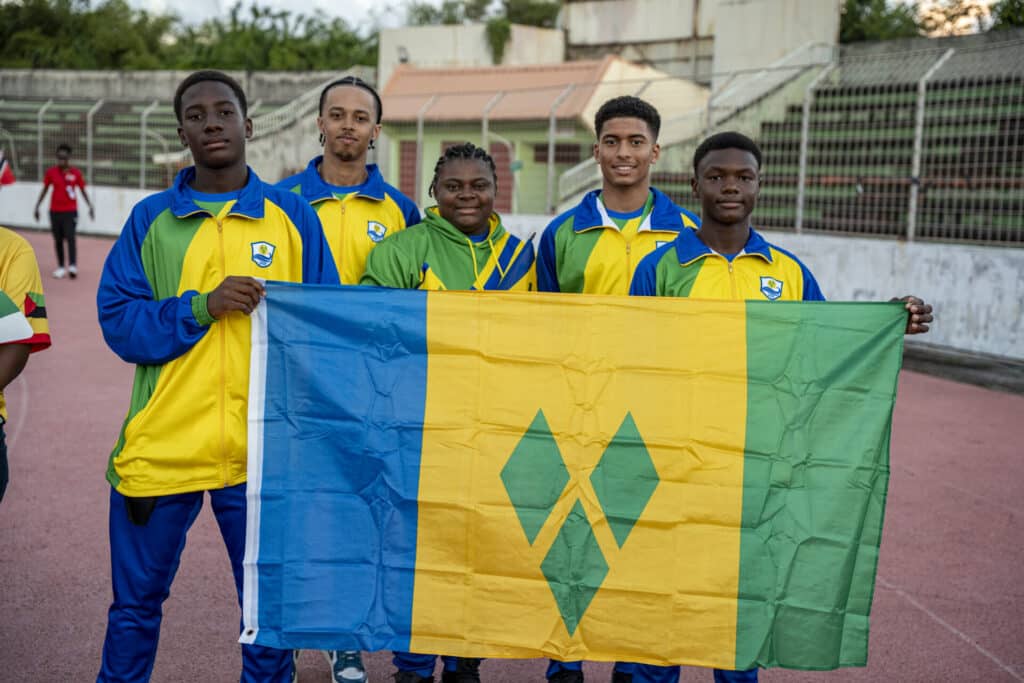
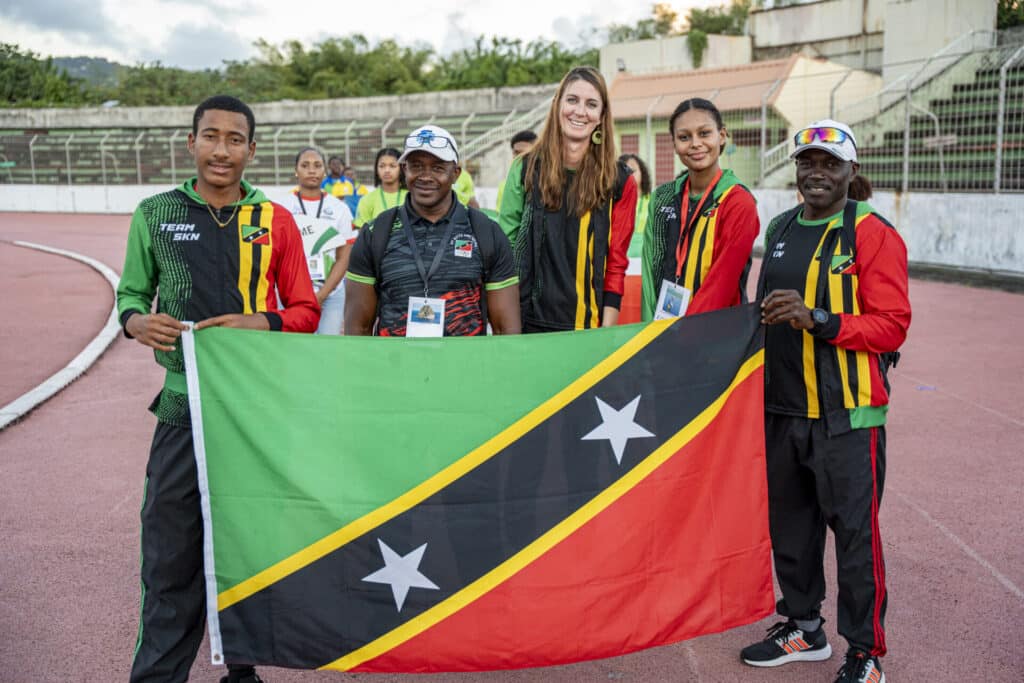
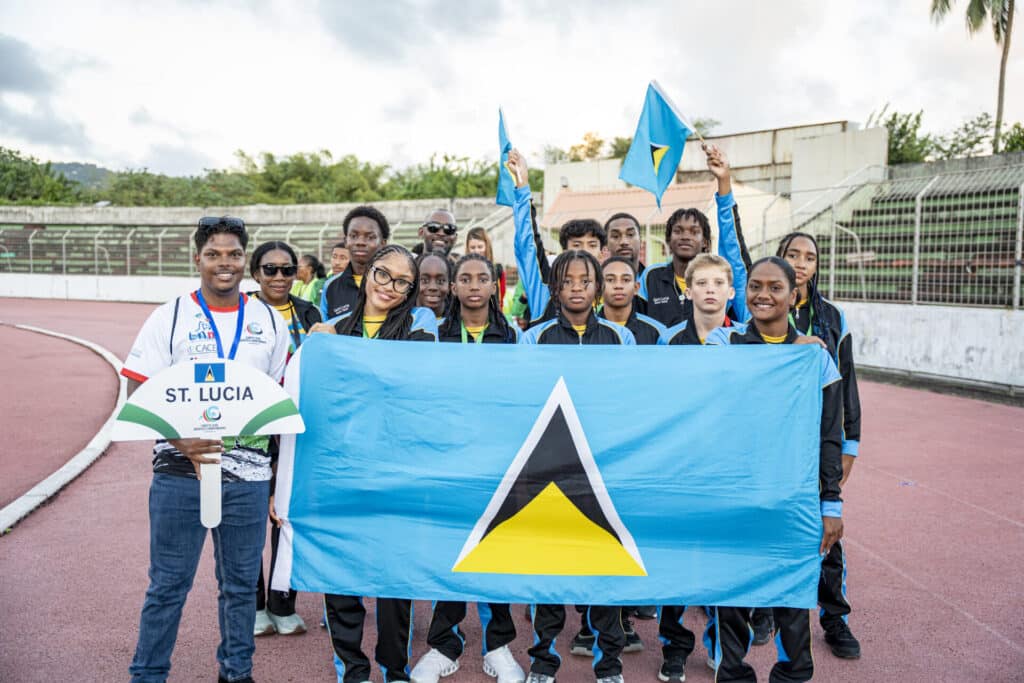
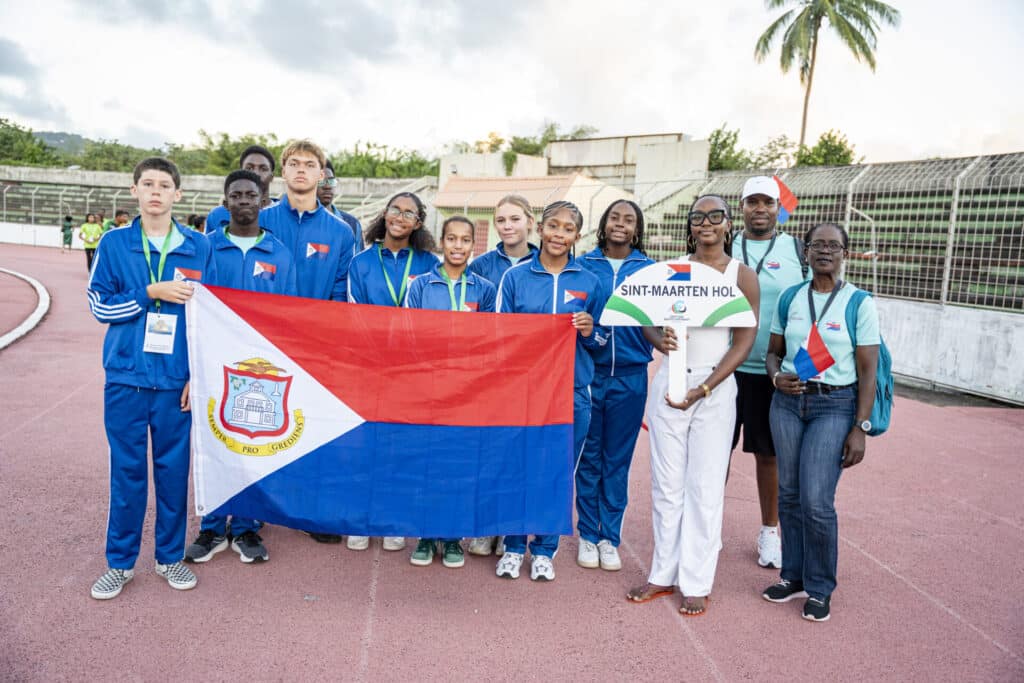
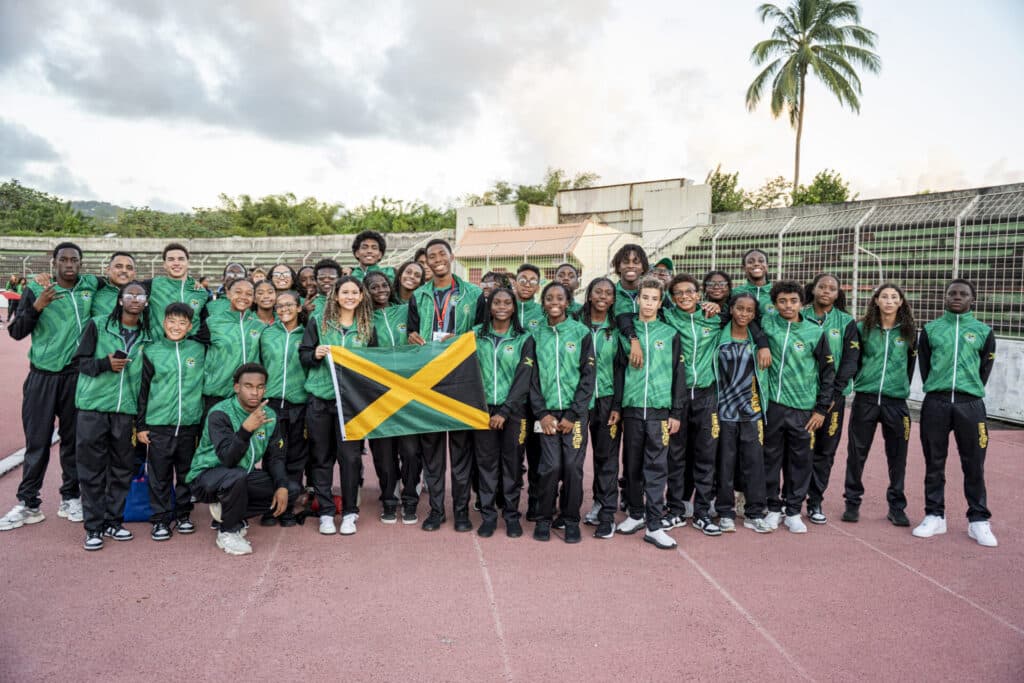
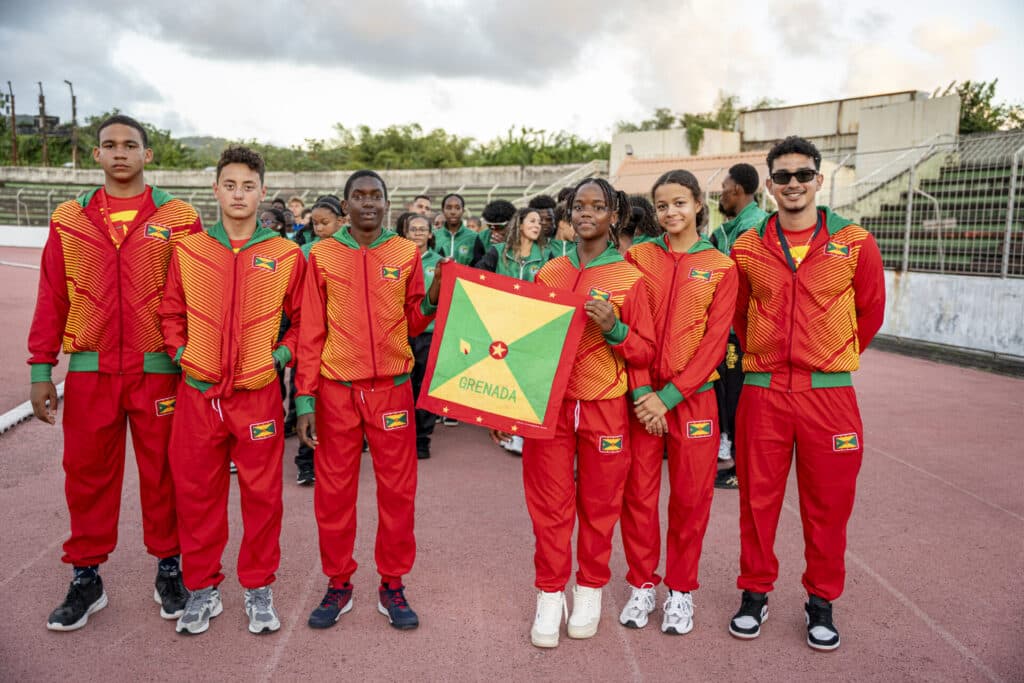
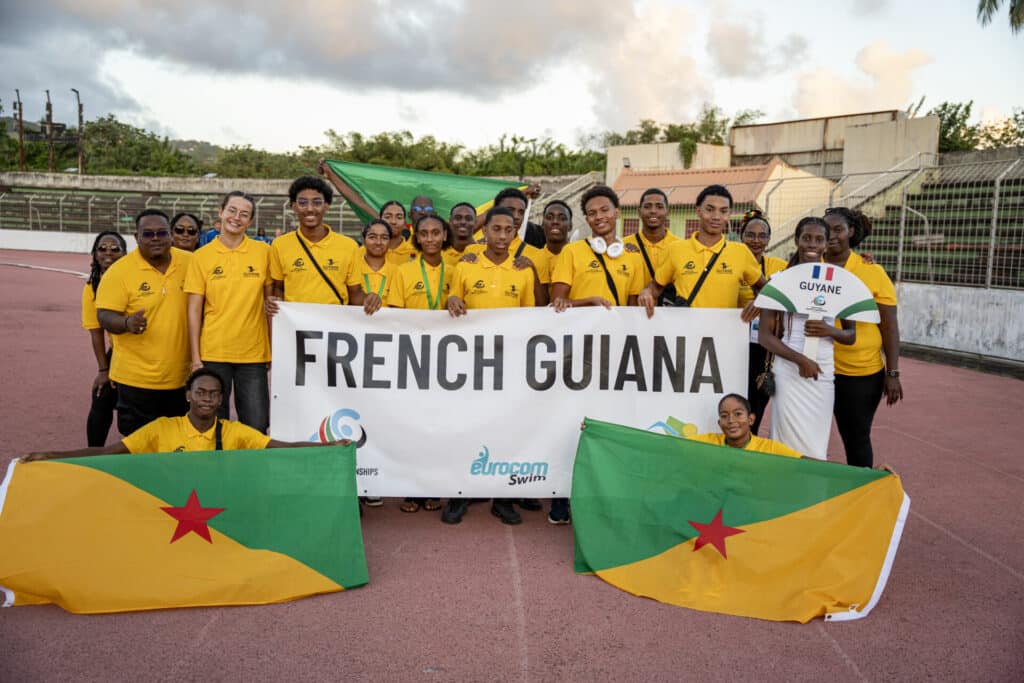
Then came the parade. To the notes of Nou pa sa nation after nation, flag after flag, the delegations took to the track with the quiet, luminous pride of young people who know they represent something beyond their own performance. From eleven-year-olds to seventeen-year-olds, they all had the same thing in their eyes: impatience, seriousness, and that lightness typical of those who have not yet learned to be afraid of dreaming big. To see the colors of twenty-four Caribbean territories marching down the same runway, on the same island, is one of those spectacles that remind us why sport, at its best, remains a school of humanity.
From Saturday April 4 to Wednesday April 8, the Centre Aquatique Communautaire Pierre-Samot will be the venue for the Carifta Aquatics Championships 2026. The Bahamas, the undisputed masters of Caribbean swimming for the past decade, will have their work cut out. Jamaica, Trinidad, Barbados and their prodigies, including the redoubtable Heidi Stoute, multiple Carifta Aquatics Championships record-holder, promise top-flight competition. Martinique, on the other hand, swims at home. And at home, with the public, the family and ten years of waiting in the legs, you don’t swim the same. In 2016, when the last edition was held here, the locals came third overall. The goal is there, written in the memories, burning in the corridors of Le Lamentin.
Coralie Balmy, Olympic medallist and official ambassador for this edition, remembers being ten years old when she first took part in the Carifta Aquatics Championships. Today, a new generation is writing its first lines. And if the Carifta Games deserve more media attention than they are getting, this Friday evening at the Georges-Gratiant stadium was a reminder of why they count: because they are one of the rare spaces where the Caribbean sees itself as a whole, recognizes itself, and chooses to applaud itself.
The competition starts tomorrow. But perhaps the most important part has already taken place.
The Carifta Aquatics Championships 2026 is one of the Caribbean’s major sporting events for young swimmers. The competition brings together delegations from numerous Caribbean territories to compete in a number of aquatic events, in a setting that goes far beyond a simple sporting confrontation. It provides an opportunity to measure the level of the region’s up-and-coming swimmers, to showcase emerging talent and to strengthen ties between islands that share a common history, geography and ambitions. In this 2026 edition, Martinique becomes both host country, sporting stage and cultural showcase.
Martinique not only hosts a competition, it also welcomes the entire Caribbean youth community in a rare moment of regional visibility. Ten years after a previous edition was held on the island, this return gives a special significance to the event. The region is demonstrating its ability to welcome international delegations, mobilize its institutions and offer an opening ceremony that links sport, culture and identity. For Martinique, hosting the Carifta Aquatics Championships 2026 is also a way of asserting its Caribbean roots, recalling its place in the region and promoting its image far beyond its immediate borders.
The opening ceremony left a lasting impression, giving the sport a strong cultural and symbolic dimension. Official speeches in French and English set a framework for regional unity, while musical performances embodied the richness of the Caribbean in all its diversity. The steel pan, Martinican drums and the presence of artist Paille gave this opening a depth that went beyond protocol. The parade of delegations then reinforced this sense of common belonging. This kind of moment is extremely important, as it gives meaning to the competition and reminds us that behind each swimmer, there is also a territory, a memory and a collective pride.
The sporting stakes are high, as this competition brings together delegations renowned for their level of Caribbean swimming. The Bahamas, Jamaica, Trinidad and Barbados arrive with solid reputations and eagerly-awaited athletes. For Martinique, the stakes are even higher, as it will be competing on home soil, with all the pressure and energy that this entails. The memory of the previous edition held on the island is fuelling local ambitions. The Carifta Aquatics Championships 2026 are a high-level test for young swimmers who want to shine individually, improve their country’s ranking and follow in the footsteps of the great figures of regional swimming.
The Carifta Aquatics Championships 2026 are important because they offer the Caribbean a concrete space where it can see itself as a whole. In a region often fragmented by languages, colonial legacies and institutional realities, this type of event creates a direct encounter between island youth. It’s not just about breaking records, but also about sharing a common experience, getting to know each other better and building positive regional references. The event puts the spotlight on an ambitious, talented Caribbean capable of organizing major events. It also gives valuable visibility to young athletes, who already represent the sporting and symbolic future of their territories.