


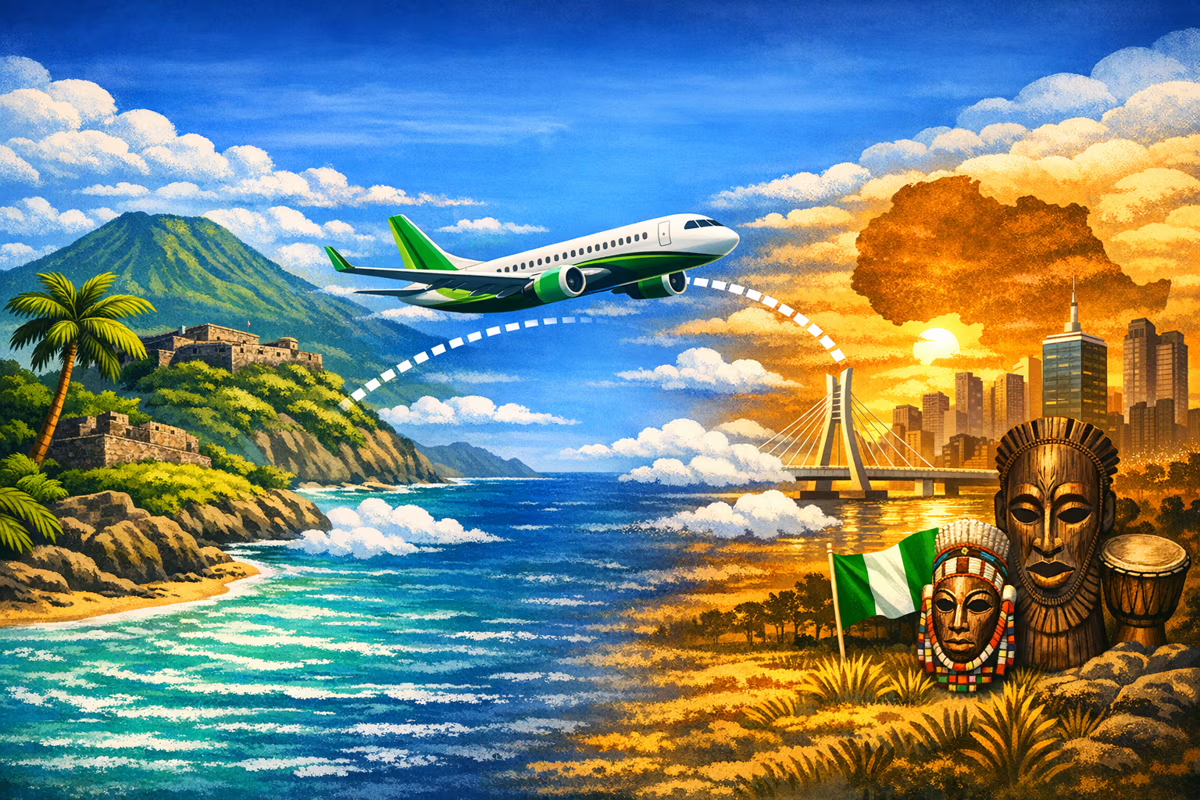

Direct flight between Saint Kitts and Nigeria is part of a more profound evolution in relations between the Caribbean and the African continent. On March 21, 2026, a charter flight left Robert L. Bradshaw International Airport with over 100 passengers from eight Caribbean territories. The aircraft landed the next day in Abuja, Nigeria, marking a concrete break with traditional travel routes. This journey is more than just a logistical feat. It embodies a political will: to reduce dependence on European and North American hubs, and to structure direct connections between two regions that have historically been linked, but are still poorly connected in practice. A break with imposed routes Until now, travelling to Africa from the Caribbean involved long and costly detours. Multiple stopovers, long journey times, administrative complexity: these constraints limited exchanges, particularly economic ones. This direct flight between St. Kitts and Nigeria changes all that. It doesn’t just
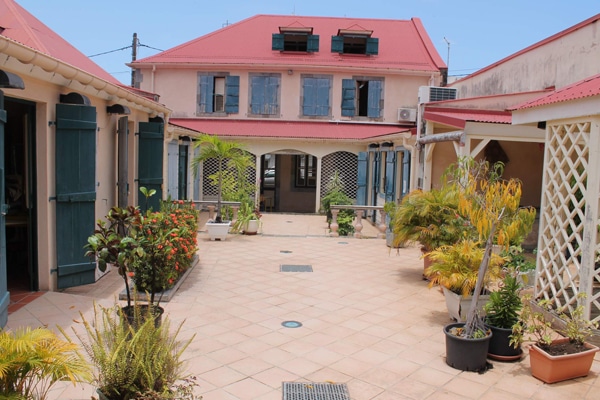
From April 29 to May 3, 2026, the city of Basse-Terre will host the second edition of the festival Patrimoines en Lumières 2026is now a fixture on the Guadeloupean cultural calendar. After a highly acclaimed first edition in 2024, this biennial event has established itself as a structuring initiative, at the crossroads of heritage enhancement and contemporary artistic creation. Conceived as a truly immersive journey, the festival transforms the capital into a living space where monuments, public spaces and emblematic sites become the mediums for a renewed artistic narrative. For five days, residents and visitors alike will rediscover Basse-Terre through a rich, accessible program deeply rooted in the region’s identity. A festival that gives new meaning to Basse-Terre’s heritage With Patrimoines en Lumières 2026, the City of Basse-Terre is asserting a clear vision: to make heritage a lever for cultural, social and territorial development. The Guadeloupean capital has been awarded
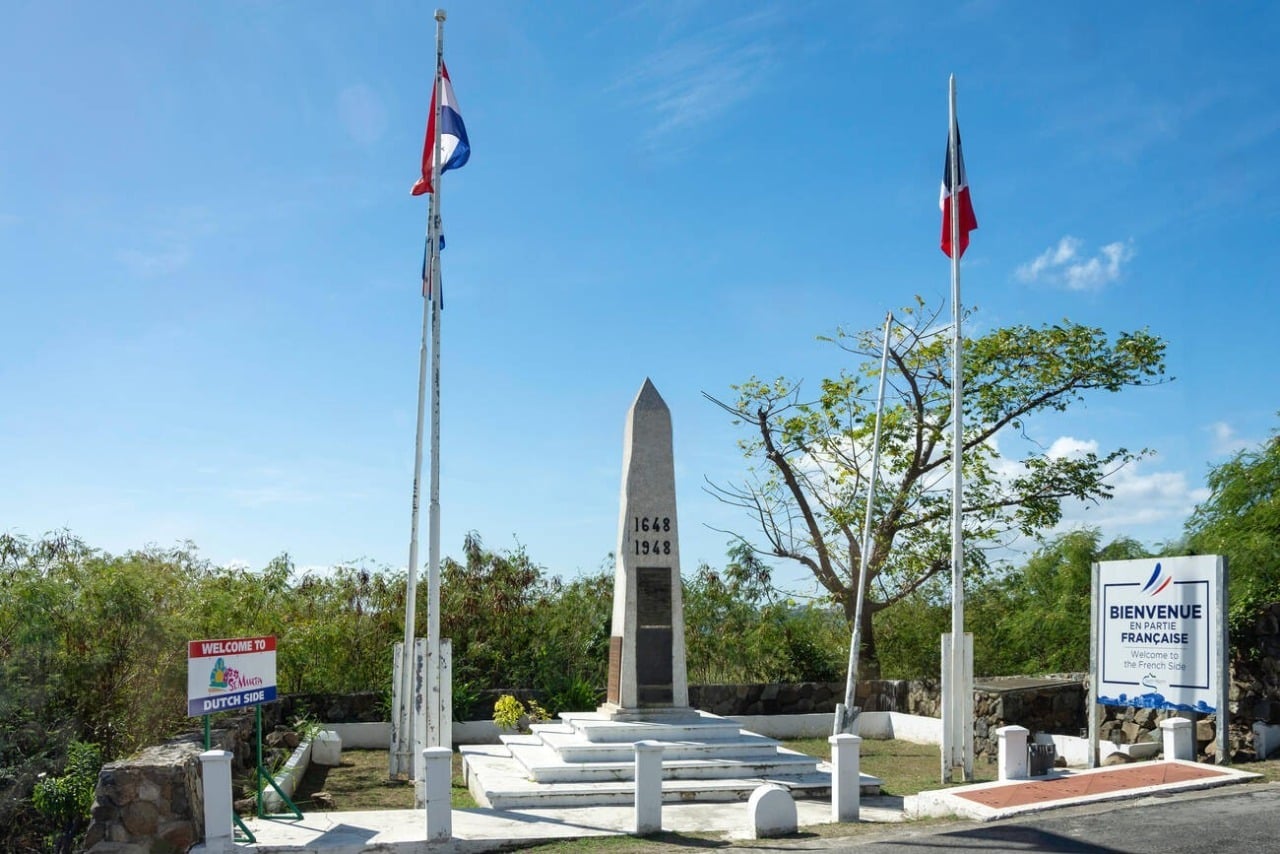
March 23, 1648 occupies a special place in Caribbean history. On that day, the French and Dutch signed the Concordia Treaty an agreement organizing the division of the island of Saint-Martin. More than three centuries later, this particularity remains one of the Caribbean’s most striking historical facts: the same island, two administrations, a land border that has become one of the region’s most singular. A strategic island at the heart of European rivalries Before it was divided, Saint-Martin was a coveted island. Its position in the north of the Lesser Antilles made it an important foothold, but it was above all its natural saltworks that attracted Europeans in the 17th century. At the time, salt was an essential resource for preserving foodstuffs, and thus a major economic issue. The Spanish, French and Dutch followed in their footsteps. In 1633, Spain imposed its control over the island to secure its maritime
