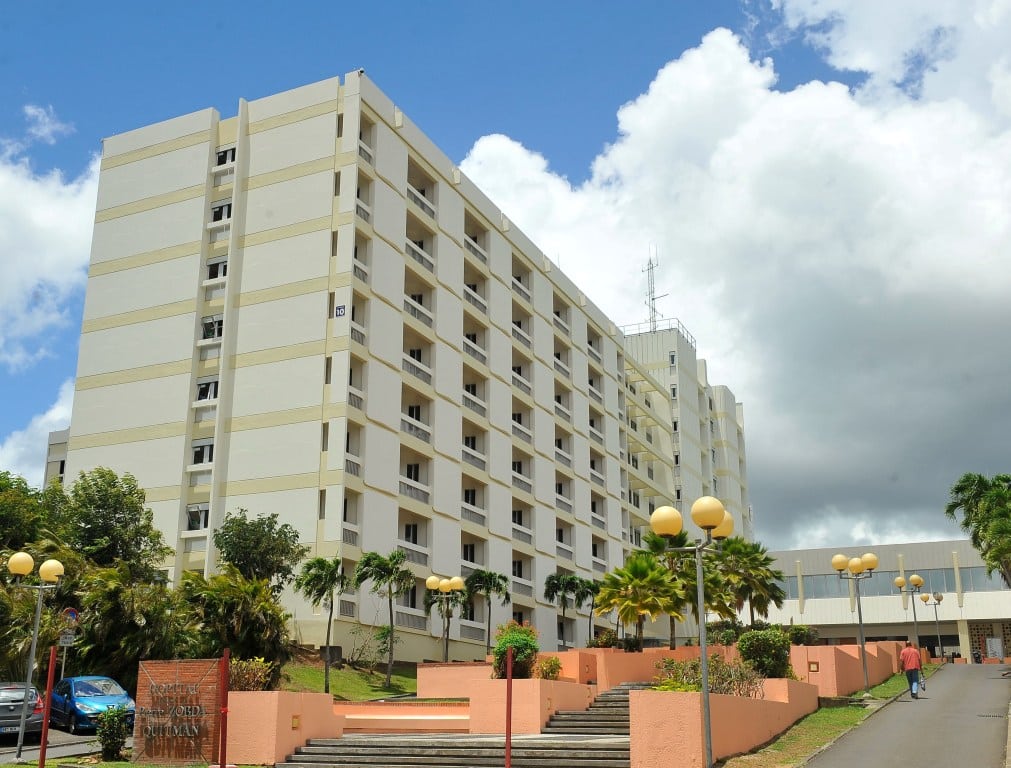
CHUM Martinique recently received a payment of over three million dollars from the government of Saint Lucia, putting an end to a hospital debt accumulated over more than two decades. This settlement is not just a financial act, but a strong political choice that redefines relations between these two island territories. It is a decisive gesture for public health, regional diplomacy and trust between institutions.
A long-standing debt with serious consequences
For many years, Saint Lucia sent its most seriously ill citizens to Martinique, due to a lack of suitable equipment and locally available medical specialties. CHUM Martinique, a reference hospital in the Caribbean, received these patients within the framework of bilateral health cooperation agreements. However, non-payment of the accumulated fees eventually generated a debt of over three million EC dollars, threatening the viability of this essential collaboration.
This financial liability has undermined trust between the two parties. On the Martinican side, recurrent delays in payments raised concerns about the continuity of services rendered. In Saint Lucia, the population was worried about losing vital access to advanced medical care. The settlement of this debt marks a turning point.
An agreement reached thanks to health diplomacy
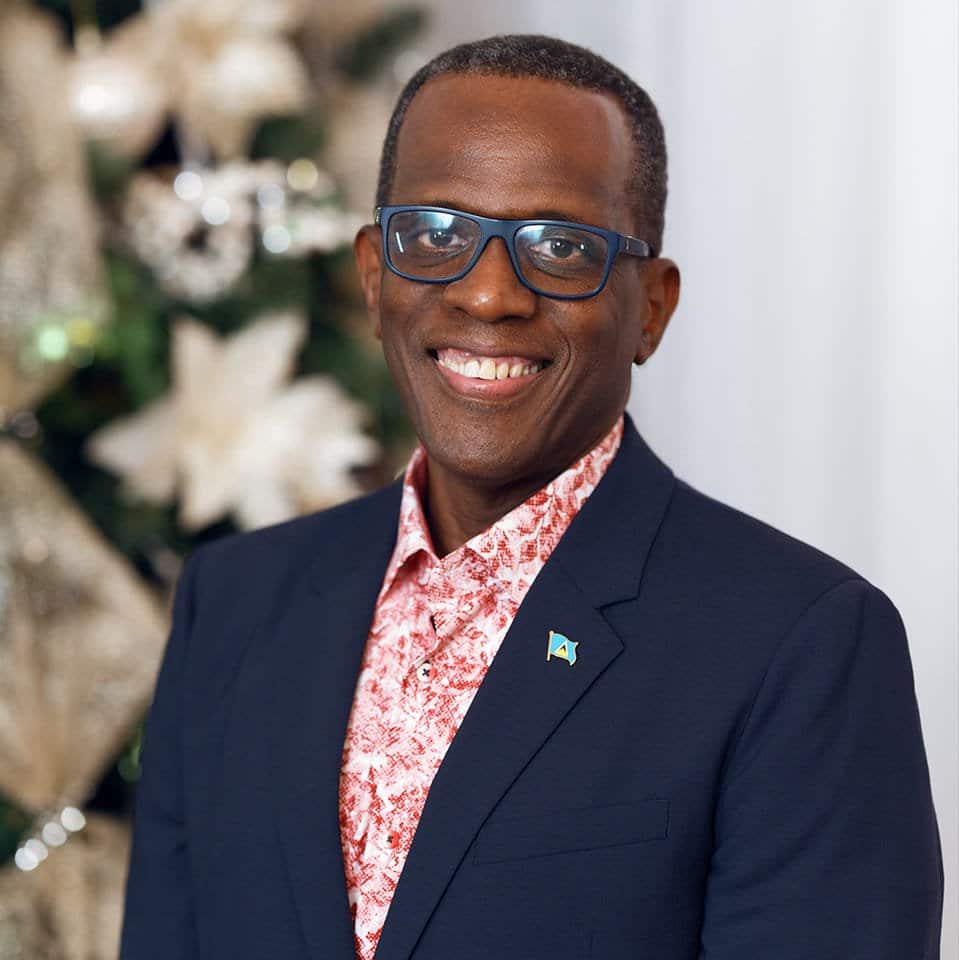
This breakthrough is the fruit of rigorous diplomatic efforts. Saint Lucia’s Prime Minister, Philip J. Pierre, led a delegation to Fort-de-France to meet with CHUM Martinique and regional authorities. The mission, which focused on health, safety and bilateral development, laid the foundations for a new cooperation agreement.
This gesture is all the more symbolic in that it comes at a time when pressure on Caribbean healthcare systems remains high, particularly in the wake of recent health crises. Saint Lucia is sending out a clear message: it respects its commitments and wants to build a lasting partnership with its neighbors.
CHUM's strategic role for neighboring islands
The CHUM Martinique is a key medical infrastructure in the region. It is often the only facility capable of treating certain complex pathologies, performing specialized surgical procedures, or offering heavy-duty treatments, such as oncology or interventional cardiology. Saint Lucia, like other small islands in the Eastern Caribbean, lacks this level of technical expertise.
Thanks to this regulation, Saint Lucian patients will continue to benefit from rapid, supervised access to such care, particularly in the case of life-threatening emergencies where time is of the essence. Martinique’s hospital administration, for its part, will be able to plan its capacity and logistical requirements for foreign patients with peace of mind.
A positive impact on local public health
More than just a payment, the re-establishment of this cooperation will enable Saint Lucia to alleviate the pressure on its own healthcare system. Local hospitals, often under-resourced in terms of human and material resources, will be able to concentrate their efforts on routine care and locally manageable pathologies. The most serious cases can be referred to the CHUM Martinique without administrative blockages or legal uncertainties.
This fluidity is vital for healthcare professionals, who must be able to act quickly and within a clear framework. It is just as important for patients and their families, who will benefit from a more serene care experience.
Cooperation beyond the medical field
The official visit by the head of Saint Lucia’s government provided an opportunity to address other crucial aspects of bilateral relations. Maritime security, the fight against cross-border trafficking (drugs, arms, illegal migration) and the protection of shared maritime zones were also discussed. A joint desire emerged to strengthen information exchange, coordination of security forces, and judicial cooperation.
With this in mind, the CHUM Martinique is also becoming a symbol of regional stability and solidarity. It represents an institutional pillar around which other forms of collaboration can be grafted, ranging from the training of healthcare personnel to exchanges of administrative expertise.

Future prospects: training, equipment and modernization
The partnership between Saint Lucia and CHUM Martinique is no longer limited to patient care. It now includes the donation of medical equipment, cross-training of medical staff and the establishment of technical cooperation protocols. These efforts are aimed at strengthening the capacities of Saint Lucia’s hospitals in the medium term, to make them more autonomous in certain specialties.
Martinique, for its part, is strengthening its role as a regional center of medical expertise, while developing constructive health diplomacy with its English-speaking neighbors. This model of cooperation could be replicated with other Caribbean territories, provided that transparency and financial accountability are ensured.
Settlement of the debt owed by Saint Lucia to the CHUM Martinique goes far beyond simple reimbursement. It is a powerful political, health and diplomatic act, restoring trust between two historically linked territories. By ensuring continuity of care for its citizens and laying the foundations for a broader partnership, Saint Lucia is taking a step towards more integrated, responsible and equitable regional cooperation.