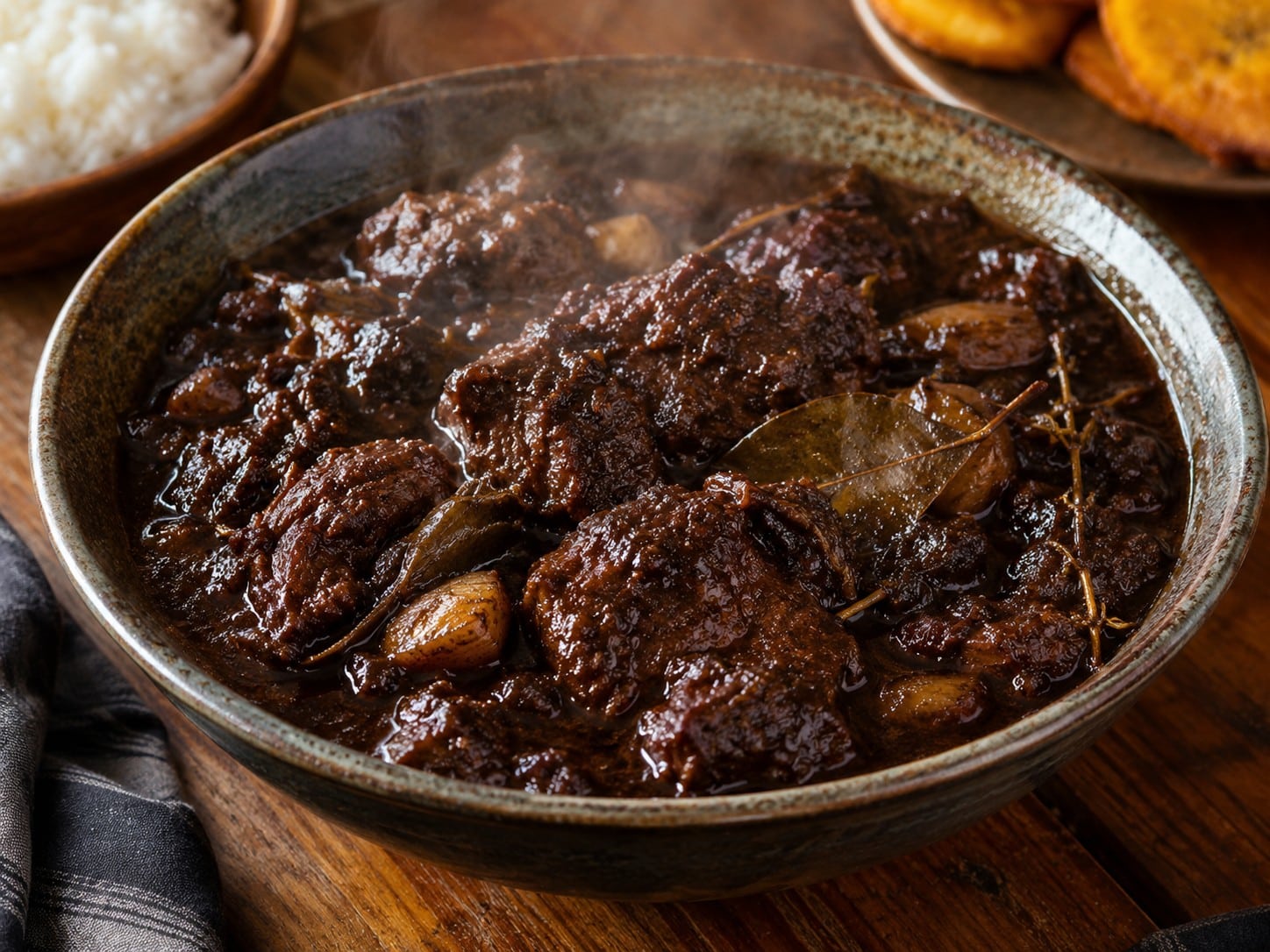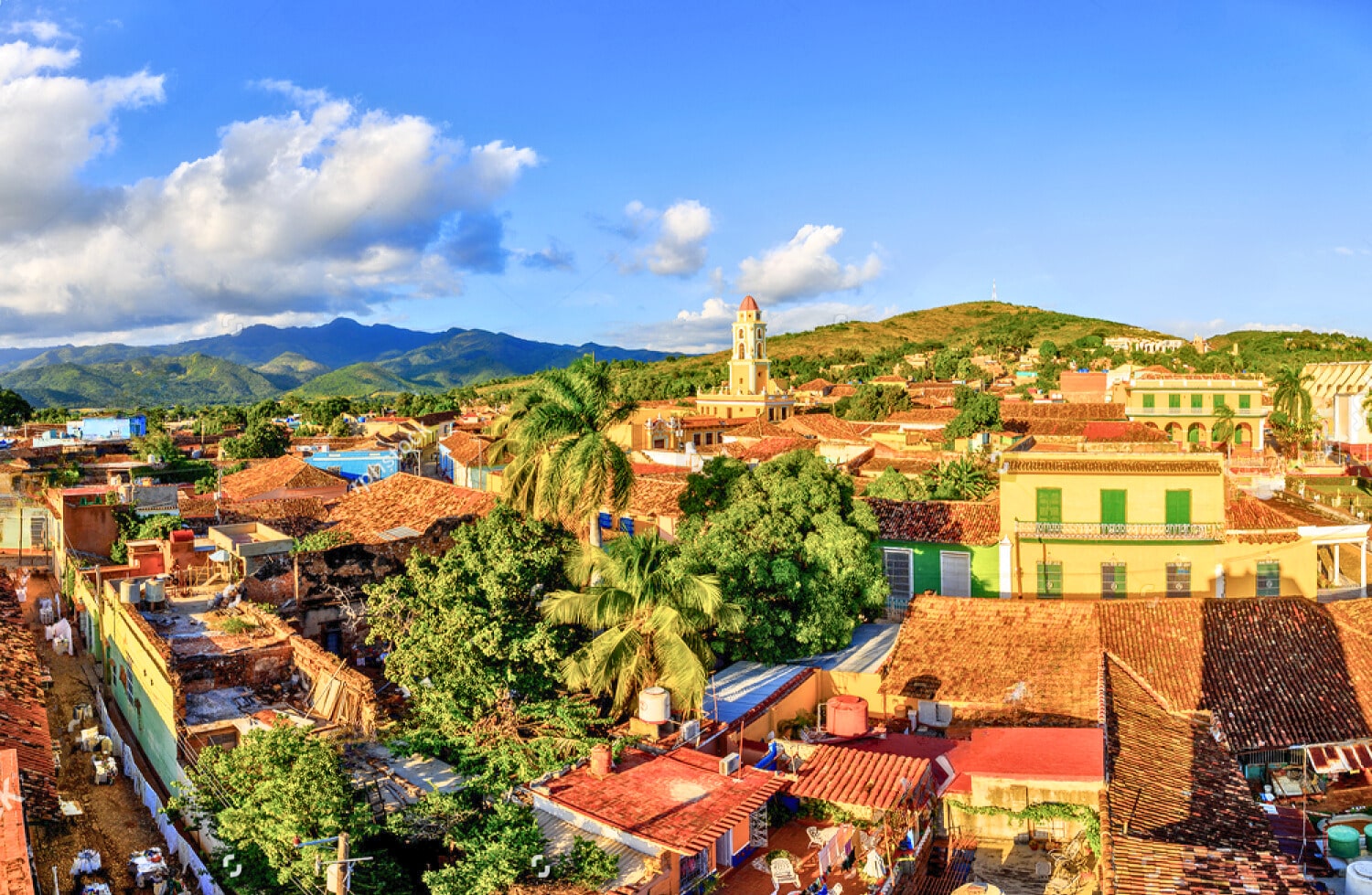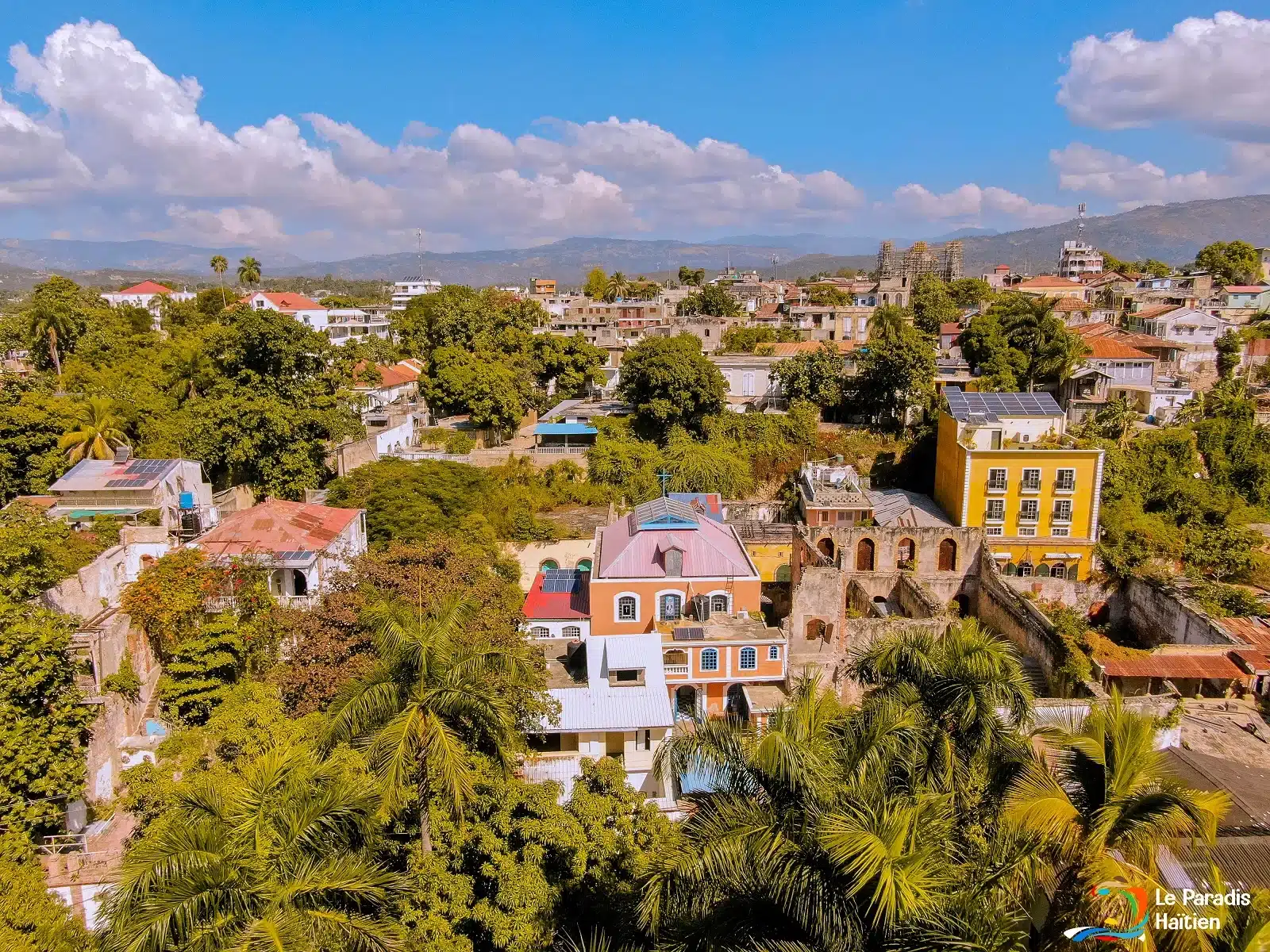

Key figures for Caribbean Culture and Heritage: Transmission, Living Arts and Linguistic Diversity.

Culture et Patrimoine

Caribbean culture and heritage extends far beyond museums and one-off events. It is shaped every day by craft practices, ancestral languages, state investment in public art, the institutional recognition of certain cities, and the commitment of new generations. Here’s an overview of the situation, backed up by verifiable data, to help you better understand the vitality and complexity of Caribbean culture and cultural heritage.

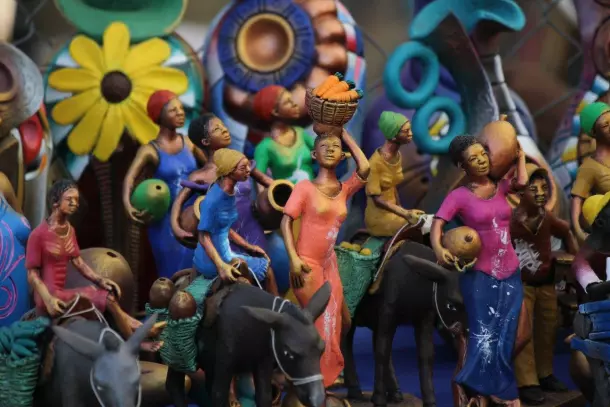
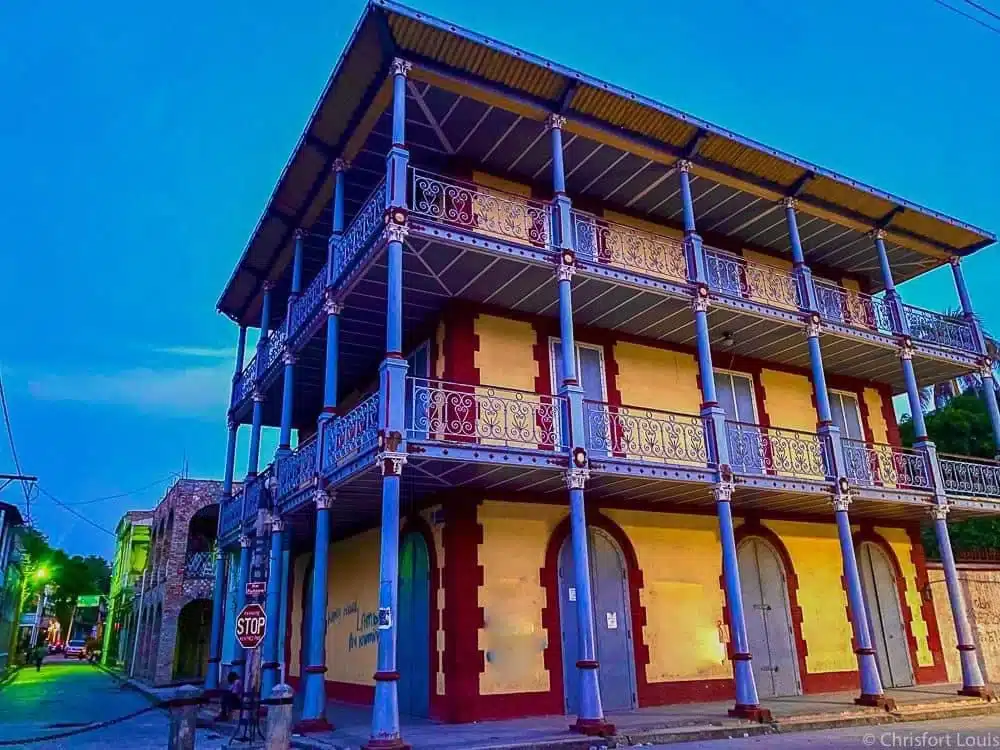
Haiti: 10% of the working population in cultural crafts

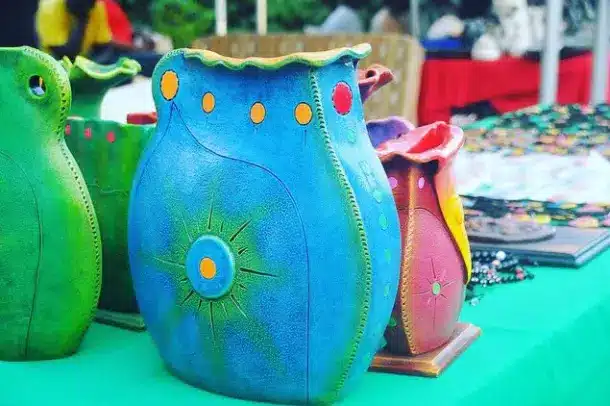
According to UNESCO, around 10% of Haitian workers are engaged in cultural crafts. This includes the manufacture of costumes, masks, drums, religious objects and everyday items, all of which are the bearers of ancestral know-how. Although often informal, this sector is an essential economic resource and a pillar of Haitian culture and heritage. It bears witness to the ongoing transmission of gestures, materials and meanings carried by collective memory.

Culture and Heritage
©UNESCO
Culture and Heritage
©UNESCO

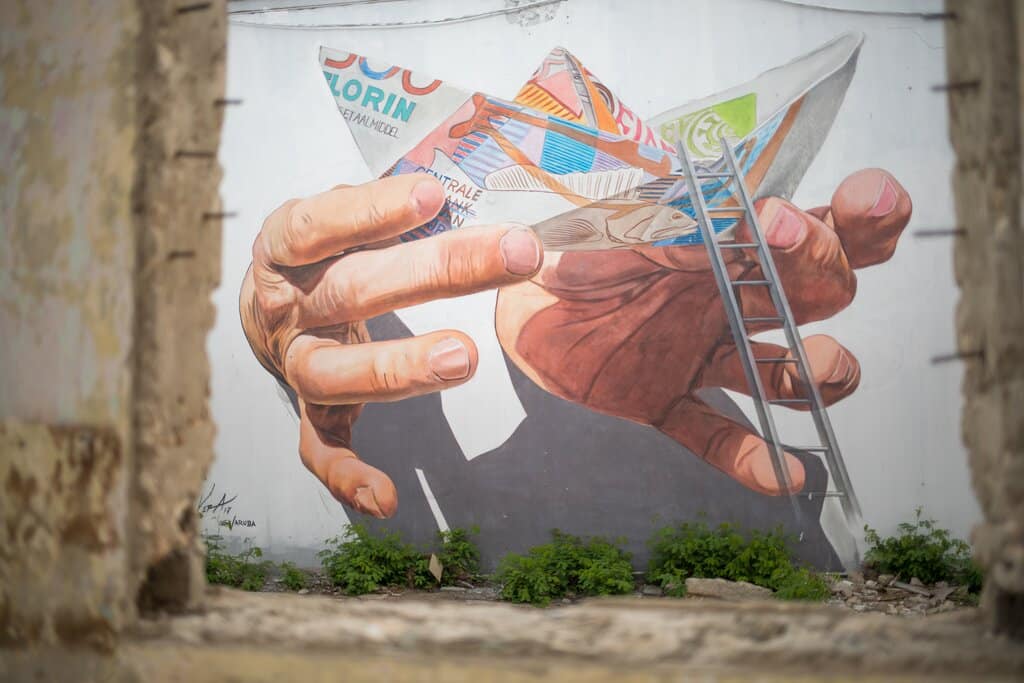
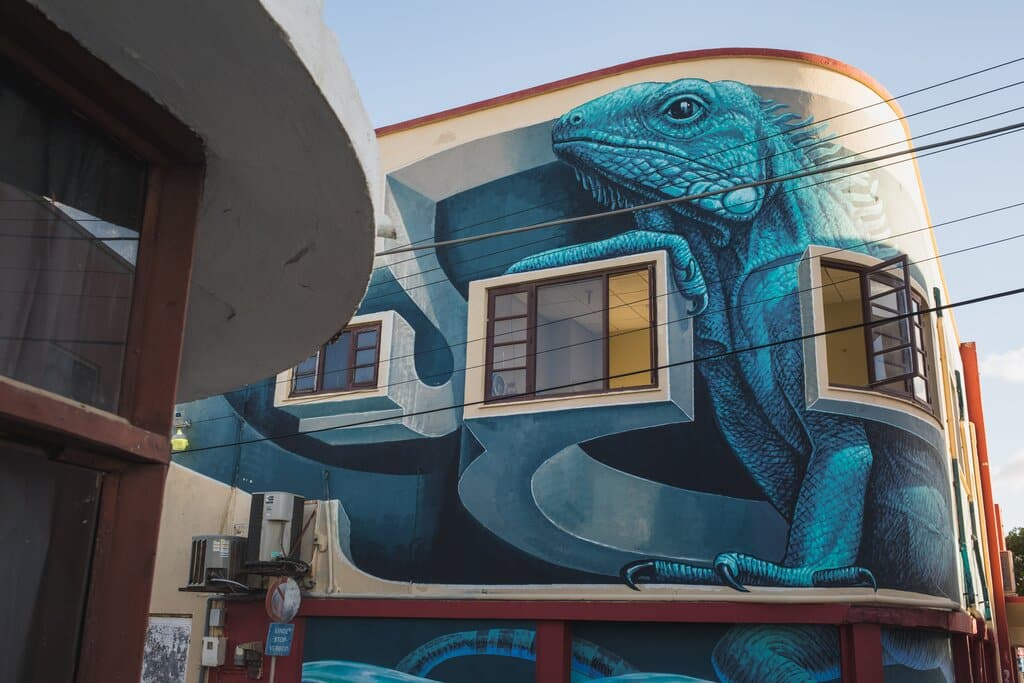
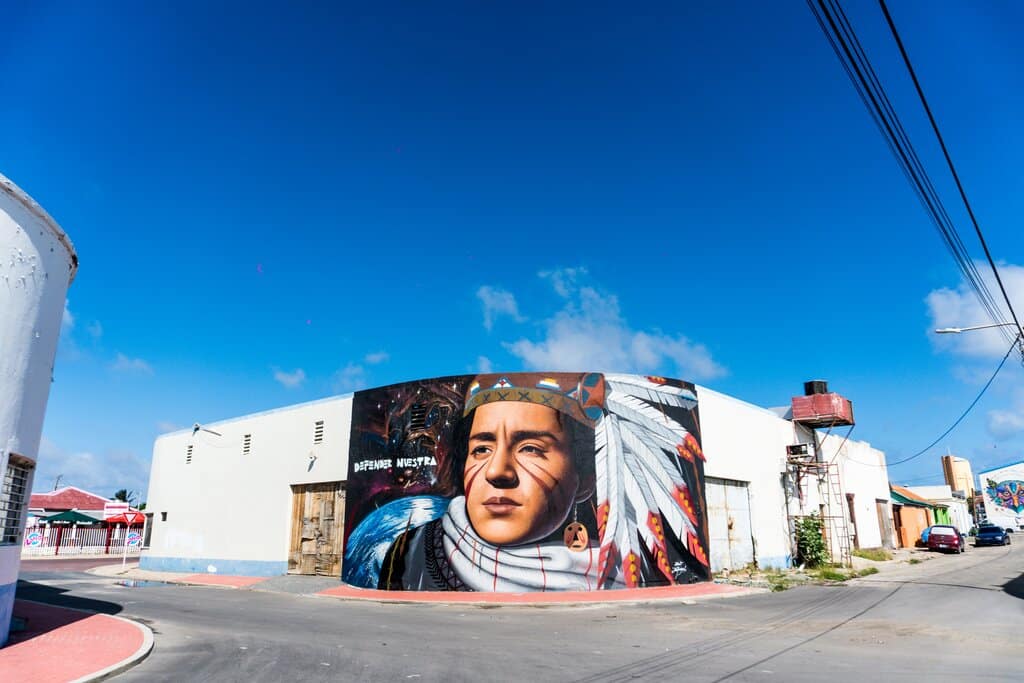
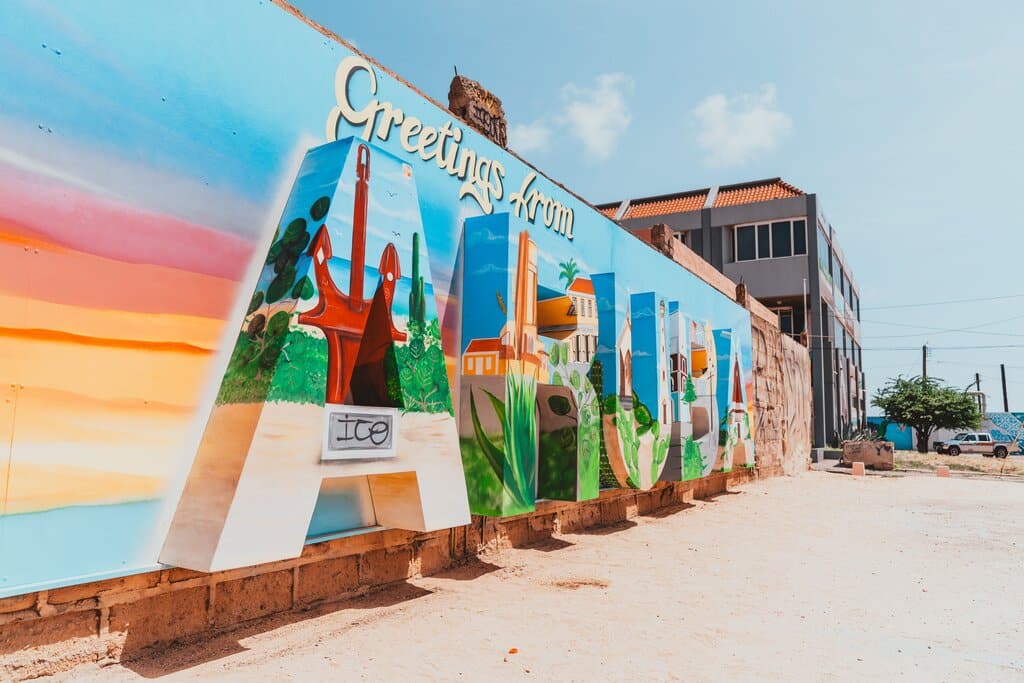
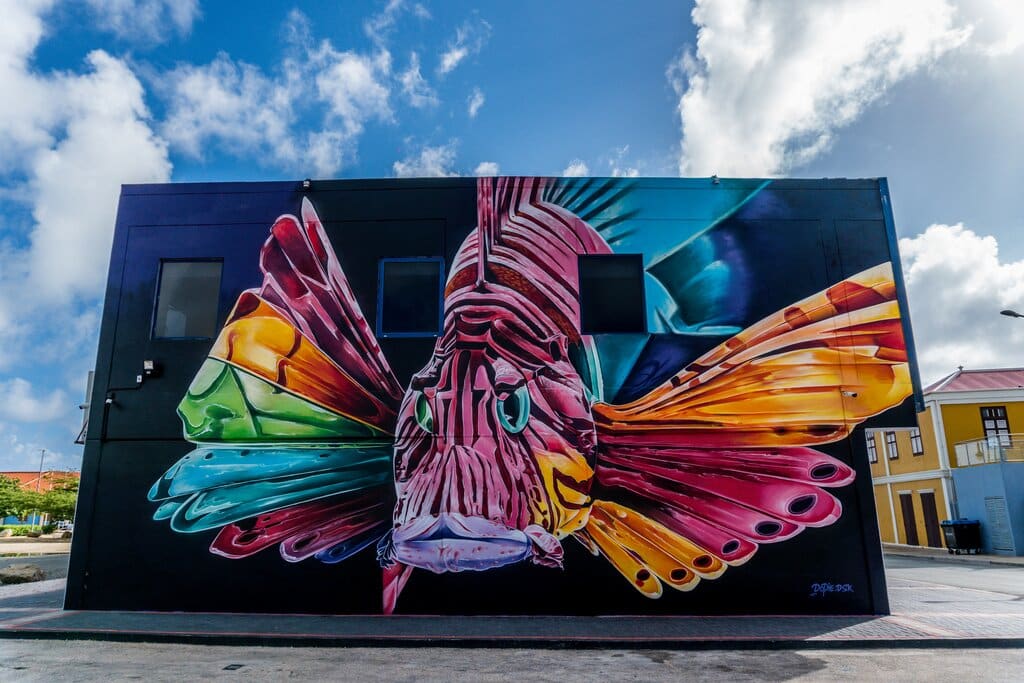
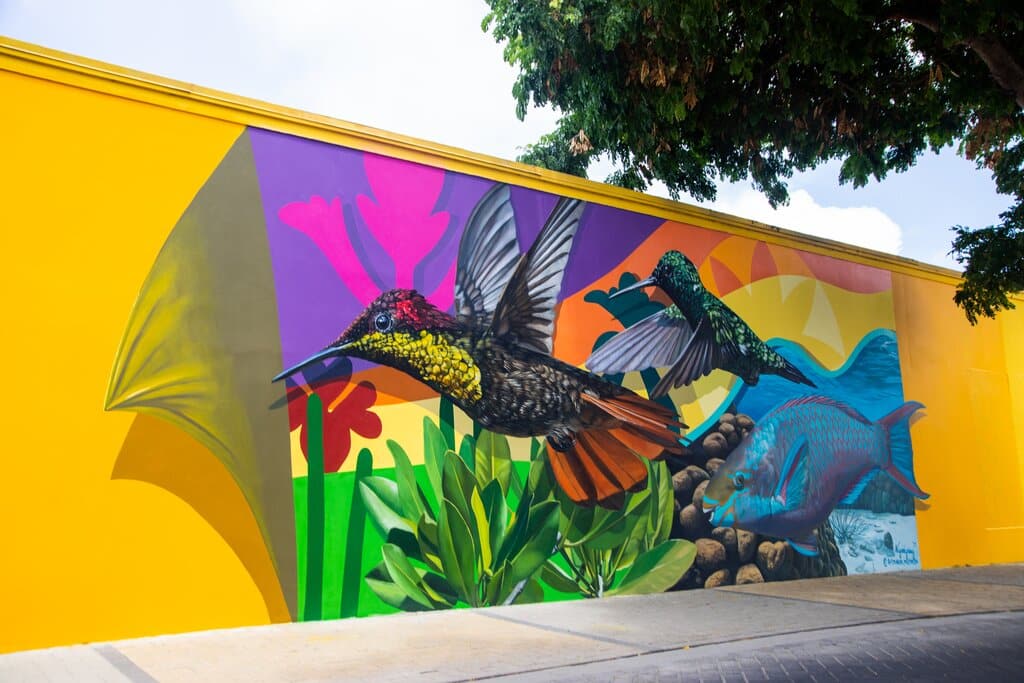
Aruba: 44 to 54 state-supported frescoes in San Nicolás

Since 2016, the San Nicolás district has established itself as the capital of Caribbean street art. Thanks to the Aruba Art Fair and the support of the Tourism Product Enhancement Fund and Fundacion Artisa, between 44 and 54 murals have been created, attracting international artists. These works transform urban space into a living museum, affirming the island’s identity through social, historical and ecological messages. This public policy makes art a powerful lever for promoting local culture and heritage.

Culture and Heritage
©Aruba
Culture and Heritage
©Aruba
Culture and Heritage
©Aruba
Culture and Heritage
©Aruba
Culture and Heritage
©Aruba
Culture and Heritage
©Aruba

Two Caribbean cities named "Creative Cities" by UNESCO

Culture and Heritage
Jacmel ©Haïti Wonderland
Culture et Patrimoine
Jacmel

Only two Caribbean cities have joined UNESCO’s Creative Cities Network: Jacmel (Haiti) for popular arts in 2014, and Port of Spain (Trinidad and Tobago) for music in 2019. Jacmel promotes papier-mâché, traditional carnivals and local know-how. Port of Spain, cradle of the steelpan, brings a powerful musical heritage to life in the public arena. This label underlines the structuring role of culture and heritage in sustainable urban policies.

Culture et Patrimoine

The Caribbean relies on culture for sustainable development

The Transcultura program, supported by the European Union and UNESCO, has identified 34 strategic cultural resources in 17 Caribbean countries by 2023. This mapping highlights sites, know-how and festivals that are essential for local economic development, cultural tourism and the promotion of regional culture and heritage.

25 "Creative Caribbean" grants for cultural players (2023-2024)

The project Creative Caribbean project, supported by UNESCO, CARICOM and the University of the West Indies, has awarded 25 grants to artists and cultural entrepreneurs across the region in 2023-2024. This support aims to strengthen creative employment, the structuring of cultural sectors and the anchoring of culture and heritage in national economies.

A living heritage, in action and changing

These five figures demonstrate a living reality: Caribbean culture and heritage is not frozen in the past, but is constantly evolving. It is rooted in the craft practices of Haiti, the murals of Aruba, the linguistic polyphony of the region, the UNESCO-labeled cities and the massive involvement of young people in Trinidad and Tobago.

This heritage is created, transmitted and reinvented every day. It deserves to be supported by ambitious public policies, but also recognized and celebrated by the citizens of the Caribbean and beyond. For it is through this living culture and heritage that the region continues to make its voice heard in the world.

Leave a Reply

Your email address will not be published. Required fields are marked *

More articles from RK

St Maarten Carnival 2026
EVENT MANAGEMENT
Tolotra

St Maarten Carnival 2026: 55 years on an island split in two

In Philipsburg, carnival is about much more than costumes and concerts. It shows an island divided between two histories, two administrations and the same popular energy. For its 55th anniversary, St Maarten Carnival 2026 gives Sint Maarten the opportunity to show what the Caribbean does best: transforming a local festival into a marker of identity. A carnival that’s more than just a party St Maarten Carnival 2026 began on April 10 and continues until May 5, with Philipsburg as the focal point. In the streets, locals aren’t just watching a parade go by. They recognize families, neighborhoods, groups, sounds, food stands, faces that have returned for the occasion. Carnival is not just a decoration. It’s part of the way Sint Maarten tells its story. This year’s event carries a special weight. St. Maarten Carnival 2026 marks the 55th edition of the biggest cultural event on the Dutch part of the

Read More »
Viengsay Valdés
DANCE
Tolotra

Cuba – Viengsay Valdés: Alicia Alonso’s heiress

When Alicia Alonso passed away in October 2019, the Ballet National de Cuba, which Alicia Alonso had founded in 1948 and directed for seven decades, was orphaned. Only one person has been entrusted with the responsibility of following in her footsteps: Viengsay Valdés. Now 49, she leads one of the world’s most respected ballet companies. She does so from Havana, a city in crisis, with resources that no comparable institution in Europe or the United States would accept. The challenge is from another time. But Viengsay Valdés holds her ground. Demanding Cuban training Born in Havana in 1976, she began dancing at the age of 9 at the Alejo Carpentier elementary ballet school, before continuing her training at the Cuban National Ballet School, one of the most prestigious in the world, free and open to all Cuban children by audition. It was here that she encountered the world of Alicia

Read More »
Eric Williams
MUSIC
Tolotra

Shenseea and Daddy Yankee bring the Caribbean to FIFA World Cup 2026

Shenseea and Daddy Yankee at FIFA 2026: the announcement goes beyond a simple musical release. With “Echo”, Jamaica and Puerto Rico enter the sound universe of the next World Cup together. Behind this track, a part of the urban Caribbean finds a new place in one of the planet’s most popular events. One FIFA title, two Caribbean voices On April 28, 2026, FIFA announced the release of “Echo”, the third single from the official FIFA World Cup 2026 album. The track brings together Shenseea, a Jamaican artist associated with contemporary dancehall, and Daddy Yankee, a major Puerto Rican reggaeton figure. FIFA points out that the track is one of a series of musical releases designed to accompany the build-up to the tournament. This announcement goes beyond the framework of a collaboration between two well-known artists. It brings two Caribbean territories, Jamaica and Puerto Rico, face to face, united in a

Read More »

conTACT RK

we'd love to have your feedback on your experience so far

Join The List

Join our Richès Karayib community!  Sign up for our newsletter.

Want To Maximize Your Business Presence On Riches Karayib?

Complete the form to start the application