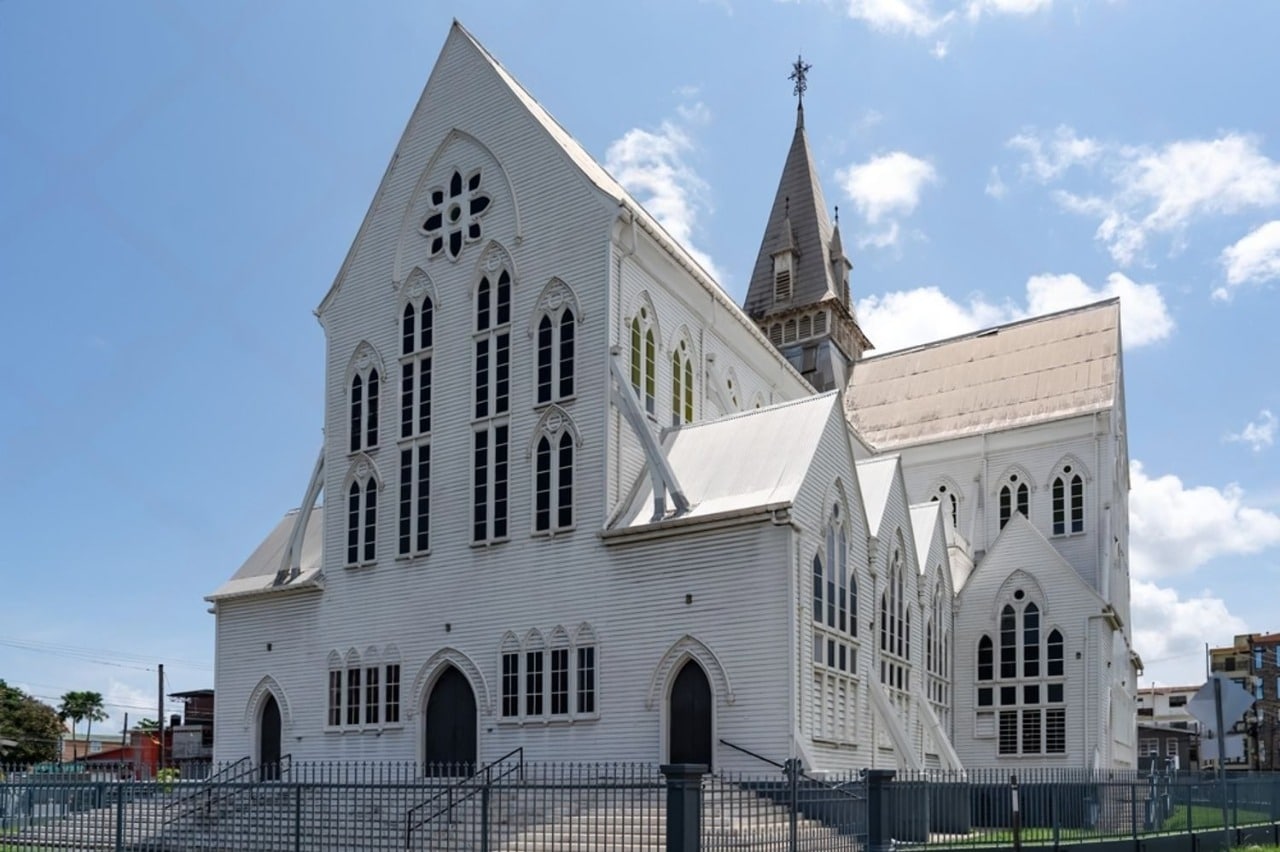
Caribbean culture and heritage is not limited to the all-too-familiar clichés of sunshine and beaches, or frozen folkloric images. It is embodied inUNESCO-listed sites, a powerful diaspora, world-renowned artistic expressions and leading intellectual figures. Here’s an overview, based on official sources, to help you better understand the richness and scope of this regional heritage.
9 UNESCO sites: Cuba, regional world heritage champion
With nineUNESCO World Heritage sitesCuba is the Caribbean country with the highest number of them. This exceptional concentration illustrates the diversity of the island’s cultural and natural heritage.
Seven sites have been classified as cultural heritage: Old Havana and its fortifications (1982), Trinidad and the Los Ingenios Valley (1988), the Castle of San Pedro de la Roca in Santiago de Cuba (1997), the Viñales Valley (1999), the archaeological landscape of the first coffee plantations in the southeast (2000), the historic center of Cienfuegos (2005), and the historic center of Camagüey (2008).
In addition, there are two natural sites: the Desembarco del Granma National Park (1999) and the Alejandro de Humboldt National Park (2001), both recognized for their exceptional biodiversity. (Source: UNESCO World Heritage Centre).
In 2018, Jamaican reggae becomes part of the world's intangible heritage
Since 2018, reggae has been onUNESCO‘s Representative List of the Intangible Cultural Heritage of Humanity. This listing recognizes not only the artistic significance of this musical genre, but above all its social, political and historical importance.
Born in the 1960s in the slums of Kingston, Jamaica, reggae quickly spread beyond the island’s borders to become a universal language of resistance, identity affirmation and spirituality. Led by artists such as Bob Marley, Peter Tosh and Burning Spear, reggae has accompanied struggles against injustice, exclusion and racism.
UNESCO emphasizes that reggae remains a powerful means of social dialogue and collective expression for younger generations. Its international recognition reinforces the global reach of reggae culture. and Caribbean heritageby showing how an expression born in a local context has been able to shape consciousness on a global scale. (Source: UNESCO – Intangible Heritage)
27,000: number of foreign visitors who attended the Trinidad & Tobago Carnival in 2023
The Trinidad and Tobago Carnival is one of the most significant events in Caribbean culture and heritage. and heritageIt’s a unique place, thanks to its age, its social function and its roots in colonial history. In 2023, it attracted over 27,000 international visitors, an increase of 215% on the previous year, according to Trinidad and Tobago Newsday and WIC News.
This renewed interest testifies to the marked return of cultural tourism to the region after years of pandemic-related restrictions. But beyond the numbers, Carnival remains a space for popular artistic and political expression, where African, European and Creole heritages intersect. Costumes, soca music, steelpan, street dances and satirical performances form a codified whole that enables local communities to reclaim their history.
Carnival doesn’t just attract: it affirms a collective Caribbean memory. It is a fundamental marker of Caribbean culture. and living Caribbean heritage.
3 Nobel Prize winners from the Caribbean
The Caribbean culture and heritage is also evident in the intellectual sphere, as demonstrated by the award of the Nobel Prize to three personalities from the region.
In 1979, Sir Arthur Lewis, a native of Saint Lucia, was awarded the Nobel Prize in Economics for his pioneering work on the economic development of poor countries. In 1992, the poet and playwright Derek Walcott, also from Saint Lucia, was awarded the prize for his literary work combining Caribbean myths, Creole languages and classical traditions. Finally, in 2001, Trinidad and Tobago-born writer V.S. Naipaul was honored for his body of work, including novels about colonial heritage, exile and identity.
These awards, relayed by Caricom and The GuardianThey confirm the intellectual influence of the Caribbean in disciplines where it is too often under-represented. They show that critical thinking and literary production are an integral part of Caribbean culture. and Caribbean heritage, and contribute to the global debate.
9.84 million Caribbeans people lived abroad: a powerful diaspora
According to the International Organization for Migration (IOM), some 9.84 million people from the Caribbean were living abroad in 2020almost a quarter of the region’s total population (lac.iom.int). This figure gives an idea of the scale of the Caribbean diaspora and its role in maintaining and disseminating cultural identities beyond the island’s borders.
Present in North America, Europe and Latin America, this diaspora acts as an economic, cultural and political relay, maintaining strong transnational links with its home territories. It also plays a key role in keeping and Caribbean heritage on a global scale, through music, literature, culinary traditions and activist networks. It is a living, evolving, cross-border extension of this.
Has the pandemic slowed or strengthened this trend?
A living heritage, a regional and global challenge
Caribbean culture and heritage is embodied in places, practices, people and ideas. It is alive, moving, and deeply connected to the social and historical realities of the region. Whether through the recognition of listed sites, the musical legacy of reggae, the intellectual influence of Nobel Prize winners, or the strength of its diaspora, the Caribbean asserts a strong cultural presence on the world stage.
These key figures are a reminder that this heritage must not only be preserved: it must also be supported, passed on and respected for its true worth. Promoting culture and Caribbean heritage also means supporting the people who bring it to life.