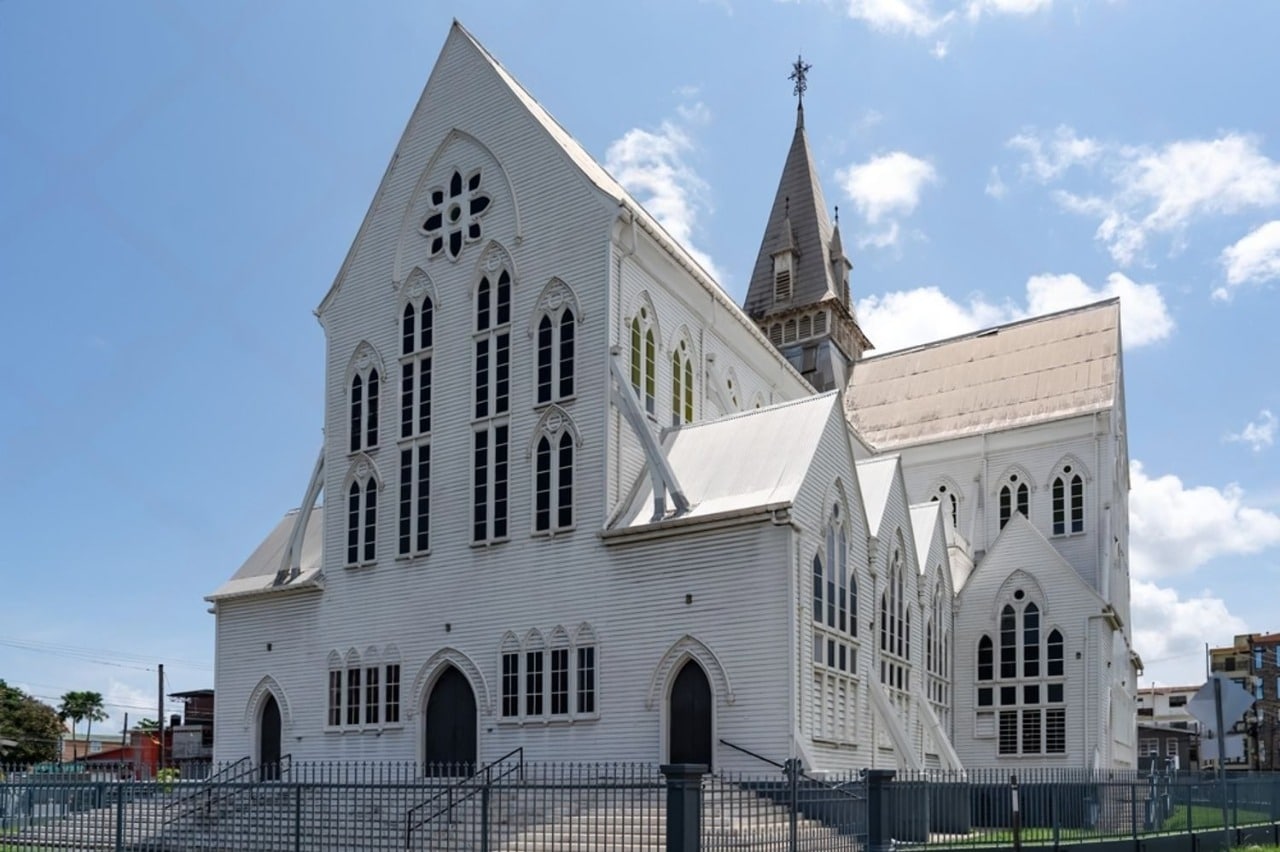
AbiYah Yisrael embodies the meeting of authentic roots reggae and a profound spiritual philosophy, rooted in historical truth and the quest for enlightenment. From the very first notes, her voice resonates like an ancestral echo, as crystalline as the waters of Dominica, carrying a powerful message that transcends mere music to become a true life mission.
Origins and childhood: the roots of faith
Born Nicole Alfred, AbiYah Yisrael is the youngest of six children, from the home of Mr. and Mrs. Adolphus and Sonia Christian. She grew up in Glasgow, a suburban area of south-west Dominica, where Christian values are not only taught, but lived daily. In this home, faith is the foundation of education, forging a strong identity and spiritual openness from an early age.
Dominica, an island rich in tradition and diversity, shapes its view of the world. The natural environment, community life and pervasive spirituality nurture a unique artistic sensibility. It was in this environment that AbiYah Yisrael’s vocation was born, driven by the desire to convey a universal message of peace and truth.
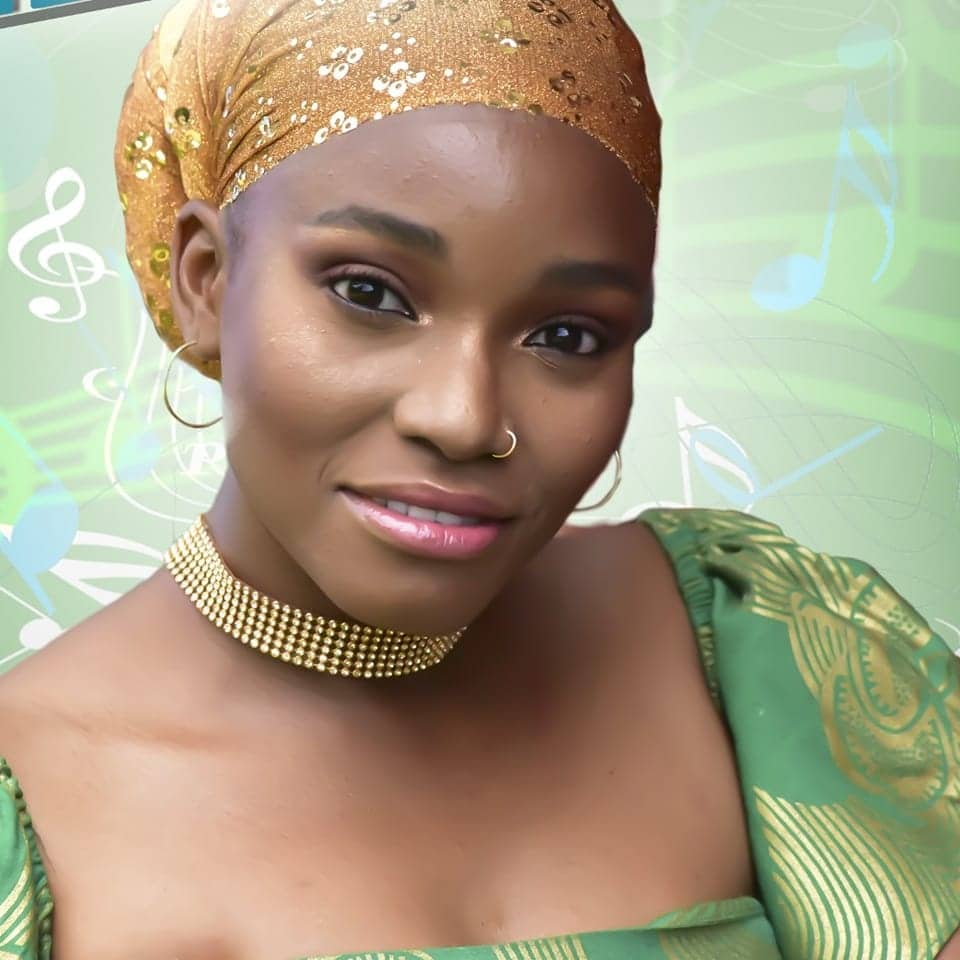

Musical awakening and artistic journey
From the age of five, AbiYah Yisrael distinguished herself in music by joining her school choir. Her talent quickly asserted itself in local competitions such as Star Quest and on the live stages of Dominica. This artistic precociousness is accompanied by a discipline and passion that will never leave her.
It was at university that the revelation came: she discovered roots reggae, an organic, conscious style with profound messages.
This music, far from commercial clichés, becomes for her a privileged channel of expression. Influenced by major artists such as Nasio Fontaine, Marcia Griffiths, Dennis Brown, Lucky Dube, Aretha Franklin and Yolanda Adams, AbiYah Yisrael forges a style all her own, blending reggae, blues and spirituality.
Her career has been punctuated by encounters and experiences that have enriched her artistic palette. She also tried her hand at other genres such as calypso and cadence-lypso, proving her versatility and openness to musical experimentation.
Spiritual philosophy and Hebrew identity
AbiYah Yisrael’s spiritual philosophy lies at the heart of his work. Her quest for meaning led her to take an interest in the Hebrew teachings of the Kodesh Scriptures, a move encouraged by her life partner. This transition marks a decisive turning point: she adopts a worldview centered on truth, justice and connection with the Most High.
His emblematic quote sums up his approach: “The vocalizations of spiritual frequencies, through the enunciation of the sound that Elohim created. Music transmits vibrations that create or destroy. Such is the power of our words. I choose to speak life, otherwise this music is mere egotistical vanity. I create by speaking.” – AbiYah Yisrael
This philosophy is reflected in every aspect of her music. For her, words are tools of creation or destruction. She chooses to “speak life”, to make her music a vehicle for elevation, refusing any superficiality or quest for personal glory.
Her attachment to the Hebrew heritage is evident in her texts, in which she salutes the Lion Conqueror of the Tribe of Yahawadah (Judah) and Yahawashi Ha Mashayach. This spiritual identity nurtures a mission: to emerge from “Babylon” and call others to the light of the Kingdom, in search of the fullness of Christ, in the purest truth.
Music, lyrics and commitment
AbiYah Yisrael’s music is much more than entertainment: it’s an act of commitment. She calls her style “Truth Music”, where every word is weighed and every vibration carries meaning. Her aim is to raise awareness of the importance of identity and spirituality in a world often disconnected from its roots.
Her first gospel album, “Speak To Me”, released in 2012, marks a milestone. Through this project, she explored deep spiritual themes, while beginning an evolution towards a more assertive expression of her new identity. Since then, her art has continued to mature, incorporating new influences and an ever sharper vision of truth.
AbiYah Yisrael’s lyrics are steeped in history, philosophy and spirituality. She uses music as a mirror of the soul, a means of conveying powerful messages, sometimes disturbing, but always hopeful. Her commitment is also reflected in her desire to denounce injustice and call for inner transformation.

Focus on "Wake Up": The African Renaissance Anthem
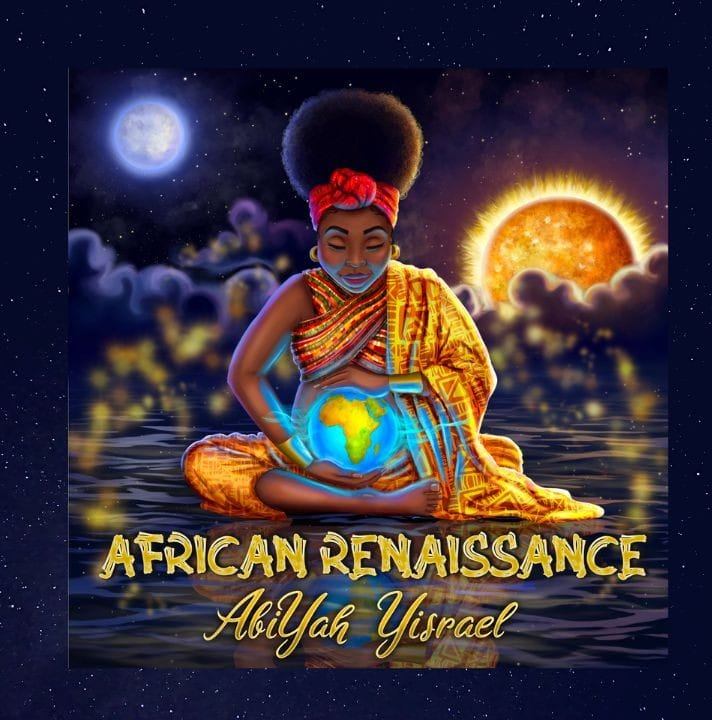
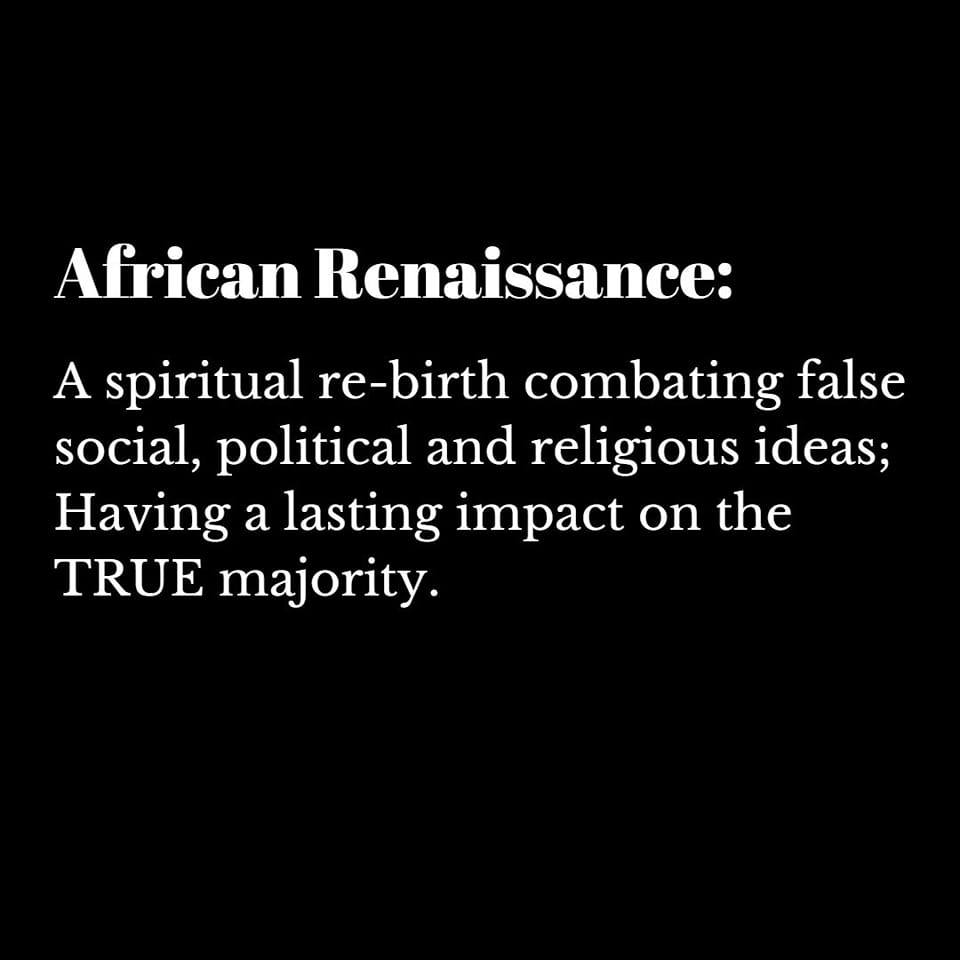
In 2025, AbiYah Yisrael strikes hard with “Wake Up”, the title track from his first reggae E.P., “African Renaissance”. The song establishes itself as a veritable hymn to the spiritual, social and political rebirth of Afro-descendant peoples. “Wake Up” embodies a call for awareness, identity reappropriation and liberation from the shackles of history.
Carried by a meticulous production by Hilroy “ObadYah” Alfred and recorded at ChaYah Studios, the song benefits from the participation of talented musicians: Jervon “Natty Bill” Henderson on bass, Hilroy “ObadYah” Alfred on guitar and keyboards, Eryk Nowak on piano and organ. Mixing is by ObadYah and mastering by Dernel “Dernz” Green, guaranteeing impeccable sound quality.
The clip, directed by Abner Jacques and filmed by Goldfilms Cinema Production and GloSho Multimedia, showcases the beauty of Mama Africa and the dignity of her children, while denouncing exploitation, injustice and the legacy of the past. The lyrics, powerful and straightforward, proclaim:
“Beautiful is she, Mama Africa, washed in melanin, appearance of a queen… Babylon hates us just because we’re black, I’m not afraid to speak it ’cause it’s a fact. We keep fighting for justice and equality, sons and daughters, children of the promised land. Africa, wake up ! Time to cross over borders, Mama Africa awaits us, better know who you are… Descendants of King David, Mama Africa awaits us, you better know who you are. “
This refrain insisting on the need to “wake up” resonates as a call to dignity, memory and action. “Wake Up” is a continuation of AbiYah Yisrael’s approach: using music as a peaceful weapon to raise awareness, celebrate black beauty, and remind everyone of the importance of knowing their origins.
Current life and projects
Today, AbiYah Yisrael lives in the rural region of Castle Bruce, in eastern Dominica. She cultivates the land, drinks from the source, and embodies a return to essential values, far removed from urban frenzy. This voluntary simplicity is the natural extension of her life philosophy: to live in harmony with nature, respecting divine laws.
With her husband ObadYah, she founds ChaYah Studios, an independent label that gives her total artistic freedom. This choice of independence is crucial: it gives her the opportunity to produce authentic, uncompromising music, true to her convictions.
AbiYah Yisrael continues on its independent path, faithful to its principles and its faith.
The clip, directed by Abner Jacques and filmed by Goldfilms Cinema Production and GloSho Multimedia, showcases the beauty of Mama Africa and the dignity of her children, while denouncing exploitation, injustice and the legacy of the past. The lyrics, powerful and straightforward, proclaim:
His latest project, the E.P. “African Renaissance”, promises to be a major work. Scheduled for release on July 29, this opus promises to leave a lasting impression with its lyrical richness and spiritual depth. With this project, AbiYah Yisrael intends to pursue her mission: to enlighten, awaken and transmit truth through the power of roots reggae. With “Wake Up”, she has already set a milestone in this new musical era.
AbiYah Yisrael is much more than a reggae artist: she is a messenger, a shepherd of light, a voice that reminds us all of the importance of truth, spirituality and identity. Her journey, marked by faith, resilience and commitment, inspires connoisseurs and neophytes alike. Through her music, and particularly with “Wake Up”, she invites everyone to listen, reflect and commit to the path of truth. In her, roots reggae finds an authentic ambassador, faithful to her roots and resolutely focused on the future.