Guadeloupe’s blue gold: the rebirth of Guadeloupe indigo

Indigo de Guadeloupe

In the heart of the Caribbean, Guadeloupe indigo is slowly being reborn from a long silence. Once the driving force behind a flourishing economy, this dye plant – Indigofera suffruticosa – now embodies a rare alliance between history, science and creation. Called the blue gold of Guadeloupe, it fascinates researchers and craftsmen alike, with the purity of its pigment and the depth of its heritage.

A plant with a royal past

Long before sugarcane became the queen of the plantations, Guadeloupe indigo dominated colonial trade. As early as the XVIIᵉ century, indigoteries were established in Basse-Terre and Marie-Galante, where fermented leaves were transformed into blue paste. This precious pigment then made its way to French ports, destined for the textile factories and aristocratic wardrobes of Europe.
This “blue gold” earned as much as coffee or cocoa, to the point of being considered a strategic asset. But the arrival of chemical dyes in the XIXᵉ century put an abrupt end to the industry. The know-how, passed on orally, sank into oblivion.

Guadeloupe indigo
Guadeloupe indigo
©Maison de l'indigo

An exceptional natural material

What sets Guadeloupe indigo apart is the exceptional quality of its hue. According to research by Dr. Henri Joseph, the local variety of Indigofera suffruticosa contains up to 65% indigotine, the natural pigment responsible for blue. This rare content gives the Guadeloupe product a luminous intensity that is both deep and nuanced.
Unlike synthetic dyes, vegetable indigo does not pollute the soil and is part of a sustainable cycle. The plant, a leguminous plant, enriches the soil with nitrogen and promotes biodiversity. It’s this combination of beauty, ecology and authenticity that explains its return to favor in Caribbean workshops and laboratories.

Indigo de Guadeloupe
©Maison de l'indigo
Indigo de Guadeloupe
©Maison de l'indigo

A revival driven by research and creation

For several years now, Dr Henri Joseph and his team have been revitalizing the Guadeloupe indigo industry. Their approach combines agronomy, science and the local economy. They are reintroducing the plant, optimizing extraction methods and supporting the creation of plant-dyeing workshops.
These workshops – in Marie-Galante, Capesterre or Sainte-Rose – don’t just make pigment: they rehabilitate a cultural gesture. You learn to recognize the plant, control fermentation and stabilize the color. Designers from Guadeloupe and the Caribbean source their materials here to create textiles, works of art and cosmetics inspired by the original blue.
Indigo, thus becomes the heart of a virtuous ecosystem: sustainable agriculture, local processing, short circuits and artisanal value-adding.

A symbol of identity and the environment

Rehabilitating Guadeloupe indigo means reconnecting with a forgotten part of Caribbean heritage. Behind each shade of blue lie centuries of know-how and resistance. The pigment, obtained after several days of natural fermentation, crystallizes the very idea of a living heritage: that of handed-down gestures, azure-stained hands and rediscovered pride.
The return of indigo is part of a wider movement to reclaim the value of local plants: roucou, curcuma, bois d’Inde, roumiers… All are part of a rediscovery of the economic and symbolic potential of endemic resources. In this dynamic, Guadeloupe indigo occupies a singular place: it is at once memory, material and metaphor for sustainable renewal.

Guadeloupe indigo
©ctig
Guadeloupe indigo
©Maison de l'indigo

An industry to structure, a future to build

The outlook for Guadeloupe indigo is promising. Several projects aim to structure production: creation of an agricultural cooperative, organic certification, artisanal exports and educational programs. The challenge goes beyond simply adding value to the pigment: it’s about rebuilding an economic model based on respect for the land and the transmission of knowledge.
The involvement of cultural and scientific players ensures the sustainability of the project. At the same time, Caribbean designers are incorporating this blue into their collections, proving that tradition and modernity can coexist without clashing.

A blue that links science, nature and the soul

To observe an indigo bath is to witness a metamorphosis: the green liquid turns blue on contact with the air, as if the plant were breathing in the spirit of the island. This purely chemical phenomenon nevertheless has a poetic and spiritual dimension.
In Creole culture, the color blue protects, soothes and inspires. It symbolizes the link between the sea, the sky and the memory of peoples. Guadeloupe’s indigo, by regaining its place in economic and artistic life, reminds us that innovation can be rooted in tradition.
From scientific research to textile design, it weaves a common narrative: that of a territory that chooses to reinvent its future without denying its roots.

Indigo de Guadeloupe
Exif_JPEG_420

The blue gold of an awakening Caribbean

Guadeloupe indigo is not just a pigment: it’s a renaissance. Its color tells of a glorious past, but above all of a possible future, based on sustainability and transmission. Guadeloupe’s blue gold is once again a symbol of identity, science and creation.
And in every blue fiber, in every craftsman who dips his hands in pigment, lies a fragment of history that continues to be written – at the crossroads of heritage and innovation.

Leave a Reply

Your email address will not be published. Required fields are marked *

More articles from RK

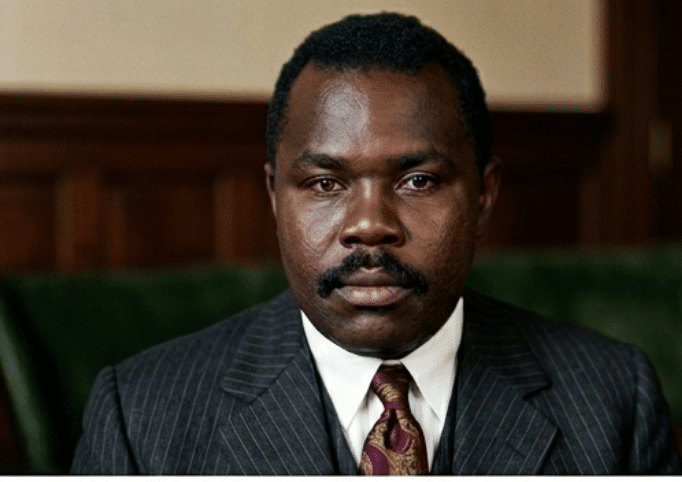
Marcus Garvey
HISTORY & HERITAGE
Tolotra

Jamaica – Marcus Garvey, Jamaican hero of international renown

Marcus Garvey remains one of the most influential figures to emerge from the Caribbean. Born in Jamaica at the end of the 19th century, he transformed a local experience into a political and cultural project of international scope. At a time when black populations faced deeply rooted systems of exclusion, Marcus Garvey proposed a structured vision based on dignity, organization and autonomy. Recognized today as a national hero in Jamaica, he is much more than a historical symbol. His story helps us understand how the Caribbean helped shape major intellectual and political movements on a global scale. His name continues to circulate in contemporary debates on identity, memory and the development of societies born out of colonial history. From Jamaican origins to the formation of a committed conscience He was born on August 17, 1887 in St. Ann’s Bay, Jamaica, into a modest family. Very early on, he developed a
Read More »
BlueSeas Festival
EVENT MANAGEMENT
Tolotra

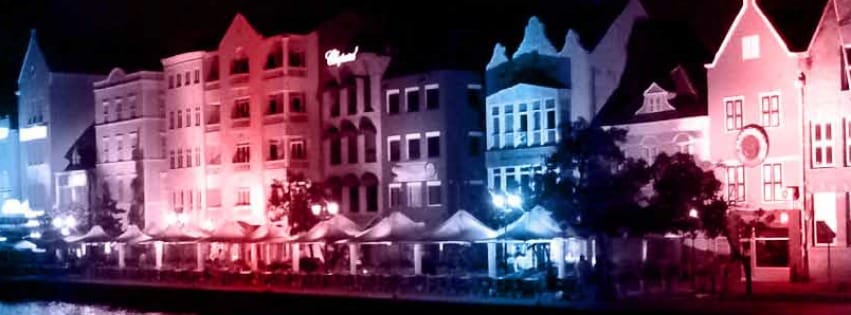
BlueSeas Festival: in Curaçao, Pietermaai becomes the epicenter of Caribbean blues in 2026

From April 2 to 4, 2026, Curaçao hosts another edition of the BlueSeas Festival a musical event that is gradually establishing itself as one of the most unique cultural events in the Caribbean. Free, open and rooted in the urban space, the festival goes far beyond simple musical programming to become a genuine territorial experience. Right from the opening night, Thursday April 2 at Kura Hulanda Village, the mood is set: the blues settle into a heritage setting, before taking full possession of the Pietermaai district on April 3 and 4. This two-stage format structures an immersive experience in which music, architecture and local life are seamlessly interwoven. A free festival that transforms the city into an open-air stage The BlueSeas Festival is based on the principle of offering free concerts in public spaces. This choice is not insignificant. It widens access to live music, while creating direct interaction between
Read More »
Le vodou : Haïti au cœur d’une candidature patrimoniale majeure avec le Bénin
COOPERATION
Tolotra

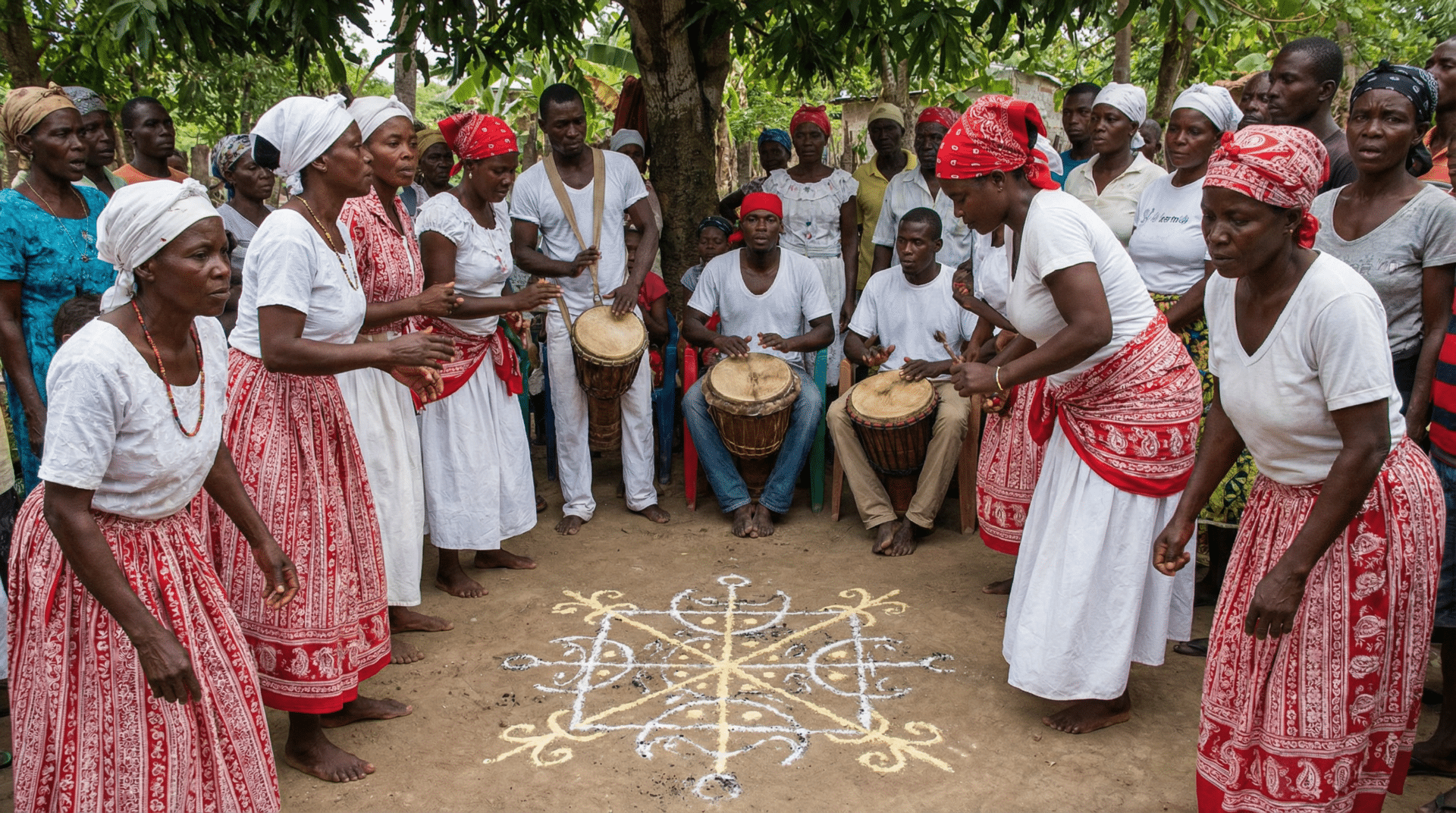
Vodou: Haiti at the heart of a major heritage bid with Benin

The vodou is entering a new phase in its international history. The joint candidacy of Haiti and Benin for inscription on the Representative List of the Intangible Cultural Heritage of Humanity places centuries of memory, transmission and creation at the heart of a global heritage debate. The deadline set by UNESCO for applications to be examined in 2027, and submitted before March 31, 2026, places this initiative within a precise and structured institutional calendar, but the stakes go far beyond the administrative procedure. For the Caribbean, and Haiti in particular, this candidacy is no mere cultural formality. It’s about recognizing a living heritage, often misunderstood, sometimes caricatured, but deeply rooted in the country’s social, artistic and spiritual history. Vodou is not a fixed folklore; it is a cultural matrix, a way of organizing the link between generations, communities and the sacred. To place it within an international heritage dynamic is

Read More »

conTACT RK

we'd love to have your feedback on your experience so far

Join The List

Join our Richès Karayib community!  Sign up for our newsletter.

Want To Maximize Your Business Presence On Riches Karayib?

Complete the form to start the application