Cayman Islands – JetBlue strengthens its presence in the Cayman Islands with a new route from Fort Lauderdale

JetBlue

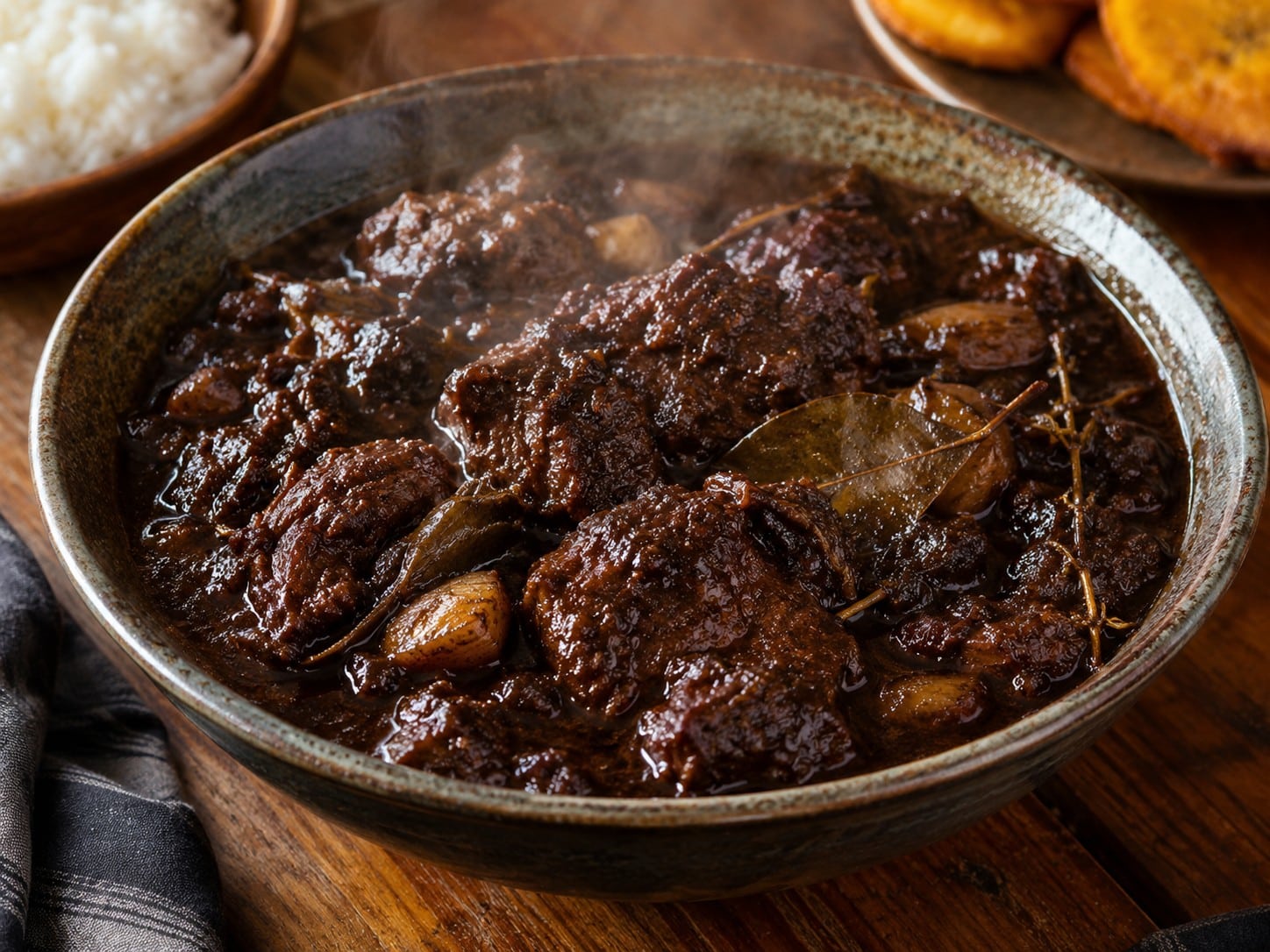
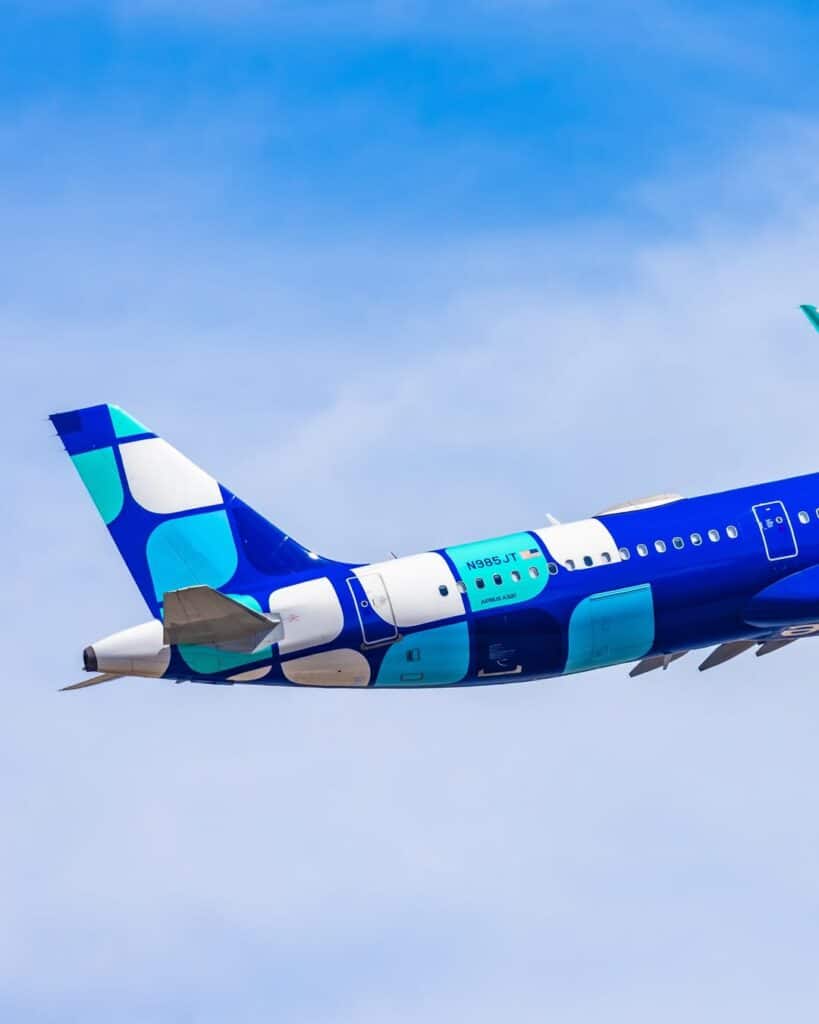
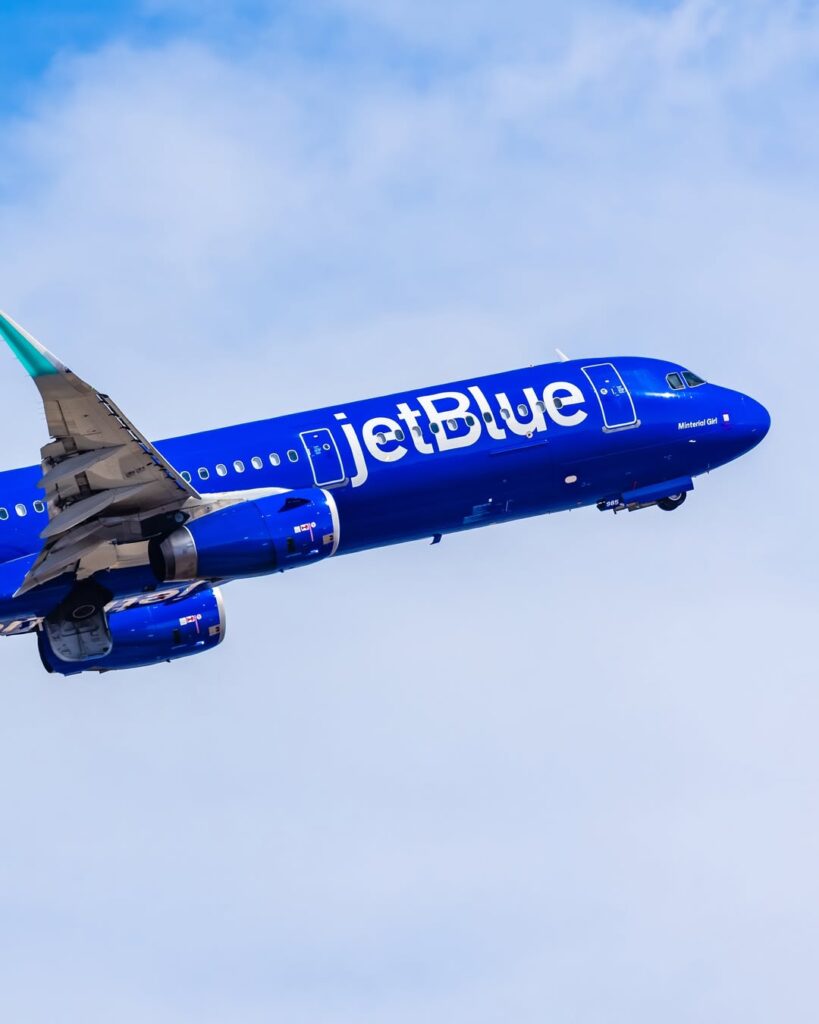
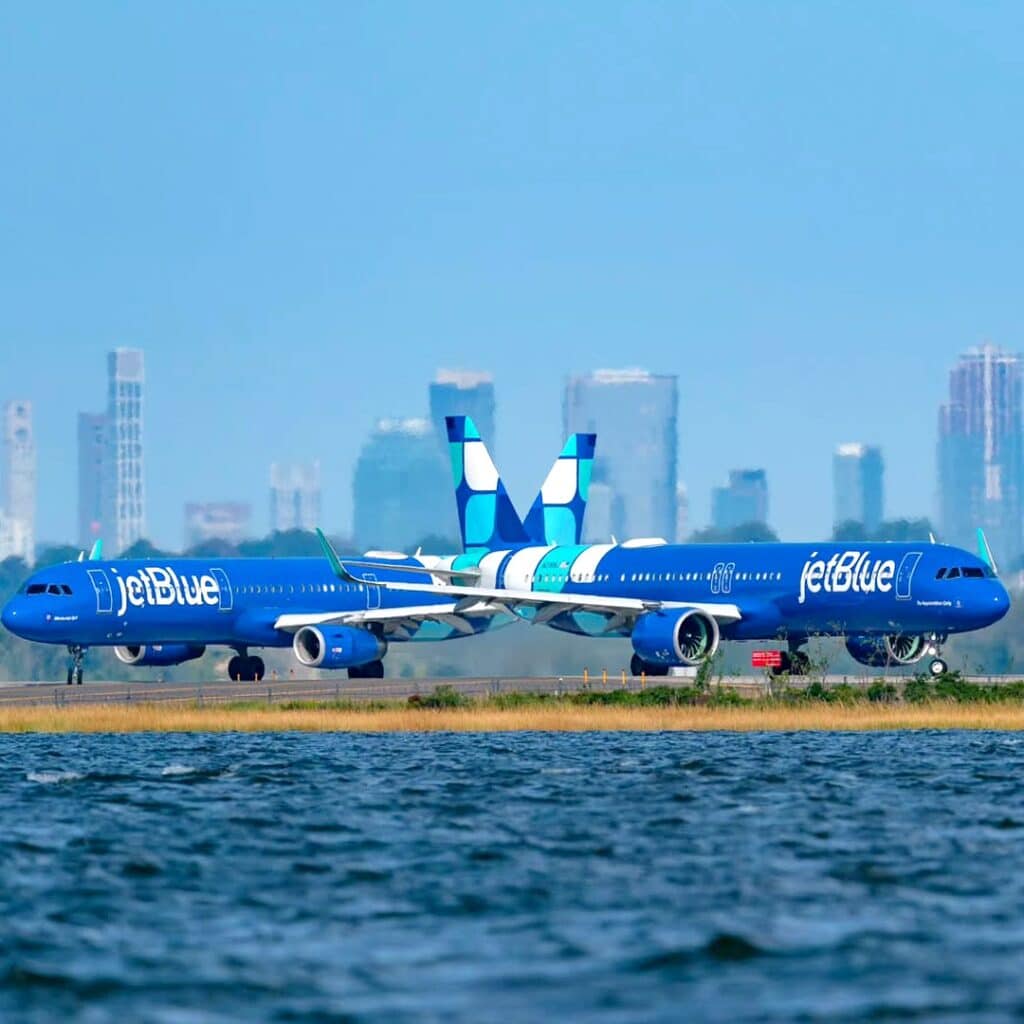
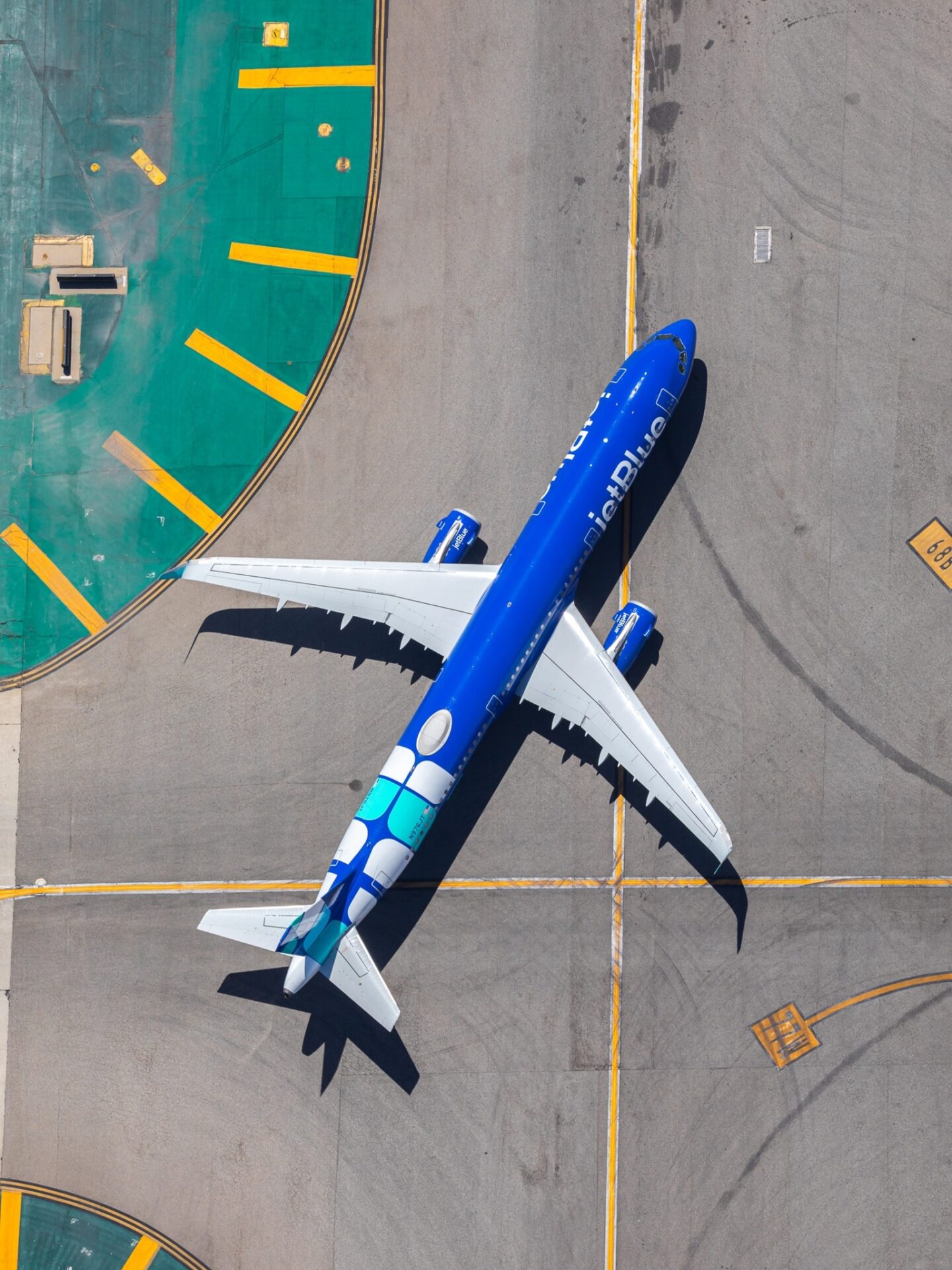
Caribbean air transport continues to transform with the announcement of the return of JetBlue to the Cayman Islands. In December 2025, the American airline will resume its scheduled service between Fort Lauderdale (Florida) and Grand Cayman, offering three weekly rotations to Owen Roberts airport. More than just an additional flight option, this choice illustrates the company’s confidence in the archipelago, and opens up major economic and tourism prospects for the 2025-2026 season.

A strategic route for Florida and the Caribbean

From winter 2025, JetBlue will operate this service every Tuesday, Thursday and Saturday. This schedule has been designed to cater for both short stays and extended vacations. The Florida market remains crucial for the Cayman Islands: geographical proximity, a strong Caribbean community in the southeastern United States and the growing attractiveness of the destination make it a priority area for development.

For the local government, this return represents confirmation. Tourism Minister Gary Rutty emphasized that the renewed commitment of JetBlue reflects the strength of Cayman’s offering and its image as a top-of-the-range destination in the region.

JetBlue
©JetBlue
JetBlue
©JetBlue

A fifth new route for the winter season

This recovery is part of a wider dynamic. The authorities have confirmed that winter 2025 will see the arrival of five new air routes to the archipelago. JetBlue is not an isolated player: several airlines see the destination as a potential growth area.

By multiplying direct connections, the Cayman Islands are expanding their pool of potential visitors, while reducing dependence on traditional hubs such as Miami. This is an important step towards diversifying tourist flows, and securing the sector’s economic future.

JetBlue
©JetBlue

Added value for the local economy

The economic impact of JetBlue goes beyond simply increasing the number of visitors. Each arrival contributes to job creation in the hotel, restaurant, transport and leisure industries. The archipelago, already recognized as the “culinary capital of the Caribbean”, benefits directly from this additional opening.

The 300 or so restaurants and bars in Grand Cayman, Cayman Brac and Little Cayman are set to benefit from increased visitor numbers. Likewise, iconic sites such as Seven Mile Beach, Stingray City and the Queen Elizabeth II Botanic Park will see their appeal enhanced. By improving connectivity, JetBlue facilitates the enhancement of a unique natural and cultural heritage.

A particularly busy calendar of events

The arrival of JetBlue coincides with the most festive time of the year in the Cayman Islands. Between December 2025 and March 2026, visitors will be able to enjoy a rich and varied program:

  • The Cayman Islands Marathon and Christmas celebrations in December.
  • The Cayman Cookout, a major culinary event led by chef Eric Ripert, in January.
  • Mercuryman triathlon, Coco Fest and Salon Agricole in February.
  • The “Red Sky at Night” festival and St. Patrick’s Day entertainment in March.

Thanks to JetBlue’s new service , these events will benefit from a wider audience, attracting sports fans as well as fans of Caribbean gastronomy and culture.

JetBlue
©JetBlue

Consolidating the appeal of tourism

The tourist attractions of the Cayman Islands are many and varied. The archipelago appeals as much to divers, thanks to its world-renowned coral reefs, as to travelers in search of relaxation or cultural experiences.

With the resumption of this route JetBlue contributes to reinforcing the image of a complete destination: paradisiacal beaches, unspoilt nature, first-rate events and local traditions. In winter, this combination is particularly attractive to North American customers looking to escape the cold.

A winning strategy for regional connectivity

The JetBlue initiative is also part of a wider strategy to develop Caribbean tourism. By linking Fort Lauderdale directly to Grand Cayman, the airline is contributing to greater regional integration, facilitating connections with other nearby islands and destinations.

For the Cayman Islands, it’s an opportunity to raise their profile in a competitive market. While other territories are investing massively in their tourism promotion, the archipelago has chosen to focus on the quality of its offer and its enhanced accessibility. The arrival of JetBlue illustrates this strategic positioning.

JetBlue to resume Fort Lauderdale-Grand Cayman service is much more than a technical announcement. It reflects a winning partnership between a leading American airline and a booming Caribbean destination.

By supporting market diversification, boosting cultural events and consolidating the local economy, this new air route demonstrates the central role of transportation in tourism development. For the Cayman Islands, it promises a lively winter season and increased visibility on the North American market.

Leave a Reply

Your email address will not be published. Required fields are marked *

More articles from RK

Caribbean Cinema
FILM & VIDEO
Tolotra

Stories of Caribbean Cinema, Maroon Culture, Transmission, and the Imagination. Texts by Guillaume Robillard. Ciclic, 2026

The history of Caribbean cinema continues its journey through the 1980s. After three episodes devoted to the early developments of several cinematic movements in the region, this fourth installment brings together two films from Martinique and one from Curaçao. From the “marronnage” in *Le Sang du flamboyant* to the international trajectory of *Rue Cases-Nègres*, and on to the unique worldof *Almacita di Desolato*, these three works explore different relationships to memory, oral tradition, Africa, and Caribbean imaginaries. This article is the fourth installment in a series of ten. The first three are already available on Richès Karayib, and six more will continue this story through the 2020s. 1981: MARTINIQUE — *The Blood of the Flamingo*, by François Migeat This film is unique in Caribbean cinema. Indeed, its director is a “Metropolitan” (that is, a white man from mainland France who had no deep-rooted ties to the French West Indies) who

Read More »
Doubles, plat de rue de Trinité-et-Tobago composé de deux baras frits et de pois chiches au curry
CULINARY ART
Tolotra

Doubles: The Story of Emamool Deen Behind Trinidad’s Street Food Dish

In Princes Town, in southern Trinidad and Tobago, the “doubles” were born in 1936 from a simple gesture: a customer asking for a second piece of bread. At the time, Emamool Deen and his wife Rasulan were selling curry chickpeas on a single piece of fried bread, unaware that they were inventing the country’s most iconic street food. Nearly a century later, doubles still tell the story of Indo-Trinidadian heritage through this chickpea sandwich, which has become a national symbol. A Morning in Princes Town, 1936 At 4:00 a.m., in a courtyard in Princes Town, in the southern part of Trinidad and Tobago, Rasulan Deen lights the fire that will heat the coconut oil. Her husband, Emamool Deen, is boiling the chickpeas that the couple was able to buy by selling a goat, the only possession they had. The year is 1936, and according to oral tradition preserved by several

Read More »
María Elena Llorente recevant un hommage floral, Ballet Nacional de Cuba
DANCE
Tolotra

María Elena Llorente: 50 Years of Ballet in the Service of Cuba

In May 1977, a Cuban dancer took the stage in New York with the Alvin Ailey Dance Theater. In the audience that evening, actor Harry Belafonte watched the performance and would later describe the evening as a significant historical event. This dancer’s name was María Elena Llorente, prima ballerina and ballet mistress of the Ballet Nacional de Cuba. Her career spans fifty years of dance, spent almost entirely with a single company—the one founded by Alicia Alonso in Havana—on an island where, over the decades, classical ballet has become as much a source of national pride as it is an art form. María Elena Llorente, of the Sociedad Pro-Arte at the National Academy It all began at the Sociedad Pro-Arte Musical, a school in Havana where young Cuban women learned the basics of classical ballet even before the official founding of the national ballet company. María Elena Llorente then continued

Read More »

conTACT RK

we'd love to have your feedback on your experience so far

Join The List

Join our Richès Karayib community!  Sign up for our newsletter.

Want To Maximize Your Business Presence On Riches Karayib?

Complete the form to start the application