Key figures for Tourism in the Caribbean – Growth, Challenges and Opportunities

Tourism in the Caribbean

Tourism in the Caribbean is a central pillar of the regional economy, representing a vital engine for the islands. In 2024 and 2025, several key trends emerge through striking figures, revealing the resilience of the sector, but also the challenges it must overcome. At RichèsKarayib, we have selected five recent, verified data that illustrate the dynamics of tourism in the Caribbean, from growth opportunities to environmental issues.

42,765 - Aircraft movements on Saint-Barthélemy in 2024

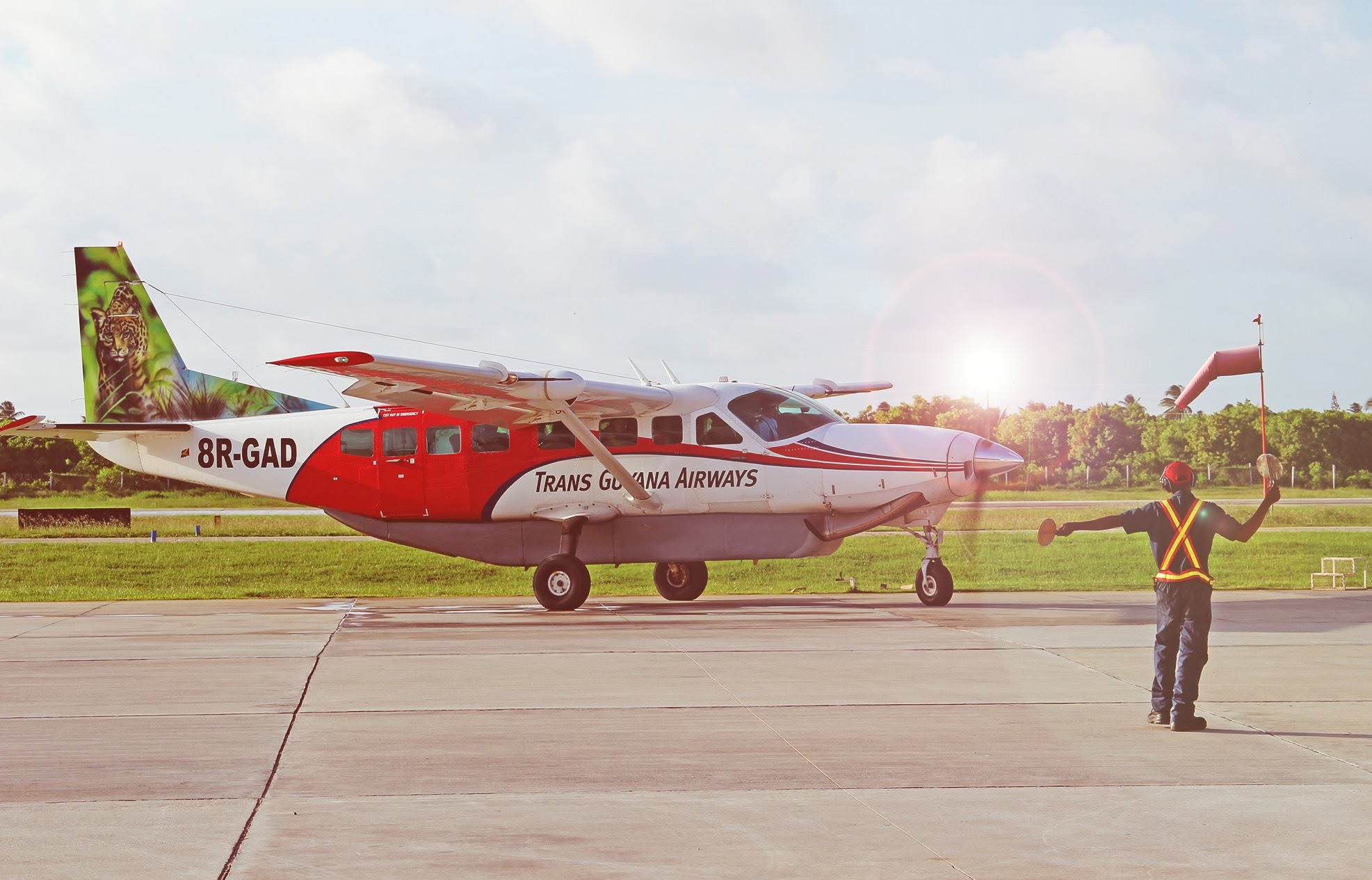
In 2024, Saint-Barthélemy’s Rémy-de-Haenen airport recorded a total of 42,765 aircraft movements, up 3.6% on 2023. This continued growth testifies to the attractiveness of tourism in the Caribbean and the vitality of air traffic to this popular destination. The Winair airline carried 95,000 passengers to the island, with a record 12,000 passengers in December 2024, reinforcing Saint-Barthélemy’s importance in the sector.

Tourism in the Caribbean
©WINAIR
Tourism in the Caribbean
©WINAIR
Tourism in the Caribbean
©WINAIR

84% - Cruise tourism in the Bahamas in 2024

The Bahamas welcomed 11.22 million visitors in 2024, 84% of whom were cruise passengers, totalling around 9.4 million. This sector accounts for a large share of tourism in the Caribbean, and the cruise industry plays a major role in the local economy. In the first quarter of 2025, the archipelago welcomed 3.3 million visitors, marking a 9% increase on 2024. This success demonstrates the continued growth of the cruise business.

tourisme dans la Caraïbe
©abcroisiere
tourisme dans la Caraïbe
©The Islands of the Bahamas
tourisme dans la Caraïbe
©The Islands of the Bahamas

2.6% - Impact of CO₂ emissions from air transport in the Caribbean

Air transport is essential to the development of tourism in the Caribbean, but it remains a major contributor to global CO₂ emissions, accounting for around 2.6% of the sector’s emissions. Aviation is essential for international connections, making the region heavily dependent on this polluting industry. To ensure the sector’s sustainability, environmental impact requires particular attention.

tourisme dans la Caraïbe
©Le Journal de Saint-Barth

16 times - Saint Lucia, the most awarded honeymoon destination

Saint Lucia continues to distinguish itself by winning the title of “World’s Leading Honeymoon Destination” for the 16th time since 1998. This success makes tourism in the romantic Caribbean a key sector of the island’s economy, which remains a favorite spot for couples seeking an idyllic getaway. In 2025, Saint Lucia is once again in the running for this title, confirming its continuing appeal.

tourisme dans la Caraïbe
©Travel Saint-Lucia
tourisme dans la Caraïbe
©Travel Saint-Lucia

4.3% - Increase in hotel occupancy in the U.S. Virgin Islands

Caribbean tourism in the US Virgin Islands recorded a 4.3% increase in hotel occupancy in the first quarter of 2025. This development testifies to the continued growth of the local tourism sector, even after the challenges posed by the global economic crises. Diversification of the offering, with the emergence of medical tourism, is also starting to gain momentum, although data for 2025 is still sketchy.

tourisme dans la Caraïbe
©U.S. Embassy Cotonou
tourisme dans la Caraïbe
©Tours Amérique

A Caribbean between environmental challenges and tourism opportunities

Tourism in the Caribbean is at a turning point, with opportunities for growth but also challenges to be met. Increasing air and sea flows highlight the strategic importance of this industry for the region. However, environmental issues, notably transport-related CO₂ emissions, remain a matter of concern.

At the same time, destinations such as Saint Lucia and the Bahamas continue to stand out, proving that tourism in the Caribbean can be both an economic driver and a sector with high sustainability potential. The current dynamic remains a promise of development, while calling for responsible and balanced management to preserve the region’s natural and cultural treasures.

Leave a Reply

Your email address will not be published. Required fields are marked *

More articles from RK

Journée mondiale du steelpan
EVENT MANAGEMENT
Tolotra

World Steelpan Day: In Trinidad, Young People March Alongside the Pioneers

This Tuesday, August 11, Trinidad and Tobago celebrates World Steelpan Day with a program built around a powerful idea: connecting those who shaped the movement with the generation that must now carry it forward. In Port of Spain, performances by youth orchestras, the Ancestral Walk, and a closing concert come together to create a day where memory does not stand still. It flows, is played out, and is passed on. In Port of Spain, a day designed to symbolize a passing of the torch Pan Trinbago has chosen “Rhythm and Rise: Youth. Discipline. Culture. Community.” as the theme for the 2026 edition. This choice is no coincidence. For this World Steelpan Day, the organization is clearly placing youth at the center of the program, while paying tribute to the movement’s pioneers. The celebration begins at the Massy Trinidad All Stars Steel Orchestra’s panyard, featuring youth ensembles from various regions of

Read More »
Well mudda sick
HISTORY & HERITAGE
Tolotra

“Well mudda sick!”: But what do these three words really mean?

In the Bahamas, three words are enough to express surprise even before you realize what just happened. Good news breaks, a plan falls through, something exceeds expectations: “Well mudda sick!” might pop up in conversation. Taken literally, the meaning is confusing. In Bahamian usage, however, the expression is much simpler than it seems. Three words that don’t really translate word for word “Well mudda sick!” literally translates to “Well, my mother is sick.” But that’s not what a Bahamian means when they use it. Instead, the expression functions more like an exclamation: “Wow!”, “Oh my!”, “Unbelievable!”, or even “My God!”, depending on the situation and tone. It is precisely this discrepancy that makes it interesting. Someone who knows every single English word can understand the sentence on paper and yet completely miss its meaning in conversation. Here, it’s not just the words that matter. Context, speed, and intonation play a

Read More »
Chattel house
HISTORY & HERITAGE
Tolotra

Chattel House: The Hidden Social History Behind Barbados’ Houses

At first glance, they catch the eye with their wooden facades, their colors, and their simple proportions. Yet Barbados’ chattel houses are not merely an architectural signature. Their form reflects a specific social reality: for a long time, some residents could own their homes without owning the land on which they stood. A chattel house therefore had to be movable. Chattel House: A Home Designed for Traveling To understand this unique aspect, we must look back to the post-emancipation period. In Barbados, the emancipation of enslaved people was completed in 1838. However, the island’s land structure remained deeply shaped by the sugar economy. As early as the 17th century, the expansion of sugarcane cultivation had led to the concentration of land in the hands of large plantations. After emancipation, many workers still lived on land belonging to the plantations. They could build a home and own it, without owning the

Read More »

conTACT RK

we'd love to have your feedback on your experience so far

Join The List

Join our Richès Karayib community!  Sign up for our newsletter.

Want To Maximize Your Business Presence On Riches Karayib?

Complete the form to start the application