Spiritourism : the term is gaining in visibility and legitimacy as it establishes itself as an innovative response to the new expectations of travelers and regions. On April 10, 2025, the Guadeloupe has taken a major step forward with the inauguration of the National Laboratory of Spiritourism, a structure designed to professionalize, structure and promote this booming industry. A strong signal from the archipelago, which intends to become a national reference in the field.
Understanding spirit tourism
An immersive approach to producing territories
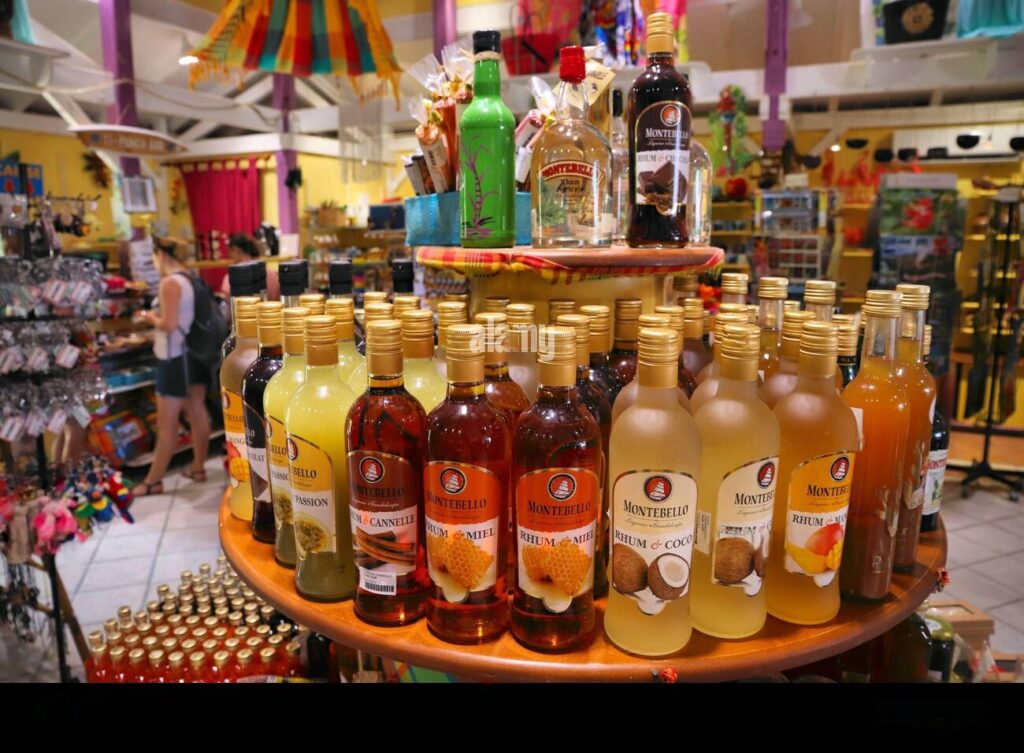
The spiritourism, is the art of traveling to the rhythm of spirits-related know-how: rums, artisanal liqueurs, traditional punches and other elixirs rooted in local culture. It differs from wine tourism in the diversity of its products, territories and approaches. This form of tourism combines sensory discovery, education and immersion in the history of distilleries, while supporting local economies.
Momentum from overseas France
While wine tourism is firmly established in France, the spiritourism is gradually gaining ground, thanks to initiatives mainly in French overseas departments. Far from the well-trodden wine trails, they offer a more confidential, more deeply rooted, but just as structured experience. In Guadeloupe, visits to distilleries, mixology workshops and themed tours provide an insight into a rich and authentic universe.
A national laboratory based in Guadeloupe
A unifying, strategic project
Supported by the “Office de Tourisme de la Riviera des Îles de Guadeloupe”, the National Spiritourism Laboratory was launched with the support of the Conseil Départemental and the French Ministry for Overseas France. Its ambition: to structure a still young industry, federate its players and create a label of excellence to guarantee quality experiences for visitors.
Main objectives
The laboratory’s mission is to :
- Support SMEs and artisans in developing tourism activities.
- Create a national network of spirit tourism sites.
- Launch a vocational training program to develop local skills.
Develop a national label guaranteeing the quality, traceability and ethics of the tours offered.

Structuring an industry around spirit tourism
A stronger territorial network
The spiritourism in Guadeloupe’s distillery industry is largely based on human-scale enterprises: 95% of local distilleries are SMEs or family-run structures. The laboratory supports them in marketing tourist products in line with their identity and history, while encouraging synergies with other sectors such as gastronomy and crafts.
A training program unique in France
The launch of the first Rum and Spirits Advisor in April 2025 is a significant step forward. The aim of this training program is to professionalize tourist reception while passing on the subtleties of rum culture to visitors. A strong asset for the image of Guadeloupe as an expert and responsible destination.
A national label under construction
Long-awaited recognition
The spiritourism will soon benefit from an official label based on several criteria: respect for the environment, quality of welcome, education, product traceability… This label will enable visitors to identify sites committed to a serious and immersive approach.
A tool for local communities
In addition to guaranteeing quality, this label will help position Guadeloupe as a benchmark for spiritourism French spirits. It will also encourage other regions to structure their offerings around local spirits, with a view to sustainable development.
An ambition supported by Guadeloupe
Key actions
La Guadeloupe is multiplying its initiatives: creation of a “Prix de l’Excellence Gastronomique” for food and rum pairings, partnership with the “Mondial du Rhum”, development of an itinerary christened the “circuit du rhum”… These are just a few of the many initiatives designed to enhance the island’s appeal to lovers of local heritage and culture.
Challenges and prospects
A strong economic dynamic
France is the world’s leading exporter of spirits by value. France’s overseas territories Guadeloupe (80,000 hectolitres of pure rum alcohol per year), play a major role in this performance. Spiritourism can help transform this economic power into a tourism experience that is both rewarding and job-creating.
The rum circuit, a showcase of identity
Currently under development, this tour will link major distilleries, rum museums, small producers and cultural events. It will offer a complete understanding of the link between territory, know-how and finished product. A cultural, educational and economic tour.
A lever for know-how
The spiritourism, by showcasing the gestures, stories and techniques of producers, it acts as a living conservatory of intangible heritage. It contributes to the intergenerational transmission of knowledge and enhances local identities, while opening up new professional opportunities.


The spiritourism, through the inauguration of the National Laboratory in Guadeloupe is taking a decisive turn. Structuring the industry, recognizing professions, labeling: all the conditions are in place to make this approach a genuine model of sustainable tourism, rooted and ambitious. Guadeloupe, a pioneer in this niche, is asserting its role as a driving force in a profound transformation of the relationship between heritage, territory and visitors.