On Saturday March 14, 2026, the Hotel de l’Assemblée de la CTM in Fort-de-France hosted the 6th edition of the Caribbean Business Cruise (CBC). Organized by Isanaja Consulting in partnership with Martinique Développement this economic morning brought together Caribbean entrepreneurs from Guadeloupe, Saint Lucia and Antigua & Barbuda to work towards a common goal: to turn the Caribbean into a concrete area of economic cooperation.
A business cruise, a pioneering concept in the Caribbean
The Caribbean Business Cruise is no ordinary networking event. Created in 2019 by Isabelle Adelis Flandrina, founder and CEO of Isanaja Consulting, the Caribbean Business Cruise is presented as the first Caribbean business cruise. The concept is to enable business leaders to meet aboard a ship, away from busy schedules, to build real business relationships.
"Together with my husband, we created the first edition of the Caribbean Business Cruise in 2019, which was originally founded to enable business leaders to go on mission with their families."
— Isabelle Adelis Flandrina, fondatrice d'Isanaja Consulting
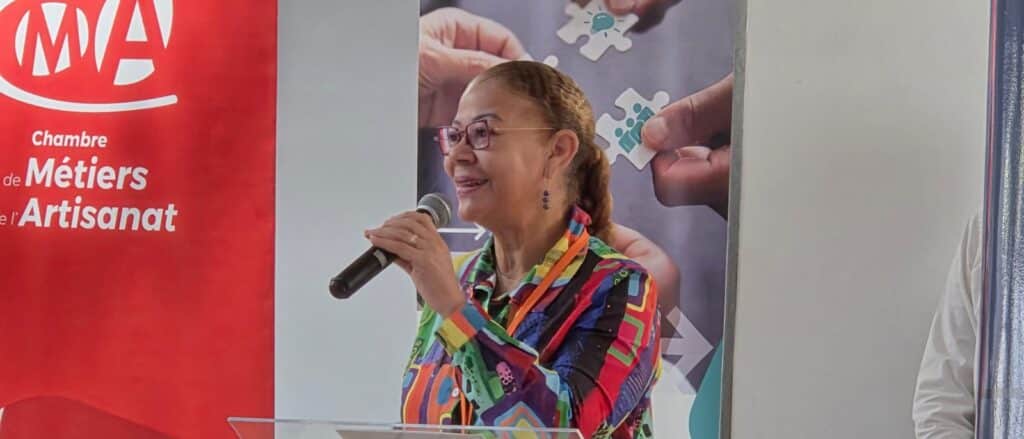
In six years, Caribbean Business Cruise has evolved to include an increasingly structured economic dimension. Caribbean Business Cruise 6 now boasts a partnership agreement with the Organization of Eastern Caribbean States (OECS), making Isanaja Consulting one of the few private French companies to hold this partnership, according to its founder. This recognition opens up access to an English- and Spanish-speaking network that Martinique is still struggling to exploit to the full.
Martinique as a host and investment destination
The Caribbean Business Cruise kicked off with a speech by Alexandre Ventadour, territorial councillor at the Martinique Assembly and President of Martinique Développement. His message: Martinique isn’t waiting for investors, it’s getting ready to receive them.
"Our Martinican companies are here to showcase what Martinique can do best."
— Alexandre Ventadour, président de Martinique Développement

Yann Yala also of Martinique Développement, gave an economic overview of the region: GDP in excess of €10 billion, with growth of around 1%, per capita GDP of €29,000, a population of 356,000, and a trade balance that is largely in deficit, with a coverage rate of around 20% by 2025. Three sectors have been identified as priority development drivers: tourism (6% of GDP, €600 million in annual sales), renewable energies and the digital economy.

With this diagnosis in mind, the question of export support became central. Martinique Développement focuses on attractiveness and installation support, while the Martinique Chamber of Commerce and Industry (CCIM) has taken over responsibility for exports, notably via the Caribbean Trade Facilitation Team. Stéphanie Pujar, project manager for Caribbean cooperation at the CCIM, presented this bilingual (French and English) program, which supports companies from Martinique, Guadeloupe and Guyana in their export development.
"International business support is truly a tailor-made service. Every company has its own project, so every company also has services that suit it."
— Stéphanie Pujar, responsable coopération Caraïbes, CCIM

French companies can benefit from grants from the French Ministry for Overseas France covering between 50% and 75% of the cost of international assignments. It’s a little-known lever that’s regularly highlighted at this type of event.
Caribbean entrepreneurs in search of partners
Caribbean Business Cruise 6 gave a dozen companies the opportunity to present themselves in two minutes, before getting down to B2B business. A deliberately tight format to get straight to the point.
Among the English-speaking participants, Celia Samuel representative of Go To Enterprise (Antigua & Barbuda) and board member of the Antigua Chamber of Commerce, was back for the second year running. She distributes wholesale food products: fruits, vegetables, meats, agro-processed products, from producer to end customer, and is looking for manufacturers wishing to export to the English-speaking Caribbean.
"I am passionate about working with other Caribbean islands and other Caribbean companies. Time waits for no man. So if you see an opportunity, jump on it. "
"I'm passionate about working with other Caribbean islands and companies. Time waits for no one. So if you see an opportunity, seize it."
— Celia Samuel, Go To Enterprise, Antigua & Barbuda
Her testimonial is a concrete illustration of the value of the Caribbean Business Cruise: during the previous edition, she forged a relationship with a producer in Grenada, and is now the exclusive distributor of his brand in Antigua, with prospects for expansion to other islands.
Chantal Alexander, General Manager of Abby’s Exotic Blends (Saint Lucia), was presenting a range of preservative-free agro-processed products based on plantain, breadfruit, sweet potato and green banana, potato chips, confectionery and rum punches, and was looking for distributors or production partners.
On the Guadeloupe side, the sectors represented covered a broad spectrum: cybersecurity with CyberCorsair (Jérémy Benallal) water and renewable energy engineering with Prest’eau Caraïbes (Luigi Apoari), management consulting with Auxiliary Being (Franciane Morvany), software and digital training with ISP Informatique and cultural and tourist development with the association Fout Gwada Bel (Leslie Morvany). Guadeloupe’s Chambre des Métiers de l’Artisanat was also on hand to promote its Artisans Pays de Guadeloupe label and explore synergies with its counterparts in Martinique.
A mindset to build
Isabelle Adelis Flandrina was keen to point out a reality with which the room is familiar: French-speaking and English-speaking entrepreneurs don’t arrive at the same meetings with the same frame of mind.
On the English side, when they go there, they go there to do business. Clearly, if they come to meet you, it's to find out if you can meet their demand."
— Isabelle Adelis Flandrina
This difference in entrepreneurial culture runs like a thread through the successive CBCs. This year, the Martinique and Caribbean delegations were more cautious than expected: the founder refers in particular to the Caribbean geopolitical context linked to US policies and its impact on regional business dynamics. A Haitian delegation, initially scheduled, was unable to join the event for logistical reasons.
Despite these absences, the Caribbean Business Cruise 2026 confirmed the usefulness of these regional meetings. The B2B exchanges that followed the presentations, in the Assembly hall, materialized what the CBC seeks to provoke: real connections between players who, geographically close, do not spontaneously cross paths.
Digicel Business a partner of the event, emphasized through the voice of its Administrative and Financial Director René Klock the importance of this type of initiative in strengthening the regional economic fabric around Caribbean VSEs and SMEs.
The 7th edition of the Caribbean Business Cruise is already on the cards, with organizers hoping for a larger Martinique delegation on board.

The Caribbean Business Cruise (CBC) is the first Caribbean business cruise, created in 2019 by Isanaja Consulting. Each year, it brings together business leaders from all over the Caribbean – French, English and Spanish speakers – for B2B exchanges and regional partnership opportunities. The 6th edition was held on March 14, 2026 in Fort-de-France, Martinique.
Martinique boasts a GDP of over 10 billion euros, a largely service-based economy and identified growth sectors: tourism, renewable energies and digital technology. Martinique Développement and the Martinique Chamber of Commerce and Industry offer tailor-made support for setting up and exporting, with grants covering 50-75% of the costs of international missions for French companies.
The 6th edition of the Caribbean Business Cruise in Fort-de-France brought together companies in five sectors: agro-processing (Abby’s Exotic Blends, Saint Lucia), cybersecurity (CyberCorsaire, Guadeloupe), water and environmental engineering (Prest’eau Caraïbes, Guadeloupe), distribution and international trade (Go To Enterprise, Antigua), and business training and support.
The partnership between CTO and The Travel Foundation marks an important step in the evolution of tourism policies in the Caribbean. At the ITB Berlin 2026 international trade fair, the region’s tourism leaders confirmed that they would strengthen their cooperation to support a more sustainable tourism model, more resilient to climate change and more focused on local communities.
In a region where the economy is heavily dependent on tourism, climate change is no longer an abstract issue. The effects of global warming, the intensification of weather phenomena and the erosion of coastal ecosystems now represent immediate challenges for many island territories. It is against this backdrop that the partnership between CTO and The Travel Foundation takes on a strategic dimension. The objective is clear: to transform climate commitments into concrete actions capable of supporting the economic and social future of Caribbean destinations.
ITB Berlin, a strategic venue for the voice of the Caribbean
Every year, ITB Berlin brings together the world’s key tourism players: ministries, international organizations, airlines, destinations and industry experts. For the Caribbean, this event is an essential platform for recalling a reality that is often underestimated on an international scale: small island states are among the territories most exposed to the effects of climate change.
At a session devoted to the gap between climate risks and adaptation solutions in tourism, the Secretary General and CEO of the Caribbean Tourism Organization, Dona Regis-Prosper, highlighted the region’s real-life experience. The devastating hurricanes that regularly hit the Caribbean, rising sea levels and increasing pressure on marine ecosystems have had a profound impact on the territories. Today, this first-hand experience is a driving force for rethinking the region’s tourism strategies. The partnership between CTO and The Travel Foundation is precisely in line with this dynamic of transformation.

Moving from climate talk to concrete solutions
At the heart of the partnership between CTO and The Travel Foundation lies one overriding conviction: climate strategies must now go beyond declarations of intent. Caribbean destinations already have numerous studies, scientific data and prospective scenarios on climate risks. However, a persistent challenge remains: transforming this information into genuinely funded and operational projects.
This is one of the points raised by Narendra Ramgulam, Deputy Director of Sustainable Tourism at the Caribbean Tourism Organization. According to him, the region has no shortage of ideas and analyses, but the concrete implementation of projects is often hampered by a lack of access to funding. In this context, the partnership between CTO and The Travel Foundation aims to bridge the gap between strategic planning and real action on the ground.

A tourism model focused on local communities
One of the major thrusts of the partnership between CTO and The Travel Foundation concerns the role of local populations in tourism development. In many Caribbean destinations, the economic benefits of tourism sometimes remain concentrated in certain segments of the industry. The new cooperation framework aims to foster a more inclusive approach in which tourism projects generate direct benefits for communities.
This vision also implies a strengthening of local skills in sustainable tourism professions, as well as increased support for economic initiatives that enhance the region’s natural and cultural resources. This approach is in line with a global trend in the tourism sector. Today’s travelers are increasingly interested in responsible, authentic experiences that are closely linked to the realities of the areas they visit.
Caribbean tourism faces structural transformation
The partnership between CTO and The Travel Foundation comes at a pivotal time for the Caribbean tourism industry. Several profound transformations are redefining the future of the sector. The intensification of extreme climatic phenomena, the gradual weakening of coral reefs, the erosion of certain beaches and the evolution of travelers’ expectations in terms of sustainability are gradually changing the balance of regional tourism.
These elements are not just about the environment. They directly influence the tourism experience, the competitiveness of destinations and the livelihoods of many local populations. Against this backdrop, strengthening the resilience of Caribbean tourism is becoming as much an economic priority as an environmental one.
International cooperation to strengthen resilience
The renewal of the partnership between CTO and The Travel Foundation formalizes a strengthened collaboration between two organizations committed to the transformation of global tourism. The Travel Foundation has been working for several years on initiatives to make tourist destinations more sustainable, notably through climate planning, tourism flow management and ecosystem protection.
For its part, the Caribbean Tourism Organization represents the tourism interests of many of the region’s territories and plays a central role in coordinating regional policies. By combining their expertise, the two institutions aim to develop tools and strategies that will enable Caribbean destinations to better anticipate climate risks, while maintaining their attractiveness to tourists.
A regional vision for the future of Caribbean tourism
Beyond technical cooperation, the partnership between CTO and The Travel Foundation is also part of a broader vision: that of a coordinated regional approach to sustainable tourism. The Caribbean shares many common realities. The economies of many territories rely heavily on tourism, the islands remain particularly exposed to climatic risks, and the region boasts an exceptional natural and cultural heritage.
In view of these common characteristics, regional cooperation appears to be an essential lever for developing solutions tailored to the specific characteristics of island destinations. This approach is also in line with the ambitions of the CTO Reimagine Plan, a strategy that aims to reposition Caribbean tourism around sustainability, innovation and resilience.
The Caribbean, a global laboratory for sustainable tourism
Through the partnership between CTO and The Travel Foundation, the Caribbean is also seeking to assert its role in international debates on the future of tourism. The challenges facing the region today could foreshadow those that other tourist destinations will have to face in the coming decades. From this perspective, the Caribbean can become a veritable laboratory of innovation for climate-resilient tourism strategies, sustainable management of island destinations and the integration of communities into the tourism economy.
The stakes involved in the partnership between CTO and The Travel Foundation extend far beyond regional borders. The solutions developed in the Caribbean could inspire other regions of the world facing similar challenges.
The partnership aims to develop concrete strategies to make Caribbean tourism more resilient in the face of climate change, while supporting local communities.
Caribbean destinations have to cope with intensifying hurricanes, beach erosion, coral reef degradation and rising sea levels.
The Caribbean Tourism Organization aims to position the Caribbean as a sustainable destination, capable of reconciling tourism development, ecosystem protection and benefits for local populations.
The integration of Richès Karayib into the Caribbean Broadcasting Union (CBU) marks a new stage in the development of Caribbean media. This membership formalizes Richès Karayib’s regional roots and reinforces its determination to actively contribute to the structuring of the Caribbean media landscape.
In a context where the circulation of content remains fragmented between linguistic and geographic territories, joining the Caribbean Broadcasting Union represents a strategic lever for boosting the visibility and circulation of Caribbean content.
The Caribbean Broadcasting Union, a pillar of the Caribbean media landscape
The Caribbean Broadcasting Union is the regional organization that federates the Caribbean media, covering radio, television, print and digital platforms. It plays a central role in cooperation between broadcasters, the circulation of content, the professionalization of players in the sector and the promotion of Caribbean productions.
Every year, the Caribbean Broadcasting Union organizes the CBU Media Awards. These awards recognize the most outstanding productions in radio, television, print and digital. These awards are a major event for Caribbean media professionals, helping to raise standards of journalistic and editorial quality in the region. By becoming a member of the Caribbean Broadcasting Union, Richès Karayib joins a structured and recognized network at the heart of regional media dynamics.

A strategic step for Richès Karayib
Since its creation, Richès Karayib has been promoting culture, heritage, tourism and the women and men who shape the Caribbean’s attractiveness and influence. Membership of the Caribbean Broadcasting Union consolidates this trajectory by opening up new prospects:
- – publishing cooperation on a regional scale
- – increased circulation of content
- – professional exchanges between member media
- – enhanced visibility with institutional and economic players
Joining the Caribbean Broadcasting Union also enables Richès Karayib to place its productions within a demanding regional framework, where content quality, journalistic rigor and editorial impact are decisive. This new step comes at a time when the medium is developing its print, digital and audiovisual formats, with a clear ambition: to connect Caribbean territories beyond linguistic borders.

Building a structured Caribbean media space
The Caribbean is rich in talent, culture and initiative. However, content produced in one territory is still not widely distributed to other islands and countries in the region. One of the major challenges of the Caribbean Broadcasting Union is precisely to promote this circulation and encourage regional collaboration.
By joining the Caribbean Broadcasting Union, Richès Karayib is affirming its desire to play an active part in this dynamic. This is not just institutional recognition, but a commitment: to contribute to a more connected, visible and structured Caribbean media.
This approach is in line with Richès Karayib’s mission to promote the region’s talents, initiatives and heritage, while encouraging synergies between regions.
Setting course for the CBU Media Awards
As part of this membership, Richès Karayib will take part in the 37th CBU Media Awards organized by the Caribbean Broadcasting Union. Richès Karayib’s participation is in line with the company’s commitment to professionalization and regional outreach.
Beyond the competition, the CBU Media Awards represent a space for Caribbean media to meet, exchange ideas and gain visibility. For RK, it’s a further opportunity to promote a committed editorial voice in the service of the Caribbean.

A new development phase
Joining the Caribbean Broadcasting Union marks a natural evolution for Richès Karayib. After consolidating its presence in the French-speaking Caribbean, the medium is now taking a decisive step towards wider regional integration.
In a changing media environment, where cooperation, editorial quality and international visibility are essential, joining the Caribbean Broadcasting Union is a strong signal.
Richès Karayib’s ambition is to contribute to a more visible, coherent and assertive Caribbean media.
The Caribbean Broadcasting Union (CBU) is the regional media organization for the Caribbean, covering radio, television, print and digital platforms. It promotes cooperation, the circulation of content and the professionalization of players in the sector.
Membership of the Caribbean Broadcasting Union enables Richès Karayib to join a structured regional network, boost its visibility on a Caribbean scale and develop editorial collaborations with other member media.
The CBU Media Awards are an annual competition organized by the Caribbean Broadcasting Union to recognize the best radio, television, print and digital productions in the region.
ALEFPA – Association Laïque pour l’Education, la Formation, la Prévention et l’Autonomie – holds a simple conviction: no one should be reduced to his or her frailty. Behind every story, every silence, every difficulty, there’s a person looking for support, a place to rebuild, a non-judgmental gaze.
Children in care, vulnerable adults, people with disabilities, women victims of violence, isolated seniors: whatever the story, ALEFPA provides what becomes essential when everything falters – a place to rest and professionals who stay by your side.
In the French West Indies – in Martinique, Saint-Martin and Guadeloupe, including Marie-Galante – this mission takes on an even more intimate dimension. Our teams work as close as possible to the realities on the ground, to the rhythm of lives, emergencies, islands and their cultures. They know the social players, the local customs, the shortcomings, the strengths, the invisible solidarity.
The ALEFPA teams are working on this with a strong conviction: support to give back a place, a dignity, a rhythm, a future.
Governance rooted in people
At the head of the association, ALEFPA Chairman Daniel Dubois, Director Olivier Baron and Antilles Manager Michel Cailloux share a common vision: social action is only meaningful if it remains close to the field and the people it serves.
Daniel Dubois embodies this approach.
Trained as a specialized educator, former head of department, director of a facility, general manager and then chairman of this large association, he knows every stage of social work. “When we see the smiles on the faces of the people we help, that’s our salary,” he confides.
This sentence sums up the spirit that guides every ALEFPA decision.
During their last stay in the French West Indies, our managers rediscovered a strong, warm Caribbean identity, where uniqueness is experienced as a source of richness.
Olivier Baron often reminds us that ALEFPA provides support “from 6 months to 101 years”, a way of underlining the diversity of the lives supported by the association.
At the last seminar, he highlighted a Creole expression that was the common thread: “Sé an lanmen ka lave lòt.” One hand washes the other. A simple and powerful way of reminding us that we always move forward better together, in the spirit of “faire ensemble” which guides ALEFPA.
Michel Cailloux based in Guadeloupe, plays an essential role, providing a day-to-day presence, support for teams and a detailed understanding of island realities. It provides feedback not only on what professionals are experiencing, but also on what the regions are saying.
Together, they apply a clear method: listen before acting, adapt each project to the reality of the islands, and build solutions that respect the rhythms, cultures and needs of each community.
In Saint-Martin, creating a space where you can take a breather
In Saint-Martin, ALEFPA supports adults whose lives have often been marked by profound disruptions, years of precariousness or wandering. During his last visit, Daniel Dubois was struck by the state of the premises: despite the remarkable commitment of the teams, the place no longer offered the dignified reception conditions these people should find when they are looking to stabilize.
This led to the decision to transform the facility into a veritable City of Dignity. This project aims to completely rethink the space to offer greater comfort, privacy and respect – three essential elements for allowing someone to catch their breath.
The future Cité will offer a warmer setting, better adapted to day-to-day needs, and structured support to help everyone regain their bearings, reorganize their lives and gradually rebuild their confidence. Here, the aim is not just to provide accommodation, but to create a place where people can finally settle down, breathe and look forward to a more stable tomorrow.
In addition, almost 700 people depend on the ALEFPA grocery store every week. This figure alone underlines the importance of improving reception conditions so that everyone can find a place to rest, catch their breath and rebuild a minimum of stability.
In Martinique, moving towards a new stability
In Martinique, ALEFPA works with men who have come out of long periods of wandering or instability, often after a life on the streets or suffering from psychological fragility.
Many have the same feeling: For some, it had been years since they had slept behind a closing door, found a rhythm again, taken care of themselves.
These modest advances – a hot meal, a bed, a routine – are often the starting point for a profound rebuilding process.

In the near future, a reception center for people leaving prison will open in Fort-de-France, near the courthouse.
This place will offer a secure transition: listening, guidance, reference points, orientation and support in essential steps.
The Kou Rosalie-Soleil (Cour Rosalie-Soleil), located in another part of Fort-de-France, takes in women who are victims of domestic violence.
Support is provided at each person’s own pace, without rushing, by first recreating a protective environment. The teams offer listening, psychological support, material security and work towards autonomy.
Every story is unique, and every step of the way is valued.

In Guadeloupe, including Marie-Galante, integration through local talent
In Guadeloupe and Marie-Galante, ALEFPA makes the most of the region’s resources to help people become more independent.
Here, integration is based on local know-how, ancestral gestures, the land, water and the processing of local products.
In ESATs and integration structures, workshops become places of pride, where everyone finds a purpose, a rhythm, a place.
Here, Creole gardens are cultivated without pesticides, local fruit is processed, traditional flours are produced and local fruit is dried.
Aquaponics, sometimes even installed in schools, enables children to feed the fish and harvest the lettuce: concrete, sustainable learning that reconnects them with the living world and the land.


These activities are not just professional: they restore confidence. They enable us to play a part in something, to feel that we are contributing and making progress. For many of the people we support, regaining a role, however modest, is a huge step towards stability.
Another major challenge facing these establishments is the ageing of the people who work in ESATs (Établissements et Services d’Aide par le Travail). For those who have worked all their lives in these structures, how can they maintain their bearings as they age?
ALEFPA is thinking about small living units, created close to the places where these people have always lived. These familiar, human-scale spaces enable people to grow old without being uprooted. Keeping one’s bearings, one’s ties, one’s environment – means preserving one’s dignity.


Convincing rather than coercing: a founding principle
As Daniel Dubois often says, you can’t help someone by forcing them, but by helping them to rediscover the desire and ability to move forward. At ALEFPA, support is based on a simple yet demanding approach: listening, dialogue, and valuing each small step forward.
Many of the people we welcome arrive battered, distrustful, sometimes tired of no longer believing in themselves. The role of the teams is not to force them, but to show them, step by step, that they still have resources, capacities and possibilities.
“Our job is to help everyone become aware of what they can do,” he often explains. This approach changes everything: it restores confidence, it restores dignity, it breaks down the simplistic view that society sometimes takes of people in vulnerable situations.
At ALEFPA, no individual is a file. Everyone is a story, an identity, a culture, a potential.

Culture and sport as levers of pride and belonging
Culture plays an essential role in ALEFPA: it creates links, awakens memories, brings people together and restores pride. Each year, the association organizes a national cultural project involving all its establishments.
This year, the common theme is “Cuisine, Health & Territories”, a subject that takes on particular resonance in the Caribbean.
In Martinique, Guadeloupe, Marie-Galante and Saint-Martin, the teams gather family recipes, dishes handed down from generation to generation, childhood memories and stories around a fruit, a market or a gesture.
These contributions will be brought together in a collective book, highlighting not only the culinary and cultural diversity of these regions, but also the voices and backgrounds of those involved.
But there’s more to it than that: cooking together, telling stories, sharing, is a way of rebuilding self-esteem, forging links and enhancing the value of what makes us who we are.
Other cultural and sporting initiatives punctuate the year, such as the Aléfpiades solidaires and bicycle raids. These events bring together participants from all the regions where ALEFPA is present, sometimes for their first trip outside their own territory. These are moments when we push ourselves, encourage each other and discover that we can go further than we thought.
Here again, the objective is the same: to open up horizons, to enable the people we support to project themselves, to dare, to become part of a collective dynamic. Here, sport becomes a bridge between territories, an engine of confidence, a way of saying: “We all have a story that deserves recognition.”
Local roots, broad horizons
Olivier Baron likes to quote Édouard Glissant: “Act in your place and think with the world.”
This phrase sums up the spirit of ALEFPA. Established in the Caribbean for over forty years, the association works at the heart of the region, drawing inspiration from practices elsewhere. Each project feeds the others. Each local experience enriches the national vision.
In the course of our guided tours, one simple, essential phrase recurs:
I have my place.
A place in a workshop... at the table... in the community.
This is what ALEFPA is all about: reminding everyone that it's not too much and that it counts.
FAQ
ALEFPA (Association Laïque pour l’Education, la Formation, la Prévention et l’Autonomie) supports people in vulnerable situations at every stage of their lives. Its mission is to provide a framework, professionals and concrete solutions to restore dignity, regain stability and move towards greater autonomy.
In the French West Indies, ALEFPA works as closely as possible to local realities, welcoming and accompanying vulnerable adults, supporting women who have been victims of violence, integrating people via ESATs and workshops rooted in local know-how, and responding to social emergencies such as the solidarity grocery store. The aim remains the same: to give people back their place and bearings, without judgment.
The article highlights several priorities: in Saint-Martin, the transformation of a facility into a “Cité de la dignité” to improve reception; in Martinique, the forthcoming opening of a reception center for people leaving detention in Fort-de-France and the work of Kou Rosalie-Soleil for women victims of violence; in Guadeloupe and Marie-Galante, integration through local talent, as well as reflection on the aging of people in ESAT.
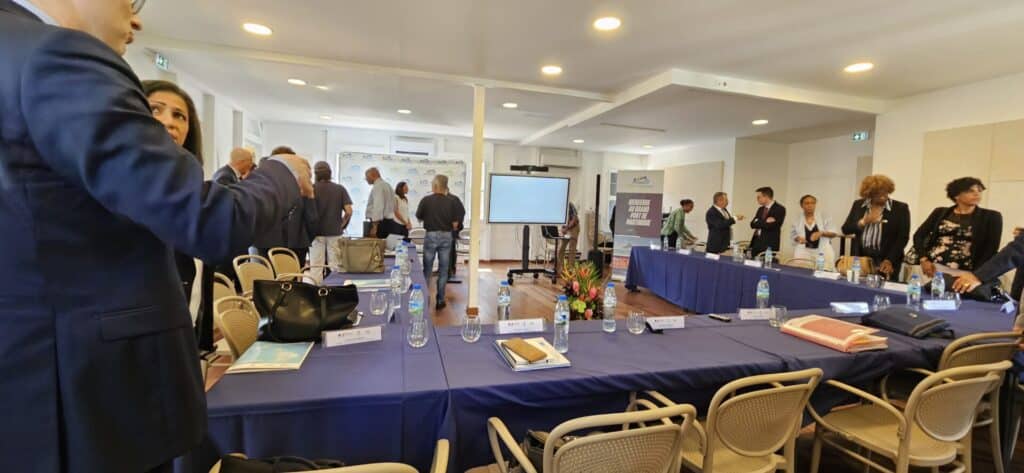
The Conseil de Coordination Interportuaire Antilles-Guyane (CCIAG ) met on December 12, 2025 at Habitation Le PALM in Martinique. This annual meeting, provided for in the French Transport Code, has become a major lever for inter-territorial governance between Guadeloupe, Martinique and French Guiana.
Supported by the French State and the three Grands Ports Maritimes, the CCIAG aims to reinforce the coherence of port policies, support the economic resilience of the territories and ensure the long-term inclusion of the South-Caribbean axis in a dynamic of regional cooperation.
Collegial governance at the service of territories
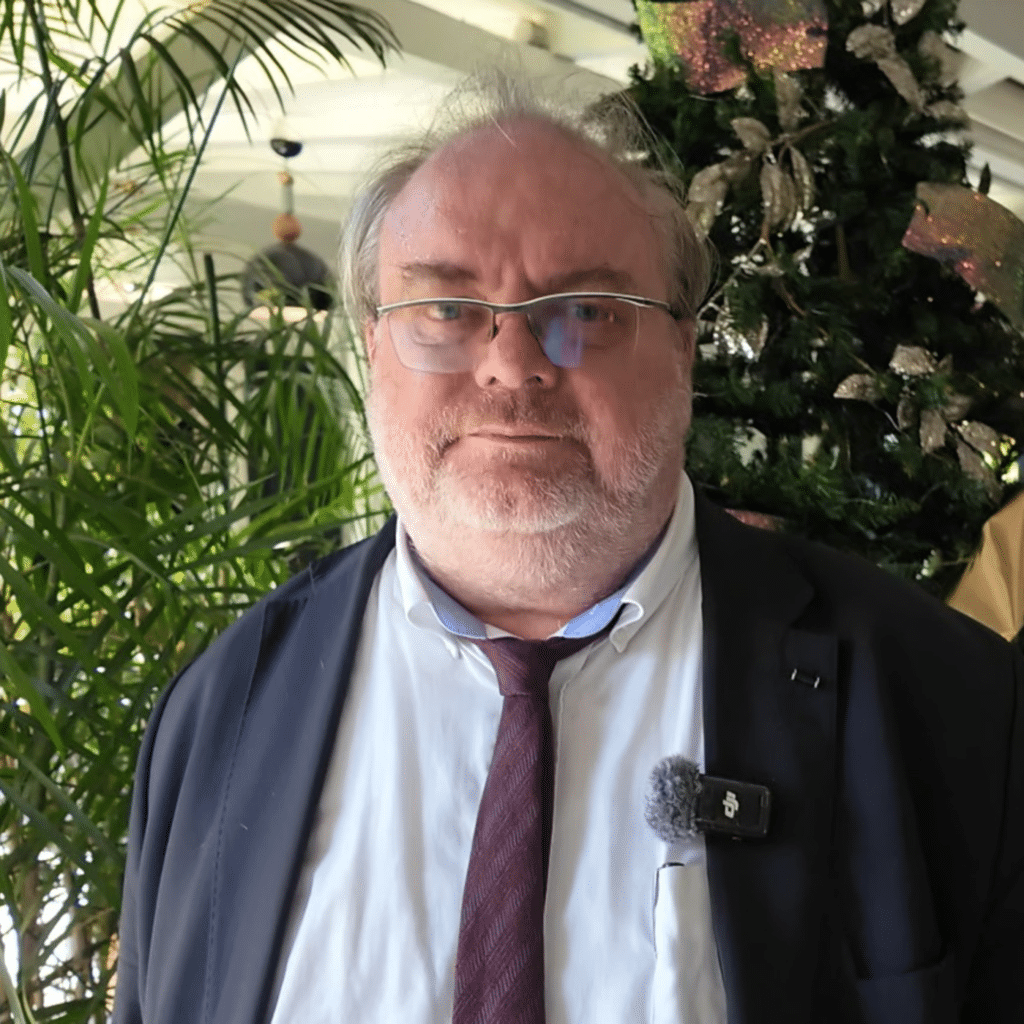
“The CCIAG is more than a technical body: it’s a forum for strategic dialogue with representatives of the State, local authorities and ports,” emphasizes Bruno Mencé, Chairman of the Board of the Grand Port Maritime de la Martinique.
The CCIAG ensures that port policies are regularly aligned with national guidelines and local needs. Each year, the three ports pool their experience and define joint priorities: safety, connectivity, ecological transition and logistics competitiveness.

Jean-Pierre Chalus, Chairman of the Board of the Port of Guadeloupe, insists that this shared governance allows for concrete monitoring of progress and difficulties:
“Every year, we have an update on the orientations voted collectively, which enables us to point out our progress, our difficulties, and to continue on our way.”
He also emphasizes the growing mobilization of teams around environmental issues:
“There is a lot of enthusiasm from all the ports to invest in energy, ecological and other transitions, serving the sustainable development of our territories.”
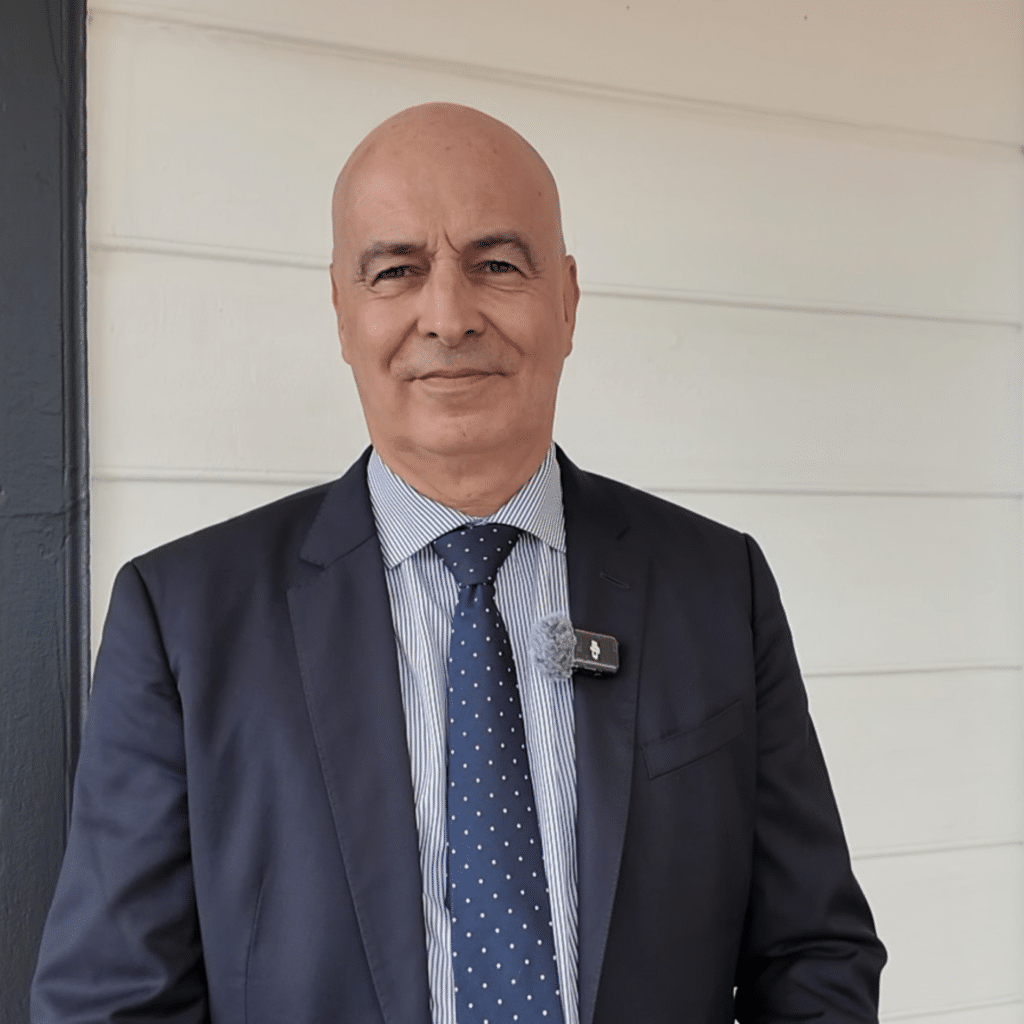
Stéphane Tant, Chairman of the Board of the Grand Port Maritime de la Guyane, stresses the importance of this annual meeting:
“It’s a meeting that enables us to exchange views not only between ports, but also with elected representatives, the DGOM (Direction Générale des Outre-mer) and the DGITM (Direction Générale des Infrastructures, des Transports et de la Mer), on our common challenges, our development needs and our roadmap.
He emphasizes that the CCIAG is about more than just the port, it’s about economic development and regional connectivity.
A common roadmap and concrete actions
The 2025-2029 roadmap, defined collectively by all the players within the CCIAG, focuses on major areas such as decarbonization, port safety, innovation and adaptation to climate change. Bruno Mencé explains:
“We have to guarantee an identical level of safety and security in our three ports, corresponding to the needs of our customers and the territories.”
He also stresses the importance of regional cooperation with PMAC (Port Management Association of the Caribbean) to create a Caribbean economic observatory:
“It’s a truly Caribbean project that we’re working on with PMAC, i.e. with all Caribbean ports,” explains Bruno Mencé.
The aim is to gain a better understanding of how shipping lines work, and to identify ways of developing trade with neighboring islands.
Jean-Pierre Chalus points out that this roadmap makes it possible to deal with strategic subjects such as inter-territorial services:
“Regular service to French Guiana, Guadeloupe and Martinique is an important factor for our territories, for both economic and political players.”
He also emphasizes the role of technical meetings held throughout the year between port departments, to ensure continuous progress.
Among the concrete actions already undertaken, he cites the joint signing of a commitment with the IUCN (International Union for Conservation of Nature) on the management of invasive exotic species, reflecting the ports’ involvement in shared environmental issues.
Stéphane Tant, highlights the prospects for enhanced cooperation with the The Guianas, within the framework of a biannual conference between French Guiana, Guyana, Suriname and two Brazilian states (Amapá and Pará):
“We are leading a cooperation conference of the ports of The Guianas.”
This initiative complements the work of the CCIAG by extending regional connections to South America.
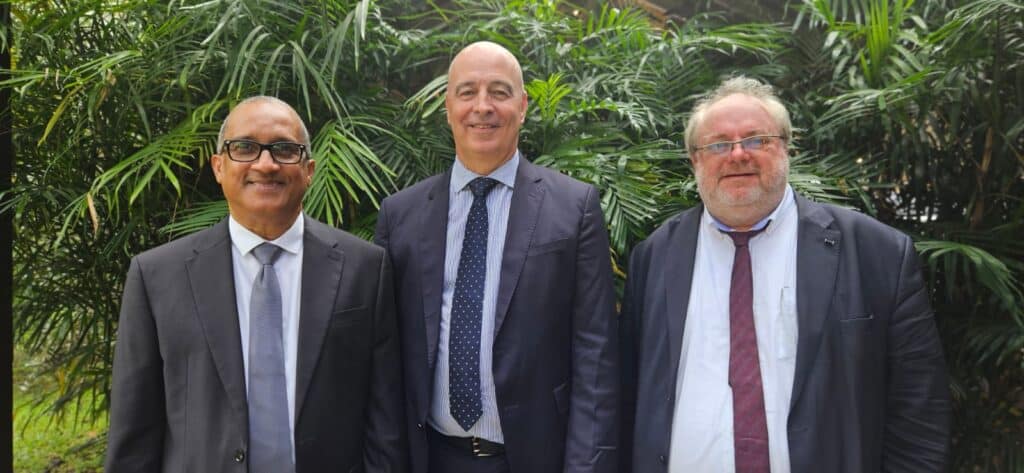
A shared vision: overcoming insularity
The CCIAG has a shared ambition that goes beyond mere coordination between ports. By bringing together port directors, government representatives, local authorities and the chairmen of supervisory boards, this body promotes a global approach to logistics and territorial development.
All participants agreed on one thing: port performance can no longer be thought of in isolation. It depends on broader governance, capable of connecting public policies, economic issues and environmental imperatives. This common framework will enable us to lay the foundations for more resilient, better integrated logistics, geared towards the Greater Caribbean as a whole.
In 2026, this dynamic will continue in French Guiana, at the next plenary session. An eagerly-awaited meeting to deepen this multi-stakeholder cooperation and consolidate the foundations of regional logistical sovereignty.
FAQ
The Conseil de Coordination Interportuaire Antilles-Guyane (CCIAG) is a body set up under the French Transport Code, bringing together the French government, local authorities and the three Grands Ports Maritimes of Guadeloupe, Martinique and French Guiana. Its aim is to coordinate port policies, reinforce regional logistics coherence and support regional economic development.
The 2025-2029 roadmap focuses on several priorities: decarbonizing port activities, safety and security, adapting to climate change, logistics innovation and strengthening regional connectivity, particularly with the Caribbean and the Guyana Plateau.
By promoting shared governance between ports, the French government and local authorities, the CCIAG enables us to move beyond a strictly insular approach. It contributes to structuring more resilient logistics, improving the regularity of maritime services, and placing the Antilles-Guyane territories in a broader regional cooperation dynamic.
In Martinique, Guadeloupe and Saint-Martin, solidarity remains a quiet force. It is embodied in everyday gestures, in the attention paid to others, and in the shared conviction that no vulnerability is inevitable. It is in this spirit that ALEFPA (Association Laïque pour l’Education, la Formation, la Prévention et l’Autonomie – Lay Association for Education, Training, Prevention and Autonomy) has been pursuing a simple and humane mission for over sixty years: to accompany each person, at every stage of their life, towards greater autonomy and dignity.
An historic presence and solid Caribbean roots
Present throughout France, ALEFPA helps 20,000 people every year, thanks to 250 establishments and over 4,000 employees.
In the Caribbean, ALEFPA is firmly established in the Caribbean:
- – In Guadeloupe as early as 1981, with the Institut Médico-Éducatif Denis Forestier ;
- – In Martinique since 2012, with the Rosannie Soleil Housing and Social Reintegration Center ;
- – Saint-Martin, since 2020, with the CHRS Le Manteau.
A total of 37 ALEFPA welcome and support 2,763 beneficiaries, supported by 311 full-time equivalents. This network of local players embodies a solidarity rooted in the realities on the ground.


Two days of action to strengthen social ties
October 28 and 29, 2025, ALEFPA organized two major days in Martinique, marked by the visit of Chairman Daniel Dubois and Managing Director Olivier Baron.
On October 28, the representatives visited the Legal Representative Service for the Protection of Adults (SMJPM) in Fort-de-France. The meeting provided an opportunity to showcase the work of local teams who support vulnerable adults in their legal, social and human affairs.
The following day, ALEFPA and the Martinique Real Estate Company (SIMAR) have signed an APL Foyer agreement in Schœlcher to develop new social and inclusive housing solutions. This partnership is aimed at the elderly, the disabled and the most disadvantaged, and is part of the national program IDRA supported by the” National Solidarity Fund for Autonomy (CNSA) and the National Old Age Insurance Fund (CNAV).
“These two days symbolize our determination to anchor the work of ALEFPA into the realities of Martinique, alongside the region’s institutions and social players”, declared Daniel Dubois.
“Working with our partners to ensure that every vulnerable person has access to decent housing and appropriate support,” added Olivier Baron.

Lakou Rosannie Soleil, symbol of a shared habitat
In Fort-de-France, the Lakou Rosannie Soleil illustrates this Caribbean philosophy of concrete solidarity.
Owned by SIMAR and managed by ALEFPA, the site, owned by SIMAR and managed by ALEFPA, is home to 57 housing units, including an accommodation and social reintegration center, a halfway house and a hostel.
The word lakou – the shared courtyard of Creole houses – takes on its full meaning here: a collective space where mutual help structures daily life.
Two new ALEFPA independent living residences, also known as autonomous residences, are set to open in Martinique between 2026 and 2027, further extending the inclusive dynamic already underway on La Réunion.

A demanding social context and local responses
In Martinique, almost a third of the population lives below the poverty line, and difficulties in accessing housing particularly affect low-income pensioners, people with disabilities and families in very precarious situations.
Faced with this situation ALEFPA works closely with local authorities, the Regional Health Agency (ARS), the Family Allowance Fund (CAF), the Regional Directorate for Economy, Employment, Labor, and Solidarity (DREETS) and social landlords.
Its governance includes directors from the French overseas territories, ensuring that its actions are in tune with local needs.
Inclusion and creativity in Guadeloupe and Saint-Martin
In Guadeloupe, solidarity is literally cultivated: the Work Assistance Facility and Service (ESAT) La Ravine Bleue de Pointe-Noire has launched an aquaponics food garden in partnership with the Butterfly Effect.
Disabled workers learn to produce differently, in a way that respects nature and the circular economy.
In Saint-Martin, the work of ALEFPA extends to prevention and awareness-raising. Artist Esy Kennenga spoke to young people about violence against women, illustrating the link between culture, education and inclusion.
Marie-Galante: guaranteeing medical and social continuity
Another highlight of 2025: the takeover of the Association of Parents and Friends of Children with Special Needs (APAEI) of Marie-Galante by ALEFPA confirmed by the Pointe-à-Pitre court on August 22, 2025.
This decision made it possible to maintain 73 jobs and ensure the continuity of medico-social support, with the support of the ARS and local authorities.
A responsible and humane approach, true to the vocation of ALEFPA‘s vocation: to never break the link with the most vulnerable.


Sustainable, committed solidarity
Committed to Corporate Social Responsibility (CSR) approach, ALEFPA combines social inclusion, respect for the environment and innovation.
From Guadeloupe to Martinique, its initiatives weave a network of sustainable solidarity where the social, health and educational sectors combine to recreate links.
Through these actions, ALEFPA confirms that in the Caribbean, solidarity is not just a word, but a way of life.
In the lakouresidences, gardens and shelters, the association continues a tradition of proximity and humanity.
A discreet but profound commitment that reminds us that the Caribbean is built above all on human warmth, respect and renewed trust.
Arnaud Dolmen has written a new page in the history of French jazz by winning the Victoire du Jazz 2025 award in the “instrumental artist” category. The award, presented at a ceremony in Paris on September 3, 2025, recognizes the exceptional talent of this musician from Sainte-Anne, Guadeloupe, who has established his own unique style combining gwo-ka tradition and modern jazz.
A resounding victory in the instrumental artist category
The 23rd edition of the Victoires du Jazz took place at Studio 104 of the Maison de la Radio et de la Musique in Paris, under the honorary presidency of Angélique Kidjo and presented by Manu Katché. In this prestigious category, Arnaud Dolmen beat off two formidable contenders: trumpeter Airelle Besson and saxophonist Baptiste Herbin.
The emotion was palpable during his acceptance speech: “I thank the Victoires du Jazz and all the voters. I dedicate this prize to the God of drums and to the tanbouyé of Guadeloupe”. This dedication reveals the musician’s deep attachment to his Caribbean roots and to the gwo-ka tradition that shaped him.

Deep roots in gwo-ka
Gwo-ka, listed as aUNESCO intangible cultural heritage site since 2014, is the very essence of Guadeloupe’s musical identity. This traditional music, born during the period of slavery, mainly uses the “ka” drum, made from a wooden barrel covered with a goatskin. Arnaud Dolmen discovered this world at the age of five, learning the ka drum under Georges Troupé at the Atelier Marcel Lollia.
Arnaud Dolmen's exceptional career
Born in Bar-le-Duc on October 4, 1985, Arnaud Dolmen arrived in Guadeloupe at the age of five, and quickly revealed his musical talent. After joining the Kimbòl youth orchestra in his teens, he flew to Toulouse in 2003 to continue his studies at the Dante Agostini drum school. Freshly graduated in 2008, he began his professional career alongside Caribbean bands such as Soft, Franck Nicolas and Dédé Saint-Prix.
His meeting with Jacques Schwarz-Bart, the internationally renowned Guadeloupean saxophonist, marked a turning point in his career. This collaboration opened the doors to contemporary jazz and enabled him to develop his own distinctive style, fusing the polyrhythms of gwo-ka with the sophisticated harmonies of modern jazz.
Arnaud Dolmen has also collaborated with leading artists such as Mario Canonge, David Linx, Bojan Z, Naïssam Jalal and Laurent de Wilde. These experiences enrich his artistic palette and confirm his reputation as a versatile and innovative musician.

Growing recognition
This 2025 victory isArnaud Dolmen ‘s second major award at the Victoires du Jazz, following his first “Revelation” trophy in 2022. In four years, the Guadeloupean musician has been nominated three times in different categories, testifying to the constant recognition of his peers.
His two personal albums have largely contributed to this recognition. “Tonbé Lévé” (2017), focusing on a contemporary jazz aesthetic, earned him the title of “Revelation of the Year” by Jazz Magazine. “Adjusting” (2022) confirms his status as an accomplished artist, questioning “our interconnectedness, our human experience in a world as beautiful as it is noisy”.
The cultural impact of such a victory
This accolade resonates far beyond the music world. Guy Losbar, President of the Conseil Départemental de Guadeloupe, declared: “With this new distinction, Arnaud Dolmen confirms his place among the greatest talents on today’s international jazz scene. Through his music, he resonates the singularity of our cultural identity”.
Ary Chalus, President of the Regional Council of Guadeloupe, points out that the musician “demonstrates that the richness of our culture and traditions is a formidable asset for shining on the international scene”. This victory is a perfect illustration of how Arnaud Dolmen is succeeding in bringing the heritage of gwo-ka to the world jazz stage.
Arnaud Dolmen’s success is part of a wider drive to promote Caribbean music. Last May, at the Jazz sous les Pommiers festival, he led a “Carnival for Love” brass band of over 200 musicians, demonstrating his ability to federate and transmit the richness of his musical heritage.
This double Victoire du Jazz award places Arnaud Dolmen firmly among the leading figures of contemporary French jazz. His singular approach, combining technical mastery and cultural authenticity, opens up new perspectives for the dialogue between Caribbean traditions and musical modernity. The ceremony will be broadcast on France 4 on September 22, enabling the general public to discover or rediscover this exceptional talent, who honors Guadeloupe and enriches the French musical landscape.


Arnaud Dolmen’s victory at the Victoires du Jazz 2025 represents much more than just an individual award. It symbolizes the recognition of a rich and vibrant Caribbean musical heritage, capable of dialogue with the most contemporary artistic expressions. This exceptional drummer-composer proves that musical excellence can be born of a harmonious synthesis between tradition and innovation, between local roots and universal ambitions.
A Brooklyn-born legend with Jamaican roots
Busta Rhymes, real name Trevor George Smith Jr..was born into a Jamaican family in Brooklyn on May 20, 1972. His parents, Geraldine Green and Trevor Smith Sr. instilled in him an early love of Caribbean music and rhythms. Growing up in New York, in a neighborhood where reggae and hip-hop intersected, helped him to build a unique universe. This cultural mix was to become the very essence of his artistic identity.
From promising beginnings to worldwide acclaim
Before becoming an international star, Busta Rhymes made his mark as a member of Leaders of the New School. This collective gave him his first recognition and helped shape his style. In 1996, he went solo with “The Coming” and its iconic single “Woo Hah! Got You All in Check”, which catapulted him to international stardom. His albums “When Disaster Strikes (1997)” and “Extinction Level Event (1998)” confirmed his status as an extraordinary artist. With his dazzling flow and stage energy, he became a key figure in hip-hop.

A unique style rooted in the Caribbean
What sets him apart is the way he links his Jamaican roots to the American hip-hop universe. His language blends incisive punchlines, Jamaican patois and spectacular visual staging. His dreadlocks, long worn, have become a signature of his cultural identity.
Each album incorporates dancehall and reggae sounds, like a bridge between Kingston and New York. In 2023, he released “Blockbusta”, an album reminiscent of his intact creativity, followed in 2025 by an EP entitled “Dragon Season”… The Awakening, proof that he is still an innovator.
The Elite Icon Award: an exceptional tribute
In August 2025, Busta Rhymes will receive the prestigious Elite Icon Award at the Caribbean Music Awards at the Kings Theatre in Brooklyn. The award, presented by the Caribbean Elite Group, honors artists who are making their mark on Caribbean culture and influencing the global scene. For him, this distinction not only recognizes his decades-long career, but also his role as a role model and his inexhaustible energy, which inspires new generations.

A major Caribbean ceremony. Caribbean Music Awards
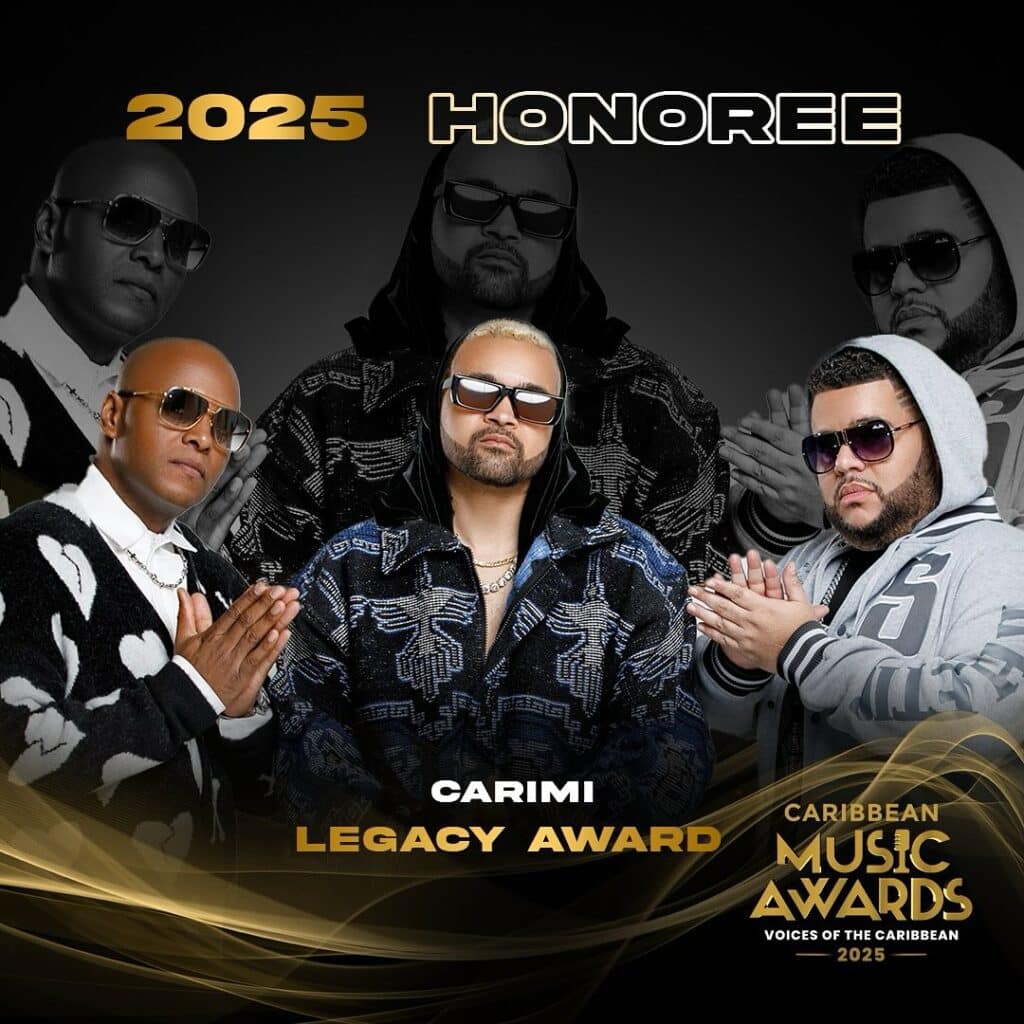
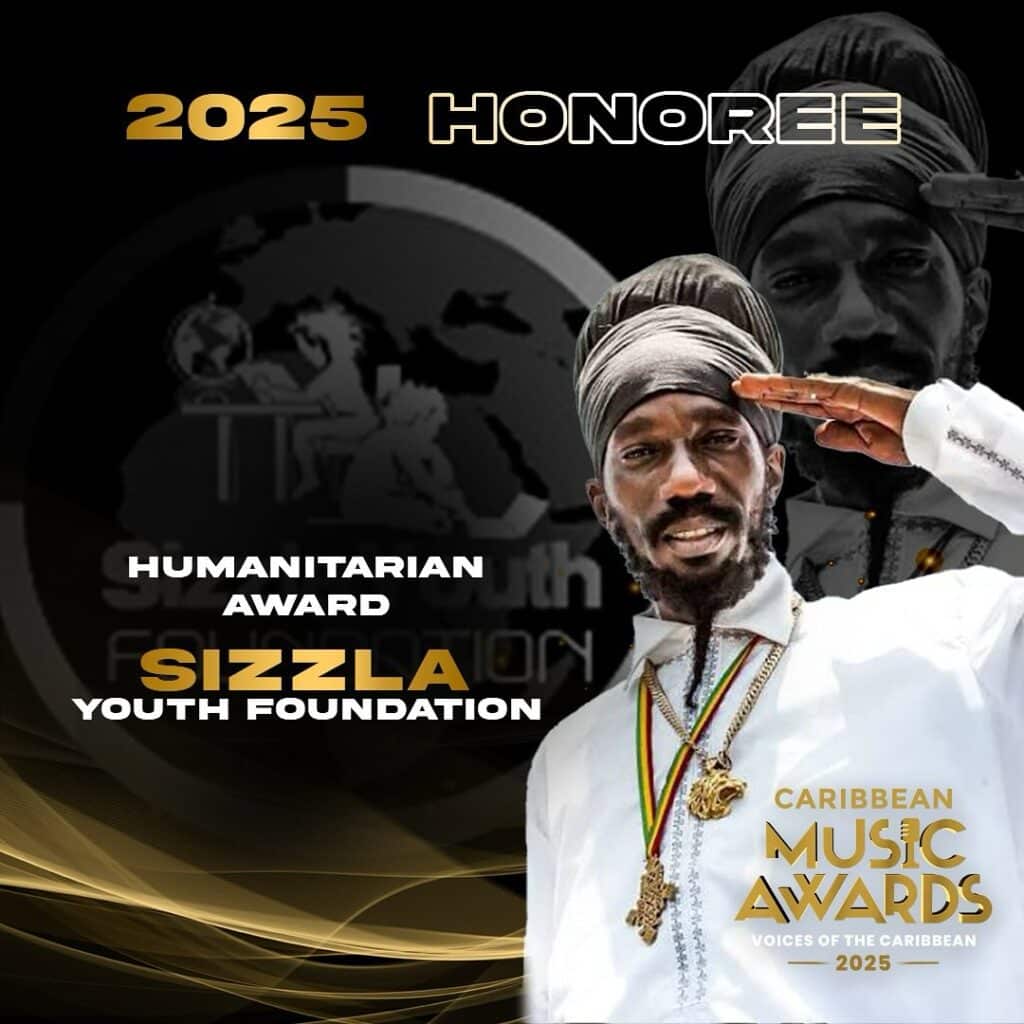
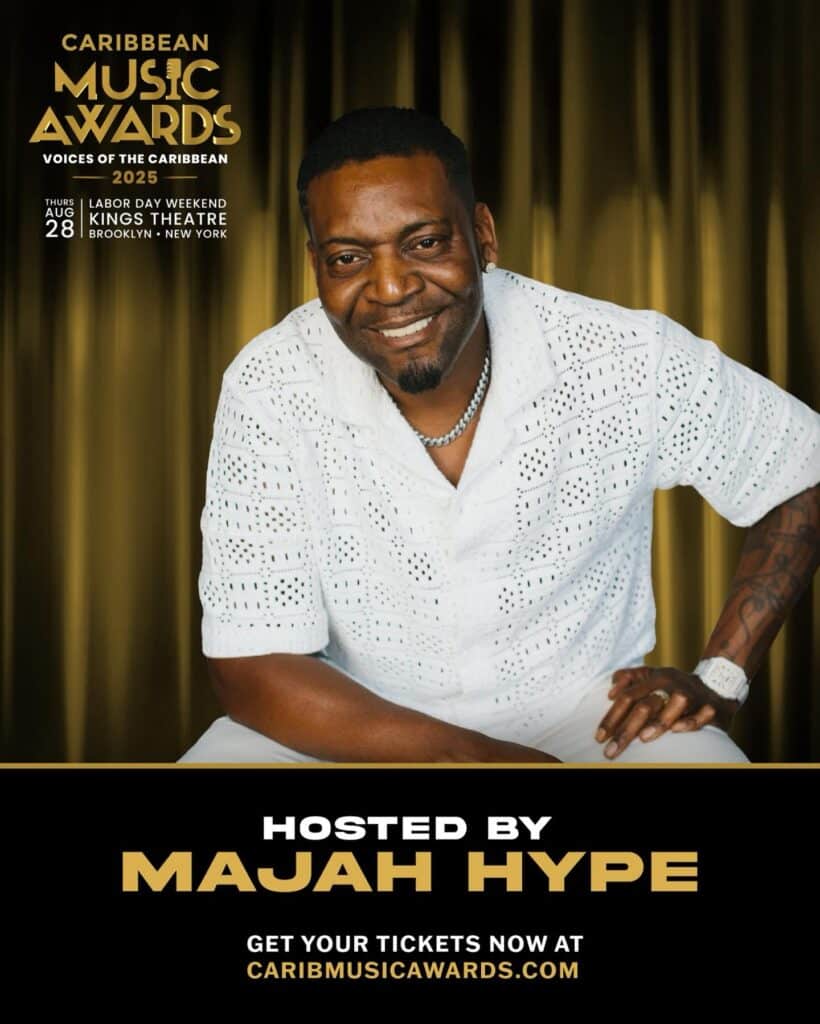
The Caribbean Music Awards 2025 will feature over 200 artists and 40 categories. Among the featured artists: Carimi (Legacy Award), Sizzla Kalonji (Humanitarian Award), Shirleyann Cyril-Mayers (Gospel Honours), Super Blue (Calypso Honours) and Bounty Killer (Lifetime Achievement Award). Performances by Lila Iké, Skinny Fabulous, Kranium, Romain Virgo and Ding Dong will electrify the evening. Hosted by comedian Majah Hype, the event will be an ode to the cultural richness of the Caribbean, whose strength and universality Busta Rhymes perfectly embodies.




The global influence of Busta Rhymes
Awards aside, Busta Rhymes’ impact remains immense. Collaborating with Missy Elliott, Dr. Dre, Wu-Tang Clan and Method Man, he has imposed his style from Los Angeles to Paris, via Kingston. His career is marked by 12 Grammy Award nominations, a symbol of international recognition despite the absence of a trophy. More than just an artist, he is a cultural ferryman who continues to prove that it is possible to remain true to one’s roots while shining on the world stage.


A model for the new generation
Today, he is not only a celebrated artist, but also a source of inspiration. He supports the emerging scene, encourages young talent and conveys the message that authenticity and pride in one’s origins are keys to success. His legacy goes far beyond music: he embodies a vision, a state of mind and a strong Caribbean identity.
With this award, Busta Rhymes definitively enters the legend of Caribbean culture. The Caribbean Music Awards 2025 become the stage for this consecration, honoring an artist who has crossed eras and genres, while carrying the voice of the Caribbean high. His career, punctuated by daring and innovation, continues to inspire and prove that music is a universal language.
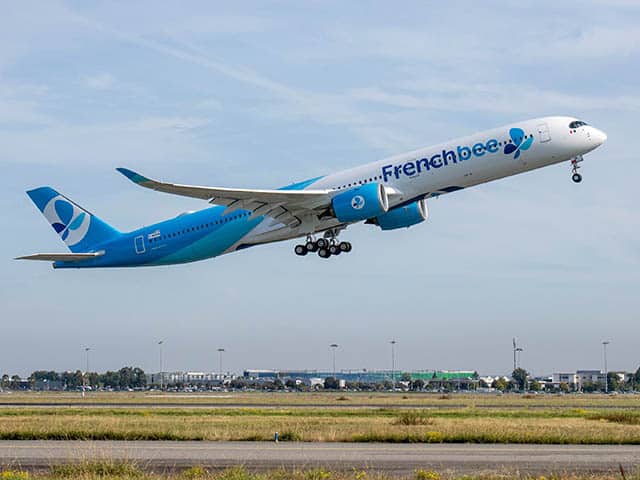
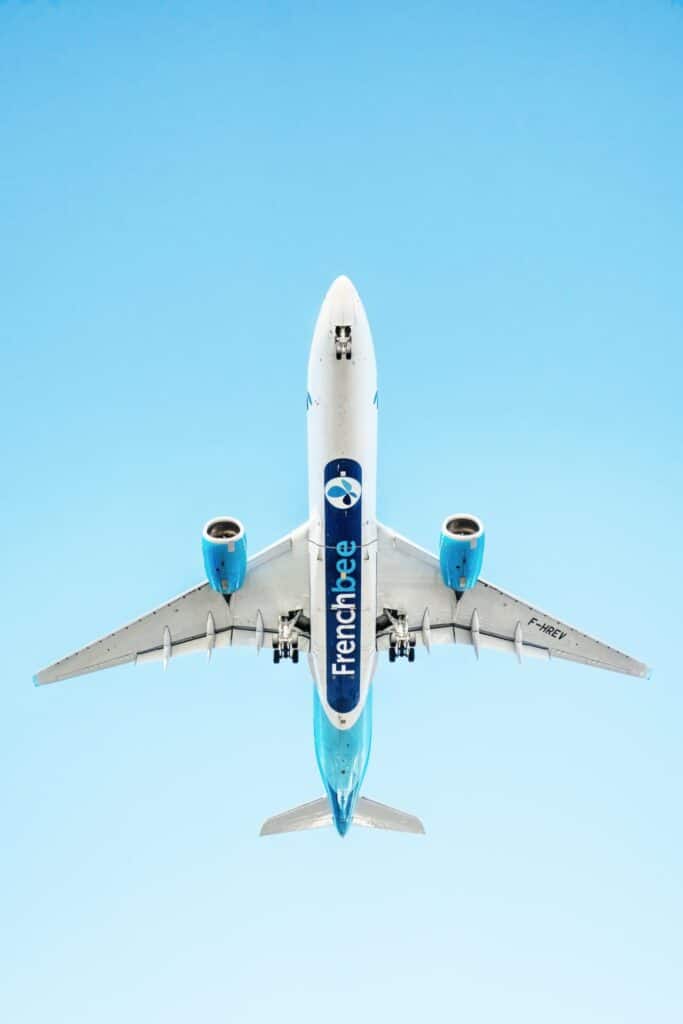
Air Caraïbes, French Bee and Volotea have just signed an unprecedented interline agreement enabling passengers of Spanish low-cost carrier Volotea to combine their short-haul flights with the long-haul routes of Air Caraïbes and French Bee. This alliance aims to considerably simplify bookings and connections, while expanding travel possibilities to the Caribbean, North America and the Indian Ocean without multiplying tickets or the risks associated with stopovers.
An unprecedented partnership in the European and overseas air markets
Air Caraïbes, French Bee and Volotea are opening a new chapter in the airline industry, by combining the low-cost business model with airlines specialized in long-haul flights to the French overseas territories. This cooperation expands Volotea’s network without direct investment in long-haul aircraft, while Air Caraïbes and French Bee strengthen their visibility in Europe, particularly in the face of well-established players.
This geographical alliance now covers connections between several European regional cities – including Lourdes, Rodez, Ancona, Genoa and Turin – and destinations such as Guadeloupe, Martinique, French Guiana, Réunion, Saint-Martin, Saint-Barthélemy, as well as the USA and Canada.
Simplified travel: one ticket, one reservation
At the heart of this partnership is the desire to make travel simpler and less stressful. Air Caraïbes, French Bee and Volotea now enable passengers to book a one-way ticket covering the whole journey, whether it’s a short-haul flight with Volotea or a long-haul one with Air Caraïbes or French Bee.
This integration considerably improves baggage management, with baggage transported directly to the final destination, eliminating the usual hassle of retrieving and depositing baggage during stopovers. The promise of “no more complexity is also based on optimized connections at Paris-Orly airport, the nerve center of these connections. This process makes journeys smoother and reduces the stress associated with delays or difficult connections between several airlines.
An optimized network for a better passenger experience
The coordination of schedules between Volotea and the French long-haul airlines guarantees improved connectivity, enabling passengers to connect the main European regional capitals with the French overseas territories without hindrance. The dense network of short and long flights offers a wide range of connections, coupled with improved logistics management and lower overall costs. Air Caraïbes, French Bee and Volotea are thus reinforcing the fluidity of their routes.

Economic benefits for travellers
Volotea’s low-cost model, combined with the strength of Air Caraïbes and French Bee, now makes destinations previously often reserved for more expensive direct flights accessible at competitive prices. This economic gain is accompanied by greater choice, with the possibility of reaching places like Santo Domingo, Miami, Reunion or Polynesia without the constraint of multiple bookings.
These savings are not purely financial: the reduction in waiting time, the peace of mind linked to integrated baggage management, and the ease of booking clearly enhance the customer experience. Air Caraïbes, French Bee and Volotea are thus helping to democratize access to these destinations.

Impact on the traditional airline industry and future prospects
This strategic alliance between Air Caraïbes, French Bee and Volotea could shake up the traditional hierarchy of airlines linking Europe to its overseas territories. The association of a low-cost player with long-haul airlines brings a new dynamic that could encourage other airlines to consider similar collaborations.
At a time when demand for flexible, simple solutions at competitive fares is growing, this partnership is positioned as an appropriate response to travelers’ expectations, while strengthening the attractiveness of the French Overseas Territories and promoting their links with Europe.

A stronger bridge between Europe and the French overseas territories
In short, the interline agreement signed between Air Caraïbes, French Bee and Volotea offers a turning point for travelers wishing to connect Europe with tropical and overseas destinations. Thanks to simplified routes, more affordable fares and better connection management, this agreement paves the way for a more connected, fluid and competitive air network.
Passengers benefit from a more integrated, less restrictive experience, while airlines strengthen their presence in a fast-changing market. This new balance between low-cost and long-haul could well redraw the map of air transport between Europe and the French overseas territories.
Living conditions in the Caribbean are evolving under the impact of profound urban, demographic and social transformations. In 2025, several key indicators paint a contrasting picture of the region: between notable advances in public health and persistent structural vulnerabilities. At RichèsKarayib, we have selected six recent figures, sourced from international organizations such as the UN, ILO and FAO, to highlight the complex realities of Caribbean populations.
76.3% - Growing urbanization of the region
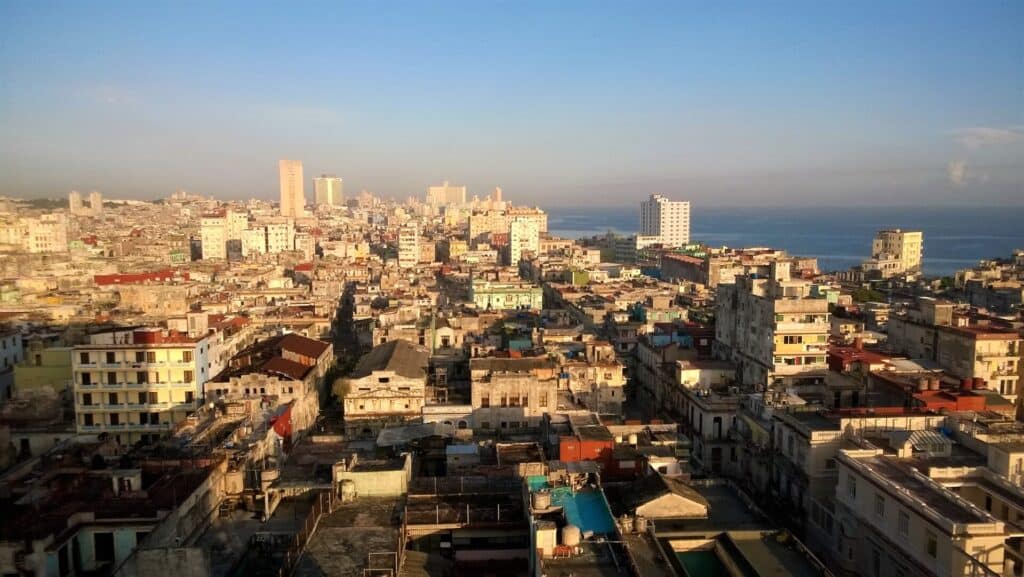
By 2025, 76,3 % of the Caribbean population lives in urban areas. This rate, slightly below the Latin American average (82.5%), reflects the growing concentration of inhabitants in cities and peri-urban areas. This dynamic is transforming living conditions in the Caribbean, with major issues surrounding access to housing, water, transport and security. Rapid urbanization often remains poorly controlled in many areas, generating growing inequalities between urban centers and rural areas.
6.1% - Overall unemployment rate in 2024
According to the ILO, the projected unemployment rate for Latin America and the Caribbean in 2024 is 6,1 % down on 2023 (6.5%). While this improvement reflects a degree of economic recovery, it remains fragile and masks significant local disparities. In small island economies, the labor market remains tight, highly seasonal and heavily dependent on tourism. This fact directly calls into question living conditions in the Caribbean, where a significant proportion of the working population remains underemployed or confined to precarious jobs.
58.8% - Food insecurity in the Caribbean (2023-2025)
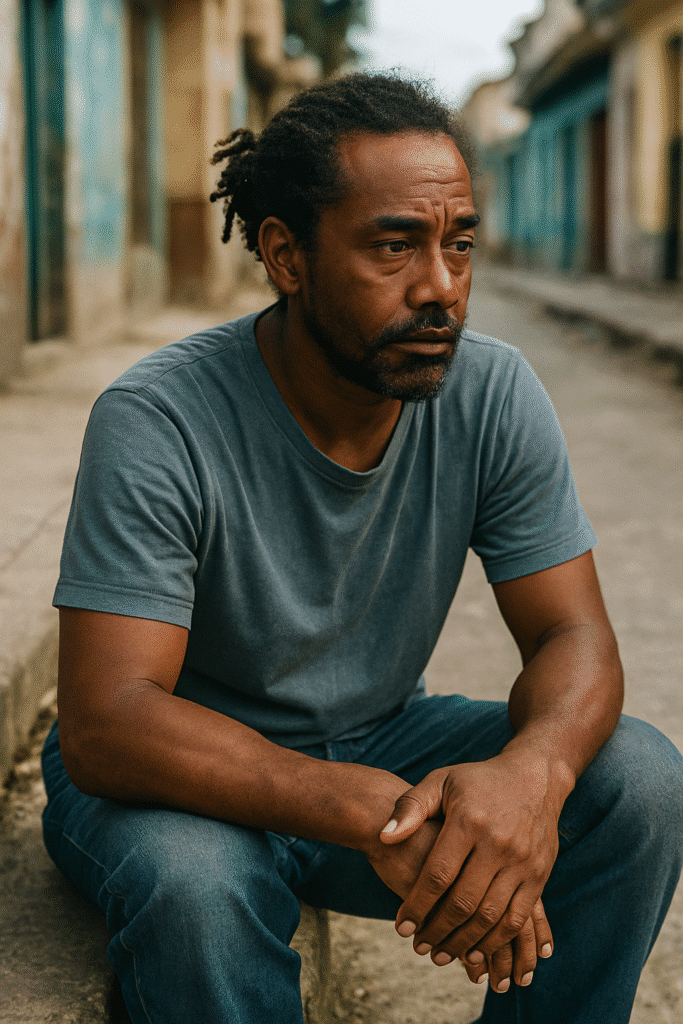
Between 2023 and 2025, 58,8 % of the Caribbean population is moderately or severely food insecure, i.e. nearly 26.3 million people. This alarming figure, based on the latest reports from the FAO and the Global Report on Food Criseshighlights the structural vulnerability of island food systems. In Haiti, almost half the population is in a food crisis or worse. This reality has a profound effect on living conditions in the Caribbean, especially for rural households, single-parent families and children.

32.4 years - Median age; 1.95 children/woman; 44.6 million inhabitants
The Caribbean population has a median age of 32.4 with a fertility rate of 1.95 children per woman. These figures point to demographic stabilization after several decades of rapid growth. With around 44.6 million inhabitants. By 2025, the Caribbean will be experiencing a gradual aging of its population, although youth will remain dominant in certain regions such as Haiti, the Dominican Republic and French Guiana. These demographic trends have a direct impact on public policies and influence living conditions in the Caribbean, particularly in terms of health, education and retirement.

47.2% - Informal employment rate
Nearly 47,2 % of jobs in the region are considered informal, according to the latest ILO figures. Although this rate is slightly lower than the Latin American average (57%), it remains a cause for concern. The informal economy encompasses millions of workers with no contracts, no social security coverage and no income stability. It reflects both the resilience of populations and the fragility of economic structures. On the islands, informality is particularly prevalent in tourism, fishing and street trading. It contributes to accentuating inequalities in living conditions in the Caribbean.
74.1 years - Average life expectancy in 2025
Good news: life expectancy in the Caribbean reaches 74.1 years in 2025, compared with 69.6 years in 1990. This increase of +4.5 years in three decades is due to better health services, lower infant mortality and better access to drinking water. But major disparities remain: women live on average 76.6 years versus 71.7 years for men. This gap is linked, among other things, to the prevalence of cardiovascular disease and differential access to healthcare. This relative progress also demonstrates the extent to which public health is a central pillar of living conditions in the Caribbean.

A plural Caribbean between social emergencies and measured progress
Living conditions in the Caribbean in 2025 reflect a dual reality. On the one hand, notable progress in terms of longevity, education and demographic stabilization; on the other, persistent fragilities linked to food insecurity, economic informality and urban concentration. These figures must inform public policy and regional cooperation projects. Because behind each percentage lie concrete lives, families and human trajectories. And it is on the basis of these precise indicators that a more equitable and resilient Caribbean can be built.