Dive Fest Saint Lucia 2024, an enchanting event in the heart of the Caribbean, showcases not only stunning landscapes but also incredible diving sites. Whether you are an experienced diver or a curious novice, this fest offers an unforgettable experience. With over 22 dive sites ranked among the best in the region by Scuba Diving Magazine, Saint Lucia is truly a treasure for sea lovers.
A World-Class Diving Destination
The strategic location of Dive Fest Saint Lucia 2024, nestled between the Caribbean Sea and the Atlantic Ocean, makes it an ideal meeting point for exceptional marine biodiversity. The crystal-clear turquoise waters are home to an impressive variety of marine life, ranging from colorful fish to vibrant corals and historic shipwrecks. Participating in the Dive Fest means stepping into a fascinating world where each dive reveals new underwater treasures.
Must-See Dive Sites
Among the 22 dive sites, here are a few must-see locations during Dive Fest Saint Lucia 2024:
- Saline Point : Located in the northern part of the island, this site is accessible for both scuba diving and snorkeling. You can observe scorpion fish, rays, and eels in waters ranging from 6 to 18 meters deep.
- Anse Chastanet : Known for its spectacular corals, this site is perfect for exploring marine biodiversity. Divers can expect to spot sea turtles and a myriad of tropical fish while dive fest Saint Lucia 2024.
- Lesleen M Wreck : A fascinating wreck that attracts adventure-seeking divers. Covered in corals, this wreck offers a unique dive experience surrounded by vibrant marine life.
- Champagne Reef: This site is famous for its underwater hot springs that emit bubbles, creating a magical atmosphere. It’s an ideal spot for both divers and snorkelers looking to experience something truly unique.
An Astonishing Biodiversity
Dive Fest Saint Lucia 2024 is a sanctuary for marine life enthusiasts. Divers can observe a wide variety of species, including vibrant tropical fish, rays, turtles, and even sharks. The coral reefs, classified as a UNESCO World Heritage site, harbor impressive biodiversity that attracts divers from around the world. Diving professionals, certified by international organizations such as PADI and NAUI, will guide you in discovering these wonders safely.
An Ecosystem to Preserve
Despite its natural beauty, the marine ecosystem of Dive Fest Saint Lucia 2024 faces threats from environmental factors like climate change and pollution. It is essential for divers to practice responsible behaviors to protect these fragile ecosystems. For example, avoiding touching corals, not disturbing marine life, and respecting diving rules are crucial actions.
The Importance of Awareness
The island’s diving centers prioritize raising awareness about marine conservation. Educational programs are often offered to inform visitors about best practices during dives. Participating in beach and underwater cleanup initiatives can also help preserve the beauty of Saint Lucia for future generations.
Dive Fest Saint Lucia 2024: A Celebration of Diving
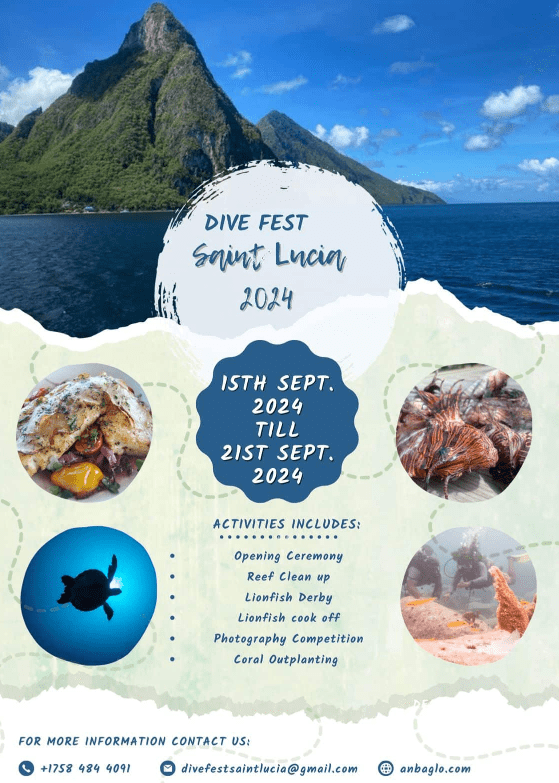
An event not to be missed is Dive Fest Saint Lucia 2024, taking place from September 15 to 21, 2024. This event promises to be an extraordinary celebration of marine life and local culture.
Activities Not to Miss
The Dive Fest Saint Lucia 2024 offers a variety of activities, including:
- Opening Ceremony: A festive launch to welcome participants.
- Reef Cleanup: An essential initiative to preserve the beauty of the underwater environment.
- Lionfish Derby: A fun competition to combat the lionfish invasion while raising awareness about marine conservation.
- Lionfish Cook-off: A delicious way to enjoy this fish while educating about its impact on the local ecosystem.
- Photography Competition: An opportunity to capture the beauty of marine life and underwater landscapes.
- Coral Outplanting: An activity aimed at restoring coral reefs, crucial for the health of marine ecosystems.
An Unforgettable Stay in Saint Lucia
Beyond diving, Dive Fest Saint Lucia 2024 offers a multitude of activities for visitors. From hiking in the Pitons mountains to visiting cocoa plantations, the island is rich in enriching experiences. The white sandy beaches and lush landscapes create a perfect backdrop for a relaxing stay. Whether you seek adventure or relaxation, Saint Lucia will meet your expectations.
Dive Fest Saint Lucia 2024 is undoubtedly a top choice for diving enthusiasts and nature lovers. With its world-renowned dive sites, impressive biodiversity, and commitment to marine conservation, the island offers a unique and memorable experience. So don’t wait any longer—prepare your diving gear and let yourself be captivated by the underwater wonders of Saint Lucia.
Sustainable tourism in the Caribbean has become an essential aspect of the region’s development. With its rich cultural heritage, breathtaking natural landscapes, and unique traditions, the Caribbean attracts millions of visitors each year. The promotion of these cultural elements as tourist attractions is crucial for preserving local identity while meeting the needs of visitors. This article examines the challenges and opportunities associated with sustainable tourism in the Caribbean, emphasizing cultural heritage’s role in enhancing tourist experiences.
The Importance of Cultural Heritage in Tourism
Cultural heritage encompasses the traditions, customs, arts, and historical narratives that define a community. In the Caribbean, this heritage is diverse and multifaceted, reflecting the region’s complex history influenced by Indigenous peoples, European colonization, African cultures, and more. Tourists are drawn to the Caribbean not only for its stunning beaches but also for its vibrant cultures, making cultural heritage a significant driver of tourism.
By integrating cultural experiences into tourism offerings, destinations can attract visitors seeking authentic experiences. This approach not only enriches the tourist experience but also fosters a deeper appreciation for local cultures, leading to a more sustainable form of tourism.
Challenges of Sustainable Tourism
Pressure on Cultural Resources
The influx of tourists can lead to excessive exploitation of cultural resources, such as festivals, traditional events, and historical sites. This pressure can compromise the authenticity and longevity of local cultural practices. Destinations often face the dilemma of balancing tourism growth with the preservation of their unique cultural identities.
For instance, traditional festivals may be altered to cater to tourist expectations, potentially losing their original significance. This commercialization can lead to a superficial understanding of the culture, with visitors experiencing a version that is tailored for mass consumption rather than genuine engagement.
Erosion of Cultural Identity
Mass tourism can sometimes result in the commercialization of traditions, leading to a dilution of cultural identity. Local practices may be adapted to meet tourist expectations, creating a disconnect between genuine traditions and those presented to visitors. The risk of cultural appropriation also arises, where elements of local culture are taken out of context and used superficially by outsiders.
Moreover, younger generations may feel less inclined to engage with their heritage if they perceive it as something primarily for tourists. This generational shift can threaten the transmission of cultural knowledge and practices, jeopardizing the long-term sustainability of local traditions.
Infrastructure and Management
Many Caribbean destinations lack adequate infrastructure to manage the flow of tourists interested in culture. This can result in challenges related to site management, preservation of artifacts, and respect for traditional practices. Insufficient funding for the maintenance of cultural sites can lead to deterioration, further diminishing their appeal to tourists.
Effective management strategies are essential to ensure that cultural sites can accommodate visitors without compromising their integrity. This may involve training local guides, implementing visitor limits, and developing educational programs that emphasize the importance of conservation.
Vulnerability to Environmental Changes
Extreme weather events, such as hurricanes, can destroy cultural and historical sites, jeopardizing the heritage that attracts tourists. The resilience of these sites is essential to ensure continued tourist appeal. Climate change poses a significant threat to the Caribbean, with rising sea levels and increased storm frequency impacting both the environment and cultural heritage.
Investments in disaster preparedness and recovery are crucial for safeguarding these sites. By building resilient infrastructures and promoting sustainable tourism in the Caribbean , destinations can better withstand environmental challenges.
Opportunities of Sustainable Tourism
Highlighting Local Traditions
Sustainable tourism in the Caribbean provides a platform to promote the arts, music, dance, and festivals that are central to Caribbean identity. Events such as Carnival in Trinidad and Tobago, Junkanoo in The Bahamas, and Reggae festivals in Jamaica showcase the vibrant cultural tapestry of the region. By integrating authentic cultural experiences into tourist offerings, visitors can discover the richness of the Caribbean while supporting local communities and patricipate to the sustainable tourism in the Caribbean.
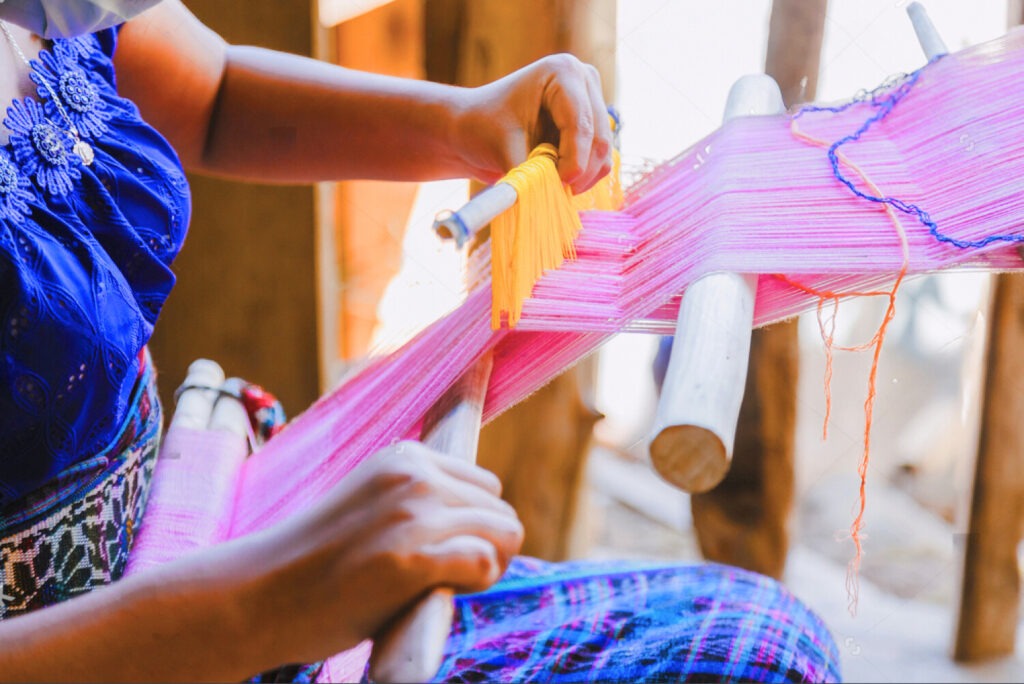
Local artisans can also benefit from Sustainable tourism in the Caribbean. By encouraging the purchase of handmade crafts and artworks, tourism can contribute to preserving traditional skills and providing economic opportunities for local artists.
Education and Awareness
Sustainable tourism in the Caribbean offers an opportunity to raise visitor awareness about cultural and environmental issues. Guided tours, workshops, and cultural events help tourists develop a deeper understanding of local realities and the importance of heritage preservation. Educational initiatives can empower visitors to engage more meaningfully with the culture, fostering respect and appreciation.
For example, cultural immersion programs that involve community members can provide tourists with insights into daily life, traditions, and the challenges local communities face. This engagement can enhance the overall visitor experience, making it more impactful and memorable.
Community Economic Development
Focusing on culture as a tourist attraction allows local communities to benefit directly from the tourism economy. This encourages the creation of artisanal businesses, cultural tours, and services related to the arts, thus stimulating local economic development. Sustainable tourism in the Caribbean can empower communities by providing job opportunities and fostering entrepreneurship.
Moreover, when tourists spend money on local products and services, the economic benefits circulate within the community, contributing to its overall well-being. This model promotes a more equitable distribution of tourism revenues, reducing reliance on external entities.
Sustainable Partnerships
Developing partnerships among governments, cultural organizations, and the private sector is crucial for promoting Sustainable tourism in the Caribbean. These collaborations can support initiatives that preserve cultural heritage while providing enriching experiences for visitors. By working together, stakeholders can create a comprehensive approach to Sustainable tourism in the Caribbean that addresses environmental, social, and economic dimensions.
For instance, partnerships can facilitate joint marketing efforts that highlight cultural events, promoting them to a broader audience. Collaborative projects can also enhance the infrastructure necessary for managing tourism sustainably, ensuring that cultural sites are well-maintained and accessible.
To conclude, sustainable tourism in the Caribbean presents both challenges and opportunities, particularly in terms of valuing culture as a tourist attraction. By adopting environmentally respectful practices and highlighting local traditions, the region can preserve its unique heritage while offering memorable experiences to visitors. A collective commitment from tourism stakeholders, local communities, and governments is essential to create a development model that benefits all, celebrating the diversity and authenticity of the Greater Caribbean.
The path forward involves recognizing the intrinsic value of culture and heritage in tourism, fostering a sense of pride among local communities, and ensuring that tourism serves as a force for positive change. By embracing sustainable tourism practices, the Caribbean can continue to thrive as a premier destination while honoring its rich cultural legacy.
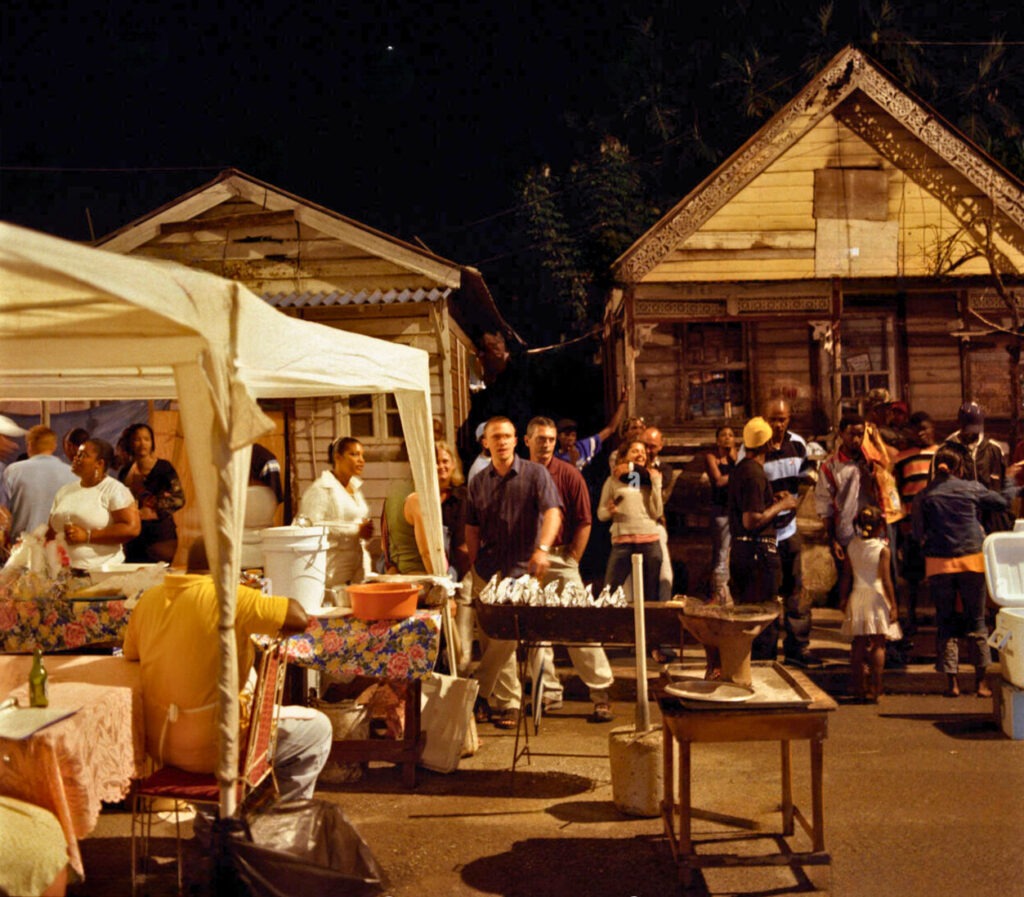
Anse La Raye Fish Fry is an iconic seafood event that celebrates the rich maritime traditions and gastronomy of St.Lucia. Held every last Friday of the month, this vibrant gathering attracts not only locals but also numerous tourists eager to explore the local culture through its flavors. It’s a unique blend of food, music, and community spirit that embodies the essence of the village life.
A Tradition Rooted in Fish Fry Culture
Anse La Raye, a picturesque village in Saint Lucia, is renowned for its artisanal fishing and seafood delights.
The Fish Fry is more than just a meal; it’s a community celebration where people come together to share dishes made from fresh fish, often accompanied by local specialties like fried plantain, rice, and spicy sauces. This event highlights the importance of fishing in the local economy and showcases the skills of the fishermen, many of whom have been in the trade for generations.
A Unique Seafood Culinary Experience at the Fish Fry
At Anse La Raye Fish Fry , visitors can savor a variety of grilled, fried, or curried fish, prepared by local chefs who uphold recipes passed down through generations. The colorful and welcoming food stalls create a festive atmosphere where music and dance are integral parts of the experience. The sounds of laughter and traditional Caribbean music fill the air, enticing passersby to join in the fun of this seafood celebration.
The Seafood Menu: What to Expect at the Fish Fry
The menu is diverse and catered to various tastes. Common offerings include:
- Grilled Fish: Typically marinated in lime juice, garlic, and local spices, then grilled to perfection.
- Fried Fish: Coated in seasoned flour and deep-fried, resulting in a crispy exterior.
- Curry Fish: Prepared with a rich blend of spices and served with rice or bread.
- Side Dishes: Accompaniments include fried plantains, coleslaw, and local hot sauces that pack a punch
Preparation Methods: From Ocean to Plate to Seafood Delight
The preparation of fish for the Fish Fry is an art form in itself. Local fishermen typically catch snapper, mahi-mahi, and other fresh fish early in the morning. Once caught, the fish is cleaned and marinated with a blend of local spices, lime juice, and herbs. The marinating process is crucial as it infuses the fish with vibrant flavors.
- Marination: The fish is often marinated for several hours to overnight. Common ingredients include garlic, thyme, and Scotch bonnet peppers, which add a distinctive Caribbean kick.
- Cooking Techniques: Fish can be grilled, fried, or curried. Grilling is popular because it enhances the smoky flavor, while frying provides a crispy texture. Curries are rich and flavorful, often served with rice or bread.
- Serving Style: Fish is typically served whole, garnished with onions, tomatoes, and a drizzle of local sauces. This presentation not only enhances the visual appeal but also allows diners to enjoy the dish in its traditional form.
A Gathering Place for Seafood Culture and Exchange
The Fish Fry is not just a culinary event; it serves as a melting pot for residents and visitors alike. Cultural exchanges occur not only through food but also through music, singing, and dancing. The lively rhythms of soca and calypso fill the air, creating an environment where everyone can immerse themselves in the collective joy of the community. The Fish Fry fosters connections, making it a vital part of the local culture.
Why You Should Experience Anse La Raye Fish Fry
Here are 7 reasons why the Fish Fry is an unforgettable event:
- Cultural Significance: The Fish Fry is a celebration of local traditions and community spirit, showcasing the heritage of Anse La Raye.
- Delicious Seafood: Visitors can savor a variety of fresh fish dishes prepared by skilled local chefs, ensuring a memorable culinary experience.
- Festive Atmosphere: The lively environment filled with music and dance creates an unforgettable experience that captures the essence of Caribbean life.
- Diverse Menu: The menu at the Fish Fry features numerous options that cater to different tastes, ensuring there’s something for everyone.
- Community Gathering: This event serves as a melting pot for locals and tourists, fostering cultural exchange and a sense of belonging among attendees.
- Sustainable Practices: Many local fishermen are now adopting sustainable fishing practices to ensure that their resources are not depleted, making the Fish Fry a model for responsible tourism and environmental stewardship.
- Tourist Attraction: The Fish Fry has become a significant tourist attraction, allowing visitors to engage with authentic Caribbean culture and cuisine.
Interesting Facts About the Fish Fry
- Historical Roots: The Fish Fry tradition dates back to the days when fishermen would bring their catch to the shore and share it with the community. Over time, it evolved into the organized event we know today, becoming a staple in the village of Anse La Raye.
- Community Spirit: The Fish Fry is a celebration of community spirit. Residents come together to support local fishermen and showcase their culinary talents, creating a strong bond among the villagers.
- Tourist Attraction: While it primarily serves locals, the Fish Fry has become a significant tourist attraction, drawing visitors interested in authentic Caribbean culture and cuisine. It offers an experience that is both entertaining and educational, allowing tourists to learn about local fishing techniques and culinary practices.
- Environmental Awareness: Many local fishermen are now adopting sustainable fishing practices to ensure that their resources are not depleted, making the Fish Fry a model for responsible tourism and environmental stewardship.
Don't Miss the Anse La Raye Fish Fry
Participating in the Anse La Raye Fish Fry is an essential experience for anyone visiting Saint Lucia. It is a celebration of Caribbean culture, local gastronomy, and conviviality. Whether you are a seafood lover or simply seeking an immersion in local culture, the Fish Fry promises a memorable evening every last Friday of the month.