Caribbean folk tales reflect a rich culture and oral heritage that has been passed down from generation to generation. Caribbean tales are often tinged with mystery and magic, shaping the unique identity of the Caribbean islands. In this article, we’ll delve into the traditional tales of Saint Lucia, Dominica, Trinidad and Tobago, Barbados, Anguilla, Guadeloupe and Martinique, to understand how these Caribbean tales have contributed to the formation of their respective identities.
Tales of Saint Lucia: myths and legends
In Saint Lucia, traditional tales are generally linked to nature and mythical creatures. Stories of mermaids and newts luring unwary fishermen into the depths of the ocean are commonplace. These myths reflect the deep connection of Saint Lucians to the sea and its mysteries.
The legend of Pitons Mountain
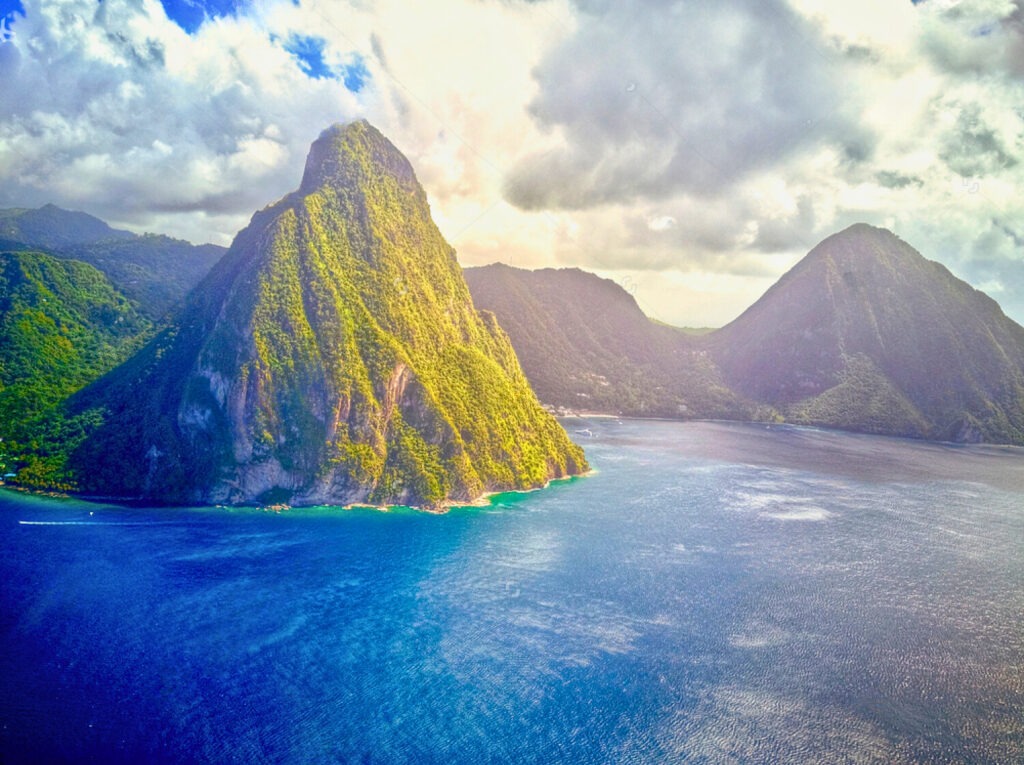
The Pitons, Saint Lucia’s two emblematic mountains, are at the center of many legends. One of them tells the story of a young girl who, to escape a forced marriage, throws herself off the top of one of the mountains. This legend symbolizes the struggle for women’s freedom and autonomy in a traditional society.
Tales from Dominica: Nature and the Spirits
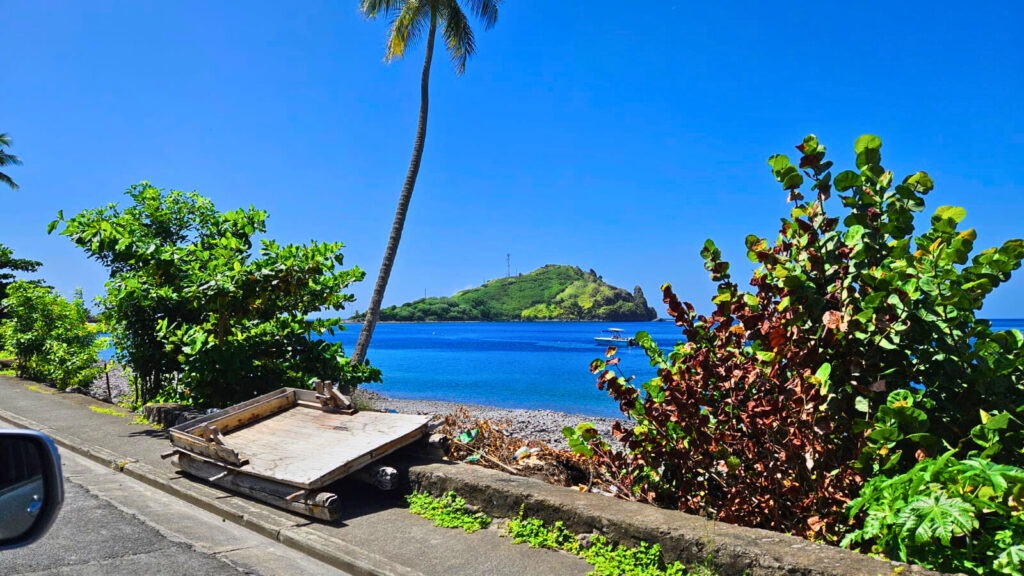
Dominica, often referred to as “the island of nature”, is home to a rich tradition of environment-related storytelling. Particularly popular are tales of ti-bonhomme, a legendary elf-like creature who protects his treasures in the swamps. These Caribbean tales emphasize the protection of nature and natural resources.
Forest spirits
The Dominican rainforest is inhabited by spirits and mythical creatures. The tales tell of Mama Dlo, a water spirit who protects the rivers and waterfalls, and Bwa Bwa, a tree spirit who watches over the forest. These stories underline the importance of respecting and protecting the natural environment.
Tales from Trinidad and Tobago: cultural diversity
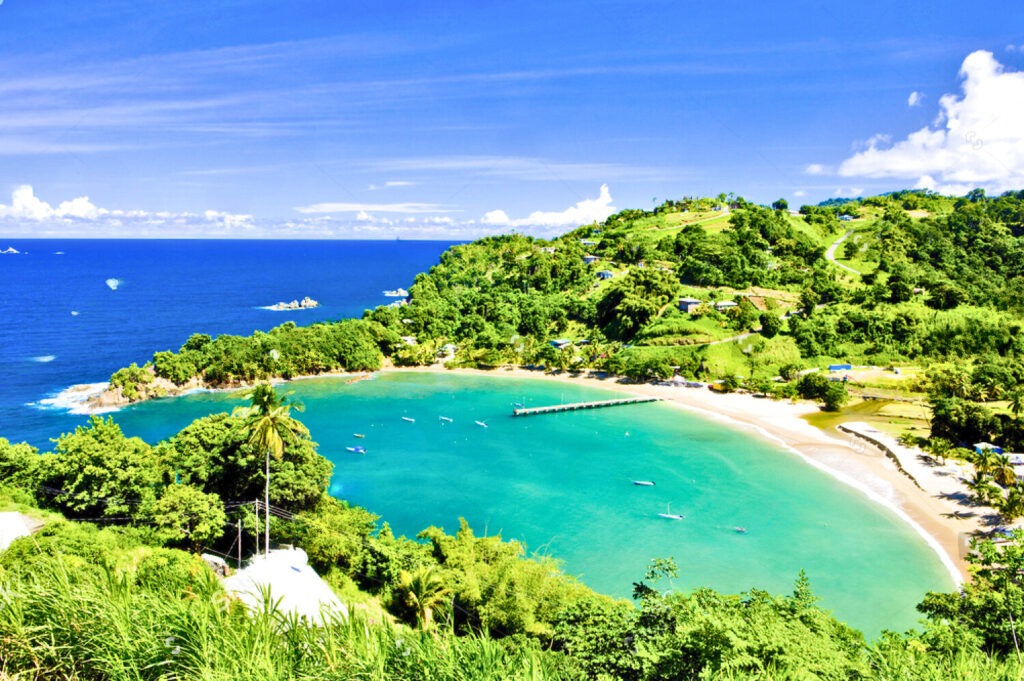
Trinidad and Tobago, with its unique blend of cultures, offers a variety of tales that reflect this diversity. The stories of the douens, spirits that haunt the forests, and of the Deviless, an evil woman with a goat’s foot, are examples of the island’s rich oral tradition.
The Devil’s Tale
The Deviless is a central figure in the tales of Trinidad and Tobago. She is described as a beautiful woman who transforms into an evil creature at night, seeking to seduce men and lead them to their doom. The tale serves as a lesson in the dangers of seduction and the lure of evil.
Tales from Barbados: plantation stories
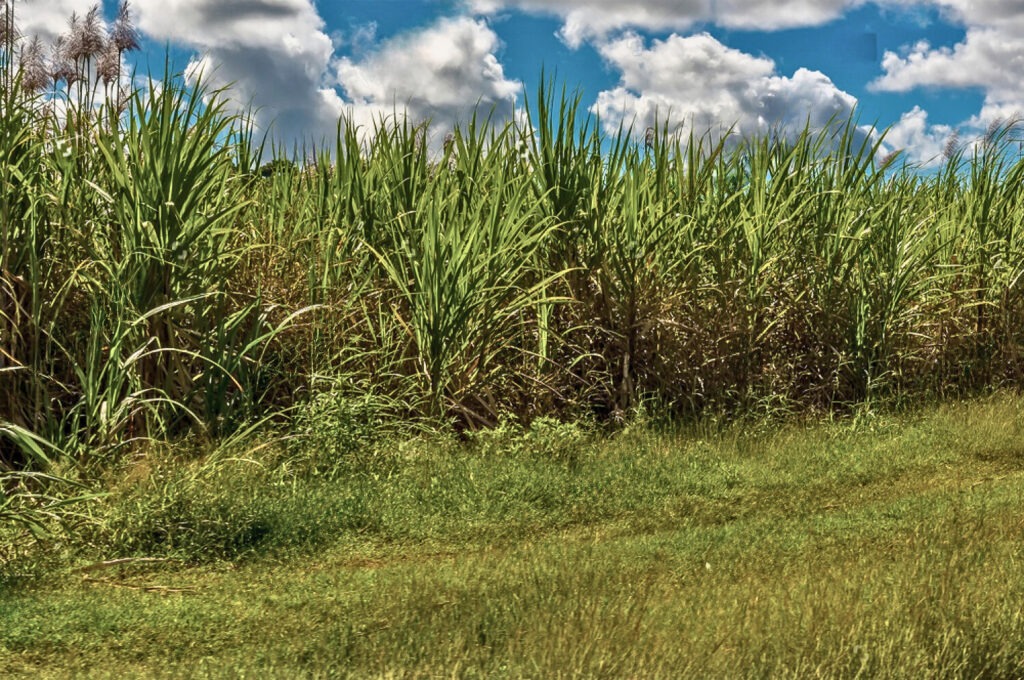
In Barbados, the old sugar cane plantations hold fascinating stories. The tales of former slaves, their struggles and hopes for freedom, continue to echo within the walls of these plantations. These tales recall the island’s complex and often painful history.
Plantation spirits
The plantations of Barbados are haunted by the spirits of former slaves and planters. The stories tell how these spirits continue to haunt the place, seeking justice or peace. These tales are a tribute to the lives and suffering of those who worked on the plantations.
Tales of Anguilla: haunted towns and villages
Anguilla, with its traditional small towns and villages, is reputed to be haunted by the spirits of former owners. Creole houses with their creaky floors and swinging windows add an extra dimension to the spooky, yet captivating tales.
The legend of the haunted house
One of Anguilla’s most famous legends is that of The Valley haunted house. According to legend, this house is inhabited by the spirit of a former owner who watches over the house and its surroundings. Residents tell of seeing strange lights and hearing inexplicable noises coming from the house, adding a touch of mystery to the island’s already charged atmosphere.
Tales from Guadeloupe: a mystical heritage
Guadeloupe, with its tropical forests and volcanoes, is fertile ground for legends. According to local legends, buccaneers such as Jean Lafitte and the famous Captain Kidd hid their treasures on the islands of the archipelago. These treasures are said to be still hidden deep in the forests or buried under the sands of isolated beaches.
The mysteries of the rainforest
The Mamelles forest is reputed to be haunted by the spirits of its ancient inhabitants. Sorcerers and shamans performed rituals here to communicate with ancestors and nature’s deities. This forest is a place where nature and spirituality meet. Caribbean tales from Guadeloupe often include mythical creatures such as the she-devil, an evil woman with a goat’s foot, who haunts the roads and forests, seeking to seduce unwary men.
The legend of the Lady in White
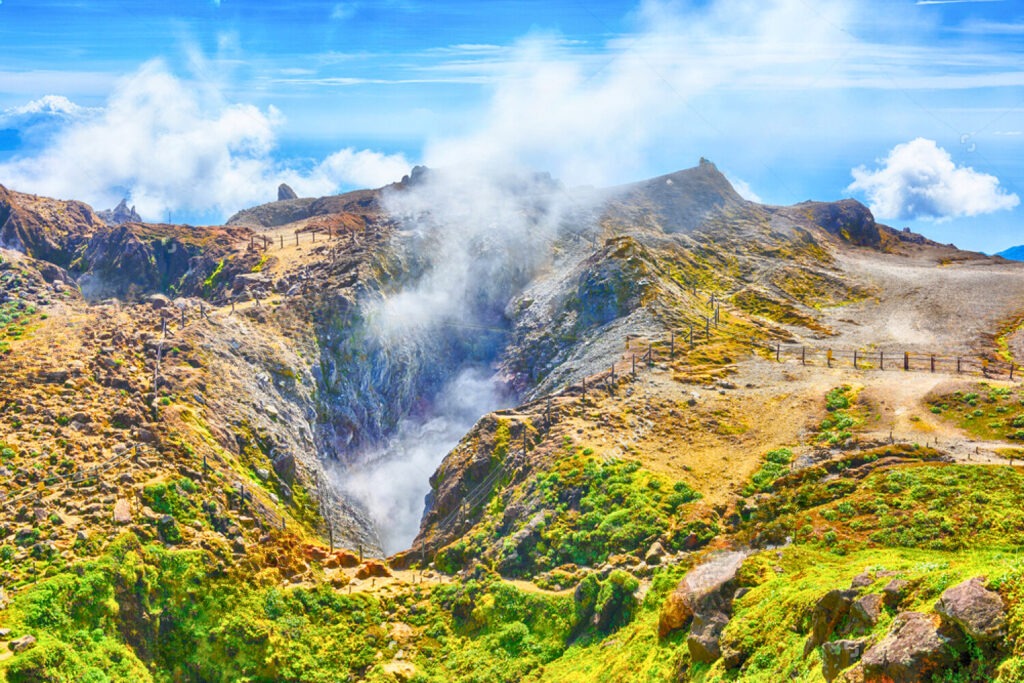
The Soufrière volcano, nicknamed the “Old Lady”, is the scene of a popular legend. The White Lady is said to protect the volcano and its surroundings, appearing as a cloud of white smoke to warn inhabitants of an imminent eruption. This legend reflects Guadeloupeans’ deep connection with their natural environment and the forces that govern it.
Tales from Martinique: love and tragedy
In Martinique, the old dwelling of La Mahaudière is the setting for a mysterious love story. According to legend, a young planter was bewitched by a beautiful mulatto girl, leading to his downfall. This tragedy is a reminder of the dangers of passionate and unhealthy relationships.
Rabbit and tiger buddies
One of the most popular tales in Martinique and Guadeloupe is that of Compère Lapin and Compère Tigre. This tale features the wily Compère Lapin who escapes the clutches of the terrible Compère Tigre thanks to his cunning, underlining the importance of intelligence in the face of difficult situations. These tales are often told to teach moral lessons and promote wisdom and cunning.
Caribbean fairy tales are more than just stories; they are at the heart of the islands’ identity. These tales, passed down from generation to generation, perpetuate local values, traditions and beliefs. By exploring Caribbean tales, we discover a diverse cultural mosaic that continues to fascinate and inspire.