In northern Venezuela, Los Roques is a unique territory. Far from the large mountainous islands of the region, this archipelago is made up of hundreds of islets, reefs and sandbanks. Here, the landscape is based on water, light and the horizon. The absence of marked relief, the clarity of the lagoons and the scattering of cayos give Los Roques an instantly recognizable identity. For travellers, Los Roques is not a classic island. It’s a fragmented space, where each move opens onto a new setting, often only a few minutes away by boat.
An archipelago structured around Gran Roque
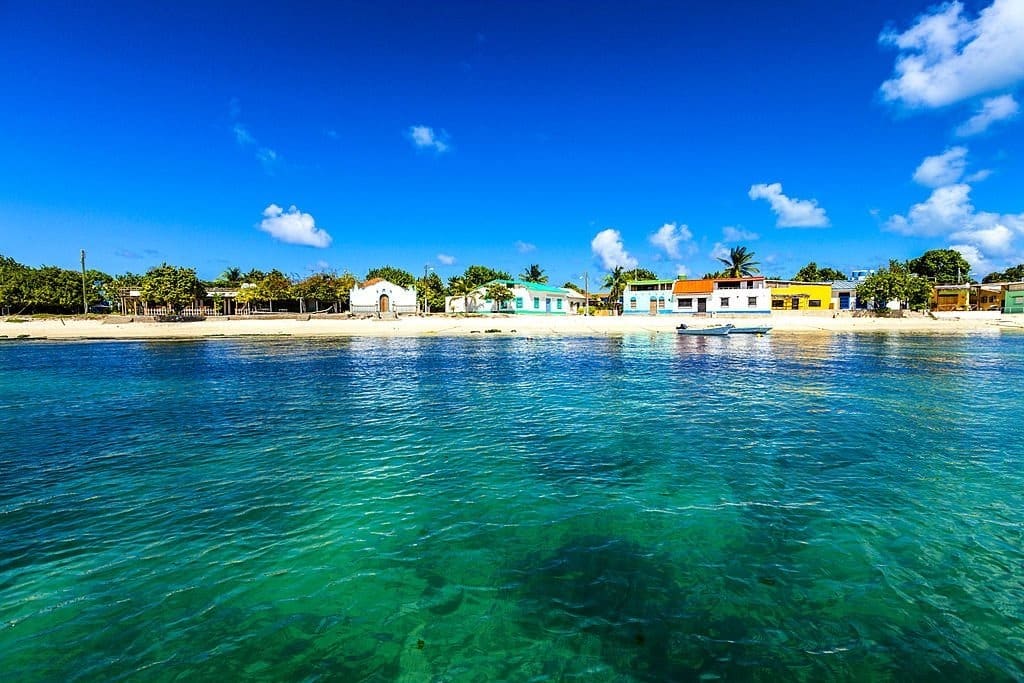
At the heart of Los Roques, Gran Roque Island is the main entry point and inhabited center. This is where you’ll find the airstrip, accommodation and services. The village, made up of low, colorful houses, concentrates the archipelago’s human activity. This centralization makes the area even more legible. From Gran Roque, visitors depart daily for other islets, called cayos, accessible by boat. This organization creates a simple operation: a stable anchorage point, surrounded by a multitude of natural open spaces.
A national park protected since 1972
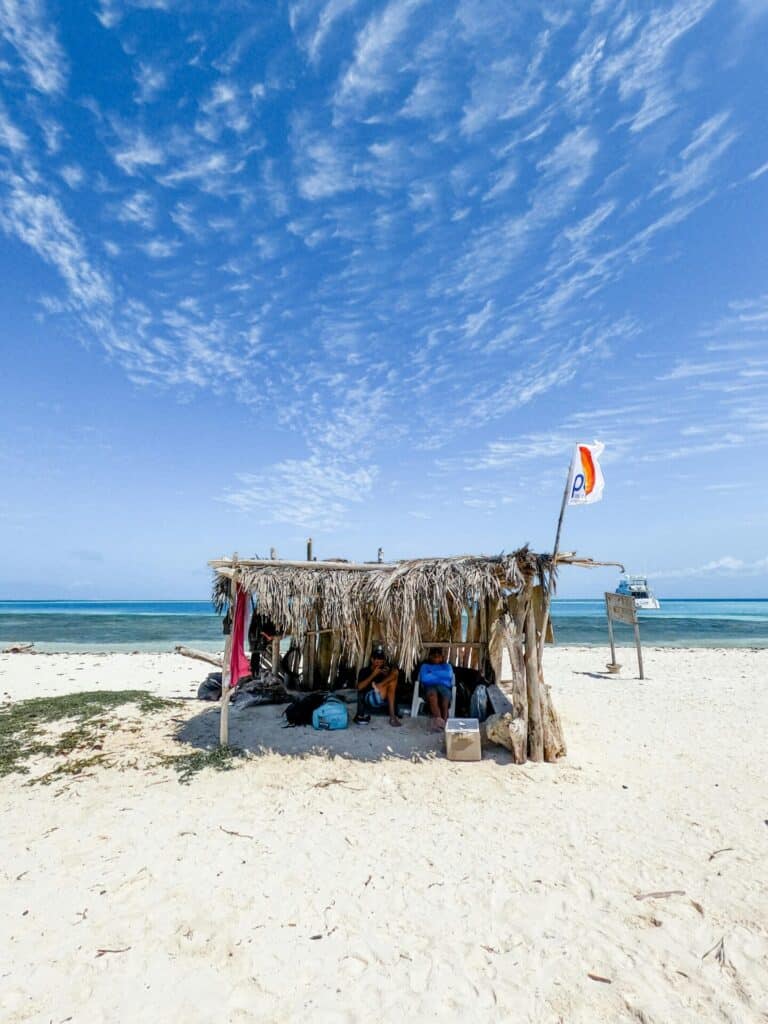
The entire Los Roques archipelago has been classified as a national park since 1972. This status aims to preserve the coral reefs, seagrass beds and breeding grounds of numerous species. Regulations control construction, limit urbanization and organize tourist activities. This protection explains the state of conservation of the landscapes. The cayos remain largely untouched, with no permanent infrastructure. Visitors access them for the day, with light temporary installations. This management approach maintains a balance between visitor numbers and conservation.

Some of the clearest lagoons in the Caribbean
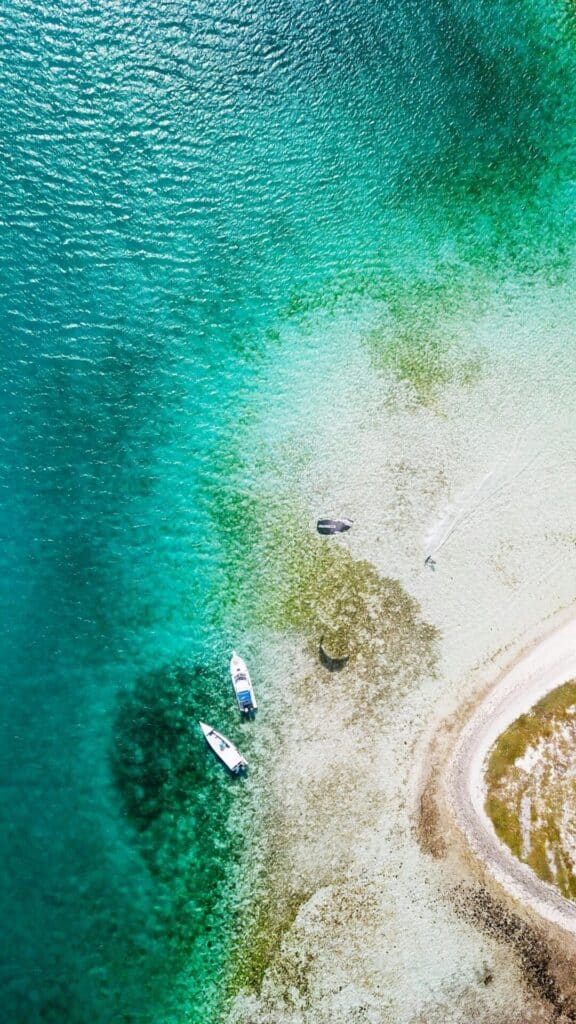
Los Roques ‘ main attraction lies in its shallow lagoons. The sandy seabed, combined with the shallow depths, gives the water particularly pronounced shades of blue and turquoise. Visibility is often excellent, making them ideal for water sports. The archipelago’s configuration protects much of the water from strong currents. This makes for easy navigation between the cayos and generally accessible swimming. For visitors, this continuity of calm waters creates a fluid experience, with no breaks between the different sites.


Scattered sandbanks and islets
One of the major features of Los Roques is the presence of isolated sandbanks. Some appear at low tide, others are permanently visible. These formations create temporary spaces, sometimes reduced to a few meters, surrounded by water. The best-known cayos, such as Cayo de Agua, Madrisquí or Francisquí, offer a variety of configurations: continuous beaches, rocky areas, internal lagoons. Each islet has its own geography, encouraging progressive exploration of the archipelago.

Restricted tourism with limited capacity
Tourism in Los Roques is mainly based on posadassmall accommodation facilities in Gran Roque. The absence of large hotels and limited accommodation capacity keep visitor numbers moderate. Stays are generally organized around daily excursions to the cayos, fishing, kitesurfing or diving. This approach favors discovery of the territory rather than concentration on a single location.
Access and organization
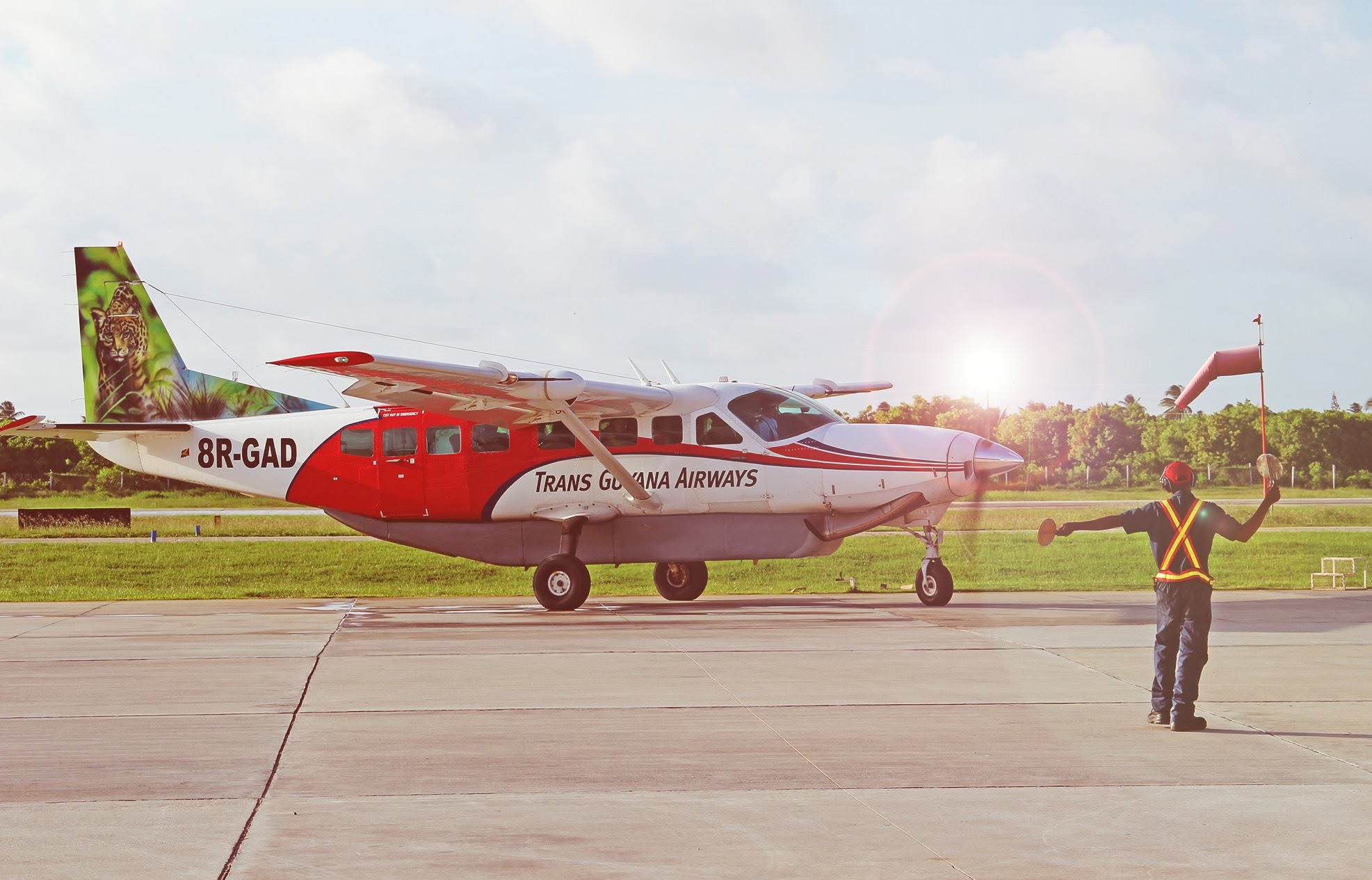
Access is mainly by air from Caracas. Flights land on a runway at Gran Roque. Once you’re here, you’ll need to get around the village on foot, and by boat to the other islets. This organization requires a certain amount of anticipation. Resources are limited, and services depend on local structures. For visitors, this means a more attentive approach to their stay, directly linked to the constraints of the territory.
A unique territory
Highlighting Los Roques means presenting an archipelago that doesn’t correspond to the usual standards of Caribbean destinations. Here, there are no large cities, imposing landforms or massive infrastructures. The territory is based on a different logic: dispersion, lightness and continuity between sea and sand. For travelers, the archipelago offers a clear, coherent experience. The archipelago doesn’t seek to multiply attractions, but to enhance a structured and protected natural environment. This uniqueness makes it one of the Caribbean’s most distinctive territories.
Los Roques lies to the north of Venezuela, in the Caribbean Sea. The archipelago is accessible mainly by air from Caracas, with regular flights to Gran Roque, the only inhabited island. There is no conventional sea link for tourists, which makes access more exclusive and helps to limit visitor numbers.
Los Roques is distinguished by its geography: an archipelago of over 300 islets, with no significant relief, surrounded by shallow lagoons. Unlike the volcanic islands of the region, the landscape is based on sand, reefs and water. Classified as a national park since 1972, the territory is strictly protected, preserving some of the best-preserved marine ecosystems in the Caribbean.
Accommodation is concentrated in Gran Roque, in the form of posadasThese are small, local establishments, often run by families. There are no large hotels or tourist complexes. Stays are generally organized around daily boat excursions to the various cayos, with days spent on isolated beaches and late afternoon returns to the village.
Activities in Los Roques are mainly sea-related. Swimming in the shallow lagoons, snorkeling, scuba diving, fishing and kitesurfing are among the most common. The archipelago is also appreciated for its landscapes, which offer ideal conditions for photography and observation of marine fauna and birds.
Los Roques enjoys a relatively stable year-round climate, with warm temperatures and little variation. The archipelago lies outside the main hurricane zone, making it an all-season destination. Conditions are particularly favorable between December and June, with generally calm seas and excellent visibility in the water.