Wish
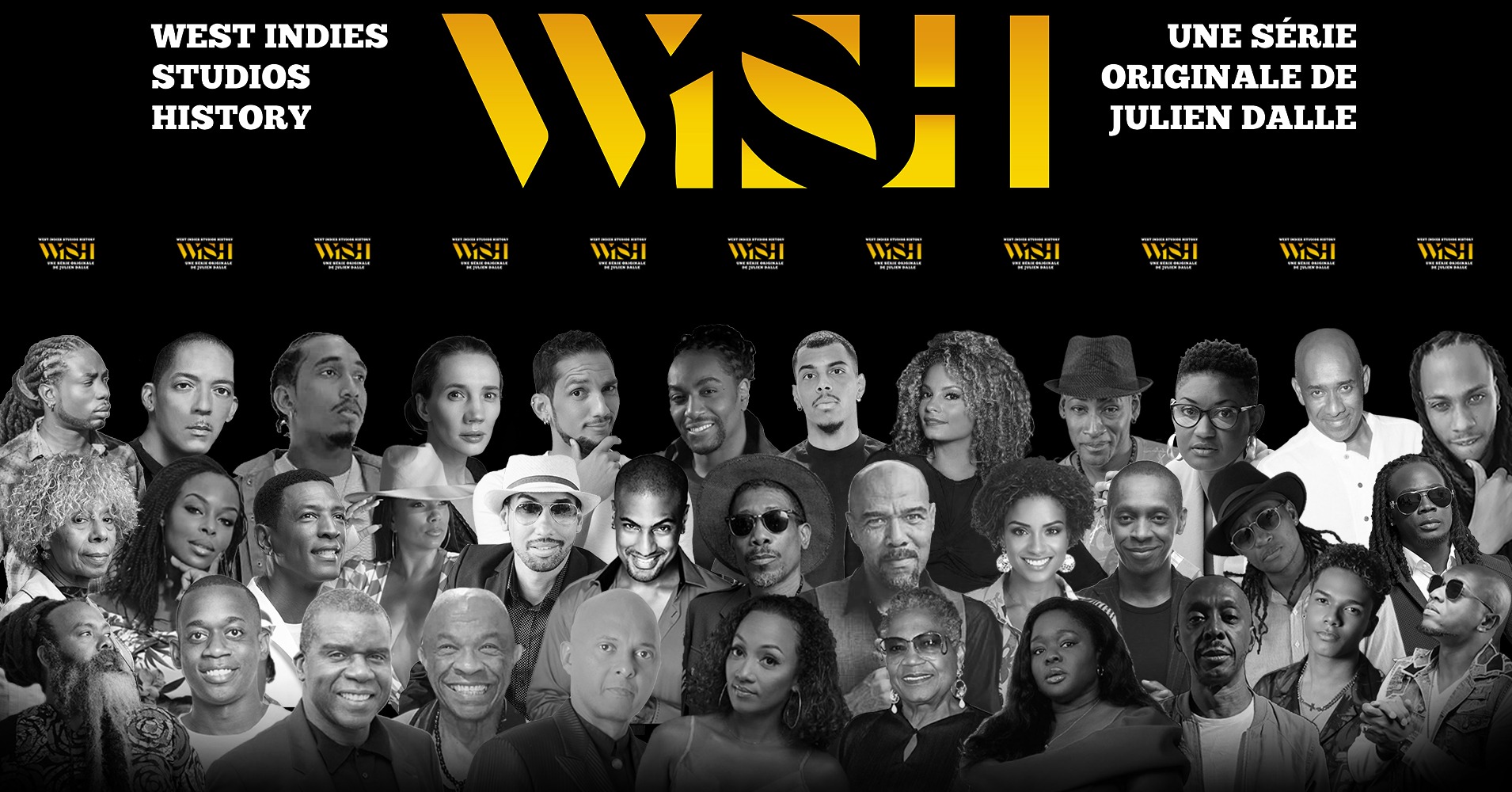
is the first 100% French West Indies series to immerse viewers in the music industry. Ethereal notes resonate. They come from the flute of Dédé Saint-Prix. “Décolaj o coco sizè d’maten soné jou ka ouvè. West Indies”, repeats Slaï. And so begins the 100% French West Indies series,
Wish
. En dix épisodes, la série musicale dépeint une saga familiale à la tête d’une maison de disque aux prises avec des problèmes financiers.
This is a first for the French West Indies. Even “historic”, according to co-director Julien Dalle. A 100% French West Indies series has just hit our screens. Both in front of and behind the camera, the production and technical teams are all West Indians. In recent weeks, the series
Wish
is now available on the Canal + platform. Shot in Guadeloupe,
Wish
is divided into ten 26-minute episodes. The mainstream series tells the story of a family saga in the West Indian music industry.
At the helm are two seasoned directors, Julien Dalle and Dimitry Zandronis.
In the lead role of Edith, a face but above all a voice well known to West Indians and beyond, Methi’s, who makes her first steps in front of a camera. The singer plays the role of a young woman who, on the death of her father, inherits a record company in dire straits. The matriarch is played by Firmine Richard, who has often worked with Julien Dalle.
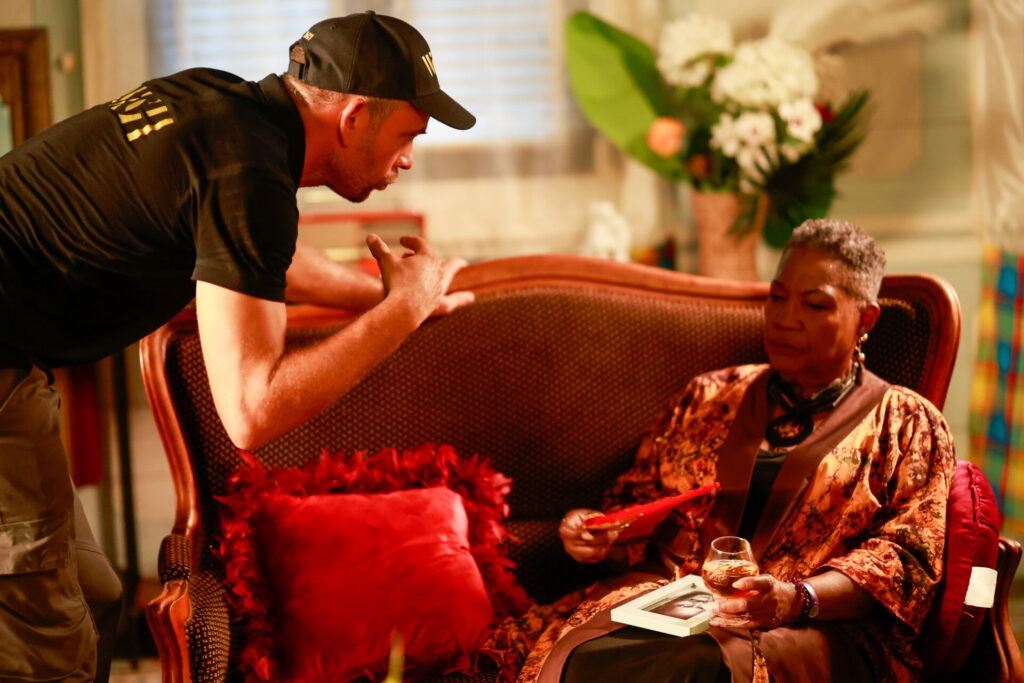
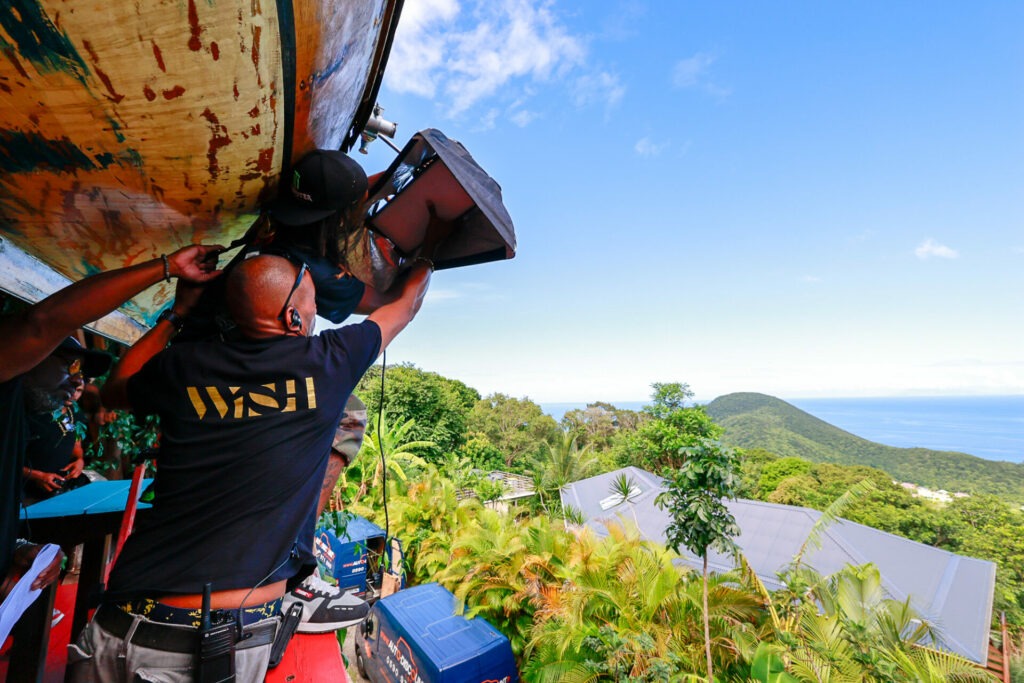
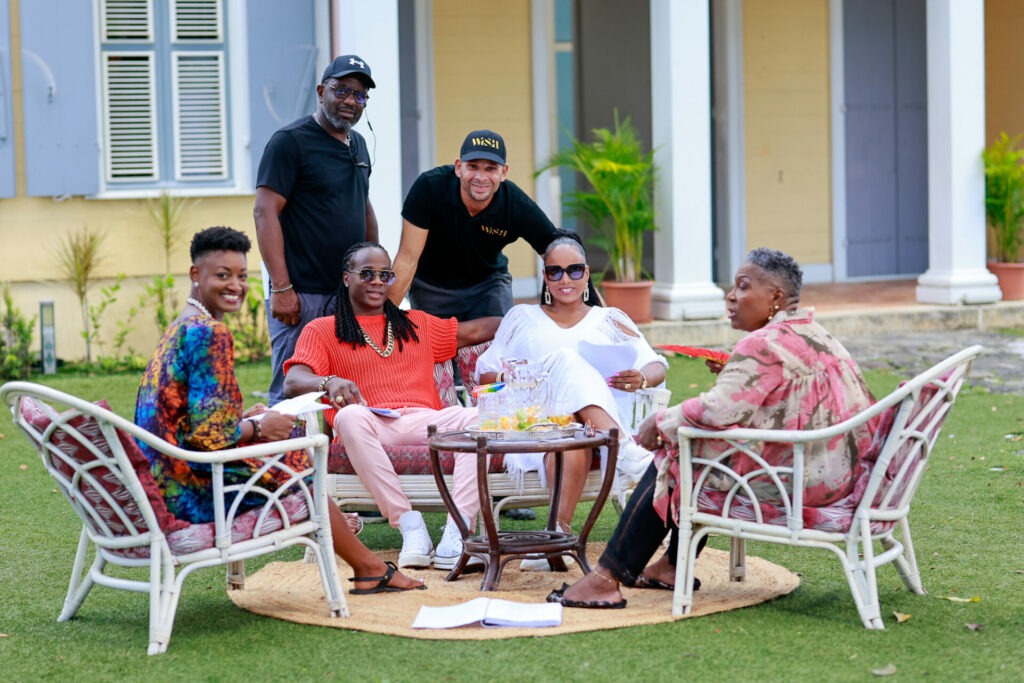

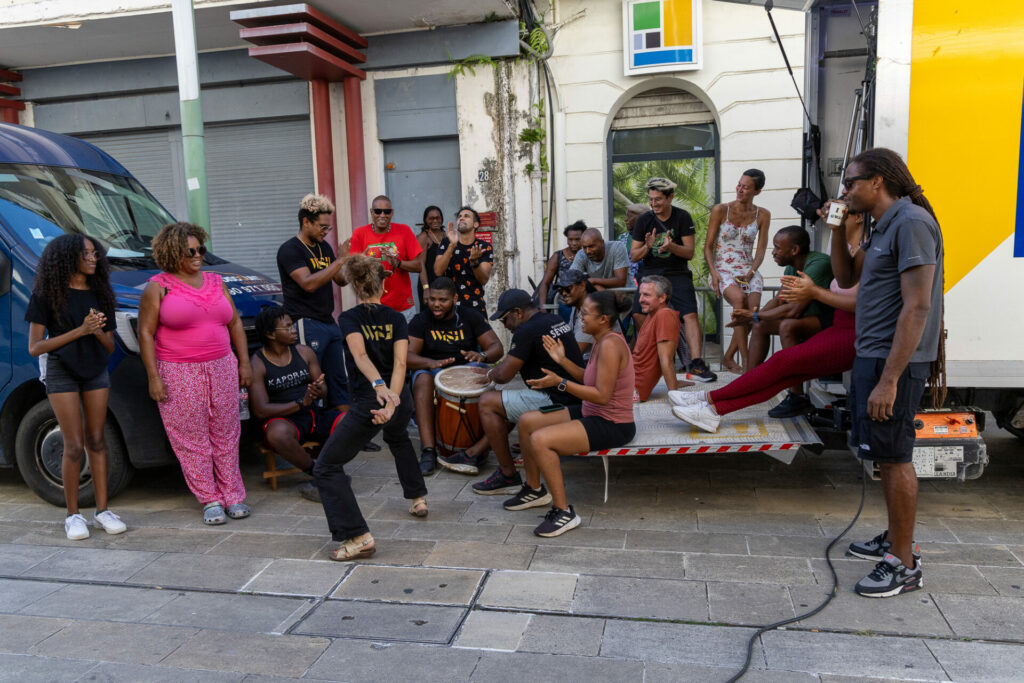
Firmine Richard and Méthi's headline the show
“Gathering”: this word is at the heart of the Wish concept. Wish. « C’est un projet atypique et fédérateur qui a pour objectif de créer du lien entre nous. » Ce « nous » dont parle le réalisateur, Julien Dalle, comprend les artistes musicaux de toutes générations et les Antillo-Guyanais y compris ceux qui vivent dans l’Hexagone. Euzhane Palcy ou Christian Lara entre autres, les pionniers du petit comme du grand écran ont ouvert la voie. « Ce sont des aînés pour lesquels j’ai beaucoup de respect. » Sa passion pour le cinéma débute par le Siméon d’Euzhane Palcy. « Ça a été un choc magnifique pour moi. Je nous ai vus. »
The origins of the birth of the series Wish have their roots in the 2019 release of Julien Dalle’s latest feature film, Secrets de famille. The film meets with great success in both Guadeloupe and Martinique. During screenings, the director sees his musical idols make the trip to see Secrets de famille with the same request: “Ki tan ou ka fè nou joué adan film’aw?” “How am I going to get so many singers I love to play in the same film? That’s when I got the idea of doing a series on the music industry.”
Julien Dalle wants to tell stories, stories from the French West Indies on universal themes. No communitarianism around
Wish
. « La série n’est pas fermée sur elle-même. Elle parle d’histoire de famille comme il y en a dans le monde entier. »
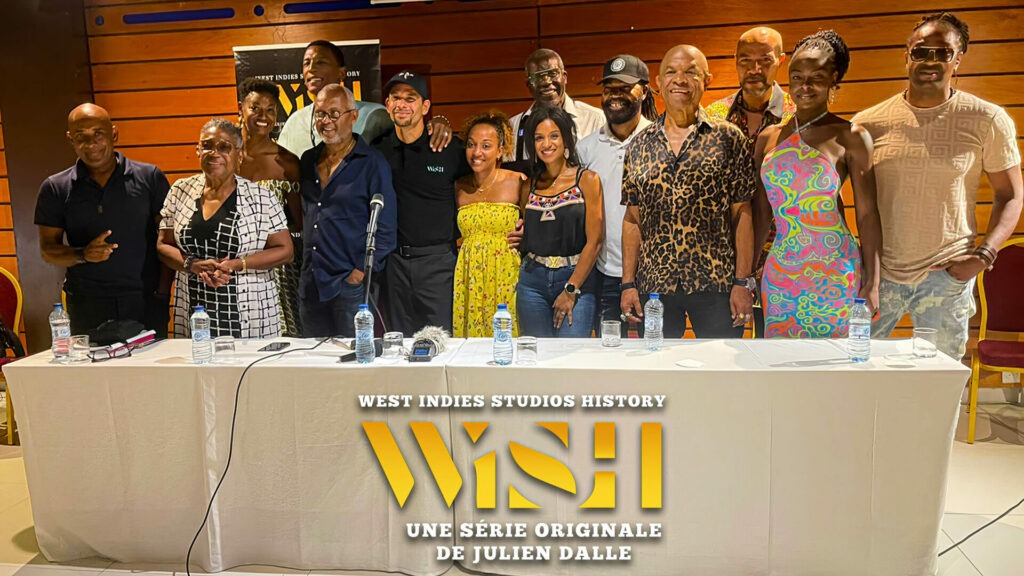
Wish, a unanimously acclaimed project
When Julien Dalle launched his project, he immediately met with approval. “In the spirit of sharing and transmission, some forty young people from Guadeloupe and Martinique were able to share their experiences and learn from each other. In a spirit of sharing and transmission, some forty young people from Guadeloupe and Martinique were able to visit the film sets.
Julien Dalle’s motto is to create links between singers, actors, generations and spectators. Traditional music, zouk and urban music rub shoulders and complement each other in the series. Julien Dalle and his team took the gamble of creating duets between artists who had never collaborated before.
From the very first images, from the very first notes, the series sets the tone. An audience and four artists covering Patrick Saint-Eloi’s West Indies, the director’s favorite song. The scene is intimate. The tone is set. In
Wish
a genuine desire to pay tribute to the artists who made the history of music in the French West Indies. “Right from the start, we showed our ambition.
We also pay tribute to our older artists, to the entire French West Indies discography. For example, we feature Max Severin from Les Vikings. Over sixty songs are revisited in the series.
The director was able to take the pulse of the burgeoning success of Wish. En effet, les deux premiers épisodes ont été projetés en avant-première en Guadeloupe, en Martinique et en Île-de-France.
But Julien Dalle, a director with a contemporary, authentic style, is no first-timer. Nonetheless, the author of three feature-length films was a little nervous about the release of
Wish
. « C’est un produit cinématographique qui est un peu particulier. C’est une série de fiction autour d’une saga familiale mais dans laquelle apparaissent de nombreux artistes et personnages qui jouent leur propre rôle. »
Julien Dalle reveals that it was a complex task to ensure that the presence of so many artists was not perceived as a mere addition to the detriment of the story. The director had to play tightrope walker to avoid falling into the pitfall of musical comedy, but keep the focus of a series about the music industry. “The fictional story is the priority, but the series is peppered with musical parts.”
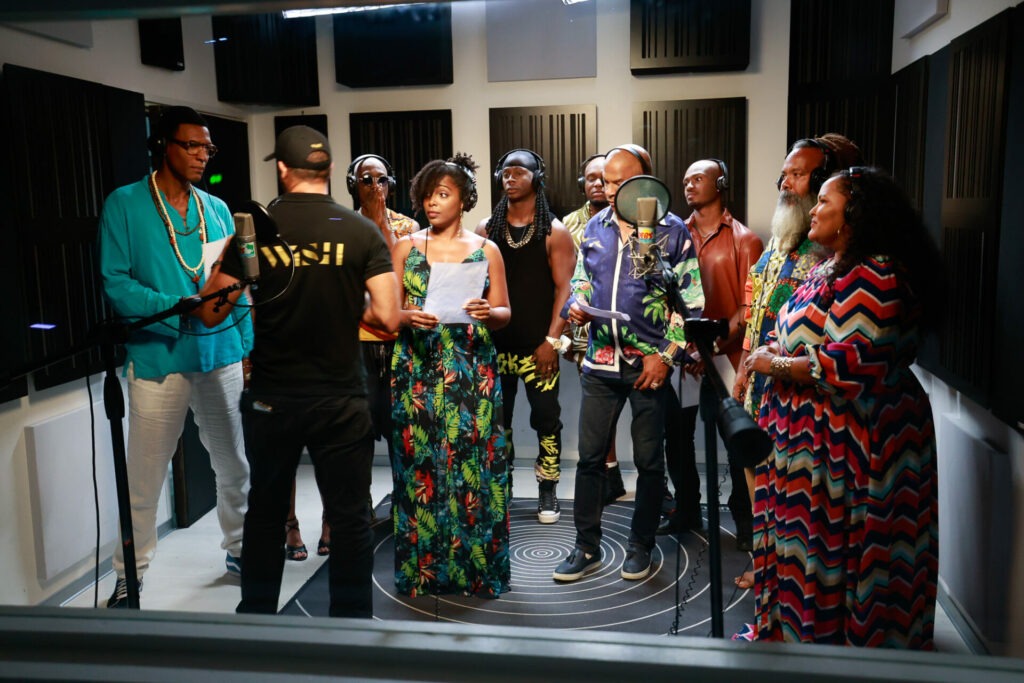
Like tunes from Le Grand Méchant Zouk
The series Wish gained in popularity as soon as it was shot. “The journey we made together, whether it was filming, casting, etc., was as important as the series itself,” adds the director, who has a sense of accomplishment. “Where in Martinique and Guadeloupe, we saw a rise in divisions, we wanted to involve the population so that they could live this adventure with us. In fact, they completely embraced the project.
Like a Proust’s madeleine, the series Wish has a taste of Grand Méchant Zouk. Generations of artists meet, collaborate and unite on stage. As well as taking an interest in the singers’ light, Wish goes behind the scenes and reveals the world of music production. “Between 1985 and 1995, there was a veritable golden era in French West Indies music. Singers could make a living from their music. Then the sector hit a slump, impacting singers and producers alike.
To devote an entire series to the music of the French West Indies, you needed a music lover. Julien Dalle describes himself as a music lover, but not just that. The director is also a composer, a talent he used to write songs especially for
Wish
. Au lycée et même lors de ses études supérieures, il a pu approfondir sa fibre artistique. Pendant dix ans, il a fait partie de différents groupes de musique. « En tant que musicien et chanteur amateur, j’ai connu les coulisses de ce milieu.
Perhaps this allows me to be as authentic as possible in transcribing this world.” Music is omnipresent in his cinematographic works. “I find it exciting to go through the society of the French West Indies with the filter of music because there are many elements that can be explained and highlighted.”