World Cup 2026: Haiti, Curacao and Panama write a new page for the Caribbean

World Cup 2026

The World Cup 2026 will feature three representatives from the Caribbean and Central America: Haiti, Curacao and Panama. Three different trajectories, three strong histories, but the same message: the region is moving forward, getting organized and increasingly asserting its place in international soccer. For Haiti, the event takes on a historic dimension, as the national team returns to the world stage for the first time since 1974. For Curaçao, it’s an unprecedented feat. Panama, meanwhile, confirms its new regional status. Together, these three nations are breathing new life into the Caribbean.

Haiti returns to the world stage after 52 years

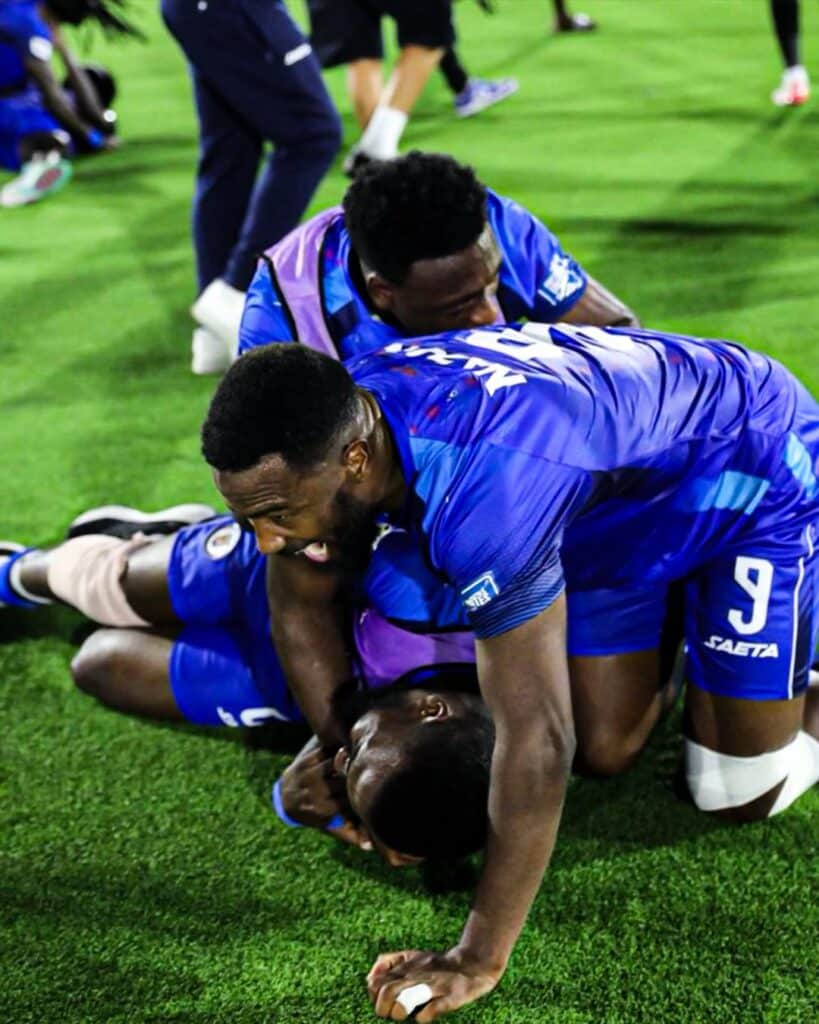
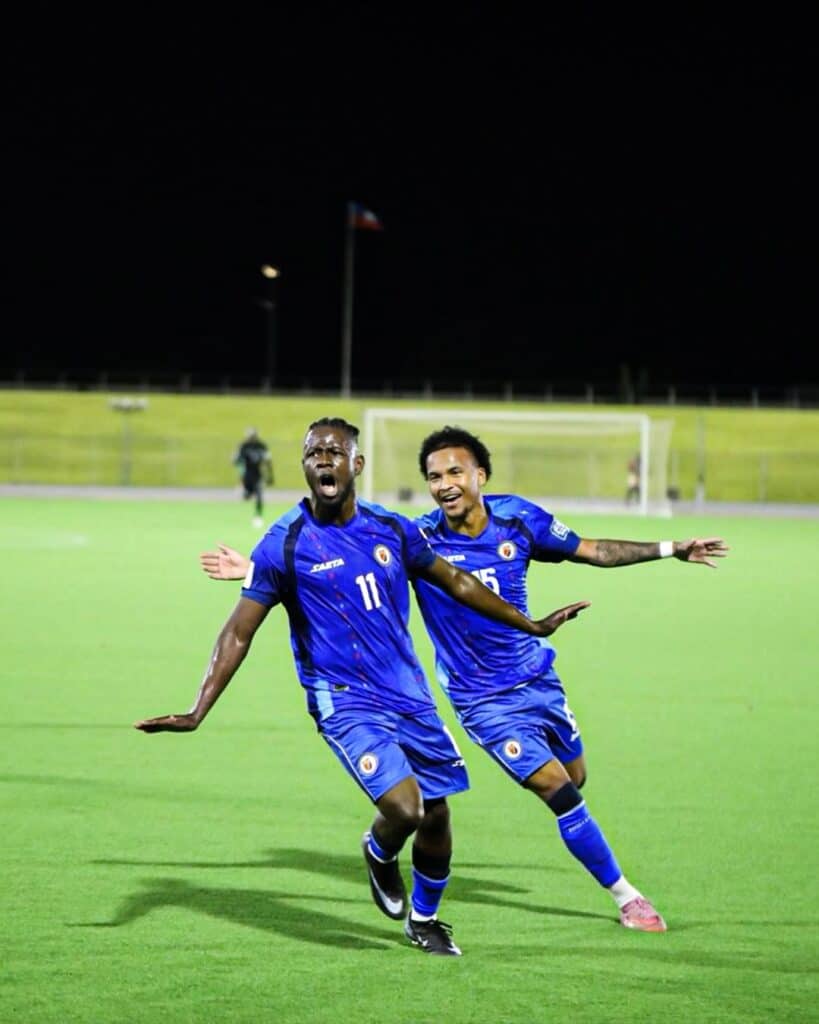
Haiti’s qualification is one of the great stories of the World Cup 2026. Fifty-two years after the 1974 epic, the Grenadiers have made a comeback that has left a lasting impression on fans and diaspora alike. Their progress has been built on rigor, cohesion and genuine collective progress.

The decisive match was the 2-0 victory over Nicaragua, the symbol of a focused and determined group. Haiti finished top of its group, buoyed by a solid defense, a rapid transition and a state of mind that has set a new tone in national soccer. It’s no coincidence that the Haitians won the trophy: it reflects the hard work they have put in, despite the country’s political, social and structural challenges.

But this qualification goes beyond soccer. It sheds a new light on Haiti, offering a moment of cohesion and pride in a context where every bit of good news counts. For young people, it’s a source of inspiration. For local sports organizations, it is an encouragement to continue training, even with limited resources.

World Cup 2026
©Concacaf
World Cup 2026
©Concacaf

Curaçao, a small territory's achievement in the World Cup 2026

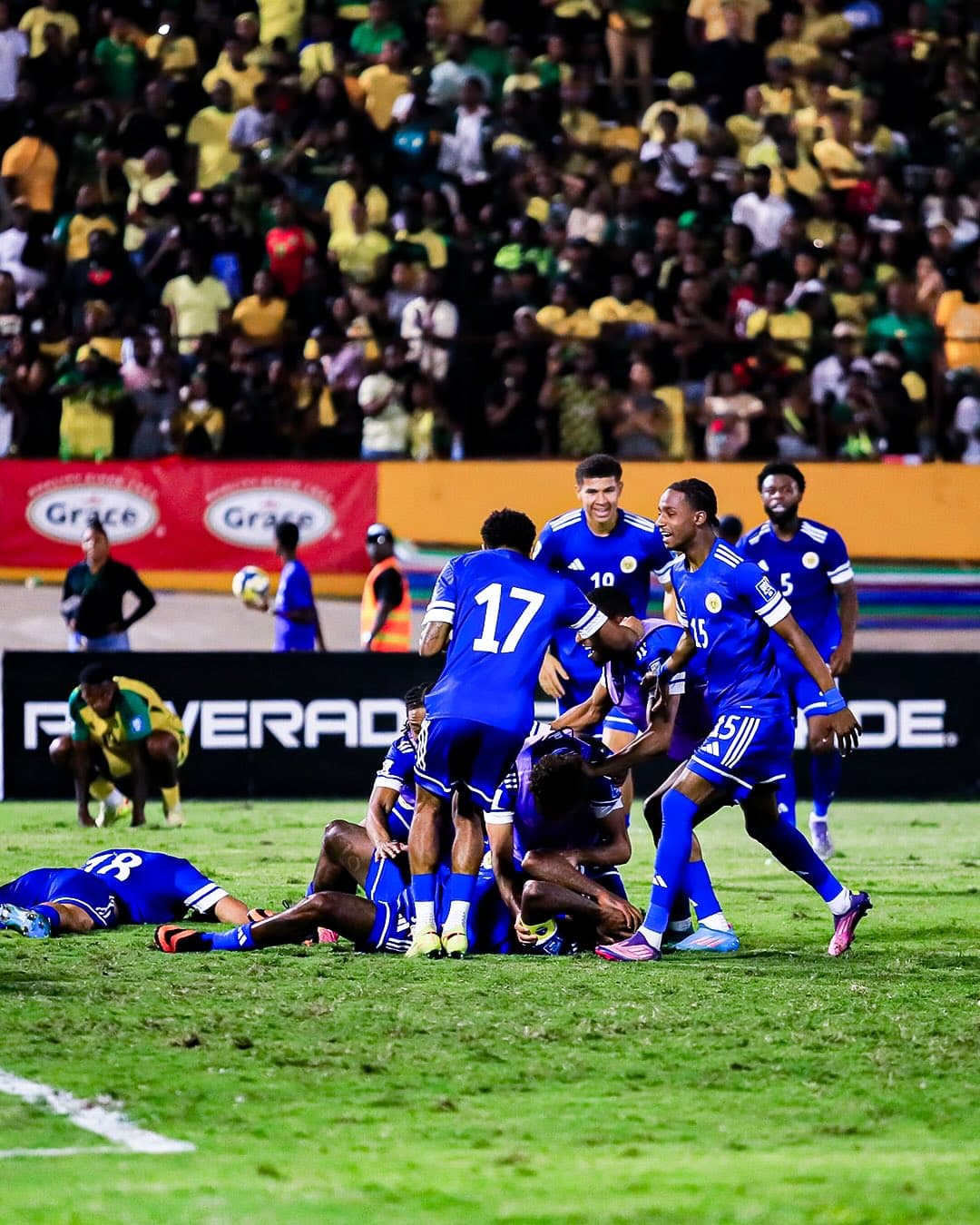
The other major surprise of the World Cup 2026 comes from Curacao. With a population of just 150,000, the island becomes one of the smallest territories ever to qualify for a World Cup. This result illustrates the considerable progress made by the Federation, which relies on a solid network of players from the Dutch diaspora and a demanding technical staff.

This qualification brings global visibility to a territory that is often underestimated in international soccer. For the Caribbean, it’s a strong signal: even small islands can, with the right structure and a clear vision, reach the biggest competitions.

World Cup 2026
©Concacaf
World Cup 2026
©Concacaf

Panama confirms its rise

Already qualified in 2018, Panama has made its second appearance in four editions. Its qualification for the World Cup 2026 is part of a continuity: a strengthening national championship, a clear policy of soccer development and a team capable of regularly competing with the best CONCACAF nations.

For the region, Panama’s consistency is a benchmark: it shows that progress is not a one-off, but a long-term process.

World Cup 2026
©Concacaf
World Cup 2026
©Concacaf

CONCACAF transformed by the 2026 World Cup

The expansion of the World Cup to 48 teams is a major game-changer. For CONCACAF, this means more places and a real opening for Caribbean and Central American nations.

The presence of Haiti, Curaçao and Panama at the World Cup 2026 reveals several key trends:

  • – increasing the skills of regional federations ;
  • – the growing role of diasporas ;
  • – the gradual professionalization of the workforce;
  • – Caribbean soccer gaining in recognition and legitimacy.

This trio shows that the region is no longer just about the continent’s usual giants.

World Cup 2026
©Concacaf
World Cup 2026
©Concacaf

A direct impact on local communities

For Haiti, this qualification acts as a rallying point. It stimulates soccer schools, brings communities together and projects a positive image of the country abroad.
For Curaçao, it opens up unprecedented opportunities for tourism, culture and sports.
For Panama, it reinforces a momentum already underway around investment in infrastructure and training programs.

Throughout the Caribbean, the World Cup 2026 is becoming a showcase. It enables the territories to showcase their talent, determination, youth and ability to produce teams that count.

The World Cup 2026 will be a turning point for the Caribbean and Central American region. With Haiti, Curacao and Panama qualifying, this edition will offer rare visibility to territories that are often under-represented in world soccer. Haiti made a historic comeback, Curacao achieved a remarkable feat and Panama confirmed its progress. Together, they put the Caribbean on the international soccer map, reminding us that regional talent just needs a place to express itself.

World Cup 2026
©Concacaf
World Cup 2026
©Concacaf

Leave a Reply

Your email address will not be published. Required fields are marked *

More articles from RK

WHO
FILM & VIDEO
Tolotra

WHO: behind the scenes of Wil Aime’s cinematic gamble

With WHOWil Aime signs his first feature film and returns to the West Indies with a team, a method and a story of creation. In Guadeloupe and Martinique, his tour revealed the other side of the story: that of a film that has been supported for years, between independent creation, territorial support and the desire to make his own cinema. A comeback tour The public saw the theaters, the meetings, the photos, the post-screening exchanges. Behind this tour of WHO in Guadeloupe and Martinique, there was a precise mechanism. Dates to organize. Partners to mobilize. A team to bring in. Above all, one desire: to present the film where part of its imagination took root. From May 30 to June 1, 2026, Wil Aime and his team enjoyed a series of highlights: a special screening at Cinestar, a Creative Talk at Café Papier in Jarry, a screening at Madiana, and

Read More »
Calypso Rose
HISTORY & HERITAGE
Tolotra

Calypso Rose: 86 years old, 800 songs, and still on stage

The victory that changes a name When Trinidad renamed its calypso grand prix “Calypso Monarch” in 1978, it wasn’t by chance. It was because a woman had just won the title for the first time after decades of male domination. The woman’s name was McCartha Linda Sandy-Lewis. On stage, she was known as Calypso Rose. She was 38 years old. Forty-eight years later, in 2026, she is 86, with over 800 songs, more than 20 albums, and a presence that continues to cross international stages. From Bethel to the first songs McCartha Linda Sandy-Lewis was born on April 27, 1940 in Bethel, a village in northwest Tobago. Her father was a Spiritual Shouter Baptist minister, a long-marginalized Afro-Caribbean religious tradition. He opposed his daughter’s musical career. She nevertheless began composing and singing her own calypsos as a teenager, around the age of 15. At the time, calypso was a male

Read More »
Vincy Mas
EVENT MANAGEMENT
Tolotra

Vincy Mas: why the Saint-Vincent carnival starts in June

In Kingstown, capital of Saint Vincent and the Grenadines, the countdown has begun. On June 26, 2026, Vincy Mas will open a new edition under the theme “The Great Escape”. For twelve days, until July 7, the island of around 100,000 inhabitants will host its biggest cultural event. The slogan speaks of warmth, escape and celebration. But behind the poster is a story of timing. In the mas camps, the weeks leading up to the opening are rarely silent. Costumes are being adjusted, sections prepared and the sounds that will accompany the parades rehearsed. Families return from the diaspora, visitors book their places, and Kingstown prepares for a change of pace. Vincy Mas is not an island carnival. It’s an annual landmark around which St. Vincent organizes part of its cultural life. A decisive choice in 1977 The historical uniqueness of the Vincentian carnival lies in a deliberate change. Before

Read More »

conTACT RK

we'd love to have your feedback on your experience so far

Join The List

Join our Richès Karayib community!  Sign up for our newsletter.

Want To Maximize Your Business Presence On Riches Karayib?

Complete the form to start the application