Special report part 2 (2012-2015): The Caribbean’s Cultural Treasures: UNESCO Recognized Intangible Heritage

Preserving the Soul of the Caribbean

From 2012 to 2015, the Caribbean’s rich cultural heritage continued to gain recognition by UNESCO. These years celebrated the region’s vibrant music, sacred rituals, and storytelling traditions, each of which is an essential piece of the Caribbean’s identity. In this article, we will dive into the elements recognized during this period, emphasizing how these practices have been safeguarded for future generations.

2012

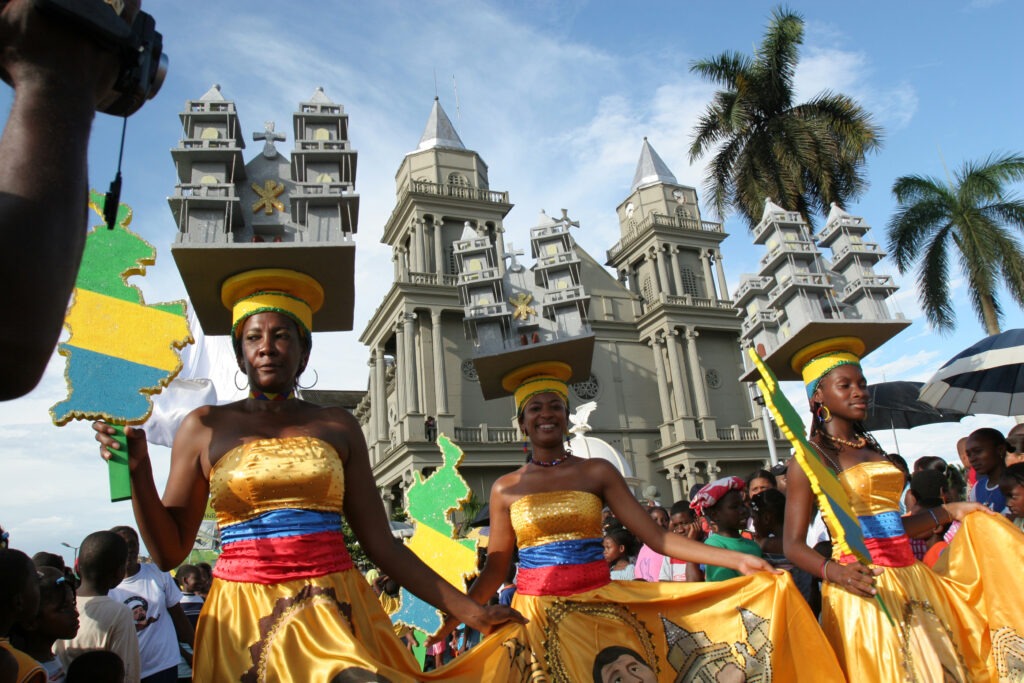
  • Colombia: Festival of Saint Francis of Assisi, Quibdó
    This religious festival in Quibdó, Chocó is a blend of Catholicism and African spirituality, rooted in the local Afro-Colombian community. Participants honor Saint Francis of Assisi with traditional music, dance, and elaborate costumes, merging religious devotion with cultural identity.

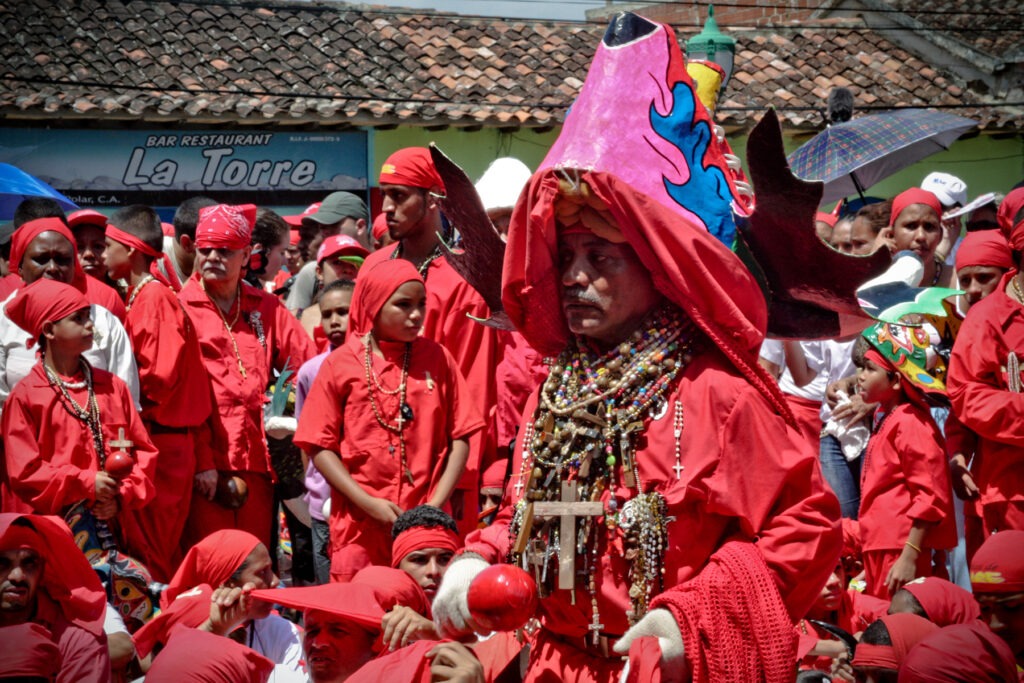
  • Venezuela (Bolivarian Republic of): Corpus Christi Devils
    In this annual celebration, masked dancers symbolically represent the battle between good and evil, with the devils ultimately being vanquished by the forces of good. This tradition is celebrated by different communities, each adding its own unique elements to the performance.

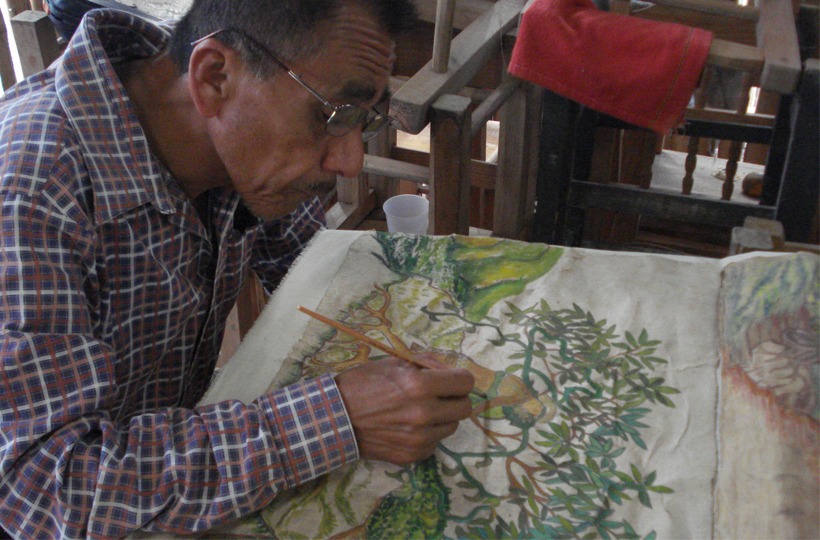
  • Mexico: Xtaxkgakget Makgkaxtlawana, Centre for Indigenous Arts
    This center, created by the Totonac people, is dedicated to preserving their culture and art through specialized educational ‘houses’ that teach various traditional practices, while fostering holistic learning and cultural revitalization.
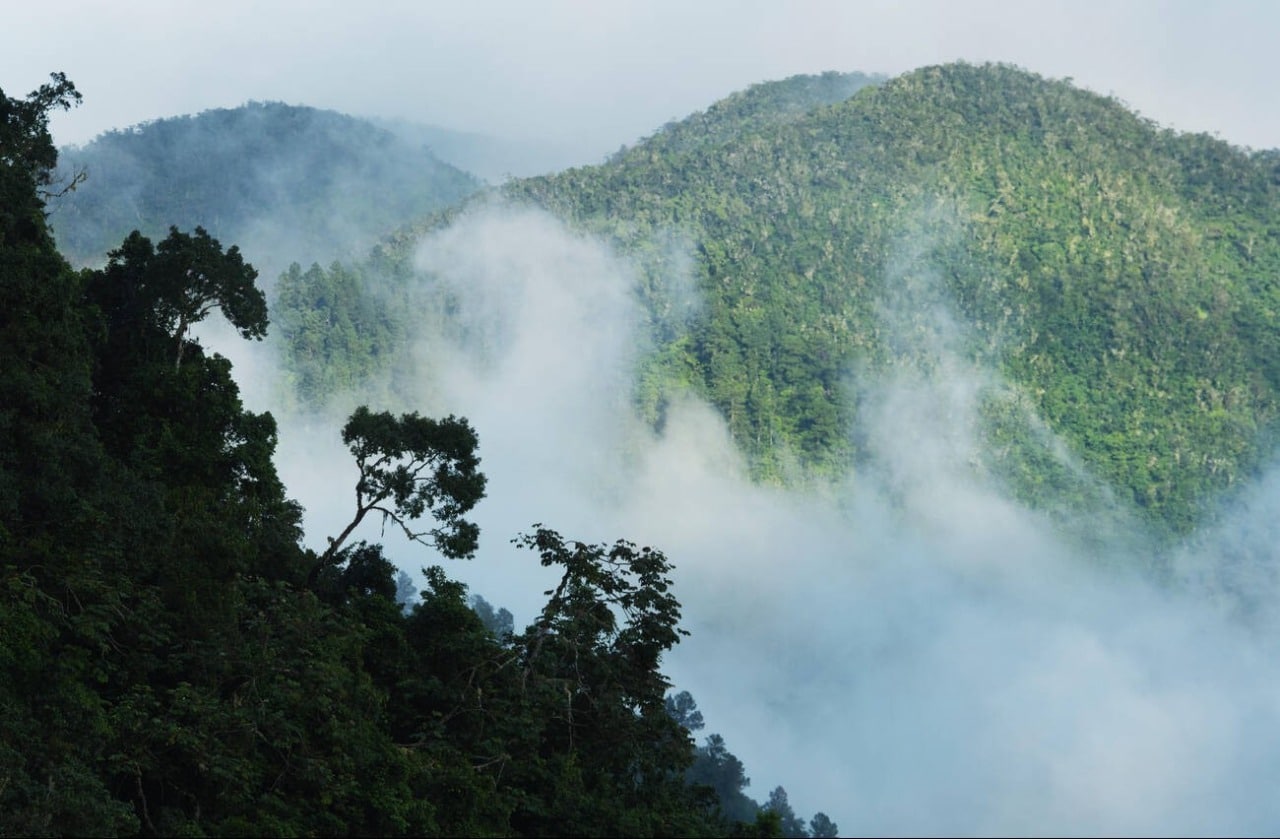
Colombia: Festival of Saint Francis of Assisi, Quibdó
Venezuela (Bolivarian Republic of): Corpus Christi Devils
Mexico: Xtaxkgakget Makgkaxtlawana, Centre for Indigenous Arts

2013

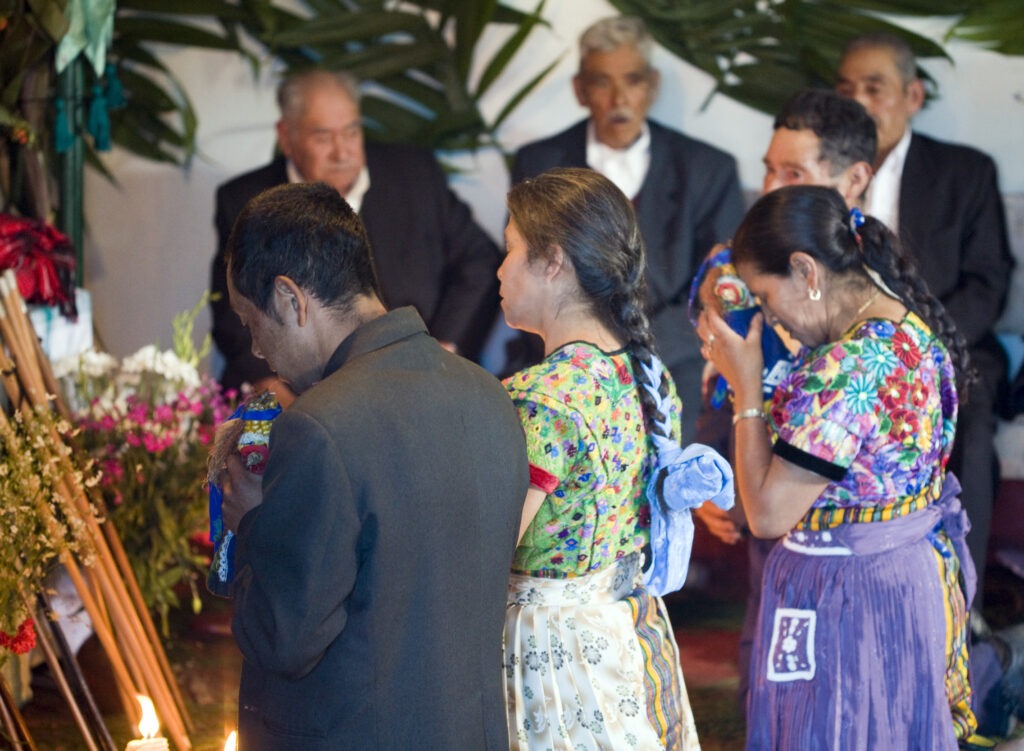
  • Guatemala: Nan Pa’ch Ceremony
    The Nan Pa’ch is a sacred Maya ritual performed to give thanks for the maize harvest. The ceremony features dances, prayers, and offerings, highlighting the deep spiritual connection between the Maya people and the land that sustains them.

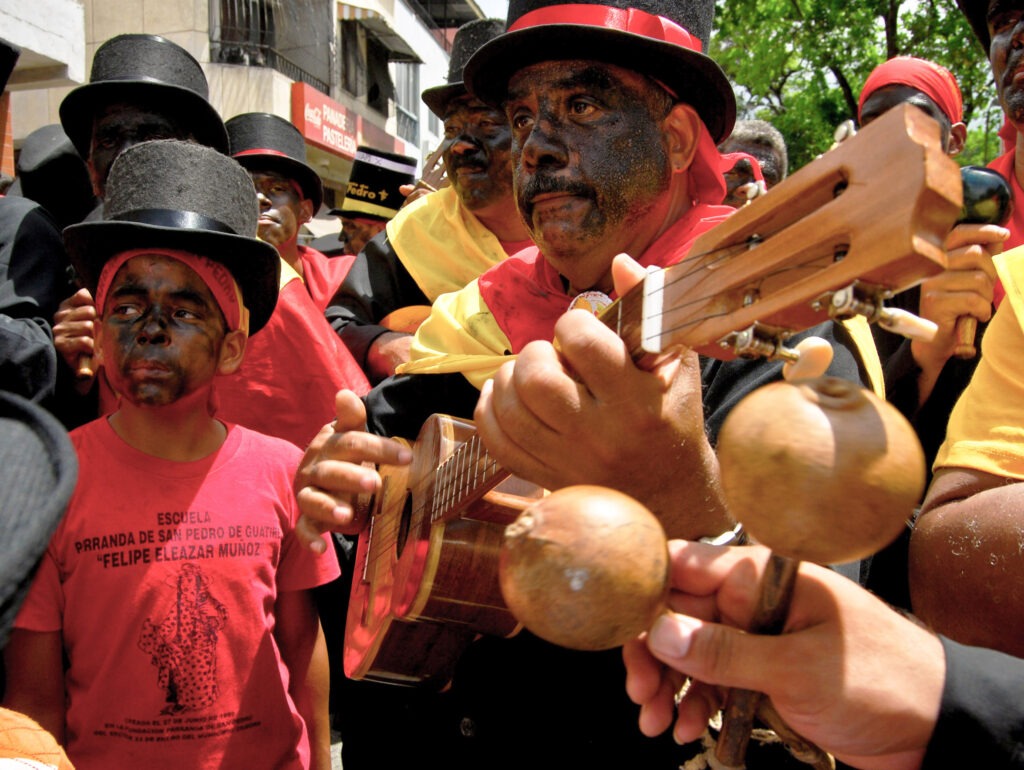
  • Venezuela (Bolivarian Republic of): San Pedro Parranda
    This joyous celebration in the town of Guarenas and Guatire honors Saint Peter with a lively parade. Participants dress in bright costumes and carry wooden dolls of the saint, accompanied by traditional music and dances.

Guatemala: Nan Pa'ch Ceremony
Venezuela (Bolivarian Republic of): San Pedro Parranda

2014

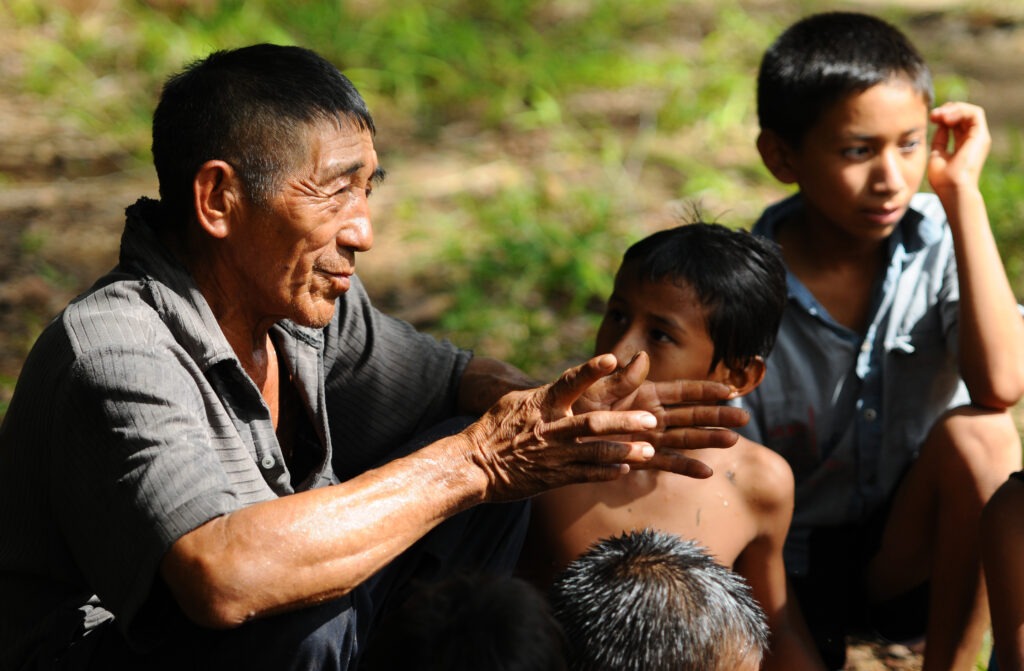
    • Venezuela (Bolivarian Republic of): Mapoyo Oral Tradition
      The Mapoyo people, an indigenous group in Venezuela, have passed down their history, values, and cultural identity through oral storytelling. This tradition preserves their connection to the land and reinforces the importance of the spoken word in maintaining cultural continuity.

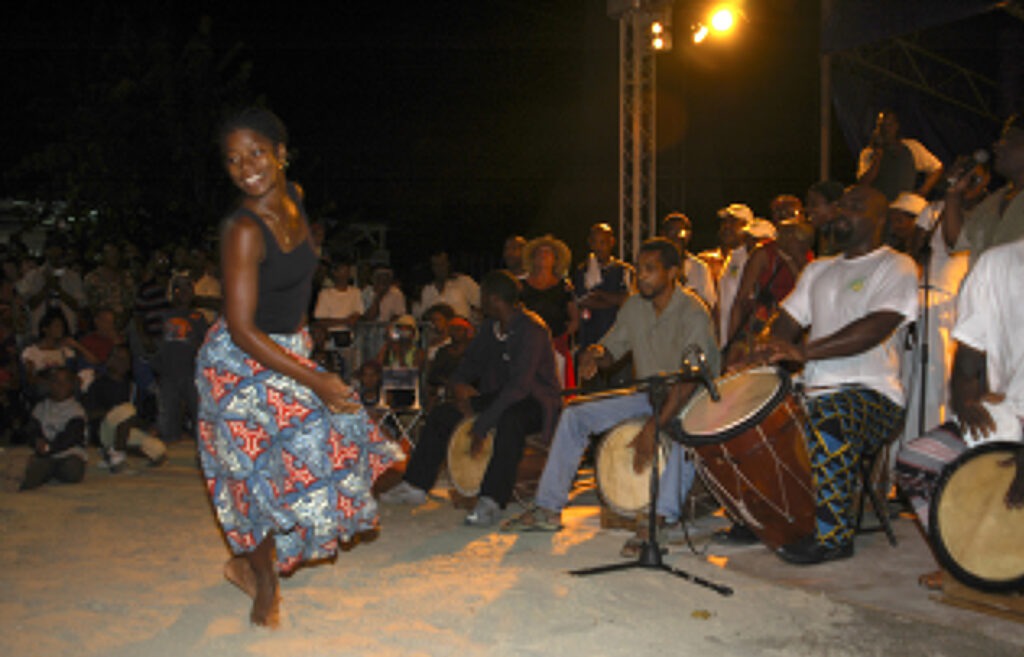
    • Guadeloupe: Gwoka
      Gwoka is a music and dance tradition deeply rooted in Guadeloupe’s history of resistance and survival. With African rhythms at its core, Gwoka is a form of expression and resilience, evolving from plantation slavery to become a celebration of cultural identity.

Venezuela (Bolivarian Republic of): Mapoyo Oral Tradition
Guadeloupe: Gwoka

2015

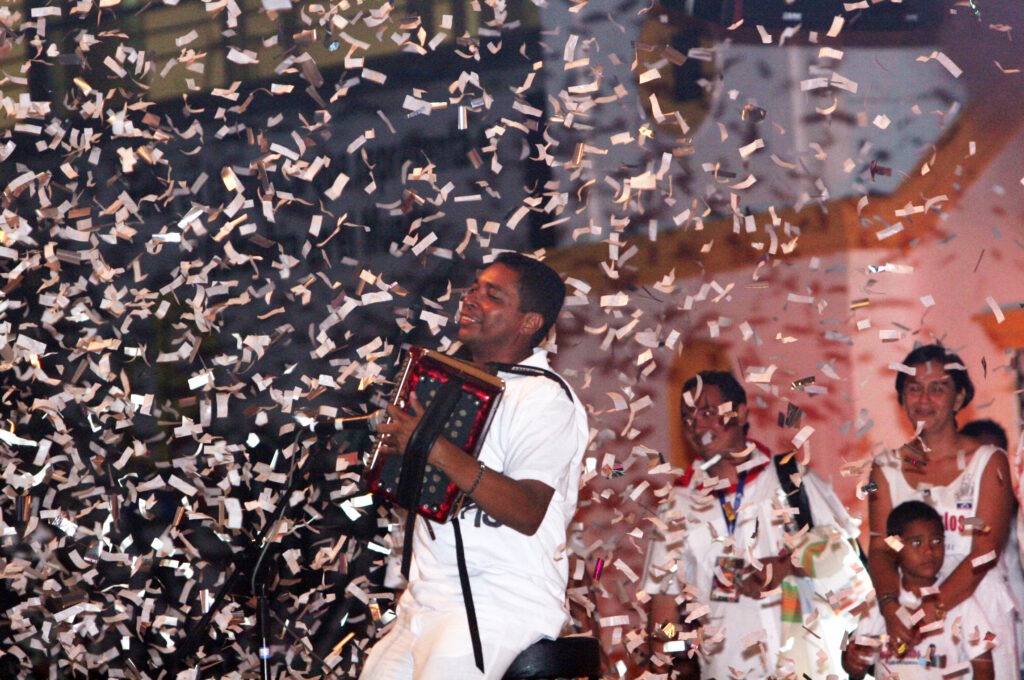
  • Colombia: Vallenato Music
    Vallenato, a genre born in the rural regions of Colombia, tells stories of love, betrayal, and everyday life. Featuring instruments like the accordion and caja, vallenato is known for its poetic lyrics and deep emotional resonance within Colombian culture.

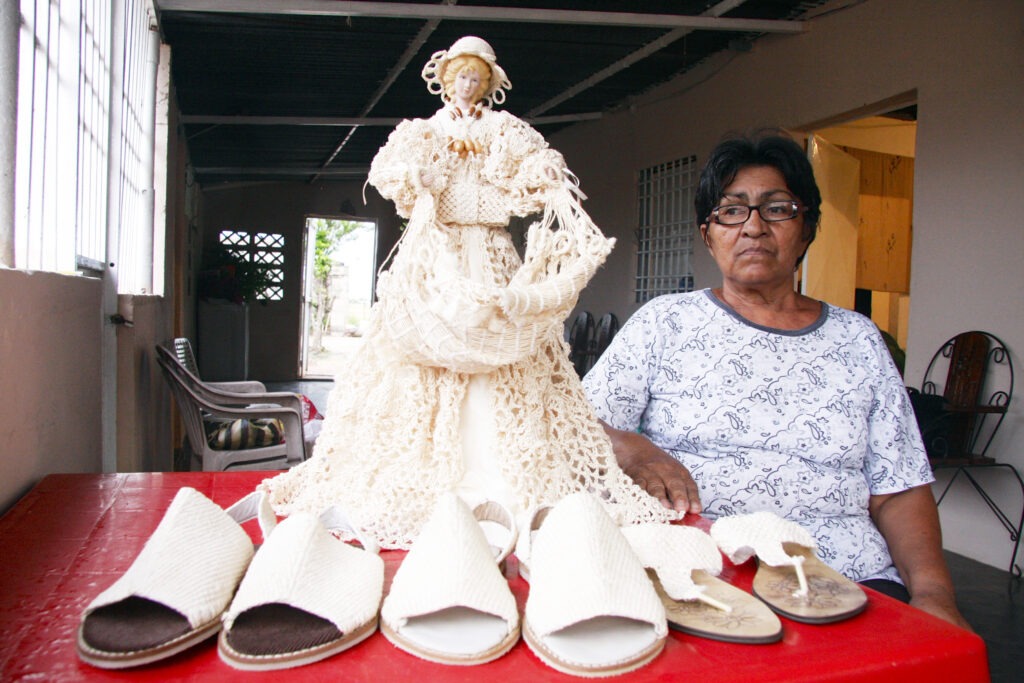
  • Venezuela (Bolivarian Republic of): Curagua Fiber Weaving
    The craft of transforming curagua fibers into intricate textiles has been passed down for generations in Venezuela. This artisanal tradition not only preserves cultural identity but also sustains rural communities through the production of textiles used for clothing and other goods.

Colombia: Vallenato Music
Venezuela (Bolivarian Republic of): Curagua Fiber Weaving

From musical traditions that capture the soul of a people to sacred ceremonies that honor the land and the divine, the years from 2012 to 2015 saw the recognition of some of the Caribbean’s most vibrant and deeply rooted cultural elements. These practices keep the region’s spirit alive, passed down through generations. Join us in the next article, where we will explore the period from 2016 to 2019, a time of even more cultural acknowledgments from UNESCO.

One Response

Leave a Reply

Your email address will not be published. Required fields are marked *

More articles from RK

Barbados
NEWS
Tolotra

Barbados: The 5 Decisions Behind Its Climate Victory

In Bridgetown, an award ceremony capped off years of effort. Barbados was named “Climate-Smart Country of the Year” at the first Climate Smart Awards, presented at the Caribbean Climate-Smart Accelerator summit in Bridgetown. Behind this distinction lies a journey rooted in energy, financing, and resilience. An award based on five criteria The jury did not limit its assessment to stated commitments. Racquel Moses, Executive Director of the Caribbean Climate-Smart Accelerator, explained that the evaluation was based on five areas: the ambition of the Nationally Determined Contributions (NDCs) under the Paris Agreement, the growth of renewable energy, the scope of clean energy goals, the climate finance mobilized, and the country’s performance on the ND-GAIN index. This tool measures a country’s climate vulnerability and its capacity to prepare its response. Barbados has distinguished itself in each of these areas. According to the organization, the country’s renewable energy production has increased since the

Read More »
mangú
HISTORY & HERITAGE
Tolotra

“Mangú”: The Word That Captures the Dominican Republic

At daybreak, in many neighborhoods of Santo Domingo, kitchens come to life with a simple task: mashing green plantains after they’ve been cooked. This purée is often topped with red onions marinated in vinegar, Dominican salami, fried cheese, and eggs. This iconic breakfast dish has a short name: mangú. Behind this familiar word lie Dominican culinary history, African heritage, and an etymology that is still debated. A Word for an Everyday Dish Mangú refers first and foremost to a dish made from green plantains that are boiled and then mashed into a smooth purée. Depending on the family, cooking water, butter, or oil may be added to adjust the texture. Red onions, often sautéed with vinegar, add a tangy note that contrasts with the sweetness of the plantains. The dish is often served with “los tres golpes,” literally “the three bites”: fried Dominican salami, queso de freír, and fried eggs.

Read More »
Fête de la Musique
EVENT MANAGEMENT
Tolotra

Music Festival: A Look Back at the 2026 Edition in Martinique, Guadeloupe, and French Guiana

On June 21, 2026, the streets, squares, and cultural venues of Martinique, Guadeloupe, and French Guiana hosted concerts, open-mic nights, and musical gatherings. In these three territories, the Music Festival took on different forms, drawing on local repertoires and featuring both amateur and professional artists. The 45th Music Festival, open to everyone Created in 1982 at the initiative of Jack Lang, Maurice Fleuret, and Christian Dupavillon, the Music Festival celebrated its 45th edition this year. Its purpose remains the same: to showcase live music, bring together music lovers and professionals, and offer free concerts on June 21. The event is now celebrated in more than a hundred countries. In France’s Caribbean and Amazonian territories, this common framework is reinterpreted in light of local realities. Zouk, gwoka, biguine, reggae, Creole jazz, percussion, urban music, and South American influences can all come together in a single program. This diversity does not turn

Read More »

conTACT RK

we'd love to have your feedback on your experience so far

Join The List

Join our Richès Karayib community!  Sign up for our newsletter.

Want To Maximize Your Business Presence On Riches Karayib?

Complete the form to start the application