St. Lucia

Saint Lucia

A Caribbean jewel of natural beauty and culture

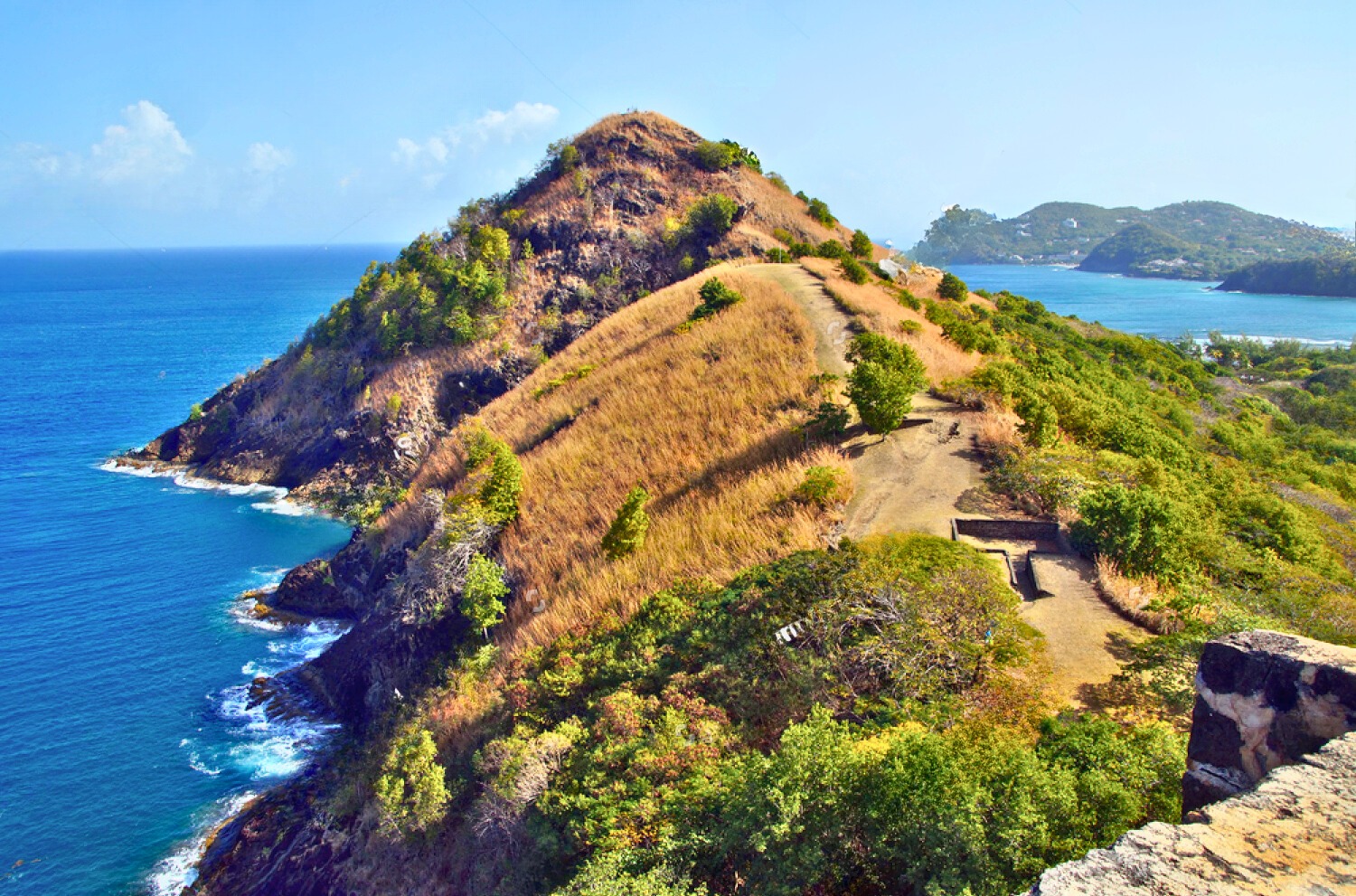
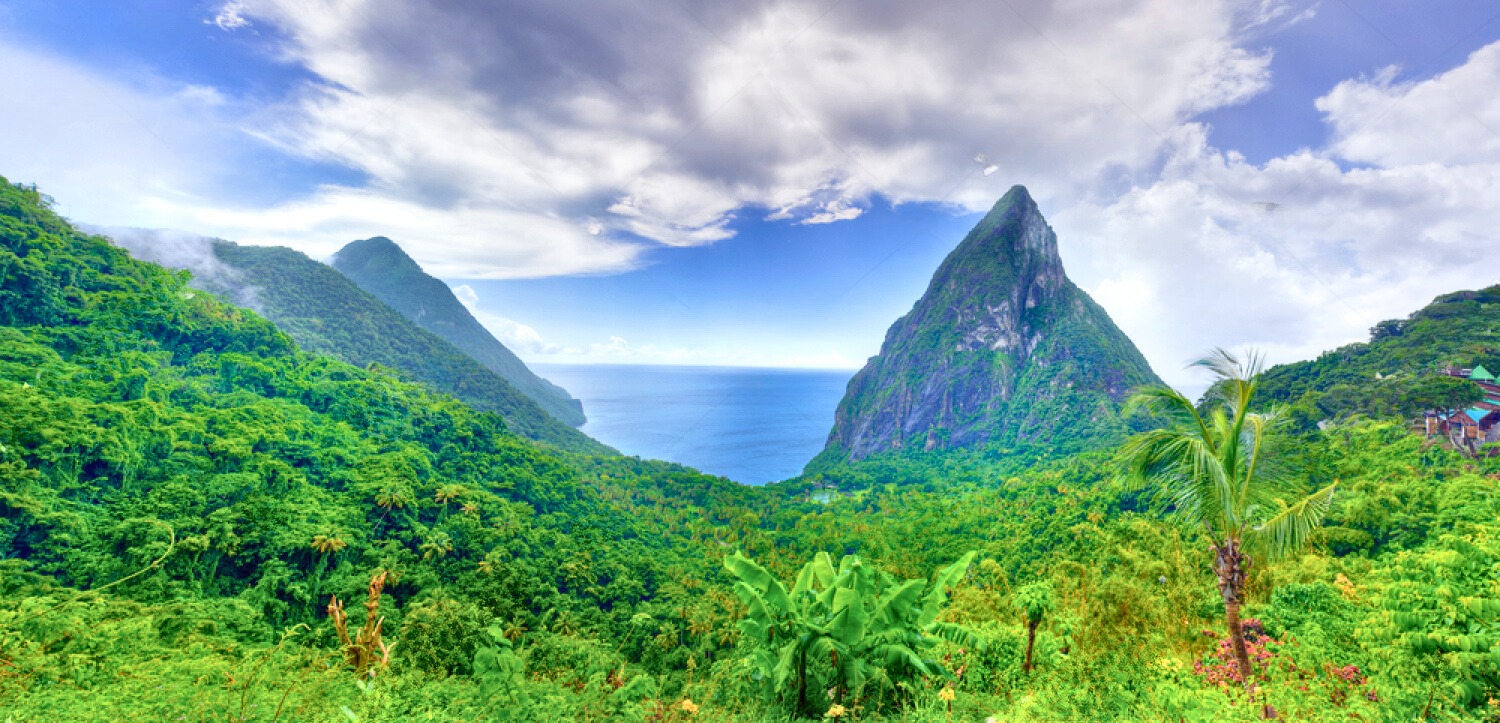
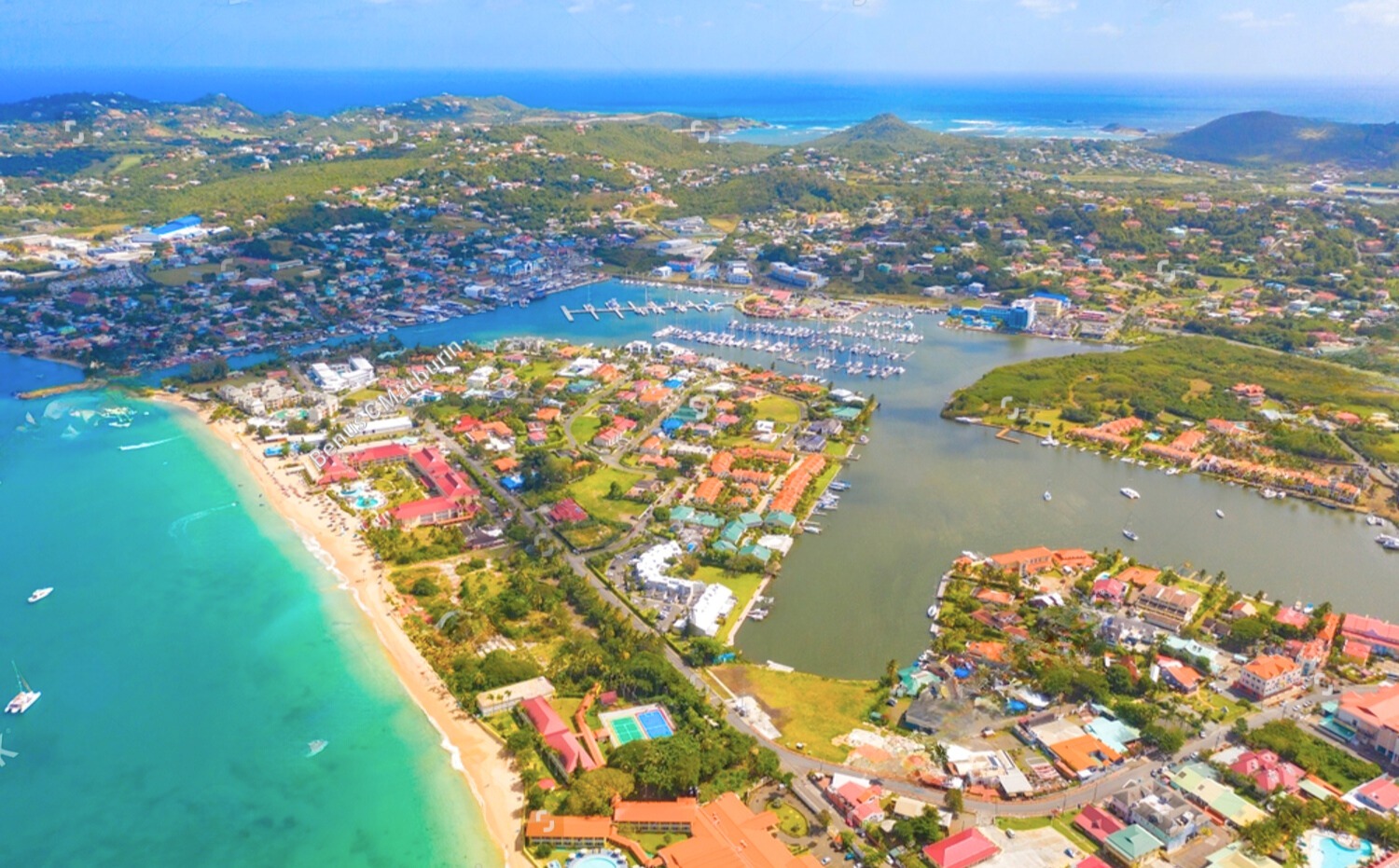
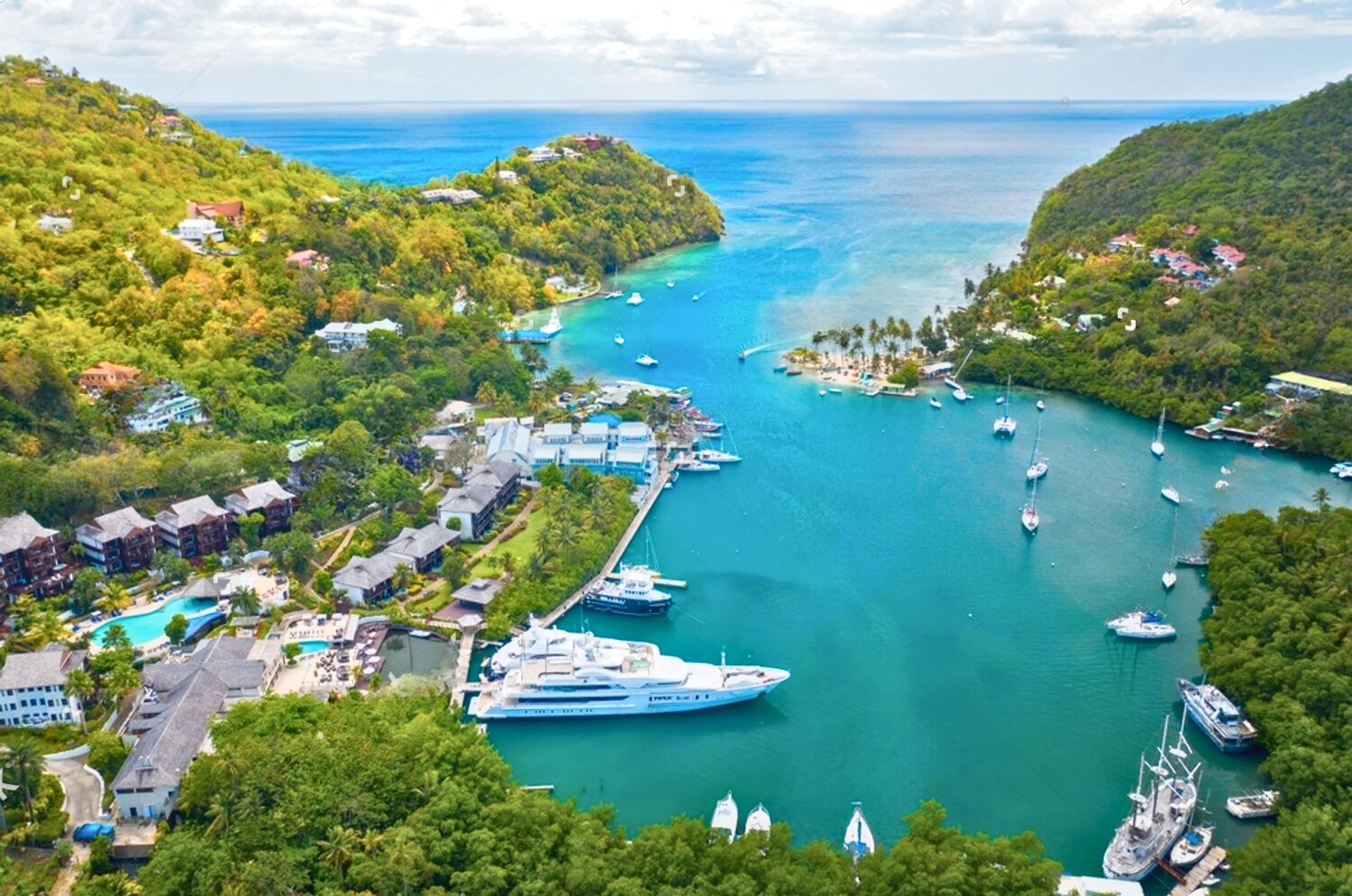
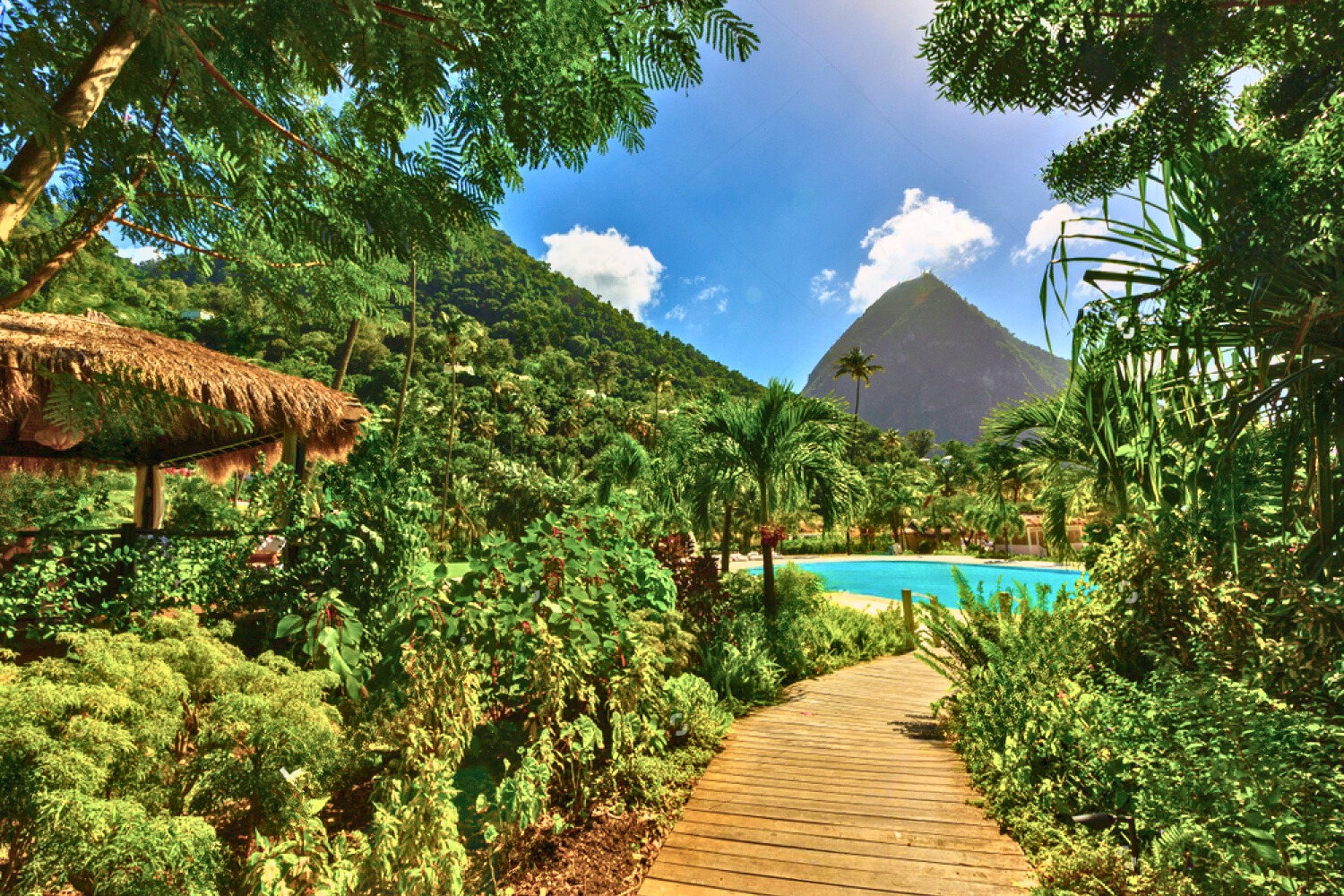
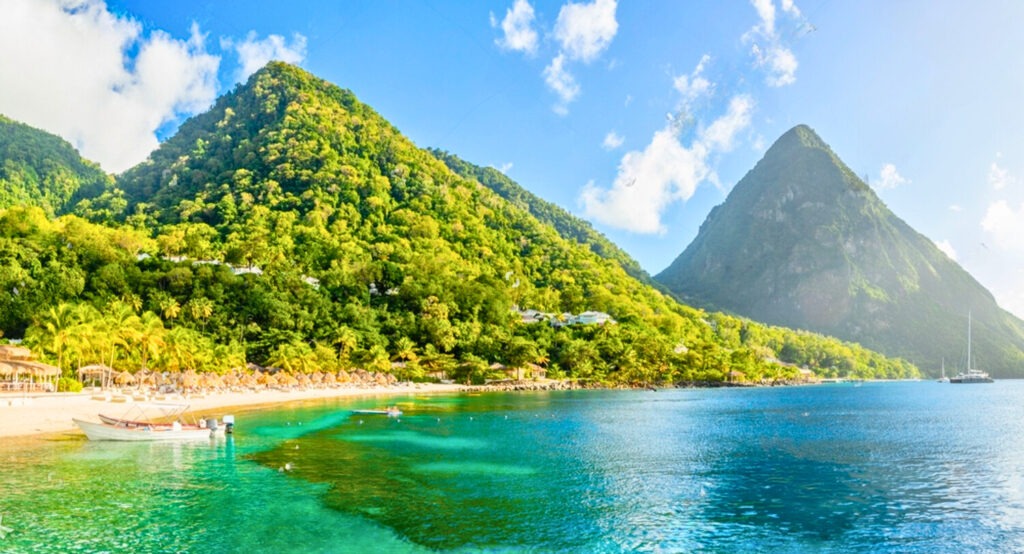
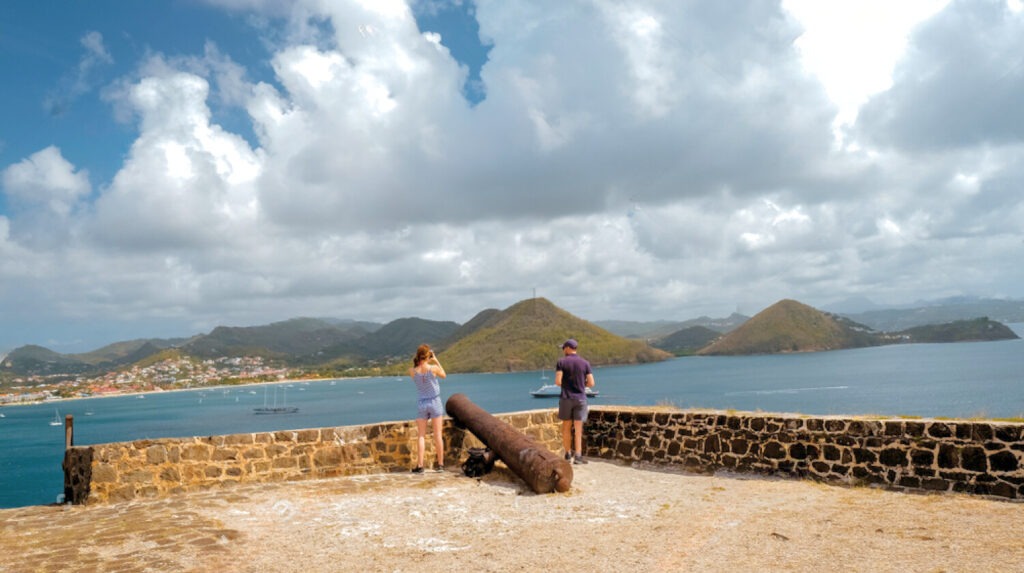
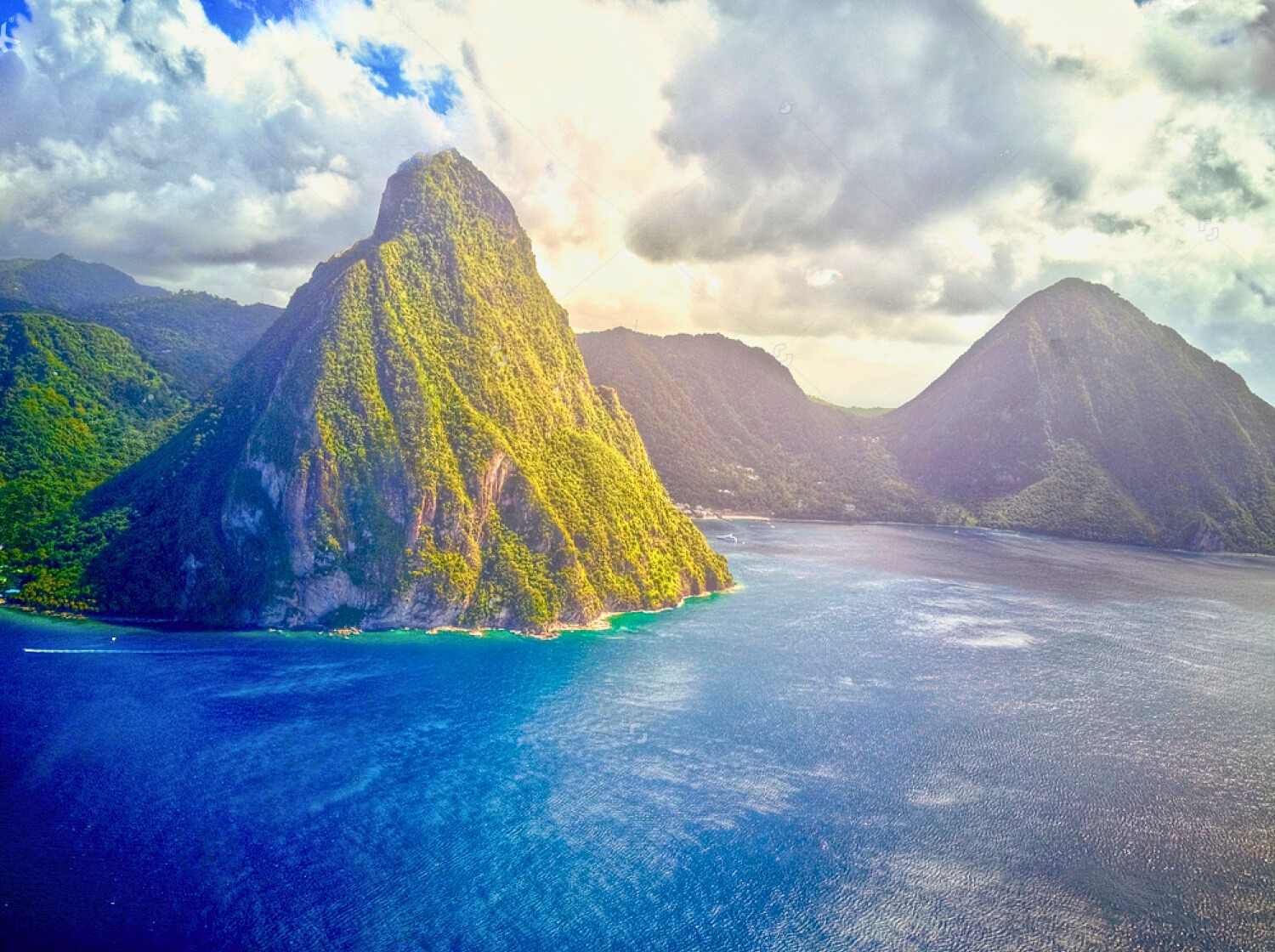
Located northwest of Barbados and south of Martinique, Saint Lucia is a lush volcanic island with mountainous terrain. The island’s capital, Castries, is a bustling port city that serves as the economic and cultural hub of the nation, while the iconic Pitons—Gros Piton and Petit Piton—are UNESCO World Heritage Sites, attracting hikers and tourists from around the world.

Geographic and Geological Overview

A Geographic Snapshot

St Lucia
  • Size: Approximately 617 square kilometers (238 square miles).
  • Capital: Castries, located on the northwest coast of the island.
  •  
  • High Point: Mount Gimie, reaching 950 meters (3,120 feet).
  • Population: About 183,000 (2022).
  • Vegetation: Tropical rainforest, mangroves, and stunning beaches, nourished by a warm climate and fertile volcanic soil.
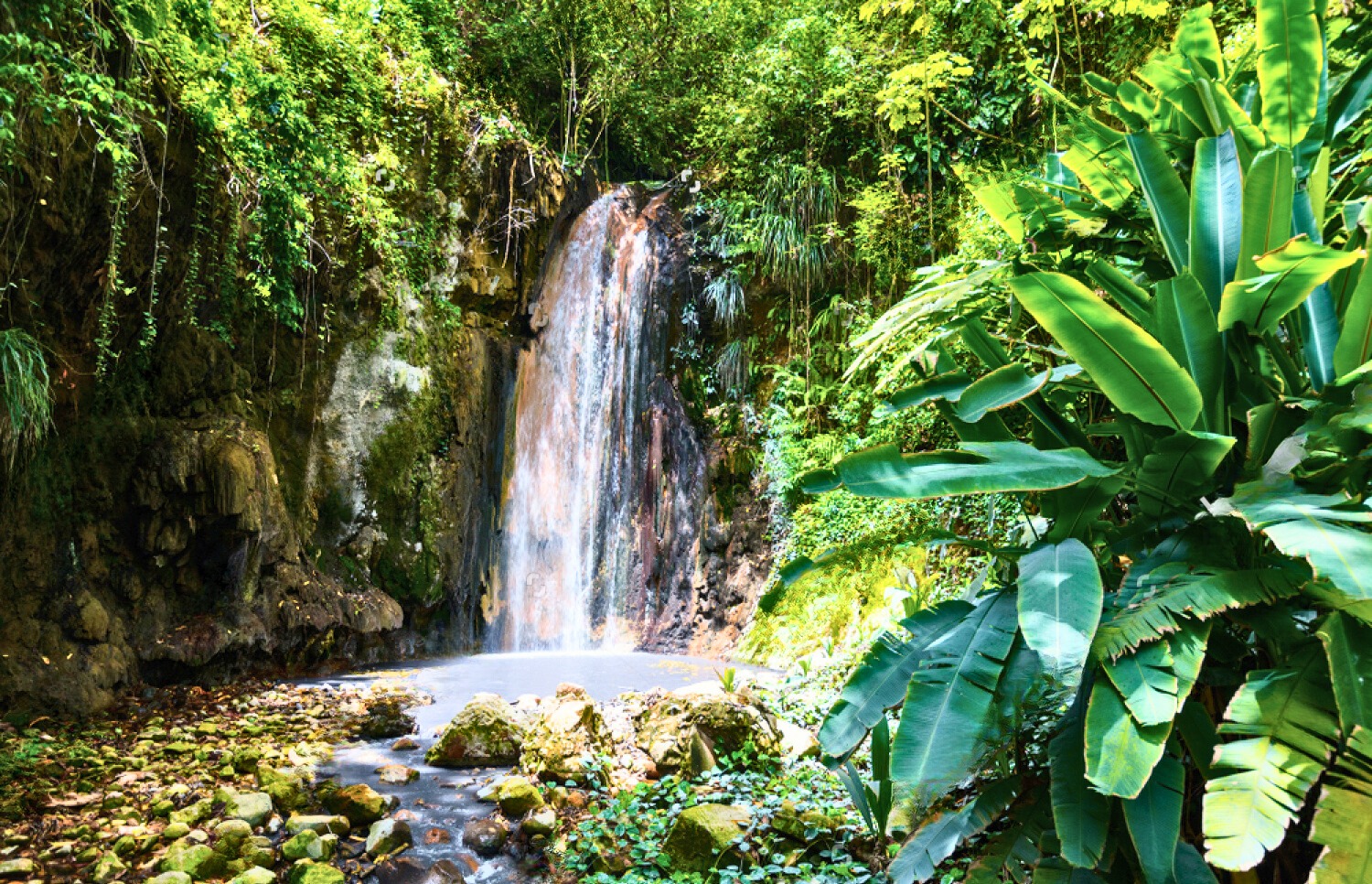
  • Water Bodies: Numerous rivers and waterfalls, including the notable Diamond Falls and the Sulphur Springs.
  •  
Saint Lucia

Geological Features

  • Geology: the island is volcanic in origin, featuring the famous Pitons, remnants of an ancient volcanic landscape.
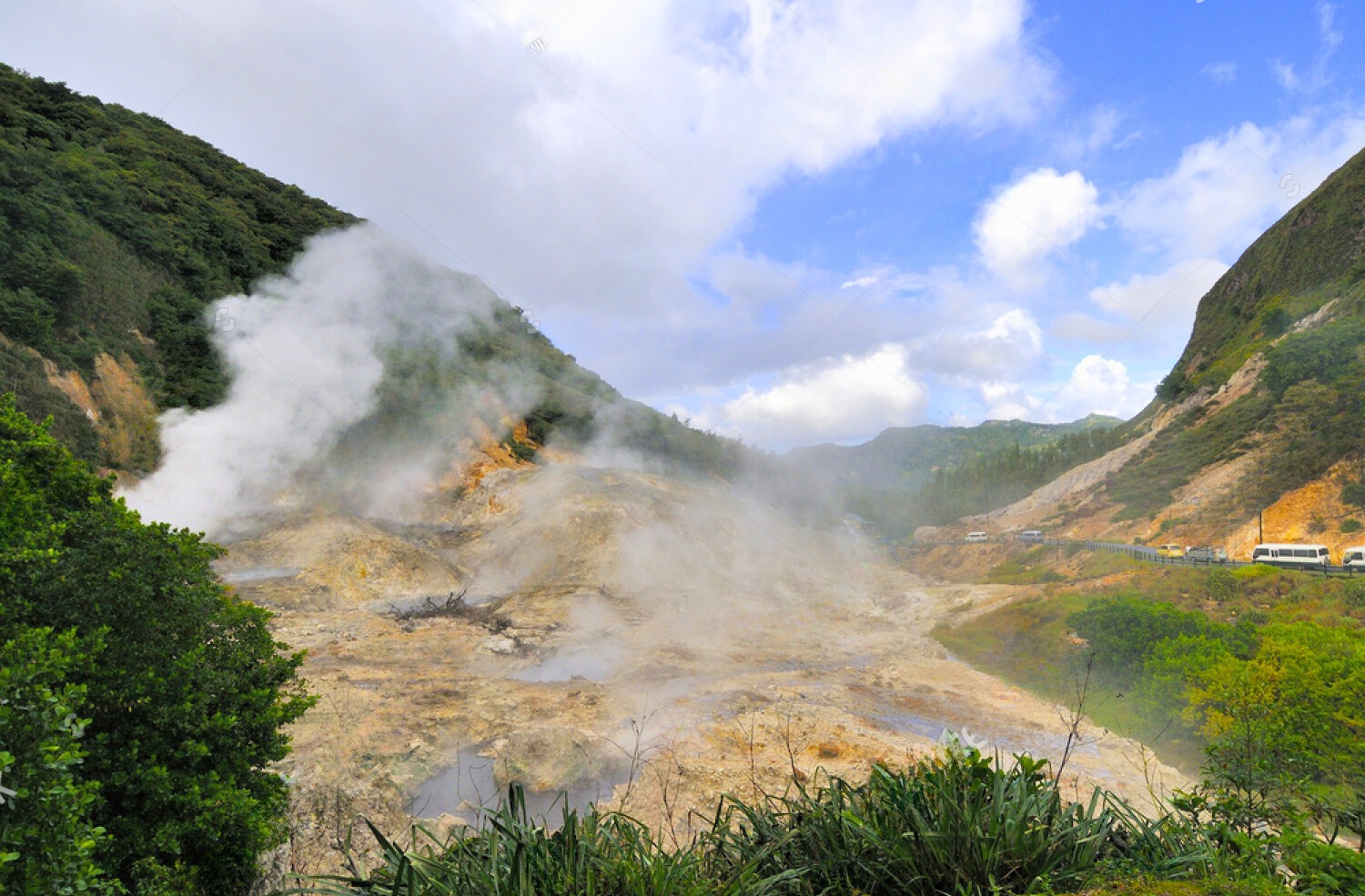
  • Natural Wonders: The island is home to the world’s only drive-in volcano at Sulphur Springs, where visitors can experience geothermal activity and therapeutic mud baths.

Cultural Landscape

Cultural Landscape

The island is a tapestry of cultures influenced by its indigenous Arawak and Carib peoples, African heritage, and French and British colonial histories. The island’s culture is celebrated through its vibrant festivals, music, and art.

The annual Saint Lucia Jazz & Arts Festival is a highlight, showcasing local and international artists and drawing crowds from all over. The island’s music scene is rich, with genres such as calypso, soca, and reggae being integral to its cultural identity.

The local language is English, with a distinctive Creole (Kweyol) widely spoken, reflecting the island’s heritage. The motto of Saint Lucia, “The Land of the Saintly,” underscores its rich cultural and spiritual legacy.

Saint Lucia
Saint Lucia

Local Cuisine

Saint Lucia’s Cuisine Highlight

Indulge in the flavors of the island, where the cuisine reflects a blend of Creole, French, and Caribbean influences, featuring fresh, local ingredients.

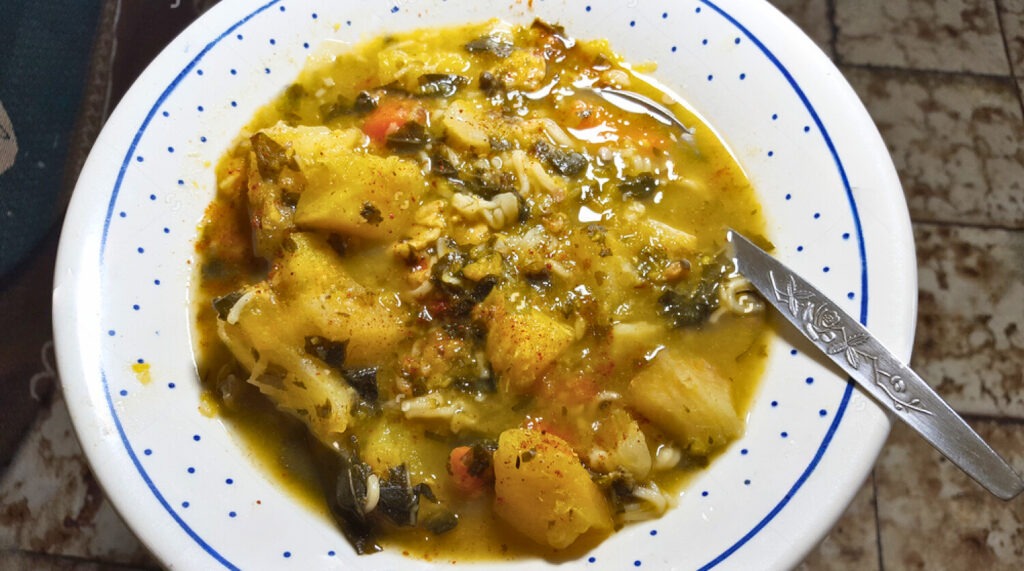
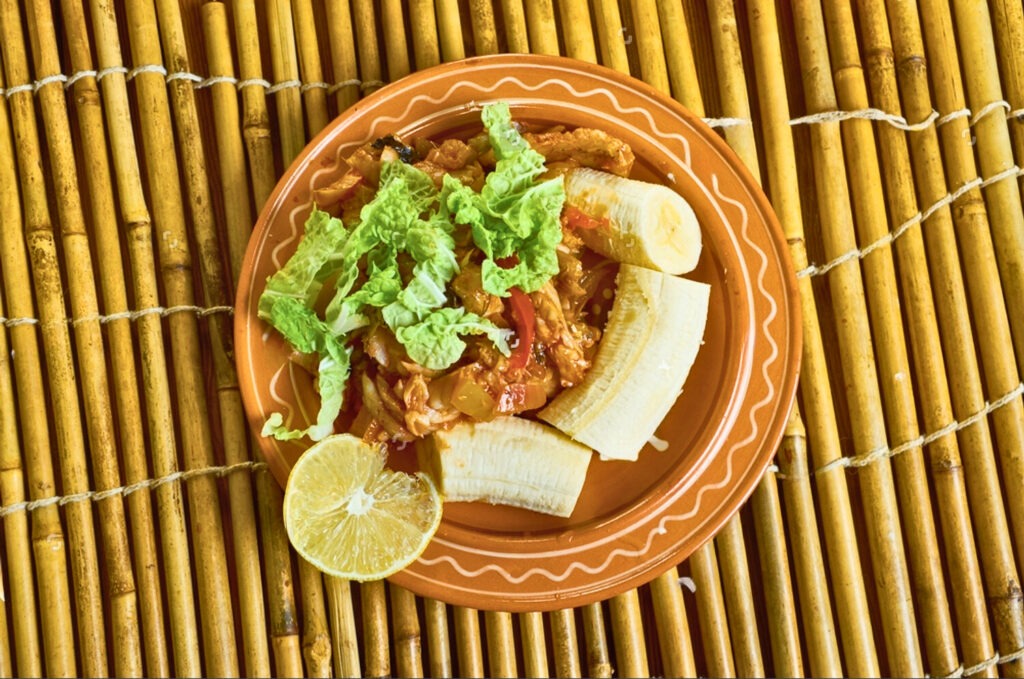
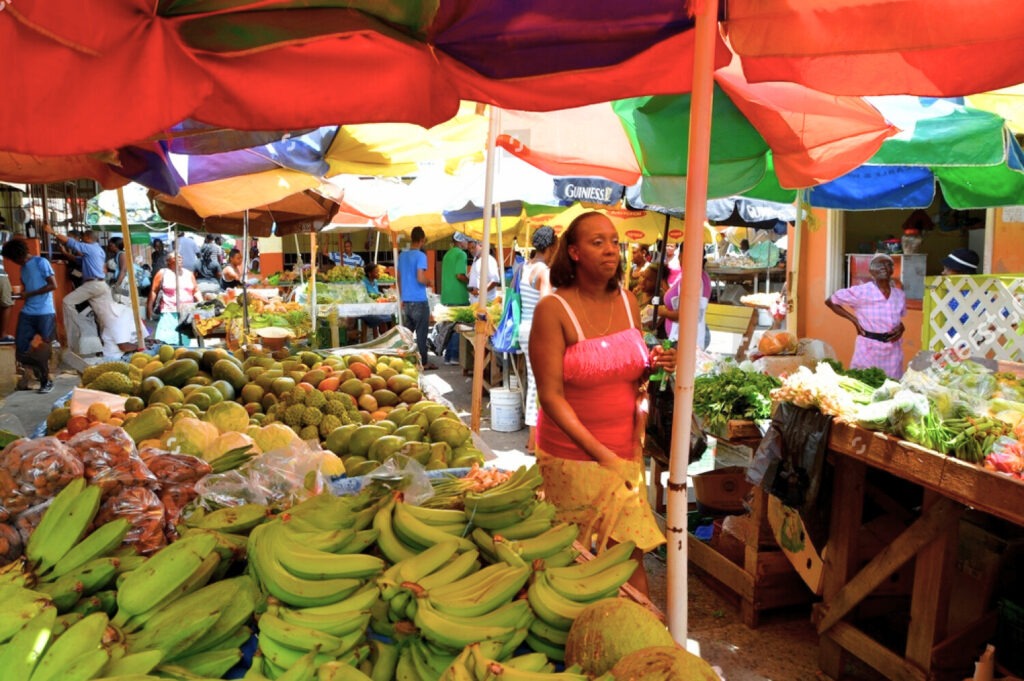
At the heart of Sainte-Lucian cooking is Green Fig and Saltfish, the national dish, made with boiled green bananas and salted cod, served with a spicy sauce. Another popular dish is Callaloo Soup, a hearty blend of leafy greens, okra, and spices.

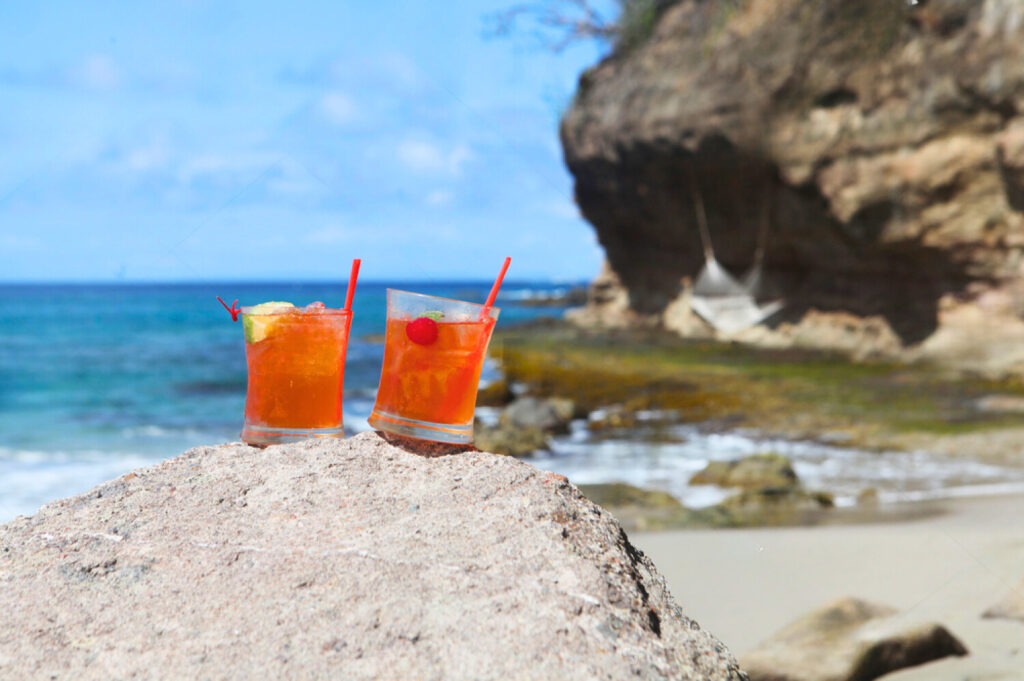
The island is also famous for its Bakes (fried dough) and Rum, produced from local sugarcane—a key attraction for visitors looking to experience the island’s culinary offerings.

Saint Lucia
Callaloo Soup
Saint Lucia
Green Fig and Saltfish
Saint Lucia
spice

Economy and Infrastructure

Saint Lucia‘s economy is diverse, with tourism being a significant driver, alongside agriculture and manufacturing.

Economic Overview

Tourism contributes approximately 65% to the GDP, attracting visitors with its stunning landscapes, rich culture, and warm hospitality. The island’s natural beauty and cultural heritage make it a sought-after destination for travelers seeking relaxation and adventure.

Agricultural Sector

Agriculture remains an important sector, with bananas and other tropical fruits being key exports. However, the agricultural industry faces challenges from global market fluctuations and climate change.

Tourism and Infrastructure

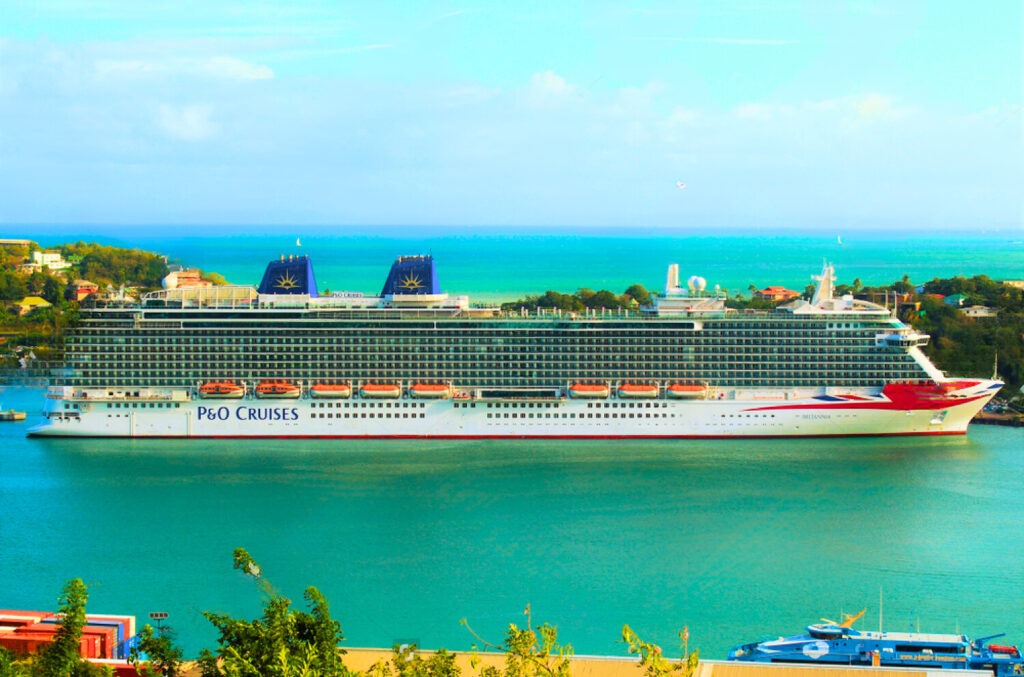
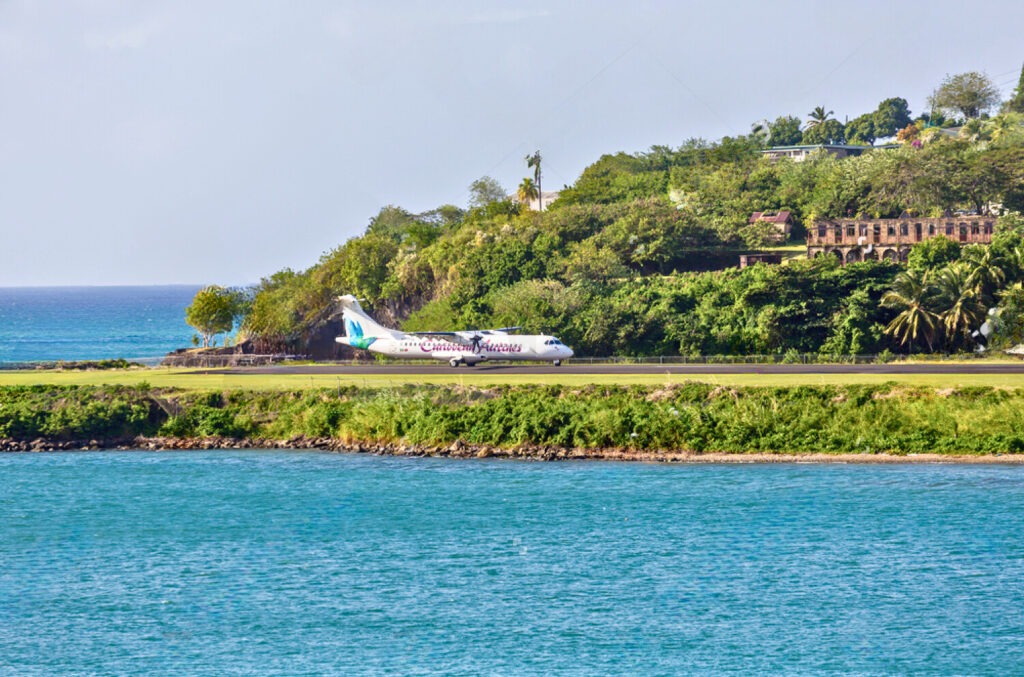
The tourism industry is supported by well-developed infrastructure, including Hewanorra International Airport and a network of roads and accommodations that facilitate access to various attractions. The government continues to invest in enhancing facilities and services to improve the tourist experience.

Services and Public Sector

The services sector, including retail, banking, and healthcare, is vital to the island’s economy, contributing to the residents’ quality of life and the island’s attractiveness for visitors.

Environmental Sustainability

Saint Lucia is increasingly focusing on environmental sustainability and conservation. Initiatives include protecting marine ecosystems, promoting eco-friendly tourism, and preserving the island’s natural resources. The government is committed to developing renewable energy sources and sustainable agricultural practices.

Saint Lucia
Saint Lucia
Saint Lucia

Historical Insights

From Settlement to Sovereignty

The island’s rich history has been shaped by various influences over the centuries:

  1. Early Settlements: The island was initially inhabited by the Arawak and Carib peoples before European colonization.
  2. Colonial Era: In the 17th century, the isand was contested by the French and British, resulting in numerous conflicts and changes in colonial authority.
  3. Emancipation and Cultural Shifts: The abolition of slavery in 1834 marked a significant turning point, leading to the emergence of a diverse cultural identity.
  4. Path to Independence: the island gained independence from Britain in 1979, becoming a sovereign nation while maintaining strong ties to the Commonwealth.
  5. Modern Developments: Today, Saint Lucia is known for its vibrant culture, stable political environment, and commitment to sustainable development.
Saint Lucia

What Makes Saint Lucia So Unique

  • Breathtaking Natural Landscapes: Home to the iconic Pitons and lush rainforests, Saint Lucia offers unparalleled natural beauty.
  • Rich Biodiversity: The island hosts a variety of endemic species and is a haven for nature enthusiasts and birdwatchers.
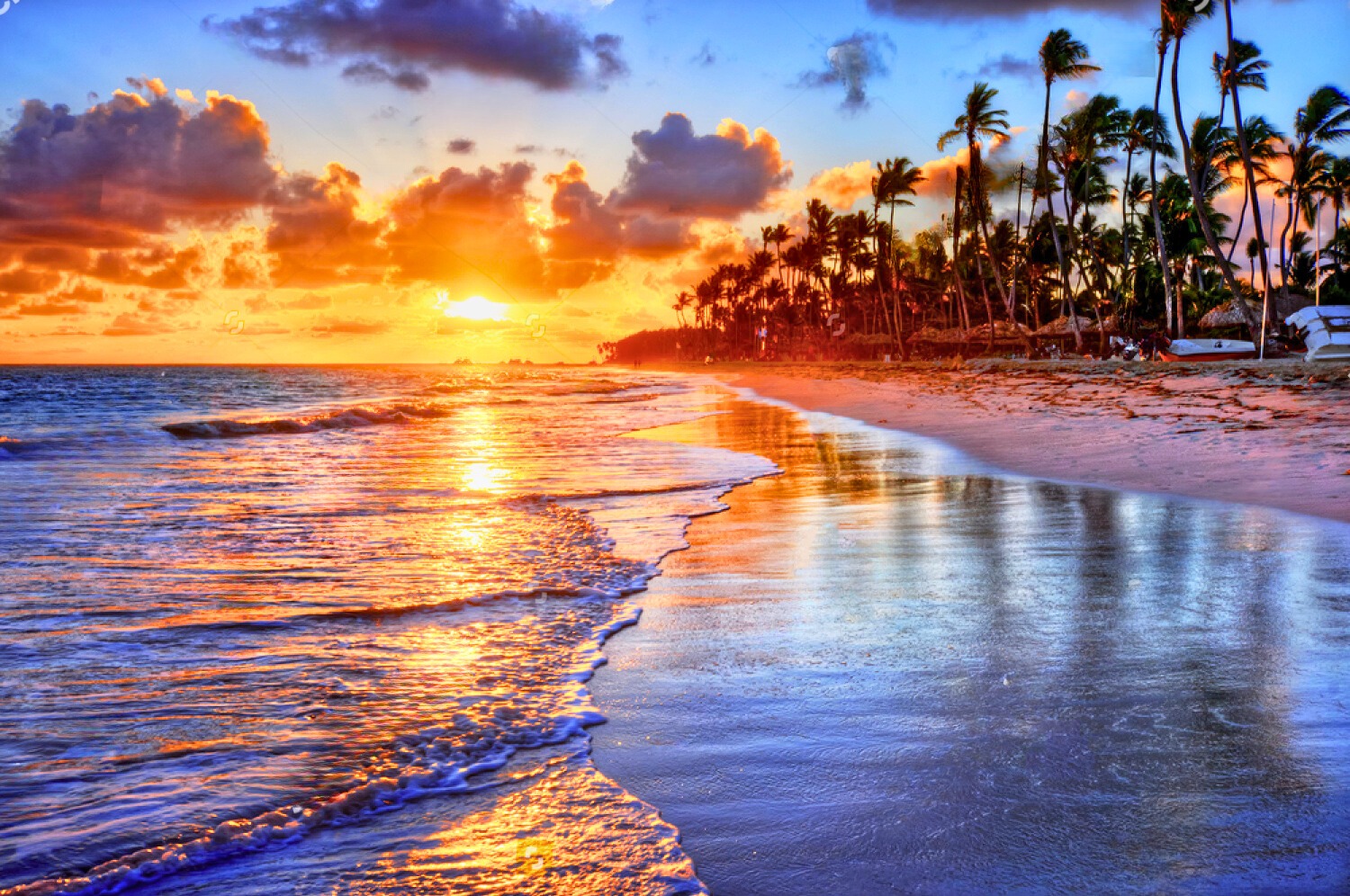
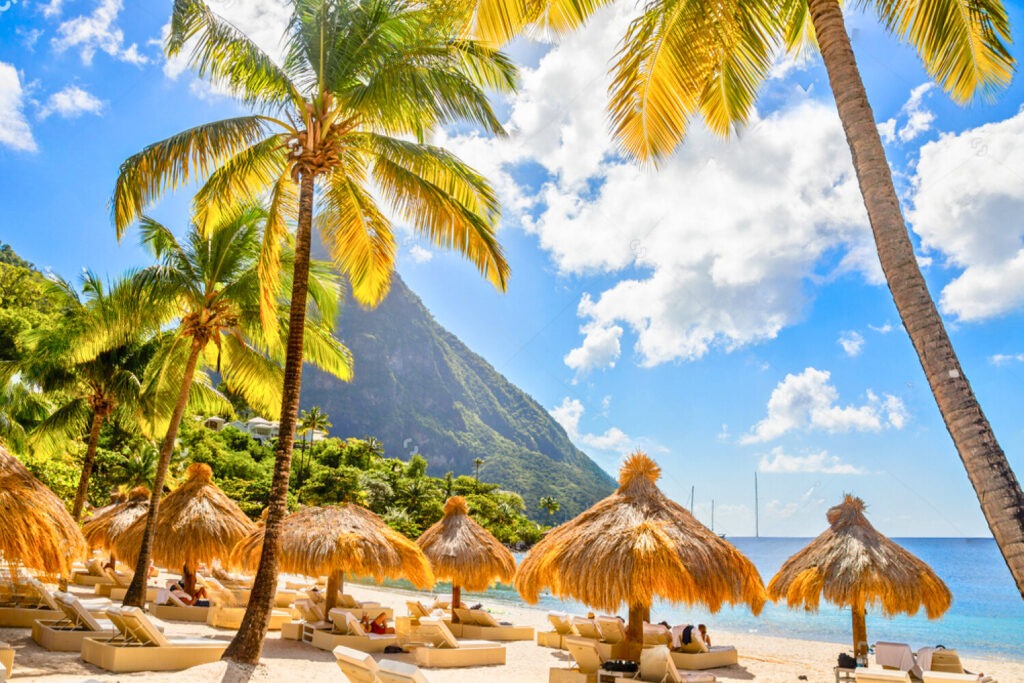
  • Stunning Beaches: With pristine beaches like Anse Chastanet and Reduit Beach, Saint Lucia is a paradise for sun-seekers and water sports lovers.
  • Cultural Heritage: A unique blend of indigenous, African, and European influences creates a rich cultural tapestry, evident in music, dance, and festivals.
  • Gastronomy: The island’s cuisine showcases fresh, local ingredients and traditional recipes, making it a culinary delight for visitors.
  •  

Places to visit in Saint Lucia

Events

Rhythms of Saint Lucia

Saint Lucia’s culture comes alive through its festivals and events, which highlight music, art, and culinary traditions:

  1. Independence Day (February 22): Celebrated with cultural events, parades, and public festivities.
  2. Saint Lucia Jazz & Arts Festival (May): A major cultural event featuring local and international artists.
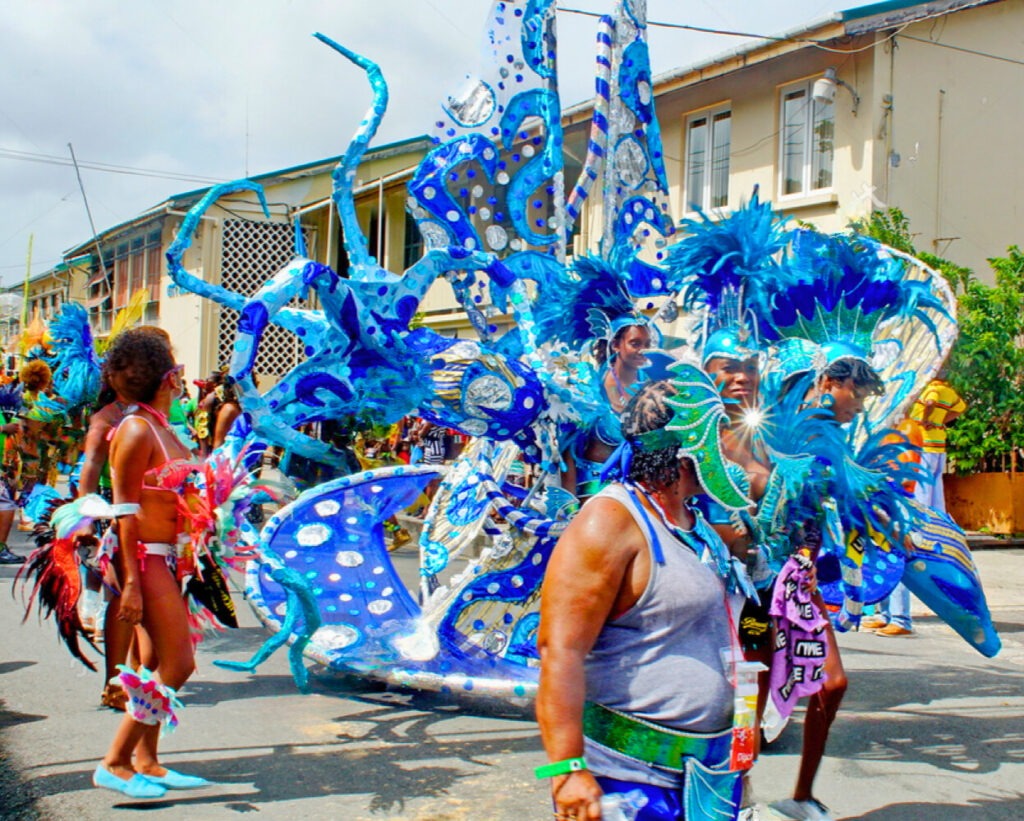
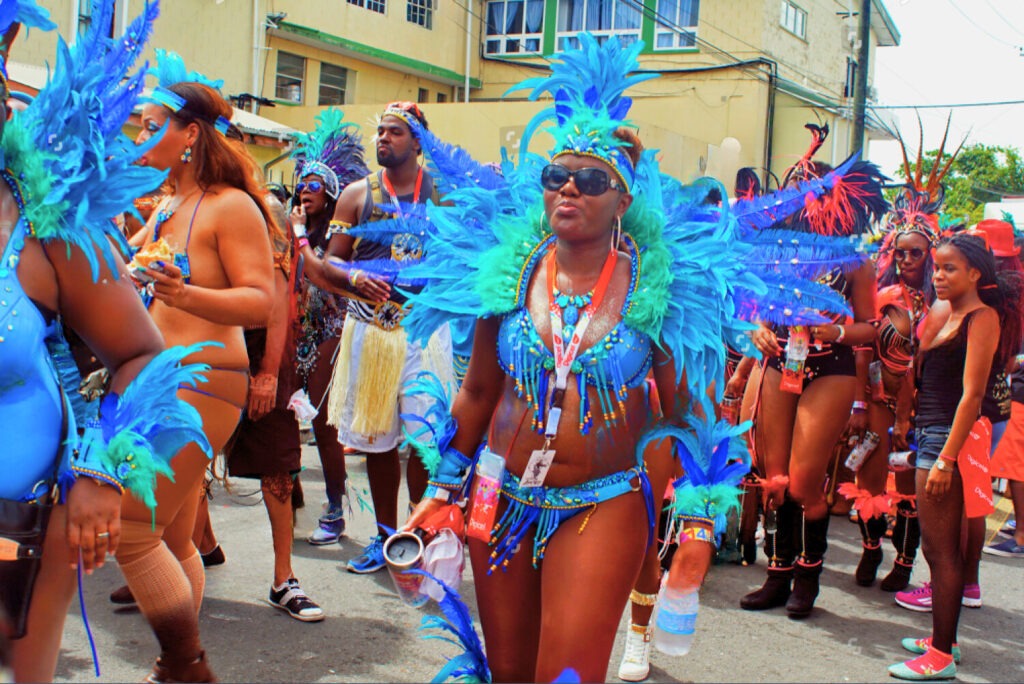
  3. Carnival (July): A vibrant celebration filled with parades, costumes, and music.
  4. Saint Lucia Food and Rum Festival (October): A gastronomic experience showcasing local cuisine and rum.
  5. Festival of Lights (December): A celebration of Christmas with parades and festive activities.

Directory

Saint Lucia Art Galleries Studios and Centers

Saint Lucia boasts a vibrant arts scene and numerous cultural venues:

  • The National Cultural Centre: A hub for performing arts hosting concerts, theater productions, and exhibitions.
  • The Saint Lucia Art Society: Promoting local artists and organizing exhibitions and workshops.
  • The Folk Research Centre: Preserving and promoting the island’s cultural heritage through research and events.

Museums and Heritage

Saint Lucia offers a range of museums that delve into its history and culture:

  • The Museum of Saint Lucia: Located in Castries, this museum highlights the island’s history, culture, and heritage.
  • The Morne Coubaril Estate: A historical plantation showcasing the island’s colonial past and sugar production.
  • The Derek Walcott Museum: Commemorating the Nobel laureate poet’s life and works, located in his childhood home.

Saint Lucia’s unique blend of natural beauty, rich culture, and welcoming spirit makes it a standout destination in the Caribbean, inviting visitors to explore its landscapes, savor its flavors, and engage with its vibrant heritage.

Leave a Reply

Your email address will not be published. Required fields are marked *

More articles from RK

French
NEWS
Tolotra

396 million people speak French: the 2026 report reveals

The Organisation internationale de la Francophonie has published a figure that reshuffles the deck in the global language debate: 396 million people now speak French. With this total, the French language in the world rises from 5th to 4th position behind English, Mandarin and Spanish, but ahead of standard Arabic. This is more than just an announcement. It marks a fundamental change in the place of French on the international stage, and confirms that the language continues to make headway in strategic areas such as education, economic exchanges, digital technology and cultural mobility. Global progress changes the narrative around French For years, French has often been portrayed as a language of great influence, but weakened in the face of global competition. The OIF’s 2026 report introduces an important corrective. The French language in the world is not only holding its own: it is gaining ground in terms of the number

Read More »
Bonaire
TOURISM
Tolotra

Bonaire, a Caribbean island built around the sea and conservation

In the southern Caribbean, off the coast of Venezuela, Bonaire is a territory in a class of its own. Less publicized than its neighbors Aruba and Curaçao, the island has built its identity around one central principle: the protection of its environment. Here, the sea structures the economy, landscapes and customs, while tourism development has been gradual and controlled. For travelers, Bonaire offers a clear picture: a compact island, visible natural areas, an accessible coastline and an organization geared towards sustainability. An island structured by its marine park Since 1979, Bonaire’s entire coastline has been protected by the Bonaire National Marine Park which completely surrounds the island. This marine area regulates nautical activities and aims to preserve the coral reefs, considered among the best preserved in the Caribbean. One of the island’s special features is the direct accessibility of its marine sites. Diving and underwater observation can be carried out

Read More »
Marcus Garvey
HISTORY & HERITAGE
Tolotra

Jamaica – Marcus Garvey, Jamaican hero of international renown

Marcus Garvey remains one of the most influential figures to emerge from the Caribbean. Born in Jamaica at the end of the 19th century, he transformed a local experience into a political and cultural project of international scope. At a time when black populations faced deeply rooted systems of exclusion, Marcus Garvey proposed a structured vision based on dignity, organization and autonomy. Recognized today as a national hero in Jamaica, he is much more than a historical symbol. His story helps us understand how the Caribbean helped shape major intellectual and political movements on a global scale. His name continues to circulate in contemporary debates on identity, memory and the development of societies born out of colonial history. From Jamaican origins to the formation of a committed conscience He was born on August 17, 1887 in St. Ann’s Bay, Jamaica, into a modest family. Very early on, he developed a

Read More »

conTACT RK

we'd love to have your feedback on your experience so far

Join The List

Join our Richès Karayib community!  Sign up for our newsletter.

Want To Maximize Your Business Presence On Riches Karayib?

Complete the form to start the application