
Martinique: BPM, towards a sustainable structuring of the local music industry

La vi artis rèd: a look at the reality of Martinican artists

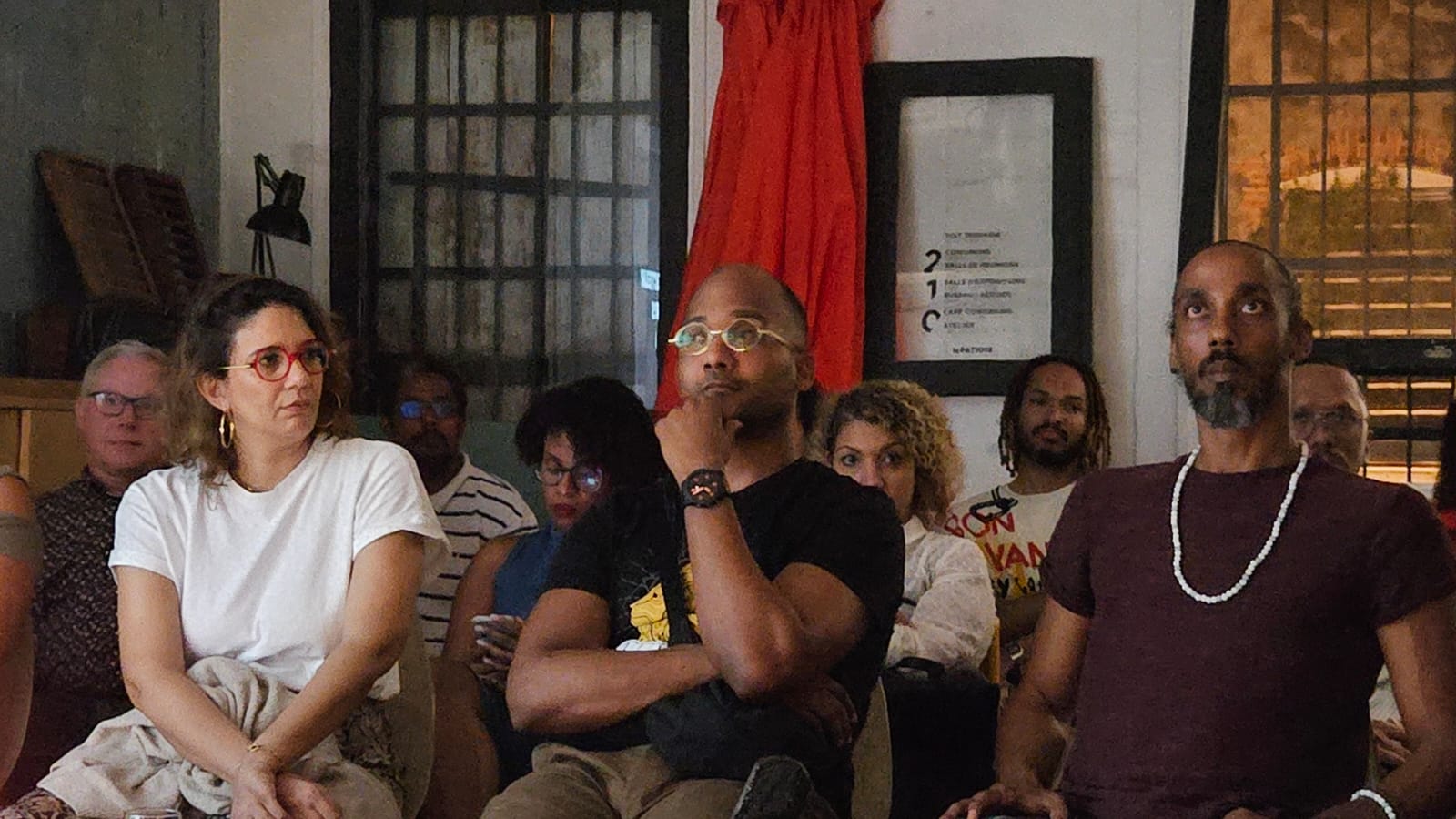
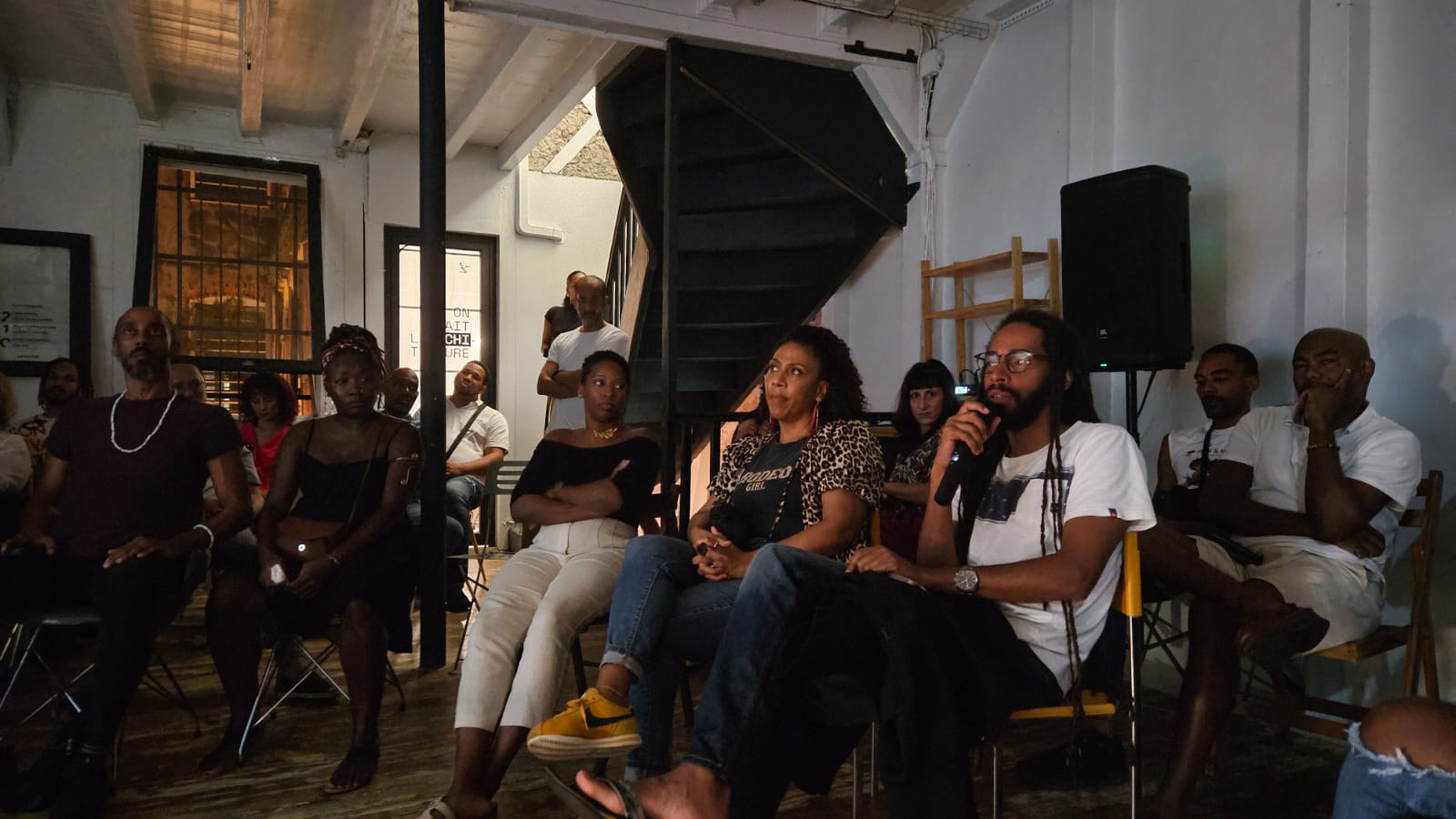
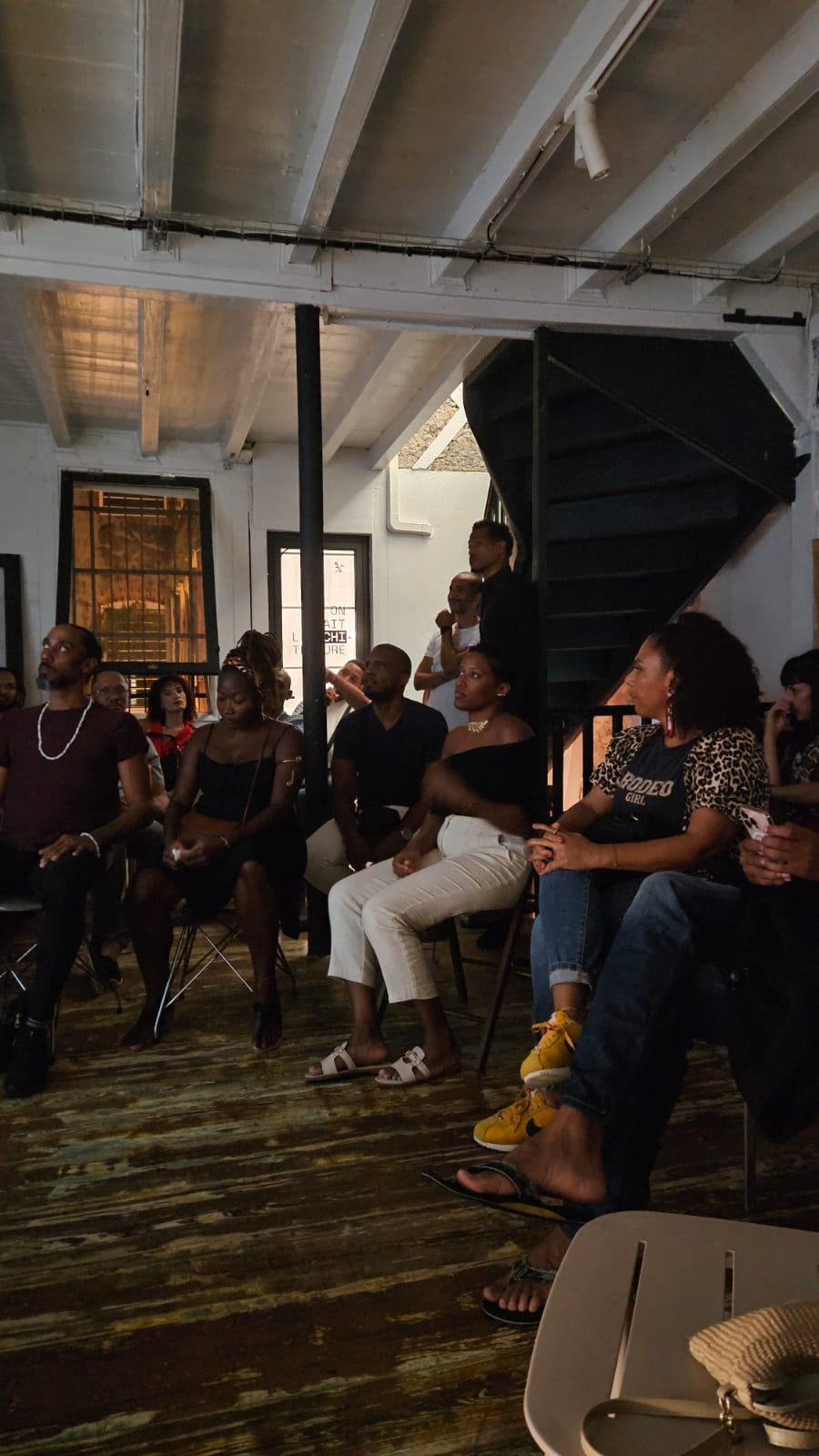
BPM (Balan Pou Mizik) hosted an event at Patio 19 in Fort-de-France.

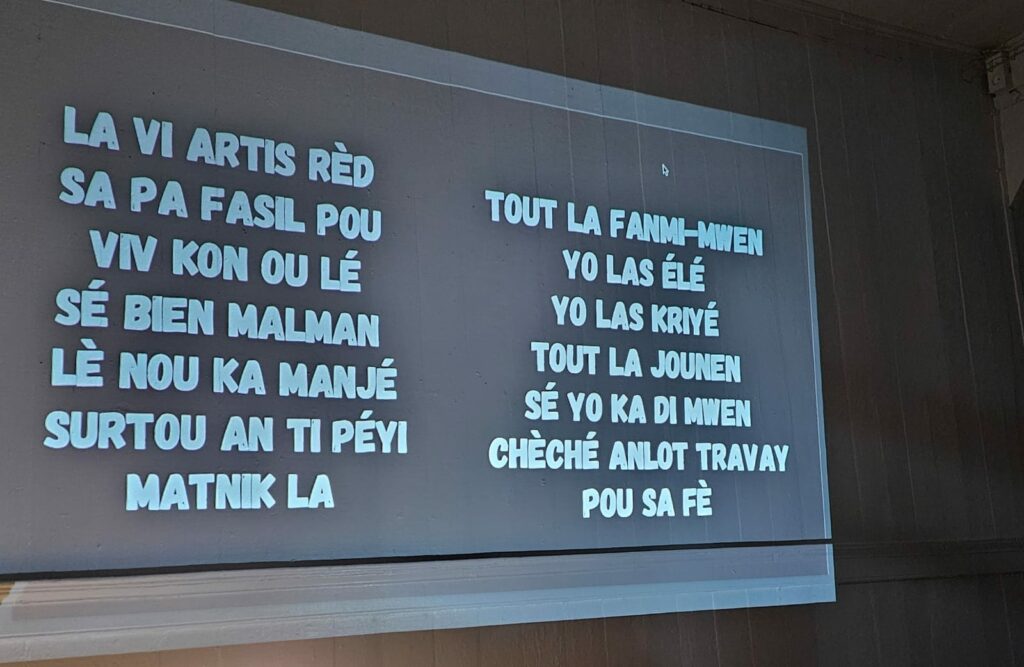
Thomas Boutant and Eric Bolnet evoked the emblematic song by the artist Kali, “La vi artis rèd”, underlining the extent to which its lyrics remain topical. They addressed the persistent challenges facing Martinican artists, particularly in terms of travel, structuring and valorizing their work.

One of the major points raised was the need for artists to better understand how to manage their income and the economic impact of their music in a constantly changing context.

Balan Pou Musik
Lyrics to the song “La Vi Artis Rèd' - KALI

BPM: A young association with big ambitions

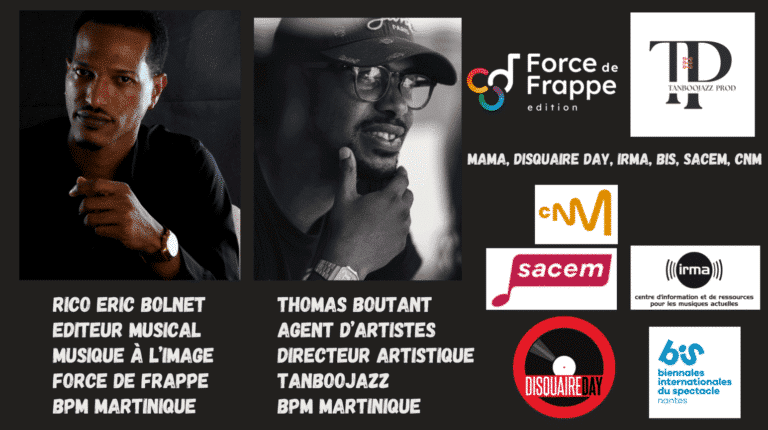
The BPM (Balan Pou Mizik) association, founded by Thomas Boutant and Eric Bolnet aka Rico, is fast becoming a key player on the Martinique music scene. Founded with the aim of solving problems linked to the structuring of the local music industry, BPM focuses on the creation of a supportive and dynamic community.

At the meeting, the two founders highlighted the difficulties faced by artists, producers and managers in Martinique, particularly in terms of funding, distribution and access to information.

Balan Pou Musik
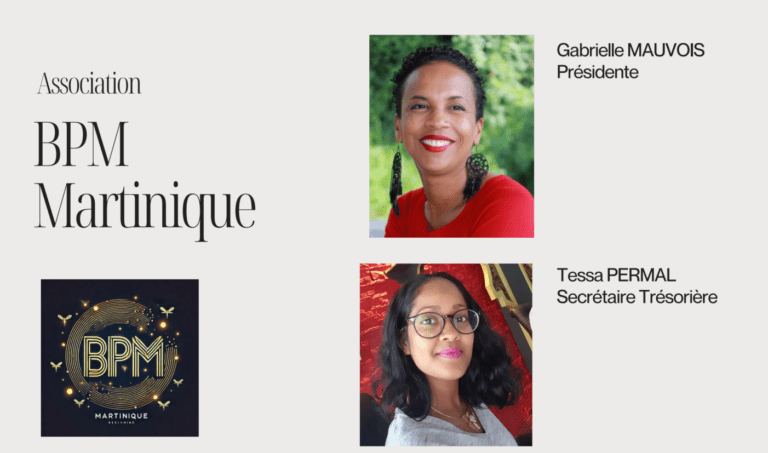
The BPM team
Balan Pou Musik
BPM's team

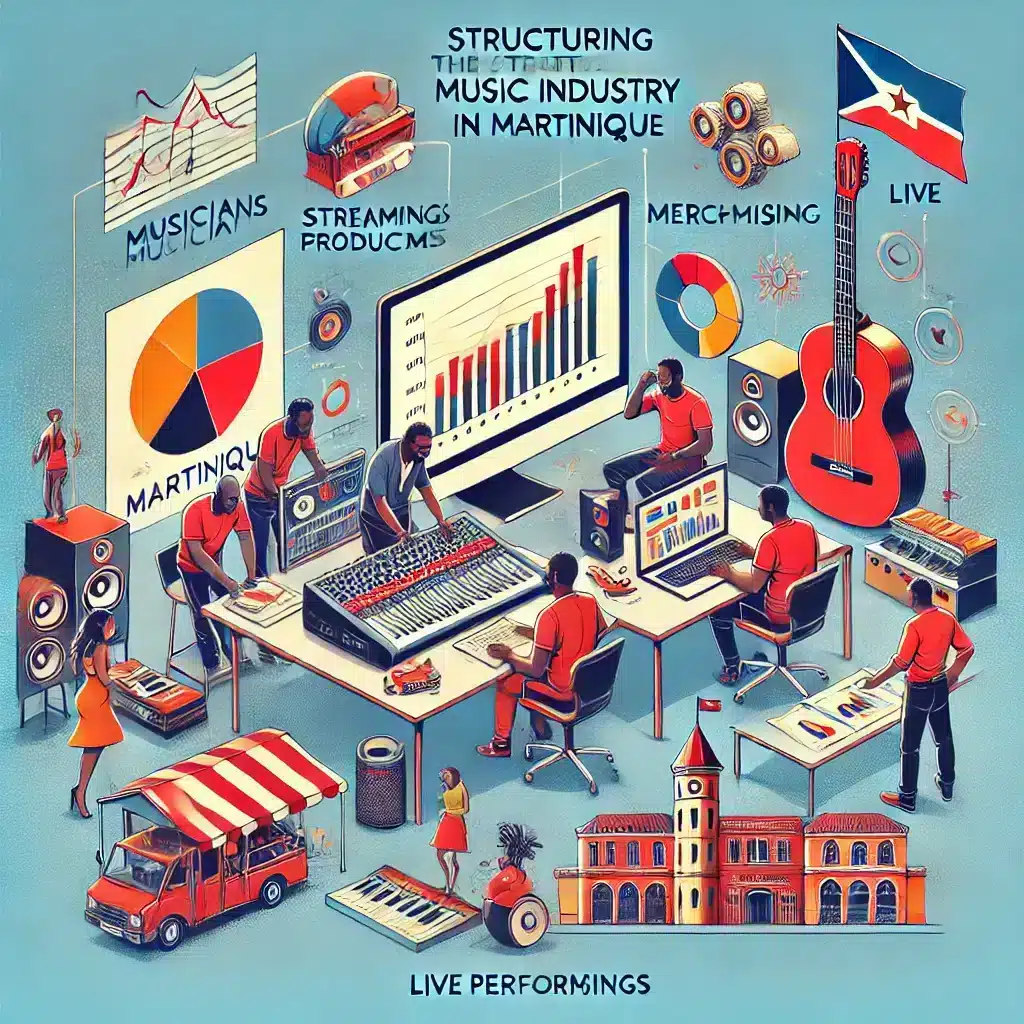
The challenges of structuring the music industry

At the event, Thomas and Eric stressed the importance of accurate local economic data. Without concrete figures, it is difficult to defend the economic value of local music to investors and public institutions. BPM aims to remedy this shortcoming by offering analysis and structuring tools adapted to local realities.

Balan Pou Musik
The BPM team

Kassav: an inspiring example for the local scene

BPM
Kassav - 2024

The example of the group Kassav was cited as a key reference. With over 27 albums to their credit and worldwide recognition, Kassav has proved that West Indian music can shine on the international stage. The group has conquered prestigious stages such as the Zénith in Paris with over 60 consecutive concerts. Their success shows that a solid structure and a well-defined market strategy are essential keys to exporting Caribbean music.

Balan Pou Musik
Kassav's prize list

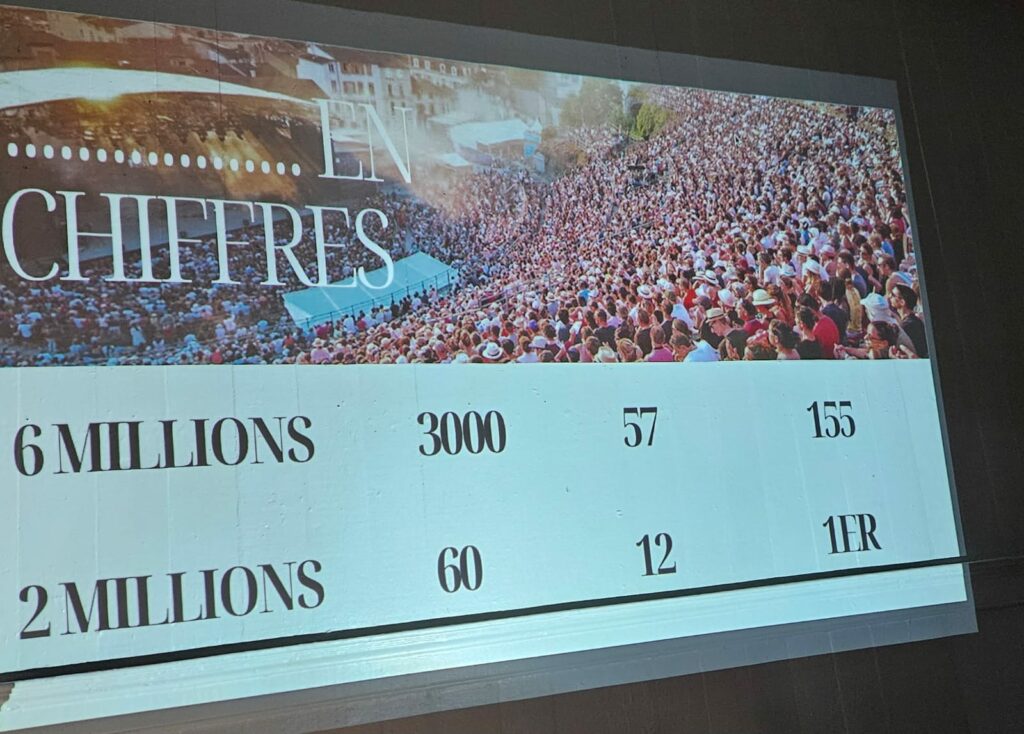
A few key figures about Kassav :

  • 6 million albums sold worldwide (excluding cassettes).
  • 3000 concerts over the course of their career.
  • 57 the number of Kassav albums, including those by the group’s artists.
  • 155 musical works.
  • 2 million cumulative spectators since 2009.
  • 60 Zenith (Paris and Province).
  • 12 consecutive concerts at the Zénith in Paris.
  • 1st zouk band to play the Stade de France.
  • 72 countries explored through their international tours.

A business model to be redefined

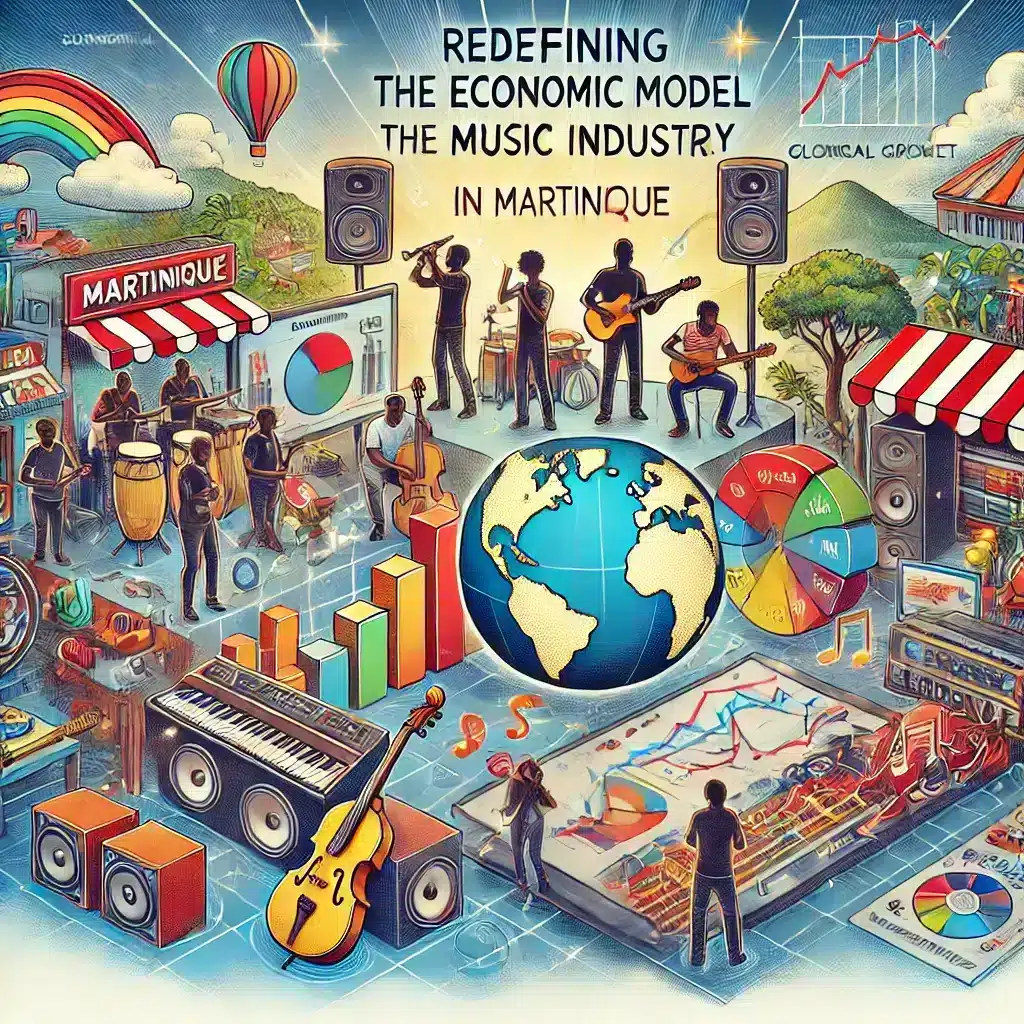
Discussions highlighted the need to rethink the economic model ofMartinique’s music industry. With a population of just 365,000, local artists need to adopt a global vision, relying on streaming platforms and international market opportunities.

Concrete examples, such as merchandising sales on tour, were cited as ways of diversifying revenues.

One striking example was an artist who arrived with a suitcase full of merchandising, including t-shirts, caps and even baby onesies emblazoned with his logo. Thanks to this initiative, he was able to generate significant revenue in addition to his artistic fee, illustrating the importance of a proactive commercial approach to maximize financial opportunities. merchandising during tours, were cited as avenues for revenue diversification.

Balan Pou Musik
Music industry business model

Joining forces to structure: Federating and supporting

A crucial point raised at the event was the need to better federate the players in the music industry. Too often, artists work in isolation, which limits their ability to access funding and opportunities.

BPM offers support to artists, helping them to navigate the administrative maze, structure their projects and create synergies between them. The audience also shared their experiences and expectations in the face of these challenges.

The event brought together local music industry professionals and highlighted the many challenges facing the local music industry, as well as the solutions envisaged by BPM.

With a strategy focused on structuring, data collection and federating players, BPM is positioning itself as an essential lever for the sustainable development of the music industry in Martinique. The challenges facing the local music industry, but also the solutions envisaged by BPM.

Leave a Reply

Your email address will not be published. Required fields are marked *

More articles from RK

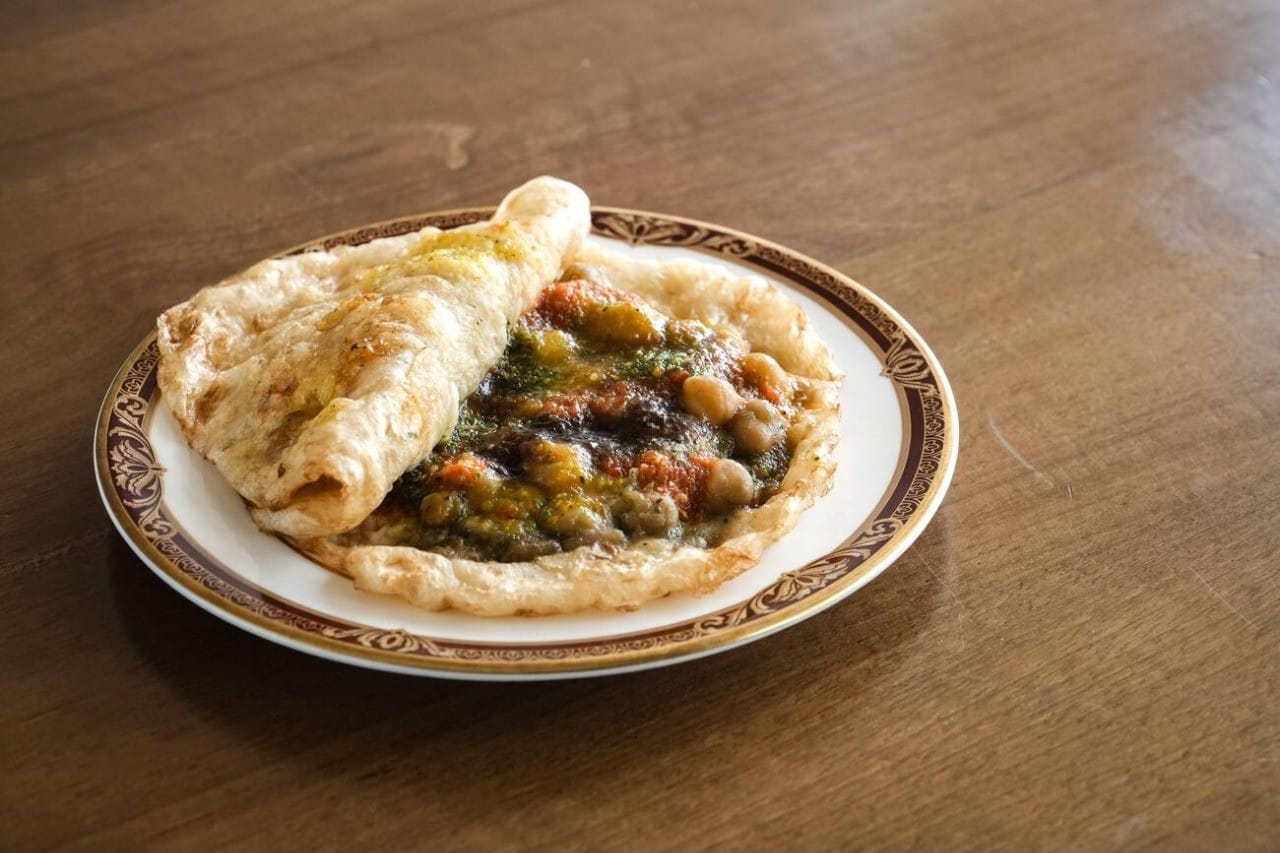
Doubles, plat de rue de Trinité-et-Tobago composé de deux baras frits et de pois chiches au curry
CULINARY ART
Tolotra

Doubles: The Story of Emamool Deen Behind Trinidad’s Street Food Dish

In Princes Town, in southern Trinidad and Tobago, the “doubles” were born in 1936 from a simple gesture: a customer asking for a second piece of bread. At the time, Emamool Deen and his wife Rasulan were selling curry chickpeas on a single piece of fried bread, unaware that they were inventing the country’s most iconic street food. Nearly a century later, doubles still tell the story of Indo-Trinidadian heritage through this chickpea sandwich, which has become a national symbol. A Morning in Princes Town, 1936 At 4:00 a.m., in a courtyard in Princes Town, in the southern part of Trinidad and Tobago, Rasulan Deen lights the fire that will heat the coconut oil. Her husband, Emamool Deen, is boiling the chickpeas that the couple was able to buy by selling a goat, the only possession they had. The year is 1936, and according to oral tradition preserved by several
Read More »
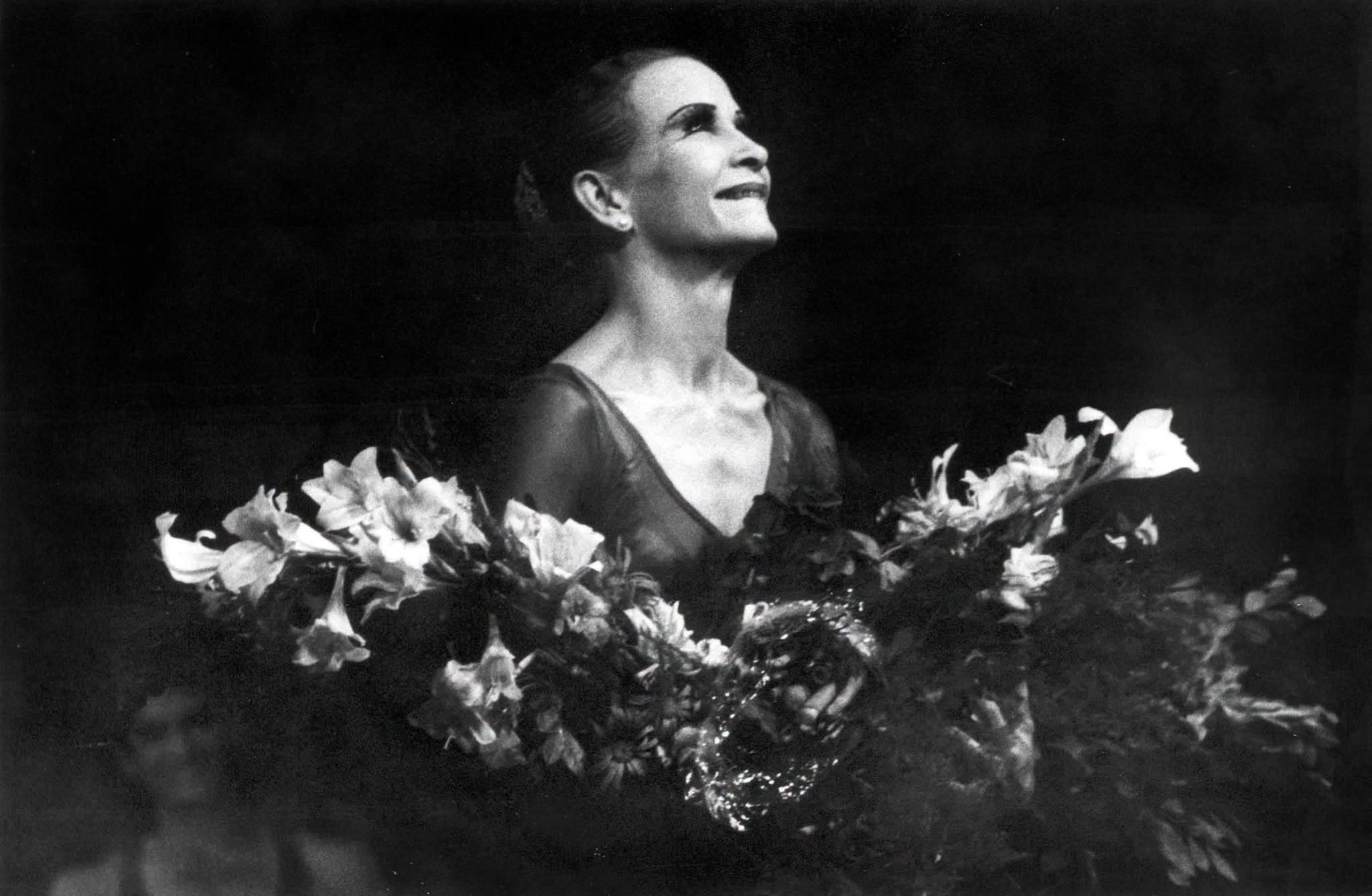
María Elena Llorente recevant un hommage floral, Ballet Nacional de Cuba
DANCE
Tolotra

María Elena Llorente: 50 Years of Ballet in the Service of Cuba

In May 1977, a Cuban dancer took the stage in New York with the Alvin Ailey Dance Theater. In the audience that evening, actor Harry Belafonte watched the performance and would later describe the evening as a significant historical event. This dancer’s name was María Elena Llorente, prima ballerina and ballet mistress of the Ballet Nacional de Cuba. Her career spans fifty years of dance, spent almost entirely with a single company—the one founded by Alicia Alonso in Havana—on an island where, over the decades, classical ballet has become as much a source of national pride as it is an art form. María Elena Llorente, of the Sociedad Pro-Arte at the National Academy It all began at the Sociedad Pro-Arte Musical, a school in Havana where young Cuban women learned the basics of classical ballet even before the official founding of the national ballet company. María Elena Llorente then continued

Read More »
Two men greeting each other with "Asere, qué bolá" in Havana
HISTORY & HERITAGE
Tolotra

“Asere, ¿qué bolá?”, the street greeting Obama dared to use in Cuba

“Asere, ¿qué bolá?”, this Cuban street greeting, was already in common use in Havana’s working-class neighborhoods long before a U.S. president adopted it as well. On Saturday, March 19, 2016, on the eve of the first presidential trip to the island in nearly nine decades, Barack Obama appeared in a Cuban TV sketch alongside Pánfilo, a comedic character well known to viewers on the island, and delivered a “qué bolá” that no one expected to hear from a U.S. head of state. The next day, upon setting foot in Havana, he did it again on Twitter: “¿Que bolá Cuba? Just touched down here.” In just a few hours, two words of Havana slang had bridged the gap between the street and the world of diplomacy. What does “Asere, ¿qué bolá?” mean? Taken literally, “asere” doesn’t really translate, and “qué bolá”—which comes from “bola,” meaning “ball”—doesn’t convey anything more literal than

Read More »

conTACT RK

we'd love to have your feedback on your experience so far

Join The List

Join our Richès Karayib community!  Sign up for our newsletter.

Want To Maximize Your Business Presence On Riches Karayib?

Complete the form to start the application