Montserrat and its exceptional biodiversity
Montserrat, the small Caribbean island, has just taken a crucial step towards protecting its biodiversity. biodiversity unique. In December 2024, the authorities launched the island’s National Biodiversity Strategy and Action Plan (NBSAP), marking a turning point in its conservation efforts.
Nestled in the heart of the Lesser Antilles, it is home to a surprisingly rich biodiversity. The island is one of the UK’s overseas territories, home to over 90% of the UK’s total biodiversity. This ecological importance contrasts with the island’s modest size, underlining the need for urgent action to preserve this natural treasure.
An ecological jewel under threat
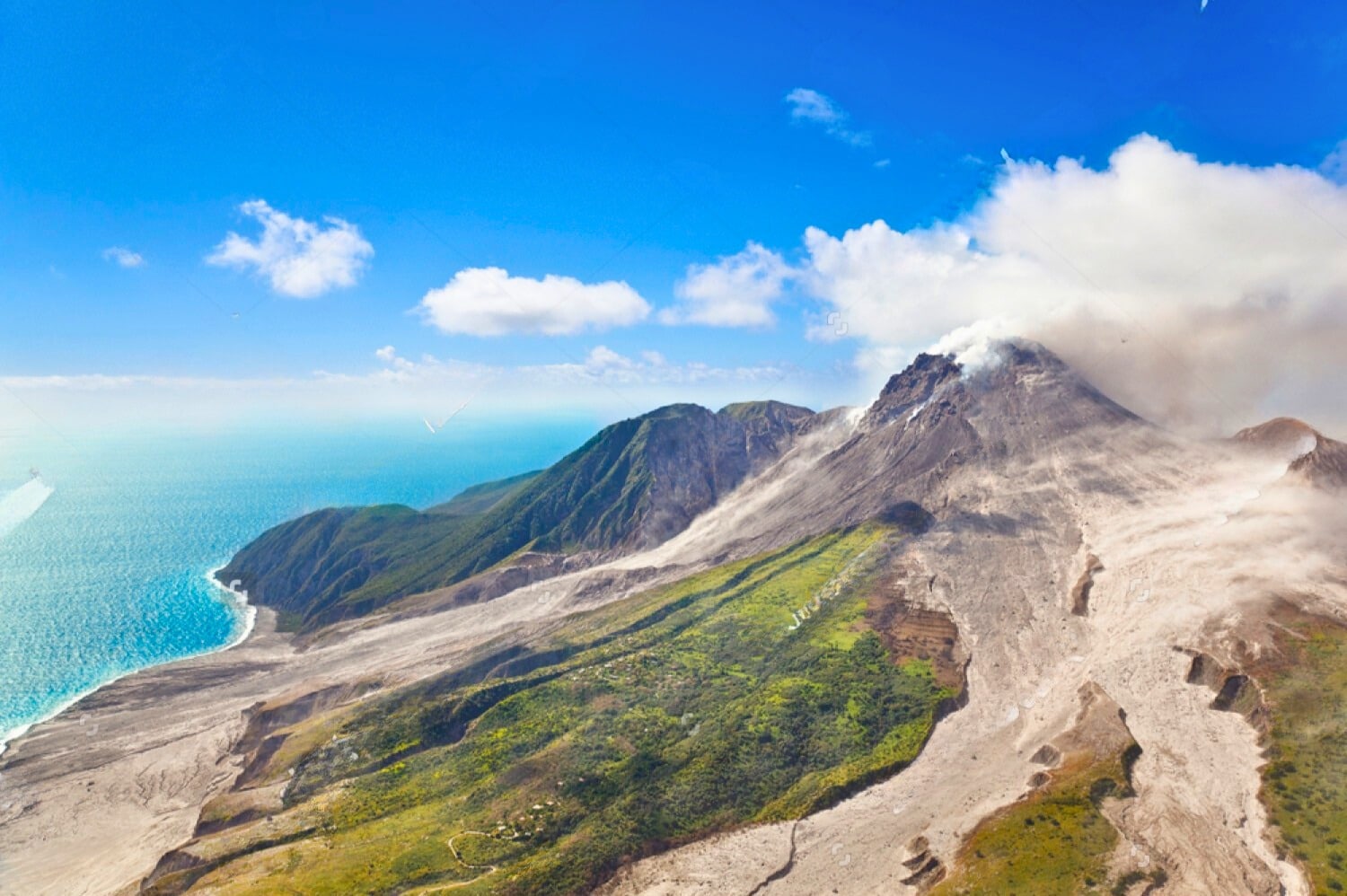
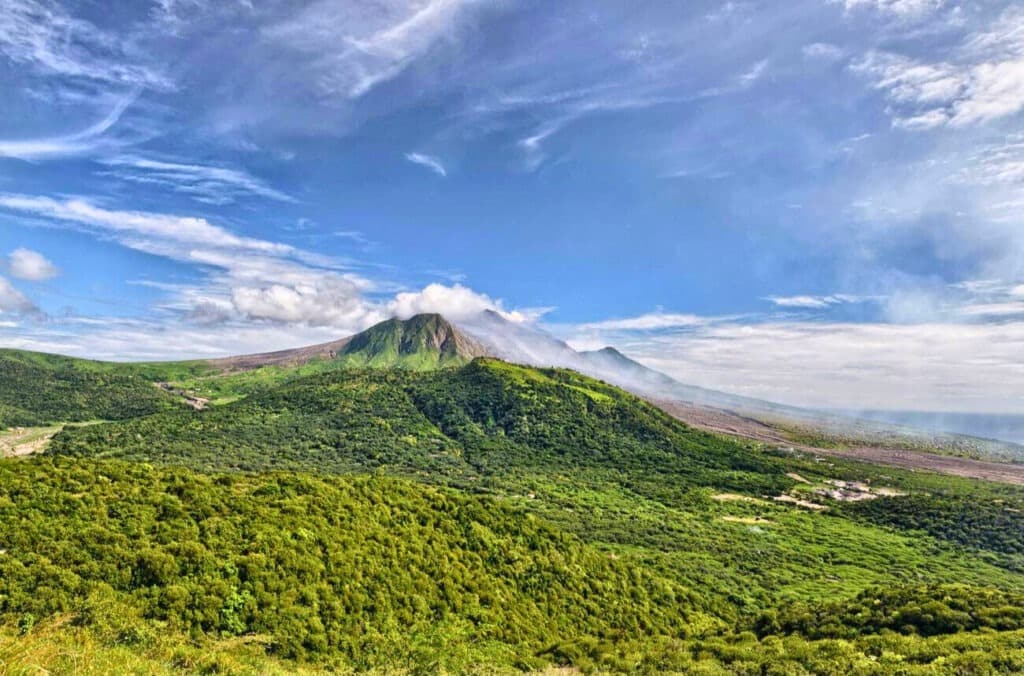
Known as the “Green Island”, the island is distinguished by its varied topography and breathtaking scenery. Dense tropical forests, sandy beaches and volcanic mountains make it an ideal habitat for many endemic species. However, this biodiversity is threatened by a number of factors, including climate change and human activities.
Unique ecosystems to protect
Montserrat is distinguished by the diversity of its habitats, ranging from tropical rainforests to coral reefs and volcanic areas. The Centre Hills Forest Reserve, in particular, plays a crucial role as home to many endangered endemic species, such as the Montserrat oriole and the mountain frog. These species are not only ecologically valuable, but also constitute a cultural heritage for the island’s inhabitants.
An ambitious initiative supported by the OECS
The launch of NBSAP is part of the wider BioSPACE program (Biodiversity Support Program for Coastal Environments), an initiative funded by the European Union to the tune of 10.7 million euros. This program, coordinated by the Organization of Eastern Caribbean States (OECS), aims to strengthen biodiversity management throughout the Caribbean region.
Concrete actions to restore ecosystems
The plan’s key measures include :
- The installation of an artificial reef to compensate for the loss of natural reefs due to volcanic eruptions.
- The integration of this island into the Regional Environmental Data Portal, facilitating decision-making based on scientific data.
- Setting up educational programs to raise local awareness of the importance of biodiversity.
A sustainable development model for the Caribbean
John Osborne, Montserrat’s Minister for Agriculture, Lands, Housing and the Environment, emphasizes the importance of this strategy: “The NBSAP will be tailored to Montserrat’s specific characteristics, addressing its challenges while building on its strengths. A well-designed strategy will be able to open up opportunities in ecotourism, sustainable agriculture and cottage industries, ensuring that the island’s natural heritage benefits all Montserratians.”
A collaborative and inclusive approach
The implementation of the NBSAP is based on extensive stakeholder consultation. Over the coming months, the Department of the Environment and the project planning team will be conducting bilateral meetings, field visits and workshops to ensure a truly collaborative approach.
Challenges for Montserrat
Despite the enthusiasm generated by this new plan, the island will have to face several challenges in its implementation:
- Long-term financing of conservation actions
- Managing the impact of climate change on island ecosystems
- Reconciling economic development and environmental protection
- Awareness-raising and ongoing involvement of the local population.
A ray of hope for Caribbean biodiversity
Montserrat’s initiative represents an important step towards more sustainable natural resource management in the Caribbean. By adopting a holistic approach that integrates conservation, economic development and community participation, the island is paving the way for a more environmentally-friendly development model.
At a time when the region is facing increasing threats from climate change and human pressure, Montserrat’s example could well inspire other islands to take similar steps. The future of the Caribbean’s rich biodiversity will depend on the ability of these island nations to strike a balance between preservation and development, a challenge that the island seems ready to meet with determination.
In conclusion, Montserrat’sbiodiversity is a crucial issue not only for the island, but for the entire Caribbean region. Through initiatives such as NBSAP, Montserrat is moving towards sustainability. It is essential that the island continues to strengthen its conservation efforts, while at the same time raising public awareness of the importance of preserving this natural heritage.
The future of biodiversity in the Caribbean depends on concrete action and collaboration between all stakeholders. Montserrat is on the right track, and hope remains for the preservation of its unique biodiversity.