Fondation de la mer embodies action, innovation and mobilization in defense of the Ocean. From the outset, it is essential to understand that the Fondation de la mer takes concrete action to preserve marine biodiversity, combat pollution, support research and raise public awareness, particularly in sensitive areas such as the Caribbean Sea. Today, the Fondation de la mer is a major player in the protection of marine ecosystems, uniting NGOs, scientists, local authorities and citizens around a universal cause.
History of the Fondation de la mer
Created in 2015, the Fondation de la mer was born from the initiative of maritime enthusiasts, civil society and scientists. Their ambition: to respond to the ecological emergency with a global approach, combining ecology, research, innovation and citizen involvement. Thanks to solid partnerships with institutions such as the French Ministry of Ecological Transition, the CNRS and the National Museum of Natural History, the Fondation de la mer has rapidly gained in credibility and effectiveness.
Mission and values of the Fondation de la mer
The five pillars of action
The Fondation de la mer’ s missions are structured around five major themes:
- Knowledge: supporting research and knowledge of the oceans.
- Protect: preserve biodiversity and marine ecosystems.
- Involve: mobilize citizens, businesses and local authorities.
- Transform: encouraging innovation and sustainable business models.
- Raising awareness: informing and training all audiences, especially young people.
Key partners
Its network of partners includes public institutions, associations, research centers and companies, enabling it to pool skills and reinforce the impact of its actions.
Fondation de la mer's major programs
Protecting marine biodiversity
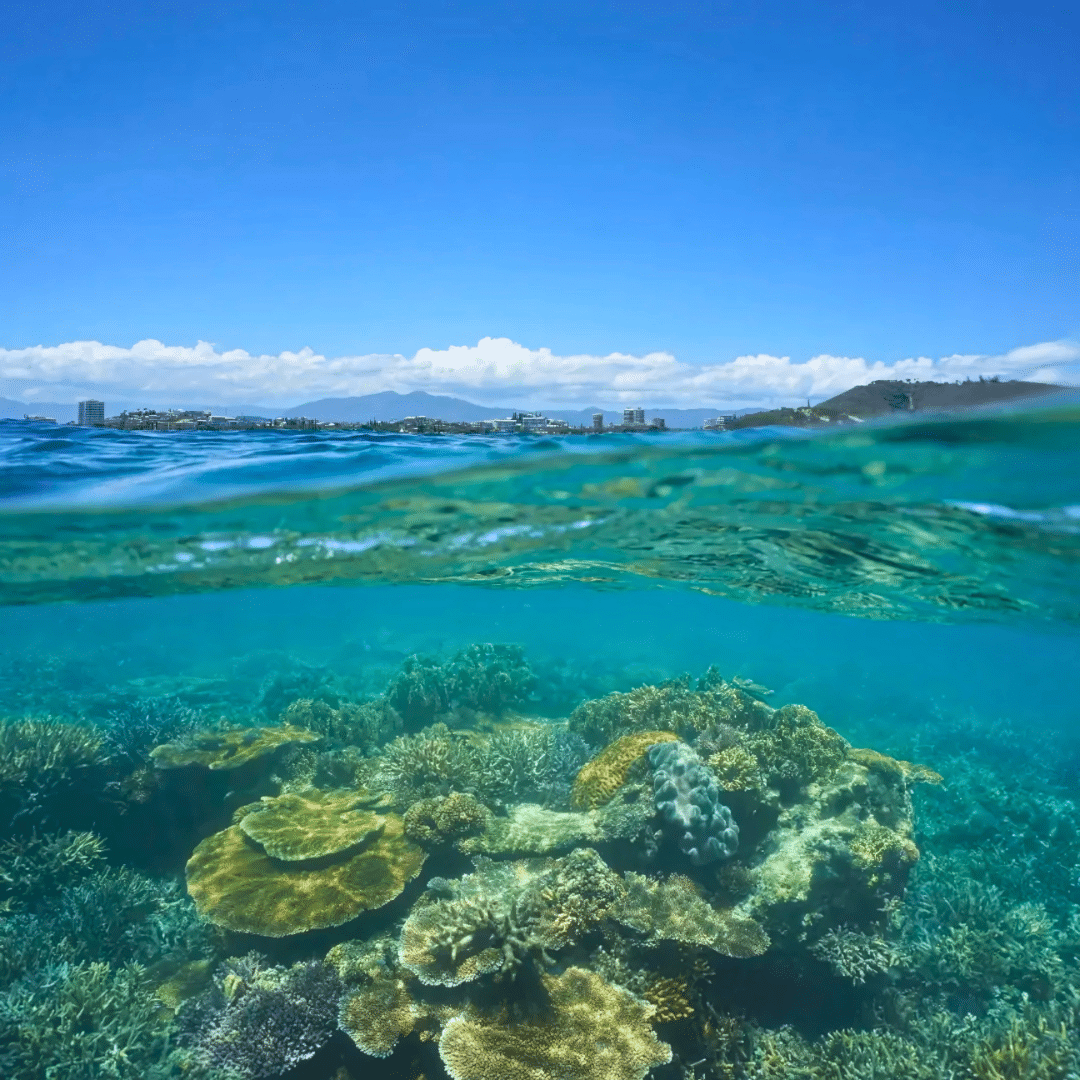
The Fondation de la mer pilots and supports over 40 programs, including several in the Caribbean, to restore coral reefs, mangroves and seagrass beds. It also takes action against overfishing, pollution and the degradation of marine habitats.
Combating pollution and supporting research
Since 2020, the NGO has collected over 1,500 tonnes of waste from coastal areas, thanks to the mobilization of 97,000 volunteers. It also funds research projects to better understand and combat threats to the oceans.
Public awareness and involvement
More than 350,000 young people have been made aware of marine issues through workshops, educational resources and local events. The Fondation de la mer relies on everyone’s involvement to build a collective dynamic.
Concrete actions in the Caribbean Sea and areas concerned
The Fondation de la mer is deploying several flagship projects in the Caribbean Sea, in Martinique, Guadeloupe, French Guiana and other overseas territories.
These initiatives strengthen the presence and mission of the Fondation de la mer in this particularly fragile region.
A helping hand for the Mangrove Martiniquaise (Martinique)
Supported by the Roots of the Sea association, this winning project of the SOS Corail 2024 program aims to restore two degraded mangrove areas, one on the Atlantic coast, the other on the Caribbean coast. These areas are threatened by global warming, sargassum beachings, urbanization and pollution. The aim is to replant and regenerate the mangroves, while involving the local population, managers and other local associations.
The project includes :
- An impact study and an inventory of flora and fauna.
- Analysis of environmental conditions prior to any intervention.
- The creation of in situ and ex situ nurseries to grow mangrove seedlings.
- Planting and growth monitoring of 5,000 m² of mangroves.
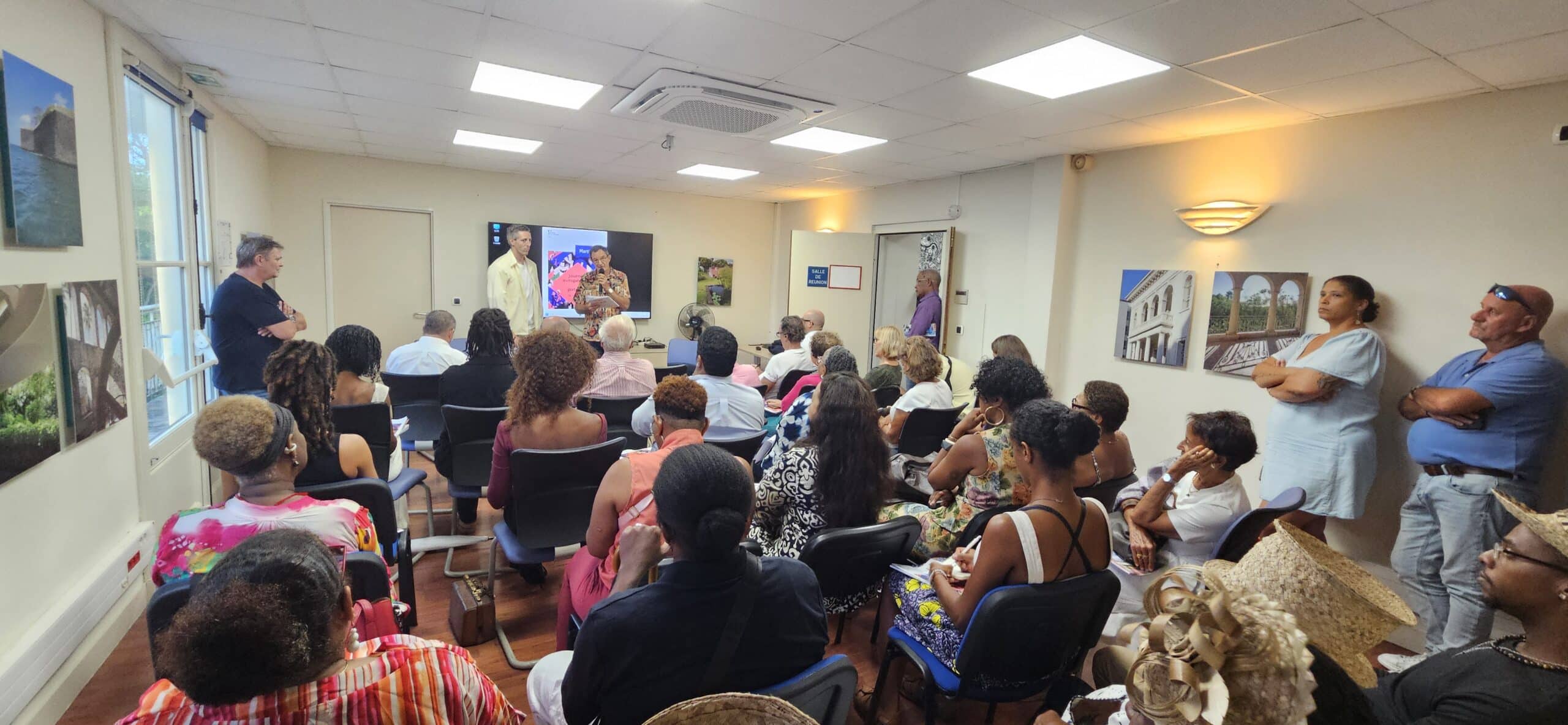
- An awareness-raising and training program for local residents and schoolchildren.

Restoration of the mangroves of Diamant and Robert (Martinique)
This project, also supported by the Fondation de la mer, targets the restoration of two mangrove areas, in Diamant (Caribbean coast) and Robert (Atlantic coast). The aim is to respond to the rapid degradation of these ecosystems due to urbanization, pollution and climatic pressures. The initiative involves close collaboration with communities, the local population and experts to ensure a sustainable and inclusive approach.
The project includes :
- Preliminary studies to identify pressures and needs.
- Replanting mangroves with local species.
- Ongoing environmental monitoring and involvement of local stakeholders.

Eco-anchors to protect the seabed (Guadeloupe)
In Guadeloupe, the Fondation de la mer is supporting an innovative project to install 200 mooring eco-reefs, led by the Kazarecycle association. These eco-anchors are designed to protect seagrass beds and coral reefs, which are severely affected by boat anchors. Submerged, they provide a refuge for marine fauna and support coral growth. On the surface, they enable environmentally-friendly mooring, avoiding the destruction of sensitive habitats.
The project includes :
- The immersion of 200 eco-reefs in areas to be protected.
- 12 actions to clean up the seabed.
- A social integration and circular economy component via Kazarecycle’s Atelier Chantier d’Insertion.
- Scientific monitoring to ensure no negative impact on the environment.


Call for projects to protect and rehabilitate mangroves and reefs (Caribbean and French Guiana)
The Fondation de la mer, in partnership with IFRECOR, regularly launches calls for projects to support the protection and restoration of mangroves, coral reefs and seagrass beds in French overseas territories, including Martinique, Guadeloupe and French Guiana.
These calls for projects enable :
- Finance concrete ecological restoration actions (planting, clean-up, scientific monitoring).
- Involve local associations, communities and citizens.
- Raise public awareness of the importance of these ecosystems.
- Encourage innovation and research into nature-based solutions.

Raising awareness and involving young people and local communities
In addition to restoration projects, the Fondation de la mer also runs awareness-raising campaigns in schools and among the general public, to raise awareness of the essential role played by mangroves, reefs and seagrass beds in the Caribbean. These actions include workshops, conferences, field trips and the creation of appropriate teaching aids.
Key figures and outlook
Results
- More than 40 active programs, including several in the Caribbean.
- 1,500 tonnes of waste collected since 2020.
- 350,000 young people reached.
- 97,000 committed volunteers.
- In Guadeloupe, densification of seagrass beds and creation of new coral habitats thanks to eco-anchors.
The challenges ahead
The Sea Foundation must continue its efforts in the face of accelerating climate change, pollution and biodiversity loss. Innovation, citizen involvement and the strengthening of local partnerships will be key to guaranteeing the sustainability of its actions in the Caribbean Sea and beyond.
Fondation de la mer proves every day that ocean preservation, particularly in the Caribbean Sea, is possible thanks to concrete, innovative and inclusive actions. Whether by restoring mangroves, installing eco-anchors or raising public awareness, the NGO is establishing itself as a benchmark player. The results are there, but we must continue to mobilize to ensure that the sea remains a source of life and balance for future generations.