Key figures for Tourism in the Caribbean – Growth, Challenges and Opportunities

Tourism in the Caribbean

Tourism in the Caribbean is a central pillar of the regional economy, representing a vital engine for the islands. In 2024 and 2025, several key trends emerge through striking figures, revealing the resilience of the sector, but also the challenges it must overcome. At RichèsKarayib, we have selected five recent, verified data that illustrate the dynamics of tourism in the Caribbean, from growth opportunities to environmental issues.

42,765 - Aircraft movements on Saint-Barthélemy in 2024

In 2024, Saint-Barthélemy’s Rémy-de-Haenen airport recorded a total of 42,765 aircraft movements, up 3.6% on 2023. This continued growth testifies to the attractiveness of tourism in the Caribbean and the vitality of air traffic to this popular destination. The Winair airline carried 95,000 passengers to the island, with a record 12,000 passengers in December 2024, reinforcing Saint-Barthélemy’s importance in the sector.

Tourism in the Caribbean
©WINAIR
Tourism in the Caribbean
©WINAIR
Tourism in the Caribbean
©WINAIR

84% - Cruise tourism in the Bahamas in 2024

The Bahamas welcomed 11.22 million visitors in 2024, 84% of whom were cruise passengers, totalling around 9.4 million. This sector accounts for a large share of tourism in the Caribbean, and the cruise industry plays a major role in the local economy. In the first quarter of 2025, the archipelago welcomed 3.3 million visitors, marking a 9% increase on 2024. This success demonstrates the continued growth of the cruise business.

tourisme dans la Caraïbe
©abcroisiere
tourisme dans la Caraïbe
©The Islands of the Bahamas
tourisme dans la Caraïbe
©The Islands of the Bahamas

2.6% - Impact of CO₂ emissions from air transport in the Caribbean

Air transport is essential to the development of tourism in the Caribbean, but it remains a major contributor to global CO₂ emissions, accounting for around 2.6% of the sector’s emissions. Aviation is essential for international connections, making the region heavily dependent on this polluting industry. To ensure the sector’s sustainability, environmental impact requires particular attention.

tourisme dans la Caraïbe
©Le Journal de Saint-Barth

16 times - Saint Lucia, the most awarded honeymoon destination

Saint Lucia continues to distinguish itself by winning the title of “World’s Leading Honeymoon Destination” for the 16th time since 1998. This success makes tourism in the romantic Caribbean a key sector of the island’s economy, which remains a favorite spot for couples seeking an idyllic getaway. In 2025, Saint Lucia is once again in the running for this title, confirming its continuing appeal.

tourisme dans la Caraïbe
©Travel Saint-Lucia
tourisme dans la Caraïbe
©Travel Saint-Lucia

4.3% - Increase in hotel occupancy in the U.S. Virgin Islands

Caribbean tourism in the US Virgin Islands recorded a 4.3% increase in hotel occupancy in the first quarter of 2025. This development testifies to the continued growth of the local tourism sector, even after the challenges posed by the global economic crises. Diversification of the offering, with the emergence of medical tourism, is also starting to gain momentum, although data for 2025 is still sketchy.

tourisme dans la Caraïbe
©U.S. Embassy Cotonou
tourisme dans la Caraïbe
©Tours Amérique

A Caribbean between environmental challenges and tourism opportunities

Tourism in the Caribbean is at a turning point, with opportunities for growth but also challenges to be met. Increasing air and sea flows highlight the strategic importance of this industry for the region. However, environmental issues, notably transport-related CO₂ emissions, remain a matter of concern.

At the same time, destinations such as Saint Lucia and the Bahamas continue to stand out, proving that tourism in the Caribbean can be both an economic driver and a sector with high sustainability potential. The current dynamic remains a promise of development, while calling for responsible and balanced management to preserve the region’s natural and cultural treasures.

Leave a Reply

Your email address will not be published. Required fields are marked *

More articles from RK

gwoka
HISTORY & HERITAGE
Tolotra

Gwoka, the Guadeloupean drum that UNESCO has enshrined in history

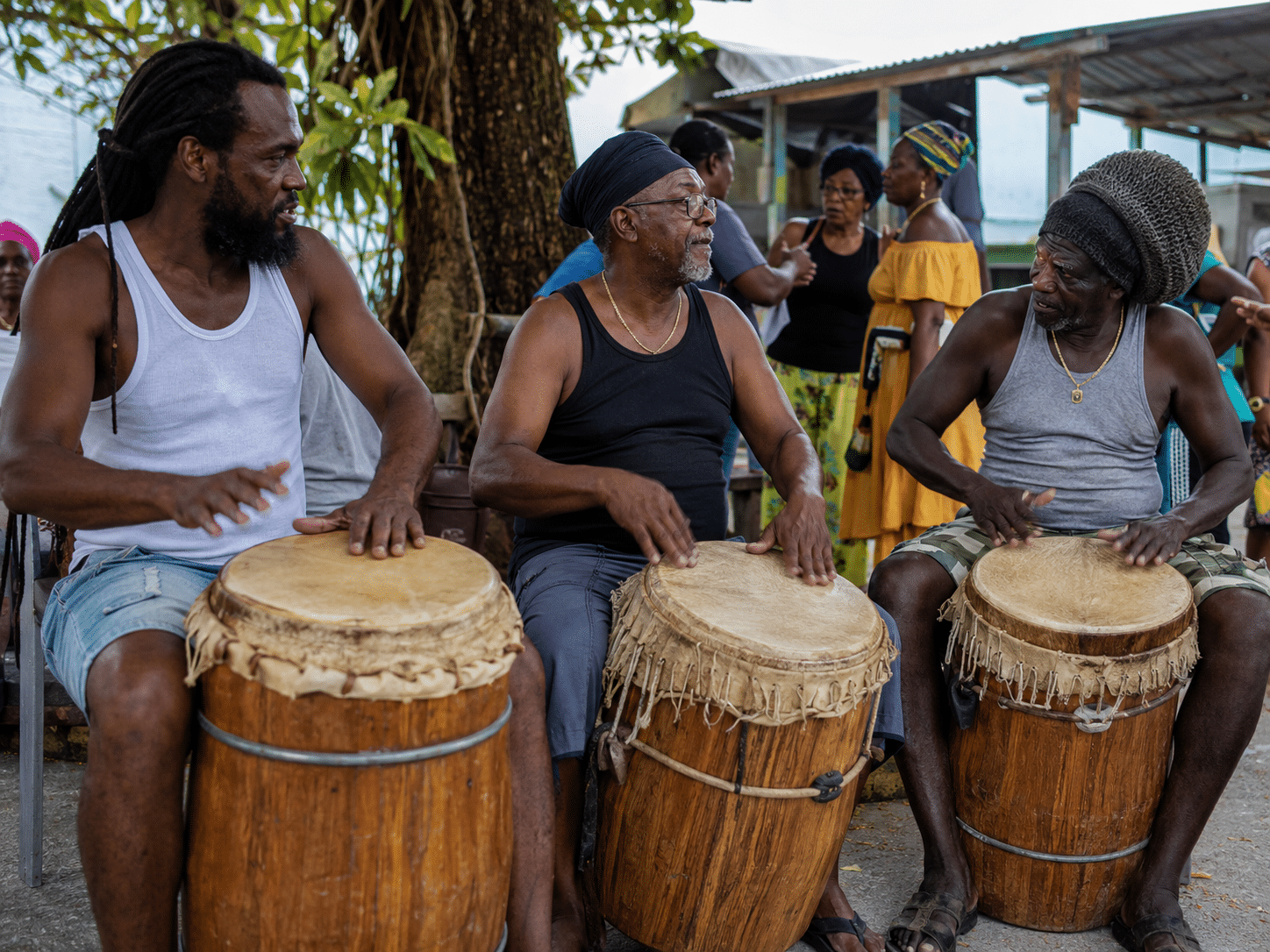
In Pointe-à-Pitre, a bronze statue depicts a seated man with a ka drum between his legs. It pays tribute to Vélo, one of the greatest masters of gwoka, the Guadeloupean music that emerged from the resistance to slavery. Since 2014, UNESCO has designated it as a World Heritage Site. A Tambouyé Turned into a Statue Marcel Lollia, known as Vélo, was born on December 7, 1931, and died on June 5, 1984. He trained several generations of ka players—a drum carved from a tree trunk and covered with a stretched skin. He also inspired Akiyo, a cultural movement advocating for identity founded in 1979, which brought gwoka out of the small circles where it was still surviving. On June 5, 2004, twenty years after his death, a statue by sculptor Jacky Poullier was unveiled in Pointe-à-Pitre, modeled after an earlier Guadeloupean portrait dedicated to another of the island’s great figures.
Read More »
Barbuda
TOURISM
Tolotra

Barbuda: More than 5,000 frigatebirds in an extraordinary lagoon.

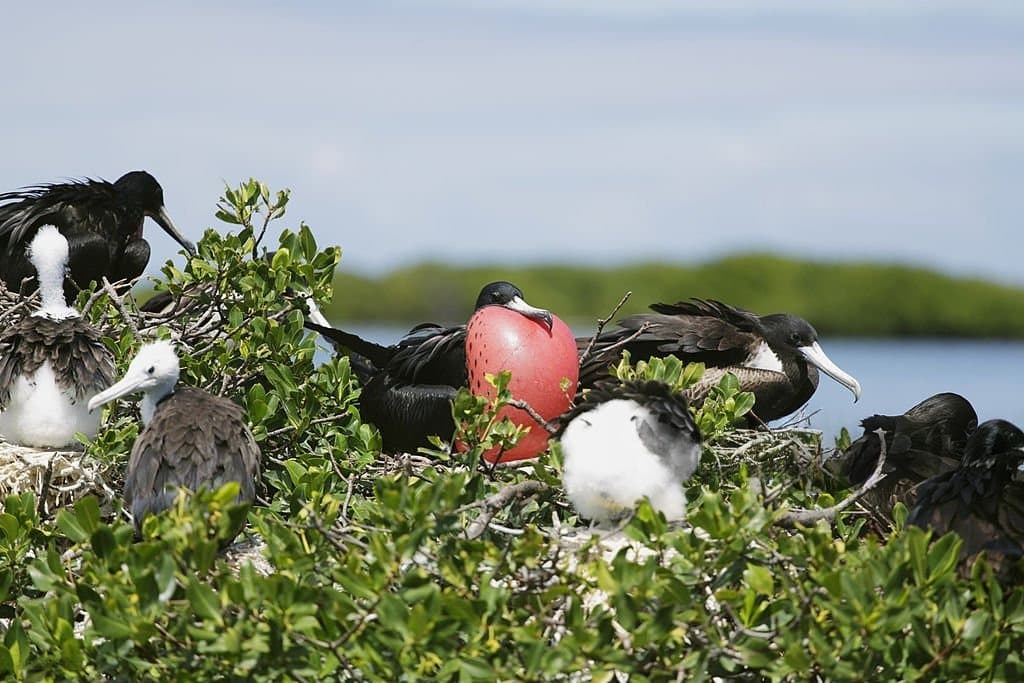
In Barbuda, the show begins even before you spot the birds. There is no road leading to the Codrington Lagoon sanctuary. You have to board a boat, travel across the water through the mangroves, and then watch as the black silhouettes of the magnificent frigatebirds (Fregata magnificens) come into view—their colony is one of the largest in the Caribbean. This fact alone is enough to reveal another side of Barbuda. Beyond its pink beaches, the island is home to a lagoon where more than 5,000 of these birds have been recorded, in a colony where a scientific survey counted 1,743 nests. Here, you discover the destination by looking up and understanding the role this lagoon plays in the balance of the entire island. A Ramsar-designated lagoon, nestled between mangroves and reefs The Codrington Lagoon covers 3,600 hectares and has been recognized as a wetland of international importance under the Ramsar
Read More »
Man Mélé
VISUAL ARTS
Tolotra

Martinique – Cécile Vernant: Behind the Scenes of “Man Mélé!” at the Senate’s Orangerie.

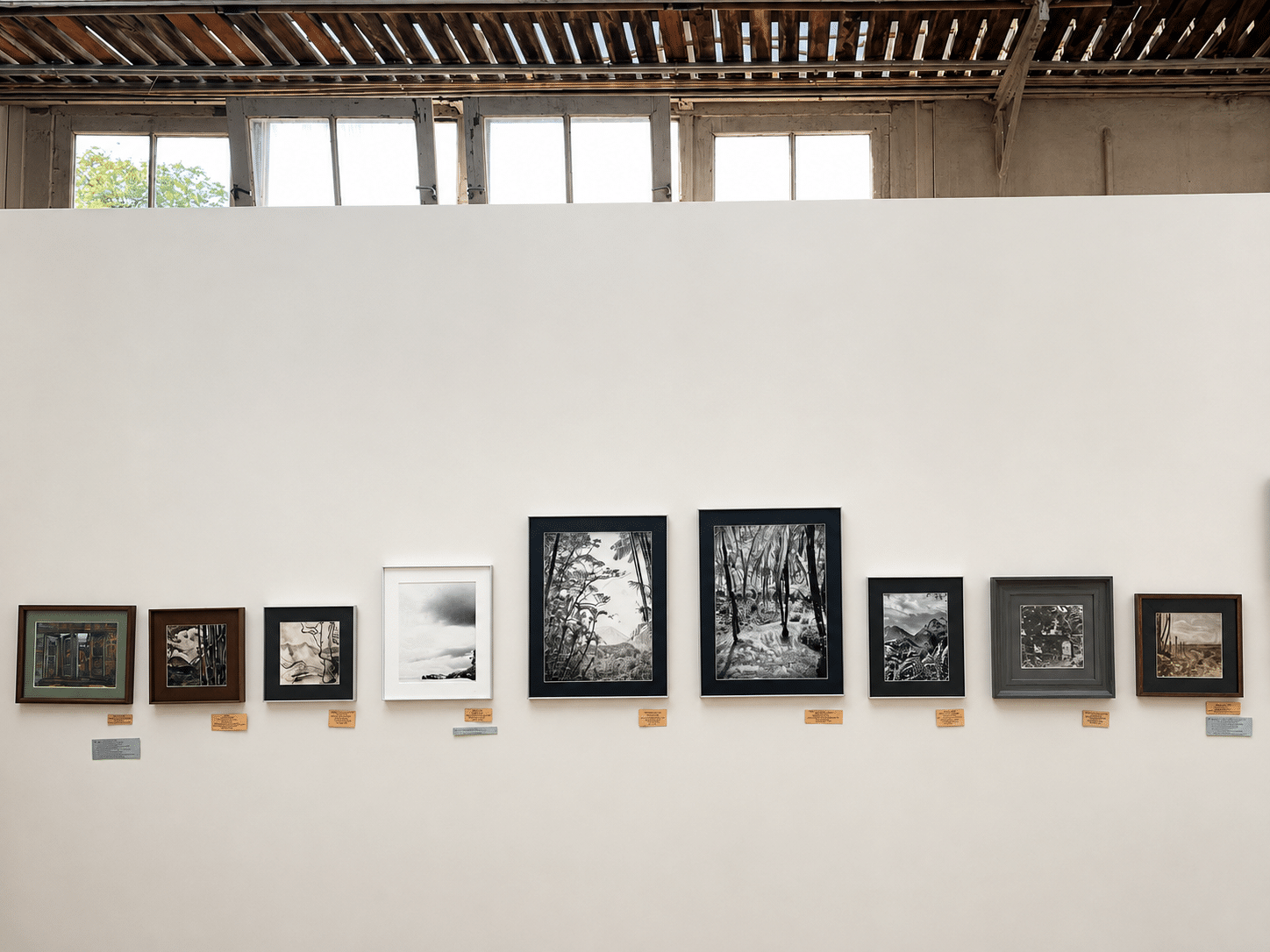
At the Senate Orangery, Man Mélé! took on a dimension that Cécile Vernant could not have fully anticipated before the doors opened. As the days went by, the exhibition became a space for encounters, conversations, and exchanges between artists and visitors. Surrounding the artworks, discussions revolved around Martinique and nature, but also memories, cultures, and sensibilities from far beyond the island. The calm before the crowd arrives Every morning, Cécile Vernant arrived before the park opened at 11 a.m. The garden was quiet. She would pass joggers, watch the tai chi groups among the chestnut trees, and enjoy the scent of the flowers. She loved this “calm before the storm.” A few hours later, the atmosphere would change. Cécile Vernant estimates that the Orangerie, which is about 600 m², could accommodate up to 400 visitors at its peak over the course of three to four hours. The busiest day reportedly

Read More »

conTACT RK

we'd love to have your feedback on your experience so far

Join The List

Join our Richès Karayib community!  Sign up for our newsletter.

Want To Maximize Your Business Presence On Riches Karayib?

Complete the form to start the application