Every February 19th, International Whale Day invites us to celebrate these emblematic marine mammals and reflect on their essential role in the health of the oceans. In the Caribbean, International Whale Day resonates with particular intensity: here, the turquoise waters become the scene of a natural ballet that attracts visitors from all over the world, combining wonder, environmental commitment and responsible tourism.
This region is no longer just a migratory stopover for humpback whales. It has become, for curious travelers and nature enthusiasts, a must-see destination for a unique cetacean-watching experience.

A well-established migration season, already active in 2025
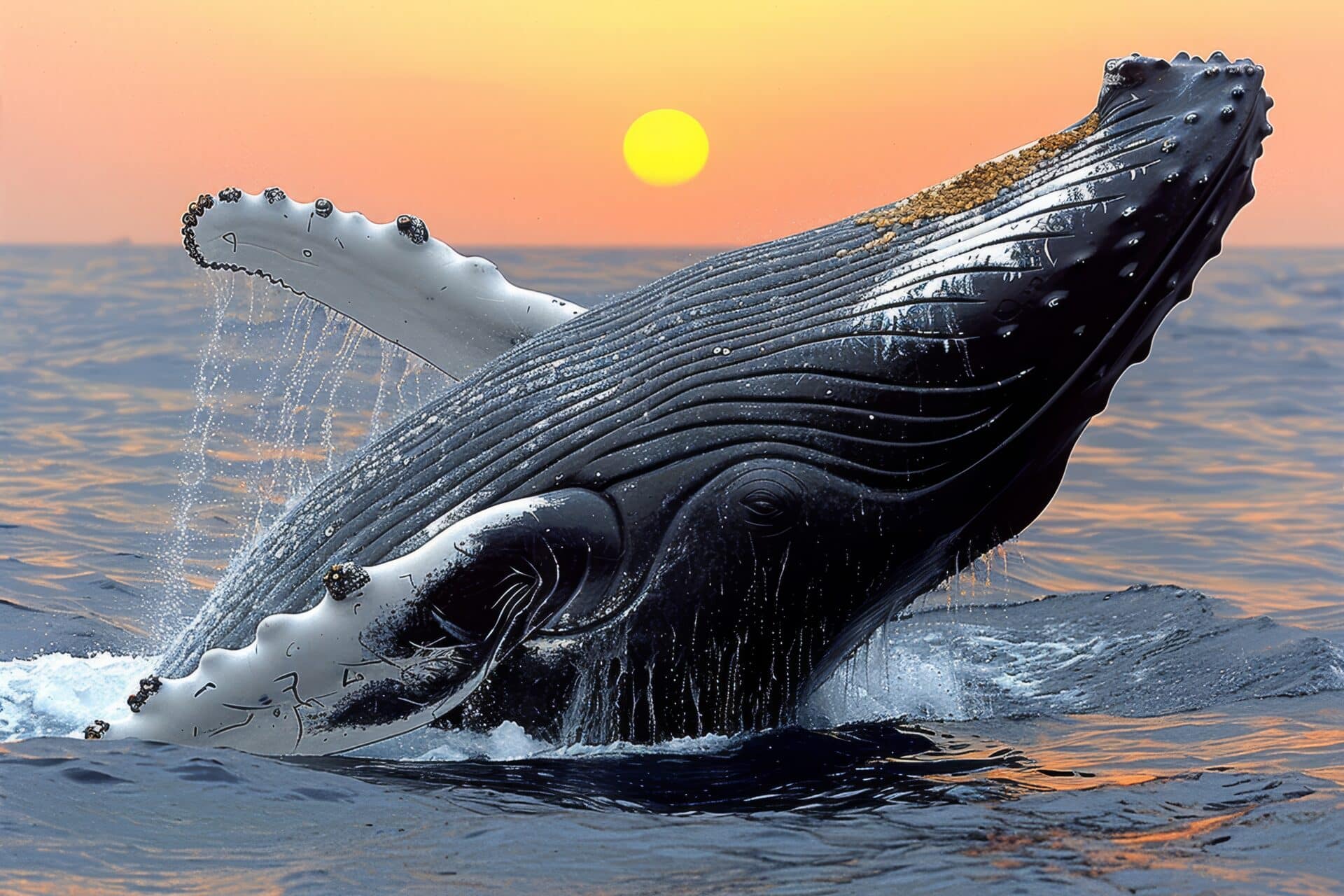
The annual migration of humpback whales to the warm waters of the Caribbean continues to be a major seasonal phenomenon. Scientists and local observers confirm that the first individuals are seen as early as January, and that their presence intensifies throughout the following months. This spectacular migration, visible from the waters off Guadeloupe to the protected marine areas of the Dominican Republic, offers a prime viewing window for visitors between December and April, with peak activity often recorded around February and March – precisely when the Caribbean celebrates International Whale Day.
For travellers, these months represent the ideal time to combine vacations, the discovery of marine biodiversity and responsible tourism.


The Caribbean in the global cetacean ecosystem
The Caribbean region is home to a wide variety of cetaceans: whales, sperm whales and dolphins frequent these rich waters at different times of the year. According to the data collected, several species of mysticetes (baleen whales) and odontocetes (toothed whales and dolphins) are present, some permanently, others in transit.
This diversity enriches the observation experience and makes the Caribbean a global world crossroads for the study and conservation of marine mammals. It also offers visitors the chance to see different species on the same expedition.

A real and growing impact on tourism (2024-2025)
Although figures on whale-watching tourism in the Caribbean are still fragmentary, it is undeniable that this activity attracts a significant number of foreign visitors each season. In some of the region’s cruise ports, for example, over 375,000 passengers are expected during the 2024-2025 season, reflecting the strength of the island’s tourism sector as a whole.
If we take into account that whale watching is often integrated into these maritime experiences (excursions, nature stopovers, marine safaris), this shows the extent to which cetaceans have become a strong attraction in the Caribbean tourism offer.
In the most famous areas, such as Samaná Bay in the Dominican Republic, whale-watching activity is already recognized as one of the most important in the region. Dozens if not hundreds of individuals are identified each season, reflecting the importance of this marine area for the breeding and rearing of young whales.

Biodiversity as an attraction
What sets the Caribbean experience apart is the combination of natural spectacle and exceptional biodiversity. Unlike purely visual marine safaris, whale-watching trips here take place in a rich ecological context where different types of cetaceans co-exist: humpback whales, sperm whales and dolphin species, each with their own unique behaviors.
Passionate travelers have the opportunity not only to see these animals, but also to learn more about their life cycles, underwater songs and migration strategies – a scientific and educational dimension that simply transforms “observing” into “understanding”.
Exceptional observation hotspots
The Caribbean boasts several remarkable observation sites:
- – Samaná Bay (Dominican Republic): renowned for hosting numerous humpback whales during their breeding and calving periods.
- – The coasts of Guadeloupe particularly around the islands of Les Saintes and Marie-Galante, offer excellent conditions for watching spectacular whale jumps.
- – Silver Bank (off the coast of the Dominican Republic): a marine sanctuary where you can sometimes enjoy more immersive experiences.
- – French departments of America (Guadeloupe, Martinique) part of the Agoa sanctuary, which protects over 143,000 km² dedicated to marine mammals.


Responsible tourism: challenges and best practices
The growth of whale-watching tourism is not without its challenges. It involves a shared responsibility between tourism operators, local authorities and the travellers themselves. In many areas, ethical approach protocols have been adopted to minimize stress on the animals. These include respectful approach distances, speed limits at sea, controlled observation times, and a ban on swimming with whales without strict scientific supervision.
For travelers, choosing certified service providers committed to conservation has become a marker of quality experience. It’s also a concrete way of supporting sustainable tourism: by respecting the rules, you protect the animals while promoting responsible economic activity that benefits local communities.

An unforgettable human and ecological experience
International Whale Day is a reminder that these species are both jewels of biodiversity and vectors of connection between man and nature. For tourists visiting the Caribbean, whale watching is an encounter with an ancient animal intelligence, an immersion in a unique migratory cycle and an awareness of the importance of preserving these marine giants.
Witnessing these encounters, whether it’s a whale calf playing on the surface or a mother accompanying her calf, is rarely an indifferent experience. And for those with a passion for the Caribbean, the experience becomes a must. source of inspiration and commitment to protecting the oceans.
A call to action as conscious travelers
On International Whale Day, the Caribbean reminds us that it’s not just a postcard destination: it’s a living hub of marine biodiversity, where natural beauty meets environmental responsibility. For travelers and enthusiasts alike, International Whale Day is an invitation to enjoy authentic, informed and respectful experiences, enriching not only their stay but also their understanding of the marine world around us.
Every whale-watching excursion can become a moment of sharing, knowledge and respect, a personal contribution to the preservation of these giants of the sea, today and for future generations.
International Whale Day coincides with the peak migration season of humpback whales to the warm waters of the Caribbean. This makes the region a major breeding and whale-watching site, reinforcing its role in the preservation of marine biodiversity and the development of sustainable tourism.
The whale-watching season generally runs from December to April, with a peak between February and March. It is during this period that humpback whales calve in Caribbean waters, offering visitors ideal viewing conditions.
Yes, when governed by strict rules. Many Caribbean territories apply regulated approach protocols: minimum distance, limited number of boats, controlled speed and operator training. Choosing a certified service provider is essential to guarantee a responsible and sustainable experience.