

The Caribbean, silent antidote to contemporary exhaustion

Caribbean

A global report published in early 2026 by Amadeus reveals what travelers will be looking for in 2026. The Caribbean has always carried it.

There’s a precise moment, in a Caribbean village in the early hours of the morning, when the noise of the world seems to stop. The first lights fall on the facades, a voice answers from one courtyard to another, the smell of coffee mingles with that of the nearby sea. Hardly anyone checks their phone. Life is there, in front of us, denser than any notification. This scene, commonplace for anyone who lives in the Caribbean, is precisely what millions of travellers around the world are now looking for.

When the world is looking to get off the hook

These are the findings of Travel Dreams 2026: From data to delight, a study published in early 2026 by Amadeus, one of the world’s leading technology players in tourism. Conducted by Opinium Research among 6,000 travelers in Australia, China, Germany, India, the UK and the USA, the survey identifies a profound shift in contemporary expectations. 

 Asked what makes them feel they’ve reached their dream destination, 32% of travelers say “when I stop looking at my phone because real life is more interesting”. This is the top answer, far ahead of the others. Another statistic from the same report extends this observation: 41% of travellers say they want to return from their trip with “a refreshed brain and a calmed nervous system”.

Caribbean
Caribbean

Travel as a response to collective exhaustion

These figures are not anecdotal. They tell of a collective exhaustion. In a world saturated with screens, high-performance productivity and manufactured urgency, travel is no longer a trophy to be collected, but a means of rediscovering a quality of presence. The Amadeus report puts it bluntly: travelers are looking to feel “genuinely alive, not just ticking off landmarks”.

Caribbean
Caribbean

What the Caribbean has always carried

This shift in expectations is global, but it offers the Caribbean a special reading. The region didn’t wait for a study to cultivate what the market is rediscovering today. The density of the Caribbean present, the thickness of a conversation on a doorstep, the slowness of a shared meal, the way in which the landscape imposes its rhythm on those who cross it, is not a marketing strategy. It’s a heritage. It comes from languages, from multiple spiritual heritages, from a long relationship with the sea and the land, from the memory of the peoples who made these islands.

Caribbean
Caribbean

Four global expectations already present in the region

The same Amadeus study identifies four main sensations sought by travellers from a destination: freedom (29%), connection to a place (24%), discovery (22%) and ease (17%). Structurally, the Caribbean offers these four dimensions without having to transform itself. The freedom of open itineraries, connection to places that still resist tourist standardization, ongoing discovery – each island has its own language, its own rhythms, its own history – and the ease of hospitality that is measured not in added services but in the attention paid.

Caribbean
Caribbean

Breaking out of the generic imaginary

The challenge, then, is not for the Caribbean to invent a new offer. It’s about making visible what it already has. All too often, the communication of Caribbean destinations remains trapped in a generic imaginary of beaches, palm trees and sunshine, which says nothing about the real depth of the experience. But what the Amadeus report documents is precisely the end of this imaginary world. Travelers are no longer asking for a postcard. They’re asking for a return to themselves.

Caribbean

A strategic window of opportunity for Caribbean players

For the region’s economic players – DMOs, independent hoteliers, cultural operators, tourism ministries – this global data opens up a strategic window. It validates an intuition that has been circulating in the region for years: the Caribbean doesn’t have to chase global tourism trends. On the contrary, it needs to strongly articulate what sets it apart. Silence is no longer lack. Slowness is no longer delay. The density of a local presence, handed down from generation to generation, is becoming a major economic asset in a market desperate for the real thing.

That leaves us with a question that sets the scene for the next pages in this series. If the Caribbean does indeed have what the world is looking for in 2026, what’s stopping it from saying it with the appropriate force?

Caribbean tourism 2026 responds to a growing expectation: travel to slow down, reconnect with real life and regain mental balance. The Amadeus report highlights travelers who are no longer looking just for landscapes, but for a sense of presence, calm and connection with a place. The Caribbean already possesses these elements in its villages, languages, daily rhythms, community ties, relationship with the sea and different ways of inhabiting time.

The Caribbean can distinguish itself by moving away from a form of communication too limited to beaches, sunshine and postcards. Its strength lies in the depth of its territories: memories, languages, culinary traditions, music, spirituality, inhabited landscapes and human relationships. In 2026, travelers are looking for authenticity, freedom and connection to place. So it’s in the region’s interest to tell a better story about what it already has, rather than copying global tourism trends.

This evolution concerns tourist offices, independent hotels, guides, cultural operators, restaurateurs, craftsmen, local authorities and tourism ministries. Everyone can contribute to repositioning Caribbean tourism 2026 around experiences that are more human, more rooted and more faithful to the territories. The challenge is not only to attract more visitors, but also to make the most of what makes each island unique, while creating fairer economic benefits for local communities.

Leave a Reply

Your email address will not be published. Required fields are marked *

More articles from RK

Caribbean
NEWS
Tolotra

5 Banknotes, 10 Faces: The Eastern Caribbean Puts Its History on Paper

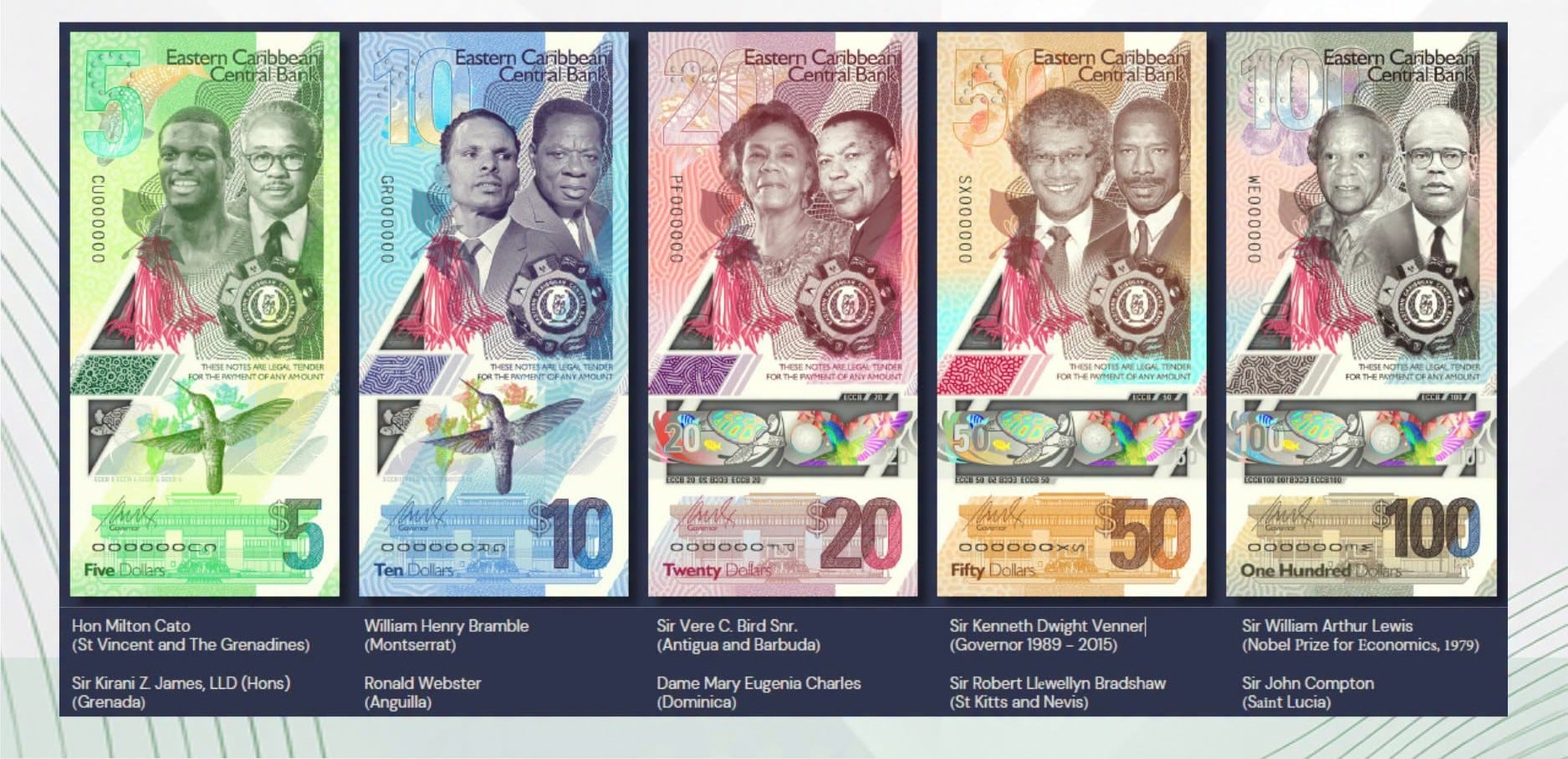
On the future EC$5 bill, the face of Grenadian Olympic champion Kirani James will appear alongside that of former Saint Vincent and the Grenadines Prime Minister Robert Milton Cato. This pairing encapsulates the ambition of the new series: to bring to life, through everyday gestures, the stories of those who have left their mark on the Eastern Caribbean. On July 9, 2026, the Eastern Caribbean Central Bank (ECCB) unveiled the new designs for the five main denominations of the regional currency. For the first time, the 5, 10, 20, 50, and 100 EC dollar bills will no longer feature the portrait of Queen Elizabeth II. Ten figures from member countries will take her place. A common currency for eight territories The EC dollar is the official currency of Anguilla, Antigua and Barbuda, Dominica, Grenada, Montserrat, Saint Kitts and Nevis, Saint Lucia, and Saint Vincent and the Grenadines. These eight member
Read More »
Baracoa
TOURISM
Tolotra

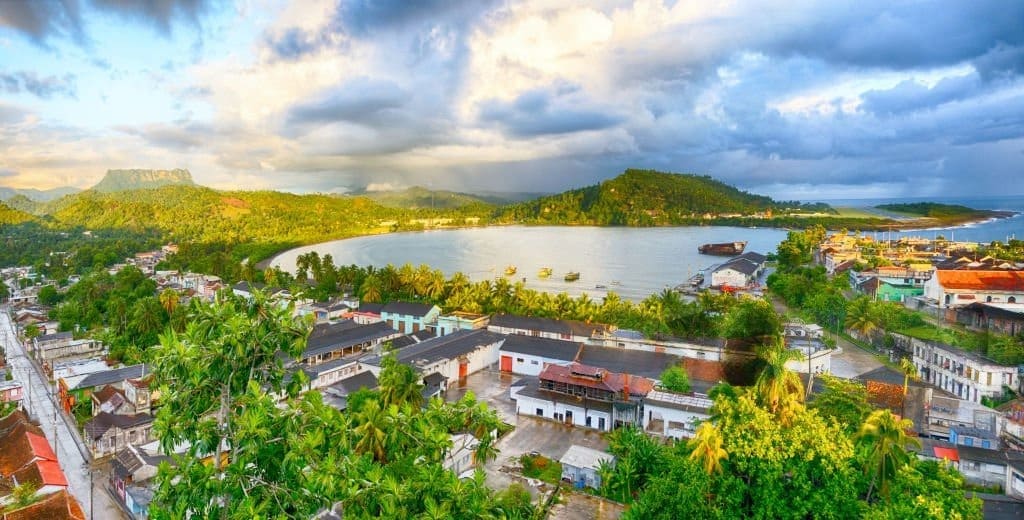
Baracoa: 1511–1965, 454 years of isolation before La Farola

Founded in 1511, Baracoa was Cuba’s first colonial city. Yet it wasn’t until December 1965 that it gained a modern road connection to the rest of the country. The 454 years between these two dates tell the story of a geography that protected, slowed, and profoundly shaped the identity of the “Ciudad Primada.” A road suspended between the mountain and the precipice On La Farola, the drive never feels like just an entry into the city. The road clings to the slopes of the Sagua-Baracoa mountain range, winds through a series of curves, and overlooks valleys covered in vegetation. For drivers, every turn serves as a reminder of the same fact: reaching Baracoa by land was long a challenge. The city is located at the eastern tip of Cuba, between the Atlantic Ocean and a mountainous range that is difficult to cross. This location has given it spectacular scenery, but
Read More »
Shaggy
MUSIC
Tolotra

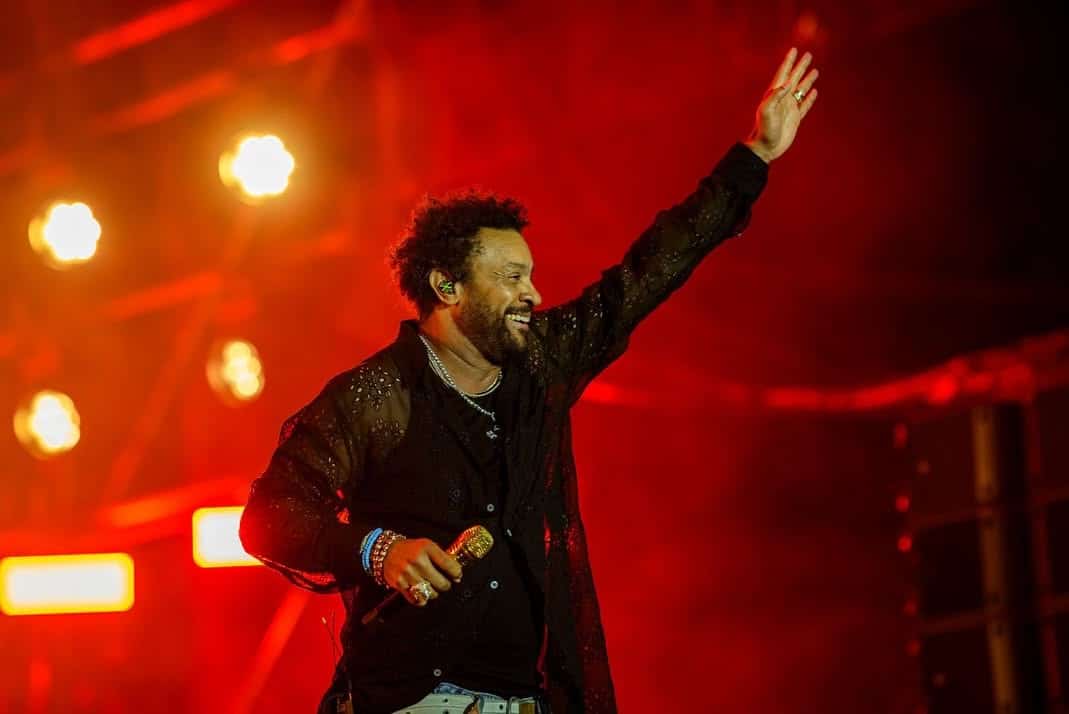
Shaggy: 30 Years of Hits, with Jamaica Always at the Center

In 2026, Shaggy isn’t just working on a new song. He’s lending his energy to The Port, a fantasy adventure set in Port Royal. Pirate captain Artemis Slay draws on her humor, her confidence, and her instantly recognizable presence. After a career spanning more than thirty years, the Jamaican artist has found yet another medium through which to tell the story of her island. From Kingston to Brooklyn, a voice is taking shape Before he made it onto the international stage, there was Kingston, where Orville Richard Burrell grew up. As a teenager, he moved to Brooklyn and became involved in the New York dancehall scene. He adopted the name Shaggy, inspired by the character from Scooby-Doo, and then began performing as an MC on the local circuit. His path, however, took an unexpected turn. He served four years in the U.S. Marine Corps and was deployed to the Middle

Read More »

conTACT RK

we'd love to have your feedback on your experience so far

Join The List

Join our Richès Karayib community!  Sign up for our newsletter.

Want To Maximize Your Business Presence On Riches Karayib?

Complete the form to start the application