Rendez-vous aux Jardins: as far as the eye can see at Jardin de Balata

Jardin de Balata

The Belcoua at the Jardin de Balata

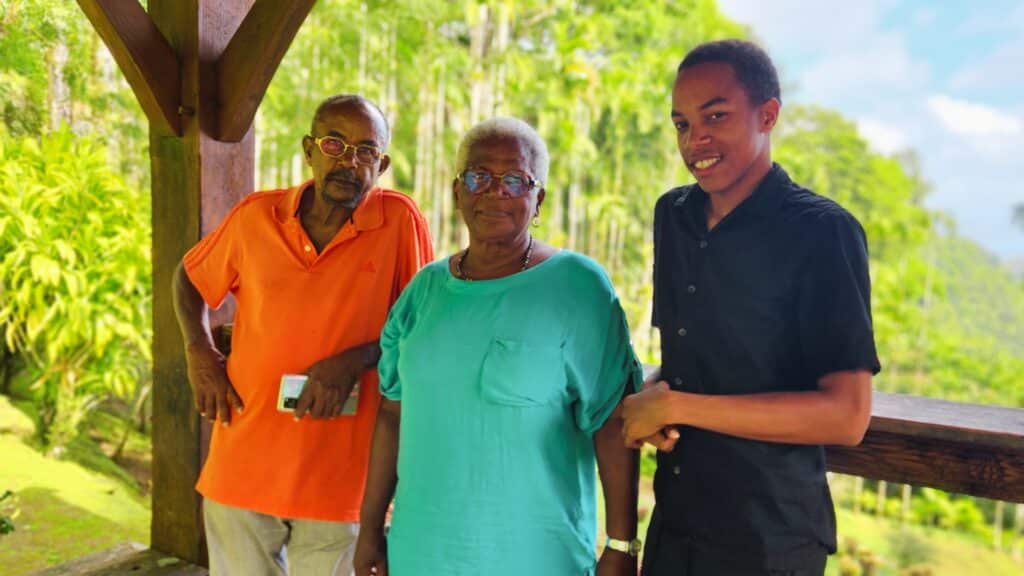
For the Rendez-vous aux Jardins 2026, the Jardin de Balata celebrates 40 years of public access with a theme that resonates with its DNA: sight. RICHÈS KARAYIB follows the Belcoua family on a tour of Martinique’s Remarkable Gardens. That day, between royal palms, giant bamboos and panoramic views over the bay of Fort-de-France, they discovered that a garden can also be contemplated like a living painting.

Jardin de Balata
The Belcoua family on the viewpoint towards the bay

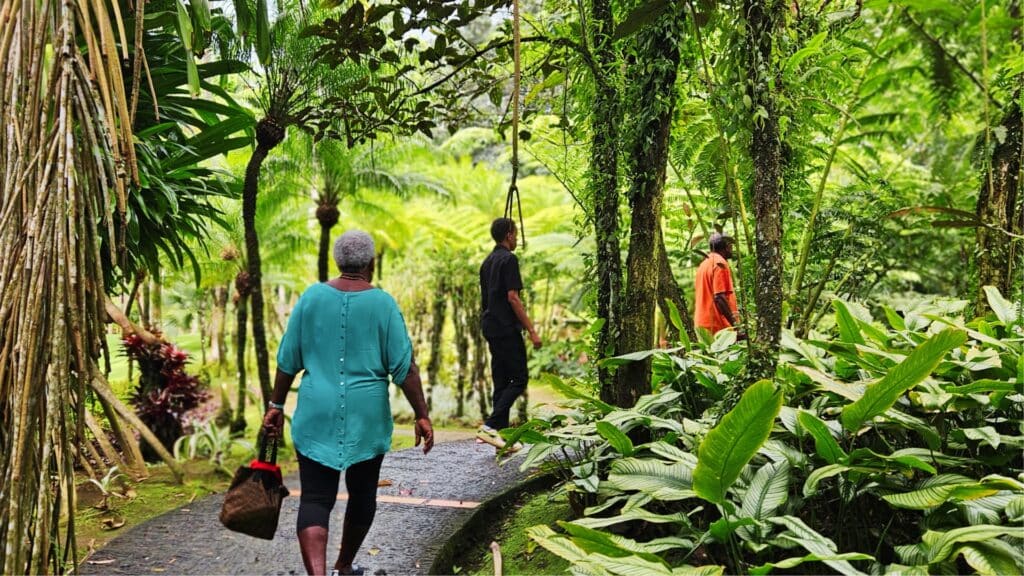
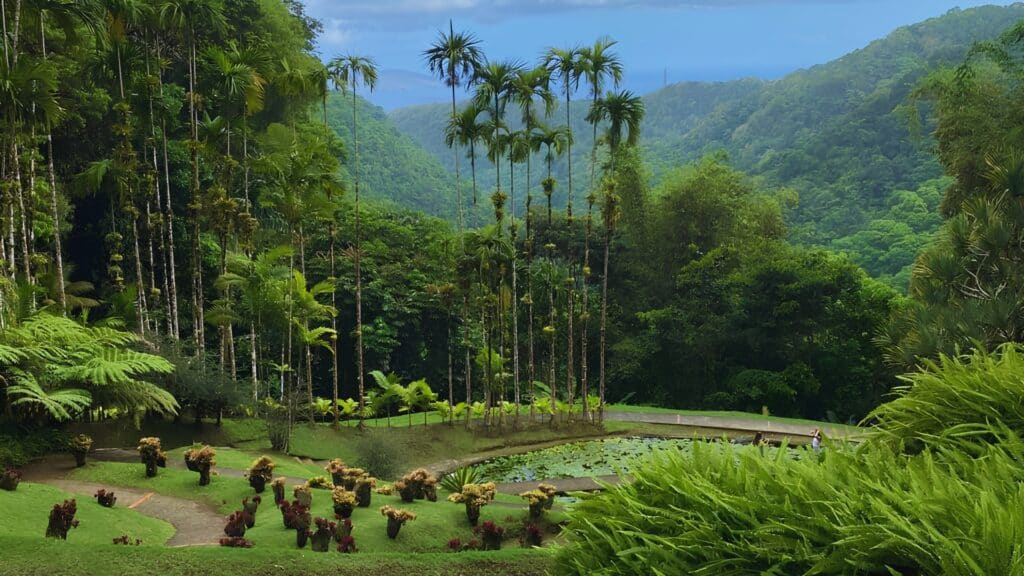
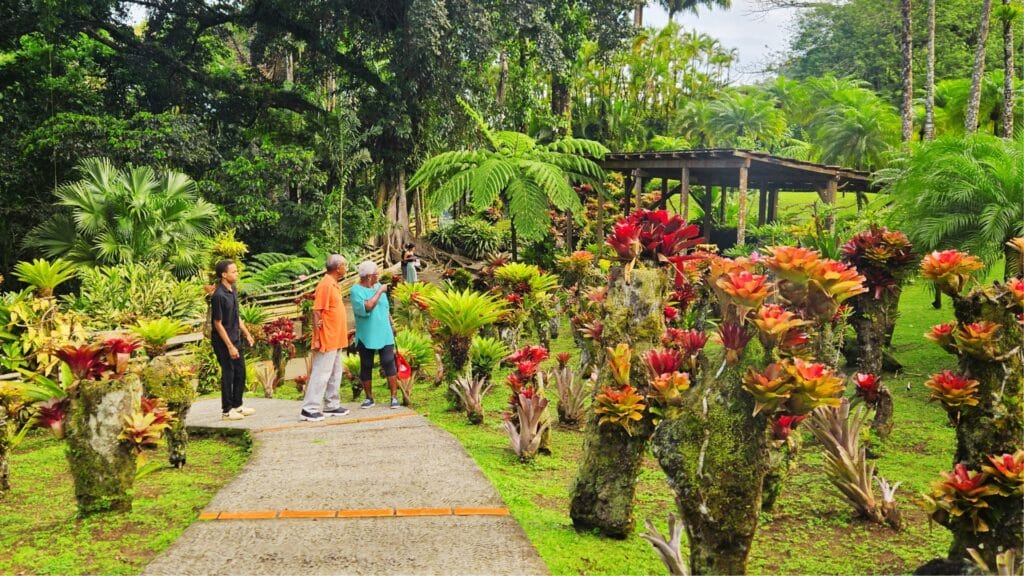
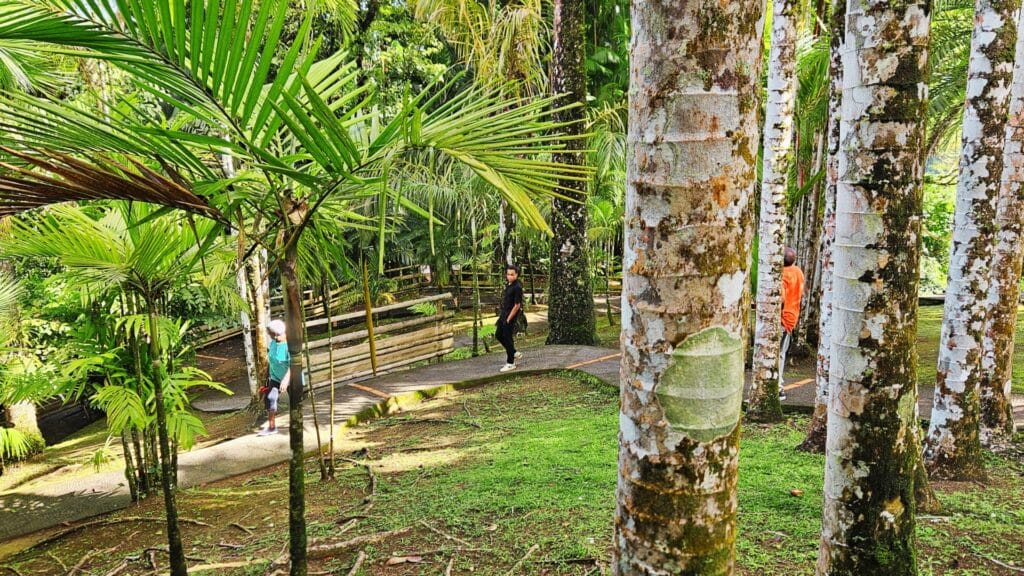
Émile and Jocelyne Belcoua enter a driveway lined with royal palms that seem to caress the sky. Their grandson Kévin walks between them, at the same leisurely pace. To the left, ferns stretch out; to the right, a bush of bromeliads bursts with color. Above, light filters through the foliage and caresses the mossy trunks. The walk hasn’t really begun, but in a way it has already taken place… in that first feeling of calm that descends on the shoulders.

Jardin de Balata

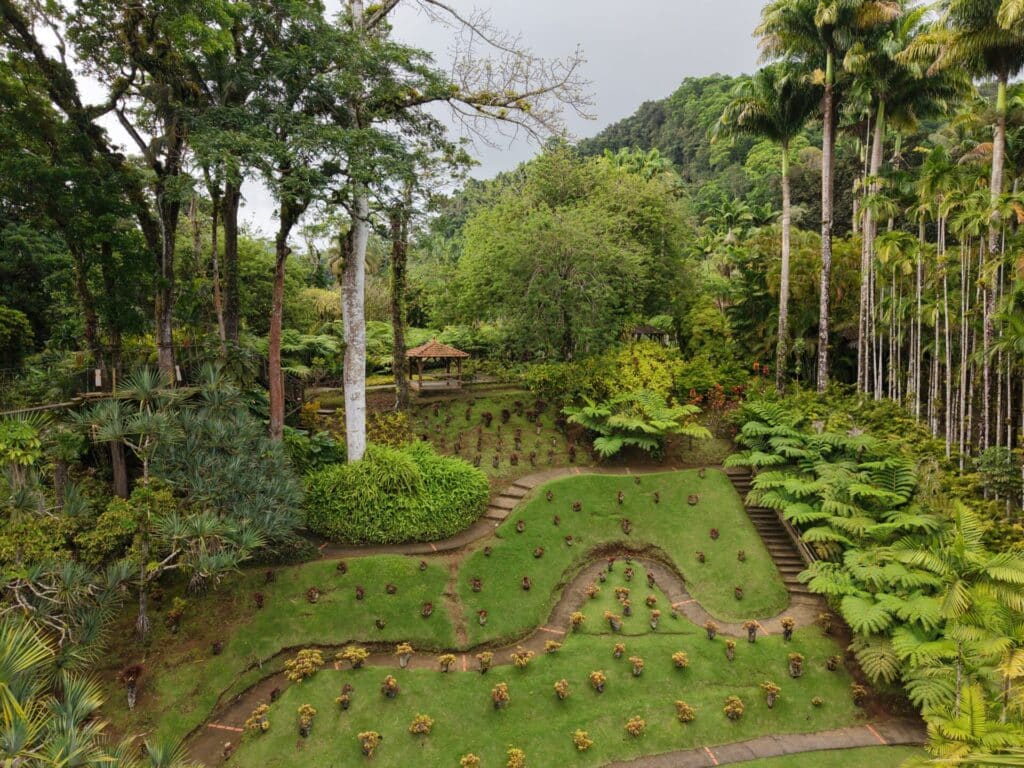
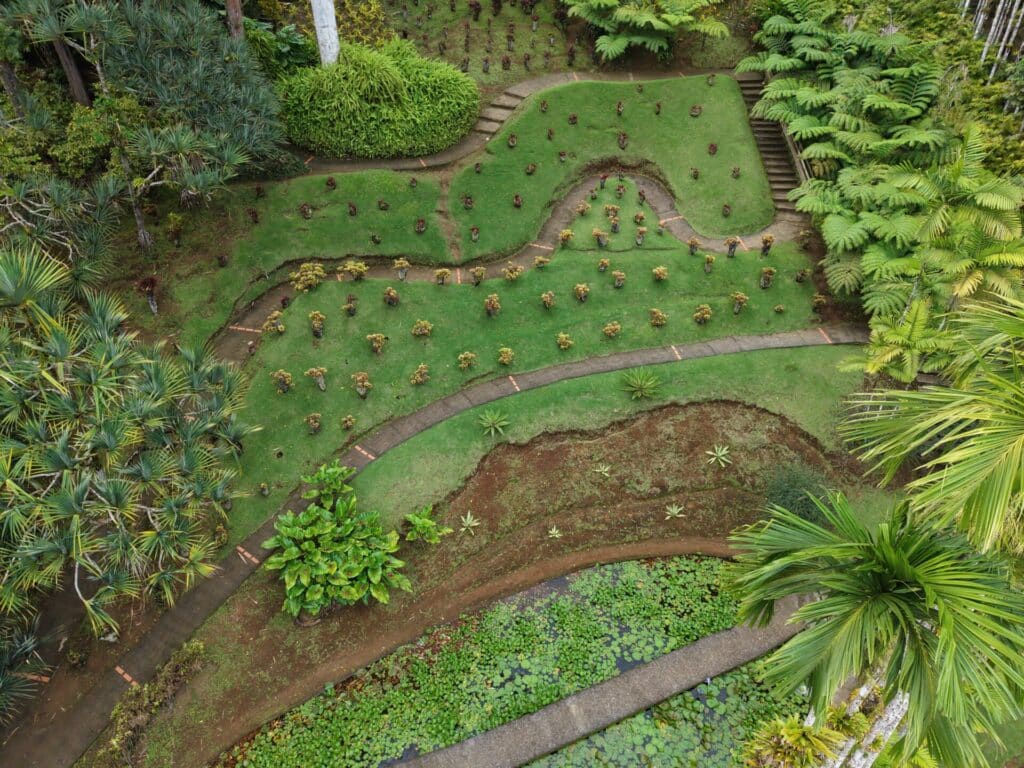
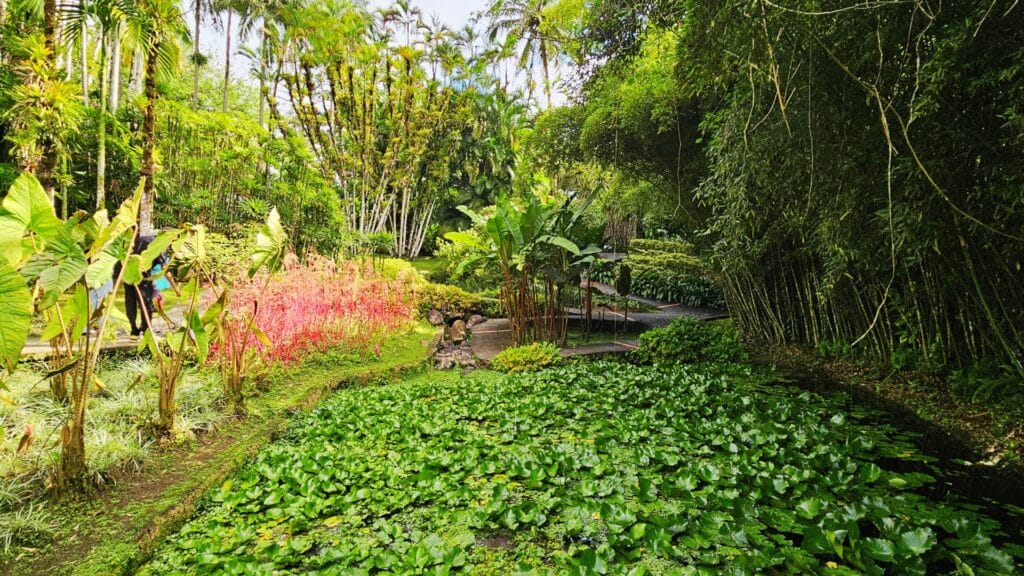
It is precisely this way of inhabiting the gaze that the estate intends to share on June 6 and 7, during the 2026 edition of the Rendez-vous aux Jardins in Martinique, this year under the theme of the view. A theme that particularly resonates with the identity of the site, where tropical nature unfolds over four hectares in panoramas, perspectives and successive wonders.

The Jardin de Balata, an open-air painting

“Jean-Philippe Thoze wanted to create a living, life-size painting to create emotion for visitors,” says Rebecca Jean-Charles, director of Jardin de Balata.

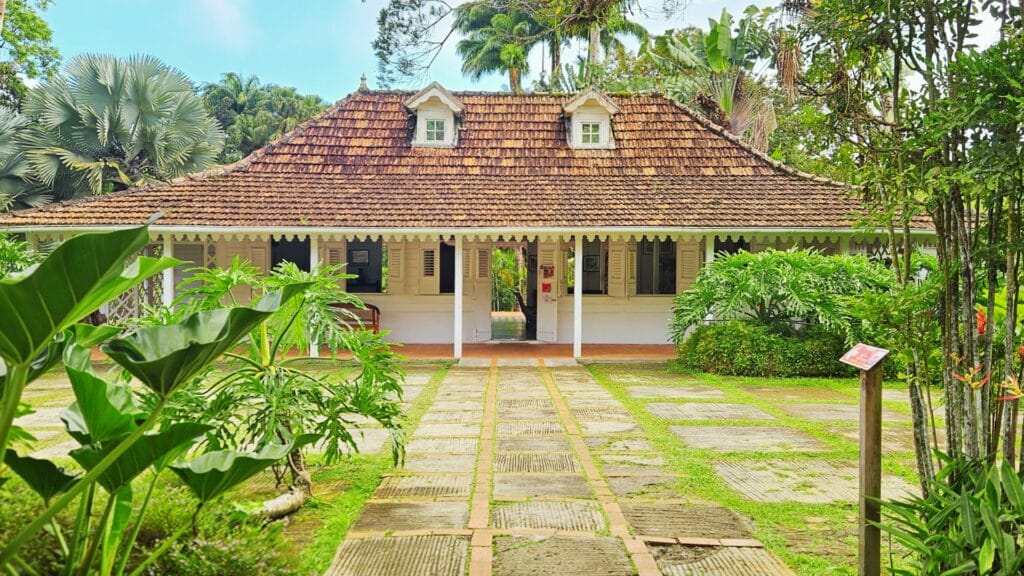
It was in his grandmother’s Creole home that this horticulturist, landscape gardener and artist began to compose his secret garden. Four years later, he opened the doors to the public.

In 2026, the venue celebrates its 40th anniversary.

Jardin de Balata
Jean-Philippe Thoze's grandmother's Creole house.

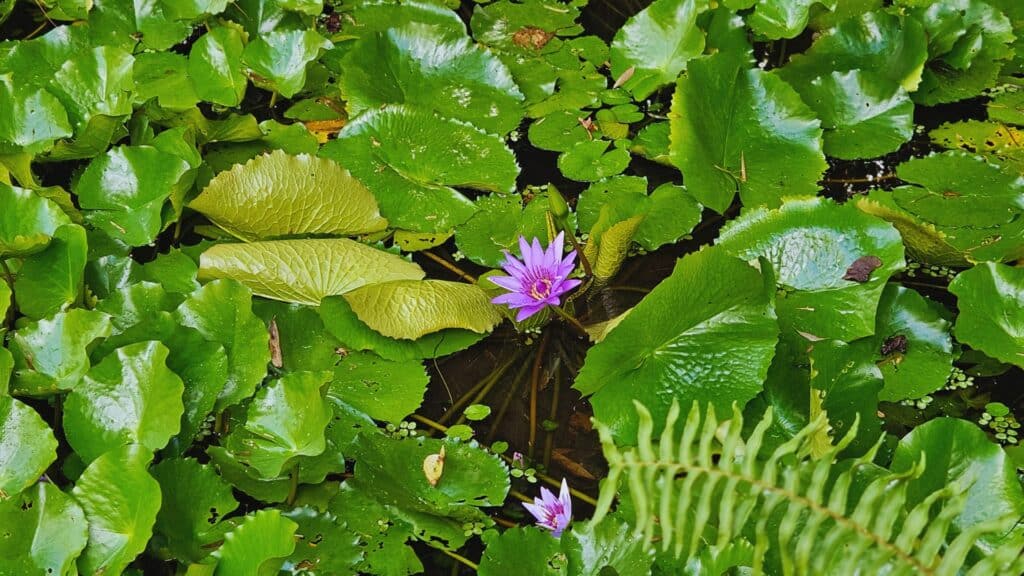
Four hectares, over 3,000 tropical species patiently assembled: porcelain roses, hibiscus, heliconias, anthuriums, rare orchids, flamboyant bromeliads. But what sets the Jardin de Balata garden apart is the way in which everything has been put together.

No matter where you stand, you always have this height, this depth, these different colors that have been arranged to give a real work of art,” Rebecca Jean-Charles points out.

“It’s like looking at an open-air painting.”

It is this artist’s eye for plants that has earned the Jardin de Balata its “Jardin Remarquable” label, awarded by the French Ministry of Culture. In addition to its botanical collection, this label recognizes the singularity of a landscape composition conceived as a work of art.

Jardin de Balata

Forty years since the view

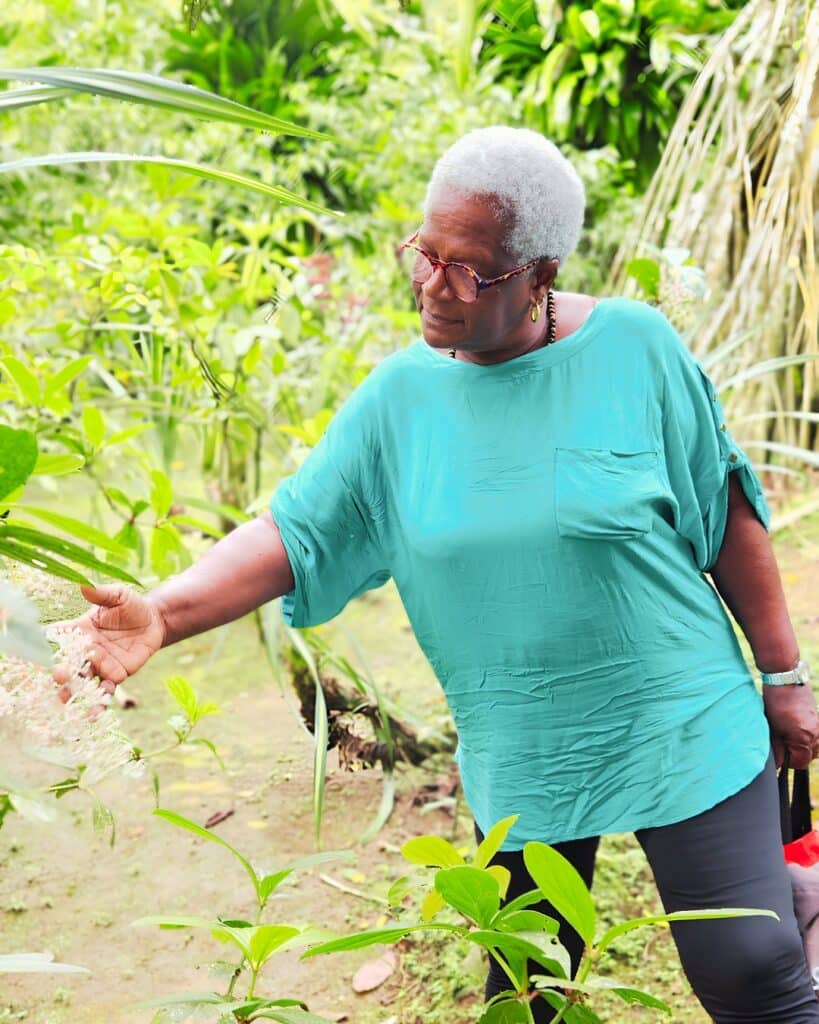
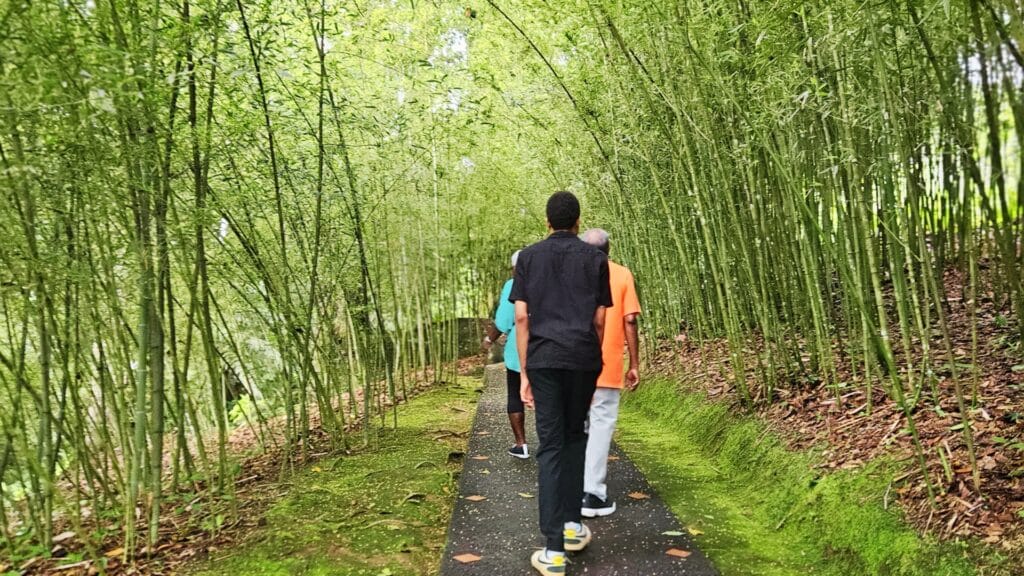
Émile takes his time. Jocelyne stops in front of each flower, moves her hand closer without putting it down, observes the veins of a leaf. Kévin walks at their pace, attentive, lingering in front of a tall bamboo tree whose culms rattle gently in the breeze.

This feeling of well-being has never wavered,” confides Carole Quarteron, sales manager at Jardin de Balata, who has worked here for 36 years.

“The garden remains as soothing as ever. After 40 years, it hasn’t changed a bit.”

Jardin de Balata
Jocelyne approaches her hand, but never touches it.
Jardin de Balata
Jardin de Balata

The secret of this durability undoubtedly lies in one word: resilience.

“This garden teaches us patience and resilience. We’ve been through a lot here,” says Carole Quarteron, who recalls without dwelling on the passage of cyclone Dean in 2007, a time when the garden was ransacked, trees fell by the hundreds, and the teams had to rebuild everything.

Even today, they’re the ones who keep the place going.

The gardeners manage to keep the soul of the garden alive and preserve the legacy left by Monsieur Thoze,” says Rebecca Jean-Charles.

The passage of time has only added to the grace of the place: the trunks of the royal palms, now clothed in moss and epiphytes, tell a long, silent story to the attentive visitor.

Jardin de Balata
Jardin de Balata

The view walks, the gaze wanders

“The view only wanders here. The view works,” sums up Carole Quarteron, in a phrase that says it all.

“Every step, in every alley, will dazzle the eye.”

The Belcoua make their way along the giant bamboo alley, a veritable green cathedral with columns reaching skyward.

Further on, the garden opens onto the bromeliad zone, where dozens of varieties in shades of red, yellow and violet create a plant marquetry between tree ferns.

Jardin de Balata

The invitation to visitors is clear: “Raise your eyes to the sky, look up at the palm trees, discover things above”, as Carole Quarteron puts it.

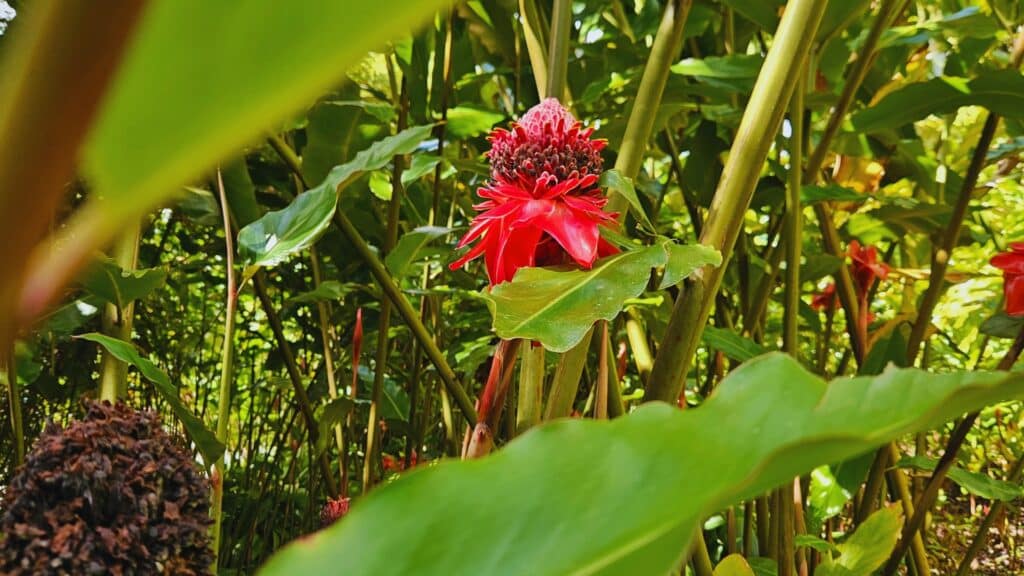
And then look down, observe the moss-covered ground, follow the silhouette of a red heliconia standing like a flame.

And then, at a bend in the road, take in the plunging view over the bay of Fort-de-France. On fine days, the Pitons du Carbet add their silhouette to the panorama.

“We have a view over the bay of Fort-de-France. We’re in a very special place,” smiles Carole Quarteron.

Jardin de Balata
Jardin de Balata

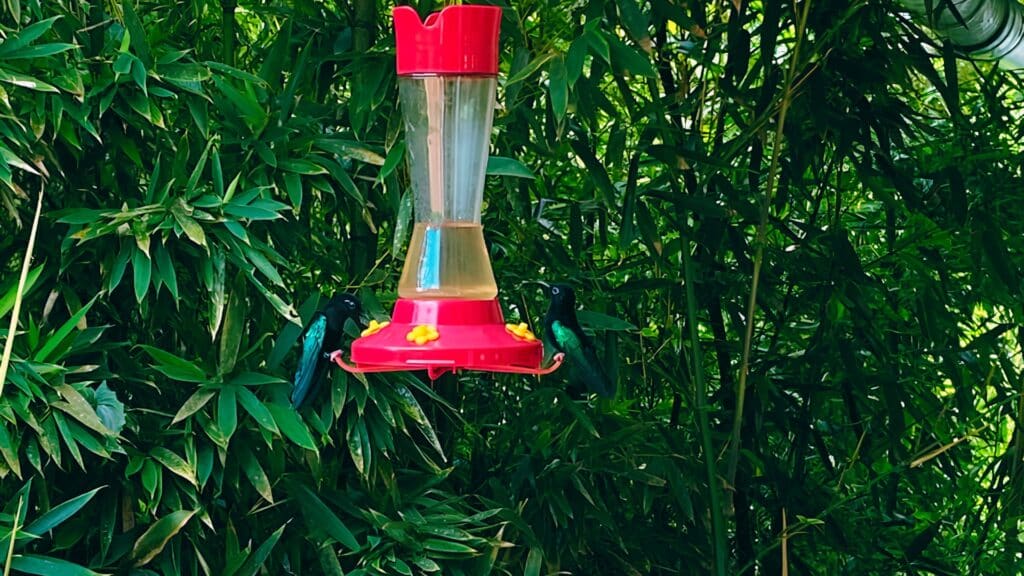
In the Jardin de Balata, wildlife is part of the picture.

Hummingbirds are the stars of the garden,” says Rebecca Jean-Charles.

These tiny birds, present in great numbers, suspend their flight above the flowers, a magical moment for those who know how to stop and look.

Jardin de Balata
The emblematic hummingbirds

Rendez-vous aux Jardins 2026: stop, relax, look around with the family

At a time when we talk a lot about reconnection without always knowing where to look for it, Jardin de Balata offers a simple and complete answer.

“The Balata garden teaches us to get closer to nature, to reconnect with the simple things that are essential, to recharge our batteries,” explains Rebecca Jean-Charles.

“When visitors come here, they are dazzled by all the beautiful things nature has to offer.”

Jardin de Balata

It’s also a place deeply rooted in Martinique’s heritage. For Carole Quarteron, the challenge is for the whole of Martinique to take ownership of this place and continue to come and discover it.

As much a natural heritage as a cultural one, the Jardin de Balata welcomes both the Martiniquais who return season after season and visitors from further afield, all of whom leave with the same sense of calm in their eyes.

Our aim is to give everyone the chance to stop, sit back and take a look,” concludes Carole Quarteron.

For Émile, Jocelyne and Kévin, the journey continues, with more gardens to discover. But in the Jardin de Balata, the invitation is clear: come back again and again. And may it last another forty years and beyond.

📌 IN PRACTICE

Rendez-vous aux Jardins 2026 – Jardin de Balata

📅 Saturday 6 and Sunday 7 June 2026

📍 Route de Balata, 97234 Fort-de-France, Martinique

🕘 Open all year round, from 9am to 6pm (last admission at 4:30pm)

🌿 Self-guided tour – allow 1h30 to 2h for the walk

An exploration by RICHÈS KARAYIB for Rendez-vous aux Jardins 2026, in partnership with the Direction des Affaires Culturelles (DAC) de Martinique.

Leave a Reply

Your email address will not be published. Required fields are marked *

More articles from RK

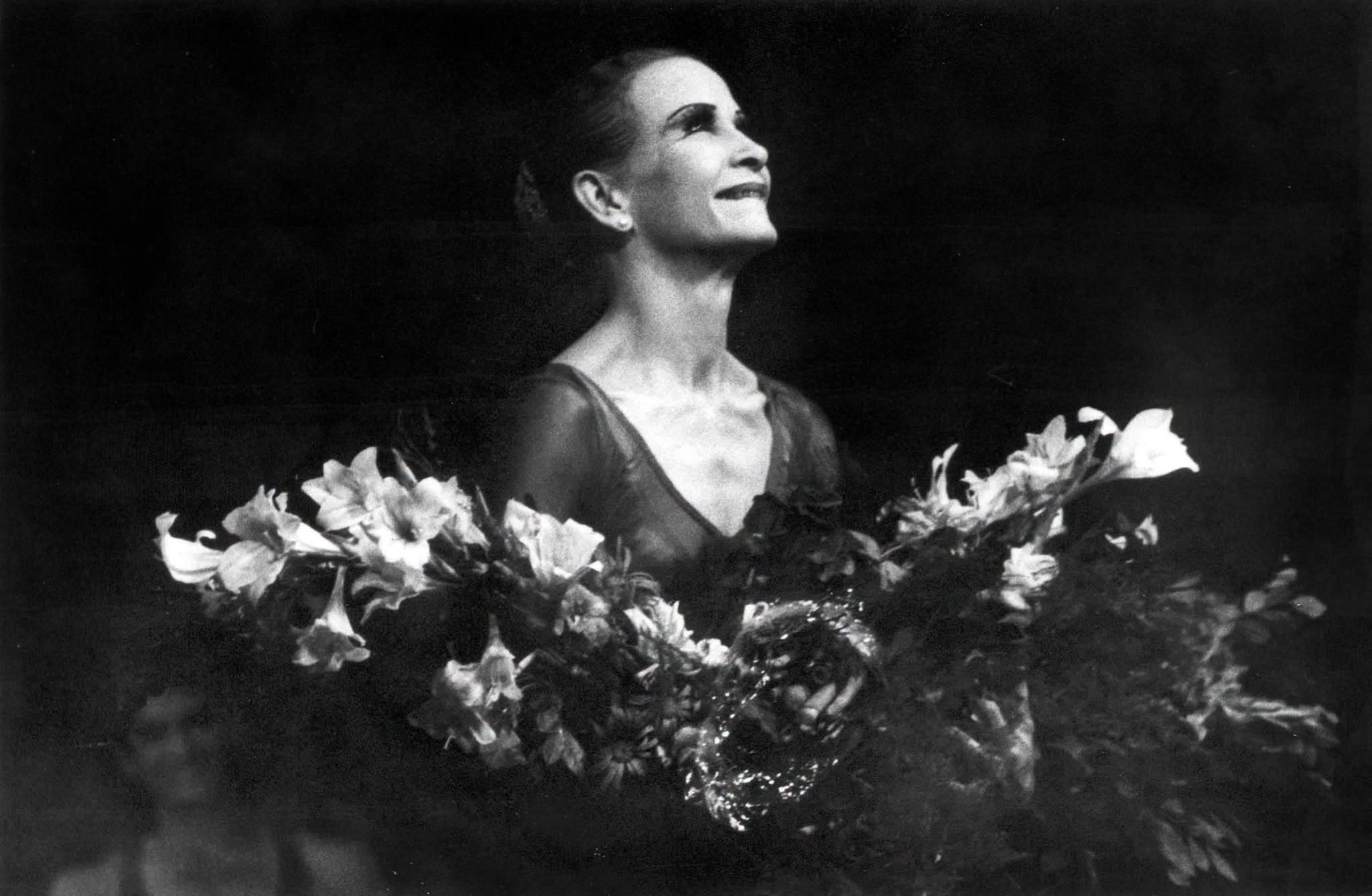
María Elena Llorente recevant un hommage floral, Ballet Nacional de Cuba
DANCE
Tolotra

María Elena Llorente: 50 Years of Ballet in the Service of Cuba

In May 1977, a Cuban dancer took the stage in New York with the Alvin Ailey Dance Theater. In the audience that evening, actor Harry Belafonte watched the performance and would later describe the evening as a significant historical event. This dancer’s name was María Elena Llorente, prima ballerina and ballet mistress of the Ballet Nacional de Cuba. Her career spans fifty years of dance, spent almost entirely with a single company—the one founded by Alicia Alonso in Havana—on an island where, over the decades, classical ballet has become as much a source of national pride as it is an art form. María Elena Llorente, of the Sociedad Pro-Arte at the National Academy It all began at the Sociedad Pro-Arte Musical, a school in Havana where young Cuban women learned the basics of classical ballet even before the official founding of the national ballet company. María Elena Llorente then continued
Read More »
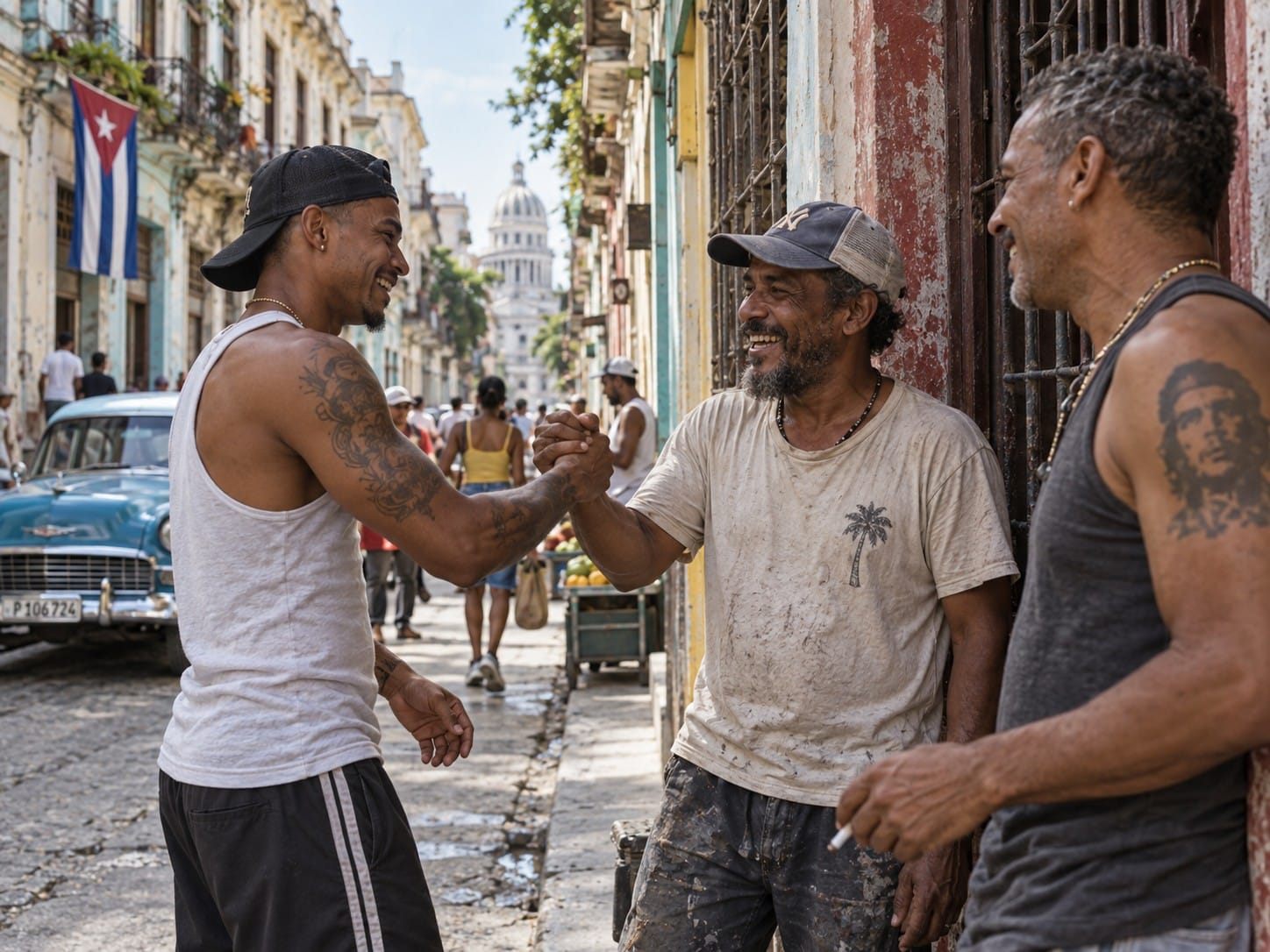
Two men greeting each other with "Asere, qué bolá" in Havana
HISTORY & HERITAGE
Tolotra

“Asere, ¿qué bolá?”, the street greeting Obama dared to use in Cuba

“Asere, ¿qué bolá?”, this Cuban street greeting, was already in common use in Havana’s working-class neighborhoods long before a U.S. president adopted it as well. On Saturday, March 19, 2016, on the eve of the first presidential trip to the island in nearly nine decades, Barack Obama appeared in a Cuban TV sketch alongside Pánfilo, a comedic character well known to viewers on the island, and delivered a “qué bolá” that no one expected to hear from a U.S. head of state. The next day, upon setting foot in Havana, he did it again on Twitter: “¿Que bolá Cuba? Just touched down here.” In just a few hours, two words of Havana slang had bridged the gap between the street and the world of diplomacy. What does “Asere, ¿qué bolá?” mean? Taken literally, “asere” doesn’t really translate, and “qué bolá”—which comes from “bola,” meaning “ball”—doesn’t convey anything more literal than
Read More »
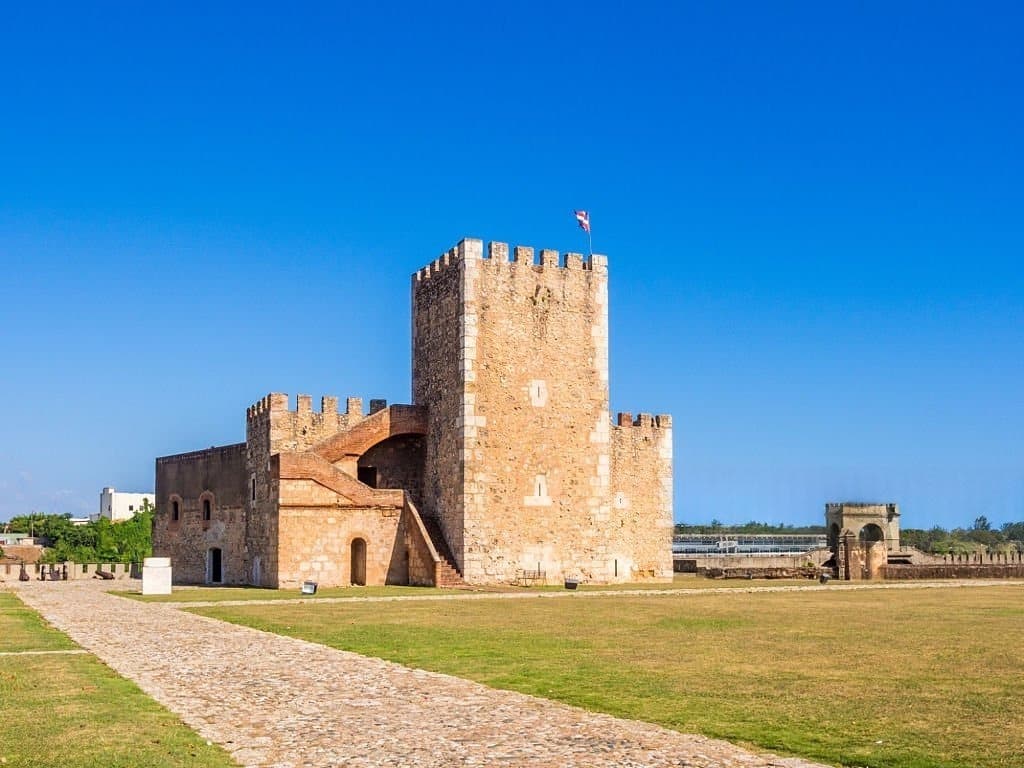
View of Fortaleza Ozama and its Torre del Homenaje tower, in Santo Domingo
HISTORY & HERITAGE
Tolotra

Fortaleza Ozama, the 1502 fortress where a nation was born

In Santo Domingo, on the banks of the Ozama River, the Fortaleza Ozama has weathered more than five centuries of Dominican history without ever falling into the hands of an attacker. It held the father of Dominican independence captive, served as a political prison under the Trujillo dictatorship, and withstood tank fire during the 1965 civil war. Now a UNESCO World Heritage Site, the oldest European-built fortress still standing in the Americas continues to preserve, almost intact, the memory of a nation. An arrival in chains, August 27, 1844 On August 22, 1844, Juan Pablo Duarte was arrested in Puerto Plata. Five days later, on August 27, he entered the Fortaleza Ozama in Santo Domingo. The government led by Pedro Santana had just declared him a traitor to the nation. Duarte, who had planned and led the young Dominican Republic to independence, was imprisoned in the dungeons of the Torre

Read More »

conTACT RK

we'd love to have your feedback on your experience so far

Join The List

Join our Richès Karayib community!  Sign up for our newsletter.

Want To Maximize Your Business Presence On Riches Karayib?

Complete the form to start the application