The Belcoua at Habitation Anse Latouche, Martinique Zoo
For the 2026 Rendez-vous aux Jardins, the Habitation Anse Latouche opens the doors to a unique site, part botanical garden, part zoo and part remains of a dwelling founded in 1643. RICHÈS KARAYIB follows the Belcoua family as they discover the Remarkable Gardens of Martinique.
That day, between monumental cheese trees, semi-liberty atelas and butterflies in the greenhouse, they discovered that looking at living things is already a commitment to protecting them.

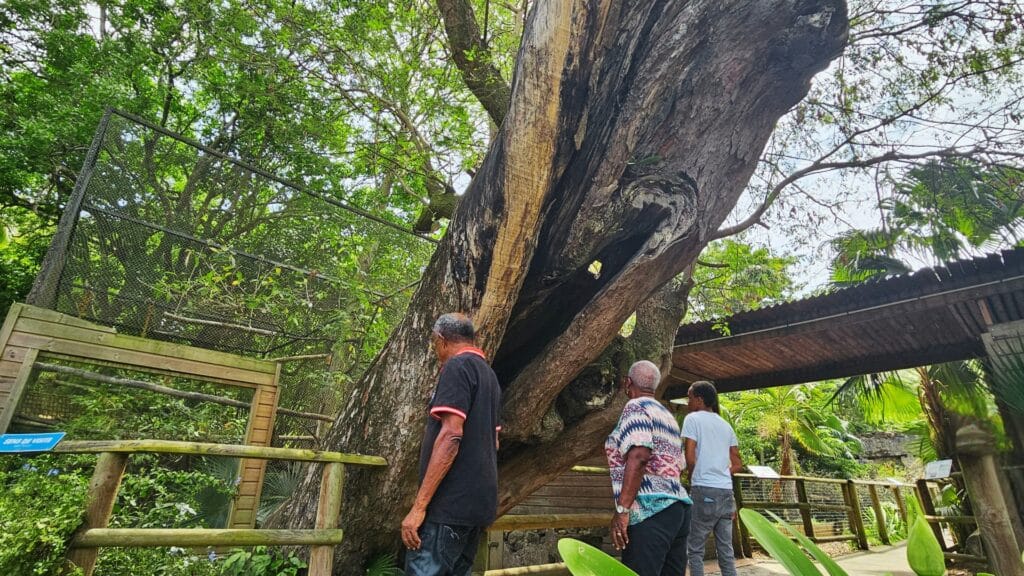
At the entrance to the park, the Belcoua family stops. In front of them, the trunk of an old tamarind tree, massive and blackened, resisting cyclones and years. Jocelyne stops, gazing up at the top. Kévin and Émile, nearby, observe the majestic tree.
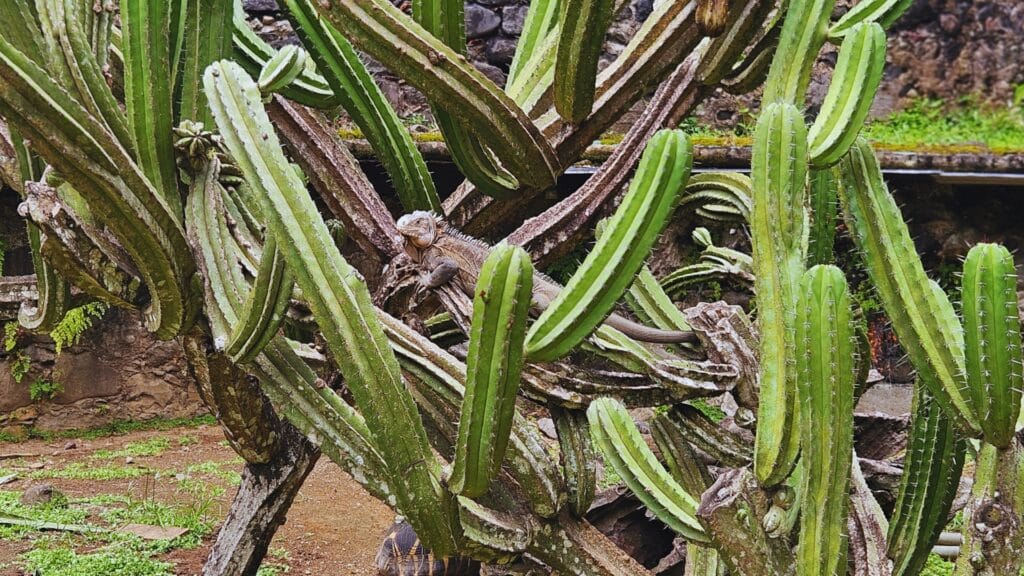
Somewhere in the foliage, a bird call pierces the silence. A little further on, iguanas roam freely. Here, plant, mineral and animal cohabit in the same space. And the visit has only just begun…
It is precisely this attention to the living that Habitation Anse Latouche intends to highlight on June 6 and 7, during the 2026 edition of Rendez-vous aux Jardins in Martinique, this year on the theme of the view.
A theme that resonates here in a singular way: we don’t just see plants or animals, we see an entire ecosystem – plant, animal and heritage – that needs to be looked at in order to be protected.
Habitation Anse Latouche, a memory born in 1643
Straddling the communes of Le Carbet and Saint-Pierre, Anse Latouche is one of Martinique’s oldest settlements.
“The first stones were laid in 1643 by the d’Orange family,” says Jimmy Limousin.
At its peak, the estate covered 300 hectares. It was the largest Martinique home of its time.
The story comes to an abrupt end on May 8, 1902: the fiery cloud from Mount Pelée sweeps across Saint-Pierre.
“The flaming cloud was stopped by the gully on that side,” says Jimmy Limousin.
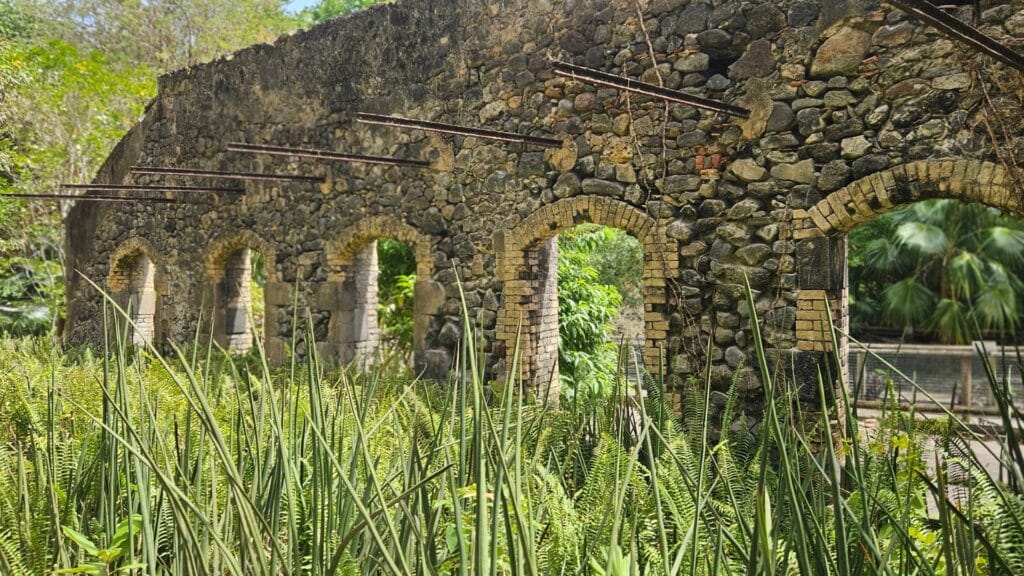
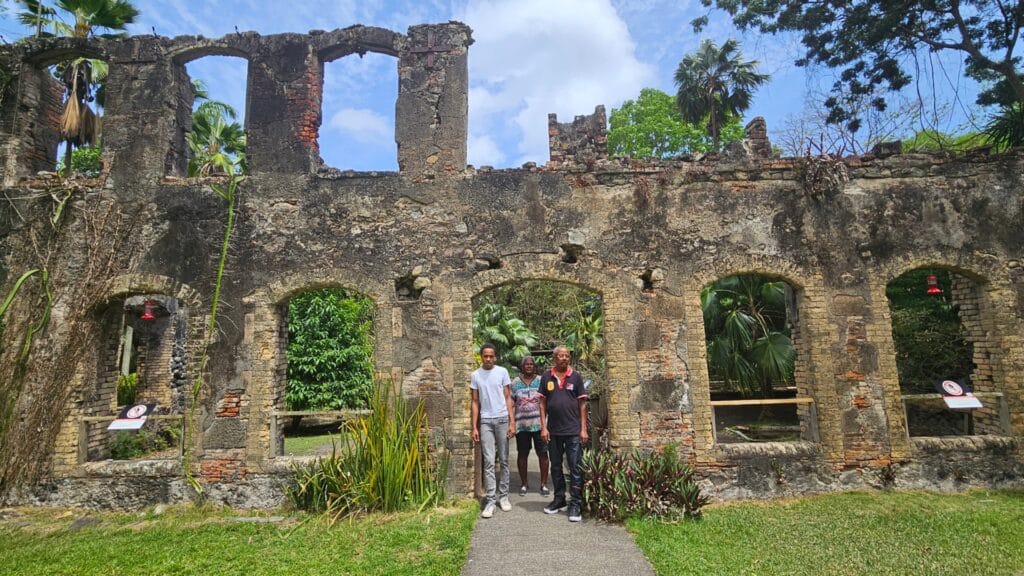
The Anse Latouche dwelling is blown up. All the remains visible today – arcades, steam engine, bullock carousel, manioquerie – are post-eruption ruins, fragments that have survived the century.
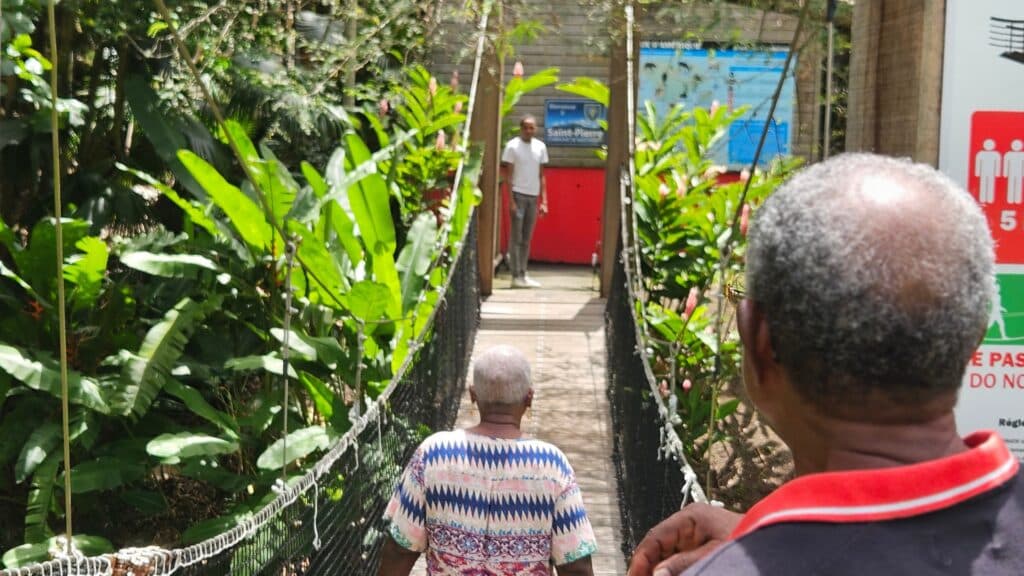
In the middle of the promenade, a Himalayan footbridge spans the ravine. The sign at the entrance recommends a maximum of five people. Kévin goes first, Jocelyne follows, Émile closes the gap.
At the other end, a blue sign: Saint-Pierre. Crossing this bridge, the visitor passes from one commune to another: from Carbet to Saint-Pierre, along the ravine which, in 1902, stopped the nuée ardente.
Plant intelligence in the heart of ruins
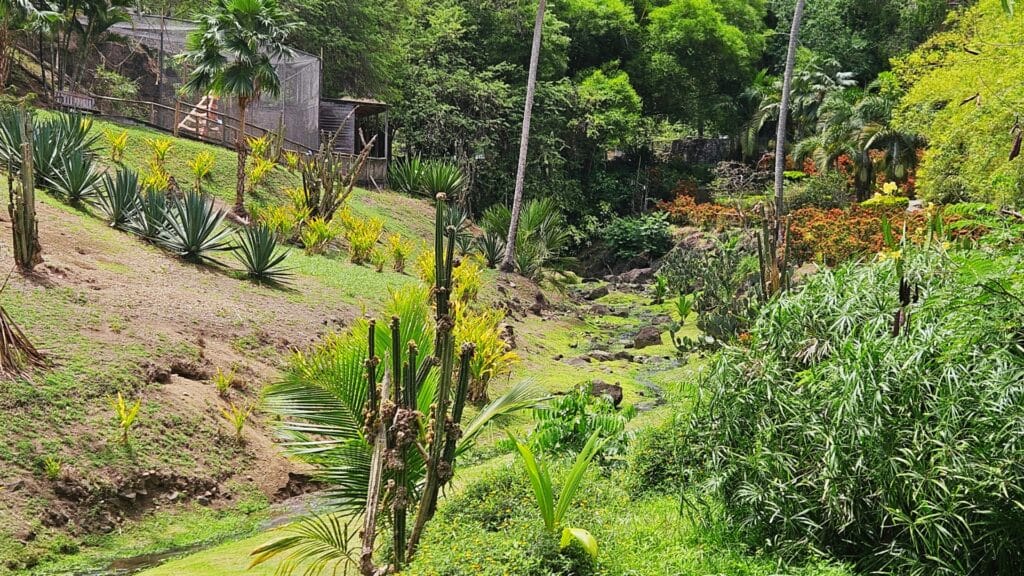
In the 1990s, the site was taken over by Jean-Philippe Thoze, the landscape gardener-botanist who had already created the famous Jardin de Balata a few years earlier. AtAnse Latouche, he designed a park in dialogue with the ruins: curved paths, plant scenography around the remains, bromeliads and orchids placed on the mechanical elements of the old distillery. Plant and mineral respond to each other.
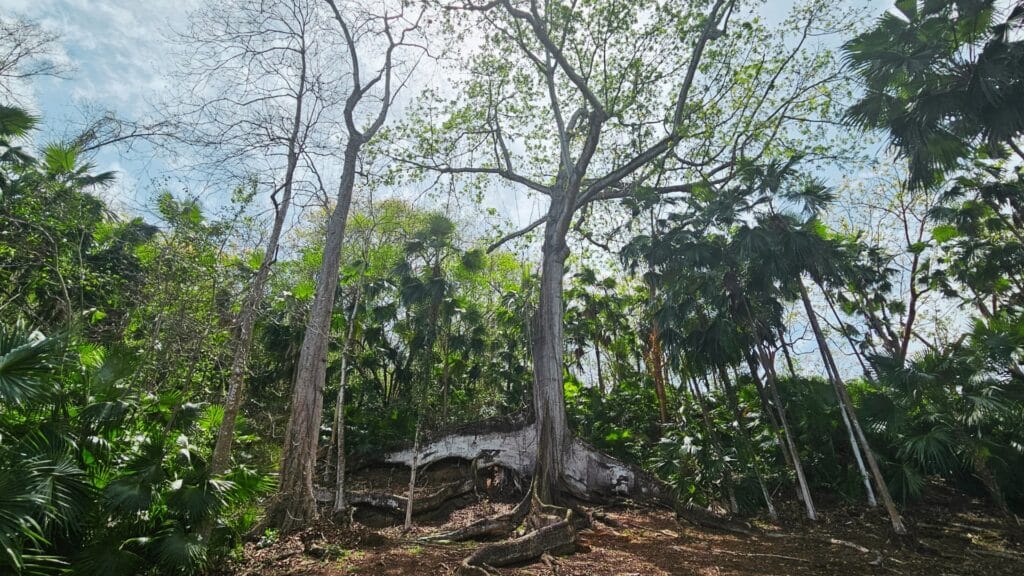
At the bend in the path, the cheese tree appears. Monumental. Its roots form buttresses that rest on the volcanic rock, as if the tree had sculpted its own pedestal to support itself.
“When you look at how it has built up its roots like buttresses, that it has come to lean on volcanic rock to get through whatever nature throws at it, i.e. the cyclones it may have experienced here, it’s still standing, still solid,” observes Jimmy Limousin.
“We’re talking about plant intelligence. “
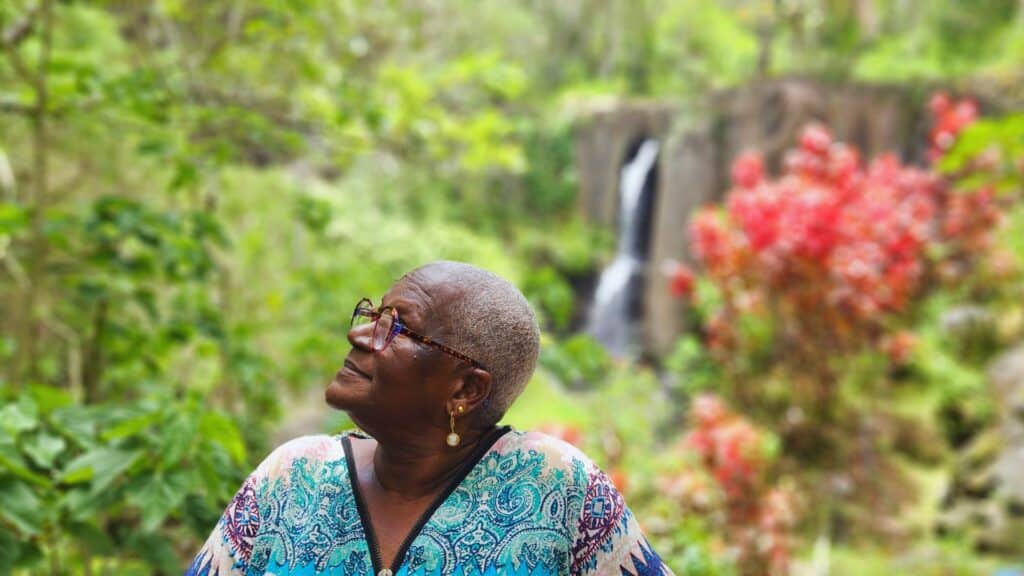
It’s in this dialogue between stones and plants that Jocelyne stops a little further on. Behind her, a waterfall cascades down through lush vegetation and colorful flowers: an idyllic setting.
She looks up, holds her breath. Here, the past is not immobile: it is crossed by water, taken up by vegetation, sublimated by light.
Martinique Zoo, a showcase for the Caribbean-Guyanese biotope
In 2012, the adventure took a new turn. Franck and Angélique Chaulet, two wildlife enthusiasts, took over the site from Jean-Philippe Thoze. They decided to set up the Zoo de Martinique, which opened to the public in 2014.
“When Angélique and Franck added this animal touch to the park, it was done in an existing setting. It was done with great care, with the desire to pass on their passion for protecting the West Indian-Guyanese biotope,” says Jimmy Limousin.
This choice is not insignificant . The French West Indies and French Guiana represent between 90 and 95% of Europe’s biodiversity,” points out Jimmy Limousin.
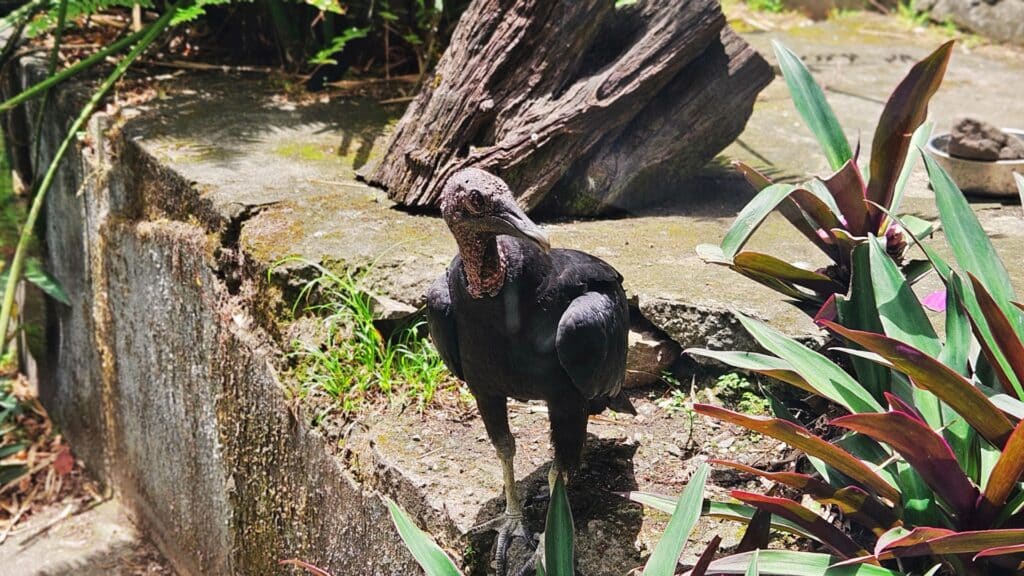
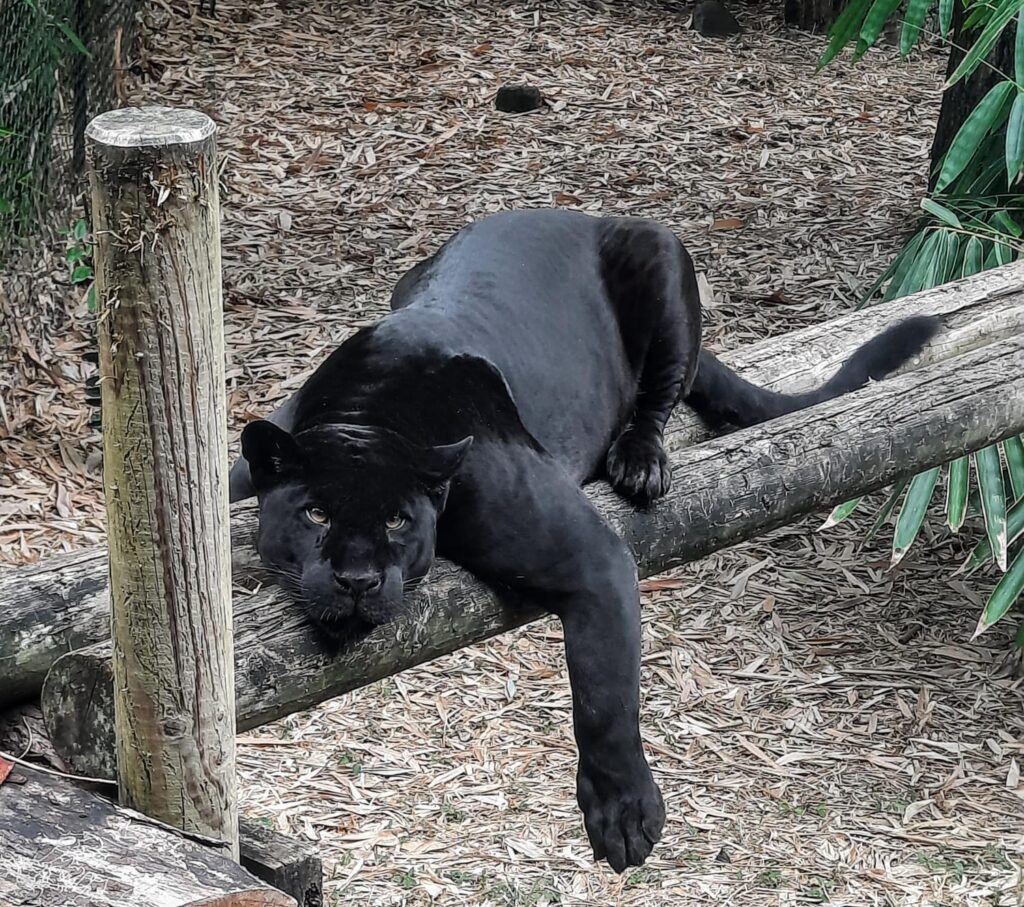
Today, 90% of the livestock on display belong to the West Indian-Guyanese biotope: country iguanas (Delicatissima), emperor tamarins, atelas, urubus vultures and parrots. The remainder comes from seizures made by the authorities on individuals illegally holding exotic species.
“We try to respond in the best possible way, as a host structure, to these requests.”
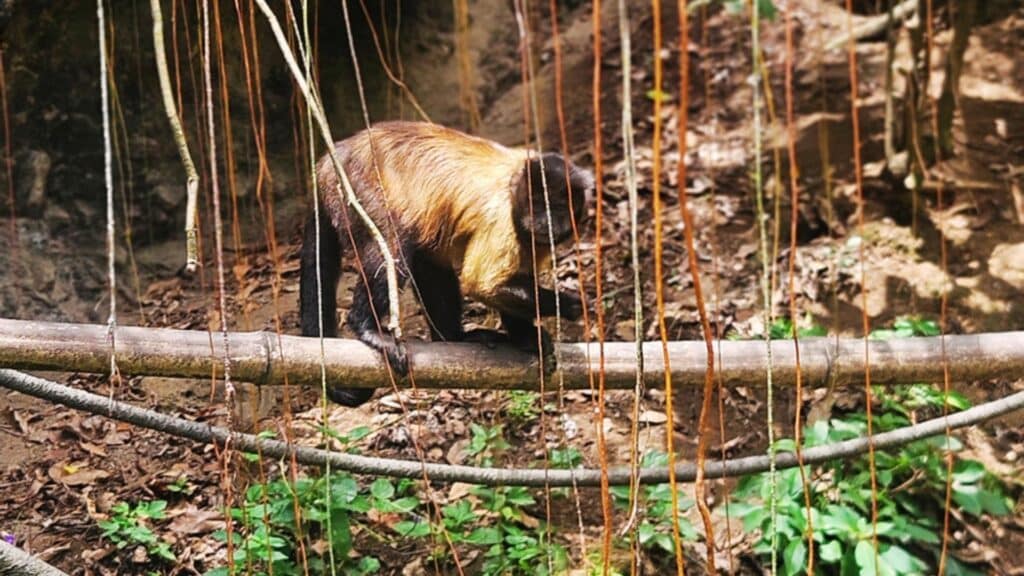
Some of the park’s residents’ stories tell the whole story. Such is the case of Stone, an atel confiscated in a bar in Saint-Laurent-du-Maroni, French Guiana, where he was exhibited in a cage so cramped that he was left with a hind limb disability. Released into the wild, he died within a few days. At the Martinique Zoo, he has found a second life. What’s more, despite his advanced age, he has reproduced, contributing to the genetic heritage of the species.
“We thought of him as a retiree,” smiles Jimmy Limousin. “But he brought his genetics to our protection and breeding program.”
“Another figure in the park defies time. Bubu, urubu vulture, has been present in Martinique since at least 1994, i.e. over 32 years today, whereas the life expectancy of the species in the wild is 16 years. It is therefore twice as long.
“He has the appetite of an ogre, but the plumage of a teenager,” smiles Jimmy Limousin.
“One wonders if it’s not eternal.
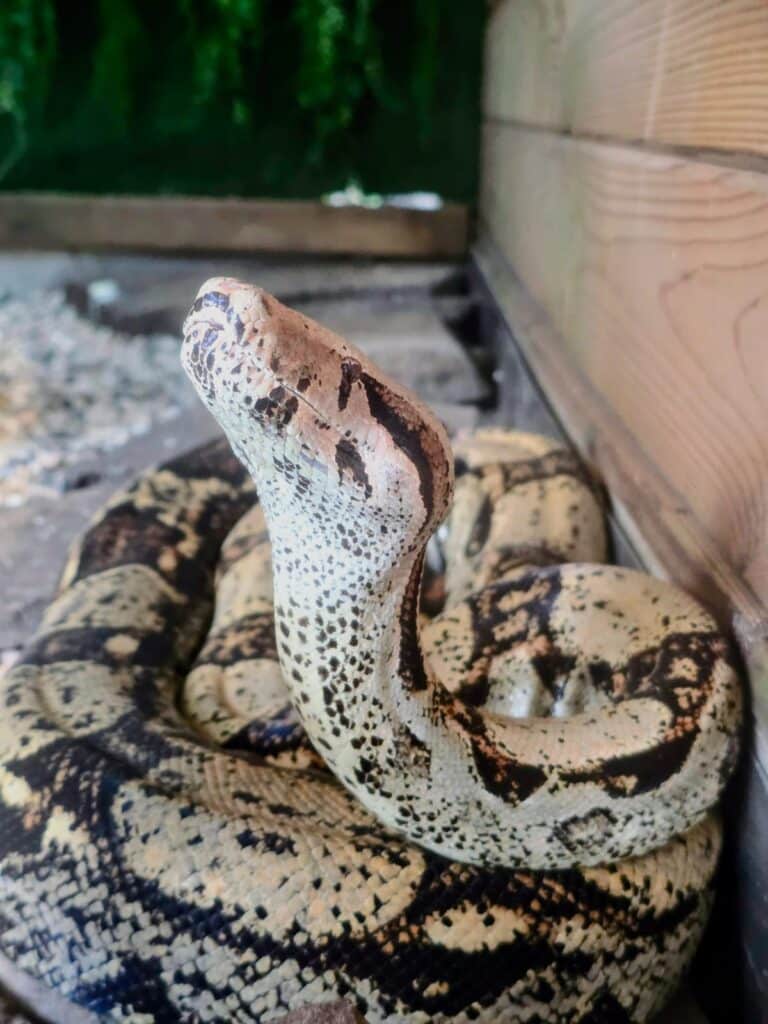
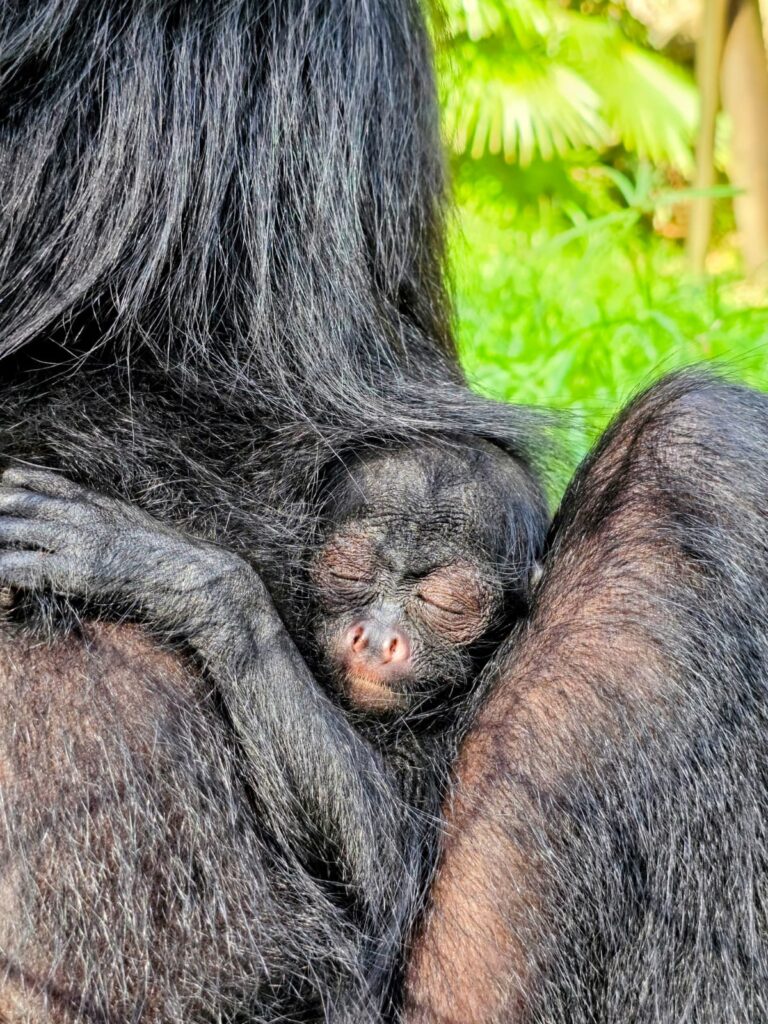
Seeing the living: an act of conservation
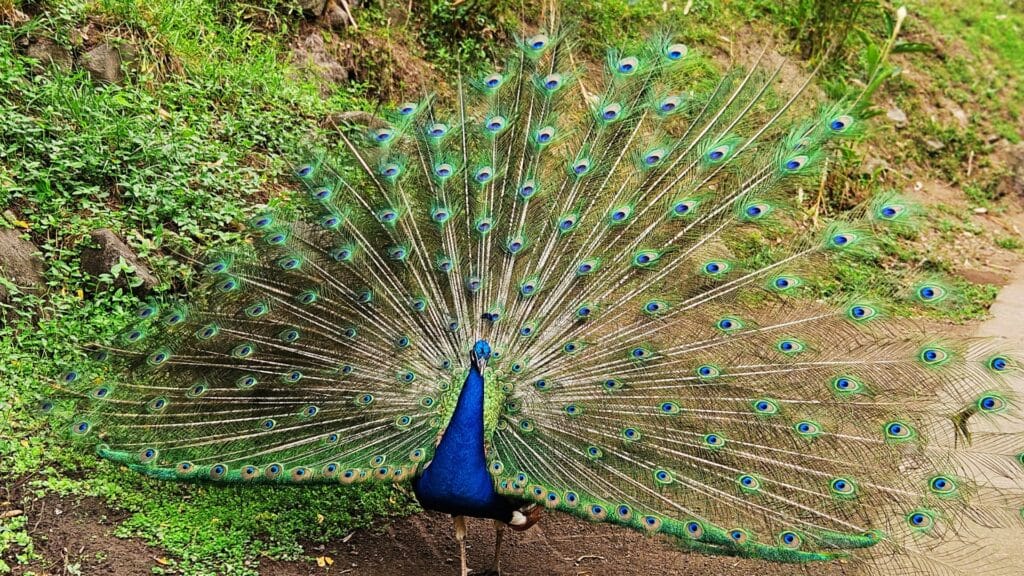
Nearby, a peacock unfurls its wheel. Émile lingers, his gaze caught by the cameo of blue and green feathers.
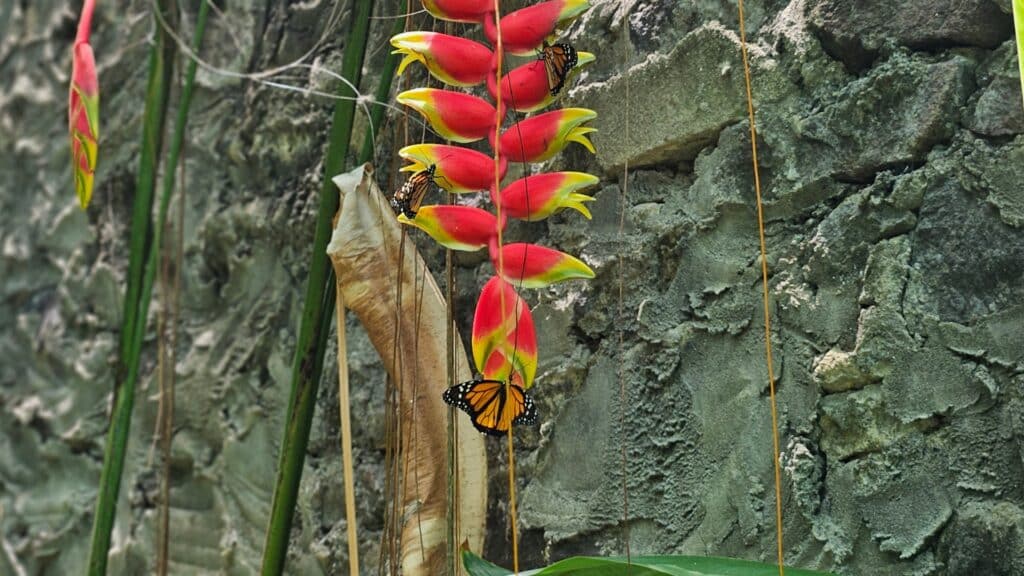
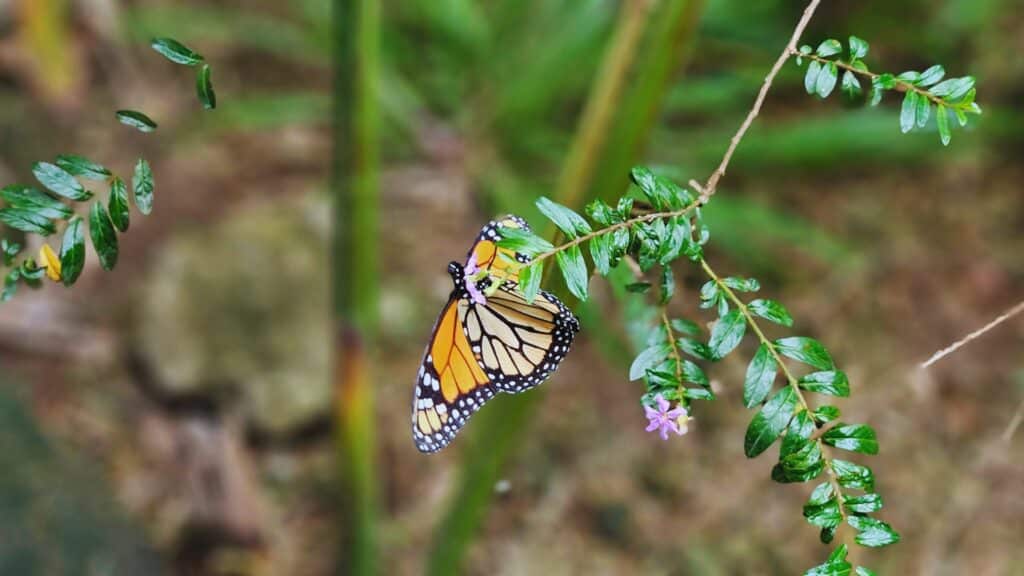
Further on, in the butterfly greenhouse, monarch butterflies fly freely. Resting on the drooping clusters of a heliconia, they gather pollen from the melliferous flowers. “These are melliferous plants on which they come to collect pollen and eat,” explains Jimmy Limousin.
The zoo also provides them with the plants they need to complete their life cycle.
“The more dangerous an animal becomes, the more organized our organizations become,” he continues.
The Zoo de Martinique takes part in European breeding and conservation programs (EEP), coordinated at European level by EAZA (European Association of Zoos and Aquariums).
“The idea is to preserve strong, healthy genetics to protect, conserve and eventually repopulate forests emptied by extinction.
This dimension is not only institutional.
“When you come to the Martinique Zoo, you’re not just a spectator, you’re a conservationist, because you’re helping to fund these programs,” he explains.
Around 30% of proceeds are donated to conservation, via the association SOS Faune Sauvage which operates in French Guiana and Guadeloupe, or through direct support for conservation programs.
Rendez-vous aux Jardins 2026: a garden where everything is alive
At a time when we talk so much about protecting living things, but don’t always know where to start, the Zoo de Martinique offers a concrete response: a change of outlook.
“We all have a role to play in conservation,” Jimmy Limousin sums up, “by respecting the animal world and trying to have as little impact on it as possible.”
For the Rendez-vous aux Jardins on June 6, the Martinique Zoo has chosen to take the opposite tack from the theme of sight: a sensory workshop will invite visitors to close their eyes and rediscover the garden in a different way, through smells, textures and sounds.
It’s another way of seeing living things, through the very things that sight cannot show.
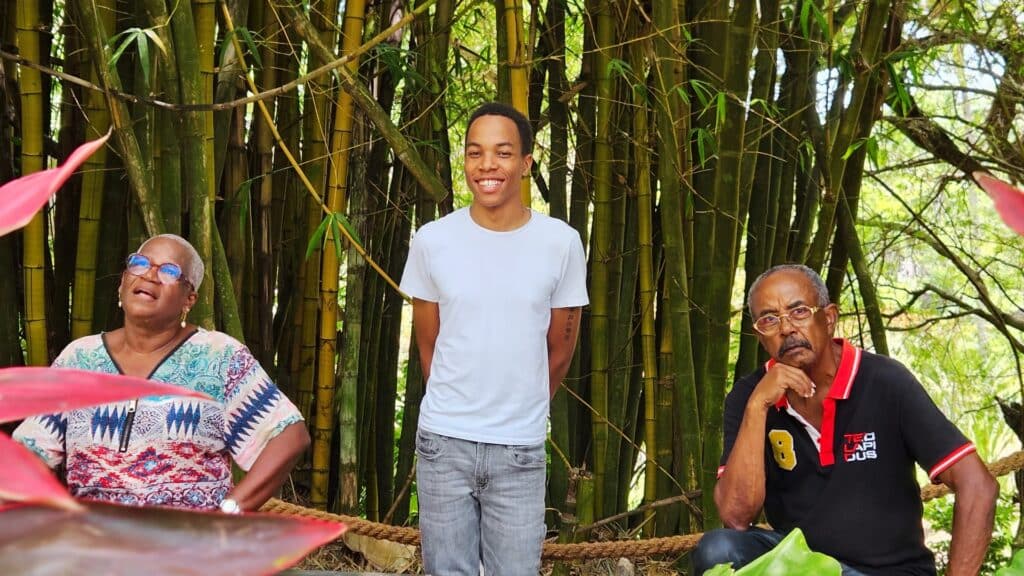
At the end of the tour, the Belcoua family pause for a final look at the park.
Anse Latouche is not a zoo. Nor is it just a garden or a historical site. It’s a place where living things tell their own stories in all their forms: minerals inherited from 1643, plants sculpted by Thoze, animals carried by the Cholette family, memories carried by each and every one of us.
For Émile, Jocelyne and Kévin Belcoua, the journey is coming to an end. One last garden awaits them, but Kevin has decided to discover it in his own way…
📌 IN PRACTICE
Rendez-vous aux Jardins 2026 – Habitation Anse Latouche / Zoo de Martinique
📅 Saturday 6 and Sunday 7 June 2026
📍 Anse Latouche, 97221 Le Carbet, Martinique (on the communes of Le Carbet and Saint-Pierre)
🎟️ Zoo de Martinique regular rates
🌿 Free visit of the botanical park, the Zoo de Martinique and the remains of the Habitation Latouche.
Saturday, June 6 – Guided sensory workshop: rediscover the garden in a different way, voluntarily deprived of sight, through smells, textures, sounds and sensations.
☎️ 05 96 52 76 08 – zoodemartinique.com
An exploration by RICHÈS KARAYIB for Rendez-vous aux Jardins 2026, in partnership with the Direction des Affaires Culturelles de Martinique.