Abolition of slavery in French Guiana : these words resonate in the hearts of Guyanese every June 10. For some, it’s just another public holiday. For others, it’s a founding date, a reminder of a painful but essential history, inscribed in the flesh of the territory.
On June 10, 1848, French Guiana saw the collapse of a two-century-old system, liberating some 12,500 women, men and children. Yet this liberation was slow, incomplete and followed by many disappointments. The present day, the abolition of slavery in French Guiana continues to nourish memory, political and cultural commitment, and struggles for social justice.
A colonial past structured by violence
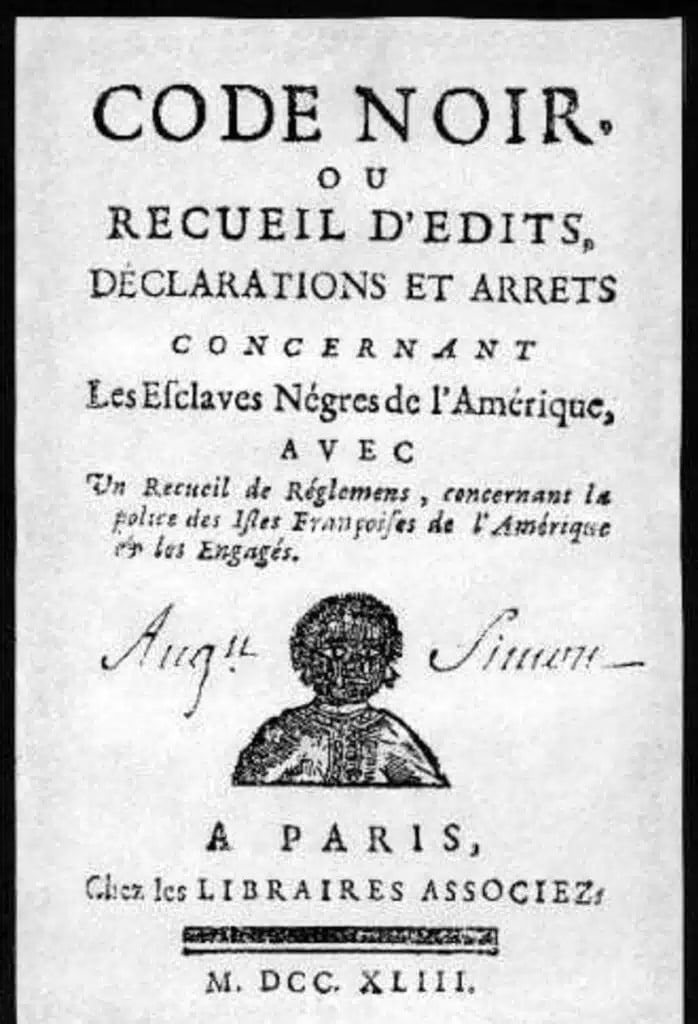
From the XVIIᵉ century, French Guiana became a colony of exploitation in the service of France. Sugar, cotton, coffee, precious woods: these riches were extracted through the deportation of thousands of enslaved Africans. The slavery system was extremely brutal: forced labor, physical violence, disintegration of families. The archives describe a life of suffering, but also of continuous resistance. For submission was never total.
Marronnage: resistance and heritage
Fleeing the plantation for the forest, resisting slavery by fleeing: this was the risky but vital choice of marronnage.
These fugitive slaves form communities in the forest, often autonomous, who wage guerrilla warfare against the colonists.
This survival strategy, this refusal to be broken, has shaped the Guyanese identity.
Today, this heritage is valued in historical narratives, the arts and rituals, as a symbol of resilience and freedom.

Abolition in two stages
In 1794, the French Revolution proclaimed the first abolition of slavery in French Guiana. This was revoked in 1802 by Napoleon Bonaparte. The return to slavery plunged the population into a new era of servitude, marked by mistrust of the promises made by France.

In 1848, against the backdrop of a new revolution in Paris, Victor Schœlcher convinced the provisional government to abolish slavery in all the French colonies. In French Guiana, André-Aimé Pariset, commissioner of the Republic, proclaimed the abolition of slavery in French Guiana on June 10. However, freedom did not come into effect until August 10, 1848. Why the delay? Registers of the newly freed had to be drawn up, a civil registry had to be set up, the gradual end of the plantations had to be organized and the remote countryside had to be informed. This administrative organization was decisive for the implementation of the measure.


June 10, a day of remembrance and demands
Every year, the abolition of slavery in French Guiana is commemorated through ceremonies, marches and rituals. The day often begins with the TAMBIKO, a spiritual tribute to the ancestors, at the foot of the Marrons de la Liberté statue in Cayenne. This statue is not the only one to bear the memory. In Rémire-Montjoly, another statue, inaugurated in 2008, also celebrates the Maroon resistance fighters, anchoring their presence in the public space.
The “Maché pou sonjé” walk links symbolic places in Cayenne: the Old Port, the Ébène de la Liberté and the Chaînes Brisées site. These routes embody the continuity between past and present, between individual and collective memory. The abolition of slavery in French Guiana is also a matter of transmission: gestures, songs and oral narratives are the essential vectors.
Associations and civil society: memory in motion
Collectives such as the Mouvement International pour les Reparations (MIR), the Fédération des Arts Traditionnels Créoles and Trop Violans are giving the June 10 date political significance. For them, the abolition of slavery in French Guiana is not an achievement to be passively celebrated, but the starting point of an ongoing struggle for justice, recognition and reparation. They organize conferences, screenings, debates and exhibitions, denouncing the inequalities that remain.
Commemoration 2025: a plural tribute
In 2025, the day begins with the TAMBIKO, followed by a memorial convoy to the ruins of a former labor camp. At the Ébène de la Liberté site, historians and activists take the floor to remind us that the abolition of slavery in French Guiana is inseparable from the memory of the Resistance. The “Maché pou sonjé” march brings together hundreds of people, in an atmosphere of meditation and transmission. The evening concludes with a Konvwé, an artistic performance combining poetry and music, celebrating the Marron heritage.
In Saint-Laurent du Maroni, Place Baudin hosts an open-air exhibition and video mapping entitled “Liberté”. The Musée Alexandre Franconie, in Cayenne, is hosting an exhibition on “marronnage”, where contemporary artworks interact with testimonials from bilingual Creole/French schoolchildren. À travers l’art, the abolition of slavery in French Guiana becomes a living subject, anchored in new generations.

Cultural legacies and contemporary challenges
Since 1848, the abolition of slavery in French Guiana has transformed society. The Creole language, traditional rhythms, dances and artistic expressions born of this history have become pillars of Guyanese identity. This plural heritage – African, Amerindian, European and Asian – has forged a unique, resolutely Creole culture.
But this memory is not enough to bridge the gaps. The descendants of slaves have never received reparations. Structural inequalities, poverty and racial discrimination persist. For many associations, the abolition of slavery in French Guiana demands justice: acknowledging suffering, repairing injustice and building real equality.
A memory for action
The abolition of slavery in French Guiana celebrated every June 10, must not remain a fixed date. It is a compass for thinking about the future, and a reminder that freedom can be won, passed on and nurtured. It is a call to defend a society that is fairer, more united and more aware of its history. For memory, far from being a burden, is a political and civic force.