



Martinique – Quality of service, innovation, connectivity: key takeaways from ACI Airport Day 2025

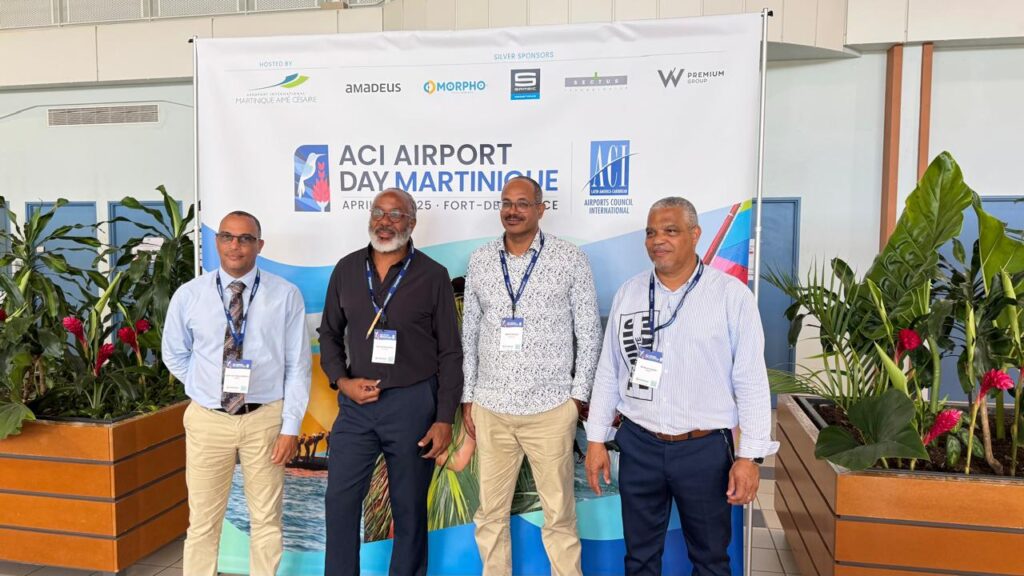
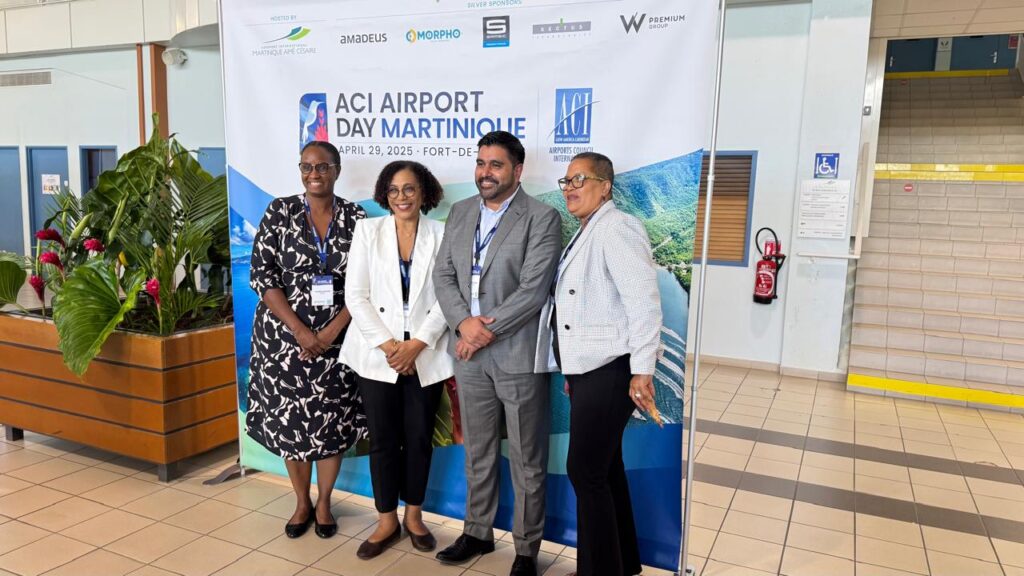
Held for the first time in Martinique, ACI Airport Day brought together Caribbean and international decision-makers to discuss the major challenges facing air transport. Thanks to the joint efforts of the ACI-LAC and SAMAC teams, this event offered a relevant and enriching program, designed for all players in the airport ecosystem. The event, marked by the desire to enhance the passenger experience and strengthen regional connectivity, confirms Martinique as a strategic player in the Greater Caribbean.

An opening driven by collective ambition

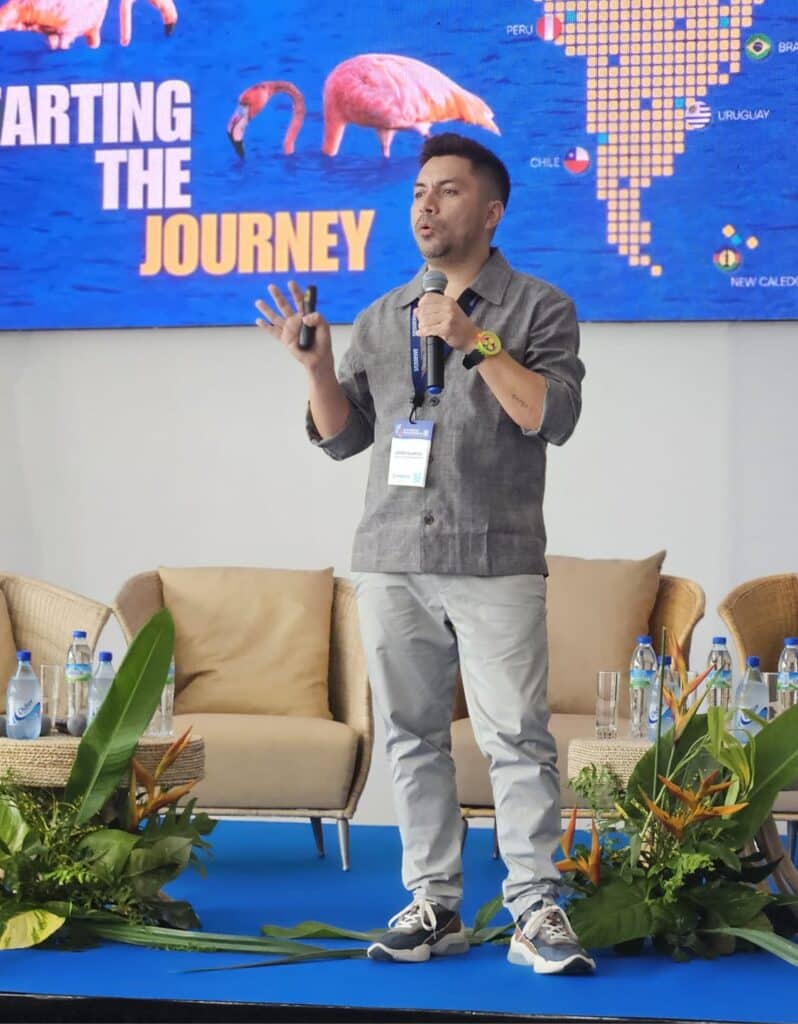
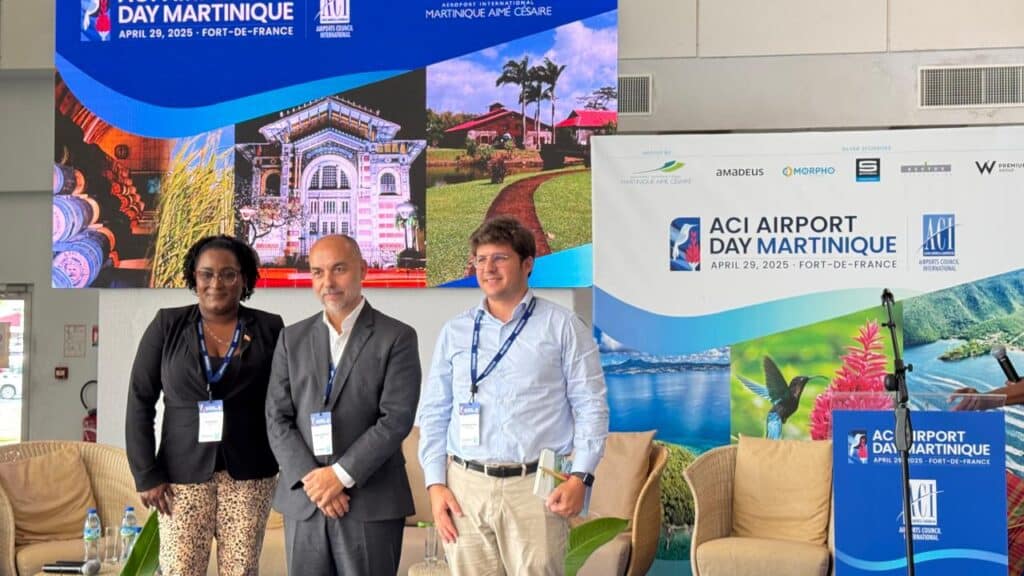
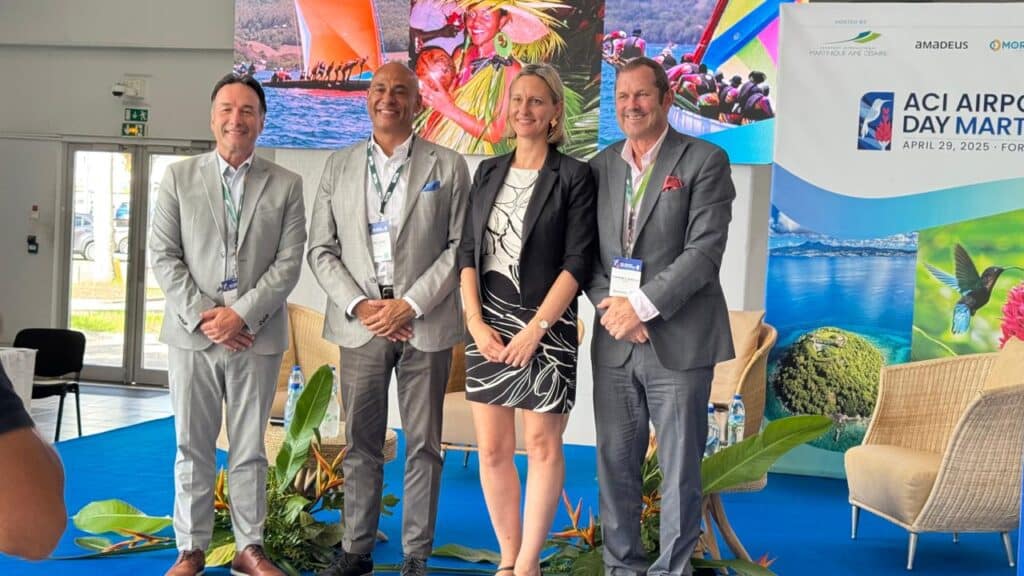
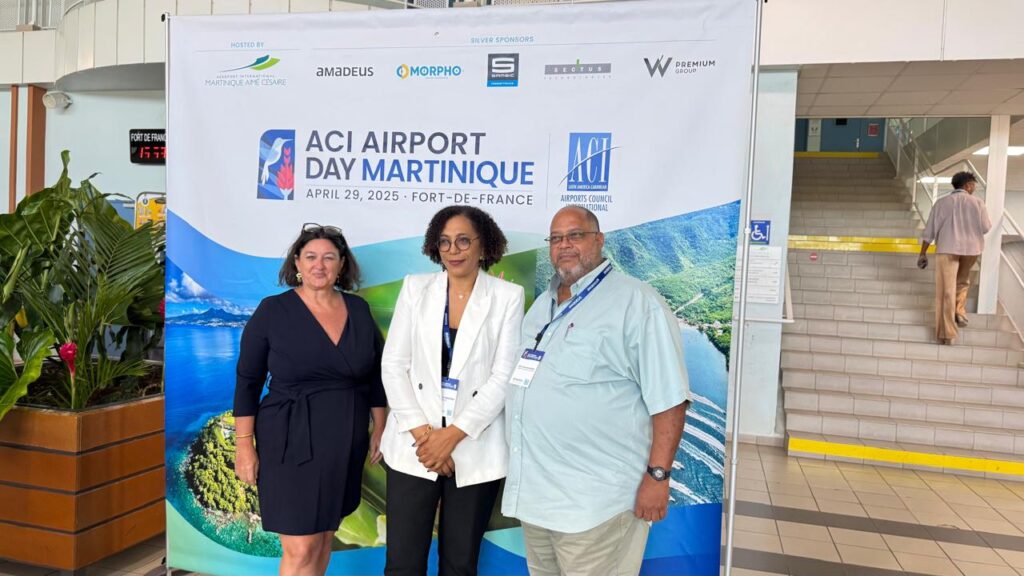
ACI Airport Day 2025 in Martinique was much more than just a business meeting: it offered a strategic snapshot of the Caribbean’s airport ambitions. Led by Valérie Césarine, Sales and Marketing Director of SAMAC and The event’s master of ceremonies, Nathalie Sébastien, CEO of SOCIETE AEROPORT MARTINIQUE AIME CESAIRE (SAMAC), and Rafael Echevarne, CEO of Airports Council International – Latin America and the Caribbean (ACI-LAC), laid the foundations for a collective reflection on the role of airports in the attractiveness, economic development and connectivity of our regions. Held in Fort-de-France, the ACI Airport Day brought together key players from across the region and Europe.

ACI Airport Day
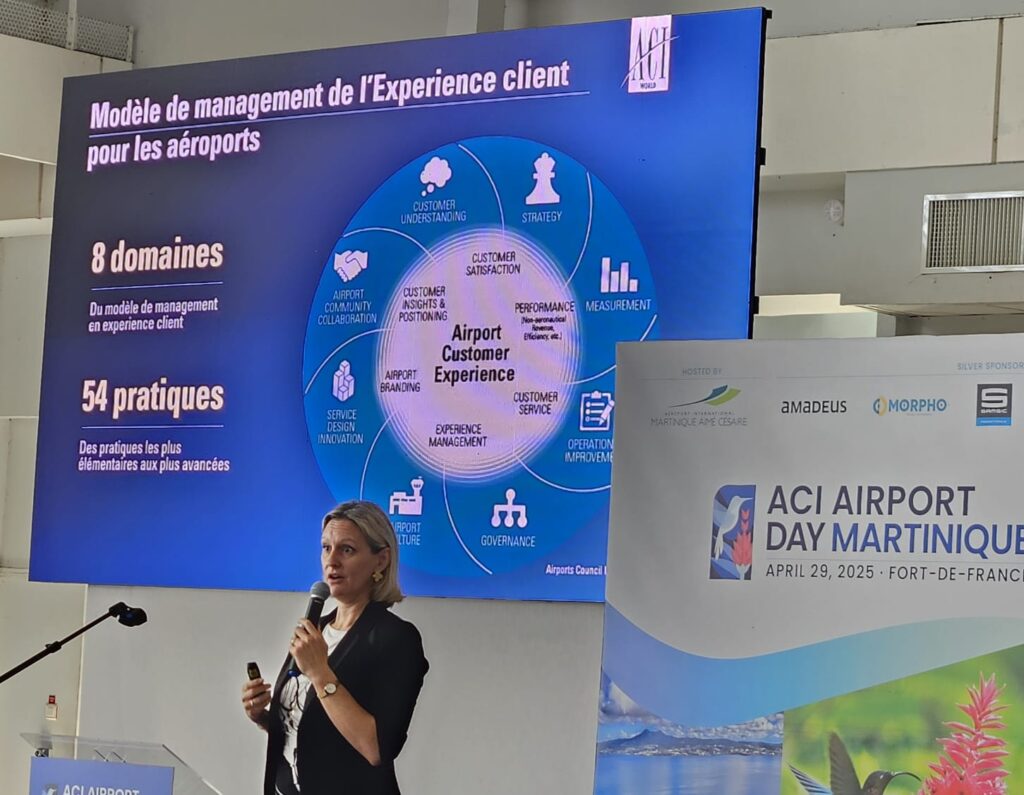
Valérie CESARINE

Making the airport a lever for experience and development

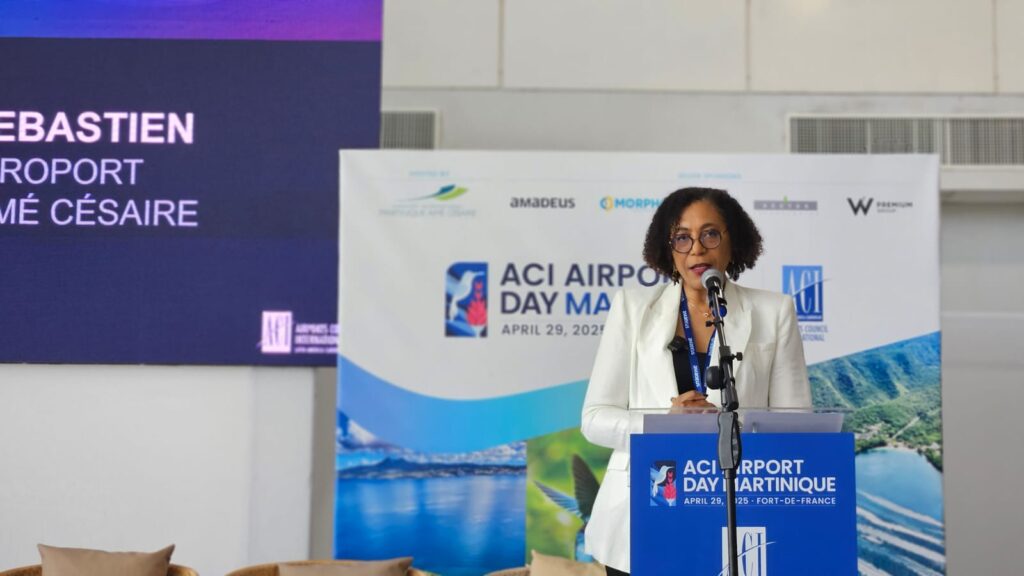
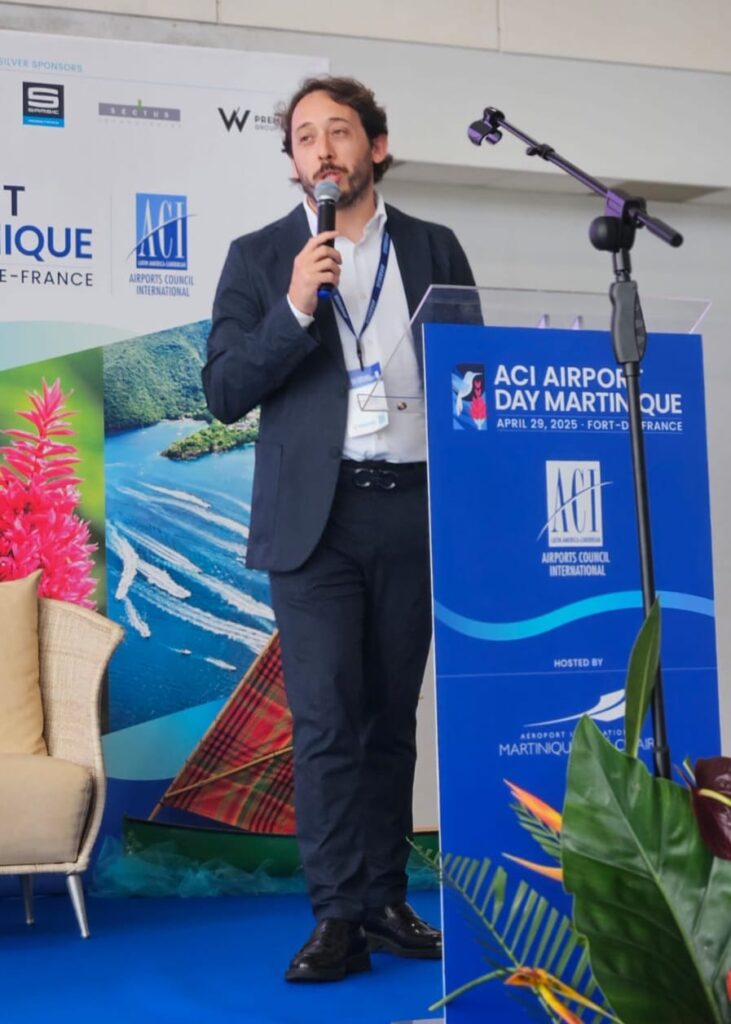
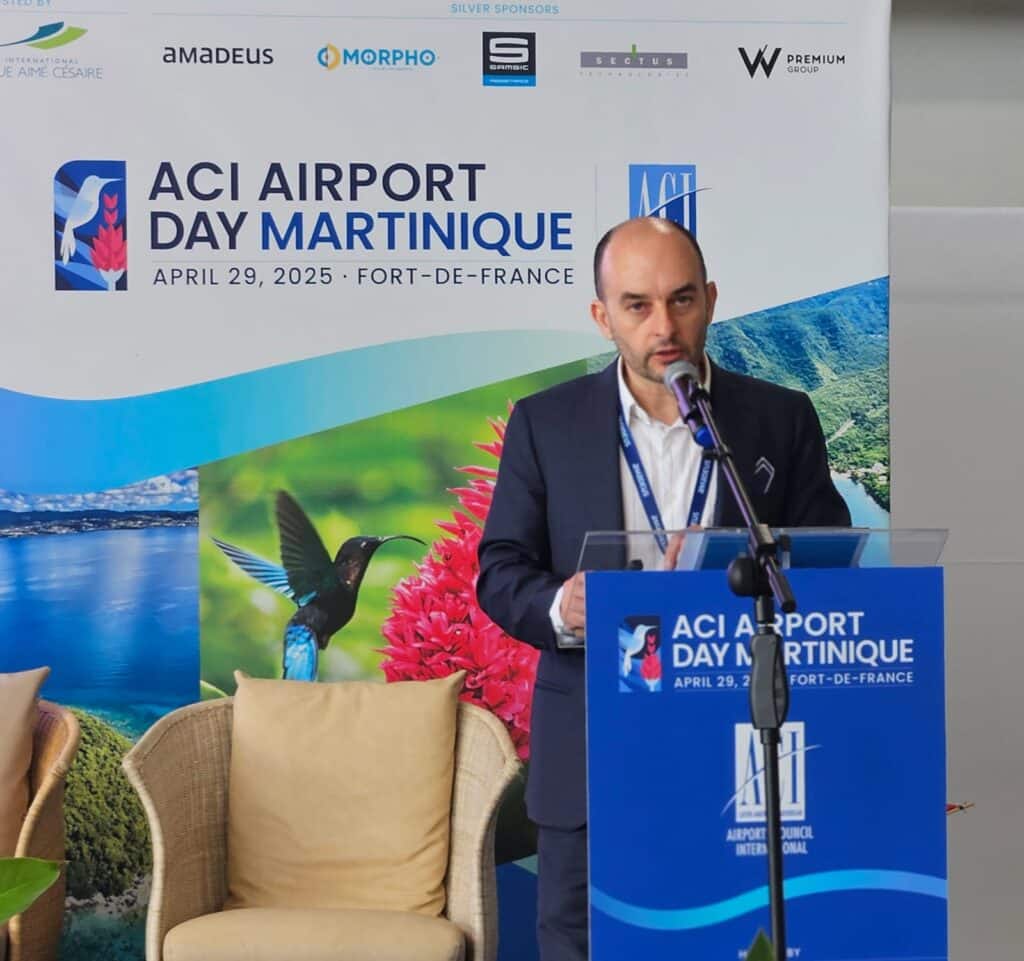
Right from the opening of ACI Airport Day, Nathalie Sébastien, representative of Société Aéroportuaire de Martinique (SAMAC), set the tone. In a speech punctuated with inspirational quotes – including one from Maya Angelou reminding us that we never forget what we feel – she expressed an ambitious vision: to make Aimé Césaire airport an exemplary place of welcome and an engine of economic development for the whole island.

She stressed the need to analyze passenger expectations and act to continuously improve services. The airport is thus set to become a high value-added space, where customer experience, business partnerships and innovation go hand in hand. “The future will be built on a close relationship with our economic, tourism, institutional and regulatory ecosystems,” she asserted, underlining the importance of cooperation in transforming air travel into a veritable regional powerhouse.

ACI Airport Day
Nathalie Sébastien, representative of Société Aéroportuaire de Martinique (SAMAC)

Improving connectivity to unlock Caribbean potential

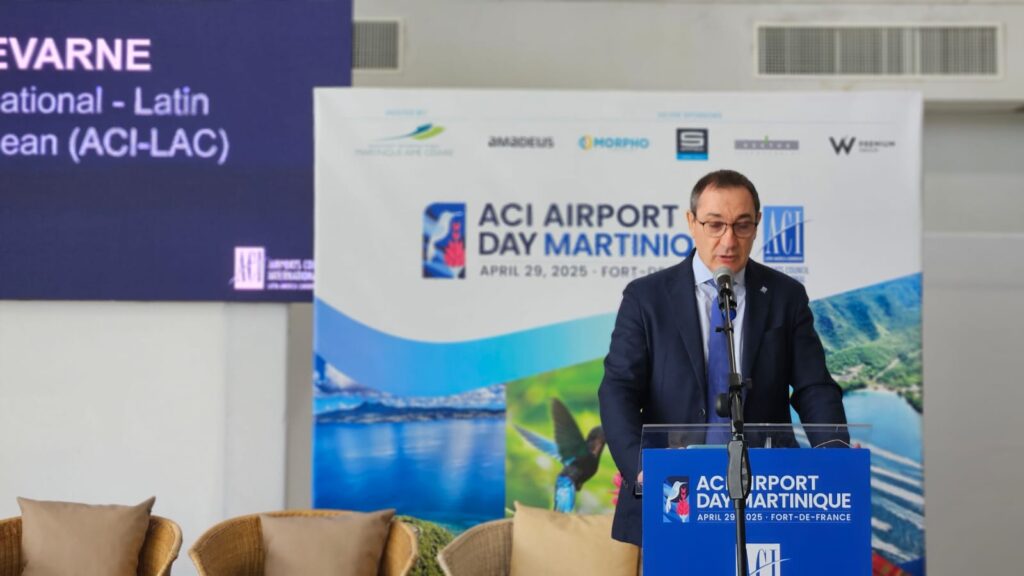
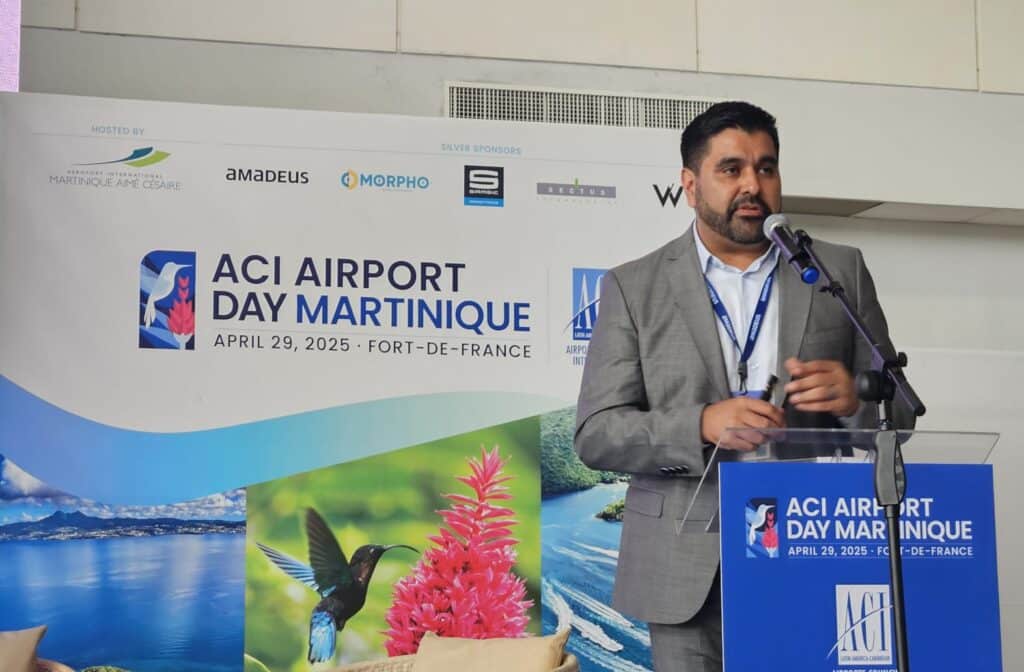
For his part, Rafael Echevarne, General Manager of ACI-LAC, reminded the audience of the central role played by his organization: to federate over 2,500 airports worldwide, including 350 in the Latin America-Caribbean region. The aim of this network is clear: respond to common challengesstrengthen cooperation and share expertise.

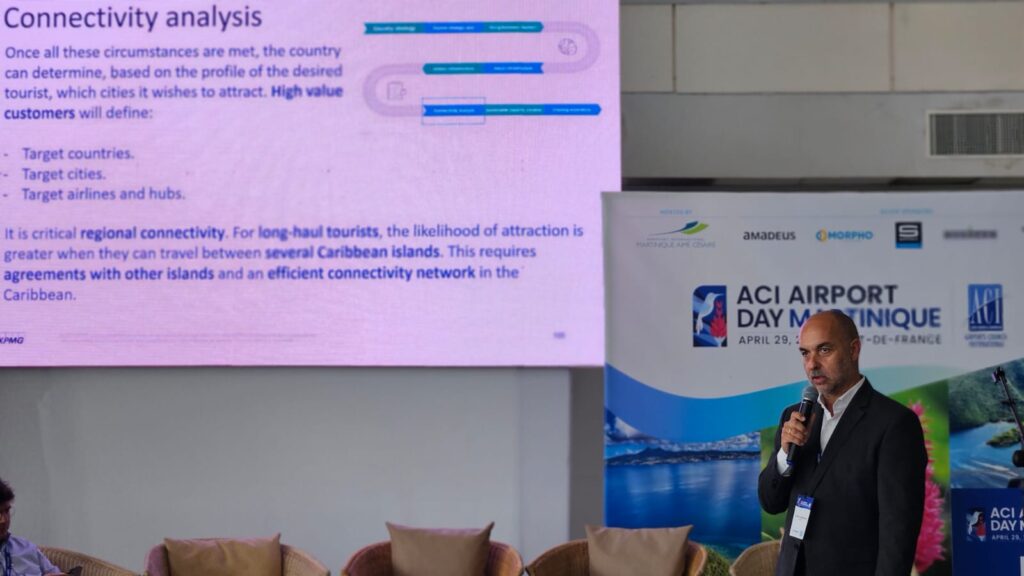
One of the priorities highlighted at ACI Airport Day was air connectivity. air connectivityA specific study, commissioned by ACI-LAC, is due to analyse in depth the political and administrative obstacles to such connectivity, with a view to proposing concrete solutions. A specific study, commissioned by ACI-LAC, is to carry out an in-depth analysis of the political and administrative obstacles to this connectivity, with a view to proposing concrete solutions. The “passenger experience” and “air connectivity” were thus presented as two inseparable pillars of future airport transformation.

ACI Airport Day
Rafael Echevarne, General Manager of ACI-LAC

A full day focused on the strategic challenges facing the Caribbean air industry

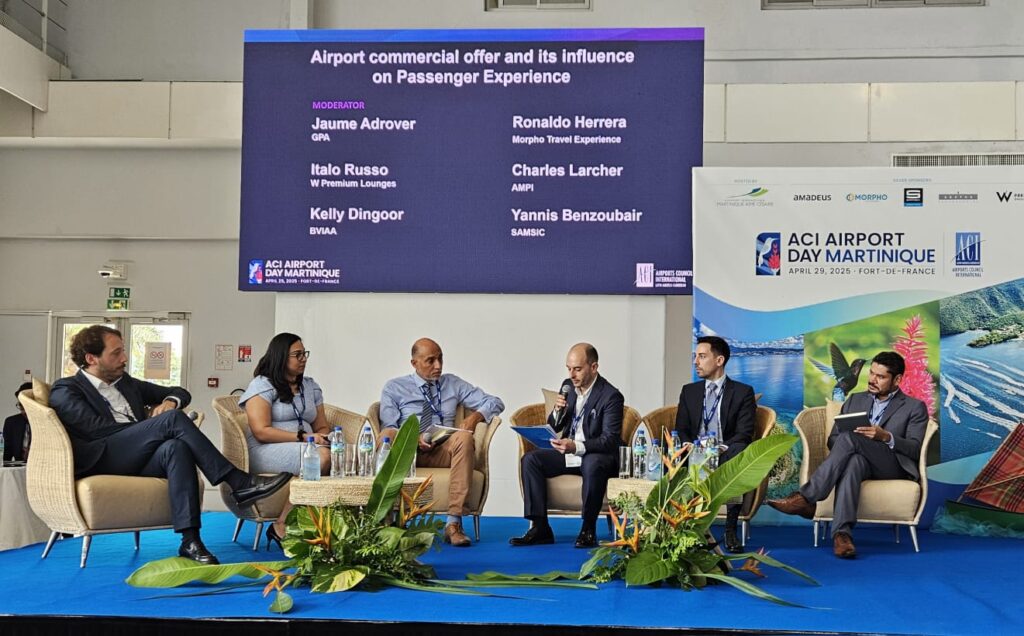
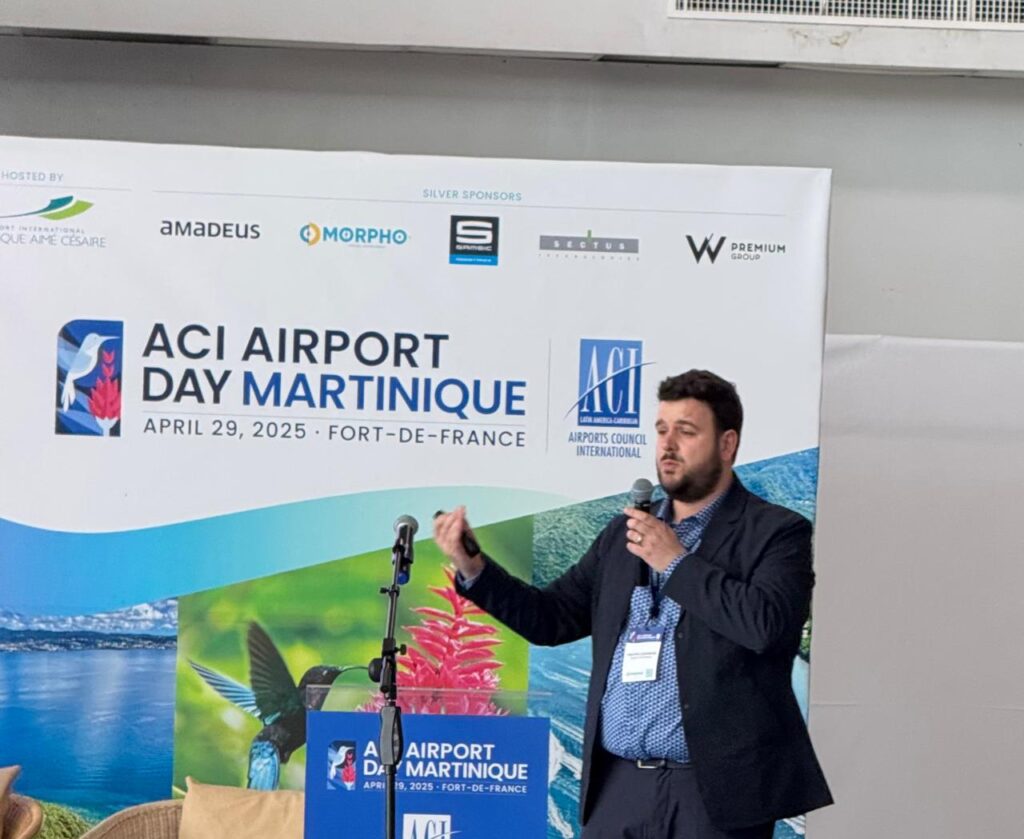
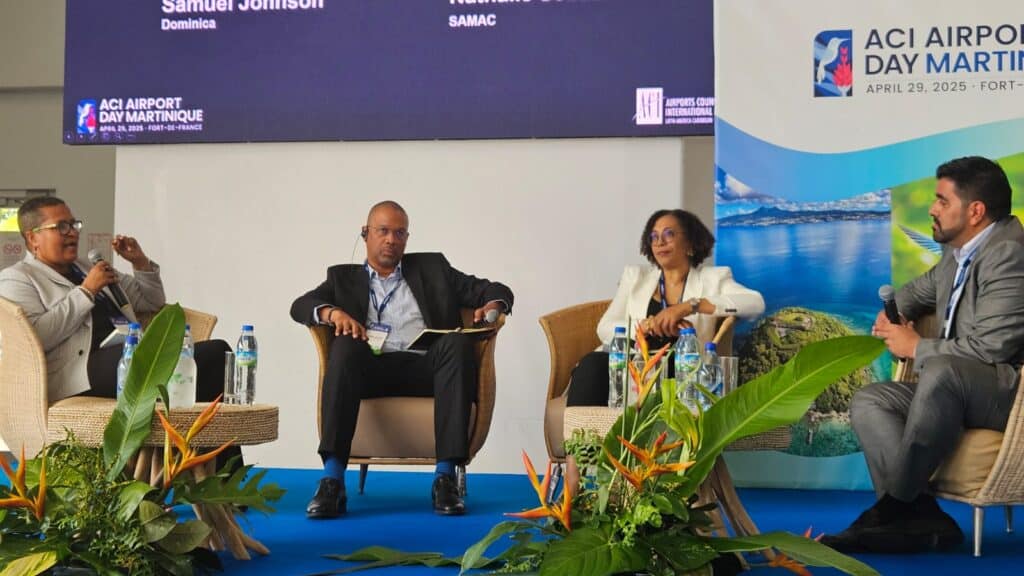
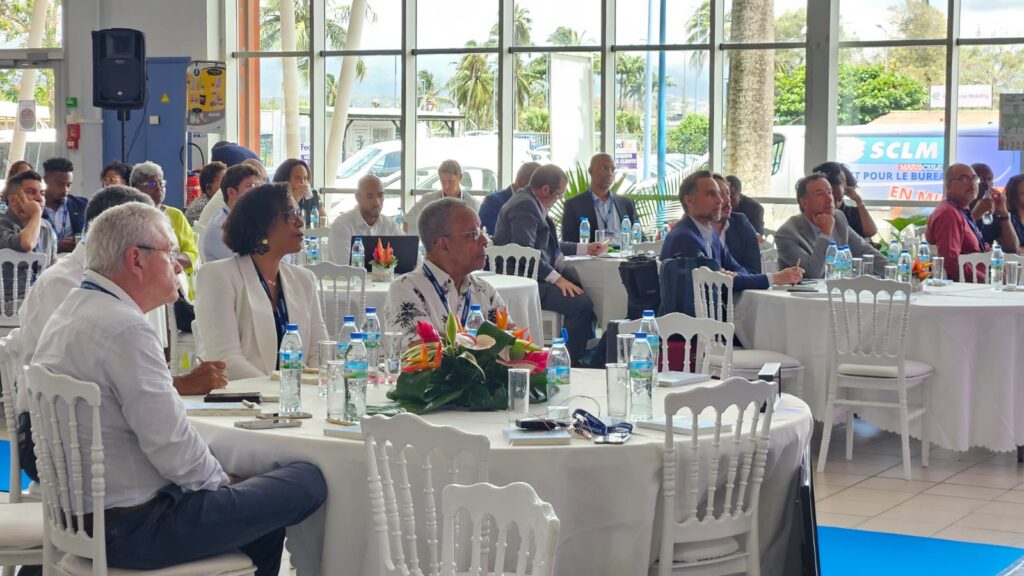
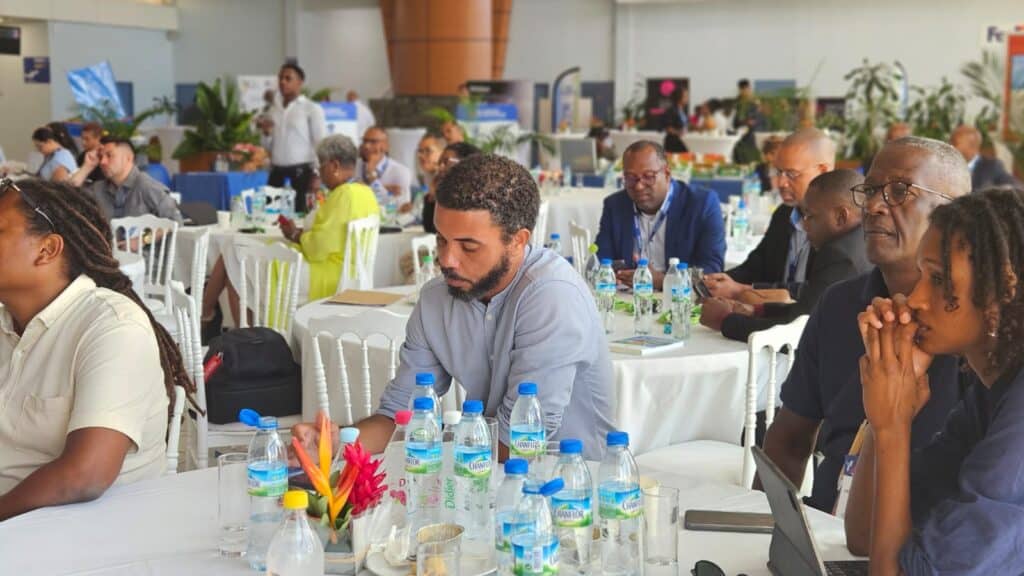
Throughout theACI Airport Day, presentations focused on key themes for the future of air transport in the region: enhancing the passenger experience, optimizing non-aeronautical revenues, inter-island connectivity, airport commercial offers, tourism destination positioning and integrating innovative technologies into airport services.

Panels featuring international experts, airport managers, consultants, hotel operators and technology solution providers shed light on these issues from a variety of angles, combining global perspectives and local realities.

ACI Airport Day
ACI Airport Day

The ACI Airport Day program also highlighted concrete initiatives undertaken by major players in the region, illustrating the shared desire to make airport hubs part of a dynamic of sustainable transformation, at the service of local communities. Guests from several Caribbean islands, as well as from Europe and Latin Americacontributed to enriching exchanges and laying the foundations for future collaboration.

ACI Airport Day

Local know-how in the spotlight

In addition to technical presentations and strategic panels, ACI Airport Day Martinique also provided an opportunity to highlight the dynamism of local entrepreneurs. A number of Martinique-based companies were invited to showcase their expertise, demonstrating the region’s wealth of talent.

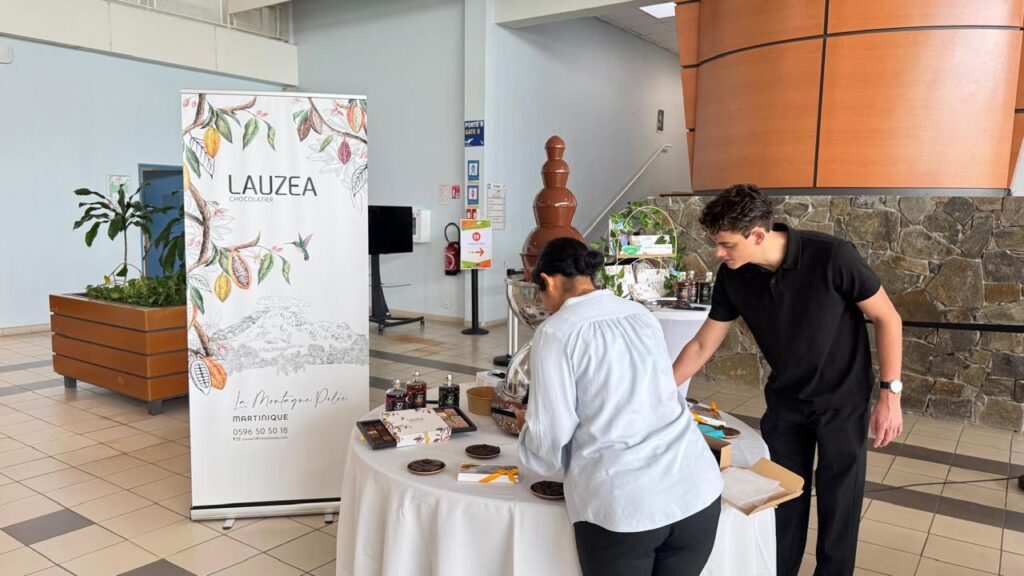
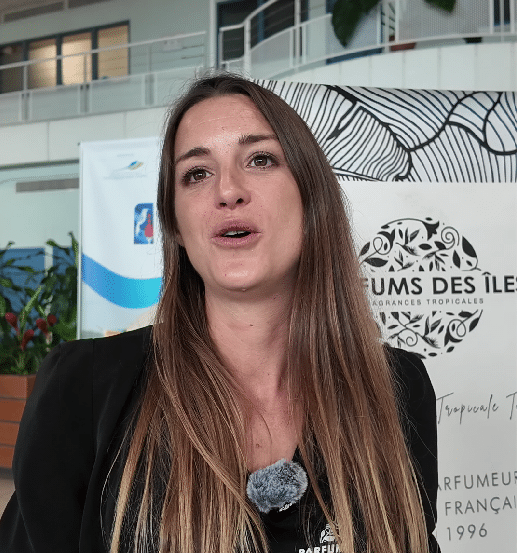
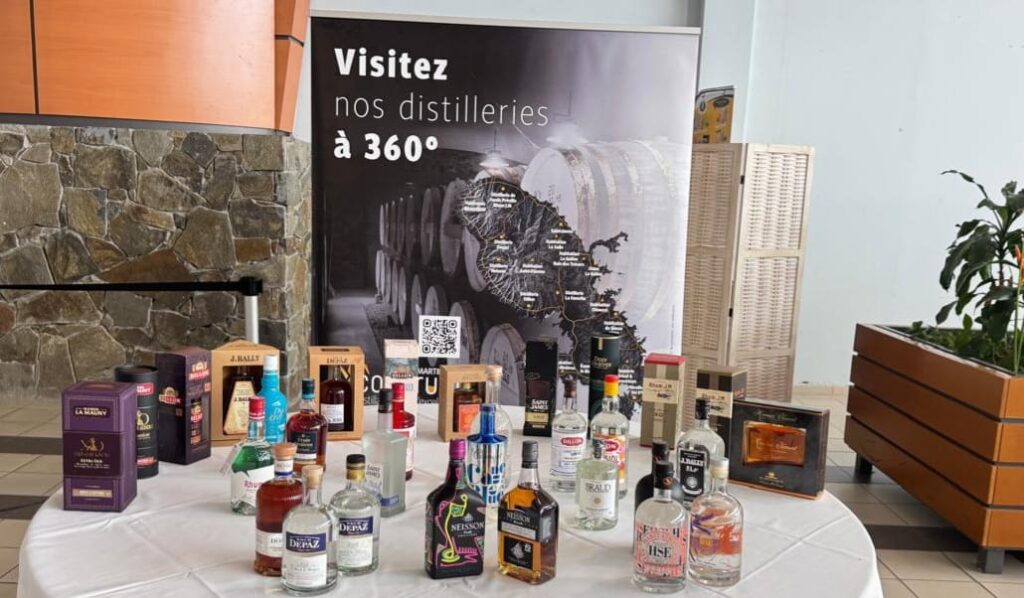
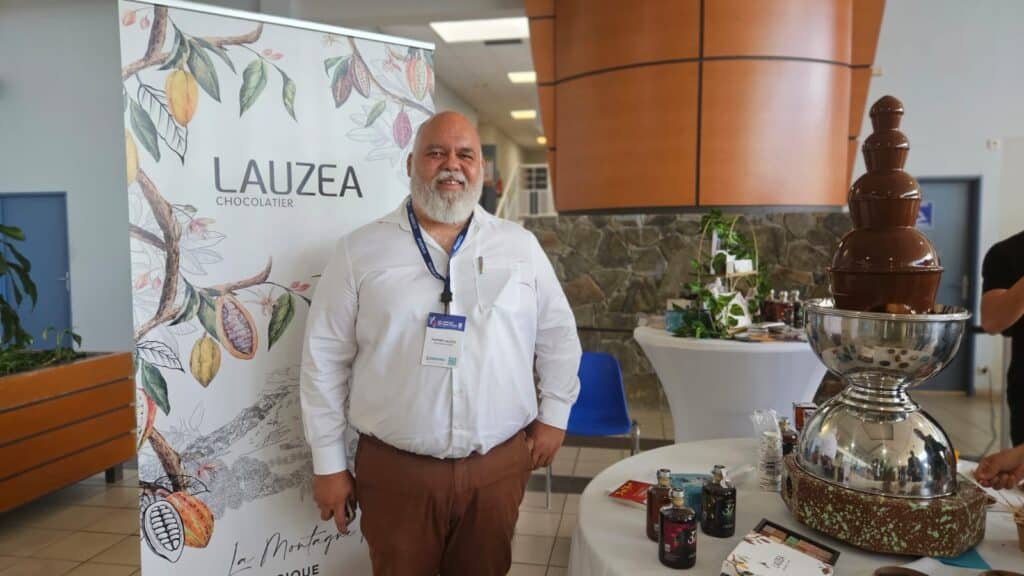
The public was able to discover the ice creations ofExcellence Glaceschocolate sweets from Lauzéathe refined aromas of Parfums des Îlesas well as the emblematic Rhums de Martiniquegathered around the Coderum. A concrete way of associating the airport world with Martinique’s art of living, and a reminder that attractiveness also depends on the identity and authenticity of local products.

ACI Airport Day
Excellence Glaces
L'équipe Lauzéa
Le Coderum
ACI Airport Day
Lauzéa

An invitation to act together to weave the future

The ACI Airport Day in Martinique was conceived as a moment of convergence, dialogue and impetus. The thanks expressed to participants from the Caribbean, Latin America and Europe underlined the importance of this regional dynamic.

ACI Airport Day
ACI Airport Day

Through Nathalie Sébastien’s call to “generate new ideas together” and Dr. Echevarne’s call to “remove obstacles to realize the full potential of Caribbean networks”, a shared vision of the future is taking shape.

This event confirms Martinique’s determination to become a strategic strategic hub in the Caribbean, while focusing on an integrated approach: innovation, quality of service, sustainability, and above all inter-territorial cooperation.

Leave a Reply

Your email address will not be published. Required fields are marked *

More articles from RK

Well mudda sick
HISTORY & HERITAGE
Tolotra

“Well mudda sick!”: But what do these three words really mean?

In the Bahamas, three words are enough to express surprise even before you realize what just happened. Good news breaks, a plan falls through, something exceeds expectations: “Well mudda sick!” might pop up in conversation. Taken literally, the meaning is confusing. In Bahamian usage, however, the expression is much simpler than it seems. Three words that don’t really translate word for word “Well mudda sick!” literally translates to “Well, my mother is sick.” But that’s not what a Bahamian means when they use it. Instead, the expression functions more like an exclamation: “Wow!”, “Oh my!”, “Unbelievable!”, or even “My God!”, depending on the situation and tone. It is precisely this discrepancy that makes it interesting. Someone who knows every single English word can understand the sentence on paper and yet completely miss its meaning in conversation. Here, it’s not just the words that matter. Context, speed, and intonation play a

Read More »
Chattel house
HISTORY & HERITAGE
Tolotra

Chattel House: The Hidden Social History Behind Barbados’ Houses

At first glance, they catch the eye with their wooden facades, their colors, and their simple proportions. Yet Barbados’ chattel houses are not merely an architectural signature. Their form reflects a specific social reality: for a long time, some residents could own their homes without owning the land on which they stood. A chattel house therefore had to be movable. Chattel House: A Home Designed for Traveling To understand this unique aspect, we must look back to the post-emancipation period. In Barbados, the emancipation of enslaved people was completed in 1838. However, the island’s land structure remained deeply shaped by the sugar economy. As early as the 17th century, the expansion of sugarcane cultivation had led to the concentration of land in the hands of large plantations. After emancipation, many workers still lived on land belonging to the plantations. They could build a home and own it, without owning the

Read More »
Bélya Matinik : 10 titres pour faire du bèlè un récit du présent.
MUSIC
Tolotra

Bélya Matinik: 10 tracks that make bèlè a story of the present.

On August 9, 2026, Bélya will officially release *Adoumanman*, a ten-track album conceived as a balance between the bèlè heritage and contemporary creativity. In this album, the Martinican band sets to music themes of migration, memory, transmission, violence, resistance, and hope, without turning a blind eye to the present. Bélya: Heritage as a Starting Point With Adoumanman, Bélya pursues an idea that runs through his artistic approach: remaining deeply rooted in bèlè while allowing this art form to evolve with the times. The group refers to its style as “Bèlè Fusion” and performs k’bel, or kadans bèlè, drawing notably on the rhythms of Samaritan and Arlesian bèlè, as well as the musicians’ experiences with carnival, gospel, zouk, and jazz. The vision behind this new album can be summed up in a few words: “Roots, and openness to the winds of the world”. Adoumanman also uses the phrase “Mi Plézi dann.”

Read More »

conTACT RK

we'd love to have your feedback on your experience so far

Join The List

Join our Richès Karayib community!  Sign up for our newsletter.

Want To Maximize Your Business Presence On Riches Karayib?

Complete the form to start the application