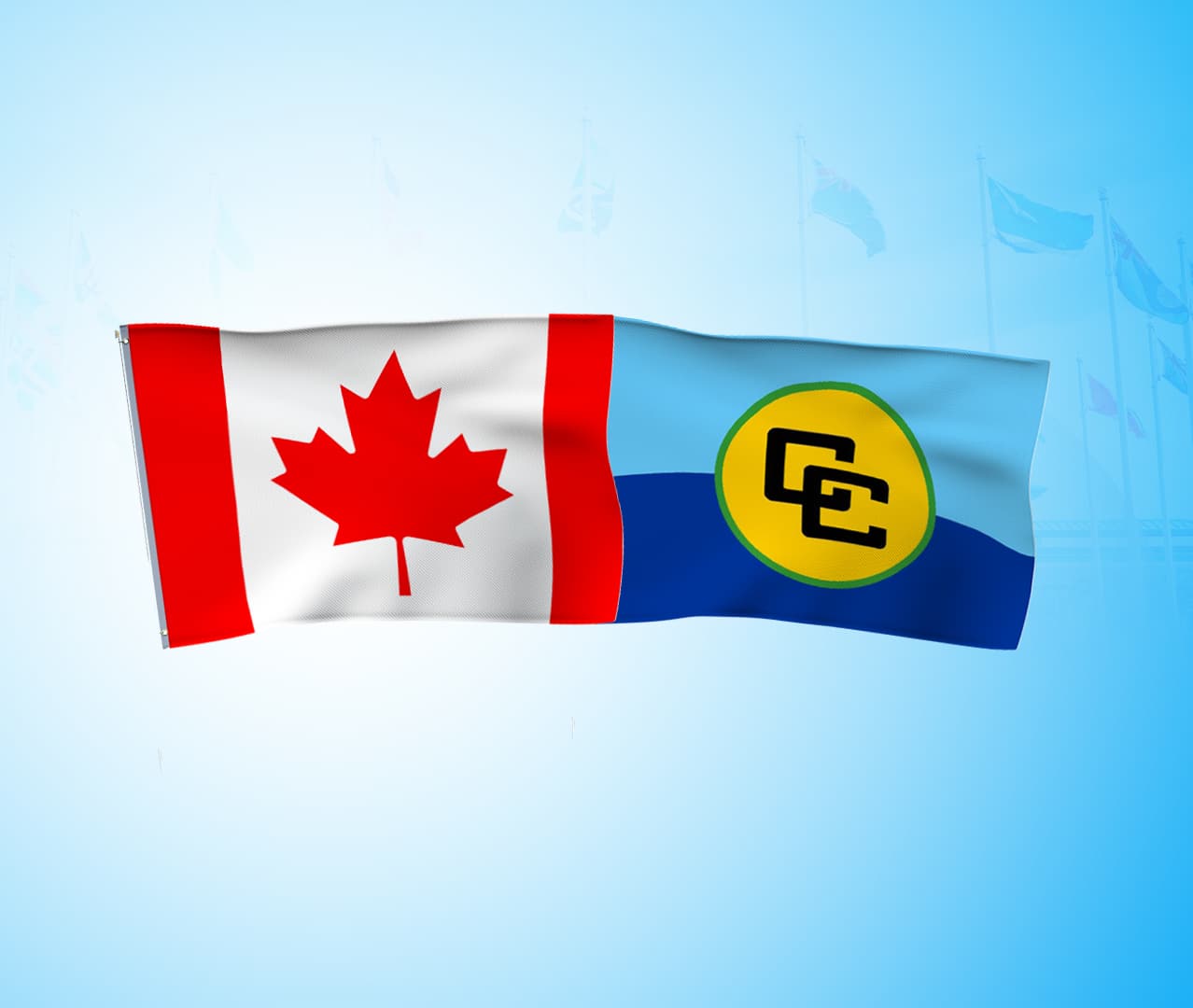
In the Caribbean, a high energy bill can slow down a business. A storm can cut off a road, block a port, or jeopardize a harvest. A security crisis can also extend beyond the borders of a single country. It is against this daily reality that the Canada-CARICOM dialogue is taking on a new dimension today.
Meeting in Panama City on the sidelines of the 2026 General Assembly of the Organization of American States, the foreign ministers of Canada and CARICOM sought to reinvigorate their strategic partnership. At the heart of their discussions was an action plan focused on three major priorities for the region: security, climate, and the economy.
Cooperation Aimed at Achieving Concrete Results
The Canada-CARICOM partnership builds on the strategic agreement launched in 2023. But the 2026 meeting marks an important milestone: both parties now want to move forward with a plan that is more specific, clearer, and more measurable.
The goal is not merely to demonstrate diplomatic closeness. It is to establish priorities, timelines, and funding mechanisms capable of producing results. For Caribbean countries, this clarity matters. The region faces a range of interrelated challenges: energy costs, climate-related disasters, maritime security, financial vulnerability, and the crisis in Haiti. The Caribbean is not merely asking for aid. It is seeking partners capable of understanding its realities and working alongside it for the long term.

Security: A Regional Emergency
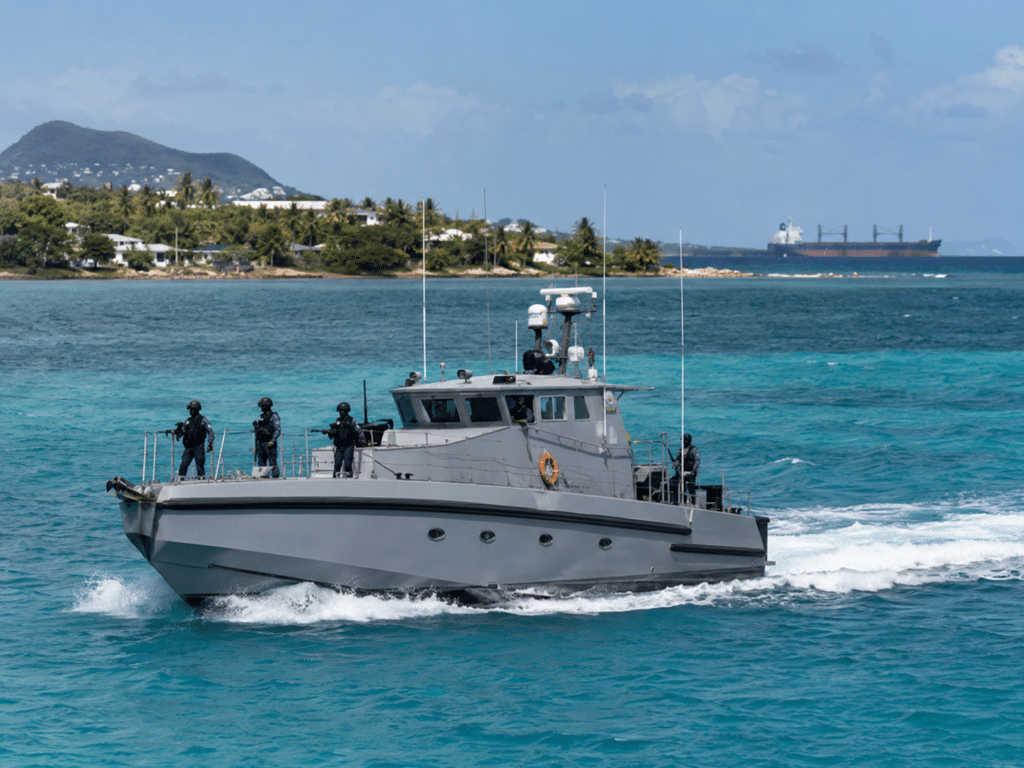
Security is central to this new Canada-CARICOM plan. The ministers discussed transnational crime, gangs, irregular migration, maritime security, and illicit flows. For the region, these issues are not isolated. The sea serves as a link, but it is also an area of vulnerability. Trafficking, criminal networks, cyberthreats, and political crises sometimes spread faster than institutional responses can keep up.
Canada already supports certain regional initiatives through capacity building, targeted interventions, and operational partnerships. The new challenge is to move toward a more coordinated response: better protecting maritime areas, strengthening institutions, sharing relevant information, and limiting the influence of criminal networks.
Haiti: A Crisis That Affects the Entire Caribbean
Haiti is a major focus of the discussions. The political, security, and humanitarian crisis the country is facing has direct consequences for the region. In particular, the ministers highlighted the risks associated with drug and arms trafficking. Support for the Gang Suppression Force was among the topics discussed. This force is intended to help restore security on the ground, with a mandate set to be renewed by the United Nations Security Council.
But the response cannot be limited to security measures alone. The ministers also reaffirmed the right of Haitians to choose their own government. They support the holding of credible elections as soon as conditions permit, as well as efforts to combat corruption and impunity. Haiti serves as a powerful reminder: no lasting stability in the Caribbean can be achieved by leaving a country to face such a profound crisis on its own.

Climate and the Economy: Two Sides of the Same Challenge
The new Canada-CARICOM plan also clearly links climate and the economy. In the Caribbean, a natural disaster is never just a weather event. It affects families, businesses, roads, schools, ports, and public finances. Access to reliable and affordable energy is once again a priority. Overly expensive energy stifles innovation and puts a strain on households. A more stable energy supply can support industry, services, investment, and the transition to more sustainable models.
Trade is also part of the equation. The CARIBCAN program, which grants duty-free access to the Canadian market for most products originating in 18 Caribbean Commonwealth countries and territories, remains an important tool. It serves as a reminder that the Canada-CARICOM partnership is not just about diplomacy. It also encompasses economic opportunities, supply chains, and the ability of Caribbean businesses to expand beyond their local markets.

Greater Attention to the Caribbean's Vulnerability
Another key aspect of the Canada-CARICOM partnership concerns financing. Several Caribbean states are considered middle-income countries. Yet their vulnerability to climate-related disasters, economic shocks, and supply disruptions remains very high. This is one of the region’s major paradoxes. On paper, some countries appear too “advanced” to easily access concessional financing. In reality, a single crisis can undermine years of progress.
The ministers therefore emphasized the need to reform the international financial architecture. The idea is simple: the actual vulnerability of small states must be taken into account more fully—not just their average income.

A plan to follow closely
The coming months will be crucial. Officials still need to finalize the details of the action plan, identify priority initiatives, develop an implementation schedule, and strengthen monitoring efforts. A dialogue among senior officials is scheduled for the fall to advance this work.
The Canada-CARICOM partnership alone will not solve the Caribbean’s challenges. But it says something about the current moment: the region wants to be heard as a strategic area, not just as a vulnerable one. Now the real question remains: Will this new plan bring about visible changes for Caribbean people, businesses, and territories?
The new Canada-CARICOM plan is a roadmap designed to strengthen cooperation between Canada and the Caribbean Community. It is based on three priorities: more resilient economies, climate action, and regional security. The goal is to move from a diplomatic partnership to more concrete actions, with timelines, measurable results, and sustainable financing mechanisms.
Haiti is a key focus because its political, security, and humanitarian crises have repercussions for the entire region. The ministers discussed drug and arms trafficking, support for the Gang Suppression Force, and the right of Haitians to choose their own government. For CARICOM, Haiti’s stability therefore remains a regional issue, not just a national one.
The Canada-CARICOM Partnership directly links climate and the economy. It emphasizes access to reliable and affordable energy, the development of trade, the strengthening of supply chains, and access to financing tailored to the vulnerabilities of small Caribbean states. The goal is to enable the region to better withstand natural disasters, economic shocks, and international crises.