Starting July 1, 2026, Saint Lucia will assume the CARICOM chairmanship for a six-month term. A few days later, the island will host the 51st Regular Meeting of the Conference of Heads of Government, from July 5 to 8. Behind this official schedule, a broader question emerges: How can Caribbean integration be made more tangible for the people?
Saint Lucia Takes Center Stage in the Caribbean Calendar
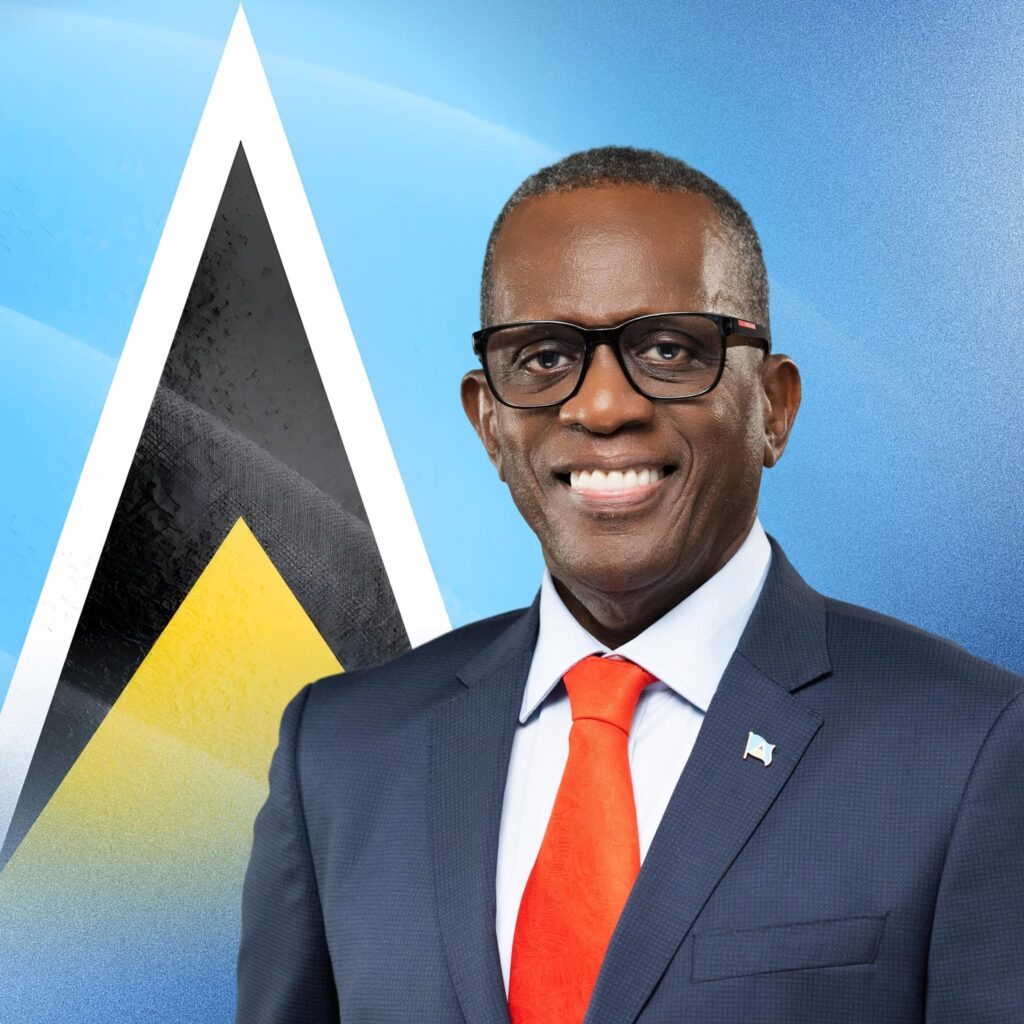
In the coming days, Saint Lucia will become one of the places where the Caribbean will come together to discuss itself, its pressing issues, and its shared future. At the national launch of the meeting, Prime Minister Philip J. Pierre described the event as an important moment for his country and for the entire Caribbean Community.
The schedule is clear. Saint Lucia will assume the CARICOM chairmanship on July 1, 2026. Philip J. Pierre will then succeed Dr. Terrance Drew, Prime Minister of Saint Kitts and Nevis and the organization’s current chair. This chairmanship will last until December 31, 2026.
A rotating presidency, a shared responsibility
Within CARICOM, the presidency rotates among member states. This principle may seem very institutional. Yet it reveals something essential about the region. The small Caribbean states do not face their challenges alone. They take turns, coordinate with one another, and seek to maintain continuity in collective decision-making.
For Saint Lucia, this responsibility comes at a time when the region is facing multiple pressures simultaneously. Climate change, economic vulnerabilities, security, food security, and youth issues are no longer separate topics. They intersect in the daily lives of residents. This is precisely where CARICOM wants to be held accountable: not just in words, but in results.
From July 5 to 8, CARICOM leaders met
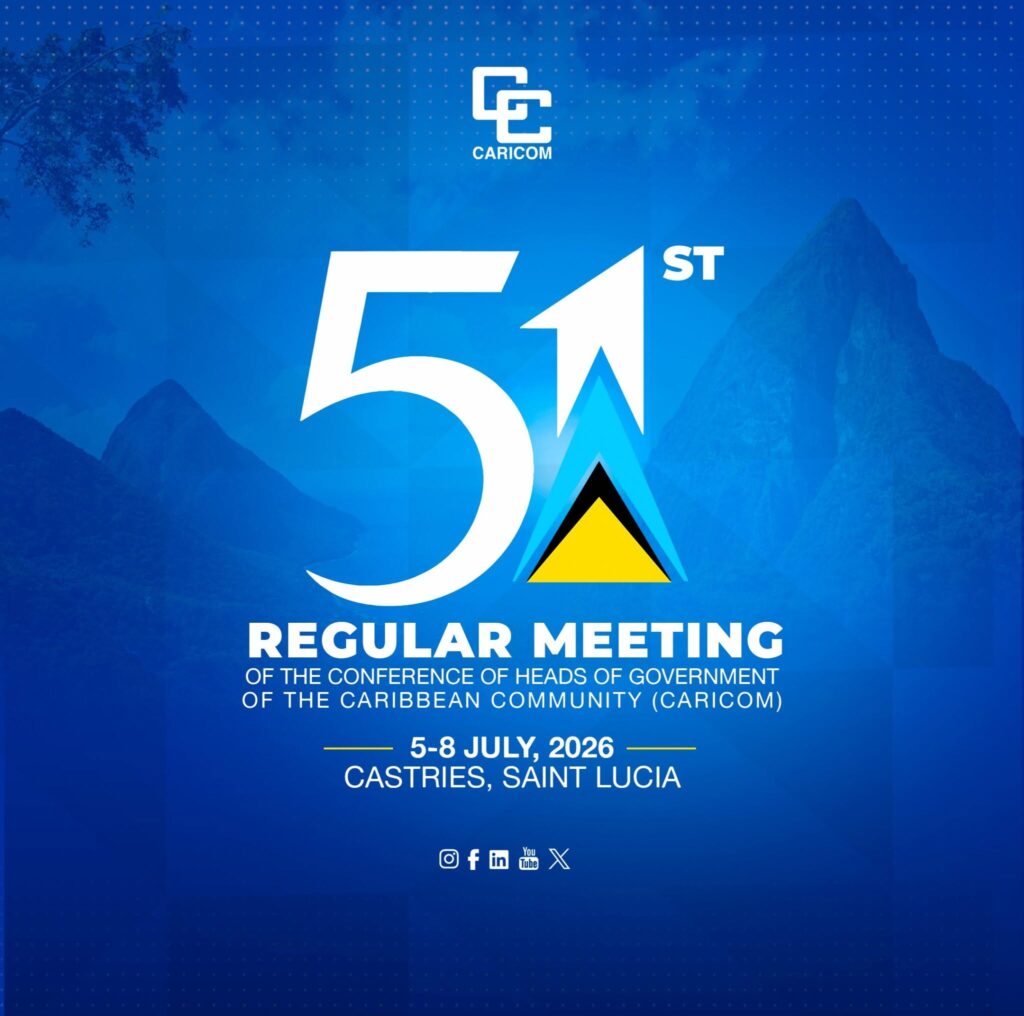
The 51st Regular Meeting of the CARICOM Conference of Heads of Government will be held in Saint Lucia from July 5 to 8, 2026. The opening ceremony is scheduled for Sunday, July 5. On Monday, July 6, the heads of government or their representatives will participate in the Heads Retreat, a time set aside for direct discussions among leaders.
The formal sessions will then take place on Tuesday, July 7, and Wednesday, July 8. They are intended to address issues deemed essential to the Community’s future. This format, which combines political discussions and official meetings, aims to create a space for dialogue, coordination, and decision-making.

From Resilience to Renewal
The chosen theme encapsulates the stated ambition: “CARICOM: From Resilience to Renewal in a Changing World.” The phrase stems from an observation well known throughout the Caribbean. The peoples of the Caribbean have learned to persevere in the face of crises. Hurricanes, economic shocks, colonial legacies, and dependence on external factors: resilience is part of the region’s history. But the message conveyed by Saint Lucia is clear: simply holding on is no longer enough. The region wants to enter a phase of renewal—renewal of economies, institutions, cooperation, opportunities, and collective trust.

Decisions that need to be seen
One of the most important points in Philip J. Pierre’s speech concerns the visibility of results. CARICOM cannot remain merely an idea confined to summits, communiqués, or conference rooms. To be meaningful, regional integration must touch the lives of citizens.
This involves concrete issues: better disaster preparedness, security cooperation, climate justice, food security, sustainable development, public health, education, and economic opportunities. These themes may seem broad. They become tangible when a family has to pay for groceries, when an island is rebuilding after a hurricane, or when a young person is looking for a place in the regional economy.

A question for the entire Caribbean
In July 2026, Saint Lucia will host more than just a leaders’ summit. For six months, the island will shoulder a share of the region’s responsibility. The 51st CARICOM meeting will be a moment of diplomacy, but also a political test: Can the Caribbean turn its resilience into tangible decisions? The answer will not be decided solely in Saint Lucia. It will be measured by the entire region’s ability to make Caribbean cooperation a reality that people can see in their daily lives.
Saint Lucia will officially assume the CARICOM chairmanship on July 1, 2026. Prime Minister Philip J. Pierre will then succeed Dr. Terrance Drew, Prime Minister of Saint Kitts and Nevis. This rotating presidency will last six months, until December 31, 2026.
The 51st Regular Meeting of the CARICOM Conference of Heads of Government will be held in Saint Lucia from July 5 to 8, 2026. The opening ceremony is scheduled for Sunday, July 5, followed by the Heads Retreat on July 6 and the formal sessions on July 7 and 8.
This meeting is important because it comes as Saint Lucia assumes the CARICOM chairmanship. It should provide an opportunity for Caribbean leaders to address major issues such as climate, security, economic cooperation, food security, and the future of regional integration. The challenge is to translate political discussions into tangible results for the people of the Caribbean.