Organized by the Caribbean Chamber of Commerce in Europe (CCCE), the second edition of Caribbean Days brought together various expressions of Caribbean culture at UNESCO headquarters in Paris. Over the course of four days, the event provided a forum for dialogue on regional cooperation, sustainable tourism, and economic relations between the Caribbean and Europe.
A Caribbean-style restaurant with a view of Paris
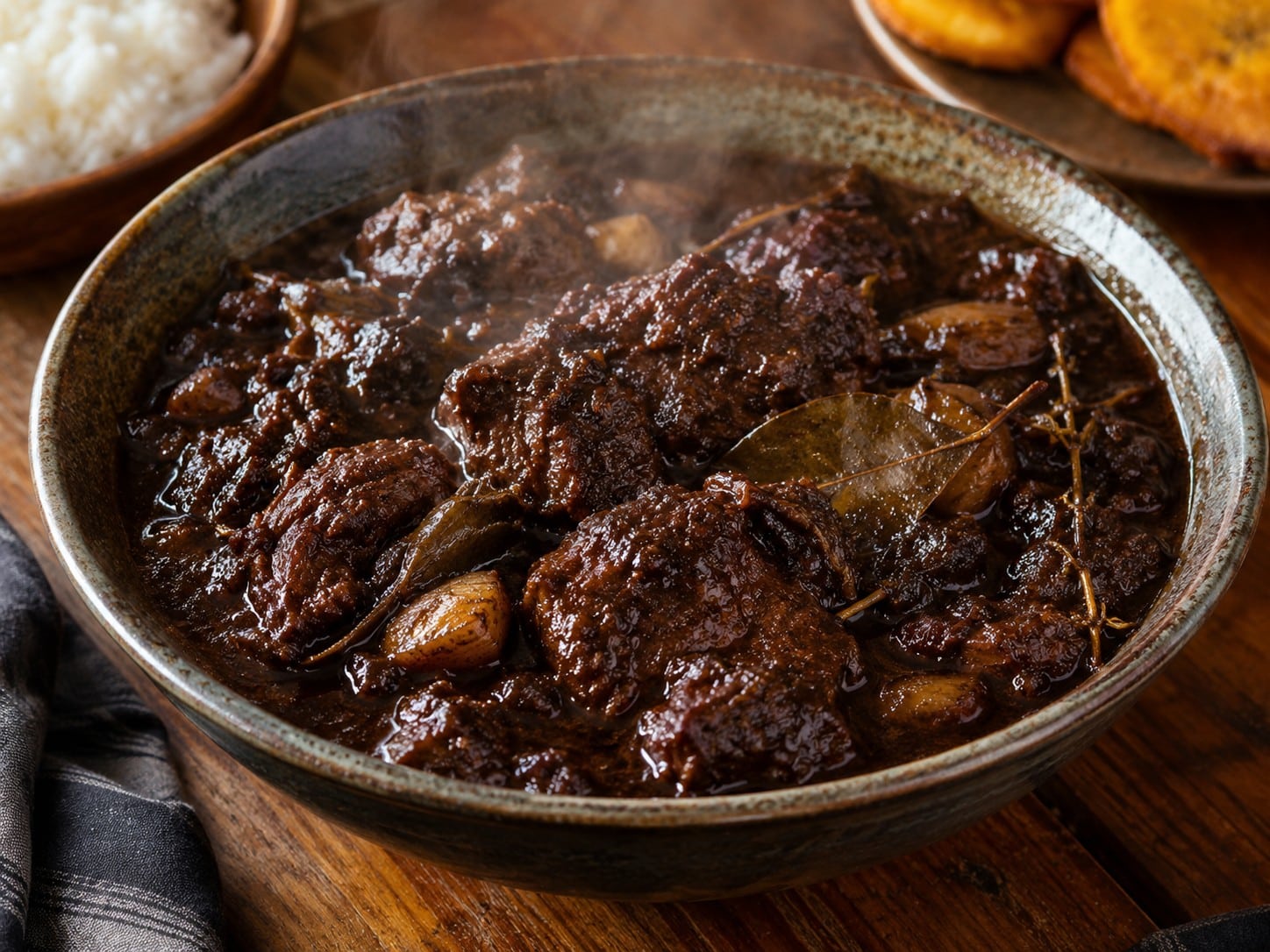
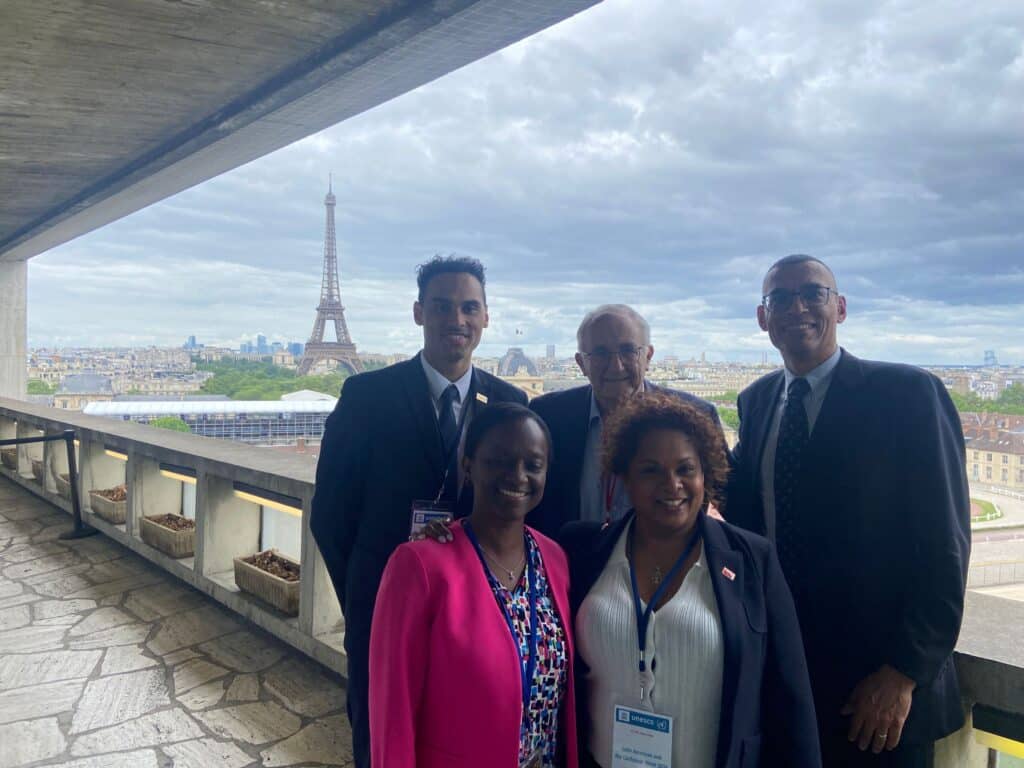
On the roof of UNESCO, Caribbean chefs from the association Les Toques françaises are preparing a three-course Caribbean menu. From the restaurant, guests can see the Eiffel Tower, Les Invalides, and the Left Bank. This scene captures the spirit of the Caribbean Days : to showcase the Caribbean through its creative works and craftsmanship, and then use this cultural presence to foster broader exchanges.
The Caribbean Chamber of Commerce in Europe (CCCE) organized this second edition as part of Latin American and Caribbean Week. Under the theme “Peace, Diversity, and Sustainability,” the event brought together representatives from the cultural, institutional, diplomatic, and economic sectors.
Over the course of four days, the program featured the visual arts, gastronomy, fashion, film, literature, poetry, music, and dance. These disciplines showcased various facets of Caribbean creativity in a venue dedicated to education, science, culture, and heritage.
Creative Industries Take Center Stage
The Caribbean Days highlighted the creative industries as one of the region’s strengths. Cuisine, fashion, film, storytelling, music, and dance served as points of connection between different regions and sectors.
This diversity brought together Caribbean ambassadors, other diplomats, representatives from the public sector, and private-sector stakeholders. Culture thus provided a common framework for discussions on development, investment, and partnerships.
Founded in November 2019, the CCCE’s mission is to facilitate exchanges between the Greater Caribbean and Europe. It also seeks to encourage European investment in the region’s sustainable economic development. In Paris, this mission has taken the form of meetings between institutions, businesses, and Caribbean representatives.
Regional Cooperation Over Lunch
A luncheon discussion focused on cooperation between France’s overseas territories in the Caribbean and CARIFORUM member states. Representatives from the Bank of France, Expertise France, and the OECD gave presentations.
The remarks by French Senator Micheline Jacques, who supports an economic partnership between France’s overseas territories and Haiti, refocused the debate on a concrete question: How can we strengthen ties among the various parts of the Caribbean region?
Through this event, the Caribbean Days brought culture, diplomacy, and the economy closer together. Gastronomy was not merely a backdrop; it served as a framework for dialogue on potential areas of cooperation and on the Caribbean’s role in its relations with Europe.
Sustainable Tourism in the Face of Climate Change
A roundtable discussion was held on sustainable tourism. Geoffrey Lipman, former president of the World Travel and Tourism Council and former deputy secretary-general of the World Tourism Organization, participated alongside Florian Valmy-Desvillers, director of business development for the Caribbean Tourism Organization in the United Kingdom and Europe.
Jo Spalburg, Secretary General of the CCCE, summarized the main message of these discussions. According to him, the acceleration of climate change makes it necessary to develop tourism that is more sustainable and more beneficial to local communities. These communities play a direct role in protecting the region’s natural and cultural heritage for future generations.
This reflection gives the Caribbean Days a specific scope. It links the promotion of Caribbean destinations to the responsibility of preserving what attracts visitors: landscapes, cultural heritage, cultural practices, and local knowledge.

From Cultural Visibility to Partnerships
As this second edition comes to a close, the CCCE is highlighting a collective goal: to transform cultural visibility into collaborations, innovation, and sustainable growth for the region.
The Caribbean Days have shown that culture can foster dialogue among diplomats, institutions, businesses, and creative professionals. What happens next will depend on the ability of the partners gathered in Paris to turn these exchanges into concrete partnerships that benefit Caribbean regions and communities.
Caribbean Days, also known as Journées des Caraïbes, is an event organized by the Caribbean Chamber of Commerce in Europe at UNESCO headquarters in Paris. Over the course of four days, the second edition of the event showcased the visual arts, gastronomy, fashion, film, literature, poetry, music, and dance. The event took place under the theme “Peace, Diversity, and Sustainability,” as part of Latin American and Caribbean Week.
Caribbean Days is organized by the Caribbean Chamber of Commerce in Europe (CCCE). Founded in November 2019, this organization seeks to facilitate exchanges between the Greater Caribbean and Europe, while encouraging European investment in the region’s sustainable economic development. In Paris, the CCCE brought together representatives from the cultural, diplomatic, institutional, and economic sectors to discuss Caribbean culture and challenges.
Caribbean Days combined the promotion of creative industries with discussions on regional cooperation and sustainable tourism. A luncheon forum focused on relations between France’s overseas territories in the Caribbean and CARIFORUM member states. A roundtable discussion also addressed the effects of climate change and the need to develop more sustainable tourism that better benefits local communities working to protect the region’s natural and cultural heritage.