Grenada – Carriacou: between Big Drum, Shakespeare Mas and maritime heritage

Carriacou

A small island with a great heritage

Carriacou, Grenada‘s sister island, lies in the heart of the Grenadines, between the main island and St. Vincent. With just 13,000 inhabitants, it embodies a more intimate Caribbean, far removed from the mass tourism logics that mark other territories. Its name, inherited from the Amerindian populations, means “island of reefs”, in reference to the richness of its seabed. This identity, both geographical and symbolic, sums up what Carriacou is all about: a territory where nature, culture and history intertwine to offer a singular vision of the region.

Carriacou
©Grenada Tourism Authority

A living cultural heritage

One of Carriacou’s most remarkable features is its attachment to its cultural traditions. Big Drum Dance and music inherited from African ancestors, remains at the heart of community gatherings. Each rhythm, each dance step, tells the story of the people who came from Africa and settled on the island over the centuries. This intangible heritage is a direct link to the island’s Caribbean and African roots, resonating with the region’s collective memory.

Carriacou
©grenadanationaltrust

But this is not the only cultural expression on the island. Its carnival, marked by the Shakespeare Mas is a singularity unique in the world. Inhabitants, dressed in traditional costumes, declaim Shakespeare’s verses in the streets. This practice, inherited from the British colonial period, bears witness to the creative appropriation of a European heritage by a Caribbean society. It illustrates the ability of the islands to transform influences from elsewhere into deeply rooted local traditions.

Carriacou
©grenadanationaltrust

Shipbuilding, a distinctive expertise

Carriacou is also known for its tradition of wooden boat building. This know-how, handed down from generation to generation, remains a pillar of local identity. Artisanal shipyards still produce sturdy boats, used for fishing and sometimes even for inter-island transport. This practice, which combines ancestral knowledge with adaptation to contemporary needs, reflects the ingenuity and resilience of the local people.

Beyond the economy, shipbuilding is a cultural symbol. Each boat launched is celebrated as a community event, bringing families and neighbors together in an atmosphere of solidarity. This ritual gives the island a unique dimension in the Caribbean, where few territories have maintained such an attachment to this type of tradition.

Carriacou
©heleneclement
Carriacou
©heleneclement

Unspoilt nature

The beauty of the island’s natural landscapes is another attraction. Beaches such as Paradise Beach or Anse La Roche. These are peaceful settings where tranquillity takes precedence over the influx of visitors. Nearby, the Sandy Island is an ecological jewel. Accessible by boat, this small islet is a protected reserve, rich in coral and marine species. Carriacou demonstrates its commitment to preserving its environment, an essential condition for maintaining the balance between human activities and biodiversity.

The island’s relief, less rugged than that of other Caribbean territories, also allows for small-scale agriculture. Manioc, yams, sweet potatoes and tropical fruits make up a diet that remains linked to the land. This agricultural dimension, often invisible to visitors, nonetheless contributes to the island’s food self-sufficiency and the maintenance of traditional practices.

Carriacou
©heleneclement
Carriacou
©heleneclement
Carriacou
©Grenada Tourism Authority
Carriacou
©Grenada Tourism Authority

Authenticity with a difference

Unlike other more high-profile destinations, Carriacou has chosen a more measured path to development. Tourism structures do exist, but on a smaller scale: guesthouses, family-run restaurants, excursions led by locals. This approach limits the impact of tourism on the environment and allows economic benefits to circulate more widely within the community.
This model reflects a vision of tourism that is in tune with the island’s values: preservation, respect for traditions and a focus on local identity. It attracts a public interested in culture, history and direct contact with the local population, rather than standardized leisure consumption.

©heleneclement
©Grenada Tourism Authority
Carriacou
©heleneclement

Carriacou in Caribbean history

Carriacou’s importance goes beyond its small size. Like many islands in the region, it has been marked by colonization, the slave trade and the struggle for influence between European powers. The first inhabitants, the Amerindians, left an imprint that is still perceptible in the toponym and certain traditions. African populations, who arrived by force, brought with them the knowledge and cultural expressions that today form the basis of the island’s identity.
In its own way, the island illustrates the overall history of the Caribbean: that of an area shaped by human movement, cultural resistance and constant adaptation. This historical role, often overlooked, deserves to be highlighted in any reflection on the region.

A Caribbean with a human face

Highlighting Carriacou is a way of showing a different Caribbean, where proximity to the inhabitants and respect for traditions take precedence over the quest for fast consumption. It’s also a reminder that a small island can carry a powerful message: that of a society capable of preserving its heritage while adapting to the realities of the present.
Carriacou, with its small size and ability to maintain ancient practices, demonstrates that authenticity is still possible in the contemporary Caribbean. The island is not content to exist in Grenada’s shadow: it is asserting its singularity, and its attachment to an identity that combines African heritage, colonial influences and local know-how.

Leave a Reply

Your email address will not be published. Required fields are marked *

More articles from RK

French
NEWS
Tolotra

396 million people speak French: the 2026 report reveals

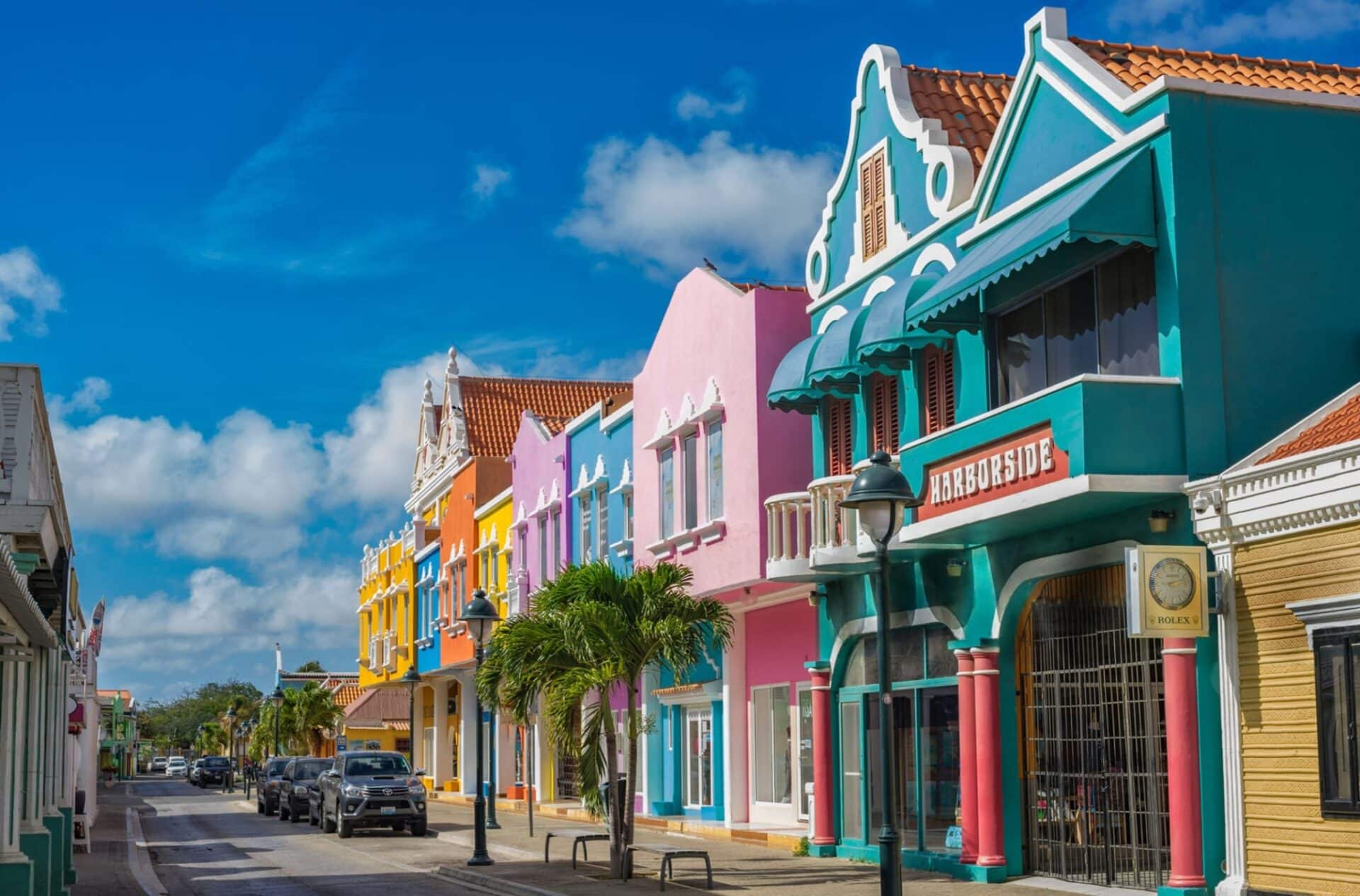
The Organisation internationale de la Francophonie has published a figure that reshuffles the deck in the global language debate: 396 million people now speak French. With this total, the French language in the world rises from 5th to 4th position behind English, Mandarin and Spanish, but ahead of standard Arabic. This is more than just an announcement. It marks a fundamental change in the place of French on the international stage, and confirms that the language continues to make headway in strategic areas such as education, economic exchanges, digital technology and cultural mobility. Global progress changes the narrative around French For years, French has often been portrayed as a language of great influence, but weakened in the face of global competition. The OIF’s 2026 report introduces an important corrective. The French language in the world is not only holding its own: it is gaining ground in terms of the number
Read More »
Bonaire
TOURISM
Tolotra

Bonaire, a Caribbean island built around the sea and conservation

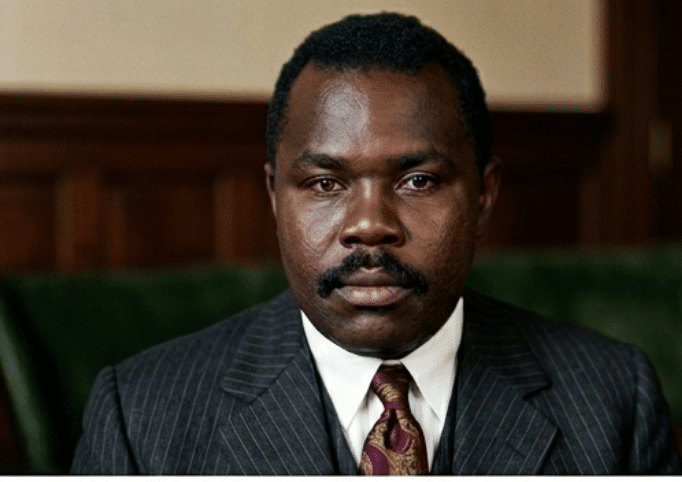
In the southern Caribbean, off the coast of Venezuela, Bonaire is a territory in a class of its own. Less publicized than its neighbors Aruba and Curaçao, the island has built its identity around one central principle: the protection of its environment. Here, the sea structures the economy, landscapes and customs, while tourism development has been gradual and controlled. For travelers, Bonaire offers a clear picture: a compact island, visible natural areas, an accessible coastline and an organization geared towards sustainability. An island structured by its marine park Since 1979, Bonaire’s entire coastline has been protected by the Bonaire National Marine Park which completely surrounds the island. This marine area regulates nautical activities and aims to preserve the coral reefs, considered among the best preserved in the Caribbean. One of the island’s special features is the direct accessibility of its marine sites. Diving and underwater observation can be carried out
Read More »
Marcus Garvey
HISTORY & HERITAGE
Tolotra

Jamaica – Marcus Garvey, Jamaican hero of international renown

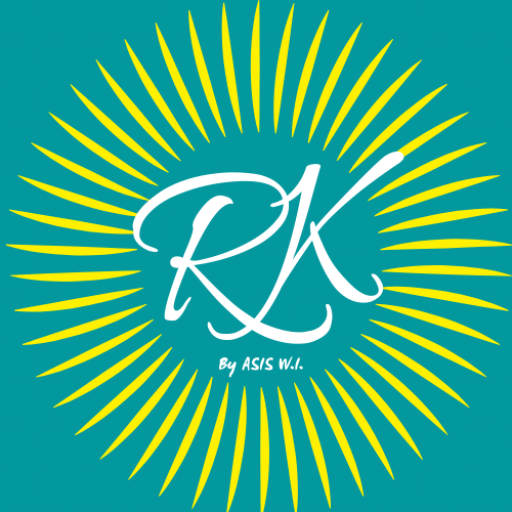
Marcus Garvey remains one of the most influential figures to emerge from the Caribbean. Born in Jamaica at the end of the 19th century, he transformed a local experience into a political and cultural project of international scope. At a time when black populations faced deeply rooted systems of exclusion, Marcus Garvey proposed a structured vision based on dignity, organization and autonomy. Recognized today as a national hero in Jamaica, he is much more than a historical symbol. His story helps us understand how the Caribbean helped shape major intellectual and political movements on a global scale. His name continues to circulate in contemporary debates on identity, memory and the development of societies born out of colonial history. From Jamaican origins to the formation of a committed conscience He was born on August 17, 1887 in St. Ann’s Bay, Jamaica, into a modest family. Very early on, he developed a
Read More »

conTACT RK

we'd love to have your feedback on your experience so far

Join The List

Join our Richès Karayib community!  Sign up for our newsletter.

Want To Maximize Your Business Presence On Riches Karayib?

Complete the form to start the application