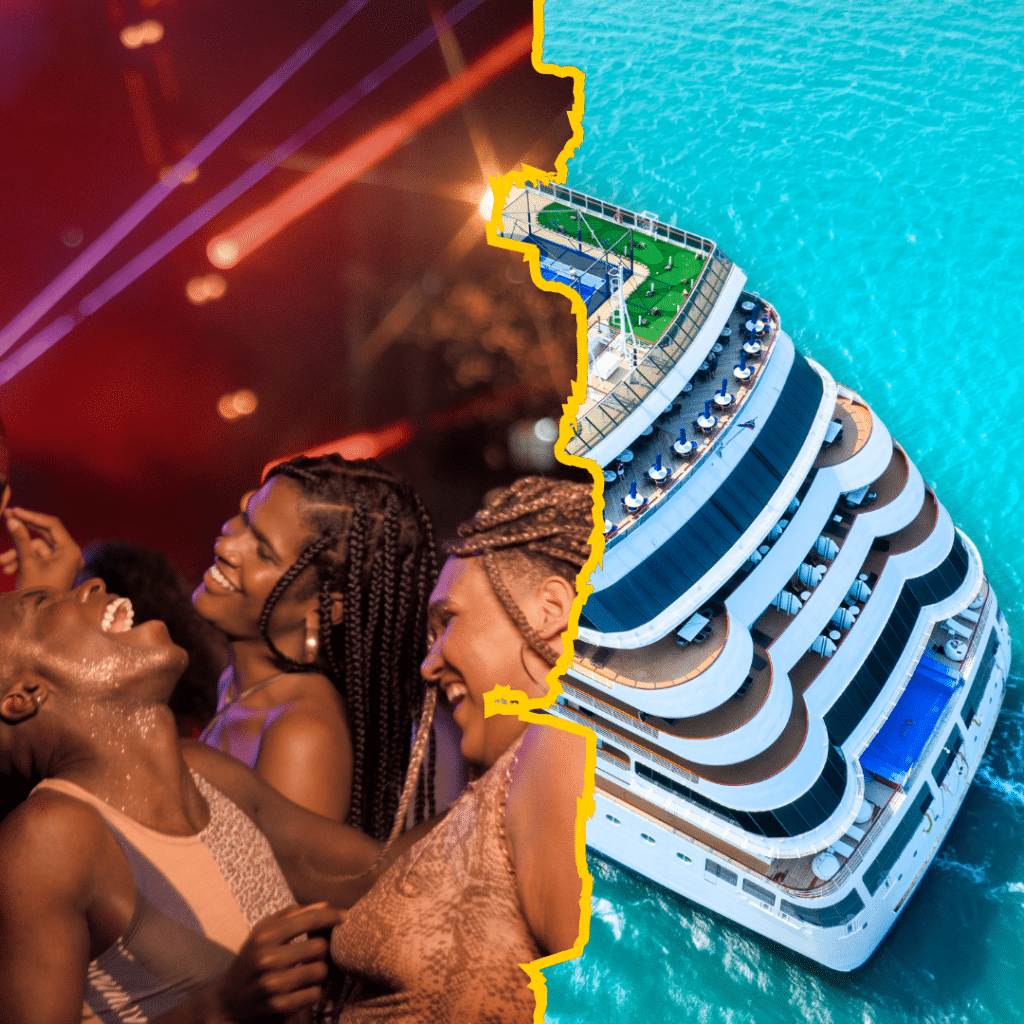
Musical cruises have become a cultural and economic phenomenon transforming both the travel and music industries. By combining immersive experiences, live performances and unparalleled proximity between artists and fans, these cruises are redefining the way we consume music, while opening up new opportunities for artists and organizers alike. Here’s how these voyages are revolutionizing the music industry.
Cultural and economic impact
The cruise industry is valued at over $150 billion a year, supporting around 1.2 million jobs worldwide. In the Caribbean, this sector is particularly crucial due to the region’s heavy reliance on tourism. Musical cruises, in particular, attract passengers who spend an average of €62 per port of call, generating significant revenues for local economies.
These musical cruises are not just about partying. They have a direct impact on the local economy and the promotion of Caribbean culture. During stopovers, passengers discover local traditions, taste typical dishes and support island artisans.
What’s more, these cruises offer a unique platform for Caribbean artists. They can perform before an international audience, raising their profile and helping to preserve the region’s musical wealth.
A Natural Fusion: Music and the Sea
Music is at the heart of Caribbean identity. From the fiery rhythms of Trinidad & Tobago soca, to the deep vibrations of Jamaican reggae, not forgetting calypso, dancehall, zouk and kompa, each genre tells a story, celebrates life and embodies the cultural diversity of the region. These musical cruises transform the sea into a floating stage, where artists and fans come together for an immersive experience.
Musical cruises: a growing trend
More and more theme cruises are being created, each focusing on a specific musical genre. Here are a few examples to illustrate this trend:
UberSoca Cruise : a true floating festival, this cruise is dedicated to soca lovers. With live concerts, non-stop parties and workshops, it attracts enthusiasts from all over the world.
Welcome to Jamrock Reggae Cruise : created by Damian Marley, this cruise celebrates reggae in all its glory. Acoustic performances, discussions on the history of reggae and intimate shows are all part of the program.
Smooth Jazz Cruise : for a more relaxed atmosphere, this cruise offers jazz concerts at sea, featuring renowned artists in a luxurious setting.
A Promising Future
Musical cruises represent a new way of traveling, where the cultural experience is at the heart of the adventure. As demand for authentic, immersive experiences continues to grow, these cruises have a promising future. They could even extend to other genres, such as bouyon from Dominica or gwo ka from Guadeloupe, to reach an even wider audience.
For travelers, it’s a unique opportunity to dance to Caribbean rhythms while discovering its richness. And for the region, it’s an opportunity to share its heritage with the world.
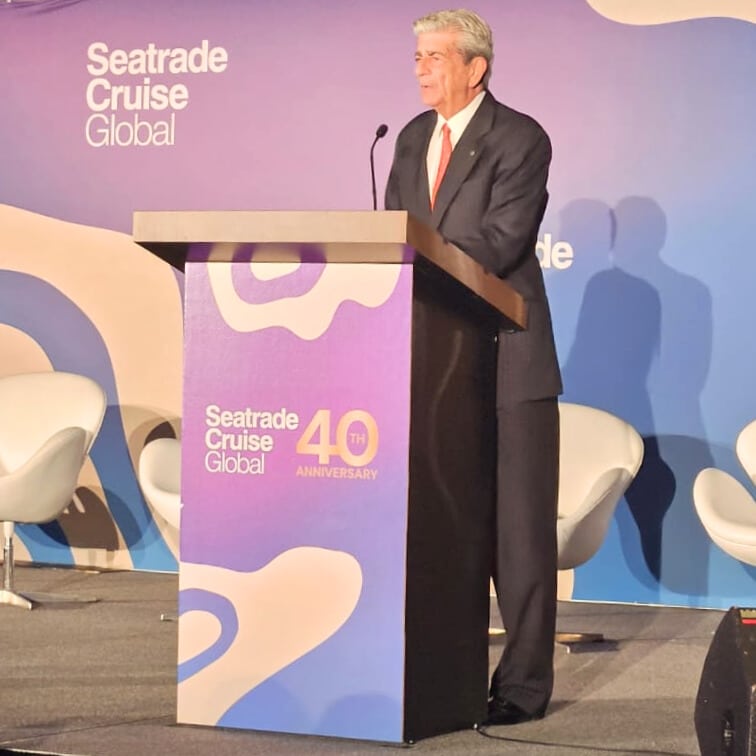
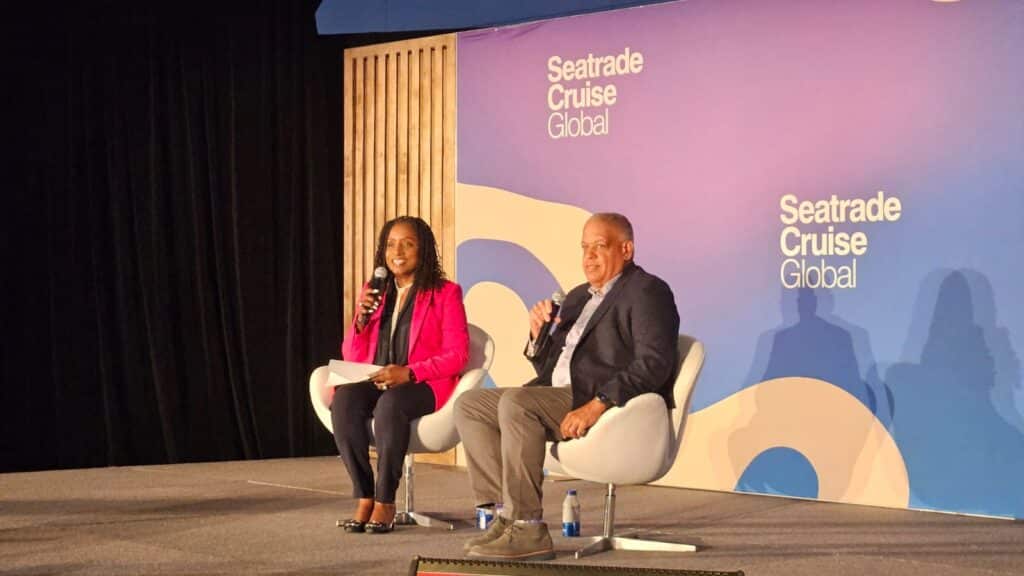
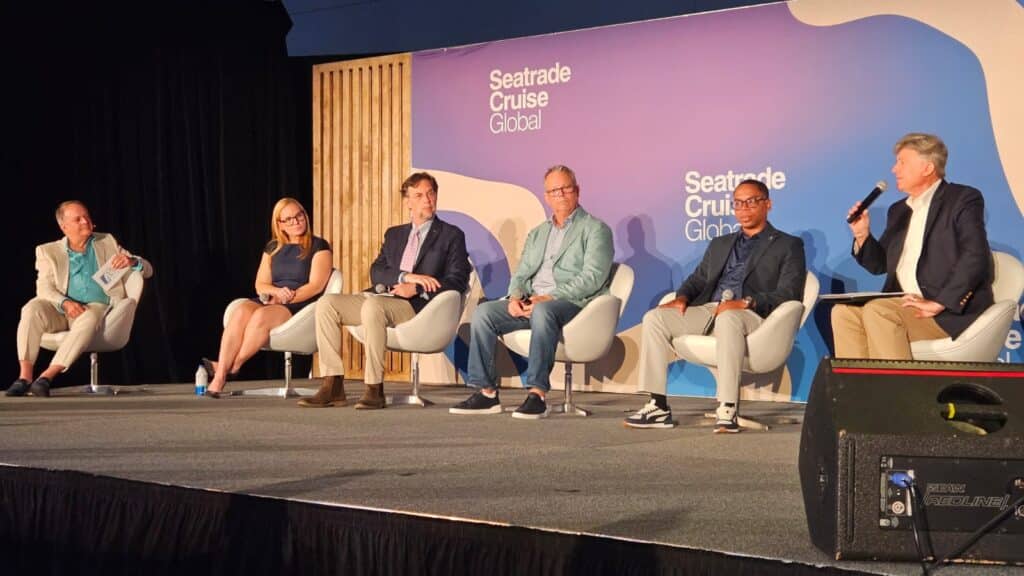
Seatrade Cruise Global is much more than a trade show: it’s the beating heart of the global cruise industry. For Caribbean territories, taking part is not just about visibility: it’s a strategic necessity. Between economic positioning, sustainable development and cultural sovereignty, this event is a lever for the region.
What if the Caribbean took the helm again?
The Caribbean welcomes nearly 35% of the world’s cruise traffic each year, making it the world’s leading stopover region. Yet major development choices, technological innovations and discussions on the sustainability of the industry are decided elsewhere, often without the Caribbean territories being centrally represented.
Seatrade Cruise Global, held annually in Miami, is where it all happens:
-
Presentation of new ships,
-
Launch of commercial partnerships,
-
Meetings between port authorities and cruise operators,
-
Debates on the ecological transition of industry,
-
Reflections on passenger experiences and the expectations of new generations.
Not being there means missing the boat.
A unique opportunity for Caribbean territories
Taking part in Seatrade Cruise Global means taking back control of your own tourism destiny. It enables an island, port or cultural destination to :
-
Propose differentiating offers that are more profitable for local populations;
-
Defending a vision of tourism that respects identities and ecosystems;
-
Establish direct links with shipping companies, instead of going through intermediaries;
-
Position ourselves in new growth segments, such as expedition cruises, cultural tourism and green cruises.
It’s also an opportunity to showcase inspiring local initiatives: craft tours, immersive excursions, cruise-related training programs and innovative port projects.
Seatrade Cruise Global, a catalyst for tourism sovereignty
The participation of Caribbean territories in Seatrade Cruise Global should no longer be seen as a luxury or an elitist event, but as a strategic act of influence and economic positioning. If the Caribbean is the cruisers’ playground, it must also become a central player in their transformation. In 2025, more than ever, the voice of the Caribbean must resonate in Miami.
Practical information - Seatrade Cruise Global 2025
Seatrade Cruise Global 2025 will be held from April 7 to 10, 2025 at the Miami Beach Convention Center, Florida, USA. Every year, the event brings together thousands of cruise industry professionals, including shipping lines, ports, suppliers, tourist destinations, start-ups and specialized media.
👉 To find out more about the program, speakers or exhibitors: Seatrade Cruise Global website
The Yacht Club de Fort-de-France organized an exceptional meeting to bring together institutions and key players in the nautical sector involved in the maritime sector. The aim of this initiative was to promote mutual understanding and lay the foundations for enhanced collaboration in the development of Martinique’s boating industry. For almost 90 years, the Fort-de-France Yacht Club has been a pillar of the region’s nautical heritage, uniting enthusiasts, novices and experts around a single ambition: to celebrate the sea and promote sailing.
A sector at a crossroads
Although rooted in local culture, Martinique’s boating industry is undergoing major changes. The aspirations of the Martinican people are changing, and the younger generations are turning to other leisure activities. Against this backdrop, the speakers highlighted the importance of democratizing sailing and raising young people’s awareness of the richness of their maritime heritage.
Education was identified as a key lever for meeting this challenge. Integrating nautical activities into school curricula, as several participants mentioned, could not only develop a maritime culture, but also offer professional opportunities in a booming sector.
Discussions also focused on the need to modernize nautical infrastructures and strengthen partnerships between public institutions, associations and private players. These collaborations are essential to guarantee the sustainable development of the water sports sector, while preserving the identity and values that make Martinique so unique.
A collective dynamic serving the sea
The event brought together a diverse range of speakers from the yachting industry and key institutions, each bringing a unique perspective to the discussions. Paul Constantin, president of the Yacht Club de Fort-de-France, and Jean Trudo, vice-president, accompanied by Claude Pierre-François, general secretary, and Patrick Hayot, head of the sailing school and regatta committee, opened the meeting by recalling the historical importance of the club.
On the institutional front, Félix Mérine, Executive Councillor of the CTM, and Frantz Thodiard, representing the City of Fort-de-France, shared their vision for the development of the nautical sector.
Jean-Michel Pastore, senior officer of the French Armed Forces in the West Indies, and Bruno Mencé, representative of the Grand Port Maritime de la Martinique, also contributed to the discussions.
Lastly, Mickaël Boucher (DRAJES) expressed his ambition for a stronger link between schools and clubs, while Luc Jouye de Grandmaison (CACEM), Gérard Josepha (Martinique Sailing League), Damien de Longueville (Martinique Transat) and Thibaut Derville (Cap Martinique) made outstanding contributions, illustrating the diversity and richness of current initiatives.
Enhancing Heritage and Stimulating the Economy
In addition to education, the event highlighted the economic potential of boating for Martinique. Transatlantic races such as the Transat Café de l’Or and the Cap Martinique play a crucial role in the island’s international reputation. These events attract international visitors and generate significant economic spin-offs for the local economy.
However, speakers stressed the importance of capitalizing on these events to maximize their long-term benefits. This means better integration of nautical events into the island’s tourism strategy, and the creation of local channels capable of training Martiniquan talent up to the level of international competitions.
Last but not least, the preservation of our maritime heritage played a central role in the discussions. Documenting the history of yachting in Martinique, as proposed in a recently approved encyclopedia project, is essential to passing on this heritage to future generations and reminding them of the importance of the sea in the island’s identity.
Essential collaboration for the future
The meeting demonstrated that the future of boating in Martinique depends on a collective vision and concerted action. Whether it’s a question of modernizing infrastructures, raising awareness among young people or preserving our heritage, solutions can only emerge from close collaboration between all the players involved.
This event marked an important step in this process, bringing together diverse voices around a common goal: to make Martinique a benchmark in the boating industry, while meeting the needs of the sector and attracting more young people through educational initiatives and strengthened collaborations.
Navigating towards a promising future
The meeting served as a reminder that the sea is much more than a natural space: it is an economic engine, a vector for social ties and a cultural treasure. With its unique seascapes and rich nautical heritage, Martinique has everything it takes to become a leader in the Caribbean boating industry.
However, this future can only be realized through close collaboration and a shared vision. The initiatives presented at this event – whether educational projects, international competitions or heritage preservation – show that the island’s maritime heritage, collectively and strategically enhanced, can become a major lever for economic, cultural and educational development, while reinforcing its role in sustainable and inclusive development.
Antigua Cruise Port recently enjoyed an exceptional year, marked by record numbers of ships and passengers. The port, which has become a key anchorage in the Caribbean, is attracting more and more visitors, underlining the destination’s growing importance in the cruise industry. This article examines the achievements of the current year and the future prospects for Antigua as a cruise destination.
A growing port
During the year, Antigua Cruise Port welcomed 570 ship visits and 825,526 passengers, up from 446 visits and 670,234 passengers the previous year. This represents an impressive 27% increase in ship calls and 23% in passenger arrivals. These figures reveal not only Antigua’s growing appeal, but also the commitment of the local authorities to improving the infrastructure and services on offer.
An unrivalled cruising experience
Cruisers visiting Antigua Cruise Port can expect an unparalleled experience. The island’s natural beauty, combined with modern facilities, creates the ideal environment for travelers seeking adventure and relaxation. Recent arrivals include Norwegian Cruise Line’s Norwegian Gem and Norwegian Breakaway, P&O Cruises’ Arvia and the elegant Emerald Azzurra.
Testimonials from local leaders
Antigua Cruise Port’s success would not be possible without the hard work and vision of those who lead the tourism industry. Gasper George, the port’s general manager, expressed his enthusiasm as he welcomed the ships, saying that the day was a perfect illustration of what teamwork can achieve. His message is clear: Antigua is determined to position itself as a leading cruise destination in the Caribbean.
Economic importance of tourism
The Minister of Tourism and Investment, the Hon. Charles Fernandez, also emphasized the importance of this achievement for the national tourism industry. Investments in infrastructure and service excellence are paying off, consolidating Antigua’s reputation as a popular destination. This success not only benefits the tourism sector, but also contributes to the economic prosperity of local communities.
A vision for the future
Approaching 2025, Antigua Cruise Port has no intention of stopping there. Plans to welcome even more visitors are underway, with the intention of forming new partnerships and delivering unforgettable experiences. Commitment to excellence remains a priority, essential to shaping the future of the Caribbean cruise industry.
Strategies to boost tourism
To continue attracting cruisers, Antigua needs to keep improving its infrastructure. This includes not only the port itself, but also local attractions and visitor services. By creating unique experiences that showcase local culture and heritage, Antigua can set itself apart in the highly competitive cruise industry.
Environmental impact
With the increase in cruise tourism, it is crucial that Antigua also takes into account the environmental impact of this growth. Preserving natural resources and protecting the marine ecosystem must be priorities. Ecological and sustainable initiatives can not only attract environmentally conscious cruisers, but also reinforce Antigua’s image as a responsible destination.
Antigua Cruise Port ‘s record-breaking year is a testament to the commitment and efforts of local officials to promote the island as a premier cruise destination. With continued growth and initiatives to enrich the visitor experience, Antigua is well positioned to become a leader in the cruise tourism industry. Future prospects are bright, and Antigua Cruise Port is ready to sail to new heights.