Dominica asserts its identity at Seatrade and strengthens its cruising strategy
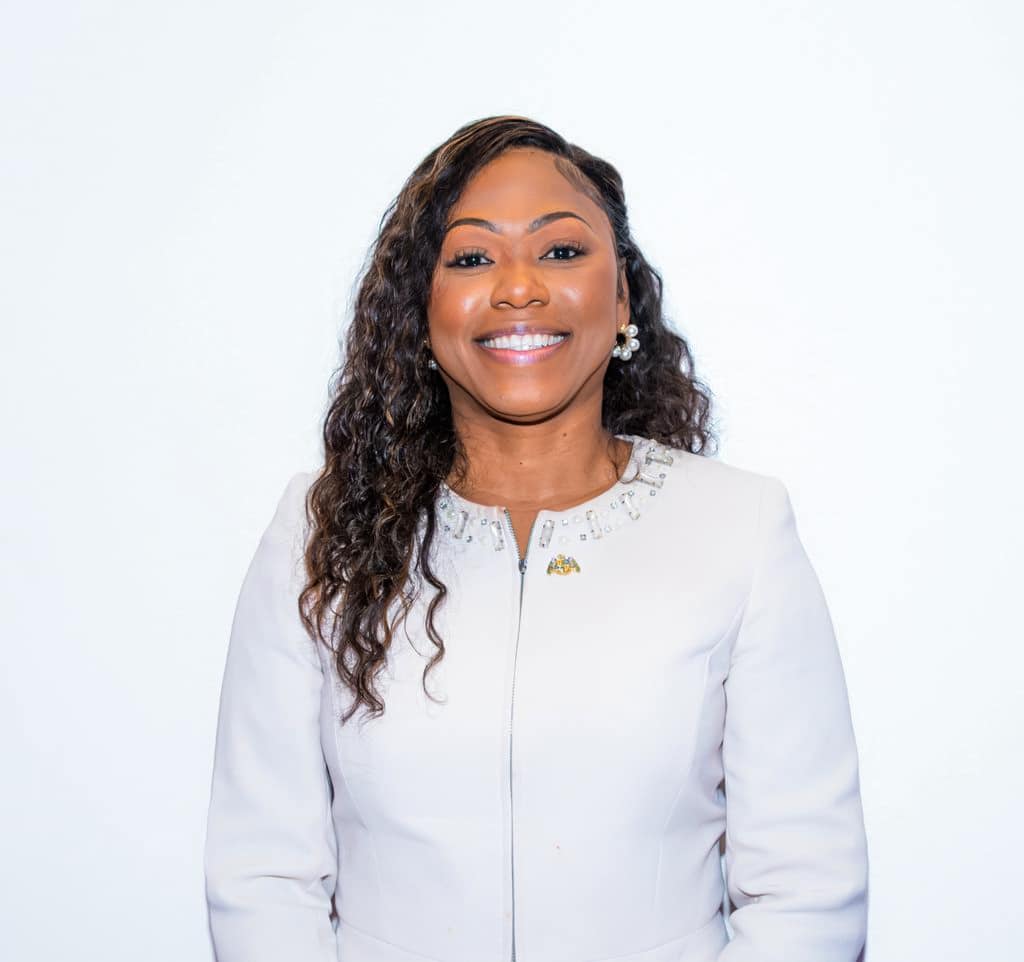
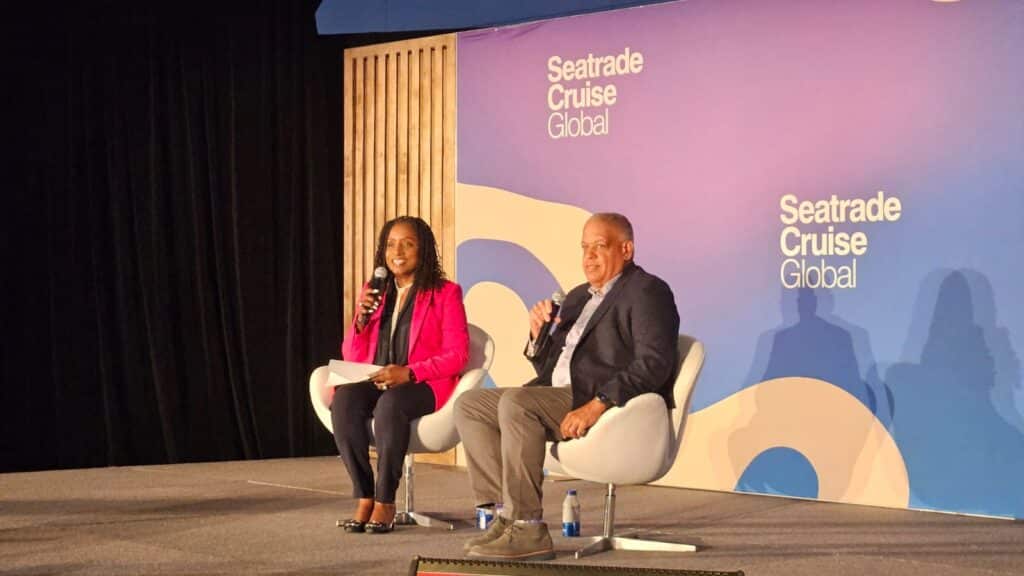
Present at Seatrade Cruise Global in Miami, Dominica’s Minister of Tourism, Denise Charles Pembertonhighlighted the island’s natural and cultural assets. Against a backdrop of growing cruise tourism, she also stressed the importance of raising international awareness of Dominica – often confused with its Spanish-speaking namesake – and of continuing efforts to improve accessibility and hospitality.
A unique destination driven by nature and tradition
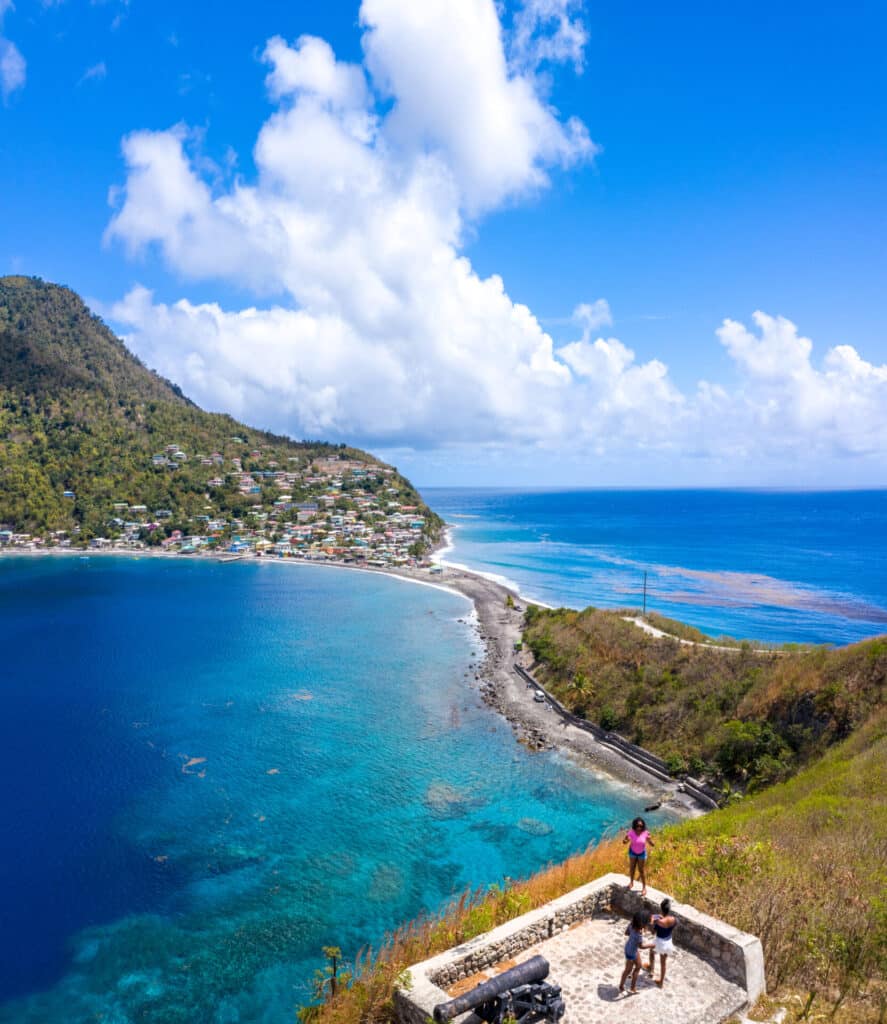
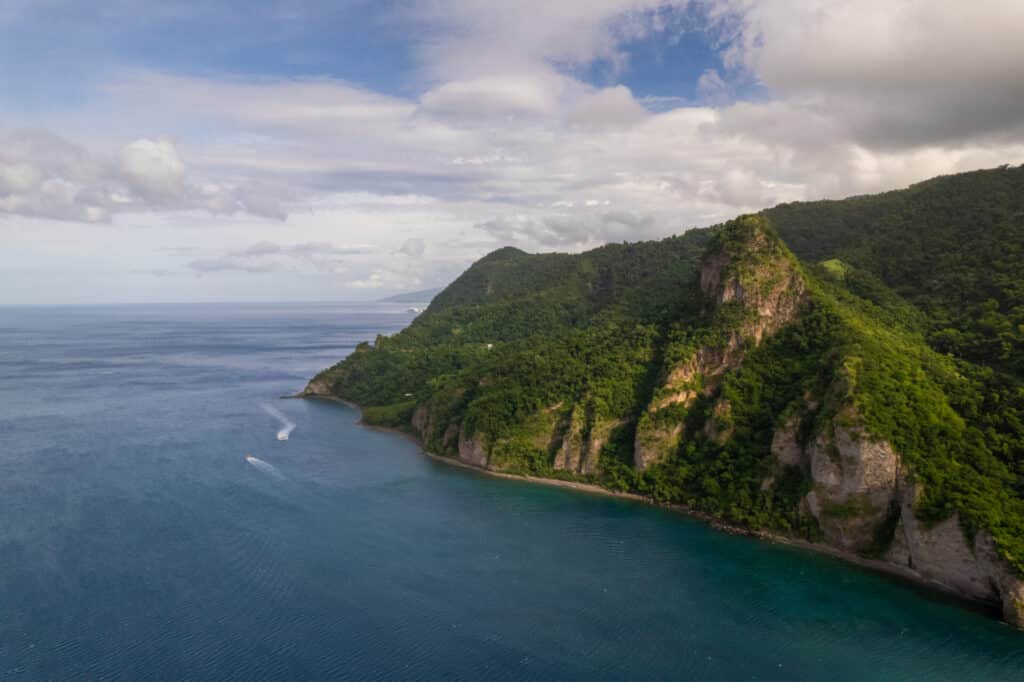
Nicknamed “nature island of the CaribbeanDominica cultivates a unique positioning around well-being, adventure and culture.. With its 365 riversits thermal springsits spectacular waterfalls and its boiling lake – the second-largest in the world -, it is a magnet for ecotourism and immersive experiences.
But there’s more to the island than its scenery. It is also the cradle of the aboriginal people KalinagoA living richness that nurtures the Dominican cultural identity. Hiking on the Waitukubuli Trailkayaking, diving, local gastronomy… the offer is dense, varied and deeply rooted in the region.
Cruising, a fast-growing economic engine
“Last year, we recorded a 23% increase in the number of cruise passengers disembarking on the island”, the Minister proudly announces. This dynamism benefits many players: craftsmen, restaurateurs, cab drivers, guides… Every stopover generates immediate, tangible economic activity.
Aware of this challenge, Dominica is currently investing in the modernization modernizing its port infrastructure to accommodate larger vessels. A strategy designed to reinforce the island’s place on the map of the region’s must-visit cruise destinations.
Clarifying Dominica's image and strengthening connectivity
Despite its assets, Dominica still suffers from a lack of awareness. “Many people confuse our island with the Dominican Republic,” laments Denise Charles Pemberton. “If I could wave a magic wand, I’d make sure the whole world knew that Dominica is an English-speaking island located between Martinique and Guadeloupe.
Improving air and sea connectivity remains a priority to facilitate access to this still too discreet jewel of the Caribbean.
The Minister took the opportunity to invite the public to discover the island through its major cultural events, notably the Jazz & Creole on May 4 in Portsmouth, and above all the 25th anniversary of the World Creole Music Festival next October, an anniversary edition she promises will be “grandiose, combining music, culture and gastronomy”.
At Seatrade Cruise Global 2025, a panel discussed the changing expectations of cruise travelers, particularly the younger generations, and how these changes require a complete reinvention of the experiences offered ashore.
Seatrade Cruise Global 2025: from guided tour to personalized experience
Moderated by Shannon McKee, President of Access Cruise, the Seatrade Cruise Global 2025 discussion featured key industry figures Tracey Diaz (Princess Cruises), Christine Manjencic (Norwegian Cruise Line Holdings), Marc Melville (Chukka Caribbean Adventures), Leyla R. Osorio (Global Cruises LLC) and Claudine Pohl (Lemoneight).
Right from the outset of Seatrade Cruise Global 2025, it was clear that today’s cruisers expect much more than a simple panoramic tour. “What this new generation is looking for is a real experience,” says Christine Manjencic. She cites the example of a “selfie tour” initially designed for Norwegian Cruise Line and adapted for Oceania Cruises under the title Capturing the Moment – a simple but effective rebranding to appeal to a premium audience.
“Today, a new generation is discovering cruising… and no longer sees it as an activity for retirees.”
Tracey Diaz reminds us at Seatrade Cruise Global of the extent to which the pandemic has changed expectations: travel is no longer a given, but a privilege. Passengers are now looking for more intimate, truer, more human experiences.
Authenticity, Local Voices, and Storytelling as Value Drivers
For tourism operators, the challenge is twofold: to remain innovative while remaining rooted in reality. For Marc Melville, the answer can be summed up in one word: authenticity. ” Our strength is to be resolutely local, without compromise. What seems commonplace to us is often what makes the biggest impression on a visitor. “
He stresses the importance of storytelling. A gesture as simple as putting your hand on a tree can become a lasting memory, as long as it’s contextualized. “You can’t put a price on a local, authentic experience,” he stresses.
With a presence in 140 destinations, Leyla Osorio observes that regular cruisers don’t want to relive the same excursion. “We need to offer a new reading of the place, with a different perspective, a different narrative.” At Seatrade Cruise Global, she also emphasizes the importance of adapting excursions to the specific identity of each cruise line.
Experience Design, Collaboration, and Looking Ahead
All the speakers at Seatrade Cruise Global 2025 agree: the future of the industry will depend on innovation, anticipation… and greater collaboration.
Christine Manjencic shared some revealing data on how behavior has changed since the pandemic: “Before COVID, we put excursions online 2 to 3 months before the cruise, and only 20% were sold in advance.”
“Today, we open 365 days and reach 75% pre-sales.”
She adds, not without pride: “In 2019, we sent 4.3 million passengers on shore excursions. Last year, we came close to 6 million.”
This spectacular growth shows just how essential anticipation, trend monitoring and personalization have become in the design of our offers.
Claudine Pohl reminds us at Seatrade Cruise Global 2025 that the skill to tell a story is as valuable as the itinerary itself. “Without training in speaking, your guides won’t convey the experience.”
Leyla Osorio, for her part, insisted on an essential new dimension in experience design: “An excursion must be immersive, authentic… and photogenic.“
In an age of travel dictated by social networks, it’s no longer enough to have an experience: you have to be able to share it, visually, and derive “bragging rights” from it.
She encourages destinations to incorporate striking elements – aesthetic, symbolic, Instagrammable – that become memories as much as social proof.
Finally, Marc Melville, speaking at Seatrade Cruise Global 2025, concluded with an appeal for commitment: “The Caribbean has never had so many opportunities. Let’s seize them. Let’s work hand in hand with our cruise partners to make our islands shine even brighter. “
Cruisers are no longer looking for tours, but for emotions.
This panel provides a valuable compass for Caribbean territories wishing to remain attractive to cruisers in search of meaning and authenticity.
👉 Fully embracing local roots. As Marc Melville points out, “What is banal to you can become extraordinary to a visitor.” It’s essential to focus on storytelling, sensory immersion and cultural expression, rather than conforming to globalized standards.
👉 Offer exclusive cruising value. An on-shore product has to offer something that visitors can’t book alone on the Internet. Sometimes it’s a gesture, a dish, a symbolic place or a moment to share… as long as it touches.
👉 Cooperation at all levels. Claudine Pohl reminds us of the importance of mobilizing cab drivers, craftsmen, guides and local authorities. A simple, well-thought-out “Welcome” or visual staging can transform the experience.
In short, it’s no longer just a matter of welcoming, but of passing on a story.
The opening morning of Seatrade Cruise Global 2025 set the tone: the future of cruising lies in collaboration, innovation and sustainability.
A global vision for an industry in transition
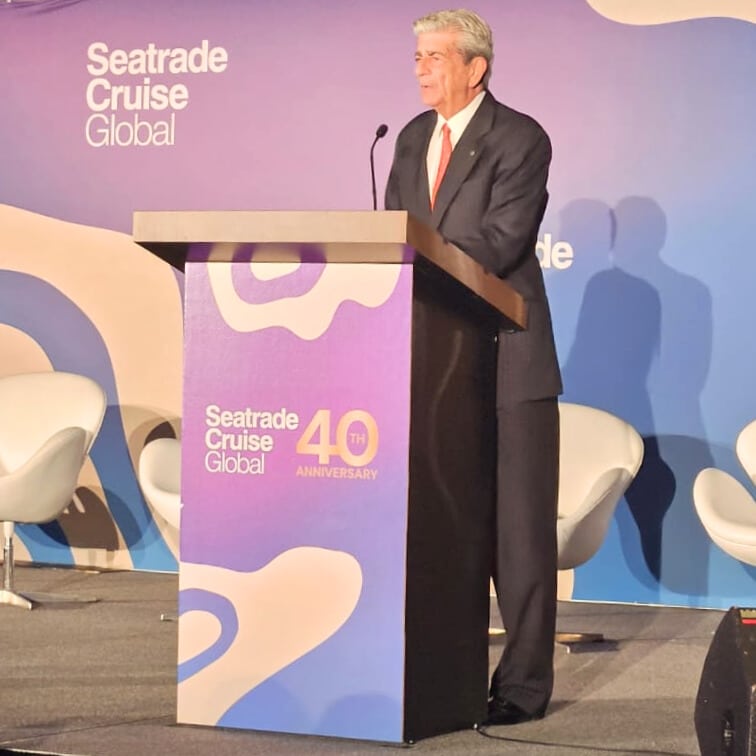
Richard Sasso, President of MSC Cruises USA, opened the event with an outline of the 2025 Global Cruise and Destination Outlook. This strategic overview served as a reminder that, despite an ever-changing global context, the cruise industry is progressing with ambition and responsibility.
Highlighting the growing importance of more sustainable tourism and authentic experiences, Richard Sasso insisted on the need to adapt offers not only to economic challenges, but also to the expectations of an increasingly impact-conscious public.
Anticipating the expectations of new generations
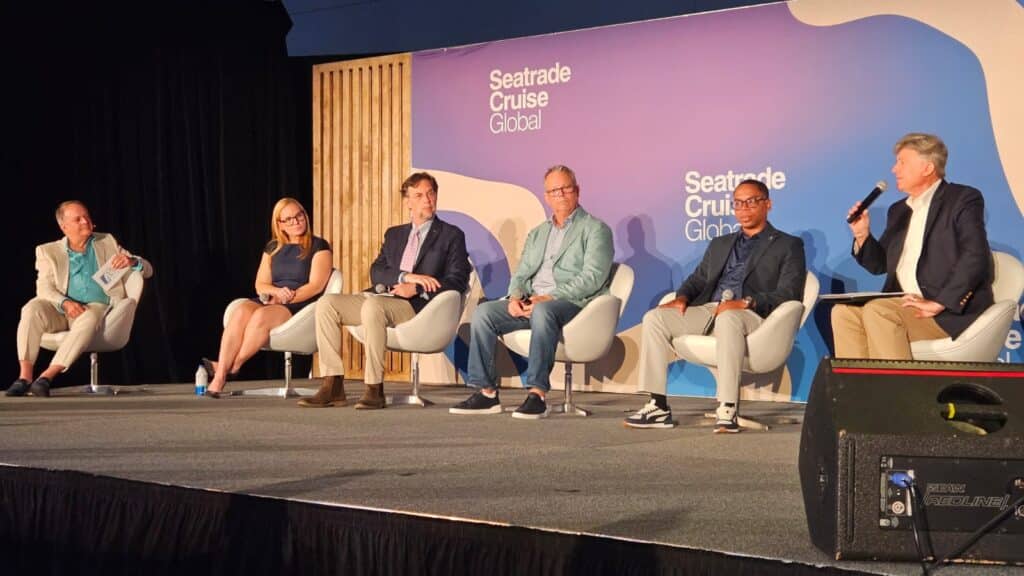
The first panel of the day at the Seatrade Cruise Global 2025, “Sailing Across Generations and Rethinking Experiences Ashore”, moderated by Marc Blum, brought together a number of major players: Mark Edson (Royal Caribbean), Alexander Gumbs (Port of Saint-Martin), Mike Maura (Nassau Cruise Port), Natasha Salzedo (Carnival Cruise Line) and Ugo Savino (US State Department).
Together, they explored ways of adapting to changing travel profiles, highlighting the importance of technological innovation, better integration of destinations and a more personalized approach to the customer experience.
A look at the world of cruise tourism
The morning of the Seatrade Cruise Global 2025 concluded with a panel entitled “World Cruise Tourism Summit: regional updates”. The event was moderated by Ioannis Bras, with the participation of representatives from MedCruise, Cruise Arabia, the Caribbean Tourism Organization and Cruise Saudi. This overview highlighted the specific realities of each region, while converging on common challenges: better managing passenger flows, developing resilient infrastructures, and strengthening cooperation between ports.
A strong idea emerged from this opening: decisions must be based on concrete data, and the future will be built by combining know-how.
We’ll be coming back to these interventions in more detail later.