
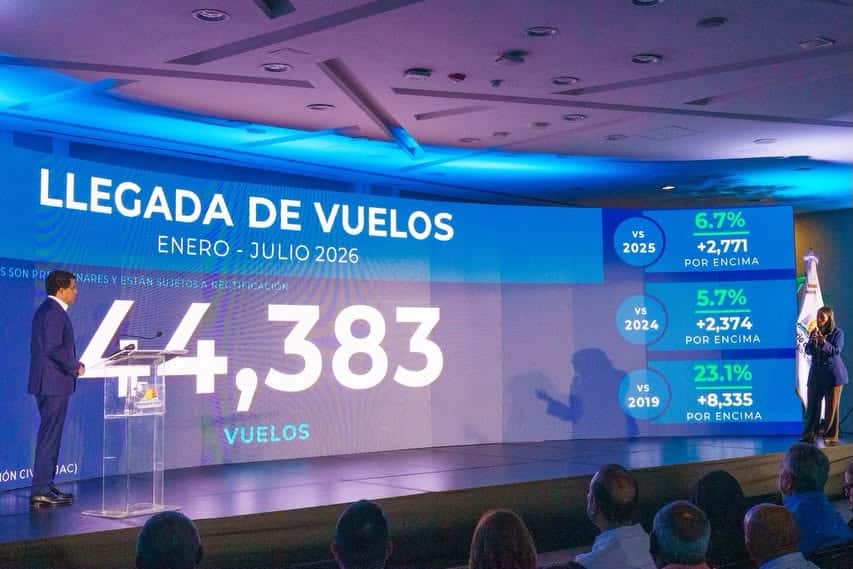
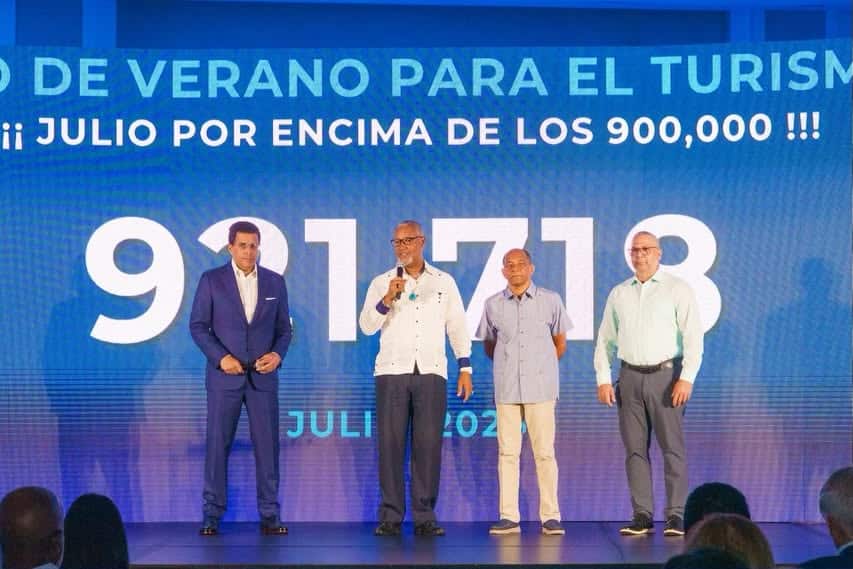
Standing in front of a screen displaying 1,083,448 visitors, Minister David Collado presented the results for July 2026. Behind this record-breaking tourism figure in the Dominican Republic, authorities want to highlight concrete impacts on employment, suppliers, and government revenue. But the figures also reveal a concentration of arrivals in just a few regions.
A New Milestone Reached in July
The Dominican Republic welcomed 921,718 tourists arriving by air and 161,730 cruise ship passengers in July, for a total of 1,083,448 visitors. This figure represents a 2.9% increase compared to July 2025, a 6.4% increase compared to 2024, and a 60.6% increase compared to 2019.
In the first seven months of 2026, the country welcomed a total of 7,700,118 visitors: 5,885,259 arrived by air and 1,814,859 by sea. The cumulative total is 7% higher than in 2025 and 10.4% higher than in 2024. Tourism in the Dominican Republic thus confirms a growth trend that is not based on a single exceptional month.


Punta Cana accounts for 58% of air arrivals
This is a national record, but the distribution remains uneven. In July, Punta Cana Airport handled 537,204 passengers, accounting for 58% of all air arrivals. Las Américas received 219,494 passengers, or 24%, while Cibao handled 119,662, or 13%. Puerto Plata accounted for 3%, compared with 1% each for La Romana and Samaná.
This breakdown highlights Punta Cana’s significance to tourism in the Dominican Republic. However, other destinations are also experiencing strong activity. Nationwide hotel occupancy reached 76%, with 92% in Bayahíbe, 83% in La Romana, 82% in Miches, and 80% in the Bávaro–Punta Cana area.

183,000 jobs generated by occupied rooms
Authorities estimate that hotels support more than 183,000 direct jobs and that approximately 605,000 people depend economically on the tourism industry. The kitchen is the largest source of hotel jobs, with 42,460 positions. Restaurants account for 28,991, and bars for 14,443.
In addition to these occupations are services, maintenance, security, tours, transportation, and retail. Yanira Eusebio, a beverage vendor on Guayacanes Beach, explained that the renovation of her sales stand and customer service training had helped her increase her income. Her story serves as a reminder that tourism in the Dominican Republic is not limited to hotel resorts.


Salaries, Suppliers, and Taxes
In July, the total payroll for hotels reached 4.77 billion Dominican pesos. Purchases from suppliers totaled 11.59 billion, or more than 374 million pesos per day. The sector also paid 8.729 billion pesos in taxes, according to data presented by the ministry.
The supply chain amplifies these benefits. According to Deputy Minister Jacqueline Mora, 92% of the farmland that supplies hotel kitchens is located outside the Eastern Region. Consequently, a portion of the spending generated by tourism in the Dominican Republic benefits producers located far from the popular beaches.

Do visitors leave the hotels?
Six out of ten tourists reportedly participated in activities outside their accommodations, including excursions, tours, snorkeling, or buggy rides. This tourism activity can support tour guides, transportation providers, restaurant owners, and small businesses. It also allows visitors to explore regions and cultural heritage sites beyond the scope of an all-inclusive vacation. Satisfaction levels remain high: an average of 4.4 out of 5, with 91% of respondents saying they would like to return and 59% stating they would recommend the destination.

What the record doesn't show yet
These results illustrate the sector’s economic strength, but not its full distribution. They do not specify job stability, wages by occupation, or the share of revenue retained in each municipality. Nor do they measure the impacts on housing, water, waste management, or coastal areas. The next challenge for tourism in the Dominican Republic will therefore be to transform record visitor numbers into sustainable value. After 1,083,448 visitors in July, the question is no longer just how many people are arriving, but how many local communities, workers, and businesses are thriving alongside them.

The Dominican Republic welcomed 1,083,448 visitors in July 2026. This total includes 921,718 tourists arrived by air and 161,730 cruise passengers.
According to data from the Ministry of Tourism, hotels support more than 183,000 direct jobs. In July 2026, they are said to have paid 4.77 billion pesos in wages, purchased 11.59 billion pesos in goods and services from suppliers, and generated 8.729 billion pesos in taxes.
Punta Cana remains the country’s main gateway for tourists. In July 2026, its airport welcomed 537,204 passengers, or 58% of air arrivals, ahead of Las Américas with 24% and Cibao with 13%.
A few meters below the surface, silhouettes slowly come into view. Children are holding hands. A man sits at his typewriter. In Grenada, art doesn’t just occupy the seabed—it transforms along with it. Further on, carnival figures seem to be moving through the water. Visitors don’t just discover submerged sculptures; they enter a landscape that currents, corals, and time continue to shape.
In 2006, artist Jason deCaires Taylor installed what would come to be widely recognized as the world’s first underwater sculpture park in Molinere Bay. Now located within the Molinere-Beauséjour Marine Protected Area, the site lies at a depth of between five and eight meters. It can therefore be viewed while scuba diving, snorkeling, or from a glass-bottom boat. Nearly twenty years later, the artist sums up the project’s origins in a single sentence: “Grenada is the seed that started it all.”
A museum that the sea is constantly reshaping
In a traditional museum, works of art are protected from moisture, salt, and the passage of time. Here, everything works the other way around. The sculptures were designed to support marine life. The pH-neutral cement and stainless steel provide a surface on which organisms can gradually attach themselves.
In Grenada, a work of art is therefore never completely finished. Seaweed alters its colors. Sponges cover certain shapes. Fish swim among the figures. The waves, currents, and light constantly change the way the whole piece is perceived. The museum becomes an artificial reef, but also a collective creation in which the ocean acts as a second sculptor.
The idea was born in a vulnerable area. Molinere Bay had suffered significant damage during Hurricane Ivan in 2004. The installation of artificial structures provided new habitats for marine life. The park also attracts some divers and swimmers, which helps reduce visitor traffic to certain nearby natural reefs that are more vulnerable.


Faces That Tell the Story of Grenada
The park isn’t just about the environment. It also tells stories, showcases people, and highlights aspects directly linked to the region. One of his best-known works, *Vicissitudes*, depicts twenty-six children standing in a circle and holding hands. Set about five meters deep, their bodies blend into their surroundings, symbolizing adaptation and the cycle of life. Other works incorporate fragments of memory. The Lost Correspondent shows a man sitting in front of a typewriter, surrounded by articles that evoke a period in Grenadian history. Enlarged reproductions of petroglyphs, meanwhile, serve as a reminder of the traces left by the island’s earliest inhabitants.

This cultural aspect grew even stronger in 2023. The park welcomed The Coral Carnival, a series inspired by Spicemas, the carnival in Grenada. Created in collaboration with local artists, twenty-five sculptures depict several iconic figures from the masquerades, including the Jab Jab, the Short Knee, and the Vieux Corps. For the first time in Taylor’s underwater work, natural pigments were used to add color to the figures.


From Carnival to the Living Reef
Underwater, however, these costumes will not remain the same. Their appearance will change as marine organisms colonize them. This is precisely what gives the project its power. Local culture is not confined to a static image. It interacts with a living environment. The carnival characters mingle with the fish, while marine textures gradually replace the colors applied by the artists.
In this way, Grenade tells the story of its region without separating art, history, and the sea. The park is at once an attraction, an educational space, and a work of art in constant transformation. It also serves as a reminder that a destination can make a name for itself in ways other than by building more and more structures along its coastline.
Since 2006, the Molinere Museum has not sought to resist the passage of time. On the contrary, it makes room for time within its creative process. Each new layer of coral alters its silhouette. Every fish that takes shelter there adds an unexpected movement. What if Grenada’s greatest uniqueness were precisely that it has created a museum where no two visits can ever be exactly the same?


The Grenada Underwater Museum is located in Molinere Bay, within the Molinere-Beauséjour Marine Protected Area, on the island’s west coast.
Established in 2006, it is widely recognized as the world’s first underwater sculpture park. The sculptures gradually evolve as they come into contact with corals, seaweed, and marine life.
The site can be explored while scuba diving, snorkeling, or from certain glass-bottom boats. The sculptures are located at a shallow depth.
In June 2026, Aruba welcomed 143,343 overnight visitors, compared with 126,391 a year earlier. The island thus welcomed 16,952 visitors over a 12-month period, representing a 13.4% increase. Behind this growth, another challenge emerges: understanding which markets are driving this growth and what it can actually bring to the region.
An increase that exceeds the number of arrivals
This increase is all the more notable given that June 2025 had already posted 3.1% growth compared to June 2024. It is therefore not starting from a particularly weak month; rather, it is picking up momentum after an already positive first year.
Visitors welcomed in June 2026 generated 912,256 overnight stays. Their average length of stay is 6.4 nights. This figure is just as important as the number of arrivals. It means that travelers aren’t just passing through the island—they’re staying there, eating, getting around, and booking activities for nearly a week. For hotels, vacation rentals, restaurants, transportation providers, and tour operators, this length of stay can generate greater economic benefits than a simple increase in the number of travelers.
The United States remains Aruba's driving force
North America accounts for 73.6% of arrivals recorded in June. The United States alone is Aruba’s largest market, with 102,224 visitors. This strength is a clear advantage. It shows that the island continues to hold a strong position among American travelers. But it also reveals a high degree of concentration. When nearly three-quarters of arrivals come from a single region, economic or aviation developments in that market can quickly have an impact on the destination.
Diversification is therefore becoming essential. South America already accounts for 20.3% of visitors. Argentina contributed 11,682 arrivals in June 2026, a sharp increase compared to the previous year, although the Aruba Tourism Authority did not disclose the exact percentage of this growth. Europe remains a smaller market, accounting for 3.5% of the total. The Netherlands leads this market with 2,755 visitors.

A destination that spans generations
The traveler profile shows a relatively diverse customer base. Generation X accounts for 26.8% of visitors, ahead of Millennials at 25.4%. Generation Z accounts for 20.8%, while Baby Boomers account for 18.8% of arrivals. Aruba, therefore, does not rely solely on an older clientele or traditional family tourism. The island attracts people of all ages, each with different expectations: beaches and relaxation for some, fine dining, sports, cultural exploration, or shared experiences for others.
This diversity also requires the destination to adapt its offerings without losing its identity. Simply attracting more visitors isn’t enough. It’s also necessary to offer experiences that make people want to stay, return, and explore places beyond the most popular attractions.

The cruise reaffirms Aruba's appeal
The results of the annual cruise tourism survey reinforce this finding. Of the 2,414 people surveyed in 2025, 81% said thatAruba’s inclusion in their itinerary influenced their choice of cruise. That figure was 78% in 2024. All 14 aspects evaluated showed improvement. The beaches, safety, and local hospitality received the highest ratings. During their port calls, cruise passengers spent an average of 197 U.S. dollars per person, primarily on excursions, local crafts, food, and beverages.


Turning Growth into Local Value
The figures for June 2026 confirm Aruba’s strength as a tourist destination. But above all, they raise a more important question: How much of this growth is providing lasting benefits to residents, artisans, and local businesses? Perhaps the next key metric to track won’t be just the number of visitors. It will be Aruba’s ability to turn every visit into economic, cultural, and social value for the island.

Aruba welcomed 143,343 overnight visitors in June 2026, compared with 126,391 in June 2025. That represents an increase of 16,952 visitors in one year.
The number of overnight visitors to Aruba increased by 13.4% between June 2025 and June 2026. This increase was accompanied by 912,256 overnight stays and an average length of stay of 6.4 nights.
The United States is Aruba’s largest tourism market, with 102,224 visitors in June 2026. North America accounted for a total of 73.6% of the arrivals recorded during the month.
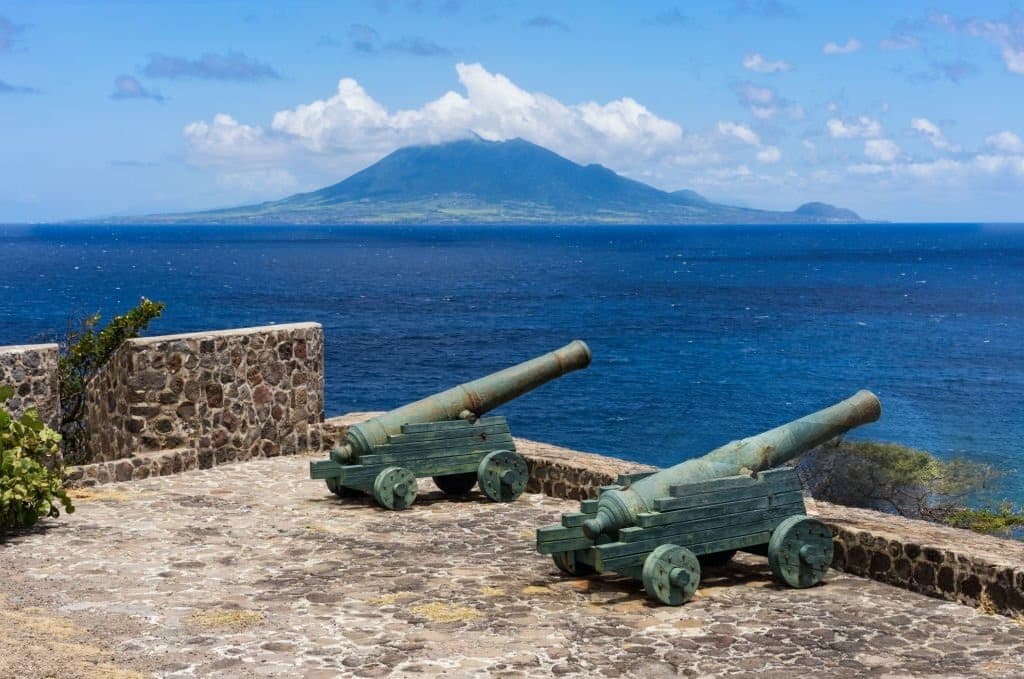
At Fort Oranje, the view descends toward the sea before rising again toward the verdant cone of the Quill. The cannons lined up along the ramparts serve as a reminder that here, on November 16, 1776, eleven shots were fired in response to a salute from an American ship. This historic scene offers a key to exploring Sint Eustatius, a Dutch Caribbean island where the landscapes preserve the memory of the world.
Sint Eustatius, where eleven gunshots rang out
On that day, the Andrew Doria entered Oranje Bay flying the flag of the rebellious American colonies. After the ship fired thirteen rounds, Governor Johannes de Graaff authorized Fort Oranje to return the salute with eleven rounds, in accordance with maritime protocol. The episode has become known as the “First Salute,” the first official tribute paid by a foreign authority to the new American flag.
The significance of this place, however, extends beyond the diplomatic event. From the ramparts, visitors immediately understand why the island was so important. The bay made it possible to monitor arrivals, protect trade, and connect the maritime routes between Europe, North America, and the Caribbean territories.
Sint Eustatius: Fort Oranje, the best starting point
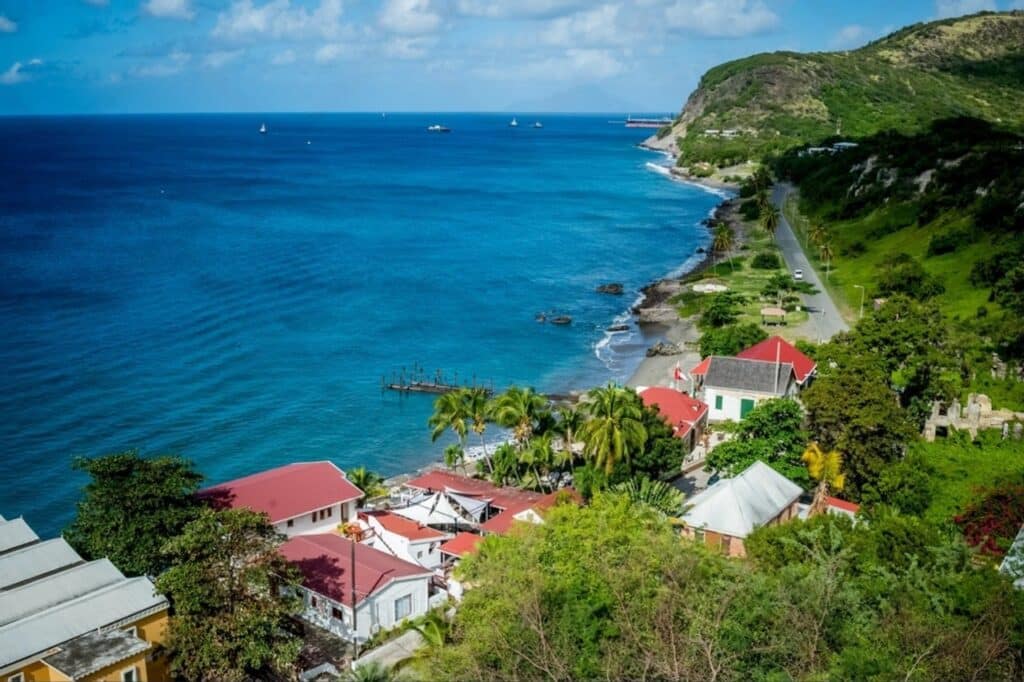
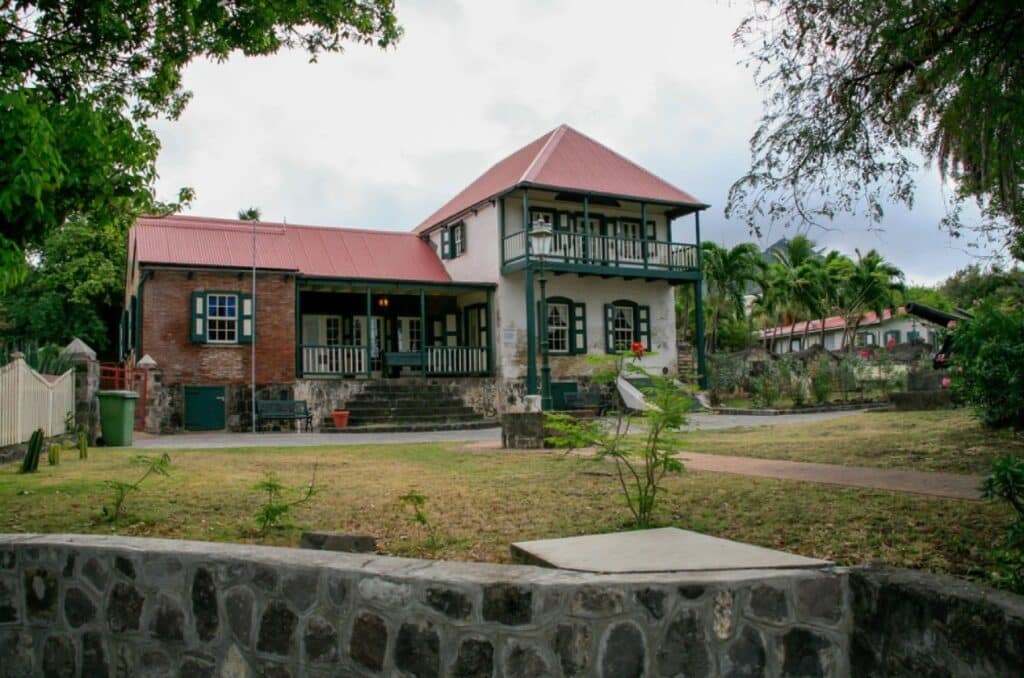
Fort Oranje naturally separates Upper Town from Lower Town, the two distinct areas of Oranjestad. The upper part is home to government buildings and several historic sites. Further down, the road leads to the waterfront, the harbor, a few restaurants, and the ruins of the old commercial district.
The fort remains one of the island’s best-preserved monuments. In April 2026, management of the fort was officially transferred to the local government, just a few months before the 250th anniversary of the First Salute. This transfer of responsibility underscores a clear goal: to preserve a historic site without freezing it in time, so that it remains a place for gathering, remembrance, and passing on its legacy.
Oranjestad: A History to Explore
Heading down toward Oranje Bay means shifting from a panoramic view to an almost archaeological interpretation of the landscape. Lower Town preserves the ruins of warehouses, stone ovens, and brick structures dating back to the intense commercial activity of the 18th century. Some are now being eroded by the sea and bear the marks of hurricanes.
These ruins explain the nickname “Golden Rock” that Sint Eustatius was once given. Its free port attracted merchants from many different backgrounds and facilitated the flow of goods, weapons, and information. This prosperity was also based on slavery and the colonial system. The tour thus takes on its full significance when it combines the beauty of the site, its commercial power, and the memory of the exploited populations.
Sint Eustatius : Between Land-Based Heritage and Sunken Treasures
The story continues underwater. The marine park protects reefs, shipwrecks, and sites that can be explored with local dive operators. At Oranje Bay, snorkelers can see a submerged section of the old city wall. The sea hasn’t completely erased Lower Town—it has preserved part of it in a different way.

Sint Eustatius, from the Golden Rock to the greenery of the Quill
Just a few kilometers are enough to enter a whole new world. To the south, the Quill, a dormant volcano, dominates the landscape. Together with Boven National Park, it forms a network of seventeen trails totaling approximately twenty-one kilometers. Some trails wind through a semitropical forest, while others follow valleys lined with cacti or lead to overlooks of the Atlantic Ocean and the Caribbean Sea.
This proximity between fortifications, harbor ruins, the seabed, and volcanic terrain gives the island its unique rhythm. A morning might begin among the stone buildings of Oranjestad and continue along a shaded trail. Here, tourism isn’t based on a sheer number of attractions, but on the seamless blend of history, nature, and island life.

Why Visit Sint Eustatius in 2026?
The 250th anniversary of the First Salute is putting the island back in the spotlight. Exhibitions, heritage projects, and celebrations are set to culminate on Statia Day, November 16, 2026. For travelers, this year offers, above all, an opportunity to understand how a community tells its own story—one that is often presented from an American perspective.
The eleven cannon shots serve as an excellent starting point. They lead to a fort, a city straddling the hills and the shore, a former global port, a volcano, and a marine park. The real discovery begins after the famous story: what do we choose to listen to when a region reclaims its own history?
Sint Eustatius is particularly known for the First Salute. On November 16, 1776, Fort Oranje responded with eleven cannon shots to the American ship’s salute Andrew Doria. This event is considered the first official tribute paid by a foreign authority to the new American flag. The island was also an important free port in the 18th century, which earned it the nickname “Golden Rock.”
The main attractions in Sint Eustatius include Fort Oranje, Oranje Bay, the ruins of Lower Town, and the volcanic landscapes of the Quill. Visitors can also hike the island’s nature trails, see remnants of its former commercial district, and explore its marine heritage, which includes reefs, shipwrecks, and submerged historic structures.
The eleven cannon shots signify Fort Oranje’s reply to the salute from the Andrew Doria in 1776. This did not yet constitute full diplomatic recognition of the United States. Nevertheless, it represented a strong official gesture toward the flag of the rebellious American colonies. Today, this event links the heritage of Saint-Eustache to a major chapter in Atlantic history.
Bonaire welcomed 13,387 overnight visitors in June 2026, according to preliminary data from the Tourism Corporation Bonaire. Visitor numbers declined slightly by 1.6% year-over-year. The most revealing information, however, lies in the travelers’ countries of origin: the Netherlands, the United States, and Curaçao together accounted for 85.5% of arrivals.
Bonaire's visitor numbers remain close to 2025 levels
In June 2026, the island welcomed 13,387 visitors, compared with 13,606 a year earlier. The difference amounts to 219 fewer arrivals. This variation remains limited, especially when viewed over a longer period: by June 2025, attendance had increased by 12,2 % compared to June 2024. The 2026 figure therefore reflects more of a stabilization following the sharp increase recorded the previous year. The 1.6% decline provides a useful point of comparison, while trends in the major markets offer a more accurate picture of visitor numbers.
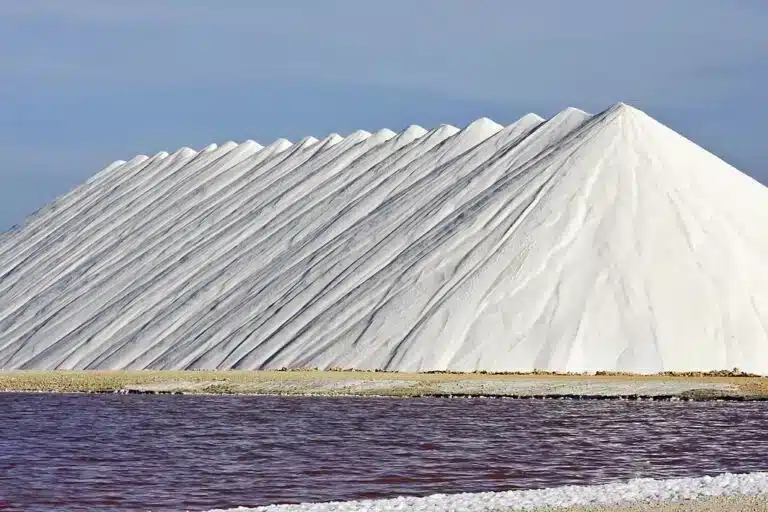
Three markets bring 11,445 visitors to Bonaire
The Netherlands remains the top source country with 5,389 visitors, or 40.3% of the total. The United States follows with 4,163 arrivals, accounting for 31.1%. Curaçao ranks third with 1,893 visitors, or 14.1%. Combined, these three markets account for 11,445 people, or 85.5% of the visitors recorded in June. This percentage, calculated by Richès Karayib based on data published by TCB, reveals a high geographical concentration of visitor traffic.
However, this concentration has decreased slightly. In June 2025, those same three markets accounted for 11,904 of the 13,606 visitors, or approximately 87.5% of the total. Their combined share has thus declined by two percentage points in one year, leaving more room for visitors from other regions. This structure connects the island to three distinct regions: the Netherlands, its main European market; the United States, its leading North American market; and Curaçao, its Caribbean neighbor. Bonaire’s tourism industry is thus based on long-haul connections and clearly visible regional mobility.

The balance of power is shifting between the Netherlands and the United States
A comparison with June 2025 offers a different perspective. The number of Dutch visitors rose from 5,207 to 5,389, representing an increase of approximately 3,5 %. Their share of total arrivals rose from 38.7% to 40.3%. At the same time, the number of American visitors fell from 4,732 to 4,163, a decline of approximately 12 %. Their share fell from 34.8% to 31.1%. Curaçao remained relatively stable, with 1,893 visitors compared with 1,965 a year earlier.
The overall trend therefore masks differing trajectories. The Dutch market is growing, while the U.S. market is experiencing a more pronounced decline. The available data do not specify the causes. The coming months will reveal whether this is a lasting trend or a one-time deviation.

In Bonaire, two markets are having very different experiences
Scuba diving is a major draw for American travelers
Among American visitors, 48.5% say they are visiting for vacation, and 40.3% for scuba diving. The close relationship between these two motivations underscores the special role that underwater activities play in the island’s appeal to this demographic. Their choice of accommodations is also highly concentrated: 58.6% choose hotels, followed by villas at 11.6%. The main U.S. states of origin are Florida, Texas, California, Pennsylvania, and North Carolina.
The Dutch are diversifying their vacations even further
Among Dutch travelers, vacations clearly dominate, accounting for 70 percent. Visits to family or friends account for 10.4%, while business trips account for 6.8%. Hotels remain the top choice, at 51.3%, but apartments account for 13% and staying with a relative accounts for 11%. These proportions reflect a more diverse use of the island, ranging from traditional tourism to personal visits and business travel.


Curaçao Maintains the Regional Focus of Tourism in Bonaire
With 14.1% of arrivals, Curaçao adds a regional dimension to visitor numbers that are largely driven by Europe and North America. Travel within the Dutch-speaking Caribbean accounts for a significant portion of the total, although TCB does not provide details on the motivations of these travelers. For Bonaire, the June data thus provide a more comprehensive picture than a simple monthly total. They show a destination driven by three markets, but visited for different reasons. The results for July and the following months will help determine whether this concentration—as well as the decline in American visitors—persists.
Bonaire welcomed 13,387 overnight visitors in June 2026, according to preliminary figures released by the Bonaire Tourism Corporation. This represents a 1.6% decrease from the 13,606 visitors recorded in June 2025.
The Netherlands is the leading market with 5,389 visitors, followed by the United States with 4,163 visitors and Curaçao with 1,893 visitors. Together, these three markets account for approximately 85.5% of arrivals in June 2026.
Vacation is their primary motivation, accounting for 48.5% of responses. Scuba diving comes in a close second at 40.3%, confirming its particular importance in Bonaire’s appeal to the U.S. market.
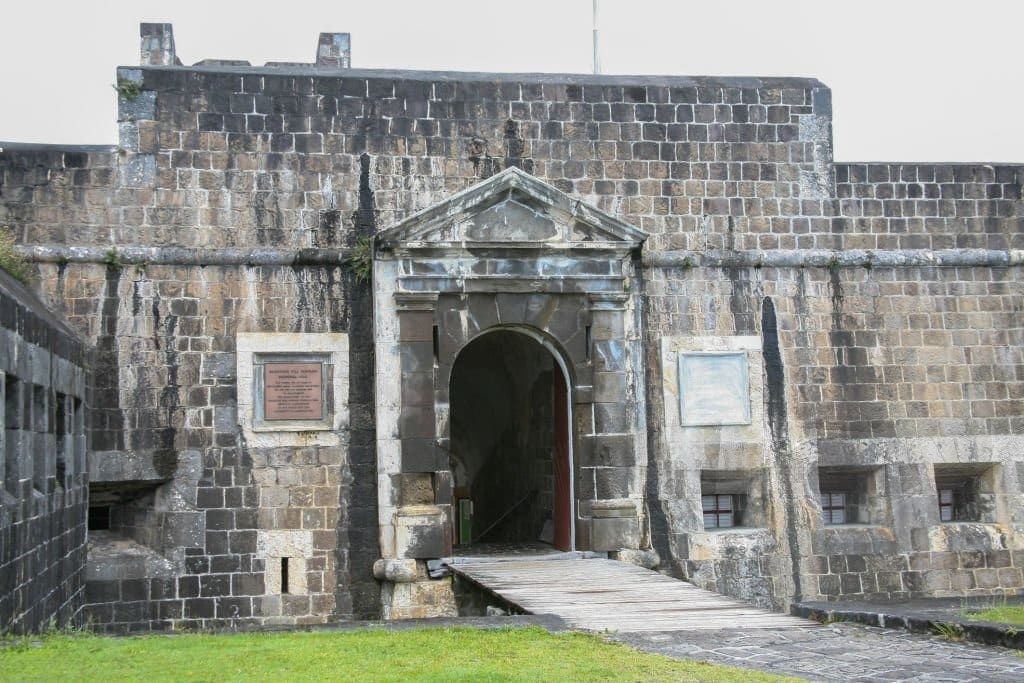
To the northwest of Saint Kitts, the walls of Brimstone Hill Fortress overlook the coast from a volcanic hill nearly 240 meters high. Behind the panoramic view lies a more complex history: that of a fortress designed by the British, built and maintained by enslaved Africans, and designated a UNESCO World Heritage Site in 1999.
Brimstone Hill Fortress, a citadel perched atop a volcano
As you climb Brimstone Hill, the sea comes into view between the steep slopes and the dark stone ramparts. From this natural vantage point, soldiers could observe the western coast of Saint Kitts and keep watch for the possible arrival of enemy ships. The location was far from insignificant. This volcanic hill, nearly 800 feet high, had steep, hard-to-access slopes. It thus offered a prime vantage point and a defensive refuge in the event of a naval attack. Nevertheless, the builders had to adapt their techniques to the particularly challenging terrain.
The walls were built primarily from volcanic rock quarried from the hill. The mortar was made on site from limestone found on the hill’s middle and lower slopes. The fortress thus seems to be an extension of the landscape on which it stands.
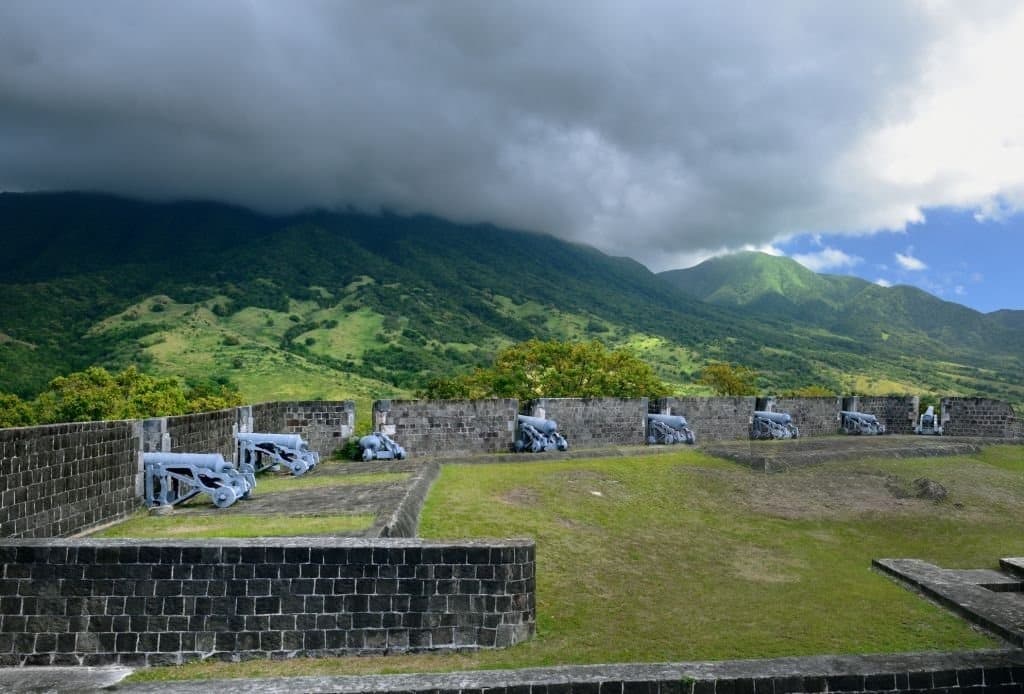
1690: The Start of a Project That Would Last More Than a Century
The construction of Brimstone Hill Fortress began in 1690. That year, the British set up cannons on the hilltop in order to recapture Fort Charles from the French. The site was then gradually expanded, in successive phases, until the 1790s. This construction project, spanning more than a century, attests to the strategic importance of Saint-Christophe, now known as Saint Kitts. The English and French established a permanent presence on the island in the 17th century and shared control of it between 1627 and 1713. Saint Kitts thus became one of the first footholds for their colonial ambitions in the region.
At that time, the Caribbean territories were generating considerable wealth for the European powers. The ports, plantations, and shipping routes had to be protected. Given its scale, Brimstone Hill was a testament both to British military power and to the economic value placed on the island.
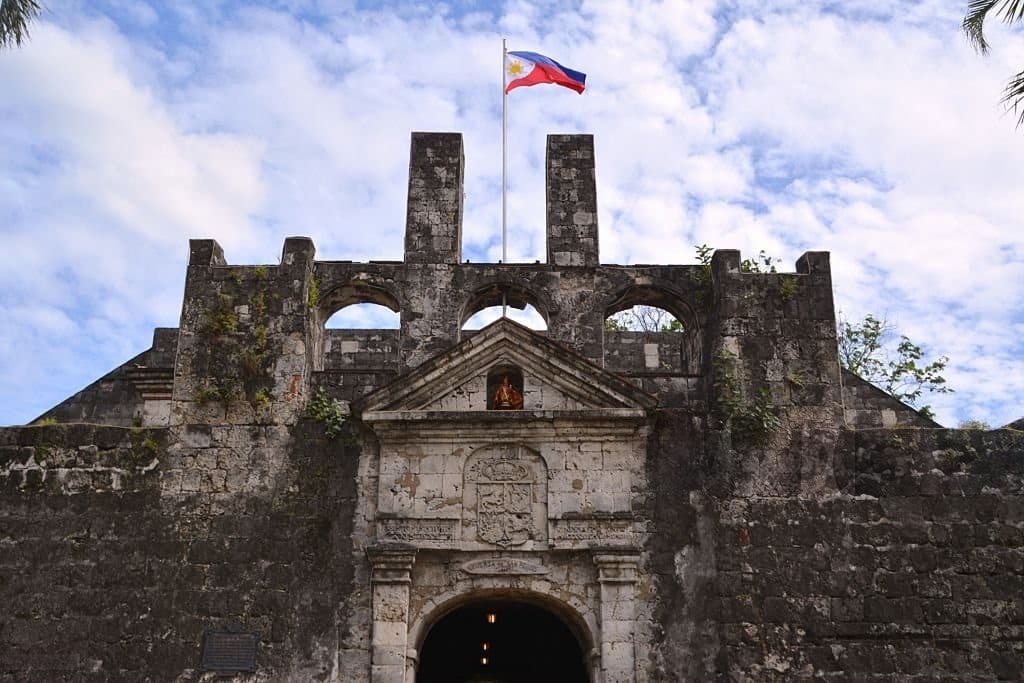
British architecture, a project imposed on Africans
The fortress’s architecture met the requirements of British military engineers. Yet the people who transported the materials, quarried the rock, and built the walls were primarily enslaved Africans. This reality lies at the heart of the historical value recognized by UNESCO. Brimstone Hill Fortress It is not only a remarkable example of 17th- and 18th-century military architecture; it also bears witness to European colonial expansion, the transatlantic slave trade, and the emergence of new societies in the Caribbean.
To present the site as merely a British feat would therefore overlook an essential part of its history. Its architecture is also the result of the strength, skill, and endurance of enslaved workers, who were subjected to particularly harsh conditions on the steep slopes.

Fort George, the defensive heart of the fortress
At the summit stands Fort George, the monumental heart of the complex. Built on one of the two highest points, it comprised barracks, storage areas, artillery positions, and spaces arranged around a central courtyard. Fort George is one of the oldest surviving British examples of a so-called “polygonal” fortification system. Unlike forts dominated by large, projecting bastions, this design better conformed to the terrain and provided multiple defensive angles. Several restored rooms now house a museum dedicated to the site’s history.
A large cistern built beneath one of the rooms was used to collect and store water. According to the ICOMOS assessment, it was still being used as the park’s main water source at the time of the UNESCO nomination review.

From Military Use to World Heritage Site
After several generations of occupation, British troops left the fortress in 1853. The complex gradually lost its military function, and several buildings fell into ruin. A restoration movement took shape in the 20th century. The Society for the Restoration of Brimstone Hill was founded in 1965. Now known as the Brimstone Hill Fortress National Park Society, it manages the park on behalf of the government and the people of Saint Kitts and Nevis.
In 1999, UNESCO inscribed the site on the World Heritage List under criteria III and IV. The protected area covers 15.37 hectares and remains one of the best-preserved historic fortified complexes in the Americas.

Brimstone Hill Fortress: A Memory to Face Head-On
From the ramparts, the landscape can make you forget, for a moment, the violence of history. Yet every wall serves as a reminder of colonial conflicts, rivalry between empires, and the forced labor that made the site’s construction possible. Preserve Brimstone Hill Fortress…it means preserving much more than just a former military outpost. It means passing on a heritage that showcases, all at once, the architectural ingenuity, the European ambitions, and the experiences of the Africans who built the fortress. This leaves one crucial question: How can we admire such a monument without separating its beauty from the lives sacrificed to build it?
Brimstone Hill Fortress is located in the northwest of the island of Saint Kitts, in the country of Saint Kitts and Nevis. The fortress overlooks the coast from a steep volcanic hill.
Brimstone Hill Fortress has been a UNESCO World Heritage Site since 1999. The site is recognized for its remarkable British military architecture and for its role in documenting colonization, the transatlantic slave trade, and the labor of enslaved Africans.
Brimstone Hill Fortress was designed by British military engineers. Its construction and maintenance relied primarily on forced labor provided by enslaved Africans between the late 17th century and the 18th century.
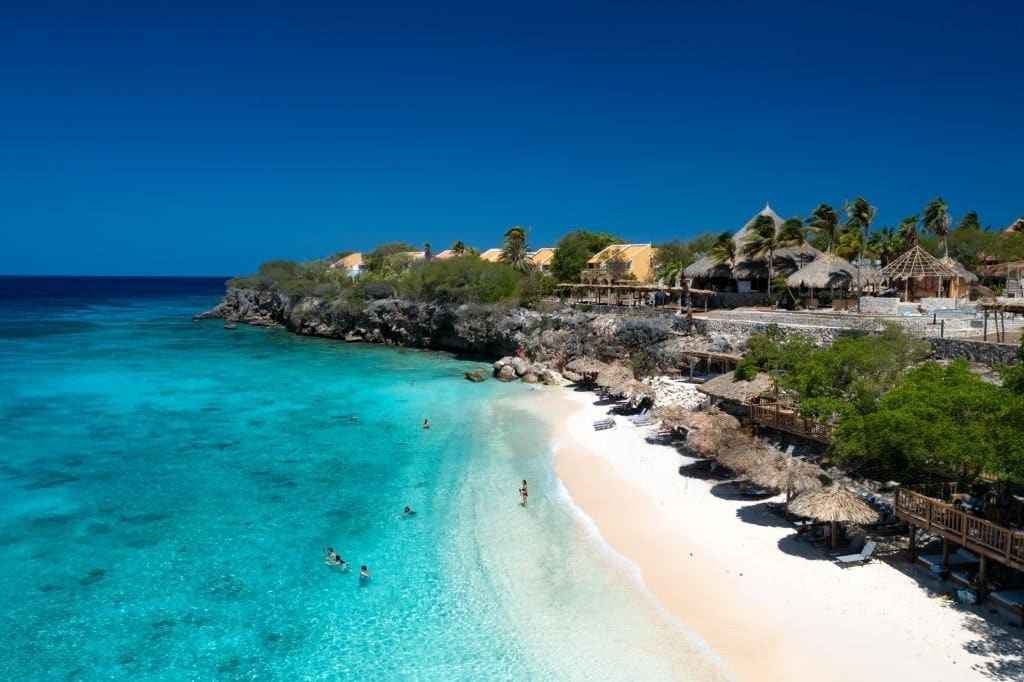
For the first time, Curaçao welcomed more than 400,000 overnight tourists during the first six months of a year. Between January and June 2026, the island recorded 437,086 visitors, a 9% increase compared to the same period in 2025. This is a historic figure. But it doesn’t yet tell the whole story: how can this growth create more value for residents, local businesses, and the island?
Curaçao Reaches a New Milestone
The month of June confirmed this trend. The island welcomed 62,867 overnight visitors, compared with 57,413 a year earlier. These arrivals generated 497,426 overnight stays, up 12%, while the average length of stay reached 7.9 nights. This detail is important. A destination doesn’t just benefit when it attracts more travelers. It benefits most when those visitors stay longer, shop at local businesses, dine at restaurants, choose local activities, and spend their money beyond the major tourist complexes.
In June, 54% of travelers stayed in hotels or resorts, compared with 46% who stayed in alternative accommodations. This near-parity shows that tourism Curaçao is no longer limited to traditional housing providers. It opens up opportunities for smaller providers, but also raises questions about short-term rentals and access to housing.
Markets that don't experience the island in the same way
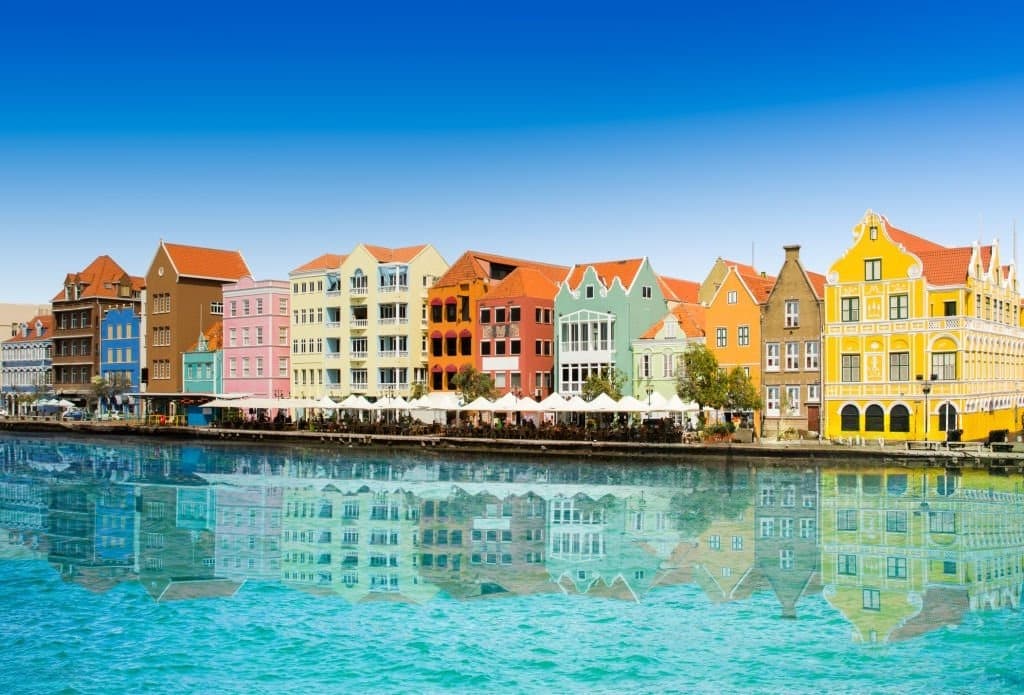
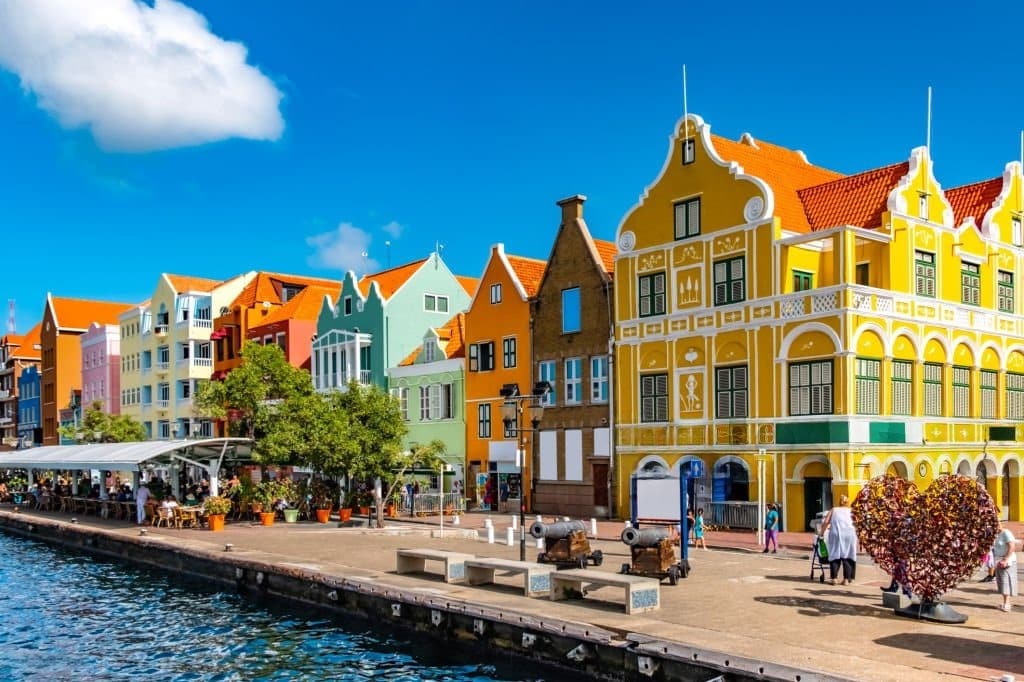
The Netherlands remains the top source market for tourism. In June, 20,029 Dutch visitors stayed on the island, a 22% increase from the previous year. Their average length of stay was 12.1 nights, significantly longer than that of American or Colombian visitors. The United States ranked second with 16,070 arrivals, despite a 6% decline. According to the Curaçao Tourist Board, this temporary decline is believed to be linked in part to residents who traveled to follow the national team during the World Cup. Some of the available airline seats were reportedly used for departures from the island during that time.
Colombia, for its part, continues to gain momentum, with 7,144 visitors in June—a 24% increase. This growth underscores the geographic proximity of Curaçao along with South America and the growing role of Latin American markets.


A more diverse audience
For the first half of the year as a whole, the Netherlands accounted for 31% of arrivals, ahead of the United States at 27%. Canada and Colombia each accounted for 7%, Brazil for 5%, and Argentina for 4%. This diversification reduces dependence on a single source of travelers. It also requires tourism stakeholders to adapt flight routes, the languages used, cultural offerings, and the services provided. For the island, therefore, the challenge is no longer simply to attract more tourists. It is to better understand their profiles, their travel habits, and their actual contribution to the local economy.

A record alone is not enough to measure success
Tourism supports the hospitality industry, restaurants, transportation, and numerous services. But a rapid increase in visitor numbers also leads to greater demand for water, energy, transportation, housing, and waste management. This is where the record takes on a different nature. It becomes an indicator of success, but also a test of capacity. An island can welcome more visitors while undermining its ecological balance if infrastructure, skilled jobs, and local resources do not keep pace.
The real added value will therefore be seen elsewhere: in the number of jobs created, the portion of spending that stays in the local economy, the growth of local businesses, and the preservation of cultural heritage.


Beyond the Numbers: The Question of the Model
The first half of 2026 confirms Curaçao’s international appeal. Markets are diversifying, overnight stays are on the rise, and the average length of stay is increasing. But the next key indicator may not be a new record for arrivals. We will need to assess what this growth actually means for residents. Welcoming 437,086 visitors in six months is a historic achievement. Turning this visitor traffic into a sustainable driver of growth for Curaçao would be an even greater success.
Curaçao welcomed 437,086 overnight visitors between January and June 2026. This represents a 9% increase compared to the same period in 2025 and is the best first half-year for tourism the island has ever recorded.
The Netherlands remains Curaçao’s largest market, followed by the United States. Canada, Colombia, Brazil, and Argentina are also contributing to tourism growth, reflecting a gradual diversification of visitors.
This growth supports the hospitality, restaurant, and transportation sectors, as well as many local businesses. However, it also increases the demand for housing, water, energy, transportation, and waste management. The main challenge, therefore, is to turn this record growth into sustainable benefits for residents and the local economy.
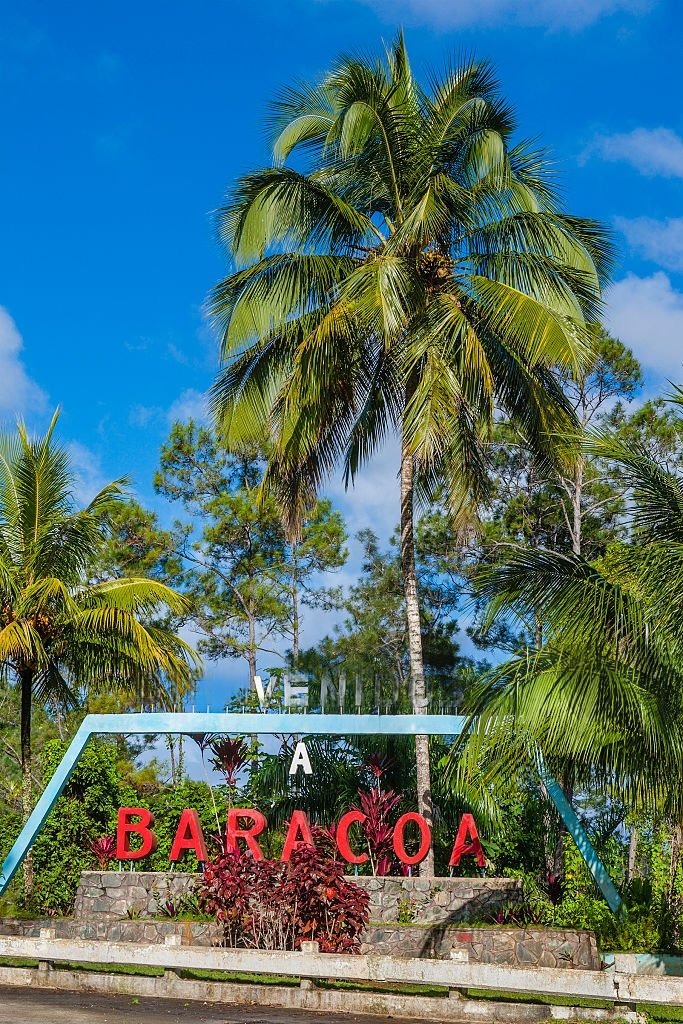
Founded in 1511, Baracoa was Cuba’s first colonial city. Yet it wasn’t until December 1965 that it gained a modern road connection to the rest of the country. The 454 years between these two dates tell the story of a geography that protected, slowed, and profoundly shaped the identity of the “Ciudad Primada.”
A road suspended between the mountain and the precipice
On La Farola, the drive never feels like just an entry into the city. The road clings to the slopes of the Sagua-Baracoa mountain range, winds through a series of curves, and overlooks valleys covered in vegetation. For drivers, every turn serves as a reminder of the same fact: reaching Baracoa by land was long a challenge.
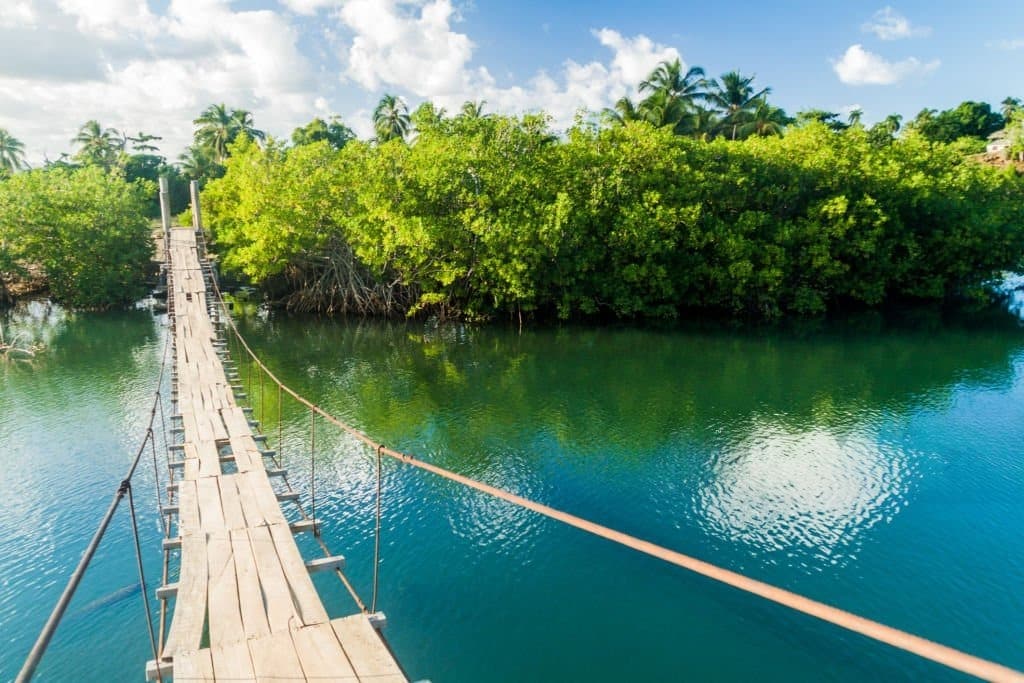
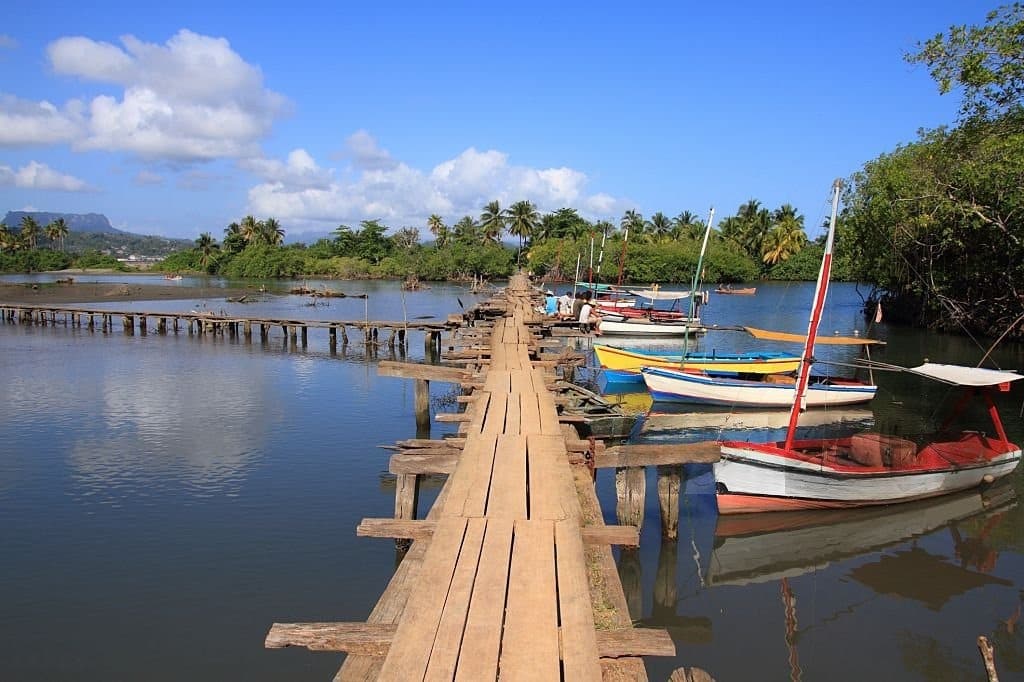
The city is located at the eastern tip of Cuba, between the Atlantic Ocean and a mountainous range that is difficult to cross. This location has given it spectacular scenery, but it has also limited overland travel for centuries. Baracoa was not cut off from the world: the sea, trails, and local trade maintained connections. However, it lacked a continuous road network comparable to those in the rest of the island.
1511: Cuba's first city
Diego Velázquez founded Nuestra Señora de la Asunción de Baracoa in 1511. Official Cuban sources describe it as Cuba’s first town, first capital, and first episcopal see. It also retains its original location, another unique feature among the island’s earliest Spanish settlements.
This status might have led one to imagine a city that would quickly become a hub of national trade. History took a different turn. After colonial power shifted to other cities, Baracoa remained isolated behind its mountains. Its coastal presence remained essential, while its hinterland developed its own agricultural, dietary, and cultural practices.
This relative isolation helped, in particular, to strengthen the role of cacao and coconut in the local economy. Even today, these crops are closely associated with Baracoa, right down to its recipes and rural landscapes.

36 kilometers built in 20 months
The transition began in April 1964. Construction on the La Farola Viaduct began to create a road through the mountain range. The project spanned 36 kilometers and was completed in December 1965, after twenty months of work. Construction crews are facing steep slopes, ravines, heavy rains, and landslides. Some operations are carried out on steep slopes, with limited space for heavy equipment. The challenge, therefore, is not just to build a road, but to maintain a stable course through a wet and rugged mountain.
In 1997, La Farola was named one of the seven wonders of Cuban civil engineering. This recognition captures its technical significance, but not its full human significance. The road finally established a regular land connection between Baracoa, Guantánamo, and the rest of the country. It facilitates the movement of people, goods, and services, without negating the constraints of the terrain.


Biodiversity that also explains isolation
The mountains surrounding Baracoa are not merely an obstacle. They are part of one of the most remarkable natural areas in the Caribbean. The Cuchillas del Toa Biosphere Reserve covers 208,305 hectares, including 6,013 hectares of marine area. UNESCO has identified 928 endemic species there. These figures offer a different perspective on La Farola. The road crosses a region whose inaccessibility has likely helped preserve exceptional ecosystems. While opening up the area has made Baracoa more accessible, it has also raised a long-term question: How can we improve mobility without compromising what makes the region unique?


What 454 Years Have Left Behind in Baracoa
La Farola has changed Baracoa’s relationship with Cuba, but it has not turned the city into just another tourist destination. Its architecture, agricultural traditions, relationship with the sea, and mountainous surroundings still bear the marks of a history shaped far from the major thoroughfares.
Perhaps that is the real takeaway. Baracoa didn’t just wait for a road for 454 years. During that time, it developed an identity strong enough to survive its opening to the outside world. Sixty years after La Farola, the challenge is no longer simply to reach the city. It is to figure out how to better connect it without diminishing the unique character that its isolation helped shape. This has become a central issue for its cultural and environmental future.
Baracoa is considered Cuba’s first colonial city, as it was founded in 1511 under the name Nuestra Señora de la Asunción de Baracoa. It was also the island’s first capital and one of its earliest administrative and religious centers. However, its location between the Atlantic Ocean and the mountains of eastern Cuba limited its development by land for several centuries.
La Farola is a mountain road built between 1964 and 1965 to connect Baracoa to the rest of Guantánamo Province and Cuba. Approximately 36 kilometers long, it winds through rugged terrain marked by ravines, steep slopes, and heavy rainfall. Its opening put an end to Baracoa’s long-standing isolation from the rest of the country and facilitated the movement of people, services, and goods.
Baracoa offers insight into how centuries of isolation have shaped a unique local identity. The city is particularly known for its cacao, coconuts, historic architecture, and mountainous surroundings. Travelers can also explore La Farola, take in the views dominated by El Yunque, and discover a region near the Cuchillas del Toa Biosphere Reserve.
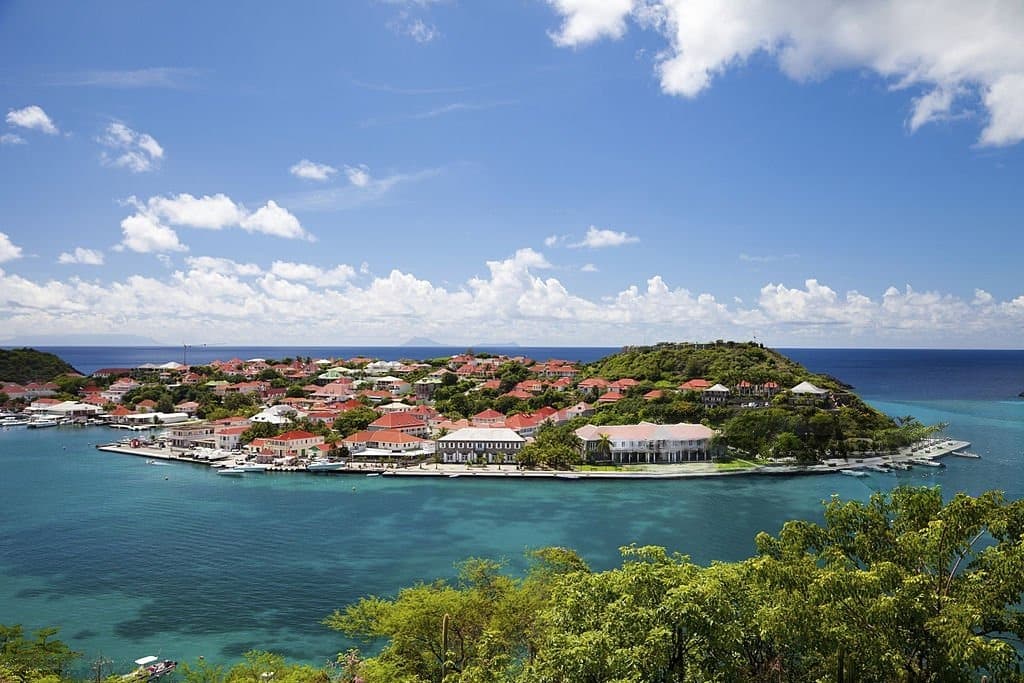
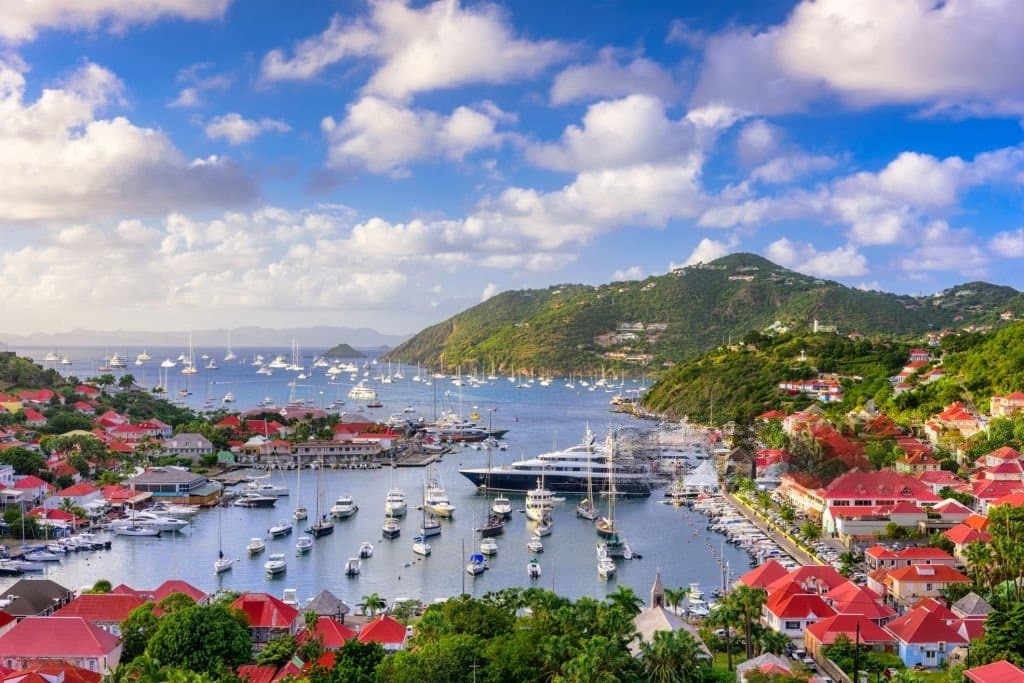
When you arrive in Saint-Barthélemy, the first thing you see as you disembark is the name of the capital: Gustavia. Not Sainte-Anne, not Saint-Jean, not a French name. Gustavia. This name marks the beginning of one of the Caribbean’s most unique colonial chapters: that of a French island that became Swedish for nearly a century.
A small island long considered unprofitable
With an area of 21 square kilometers and a population of 10,660 according to INSEE’s reference population figures as of January 1, 2023, Saint-Barthélemy has a multi-layered history. Christopher Columbus was the first known European navigator to report sighting the island in 1493, during his second voyage. He named it after his brother Bartolomeo.
The French established a permanent settlement there in 1648. Philippe de Longvilliers de Poincy, lieutenant general of the American Islands, sent Jacques Gante there with 52 men. Conditions were difficult. There was a shortage of fresh water, and the limited land available prevented the development of a large-scale sugar industry comparable to that of the neighboring islands. The inhabitants primarily cultivated cassava, yams, indigo, and tobacco, while also engaging in fishing and livestock farming.
However, this economy was not immune to the Caribbean slave system. The 1671 census already attests to the presence of enslaved Black men, women, and children, who were employed alongside free residents.
Saint-Barthélemy comes under Swedish sovereignty
The turning point came on July 1, 1784. The France of Louis XVI and the Sweden of Gustav III signed an agreement transferring the island to the Swedish kingdom. In exchange, France obtained trade privileges in the port of Gothenburg. The transfer took effect in March 1785, with the arrival of the Swedish governor Salomon von Rajalin.
The town of Carénage was then renamed Gustavia, in honor of King Gustav III. On September 7, 1785, it was granted free port status. The economic landscape changed rapidly: thanks to its neutrality and strategic regional location, the port welcomed ships from several powers involved in the conflicts in the Atlantic. The island was briefly occupied by the British from 1801 to 1802, before being returned to Sweden.
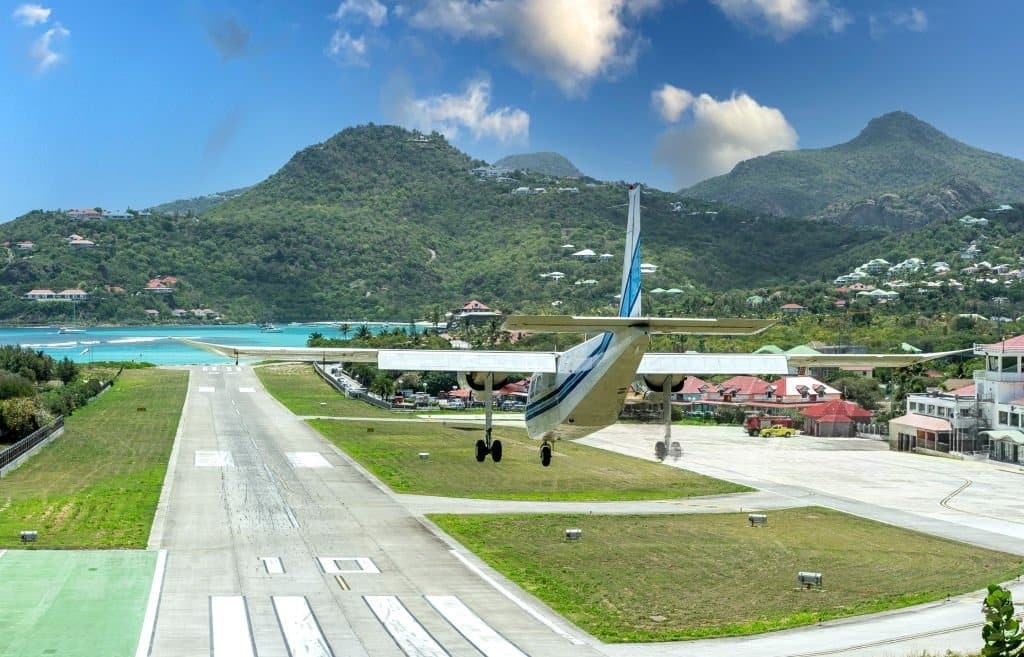
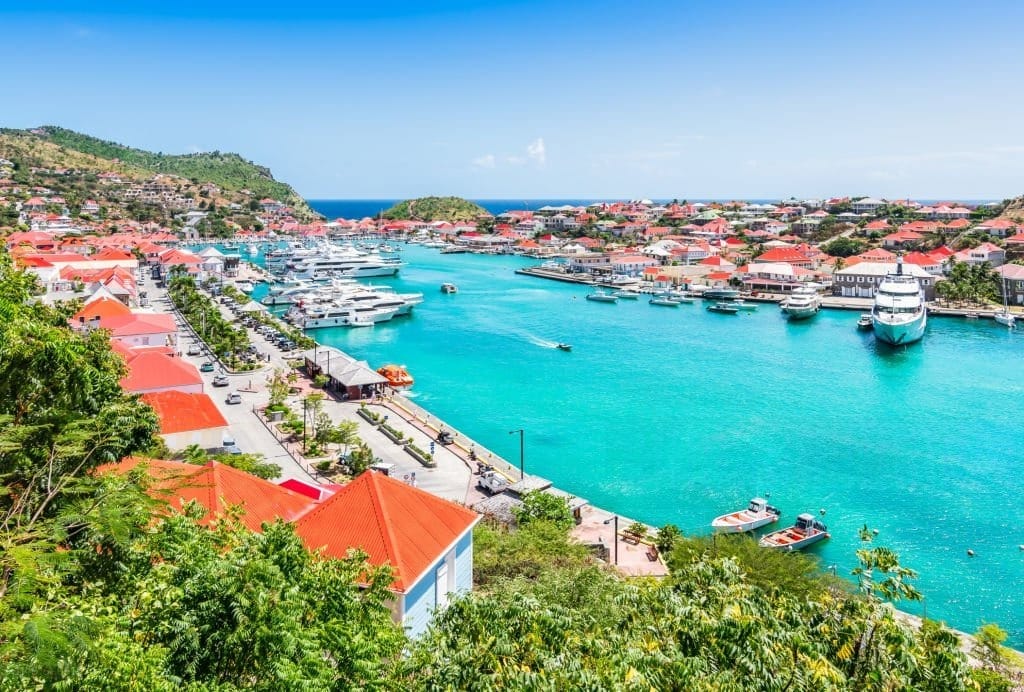
Around 1800, Saint-Barthélemy had a population of about 6,000, including nearly 5,000 in Gustavia. Stone and wooden buildings lined the streets, while Forts Gustaf, Karl, and Oscar protected the harbor. French and English were the dominant languages in everyday communication. Swedish remained primarily associated with the administration and a community of immigrants from the kingdom, which, according to the local museum, never exceeded 127 people at any one time.
But this prosperity was also built on slavery. As early as 1787, Swedish authorities enacted legislation governing enslaved people, and enslaved workers helped build Gustavia. Slavery was not abolished until October 9, 1847.

From Commercial Decline to a Return to France
Beginning in the 1820s, trade in Gustavia began to decline. The end of major European conflicts reduced the importance of the neutral port. Droughts, hurricanes, and epidemics further worsened the situation. On March 2, 1852, a fire destroyed 135 houses and much of southern Gustavia.
By the end of the 19th century, the administration of the island had become an increasing burden for Stockholm. A local referendum was held in 1877: of the 351 votes cast, 350 supported a return to France. On March 16, 1878, the Swedish flag was lowered, and Saint-Barthélemy officially became part of France once again.
A Swedish legacy that remains visible to this day
This period has not disappeared from the landscape. The name Gustavia, the forts, certain buildings, and several urban landmarks still serve as reminders of Swedish rule. The main archival collection from this period is now held at the National Overseas Archives in Aix-en-Provence, while the SweCarCol university project has digitized a significant portion of it.
The island subsequently underwent further institutional changes. Following the 2003 referendum, it left the departmental and regional framework of Guadeloupe in 2007 to become an overseas collectivity. Since 2012, it has been an overseas country and territory associated with the European Union, while retaining the euro.
Today, with its focus on luxury tourism, Saint-Barthélemy also stands as a testament to a history where trade, sovereignty, slavery, and urban memory intersect. Behind the name Gustavia, how many visitors still grasp the full story this capital city tells?


Saint-Barthélemy came under Swedish sovereignty following a treaty signed in 1784 between the France of Louis XVI and the Sweden of Gustav III. In exchange for the island, France secured trade privileges in the port of Gothenburg. The transfer took effect in March 1785. For Sweden, this possession served as a commercial foothold in the Caribbean.
Saint-Barthélemy remained under Swedish sovereignty from 1784 to 1878—nearly a century. Swedish administration took effect in 1785, while the official return to France occurred on March 16, 1878. A referendum held in 1877 had overwhelmingly approved this return.
The capital of Saint Barthélemy is named Gustavia in honor of King Gustav III of Sweden. Under Swedish rule, the former Carénage was transformed into a free port and became an important regional commercial center. The name Gustavia, the Gustaf, Karl, and Oscar forts, and several other urban landmarks still serve as reminders of this period.
In Andros, the water doesn’t just surround the island—it opens it up. With 178 documented blue holes on land, at least 50 at sea, and 162 km² protected by the Blue Holes National Park, this Bahamian island tells its story through its depths as much as through its shores.
An island cut through by water
On Andros, the landscape may seem simple at first glance. Pine trees, mangroves, quiet roads, scattered villages, and the clear waters of the Bahamas. But beneath this tranquil surface, the island hides something else: a network of blue holes—deep water openings that lead to caves and underground passages.
So when visitors arrive near Captain Bill’s Blue Hole, they aren’t just looking at a round pool surrounded by trees. They’re looking at a gateway. Beneath it, the water tells a story older than the beaches—a story of limestone, rain, rising seas, and caves that filled up after the last ice age.

178 blue holes on land, at least 50 at sea
The number is staggering: Andros has 178 documented blue holes on land and at least 50 at sea. This is the highest known concentration in the Bahamas. It is a geological signature. Blue holes form in limestone. Freshwater dissolves the rock, opens fissures, widens passages, and eventually creates cavities. When sea levels rise, some caves fill with water. From the surface, sometimes all that remains is a dark circle. Beneath it lies a vertical world.
The island is the largest in the Bahamas and also one of the most mysterious. Its true architecture isn’t always visible from the road. Part of the island lies beneath our feet, beneath the roots, and beneath the water.
A 162-square-kilometer park to protect the deep sea
In 2002, Blue Holes National Park was established on North Andros. It covers 40,000 acres, or approximately 162 km². This scale matters. It shows that the blue holes are not treated as mere isolated curiosities, but as a natural system that must be protected. The park protects several blue holes, freshwater reservoirs, and pine and coppice forests. It is also home to 22 inland blue holes considered to be unique. Around them, trees, birds, insects, and groundwater all contribute to a delicate balance.
At Captain Bill’s Blue Hole, the depth exceeds 30 meters. A walkway, a gazebo, and a designated access point allow visitors to approach the site. But the experience isn’t limited to jumping into the water. This place serves as a reminder that every blue hole is fragile. The upper layer may be soft, the water denser at depth, and the chemical balance depends on what falls into it.


Worlds We Can't See from the Beach
Andros’s value lies precisely in what is not immediately apparent. In some blue holes, fresh water and saltwater meet. Between the two, a unique zone traps leaves, organic debris, and bacteria. Rare species or those adapted to these conditions can live there, sometimes in very confined spaces.
This gives Andros a richness that differs from the classic image of the Bahamas. Here, beauty isn’t limited to the horizontal blue of the sea. It extends downward. It plunges deep. It compels us to think of the Bahamas as an archipelago of cavities, water reservoirs, hidden ecosystems, and geological memories.
This natural wealth remains vulnerable. Blue holes have sometimes been used as dumping grounds. This action may seem harmless when viewed from the surface, but it can disrupt a very delicate balance. A bottle, a tire, or pollutants don’t just end up in a water hole—they enter a living system.


Andros, the Other Hidden Gem of the Bahamas
The island attracts visitors with its ocean, fishing, diving, and the tranquility of its natural landscapes. But its greatest draw may lie elsewhere: beneath its surface lies an exceptional concentration of gateways to the underground world.
That’s what makes Andros unique. Its blue holes are not mere attractions. They tell the story of an island shaped by water, protected by science, and inhabited by subtle balances. At a time when destinations often seek to showcase what glitters, Andros poses a deeper question: what is a place worth when its greatest treasure lies beneath the surface?


Andros is known for its exceptional concentration of blue holes—water-filled cavities that open up in the limestone. The island has 178 documented blue holes on land and at least 50 in the sea. This unique feature sets Andros apart in the Bahamas, as much of its natural identity lies beneath the surface.
Blue Holes National Park is located in North Andros, in the Bahamas. Established in 2002, it covers 40,000 acres, or approximately 162 km². The park protects several blue holes, freshwater reservoirs, pine forests, coppice areas, and fragile groundwater-dependent ecosystems.
The blue holes offer a different perspective on Andros—one that goes beyond that of a mere beach destination. They tell the story of an island shaped by water, limestone, and changes in sea level. They also reveal hidden ecosystems, fragile balances, and a different side of the Bahamas—one that is more scientific, more geological, and more unique.
