Martinique – The Cocoa and Chocolate Village 2025 : a treasure trove of excellence

Cocoa and Chocolate Village 2025

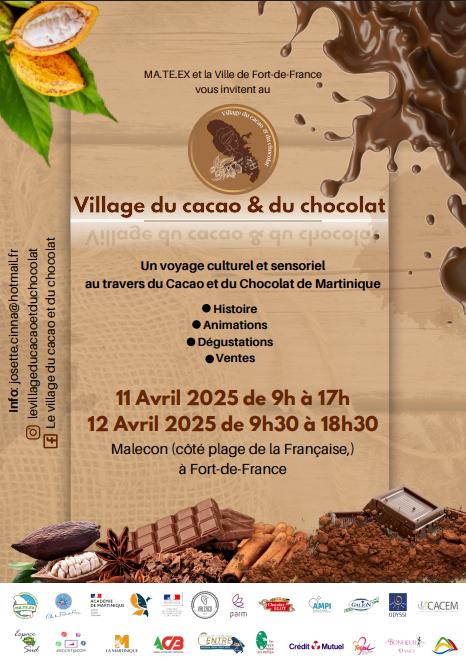
Cocoa and Chocolate Village 2025 was a unique event featuring one of Martinique’s most precious treasures: cocoa. Cocoa and Chocolate Village 2025 was held on April 11 and 12, 2025 at the Malecon in Fort-de-France, and invited all audiences to understand the world of cocoa, from its cultivation to its transformation into chocolate, as well as its rich history and place in Caribbean culture.

Cocoa, the jewel of Martinique

Martinique’s cocoa is renowned for its exceptional quality, the fruit of a unique terroir and ancestral know-how. Yet this treasure remains little-known, both in its history and in its uses. The Cocoa and Chocolate Village 2025, organized by the association Martinique Territoire d’Excellence (MA.TE.EX) in partnership with the City of Fort-de-France, aims to change this by offering a free, accessible and content-rich event. The aim of the Cocoa and Chocolate Village 2025 was clear: to promote cocoa as a cultural, economic and educational driving force in Martinique.

Cocoa and Chocolate Village 2025

The history and cultivation of cocoa in Martinique

Cocoa arrived in Martinique at the beginning of the 17th century, notably in 1615, where it was quickly appreciated at the French Court as a luxury product. Its history is closely linked to the triangular trade, which left its mark on the region. Today, this history is taught in schools, such as the Collège de Rivière-Saint-Louis, where pupils took part in interdisciplinary projects combining history, French and cooking. They made plastic pods, wrote poems and cooked recipes using cocoa and local spices, passing on the cultural richness of cocoa.

The cocoa industry : from pod to chocolate

The path of cocoa to chocolate is a real journey. It all begins with the pod, the colourful fruit that contains the beans of cocoa. These beans are first extracted and then fermented for several days, a process that raises their temperature to 55 degrees, essential for developing the aromas. They are then dried in the sun for around ten days, before being roasted over a wood fire, a step that releases the characteristic flavours of the cocoa.

This painstaking work is carried out by producers grouped together under the umbrella of the Valcaco association, which promotes the value of local cocoa. The final transformation into chocolate requires the addition of ingredients such as sugar, hazelnuts and spices like cinnamon and nutmeg, creating unique flavors.

Cocoa and Chocolate Village 2025

The Karisko association and the ludification of Caribbean heritage

The Karisko association plays an essential role in promoting Caribbean heritage through an educational and participatory approach. Its name, which means “the Caribbean”, recalls 4000 years of daily history. Karisko offers board games, escape games and group activities for all audiences, from children to works councils.

It also owns the Kanawa boat and manages the La Ramée islet, both of which are open to visitors. During the Cocoa and Chocolate Village 2025, Karisko led workshops such as “Merveilleuse Caraïbe” under the Caribbean constellations, offering an immersive experience combining heritage, culture and transmission.

Sustainable agriculture and biodiversity in cocoa farming

Growing cocoa in Martinique is part of an environmentally-friendly approach. A common practice is to combine cocoa trees with banana trees, which conserve water and provide shade and humidity, creating a microclimate favorable to cocoa tree growth. This natural association limits the use of chemicals.

This is complemented by other crops such as coffee and pole-thorn, creating a three-dimensional farm that promotes biodiversity. The droppings of animals such as sheep and chickens are used as natural fertilizers, further strengthening the ecological balance. This sustainable approach is essential to preserving Martinique’s terroir and guaranteeing the quality of our cocoa.

The Cocoa and Chocolate Village 2025 : an educational and festive event

Cocoa and Chocolate Village 2025 was organized around four themes: taste, science, history and fun. The taste section featured tastings and demonstrations by chocolate and pastry makers. The scientific section explained farming techniques and environmental issues. The historical section retraced the history of the cocoa through exhibitions created by students and cultural institutions. Last but not least, the entertainment section offered traditional games, shows and musical entertainment, including a concert by Bèlèrumba Proj’ect. Over 30 schools took an active part, reinforcing the educational and intergenerational dimension of the event.

Cocoa and Chocolate Village 2025

The Cocoa Village, a lever for local development and Caribbean pride

Cocoa and Chocolate Village 2025 was much more than just a gourmet event. It proved to be a real lever for promoting the cocoa. It was also a vehicle for cultural transmission and a driving force for local economic development. By combining ancestral know-how, educational innovation and ecological commitment, this event embodied the richness and pride of the Caribbean. Whether you’re an expert, an amateur or simply curious, the Cocoa and Chocolate Village 2025 rediscovered a treasure that is the heartbeat of Martinique.

Leave a Reply

Your email address will not be published. Required fields are marked *

More articles from RK

Marcus Garvey
HISTORY & HERITAGE
Tolotra

Jamaica – Marcus Garvey, Jamaican hero of international renown

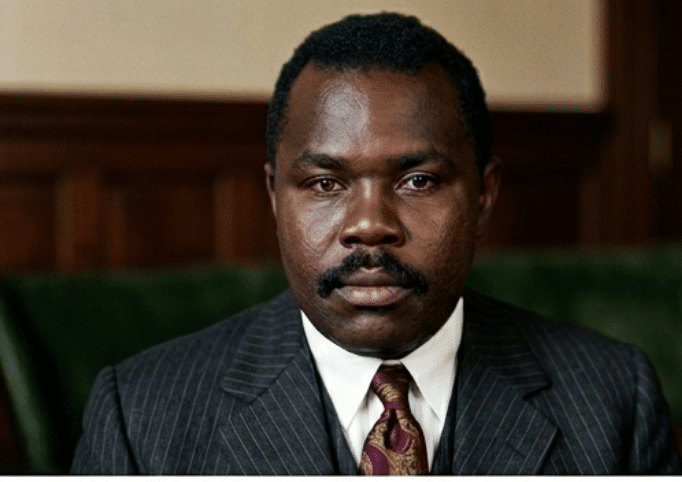
Marcus Garvey remains one of the most influential figures to emerge from the Caribbean. Born in Jamaica at the end of the 19th century, he transformed a local experience into a political and cultural project of international scope. At a time when black populations faced deeply rooted systems of exclusion, Marcus Garvey proposed a structured vision based on dignity, organization and autonomy. Recognized today as a national hero in Jamaica, he is much more than a historical symbol. His story helps us understand how the Caribbean helped shape major intellectual and political movements on a global scale. His name continues to circulate in contemporary debates on identity, memory and the development of societies born out of colonial history. From Jamaican origins to the formation of a committed conscience He was born on August 17, 1887 in St. Ann’s Bay, Jamaica, into a modest family. Very early on, he developed a
Read More »
BlueSeas Festival
EVENT MANAGEMENT
Tolotra

BlueSeas Festival: in Curaçao, Pietermaai becomes the epicenter of Caribbean blues in 2026

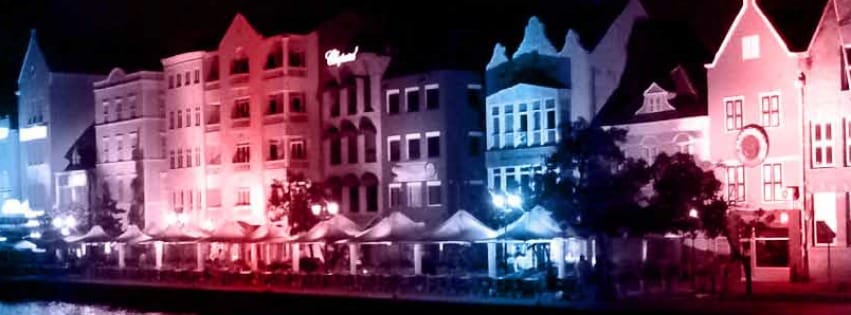
From April 2 to 4, 2026, Curaçao hosts another edition of the BlueSeas Festival a musical event that is gradually establishing itself as one of the most unique cultural events in the Caribbean. Free, open and rooted in the urban space, the festival goes far beyond simple musical programming to become a genuine territorial experience. Right from the opening night, Thursday April 2 at Kura Hulanda Village, the mood is set: the blues settle into a heritage setting, before taking full possession of the Pietermaai district on April 3 and 4. This two-stage format structures an immersive experience in which music, architecture and local life are seamlessly interwoven. A free festival that transforms the city into an open-air stage The BlueSeas Festival is based on the principle of offering free concerts in public spaces. This choice is not insignificant. It widens access to live music, while creating direct interaction between
Read More »
Le vodou : Haïti au cœur d’une candidature patrimoniale majeure avec le Bénin
COOPERATION
Tolotra

Vodou: Haiti at the heart of a major heritage bid with Benin

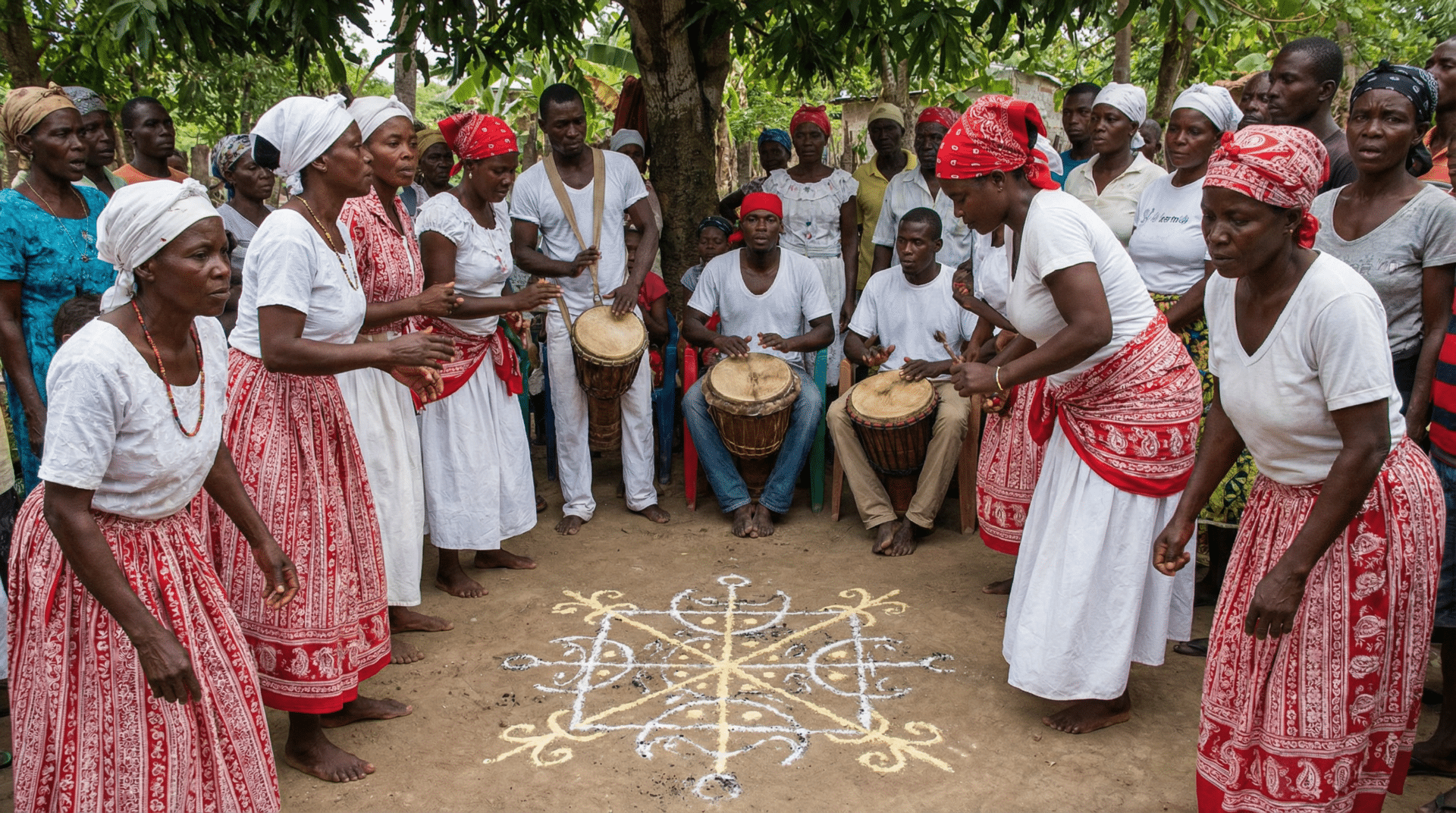
The vodou is entering a new phase in its international history. The joint candidacy of Haiti and Benin for inscription on the Representative List of the Intangible Cultural Heritage of Humanity places centuries of memory, transmission and creation at the heart of a global heritage debate. The deadline set by UNESCO for applications to be examined in 2027, and submitted before March 31, 2026, places this initiative within a precise and structured institutional calendar, but the stakes go far beyond the administrative procedure. For the Caribbean, and Haiti in particular, this candidacy is no mere cultural formality. It’s about recognizing a living heritage, often misunderstood, sometimes caricatured, but deeply rooted in the country’s social, artistic and spiritual history. Vodou is not a fixed folklore; it is a cultural matrix, a way of organizing the link between generations, communities and the sacred. To place it within an international heritage dynamic is
Read More »

conTACT RK

we'd love to have your feedback on your experience so far

Join The List

Join our Richès Karayib community!  Sign up for our newsletter.

Want To Maximize Your Business Presence On Riches Karayib?

Complete the form to start the application