February 24, 1895 remains one of the most decisive dates in Cuba ‘s history. On that day, several uprisings broke out simultaneously across the island, marking the official start of the last war of independence against Spain. The event is often referred to as the Grito de Bairenamed after one of the localities where the insurrection was proclaimed.
But it would be a mistake to reduce this date to a mere military trigger. February 24, 1895 embodies a major political moment for the Caribbean: when a strategic colony decided to take up arms to build its sovereignty. The day was the result of years of preparation, debate and commitment, both in the field and in exile.
A long-standing struggle for independence
To understand the significance of February 24, 1895, we need to remember that Cuba did not begin its struggle against Spain on that day. The island had already fought a long war of independence between 1868 and 1878, followed by a shorter attempt at the end of the 19th century. These conflicts failed to achieve a definitive break with the colonial power, but they did profoundly transform Cuban society.
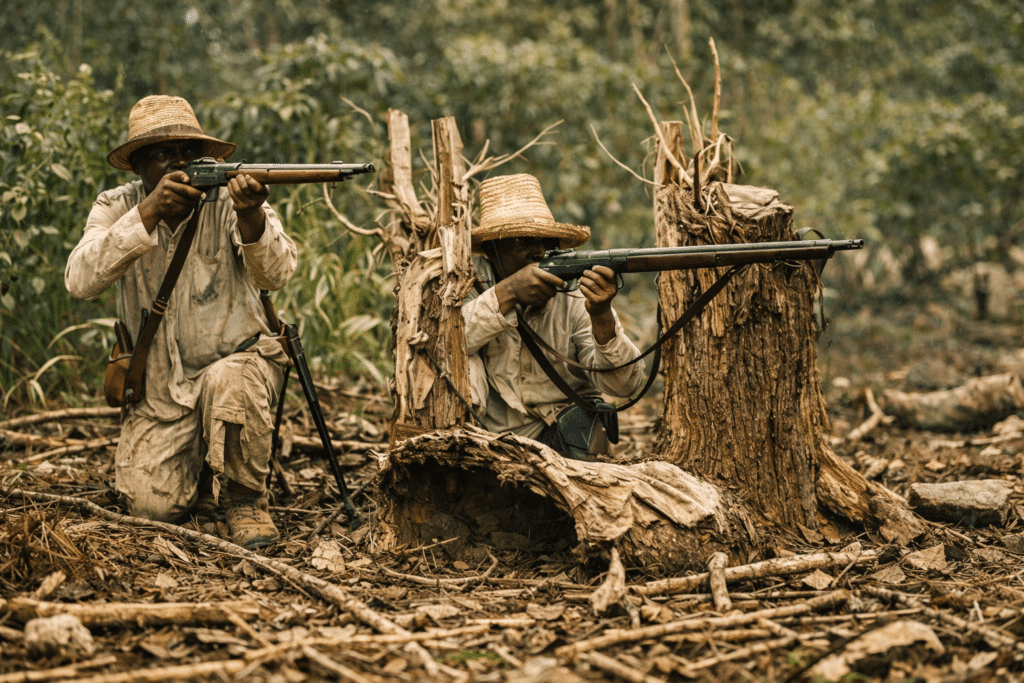
The years that followed were marked by high political tension, an economic crisis linked to sugar, and growing frustration with Madrid’s promised but rarely implemented reforms. Against this backdrop, the idea of a new war gradually took hold. It would no longer be an isolated revolt, but a coordinated and structured offensive. On February 24, 1895, insurrection broke out in several regions of the island, particularly in the east, where economic inequality was high and anti-colonial sentiment particularly strong. The simultaneous uprising in numerous localities officially marked the start of the Second Cuban War of Independence.
José Martí: the political architect of the uprising
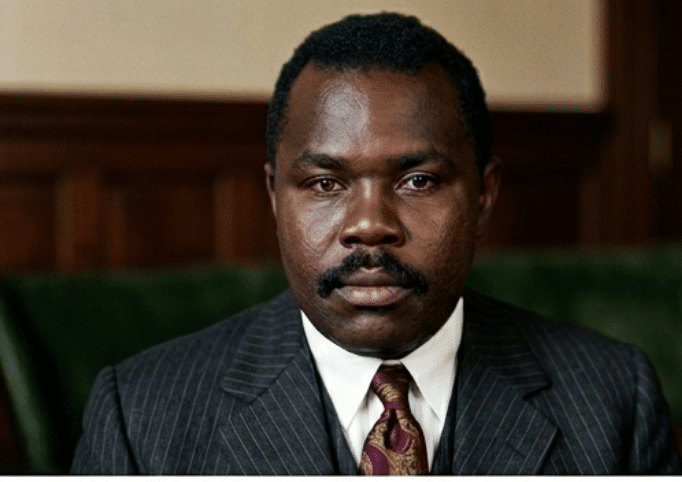
Behind the February 24, 1895 organization stands a central figure: José Martí. Poet, journalist and political strategist, José Martí played a decisive role in preparing for the war. Founder of the Cuban Revolutionary Party in 1892, he worked to unify the pro-independence forces and prepare an insurrection capable of succeeding where previous ones had failed.
From exile, particularly in the United States, José Martí mobilized the Cuban diaspora, raised funds and built a solid political network. He saw the war not only as a historical necessity, but also as a social project. His objective was not simply to drive Spain out: he wanted to build an independent republic, capable of preserving its sovereignty in the face of outside influences.
February 24, 1895 marked the culmination of this long-term effort. The insurrection he had helped organize was unleashed in several regions of the island, in accordance with a strategy that had been months in the making. A few weeks later, José Martí reached Cuban territory to take part directly in the fight. He died on May 19, 1895 during the battle of Dos Ríos, becoming one of the most emblematic figures in Cuban national history.


An organized, structured war
Alongside José Martí, experienced military leaders took the lead. They include Máximo Gómez and Antonio Maceo veterans of previous wars and recognized strategists. Their experience enabled them to structure the independence army and adopt tactics adapted to the terrain. The war first developed in the east of the island, before gradually spreading westwards. The insurgents used mobility and guerrilla warfare to weaken the outnumbered Spanish forces.
Despite difficult beginnings in some regions, the movement quickly became organized. By the end of 1895, the independence forces controlled a significant part of the territory and proclaimed the Republic of Cuba in arms.
A war with regional consequences
The conflict that broke out on February 24, 1895 quickly spread beyond the island. Spanish repression, notably the setting up of concentration camps to isolate insurgents from the civilian population, provoked strong international emotion. The situation drew the attention of the United States, which already had a strong economic presence in the region. In 1898, the explosion of the battleship USS Maine in Havana set off the Spanish-American War. Spain is defeated and loses its last major colonies in the Caribbean.
Cuba officially gained independence in 1902, although its sovereignty remained under American influence for several decades.

Why is this date so important today?
February 24, 1895 is not just about Cuban history. It sheds light on the entire trajectory of the Caribbean. At the end of the 19th century, the region was at a turning point: European empires were gradually declining, while new powers were asserting themselves. For Cuba, this date symbolizes the desire to exist politically and culturally as a nation. It is a reminder that independence is often the result of a long process of attempts, failures and reruns.
For the Caribbean, she reminds us that national struggles have always been linked to regional and international dynamics. Exile networks, the circulation of ideas and solidarity between territories played a decisive role in the struggle for sovereignty. Even today, February 24, 1895 remains a major reference point in Cuba’s collective memory. It embodies the determination of a people to define its future and defend its identity.
February 24, 1895 marked the start of Cuba’s last war of independence against Spain. Several uprisings broke out simultaneously in the east of the island, notably in Baire, giving rise to the so-called Grito de Baire. This insurrection was not improvised: it was the result of years of political organization by Cuban independence fighters, determined to put an end to Spanish colonial domination. The war led to Spain’s defeat in 1898, and paved the way for Cuba’s official independence in 1902.
José Martí was one of the main political architects of the Cuban War of Independence launched in 1895. Founder of the Cuban Revolutionary Party in 1892, he worked to unify the independence forces and organize preparations for the uprising. José Martí was not content with patriotic rhetoric: he developed a precise vision of a sovereign, socially balanced Cuban republic. He joined the fight in 1895 and died a few months later, becoming a founding figure of Cuban national identity.
The war of February 24, 1895 went beyond the strict framework of Cuba, as it was part of a broader movement of anti-colonial struggles in the Caribbean at the end of the 19th century. The war helped weaken the Spanish presence in the region, and altered the geopolitical balance in the Caribbean. It also preceded the Spanish-American War of 1898, which permanently transformed the balance of power in the Caribbean basin. This date provides an insight into how local dynamics in Cuba had regional and international repercussions.