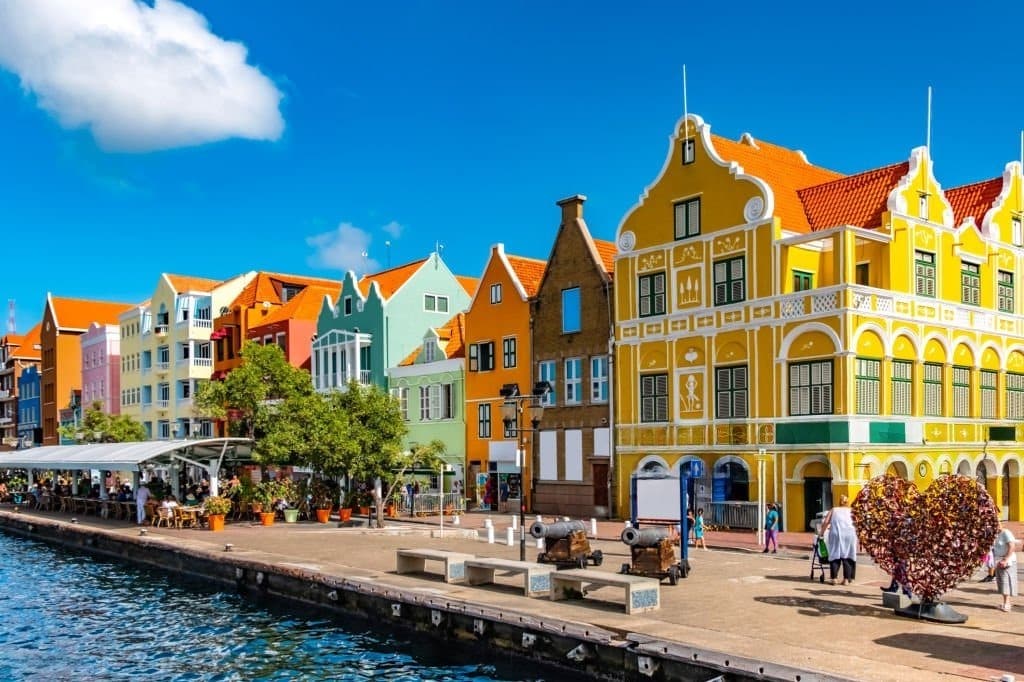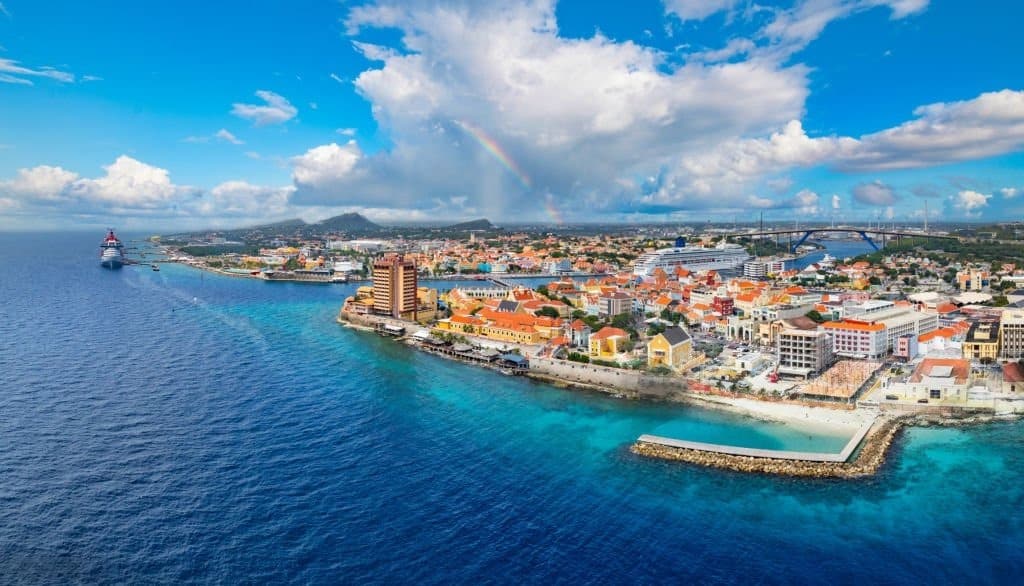
For the first time, Curaçao welcomed more than 400,000 overnight tourists during the first six months of a year. Between January and June 2026, the island recorded 437,086 visitors, a 9% increase compared to the same period in 2025. This is a historic figure. But it doesn’t yet tell the whole story: how can this growth create more value for residents, local businesses, and the island?
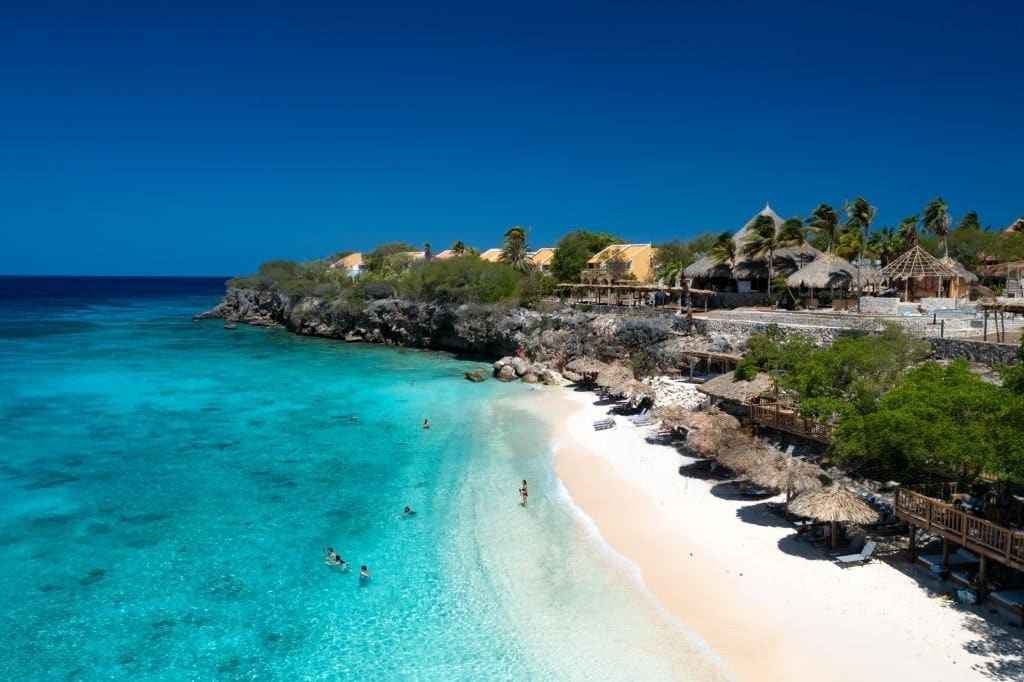
Curaçao Reaches a New Milestone
The month of June confirmed this trend. The island welcomed 62,867 overnight visitors, compared with 57,413 a year earlier. These arrivals generated 497,426 overnight stays, up 12%, while the average length of stay reached 7.9 nights. This detail is important. A destination doesn’t just benefit when it attracts more travelers. It benefits most when those visitors stay longer, shop at local businesses, dine at restaurants, choose local activities, and spend their money beyond the major tourist complexes.
In June, 54% of travelers stayed in hotels or resorts, compared with 46% who stayed in alternative accommodations. This near-parity shows that tourism Curaçao is no longer limited to traditional housing providers. It opens up opportunities for smaller providers, but also raises questions about short-term rentals and access to housing.
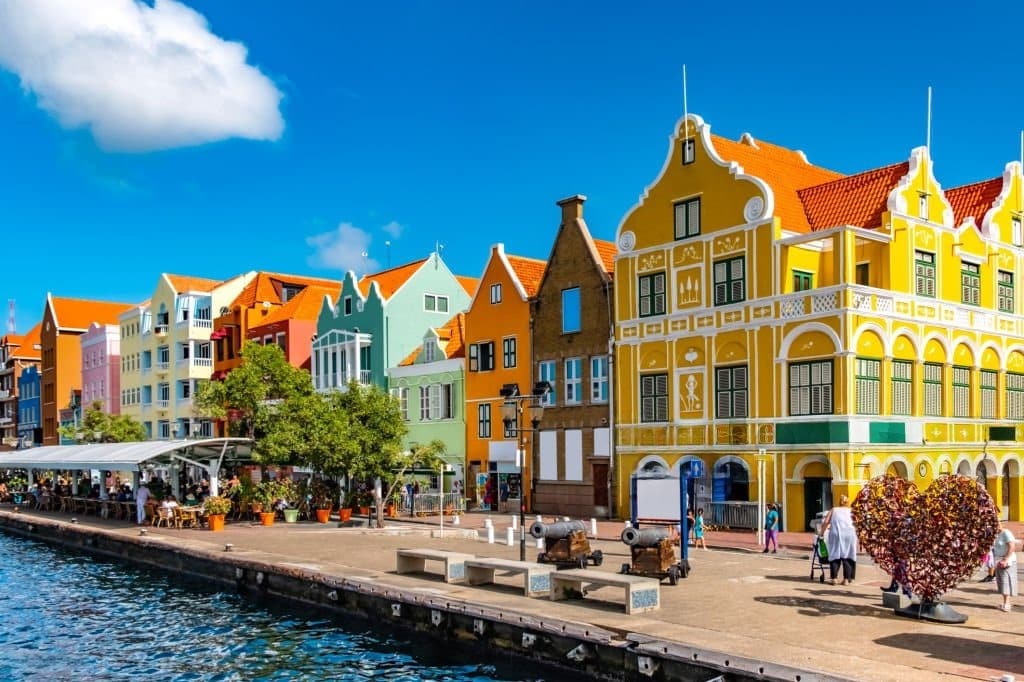
Markets that don't experience the island in the same way
The Netherlands remains the top source market for tourism. In June, 20,029 Dutch visitors stayed on the island, a 22% increase from the previous year. Their average length of stay was 12.1 nights, significantly longer than that of American or Colombian visitors. The United States ranked second with 16,070 arrivals, despite a 6% decline. According to the Curaçao Tourist Board, this temporary decline is believed to be linked in part to residents who traveled to follow the national team during the World Cup. Some of the available airline seats were reportedly used for departures from the island during that time.
Colombia, for its part, continues to gain momentum, with 7,144 visitors in June—a 24% increase. This growth underscores the geographic proximity of Curaçao along with South America and the growing role of Latin American markets.


A more diverse audience
For the first half of the year as a whole, the Netherlands accounted for 31% of arrivals, ahead of the United States at 27%. Canada and Colombia each accounted for 7%, Brazil for 5%, and Argentina for 4%. This diversification reduces dependence on a single source of travelers. It also requires tourism stakeholders to adapt flight routes, the languages used, cultural offerings, and the services provided. For the island, therefore, the challenge is no longer simply to attract more tourists. It is to better understand their profiles, their travel habits, and their actual contribution to the local economy.

A record alone is not enough to measure success
Tourism supports the hospitality industry, restaurants, transportation, and numerous services. But a rapid increase in visitor numbers also leads to greater demand for water, energy, transportation, housing, and waste management. This is where the record takes on a different nature. It becomes an indicator of success, but also a test of capacity. An island can welcome more visitors while undermining its ecological balance if infrastructure, skilled jobs, and local resources do not keep pace.
The real added value will therefore be seen elsewhere: in the number of jobs created, the portion of spending that stays in the local economy, the growth of local businesses, and the preservation of cultural heritage.


Beyond the Numbers: The Question of the Model
The first half of 2026 confirms Curaçao’s international appeal. Markets are diversifying, overnight stays are on the rise, and the average length of stay is increasing. But the next key indicator may not be a new record for arrivals. We will need to assess what this growth actually means for residents. Welcoming 437,086 visitors in six months is a historic achievement. Turning this visitor traffic into a sustainable driver of growth for Curaçao would be an even greater success.
Curaçao welcomed 437,086 overnight visitors between January and June 2026. This represents a 9% increase compared to the same period in 2025 and is the best first half-year for tourism the island has ever recorded.
The Netherlands remains Curaçao’s largest market, followed by the United States. Canada, Colombia, Brazil, and Argentina are also contributing to tourism growth, reflecting a gradual diversification of visitors.
This growth supports the hospitality, restaurant, and transportation sectors, as well as many local businesses. However, it also increases the demand for housing, water, energy, transportation, and waste management. The main challenge, therefore, is to turn this record growth into sustainable benefits for residents and the local economy.