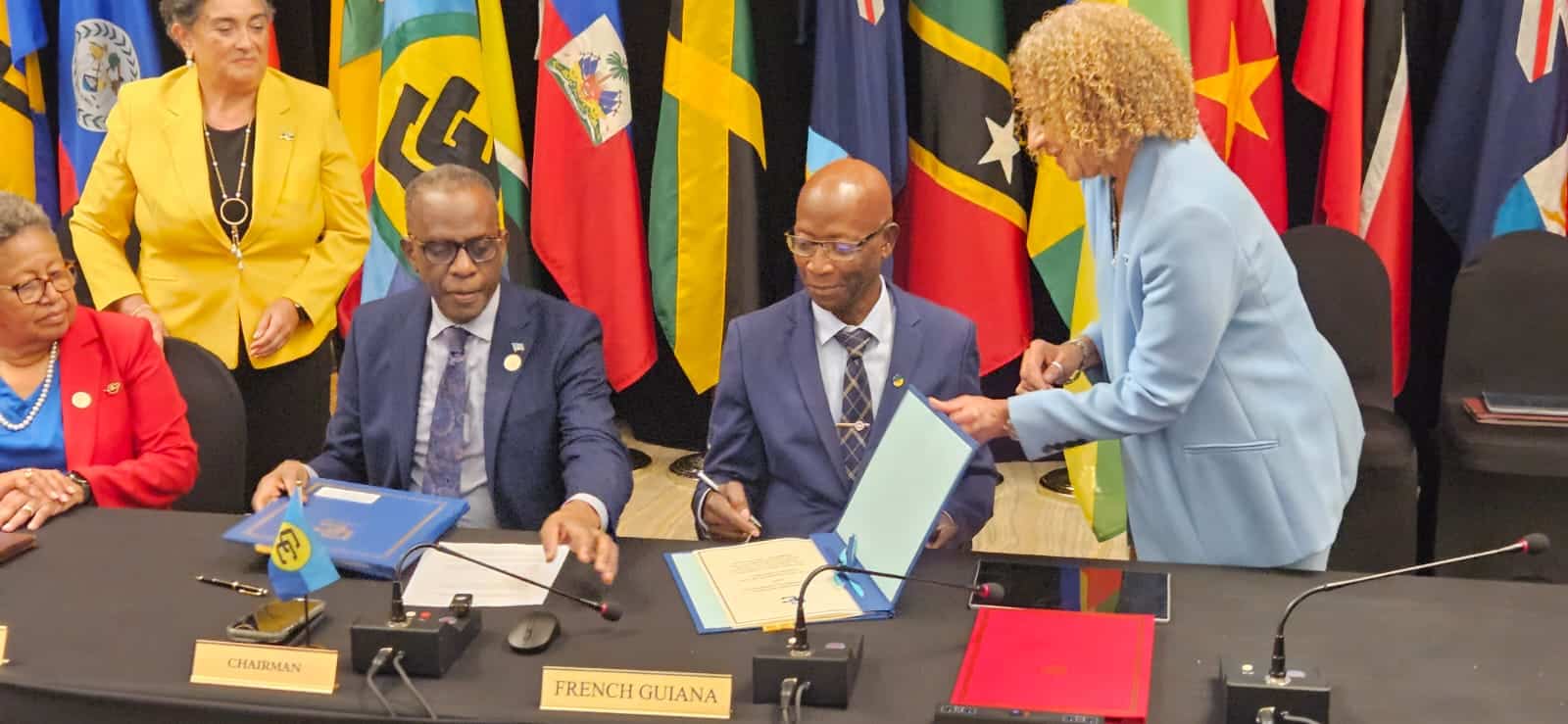
“This integration must not be reduced to a mere signature on a piece of paper.” In Saint Lucia, a few hours after French Guiana officially joined CARICOM as its eighth associate member, Gabriel Serville summarized the challenges facing the region following its accession. The president of the Territorial Collectivity of French Guiana describes the resources needed to transform this new status into meaningful and visible cooperation.
On July 7, 2026, in Gros-Islet, French Guiana signed the agreement setting forth the terms of its association with the Caribbean Community. Richès Karayib has already explained the institutional implications of this decision. The interview conducted on site now allows us to look ahead to the next step: what needs to be done to ensure that this regional presence yields concrete results?
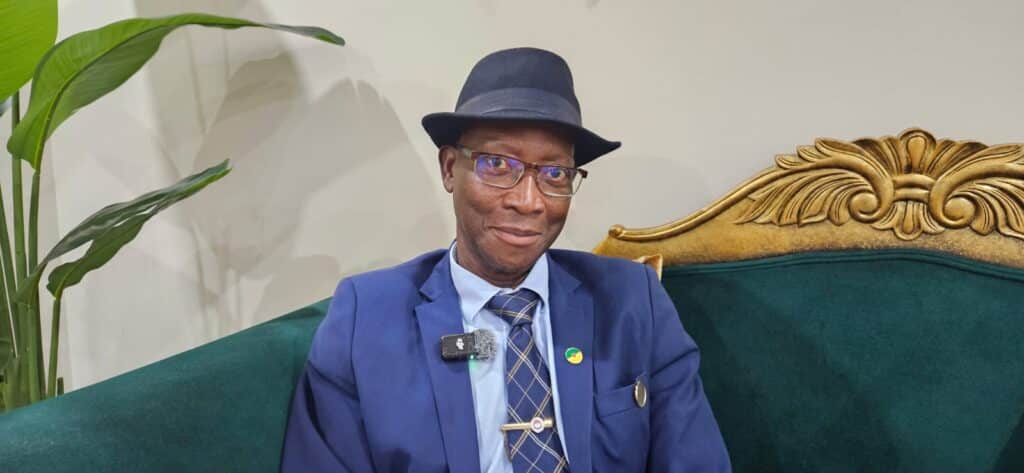
Planning for a visit after the signing
The top priority is administrative. Participating in CARICOM meetings, monitoring the committees, and advocating for French Guiana’s interests will require ongoing organization. Gabriel Serville would like to see the creation of a technical entity capable of serving as a liaison between French Guiana and the various regional bodies. This organization will need to develop the region’s positions and bring together the relevant experts. Without this ongoing effort, there would be a risk of having a headquarters without fully leveraging the opportunities it offers. Membership must therefore be an active, day-to-day commitment.
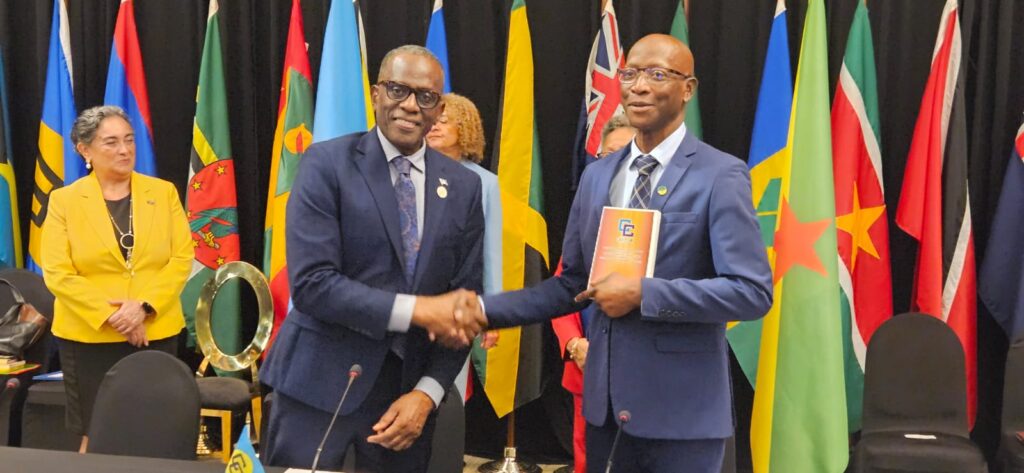
Making French Guiana a regional hub
French Guiana occupies a unique position. It is part of the French and European spheres, while also being part of the Amazon region, South America, and oriented toward the Caribbean. It already maintains direct relations with Suriname, Guyana, and northern Brazil. For Gabriel Serville, this situation could enable the region to become a hub connecting several catchment areas. This ambition requires bringing together the expertise, infrastructure, and needs of regions that still often cooperate on a sector-by-sector basis.

Health, Climate, Water, and Waste: Sharing Expertise
Several areas are cited as priorities. Research on tropical and Amazonian infectious diseases is among the areas of expertise that French Guiana could contribute to joint projects. Water management, waste treatment, and adaptation to climate change could also be areas for collaboration. The goal is both to share expertise and to learn from other CARICOM members. Each territory has its own experiences, challenges, and solutions. Pooling these resources can accelerate responses to risks that know no borders.

Train and retain more young people
Youth mobility is another area of focus. Many young people leave their home regions to find training or employment elsewhere. Gabriel Serville is calling for the creation of more opportunities in the region. Membership could eventually facilitate academic exchanges, specialized training, and career pathways. No specific measures have been announced yet. But regional integration will gain credibility if it truly improves the prospects for future generations.

MALINK and Digital Sovereignty
The digital sector already provides an example of regional cooperation. French Guiana officially joined the Caribbean Telecommunications Union in May 2026 as an associate member. This membership is intended to promote direct exchanges on telecommunications, cybersecurity, and network resilience.
Gabriel Serville also mentions the MALINK submarine cable and a future agreement between French Guiana, SPLANG, and the Surinamese operator Telesur. He presents this project as a way to diversify connections, secure access to bandwidth, and reduce technical dependencies. In his view, control over data and infrastructure is becoming a matter of sovereignty.

Space as an Area of Cooperation
With the space sector and the anticipated arrival of new operators, the territory intends to strengthen its position in the fields of micro-launchers, microsatellites, and aerospace. Gabriel Serville believes that French Guiana can play a leading role in these sectors. This ambition will need to be realized through partnerships, training programs, and applications that benefit neighboring Caribbean countries—such as climate monitoring, telecommunications, risk management, and maritime surveillance. The space sector could thus become a true regional asset.

Building a Stronger Caribbean Voice
The seventh initiative goes beyond the interests of French Guiana alone. Gabriel Serville calls for cooperation based on respect and sharing among French-speaking, English-speaking, and Spanish-speaking territories. In his view, this coordination could help small Caribbean states and territories have a greater say in international discussions.
Membership Judged by Its Initial Results
French Guiana must now build the teams, projects, and alliances that will give substance to its presence in CARICOM. The first test will not be another declaration, but the ability to develop a common project that residents can identify with. Which of these seven initiatives will yield the first visible result?
Membership allows French Guiana to participate more directly in CARICOM’s discussions and activities as an associate member. The challenge now is to translate this institutional presence into concrete projects in the areas of health, climate, training, telecommunications, and regional cooperation.
Gabriel Serville has identified several priorities: establishing a permanent representative office, strengthening cooperation in the health sector, promoting youth mobility, securing telecommunications, enhancing the MALINK cable, and positioning French Guiana in the space sector. These projects are intended to give concrete substance to the membership.
French Guiana is situated at the crossroads of several regions: France, Europe, the Amazon, the Guiana Shield, and the Caribbean. This location enables it to bring together expertise, infrastructure, and regional partners, particularly in the fields of digital technology, research, the environment, and space.