Isla Margarita: between protected lagoons, historical pearls and current challenges.

Isla Margarita

A unique island in the Caribbean

Isla Margarita, located off the Venezuelan coast, belongs to the state of Nueva Esparta, alongside the islands of Coche and Cubagua. Nicknamed the “Pearl of the Caribbean”, it occupies a unique place in the region’s history. At once a land of memory, a remarkable natural area and a place of contemporary contrasts, Isla Margarita illustrates the many facets of the Caribbean, past and present.

Origins linked to pearls

Isla Margarita ‘s European history began in 1498, during Christopher Columbus’s third expedition. On his arrival, the island was inhabited by the Guaiqueries, an indigenous fishing people. The Spaniards soon began exploiting the pearl deposits in the surrounding waters, giving the island its fame and its name: Margarita, Latin for “pearl”.

Over the following centuries, the wealth generated by these pearls attracted pirates and privateers. The English and Dutch attacked Spanish installations, forcing the Crown to fortify the coasts. These episodes left behind a military heritage that can still be seen today, bearing witness to the colonial rivalries that marked the Caribbean Sea.

Isla Margarita

A contrasting geography

Isla Margarita is 78 kilometers long and 20 kilometers wide, making it one of Venezuela’s largest islands. Its territory is divided into two mountain ranges linked by a low, narrow isthmus. This relief gives rise to a diversity of landscapes: arid zones to the north, green hills to the east, lagoons and mangroves along the coast.
The semi-arid tropical climate alternates between dry seasons and moderate rainfall. These characteristics explain the presence of fragile ecosystems that are essential to Caribbean biodiversity. Isla Margarita’s ecological richness makes it an area of great heritage value.

Protected lagoons and remarkable biodiversity

Among Isla Margarita’s natural gems is the La Restinga lagoon classified as a national park since 1974. This 18,000-hectare ecosystem includes canals, islets, mangroves and beaches. The fauna is abundant: fish, crustaceans, flamingos and herons make up a rich natural tableau. La Restinga is one of the island’s most emblematic sites, both for its beauty and its ecological importance.

Another protected site is the Laguna de Las Marites a listed natural monument, is distinguished by its hypersaline waters and mangroves. It is home to migratory bird species and a flora adapted to extreme conditions. These areas, though fragile, symbolize the desire to preserve vital zones in the face of urban and tourist pressures.
In the center of the island, the Cerro El Copey National Park – Jóvito Villalba protects mountain forests and freshwater springs. Rising to almost 900 metres, this massif offers a striking contrast with the arid coastal areas, confirming Isla Margarita’s ecological diversity.

A colonial heritage that's still with us

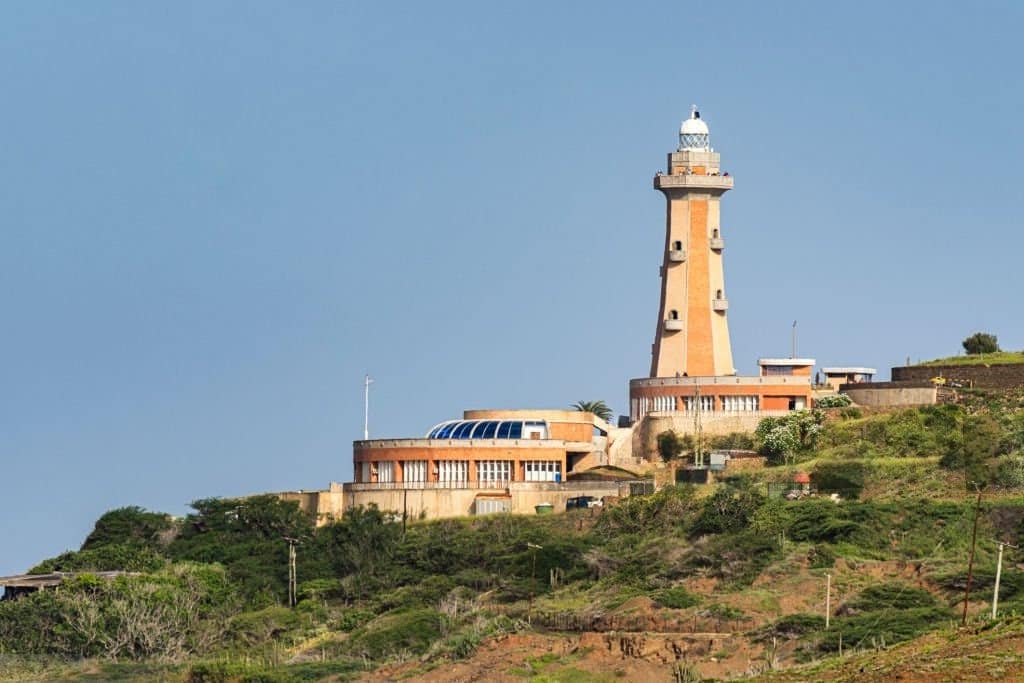
Isla Margarita’s strategic position made it a central point on colonial sea routes. Numerous fortifications remain, such as the Santa Rosa fort in La Asunción and the La Galera fort in Juan Griego. These monuments are a reminder of the frequent pirate attacks and the island’s military importance in the defense of colonial Venezuela.

The main cities also reflect this history. La Asunción the administrative capital, boasts a cathedral and streets of colonial charm. Porlamar a more modern city, has become the commercial heart of the region, thanks to its status as a free port since 1974. Juan Griego, last but not least, the city is known for its spectacular sunsets and commercial past. This urban triptych embodies the complementary relationship between memory, commerce and local life.

Isla Margarita

Tourism and the economy: a changing sector

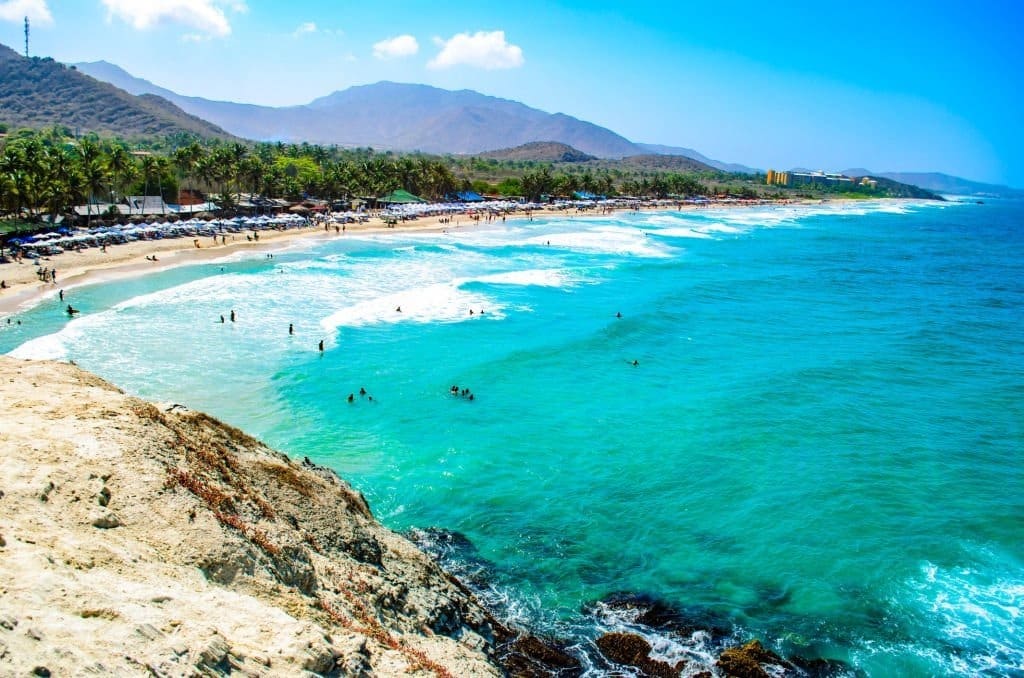
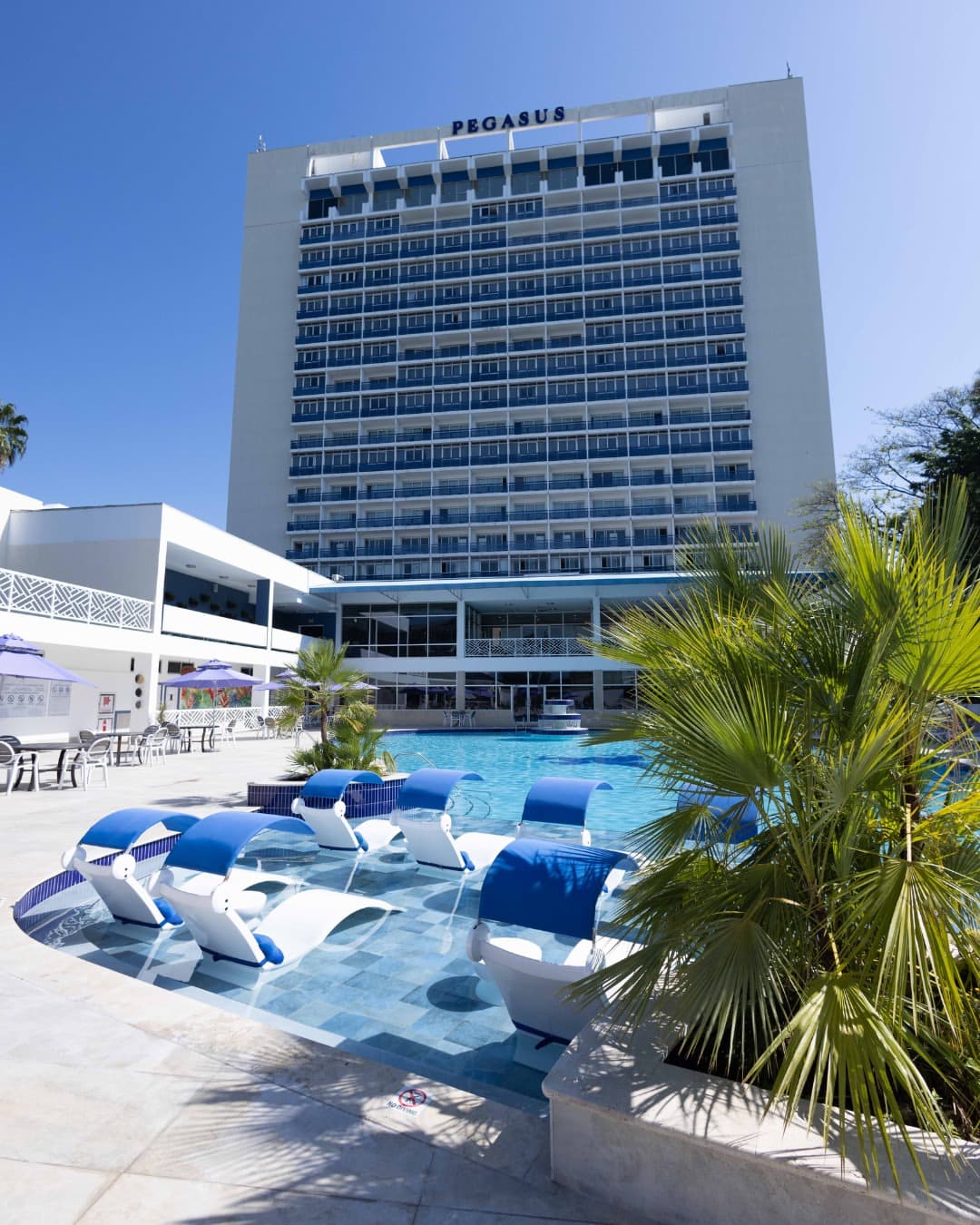
For decades, Isla Margarita has been one of Venezuela’s leading tourist destinations. Beaches such as Playa El Agua and Playa Parguito, tax-free shopping centers and natural landscapes attracted both national and international visitors.
However, the Venezuelan economic and political crisis has profoundly affected this dynamic. Visitor numbers have plummeted, some hotels and resorts have closed, and infrastructures suffer from a lack of maintenance. Despite this, Isla Margarita still has great potential: its natural assets and free port status could once again become economic levers if the country stabilizes.

Isla Margarita
©Isla Margarita
Isla Margarita
©Isla Margarita
Isla Margarita
©Isla Margarita

Cultural identity and daily life

Beyond the economy, Isla Margarita retains a strong cultural identity. Religious traditions, such as the Virgen del Valle festival, attract thousands of worshippers every year. Local music, notably the galerón margariteñoillustrates a blend of Spanish and Afro-Caribbean influences.
Gastronomy features seafood: fish, lobster, seafood and typical dishes such as torta de cazón. Local crafts, notably woodworking and basketry, also contribute to the family economy and reinforce the island’s cultural dimension. Isla Margarita remains a place where popular traditions and modernity coexist.

Isla Margarita

An island of contrasts and resilience

Isla Margarita illustrates the contemporary paradoxes of the Caribbean: an island with exceptional landscapes and a rich historical heritage, but facing major economic and political challenges. Yet the resilience of the island’s inhabitants, their attachment to tradition and their determination to preserve its natural spaces, all point to a potential renaissance.
Highlighting Isla Margarita is a reminder that the Caribbean is more than just idyllic beaches. It also means giving a voice to territories marked by history, rich in culture and with a future that depends on collective choices in terms of sustainability and governance.

Isla Margarita

Leave a Reply

Your email address will not be published. Required fields are marked *

More articles from RK

WAL FEST
EVENT MANAGEMENT
Tolotra

Guadeloupe – WAL FEST 2026: 12 frescoes to transform Le Raizet

From May 9 to 17, 2026, the Raizet district of Les Abymes will play host to WAL FEST 2026, billed as Guadeloupe’s first major urban art festival. For ten days, 15 artists from Guadeloupe and elsewhere will create 12 monumental frescoes. The aim is clear: to turn the neighborhood into a free, permanent, open-air museum. The Abymes district at the heart of the project In Raizet, the walls of the Les Esses 1, 2 and 3 residences and of Quartiers 1 and 2 of the SIG will be more than just supports. They will become the visible heart of a cultural project designed in collaboration with residents, neighborhood associations and the Raizet socio-cultural center. WAL FEST 2026 is not just about showing finished works. It wants to make visible the artistic gesture, the live work, the exchanges, the hesitations and the encounters. Co-organized by the WAL association, Wad Al Lub,

Read More »
Paramaribo
HISTORY & HERITAGE
Tolotra

Suriname – Paramaribo: over 340 years old, made of wood and still standing

When you arrive from the Suriname River, it’s not a concrete silhouette that takes shape, but a succession of white plank buildings, lined up for over three centuries. Paramaribo doesn’t have the allure of other South American capitals. It took a strange gamble: to remain made of wood. And it has kept its promise, despite fires, humidity and urban pressures. A historic center recognized by UNESCO since 2002 Traced back to 1683, it’s one of the few colonial cities in America whose historic center is still mainly built of wood. Where other capitals have replaced their colonial houses with stone or concrete buildings, Paramaribo has preserved its original street layout and much of its ancient built fabric. This persistence earned Paramaribo its inscription on UNESCO’s World Heritage List on June 29, 2002, on the basis of cultural criteria ii and iv. The fusion of Dutch architecture, European techniques, South American

Read More »
2025-2026 cruise season
TOURISM
Tolotra

The 2025-2026 cruise season in Martinique: a strong showing for the island’s tourism industry

The 2025-2026 cruise season in Martinique has come to a close on a strong note, with 568,348 passengers announced and a clear increase in patronage over the previous season. In a region where tourism relies as much on hospitality as on the quality of experiences offered ashore, these results reflect the destination’s growing presence on Caribbean itineraries. They also show that Fort-de-France, Saint-Pierre and the local players are moving in the same direction: better welcome, better orientation and better promotion of Martinique’s heritage. Two long-awaited final stops in Fort-de-France The 2025-2026 cruise season will close on Friday, April 24, 2026 with two calls to Fort-de-France. RCCL’s ship is expected to call at the Tourelles terminal with around 2,000 passengers, while Princess Cruises’ Caribbean Princess is scheduled to call at the Pointe Simon terminal with around 3,500 passengers. Most of the cruise passengers are expected to be American, between 7 a.m.

Read More »

conTACT RK

we'd love to have your feedback on your experience so far

Join The List

Join our Richès Karayib community!  Sign up for our newsletter.

Want To Maximize Your Business Presence On Riches Karayib?

Complete the form to start the application