


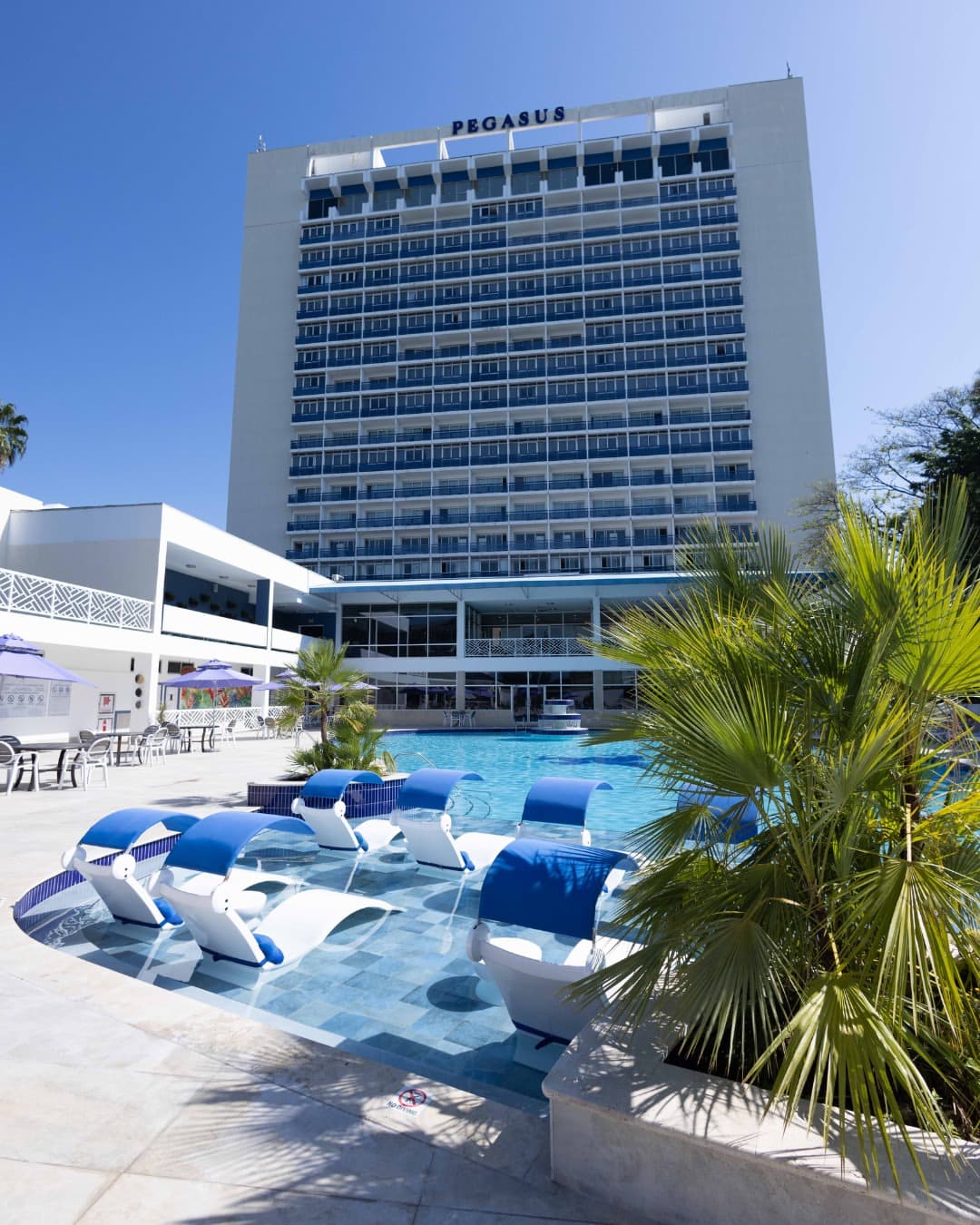

The Jamaica Pegasus has just been named the Caribbean’s Leading Business Hotel 2026 at the World Travel Awards. Before it, only one other hotel had received this title: the Hilton Barbados, in 2007. Between a hotel founded in 1968, a U.S. president, and students seeking shelter from a hurricane, here’s what this award reveals about Kingston. On October 11, 2026, in Green Island, Hanover Parish, the World Travel Awards presented their trophies for the Caribbean and the Americas. One of them made its way to Kingston. The Jamaica Pegasus was named Caribbean’s Leading Business Hotel, in other words the best business hotel in the Caribbean. As head of the Courtleigh Group, which owns the property, Kevin Hendrickson can savor a moment that has taken nineteen years to come around again. Competing with it are hotels in Cuba, Trinidad and Tobago, the Dominican Republic, and Jamaica. The Gran Hotel Manzana Kempinski
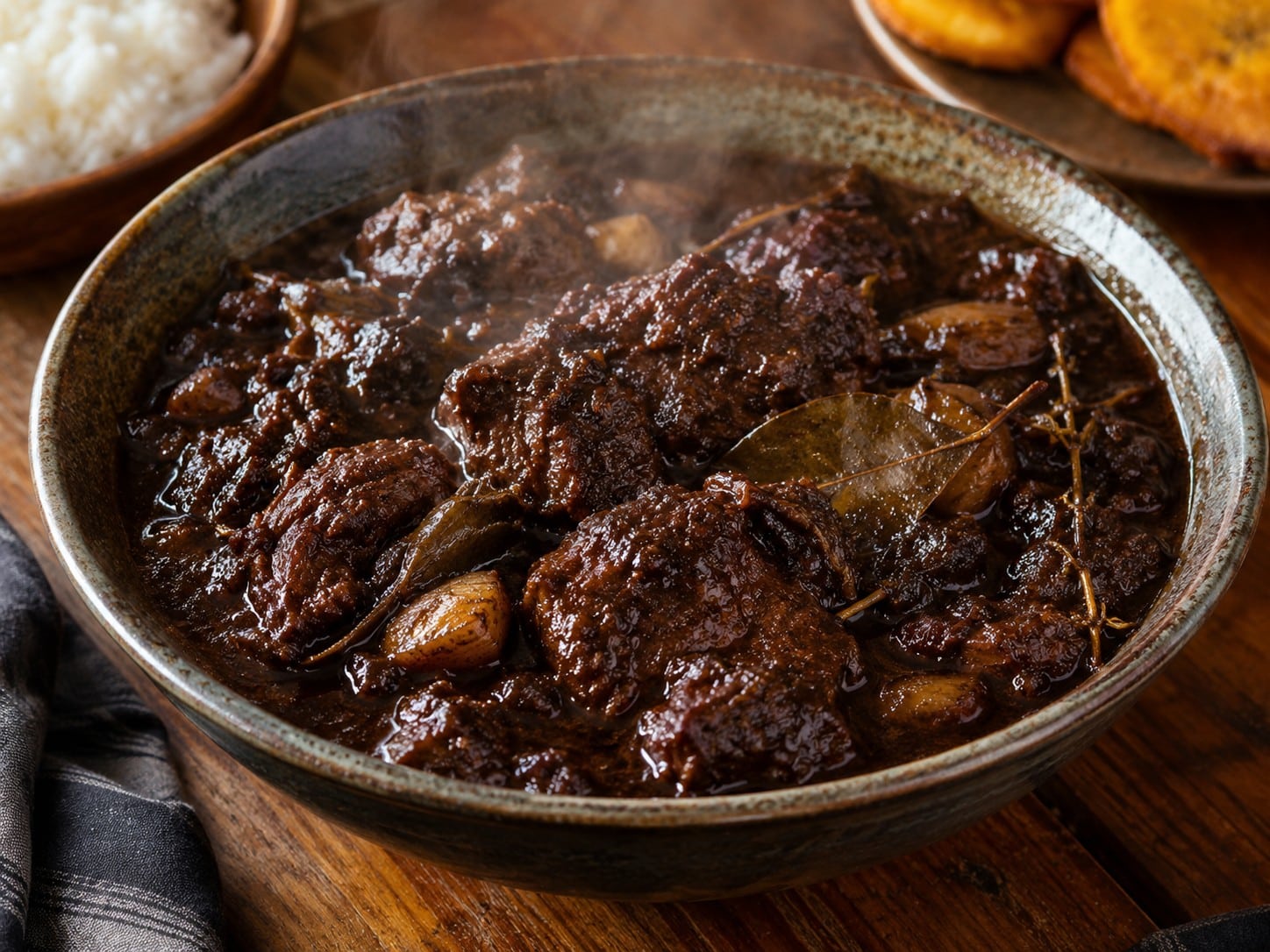
Guyanese pepperpot is a dark stew, simmered for hours with cassareep, a bitter cassava juice. Served on Christmas morning, it is reheated daily to keep it fresh. Considered the national dish, it originates from the country’s indigenous peoples. A black stew that heralds Christmas On December 25, in many Guyanese homes, people wake up to the smell of pepperpot. The pot has been simmering on the stove since the day before. The stew is thick, an almost black brown, with a flavor somewhere between bitter and sweet. It is served with plait, a braided bread, or with cassava bread, the other traditional side dish. Pepperpot, a dish of meat simmered for a long time, is considered Guyana’s national dish. Served at Christmas and New Year’s, it shares the festive table with garlic pork, black cake, and sorrel drink. In the interior of the country, some families eat it year-round. The
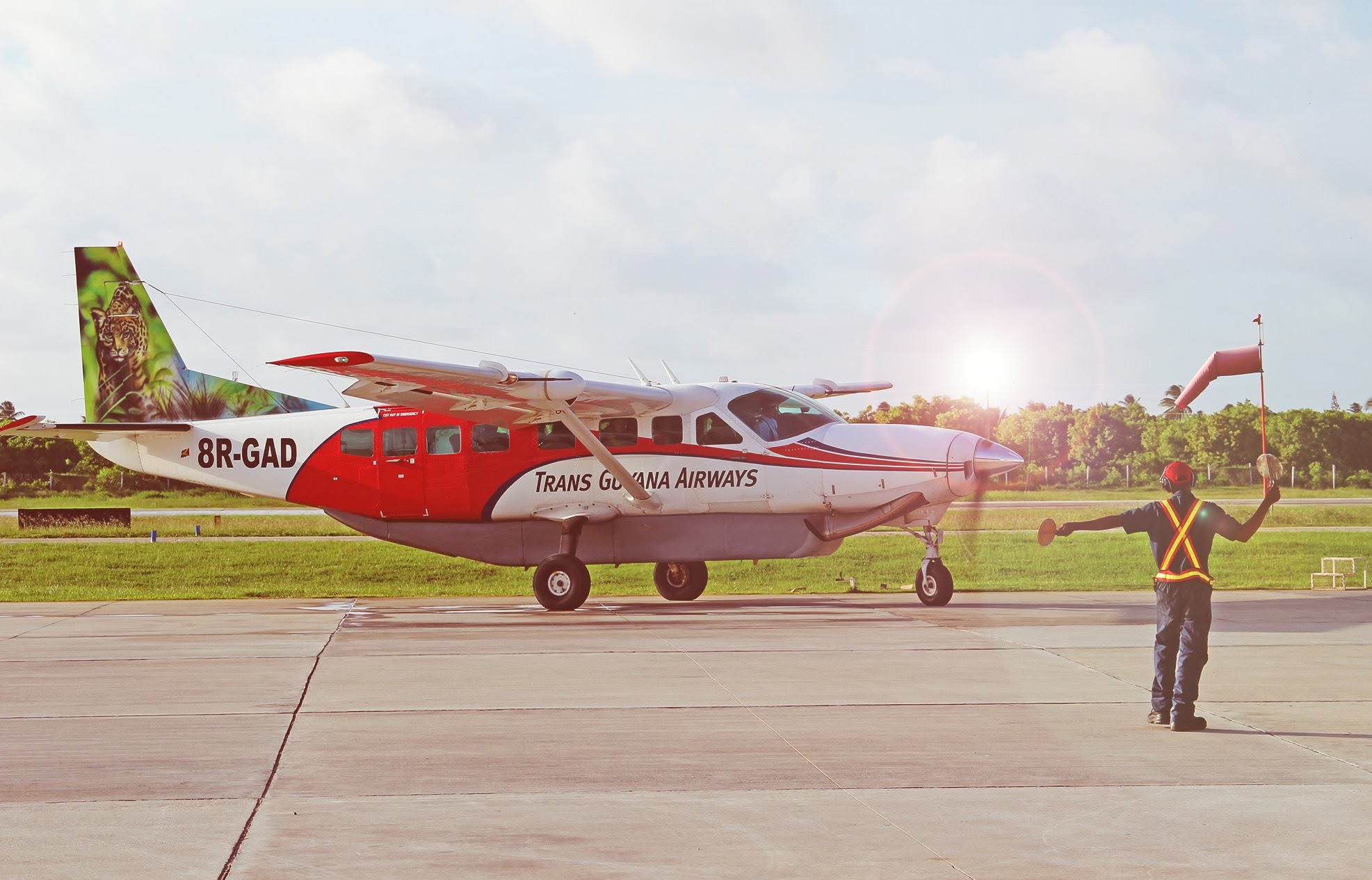
There is currently no direct flight between Guyana and French Guiana. However, following the air services agreement signed on September 30, 2026, which replaces the 1976 agreement, Trans Guyana Airways is planning at least two flights per week between Georgetown and Cayenne, though no dates have been announced. In Georgetown, Guyana, the journey to Cayenne begins with a three- to four-hour drive to Moleson Creek. Next comes a ferry that departs only once a day, a crossing into Suriname, and then a second border crossing. That’s still what it takes in 2026 to reach French Guiana from English-speaking Guyana. The direct flight between Guyana and French Guiana being planned by Trans Guyana Airways would cut this journey from nearly 24 hours to about 1 hour and 15 minutes, according to the airline. Direct Flight Between Guyana and French Guiana: What the September 30, 2026 Agreement Unlocks On September 30, 2026,
