On March 12, 1926, Minerva Mirabal was born in the Dominican Republic. Minerva Mirabal, a woman whose name remains inextricably linked to the country’s political history, and to the global memory of the struggle against violence and authoritarianism. A century later, her story continues to cross generations, far beyond the Dominican borders.
Lawyer, activist and opponent of Rafael Trujillo’s dictatorship, Minerva Mirabal was one of the central figures in an underground movement that opposed one of the most repressive regimes in the Caribbean in the 20th century. Her assassination on November 25, 1960, along with her sisters Patria and María Teresa, marked a turning point in Dominican history. Today, this date is associated with the International Day for the Elimination of Violence against Women, recognized by the United Nations.
Retracing the path of Minerva Mirabal, a hundred years after her birth, helps us understand how a woman from a rural Dominican background could become an enduring symbol of political courage and civic resistance.
A childhood in the Salcedo region
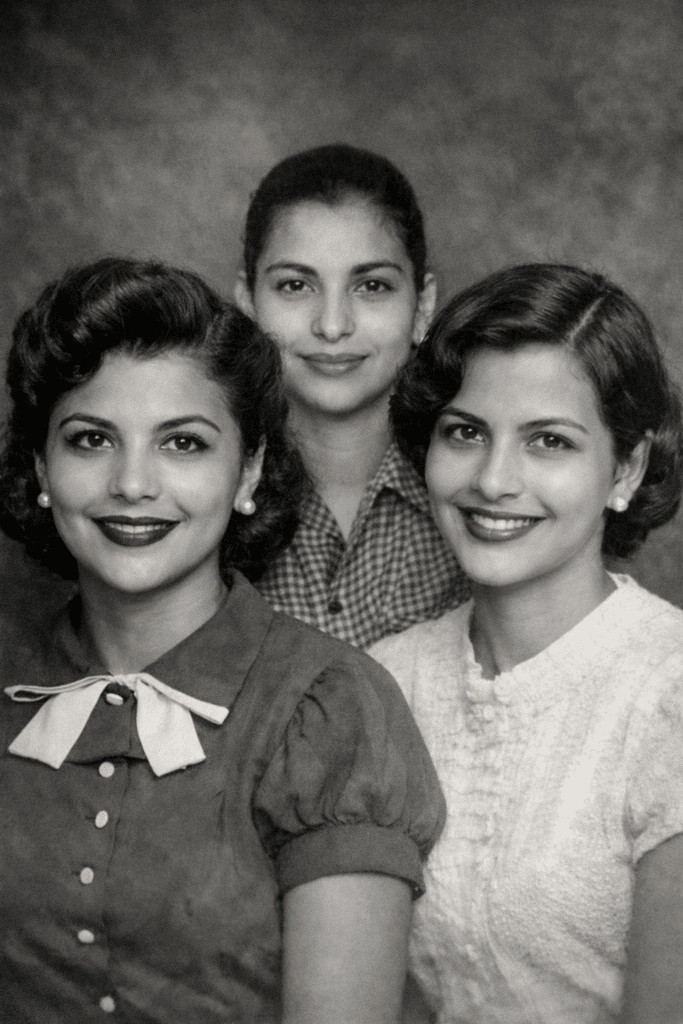
She was born on March 12, 1926 in Ojo de Agua in the Salcedo region, in the heart of the Dominican Republic. Its full name is María Argentina Minerva Mirabal Reyes. She belongs to a family of four sisters: Patria, Dedé, Minerva and María Teresa. The Mirabal family lived in a relatively stable economic environment. Her parents were farm owners and shopkeepers. This social situation is important in understanding her career: Minerva Mirabal did not come from a marginalized background, but from a settled family that could have stayed away from political confrontations.
Yet it was precisely in this context that she developed the political awareness that would shape her life. From an early age, Minerva distinguished herself by her assertive character and strong intellectual curiosity.
A rare university education for a woman of her time
In the 1940s and 1950s, Dominican women’s access to higher education was still limited. Despite these obstacles, Minerva Mirabal studies law at the Autonomous University of Santo Domingo. She graduated in 1957 becoming one of the country’s first female law graduates. This academic achievement alone represents a form of emancipation in a society still marked by strong gender inequalities.
However, her professional career was soon hampered by the country’s political reality. The Dominican authorities refused to grant her permission to practice as a lawyer, a decision linked to her reputation as an opponent of the regime. This prohibition reveals the nature of the Dominican political system at the time, where social and professional advancement could be blocked by loyalty, or the lack of it, to the powers that be.
The Trujillo dictatorship: a context of repression
To understand Minerva Mirabal’s commitment, we need to place her career in the context of the dictatorship of Rafael Leónidas Trujillo who ruled the Dominican Republic from 1930 à 1961. The Trujillist regime was characterized by tight control of society, widespread surveillance and systematic repression of political opponents. Power was based on a powerful security apparatus and a cult of personality around the dictator.
Any protest could result in arrest, imprisonment or disappearance. Organized opposition was extremely dangerous. Despite this climate, it chose to become politically active.
The emergence of a political opponent
Over the course of the 1950s, Minerva Mirabal developed increasingly strong political convictions. She gradually joined the underground networks that sought to challenge the dictatorship. Together with her husband Manolo Tavárez Justo she participated in the creation of Movimiento 14 de Junio a resistance organization opposed to the Trujillo regime.
In this movement, members use pseudonyms to protect their identity. Minerva Mirabal adopts the name of “Mariposa” which means “butterfly” in Spanish. This name would later become one of the most powerful symbols in the memory of the Mirabal sisters, known today by their nickname of Las Mariposas. The underground organization sought to structure a political opposition capable of challenging the dictatorship.
Arrests and surveillance
The commitment of Minerva Mirabal and her sister María Teresa soon attracted the attention of the authorities. In 1960 the two women were arrested and imprisoned. They were detained in January 1960 then arrested again a few months later. These arrests were part of a wider strategy by the regime to neutralize opposition networks. Even after their release, she and her family remained under constant surveillance by the Dominican intelligence services. Despite this pressure, the Mirabal sisters continue to support the activities of the underground movement.
November 25, 1960: a political assassination
November 25, 1960 Minerva Mirabal, her sister Patria Mirabal her sister María Teresa Mirabal and their driver Rufino de la Cruz are on their way to Puerto Plata to visit their imprisoned husbands. On the way back, their vehicle is intercepted by agents of the regime. The three sisters and their driver are murdered. Initially, the authorities tried to present the crime as a car accident. The circumstances of their deaths and the testimonies subsequently gathered confirmed that it had been a political assassination orchestrated by the Trujillo regime. This event sent shockwaves through Dominican society.
A crime that hastened the fall of the regime
The death of the Mirabal sisters aroused deep indignation in the country. Their murder quickly became a symbol of the regime’s brutality. The crime strengthened opposition to the dictatorship. A few months later, in May 1961, Rafael Trujillo was assassinated, ending more than thirty years of authoritarian rule. The disappearance of Minerva Mirabal and her sisters was part of a historical sequence that preceded the collapse of the Trujillo regime.
A universal memory
The memory of Minerva Mirabal now extends beyond the Dominican Republic. November 25 has become an international date of mobilization against violence against women. 1999, the United Nations General Assembly adopted resolution 54/134, formalizing the International Day for the Elimination of Violence against Women. The choice of this date pays tribute to the Mirabal sisters. In the Caribbean and Latin America, their story has become a major reference point in movements for human rights and equality.
A lasting presence in the Dominican memory
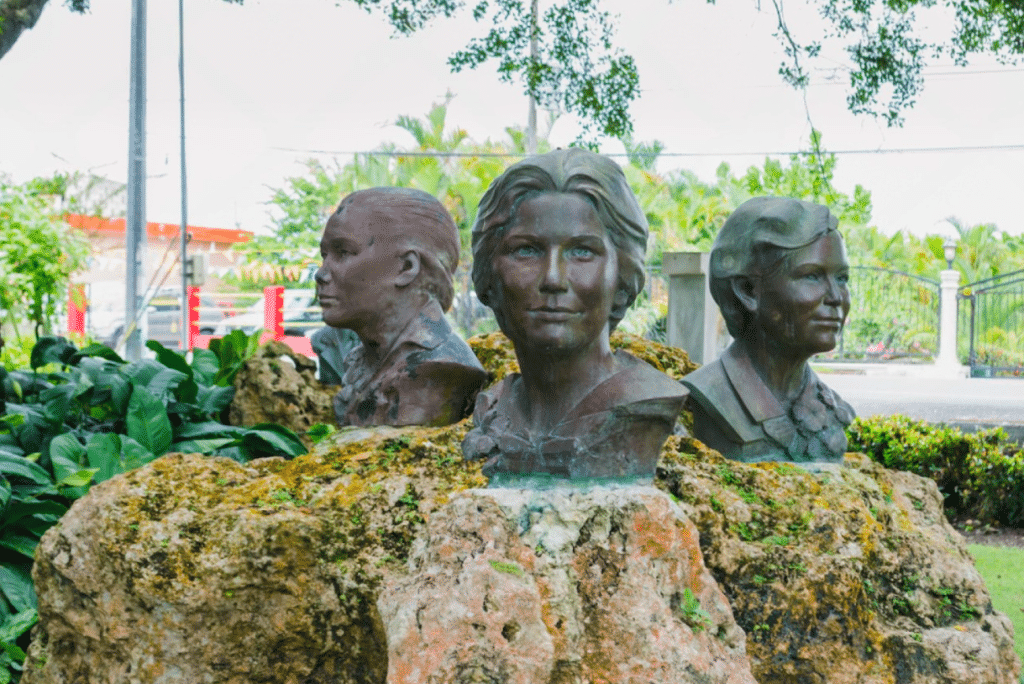
In the Dominican Republic, Minerva Mirabal’s legacy can be seen in many memorial sites. The family home has been transformed into a Casa Museo Hermanas Mirabal a museum dedicated to their history and political commitment. The province of Salcedo has also been renamed province Hermanas Mirabal in 2007.
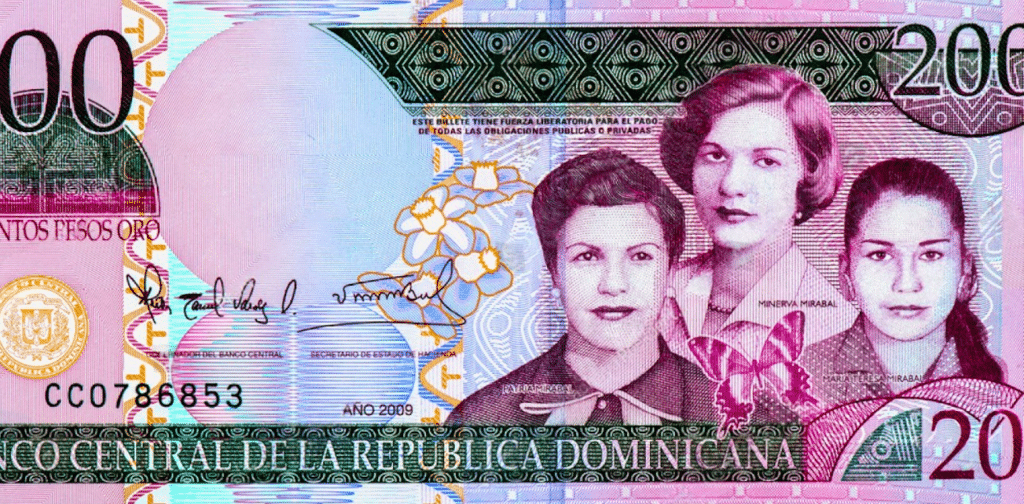
Their image also appears on the 200 Dominican peso banknote a sign of their importance in national history. These institutional tributes testify to the place the Mirabal sisters now occupy in the country’s collective memory.

One hundred years after his birth, a figure still relevant today
One hundred years after Minerva Mirabal’s birth, her journey continues to question contemporary societies. Her commitment reminds us that resistance can emerge at the very heart of authoritarian systems. It also shows that the political history of the Caribbean is built on individual trajectories marked by courage, determination and the will to transform society.
In Dominican history, Minerva Mirabal remains one of the strongest voices in the struggle against dictatorship.. And in world history, her name remains associated with a universal cause: the fight against violence and injustice against women. A century after her birth, this memory continues to cross borders and generations.
Minerva Mirabal was a Dominican lawyer and activist born on March 12, 1926 in Ojo de Agua, in the Salcedo region. An opponent of Rafael Trujillo’s dictatorship, she helped found the underground movement Movimiento 14 de Junio. Along with her sisters Patria and María Teresa, she was assassinated on November 25, 1960. Her story has become one of the major symbols of political resistance in the Dominican Republic.
Minerva Mirabal embodied the civil opposition to the dictatorship of Rafael Trujillo, who ruled the Dominican Republic from 1930 to 1961. Her political commitment and that of her sisters left their mark on the country’s history. Their assassination in 1960 provoked strong national indignation and helped weaken the authoritarian regime.
In the underground movement opposed to Trujillo, Minerva Mirabal used the code name “Mariposa” which means butterfly in Spanish. This pseudonym became the group’s symbol and gave rise to the nickname Las Mariposas today associated with the memory of the Mirabal sisters throughout the Dominican Republic.